Motorcycle Ball Retainer Suppliers and Manufacturers
Compare 31 verified suppliers offering Motorcycle Ball Retainer products with ISO certifications and varying lead times. Review dimensions, grades, and response times to select a partner, then request quotes for specific requirements; review the available evidence before requesting comparable quotations from suitable candidates.
Suppliers List
Changzhou Feige Steel Ball Co., Ltd.
- Verified by BV
- Combined
- China Jiangsu
- Lead time15 days
- Avg. response≤ 2h
Main productsChrome Steel Ball, Stainless Steel Ball, Carbon Steel Ball, Steel Ball, Glass Ball
Main marketsSouth America,Africa,Southeast Asia/ Mideast,East Asia(Japan/ South Korea),Domestic,Europe,Australia,North America
Shenzhen Casdony Technology Co., Ltd.
- Manufacturer, Trading Company
- Guangdong, China
- Lead time0 days
- Avg. response≤ 11h
Main productsVideo & Audio,iPhone Accessories,Computer Peripherals,Cameras & Photo Accessories,Smart Device & Safety
Main marketsNorth America(40.0%), Domestic Market(15.0%), Eastern Europe(10.0%), Northern Europe(5.0%), Western Europe(5.0%), Southeast Asia(5.0%), Oceania(3.0%), Central America(3.0%), South Asia(3.0%), Eastern Asia(3.0%), Mid East(3.0%), South America(2.0%), Southern Europe(2.0%), Africa(1.0%)

Hebei Peijie Trading for Import and Export Co., Ltd
- Verified by SGS
- Combined
- China Hebei
- Lead time15 days
- Avg. response≤ 18h
Main productsMotorcycle Spare Parts, Cable, Filter, Light for Bajaj 3 Wheelers
Main marketsAfrica,Others(foreignTradeCapacity.exportBusinessCapacityMarketOther)

Shandong Schnellgoal Machinery Technology Co., Ltd
- Verified by SGS
- Trading Company
- China Shandong
- Lead time15 days
- Avg. response≤ 10h
Main productsSteel Dock Board, Aluminum Ramp, Loading Dock Gate, Light-Duty Steel Hopper, Carts Dollies
Main marketsEurope,North America

Ningbo Jalyn International Trading Co., Ltd.
- Trading Company,Manufacturer/Factory
- China Zhejiang
- Lead time30 days
- Avg. response≤ 21h
Main productsMotorcycle Parts, Motorcycle Accessories, Aftermarket Motorcycle Parts, ATV Parts, Bicycle Parts, Motorcycle Plastic Parts, Motorcycle Mirror, Motorcycle Handle Grips, Motorcycle Engine, Bicycle Accessories
Main marketsSouth America,Eastern Europe,North America,Eastern Asia,Oceania,Western Europe,Africa
- Trading Company
- China Shanghai
- Lead time15 days
- Avg. response≤ 4h
Main productsCeramic Balls, Ceramic Bearings, Thin Section Bearings, Stainless Steel Bearing, Hybrid Bearings, Angular Contact Bearings, Full Ceramic Bearings, Slew Ring Bearings, Bearing Ball, Deep Groove Ball Bearing
Main marketsEurope,North America
Shandong Hualu International Trade Co., Ltd.
- Verified by SGS
- Manufacturer
- China Shandong
- Lead time23 days
- Avg. response≤ 5h
Main productsStainless Steel Ball, Carbon Steel Ball, Bearing Steel Ball, Chrome Steel Ball, Cylindrical Roller, Silicon Nitride Ceramic Ball, Zirconia Ceramic Ball, Plastic Ball, Copper Ball, Glass Ball
Main marketsSoutheast Asia/ Mideast,Domestic
Snor (chongqing) Import And Export Trading Co., Ltd.
- Trading Company
- Chongqing, China
- Lead time7 days
- Avg. response≤ 3h
Main productsMotorcycle accessories,Car modification parts,engine,engine parts,Motorcycle
Main marketsSouth America(20.0%), Northern Europe(15.0%), North America(15.0%), Southern Europe(10.0%), Eastern Europe(10.0%), Western Europe(10.0%)
Chongqing Cengfa Industrial And Trading Co., Ltd.
- Verified by TüVRheinland
- Trading Company
- Lead time5 days
Main productsMotorcycles, Motorcycle Engines, Motorcycle Clutchs, Crank And Connecting Rod Mechanism, Cylinder Head
Main marketsAfrica(40%), Southeast Asia(15%), Eastern Asia(15%)
Ruian Aoran Electronic Technology Co., Ltd.
- Manufacturer, Trading Company
- Zhejiang, China
- Lead time50 days
- Avg. response≤ 9h
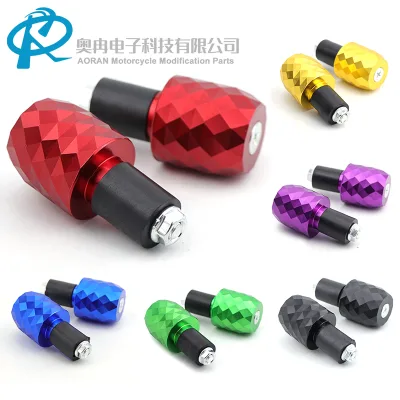
Main productsHandlebar Grips,Handlebar Grips Cap,Turn Signal Lights,Front Anti Falling Frame Sliders,Footrest Pegs
Main marketsSouth America(70.0%), South Asia(30.0%)

Yog Auto Mobile Parts Co., Ltd.
- Verified by BV
- Trading Company,Manufacturer/Factory
- China Guangdong
- Lead time30 days
- Avg. response≤ 21h
Main productsMotorcycle Accessory, Motorcycle Chain, Motorcycle Engine Parts, Motorcycle Camshaft, Motorcycle Sprocket, Motorcycle Brake, Motorcycle Horn, Motorcycle Piston and Ring, Motorcycle C. D. I
Main marketsSouth America,Eastern Europe,Mid East,Southeast Asia,Eastern Asia,Oceania,Africa

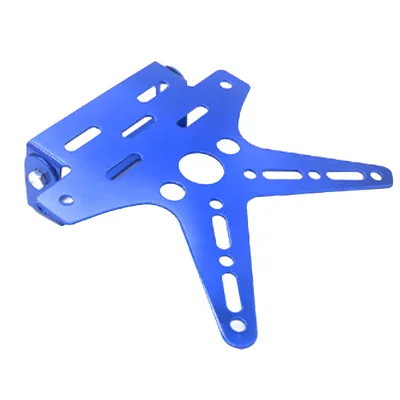
Motorcycle Accessories Plate Holder License Bracket
Contact supplier


HEBEI GIONLEE MACHINERY EQUIPMENT SALES CO., LTD.
- Verified by BV
- Trading Company
- China Hebei
- Lead time30 days
- Avg. response≤ 2h
Main productsMetal Welding Parts, Metal Stamping Part, Sheet Metal Fabrication, Deep Drawn Parts, CNC Machining Part, Ready Made Fasteners, Plastic Parts, Rubber Parts, Parking Heater, Machine
Main marketsSouth America,Southeast Asia/ Mideast,East Asia(Japan/ South Korea),Europe,North America
- Manufacturer, Trading Company
- Taiwan, China
- Lead time0 days
- Avg. response≤ 9h
Main productsmotor parts sell,production motor parts,modify motorcycle,customization engine
Main marketsSoutheast Asia(40.0%), South America(40.0%), Eastern Asia(10.0%), Africa(10.0%)
Guangzhou Xinda Trading Co., Ltd.
- Trading Company
- Guangdong, China
- Lead time10 days
- Avg. response≤ 6h
Main productsMotorcycle Accessories,Motorcycle spare parts,Motorcycle gloves,Gloves,Glasses
Main marketsSouth America(50.0%), Southern Europe(10.0%), Northern Europe(10.0%), Western Europe(10.0%), Eastern Europe(10.0%), North America(10.0%)
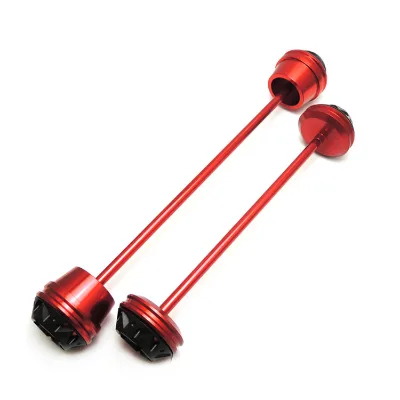
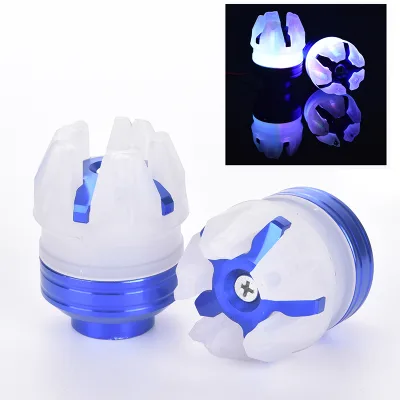
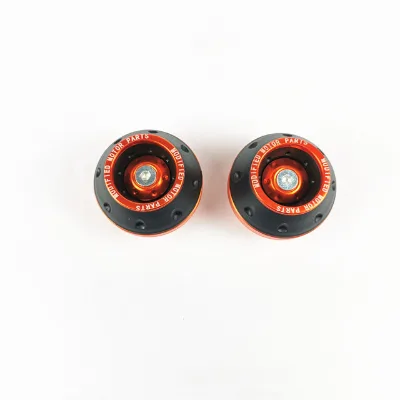
Modified Motorcycle Anti-Collision Balls Engraved Front & Rear Axle Anti-Drop Balls
$24.68 - $30.85
Moq: 1
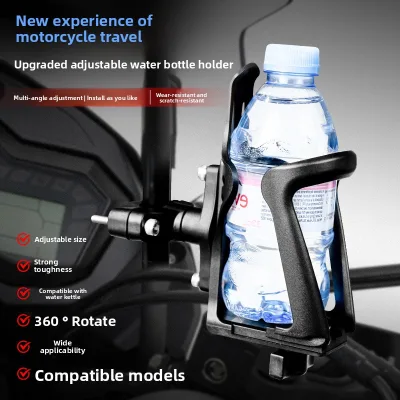

- Verified by TUVRHEINLAND
- Trading Company
- China Tianjin
- Lead time15 days
- Avg. response≤ 3h
Main productsNails Wires
Main marketsSouth America,Others(foreignTradeCapacity.exportBusinessCapacityMarketOther),Europe
Chongqing Lixuan Motorcycle Parts Co., Ltd.
- Trading Company
- Chongqing, China
- Lead time20 days
- Avg. response≤ 5h
Main productsbajaj TVS three wheeler parts,China three wheeler spare parts,motorcycle parts
Main marketsSouth America(20.0%), Southeast Asia(20.0%), Africa(15.0%), Mid East(15.0%), Eastern Asia(10.0%), South Asia(10.0%), North America(5.0%), Central America(3.0%), Domestic Market(2.0%)
Hangzhou Linker Motorcycle Parts Co., Ltd.
- Verified by SGS
- Manufacturer/Factory
- China Zhejiang
- Lead time30 days
- Avg. response≤ 2h
Main productsMotorcycle Accessories, Motorcycle Paddock Stand, Motorcycle Lights, Motorcycle Mirrors, Motorcycle Indicators, Motorcycle Tank Pads, Motorcycle Locks, Motorcycle Handle Bars, Motorcycle Bar Ends, Motorcycle Grips
Main marketsSouth America,Eastern Europe,North America,Oceania,Western Europe,Africa

Sunshine Thunder Parts Co., Ltd.
- Manufacturer/Factory
- China Guangdong
- Lead time23 days
- Avg. response≤ 3h
Main productsMotorcycle Parts, Motorcycle Engine, Motorcycle Cylinders, Motorcycle Crankshaft, Motorcycle Tyres, Motorcycle Brake Shoes, Motorcycle Shock Absobers, Motorcycle Air Filters
Main marketsSouth America,Eastern Europe,Mid East,Southeast Asia,Africa
SHANGHAI JUST BETTER TOOLS CO., LTD.
- Trading Company,Manufacturer/Factory
- China Shanghai
- Lead time0 days
- Avg. response≤ 14h
Main productsPdr Tools, Auto Tools, Paintless Dent Repair Tools, Car Dent Repair Tools, Dent Tool Kit, Dent Puller Kit, Pdr Car Body Repair Tool, Pdr Kit
Fuzhou Linde Technology Co., Ltd.
- Trading Company
- China Fujian
- Lead time0 days
- Avg. response≤ 2h
Main productsAuto Parts
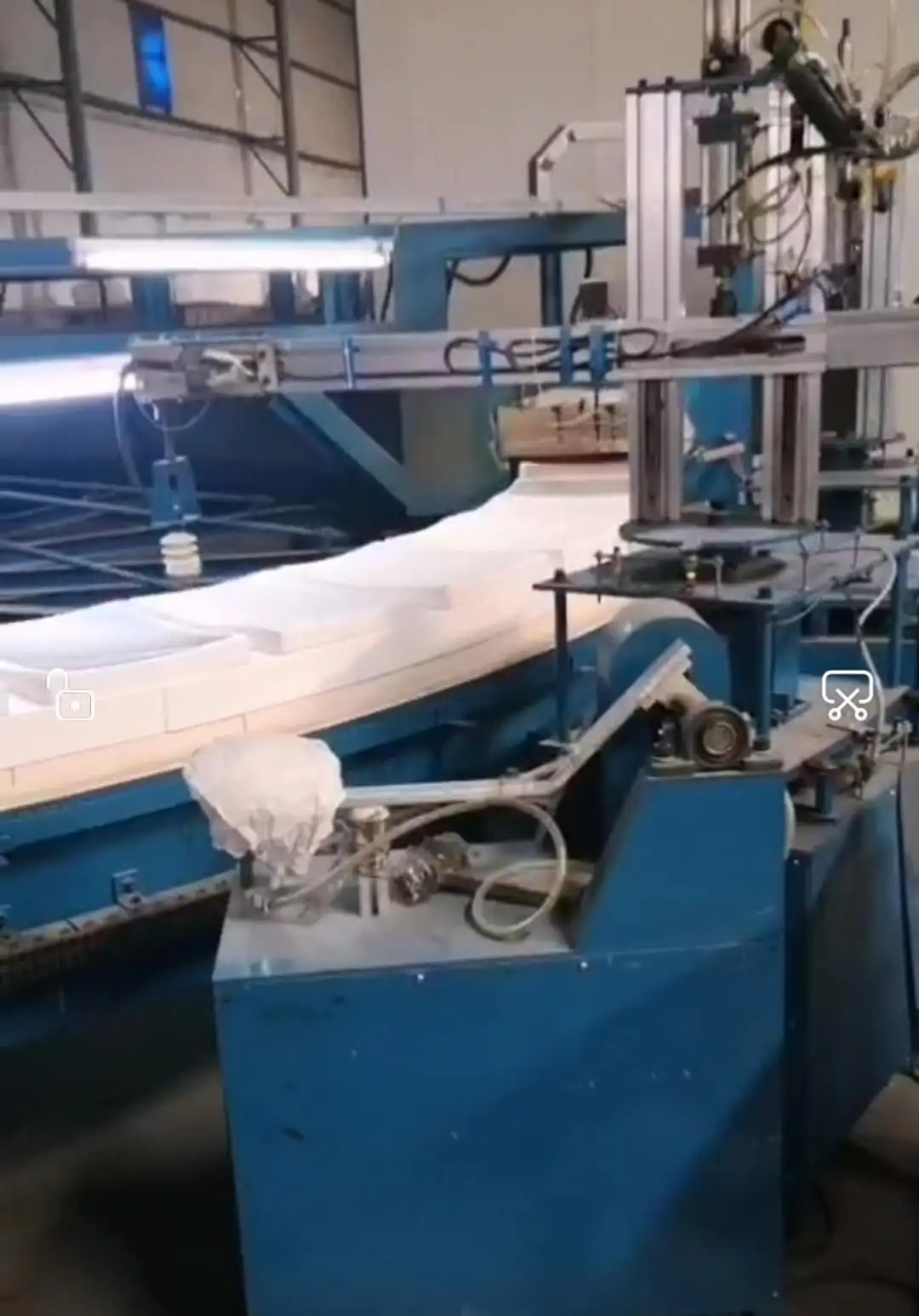
Hebei Jingkuo Vehicles Parts Co., Ltd.
- Trading Company
- Hebei, China
- Lead time30 days
- Avg. response≤ 16h
Main productsSide-view mirror,glass,Auto parts,Motorcycle accessories,Hollow glass accessories
Main marketsDomestic Market(28.000000000000004%), Africa(15.0%), Southeast Asia(12.3%), North America(11.0%), Mid East(8.7%), South America(7.000000000000001%), Eastern Asia(6.5%), South Asia(5.0%), Central America(5.0%)

Xingtai Tianjiu Bicycle Parts Co., Ltd
- Verified by SGS
- Combined
- China Hebei
- Lead time30 days
- Avg. response≤ 4h
Main productsBicycle Parts, Bicycle, Bicycle Crank&Chainwheel, Bicycle Brake Sets, Saddle, Pedal, Bicycle Accessories, Bicycle Tire, Children Toy Vehicle, Bike Parts
Main marketsAfrica,Domestic,Europe

Shandong Foison International Trade Co., Ltd.
- Verified by SGS
- Trading Company
- China Shandong
- Lead time23 days
- Avg. response≤ 4h
Main productsStainless Steel Ball, Chrome Steel Ball, Carbon Steel Ball, Steel Ball, Plastic Ball, PP Ball, Ceramic Ball, High Carbon Steel Ball, 52100 Ball&Gcr15 Ball&100cr6 Ball, 304/316/420/440 Stainless Steel Ball
Main marketsEastern Europe,Mid East,North America,Western Europe,Africa
Fuzhou Vano Imp.& Exp. Co., Ltd.
- Trading Company
- Fujian, China
- Lead time20 days
- Avg. response≤ 3h
Main productsATV carburetor,motorcycle regulator,motorcycle plastic parts,motorcycle shock Absorber,motorcycle brake shoe
Main marketsSoutheast Asia(25.0%), Eastern Europe(20.0%), Western Europe(20.0%), North America(15.0%), South America(10.0%), Southern Europe(5.0%), Northern Europe(5.0%)
Chongqing Best Creative Technology Co., Ltd.
- Manufacturer, Trading Company
- Chongqing, China
- Lead time20 days
- Avg. response≤ 4h
Main productsmotorcycle accessories,Motorcycle pedals,motorcycle wheel,Motorcycle Accessories Processing,Custom Motorcycle Fabrication & Processing
Main marketsSoutheast Asia(20.0%), Africa(20.0%), North America(20.0%), Northern Europe(10.0%), Western Europe(10.0%), South America(10.0%), Mid East(10.0%)
Xiamen Neway Rubber & Plastic Products Co., Ltd.
- Verified by BV
- Combined
- China Fujian
- Lead time15 days
- Avg. response≤ 3h
Main productsPlastic Injection Molding, Plastic Parts, Silicone Rubber Parts, Gasket Seals, Rubber Grommet, Mould, O Ring, Extrusion Strip, Metal Parts, Suction Cup
Main marketsSouth America,Africa,Southeast Asia/ Mideast,East Asia(Japan/ South Korea),Europe,Australia,North America
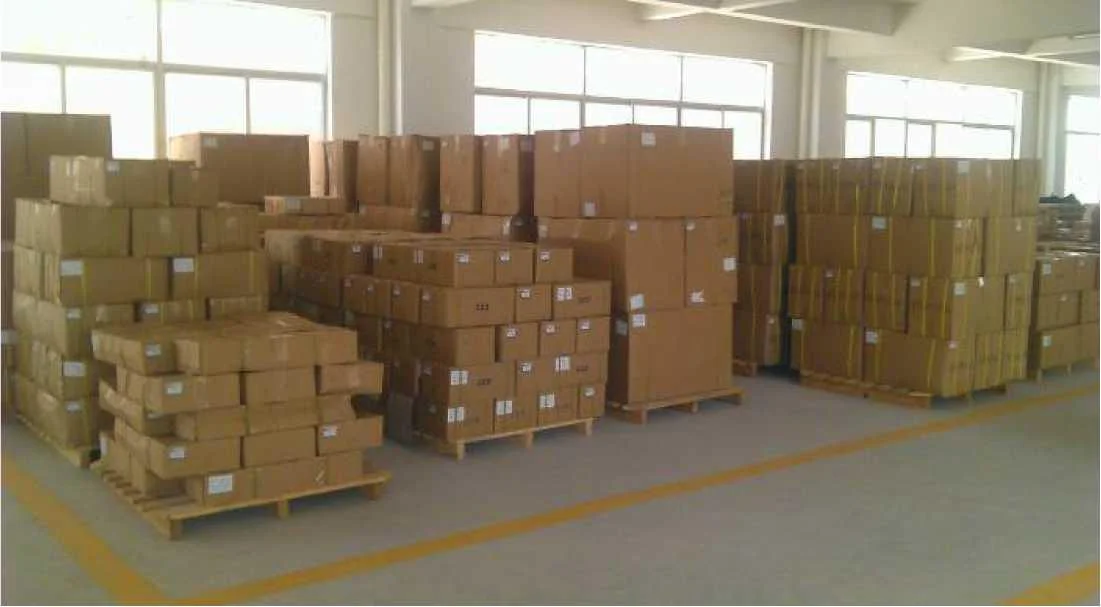
Jinan Uniwise International Limited
- Trading Company
- Shandong, China
- Lead time40 days
- Avg. response≤ 2h
Main productscar and car spare parts,motorcycle and motorcycle spare parts,electric motorcycle,agricultural tyre and industrial tyre,off the road tyre
Main marketsCentral America(40.0%), Southeast Asia(30.0%), Western Europe(20.0%), South America(10.0%)
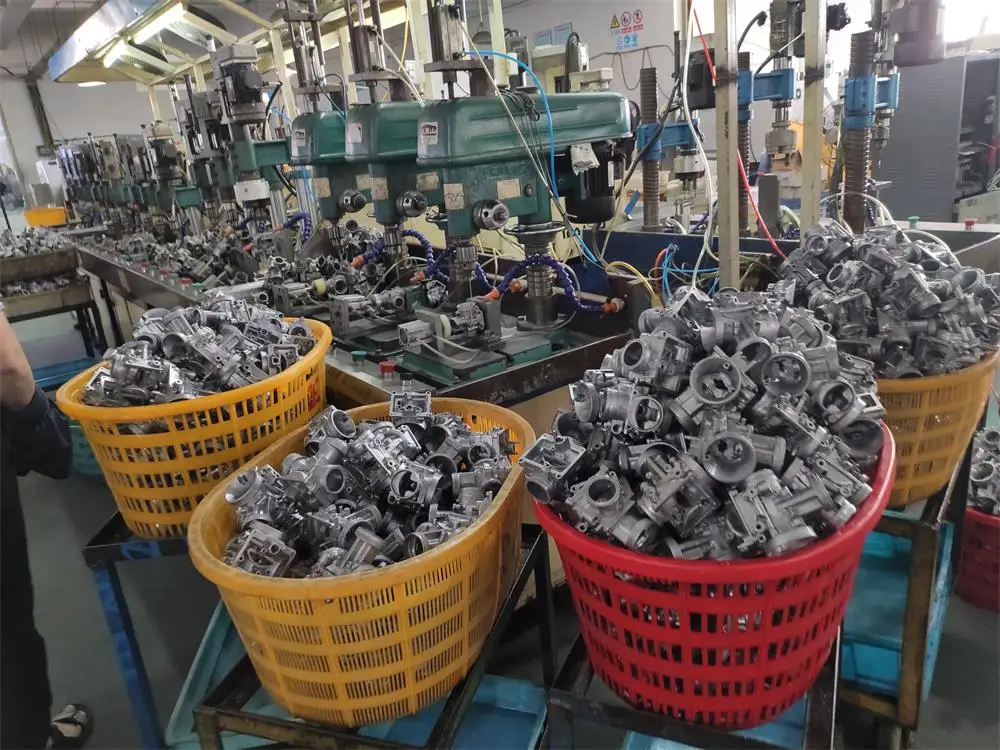
Yiwu Bien Motorcycle Parts Co., Ltd.
- Manufacturer, Trading Company
- Zhejiang, China
- Lead time7 days
- Avg. response≤ 4h
Main productsMotorcycle Meter,Motorcycle modification accessories,motorcycle light,Motorcycle fuel system,Motorcycle mirror
Main marketsSouth America(35.0%), North America(20.0%), South Asia(10.0%), Central America(10.0%), Eastern Europe(10.0%), Western Europe(5.0%), Northern Europe(5.0%), Southeast Asia(5.0%)

Taizhou Spare Parts Expert Import & Export Co., Ltd.
- Trading Company
- China Zhejiang
- Lead time30 days
- Avg. response≤ 6h
Main productsMotorcycle Parts, Scooters Accessories, Motorcycle Accessories, Gy6 Engine Accessories, Italika Spare Parts, Bike Accessories, Cg125 Jog 50, Bajaj, Helmet, Remote Controller
Main marketsSouth America,Southeast Asia/ Mideast,Europe
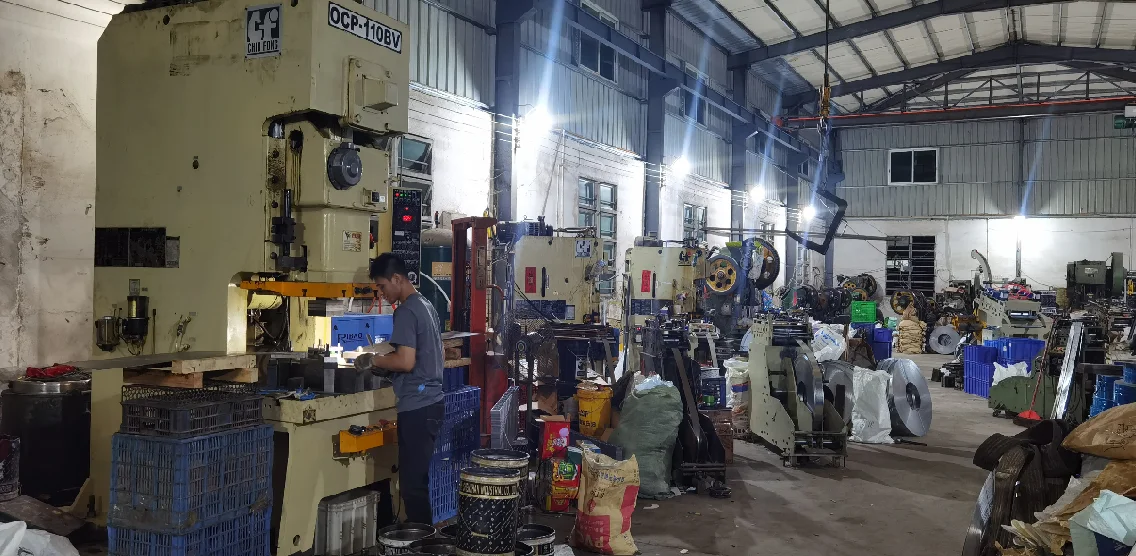
Guangzhou Jinbalai Trading Co., Ltd.
- Manufacturer, Trading Company
- Guangdong, China
- Lead time3 days
- Avg. response≤ 2h
Main productsMotorcycle Mirror,Motorcycle Grips,Motorcycle CNC Parts,Motorcycle Light,Motorcycle Brackets
Main marketsSouth Asia(30.0%), Western Europe(20.0%), North America(20.0%), South America(20.0%), Africa(10.0%)

Qingdao Weilian Plastic & Rubber Co., LTD.
- Trading Company,Manufacturer/Factory
- China Shandong
- Lead time23 days
- Avg. response≤ 9h
Main productsRubber Sealing Strip, Rubber Metal Bonded Part, Rubber Hose, Rubber Grommet, Rubber Buffer, Rubber Bushing, Rubber Gasket Seal, Silicone Rubber Cap, Rubber Stopper
Main marketsSouth America,Eastern Europe,Mid East,North America,Southeast Asia,Eastern Asia,Western Europe


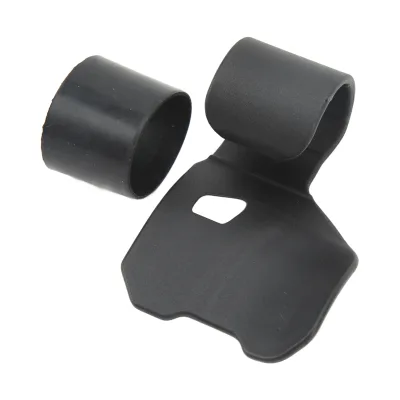
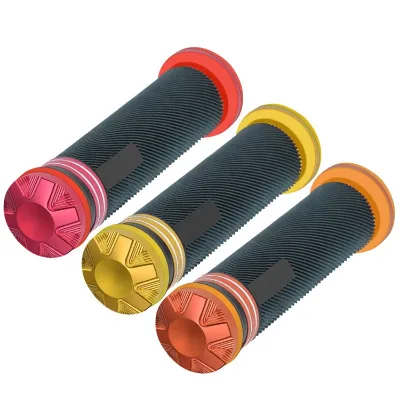
Custom Handlebar Grips Rubber Motorcycle Hand Grips
Contact supplier




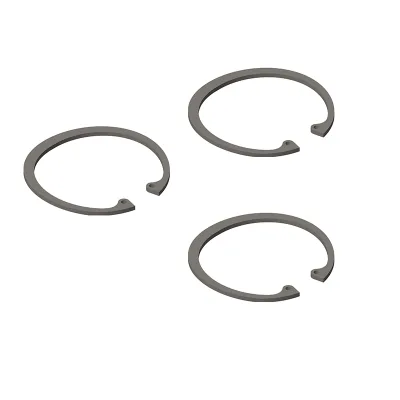
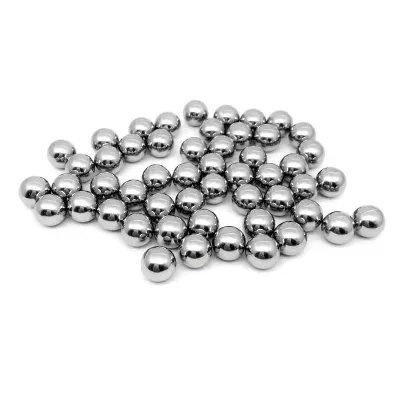
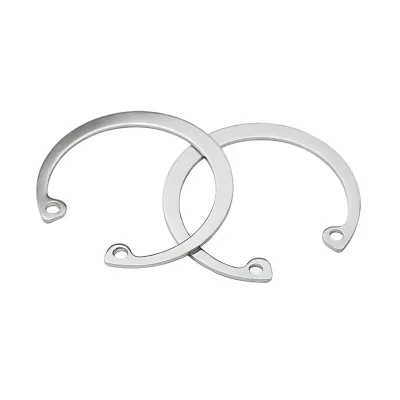
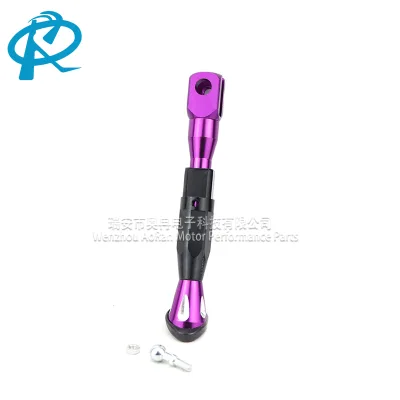












Comprehensive Sourcing Guide
Motorcycle Ball Retainer Supplier Concentration and Factory Types
Current data indicates that verified manufacturing capabilities for steel balls and bearing components are concentrated in Jiangsu, China, where suppliers list Chrome Steel Balls, Stainless Steel Balls, and Carbon Steel Balls as primary outputs. These facilities often operate as combined entities, offering both Original Design Manufacturing and Original Equipment Manufacturing services alongside their own branded products. The presence of ISO9001:2015 and ISO14001:2015 certifications among these Jiangsu-based suppliers suggests a mature industrial cluster focused on precision metalworking and quality management systems. Buyers seeking motorcycle ball retainers should prioritize regions where steel ball production is a core competency rather than a secondary offering, as this often correlates with tighter tolerances and better material consistency.
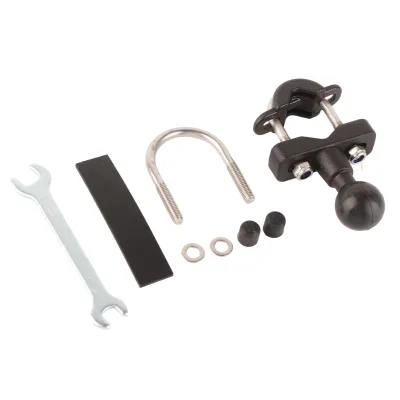
In contrast, other regions such as Guangdong, China, appear in search results with a broader focus on video, audio, and general vehicle accessories rather than precision steel components. Suppliers in these areas may list motorcycle handlebar mounts or license plate brackets but often lack the specific steel ball manufacturing infrastructure found in Jiangsu. When evaluating factory types, buyers must distinguish between pure manufacturers and trading companies that may source generic steel balls from various mills. A combined company type often implies a direct link to production lines, yet verification status, such as BV verification, remains the critical factor in confirming actual factory ownership versus a reseller model.
How to Verify Motorcycle Ball Retainer Suppliers
Verification of a supplier's legitimacy is paramount when sourcing precision components like motorcycle ball retainers, as the market contains both direct manufacturers and intermediaries. Buyers should look for specific verification badges, such as BV verification, which indicates that a third-party agency has physically inspected the business premises and operational capacity. This step is distinct from general platform verification and provides a higher degree of confidence regarding the supplier's existence and ability to fulfill orders. Relying solely on a supplier's self-declared status without external validation increases the risk of engaging with a trading company that cannot guarantee production quality or delivery timelines.
Beyond physical verification, buyers must scrutinize the specific product attributes listed against the supplier's main product portfolio. For instance, a supplier claiming to produce motorcycle ball retainers should explicitly list Chrome Steel Balls, Stainless Steel Balls, or Carbon Steel Balls as their core offerings rather than unrelated items like phone holders or video accessories. The presence of detailed product attributes, such as tolerance levels of 0.0025mm or specific steel grades like 316L and 304, serves as evidence of technical capability. If a supplier's profile lacks these specific technical details or lists generic "Steel Balls" without grade specifications, the buyer should request additional documentation to confirm the supplier's actual manufacturing expertise in this niche.
What to Compare Across Motorcycle Ball Retainer Suppliers
When comparing potential partners, response time is a critical metric that often correlates with the efficiency of the supply chain and the responsiveness of the sales team. Data shows response times can vary significantly, with some suppliers achieving a response time of 1.10 hours while others may take up to 11 hours or more. A faster response time suggests a dedicated sales team and potentially better communication channels, which is essential for resolving technical queries regarding ball grades or custom sizing. Buyers should prioritize suppliers with rapid response metrics, as delays in communication can lead to misunderstandings about specifications and ultimately affect the final product quality.
Lead time and minimum order quantity (MOQ) are equally vital factors that define the feasibility of an order. While some suppliers list a lead time of 15 days, others may indicate a delivery time of 7 days or even 15-21 days depending on the specific product configuration. The MOQ can range from a single unit to 1kg, offering flexibility for different order sizes. Buyers must align these logistical constraints with their production schedules and inventory needs. Additionally, comparing the range of certifications, such as ISO standards, and the availability of customization services helps identify suppliers capable of meeting specific engineering requirements. A supplier offering both OEM and ODM services with a low MOQ may be ideal for prototyping, whereas a high-volume manufacturer might require larger commitments.
Common Motorcycle Ball Retainer Sourcing Risks
One significant risk in sourcing motorcycle ball retainers is the discrepancy between advertised product attributes and actual manufacturing capabilities. Suppliers may list generic keywords like "Steel Ball" or "Bearing Ball" without specifying the exact material grade or hardness required for motorcycle applications. For example, a product listing might claim a hardness of HRC25-39, while another specifies a tolerance of 0.0025mm, creating confusion about which standard applies to the final component. Buyers must verify that the specific steel grade, such as 316L or 304, matches the intended application to prevent premature wear or failure in the motorcycle's transmission or clutch systems.
Another risk involves the ambiguity of delivery times and production schedules. Some suppliers list a lead time of 15 days, while others state "Communication" for production time, which implies a lack of standardized scheduling. This variability can lead to delays that disrupt the buyer's assembly line or inventory planning. Furthermore, the presence of mixed product categories, such as a supplier offering both precision steel balls and motorcycle phone holders, may indicate a lack of focus on the specific engineering requirements of ball retainers. Buyers should be cautious of suppliers who do not clearly define their production capacity or who offer inconsistent delivery windows, as these factors often signal operational inefficiencies that could compromise order fulfillment.
Motorcycle Ball Retainer Regional Sourcing and Logistics
Geographic concentration plays a crucial role in the logistics and cost structure of sourcing motorcycle ball retainers. The Jiangsu region in China is identified as a hub for steel ball manufacturing, with suppliers offering a wide range of products including Chrome Steel Balls and Stainless Steel Balls. This concentration allows for streamlined logistics, as raw materials and finished goods are often sourced and shipped from the same industrial cluster. Buyers sourcing from this region can expect shorter transit times and potentially lower shipping costs due to the density of specialized manufacturers and logistics providers in the area.
In contrast, suppliers located in other regions, such as Guangdong, may focus on different product lines like vehicle accessories or electronic components, which could complicate the logistics of sourcing precision steel parts. If a supplier is not located in a known manufacturing cluster for steel balls, the buyer should verify the origin of the materials and the distance to the port of shipment. The product origin listed as Jiangsu, China, for specific steel ball items suggests a direct link to the manufacturing source, whereas other listings may involve multiple handling steps. Buyers should prioritize suppliers with clear regional origins to ensure transparency in the supply chain and to minimize the risk of logistical bottlenecks that could delay the delivery of critical motorcycle components.
Motorcycle Ball Retainer Commercial Terms and Order Planning
Commercial terms, including pricing and payment structures, vary significantly across suppliers and must be carefully evaluated to ensure cost-effectiveness. Price ranges for steel balls can differ based on material grade and size, with some listings showing prices between 3.00 and 3.50 per unit, while others range from 6.91 to 7.98. Buyers should compare these figures against the specified material properties, such as hardness and tolerance, to determine the true value of the offer. Additionally, the invoicing method, such as billing by actual weight, can impact the final cost, especially for large orders where weight variations might occur. Understanding these pricing dynamics is essential for accurate budgeting and cost control.
Order planning requires a clear understanding of the supplier's capacity and customization options. Suppliers offering ODM and OEM services with their own brands provide flexibility for buyers seeking tailored solutions, but this often comes with specific MOQ requirements. Some suppliers list an MOQ of 1kg, while others may have different thresholds based on the product type. Buyers must align their order volume with these constraints to avoid unnecessary costs or production delays. Furthermore, the availability of customization, such as specific surface finishes or packaging, should be confirmed before placing an order. Ensuring that the supplier can meet the required delivery time, whether it is 7 days or 15-21 days, is critical for maintaining a smooth production schedule and avoiding disruptions in the supply chain.
FAQs
What grades of precision are available for Motorcycle Ball Retainer components?
Suppliers in these results list bearing balls graded G10 to G1000, so you can match the grade to your retainer application. Higher grades like G10 suit precision wheel and clutch bearings, while mid grades work for general transmission use. Always confirm the grade certificate and measurement method before ordering samples.
Which steel types are used for motorcycle bearing balls?
Listed products cover chrome steel, stainless steel in 304, 304L, 316 and 316L grades, and carbon steel. Chrome steel offers high hardness for load-bearing positions, while stainless variants add corrosion resistance for exposed applications. Verify the AISI standard designation and hardness rating, such as HRC25-39, with each supplier.
What size ranges can motorcycle bearing balls be supplied in?
The listed products span 0.8 mm to 70 mm, with one stainless line covering 1.2 mm to 25.4 mm and tolerances as tight as 0.0025 mm. This covers most wheel, clutch and transmission retainer needs. Request a size chart and confirm tolerance class matches your bearing specification before committing.
How long does production and delivery usually take?
Supplier lead times in these results range from about 7 days for some stainless ball orders to 15-21 days for customized stainless items, with a general listed lead time around 15 days. Production time for accessories is confirmed by communication. Agree a written delivery date and check whether it covers sampling separately.
What is the typical minimum order quantity for bearing balls?
One listed stainless steel ball product shows an MOQ of 1 kg, and another listing shows an MOQ of 1 unit, so low-volume trial orders appear possible. Small MOQs let you test fit and finish before scaling. Confirm per-order weight limits and invoicing terms, since one listing notes invoicing by actual weight.
Do suppliers support custom or OEM ball retainer parts?
Yes, the listed capabilities include ODM, OEM and own-brand production, and product listings state customization is available. Some accessories also support logo customization and sample orders. Provide your drawings, material grade and tolerance requirements early, and confirm tooling costs and sample lead times in writing.
What certifications should I verify when sourcing bearing balls?
Suppliers in these results list ISO9001:2015 and ISO14001:2015 system certificates, and individual products carry ISO certification claims. These indicate a managed quality system but do not prove batch-level ball quality. Ask for material certificates, hardness test reports and grade inspection records for the specific shipment you plan to order.
How quickly do these suppliers respond to inquiries?
Response times in the current results vary widely, with one steel ball supplier averaging about 1.1 hours and an accessories supplier averaging around 11 hours. Fast response helps when clarifying tolerances and grades. Send a detailed specification request to several suppliers and compare both reply speed and technical accuracy.