Mr and Mrs Ceramic Coffee Mug with Spoon Suppliers and Manufacturers
Browse 32 suppliers offering Mr and Mrs Ceramic Coffee Mug with Spoon products and compare them by location, factory or trading company type, lead time, response time, certifications, and OEM or ODM capability. Request quotes and samples from shortlisted suppliers to verify pricing, MOQ, and customization options before ordering.
Updated
Suppliers List

Zibo Timestone International Co., Ltd.
- Manufacturer/Factory
- China Shandong
- Lead time45 days
- Avg. response≤ 11h
Main productsCeramic Dinnerware, Ceramic Mugs, Stainless Steel Bottles Mugs and Tumblers, Glass Bottles Mugs and Tumblers, Dinnerware, Tableware, Glassware, Kitchenware, Household Items, Ceramic Granding Balls and Filters
Main marketsSouth America,Eastern Europe,Mid East,North America,Southeast Asia,Eastern Asia,Oceania,Western Europe,Africa

- Verified by BV
- Trading Company,Manufacturer/Factory
- China Zhejiang
- Lead time15 days
- Avg. response≤ 8h
Main productsCeramic Mug, Kitchen Storage, Water Bottle, Cookware Set, Charger Plates, Shaker Set, Storage Rack, Food Container, Kitchen Accessories, Yiwu Agent
Main marketsSouth America,Eastern Europe,Mid East,North America,Southeast Asia,Eastern Asia,Oceania,Western Europe,Africa
Haosheng (zibo) International Trade Co., Ltd.
- Verified by Intertek
- Trading Company
- Lead time35 days
- Avg. response≤ 3h
Main productsCeramic Mug, Stainless Steel Tumblers
Main marketsNorth America(40%), Northern Europe(30%), Eastern Asia(10%)
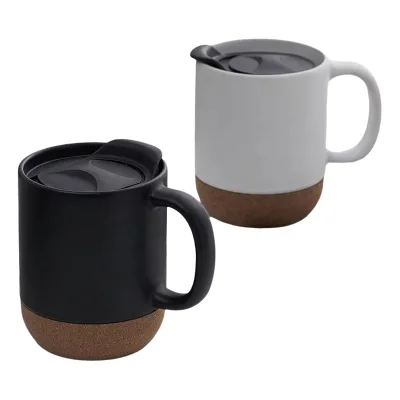
Custom Logo Matte Black Coffee Cup 14oz Ceramic Coffee Mug With Insulated Cork Bottom and Lid
$1.0793 - $1.6018
MOQ: 1000 pieces

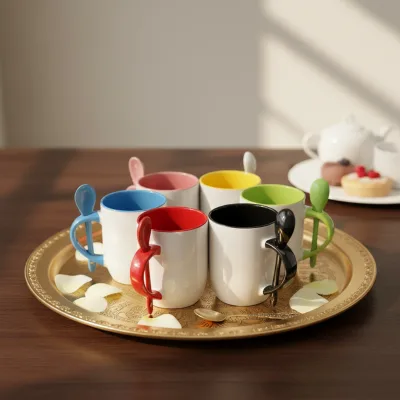
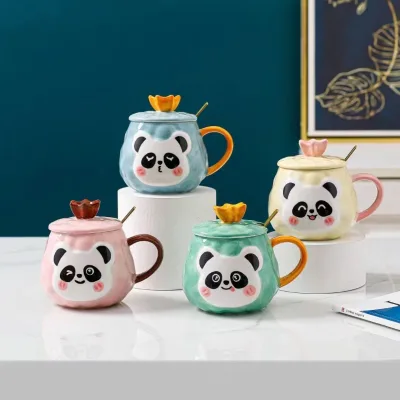
Customized Personalized Cute Cartoon White Ceramic Coffee Cup With Lid Spoon Reusable Coffee Cup
$0.25 - $0.61
MOQ: 1000 pieces
Chaozhou Sanding Pottery Co., Ltd.
- Trading Company
- Guangdong Province, China
- Lead time3 days
- Avg. response≤ 3h
Main productsPromotional Ceramic Mugs,Stainless Steel Tumblers,Enamel Mugs,Ceramic Dinner Set,Ceramic Soup Pot
Main marketsNorth America(35.00%), Mid East(10.00%), Western Europe(10.00%), Eastern Europe(10.00%), Northern Europe(10.00%), Southeast Asia(6.00%), Eastern Asia(5.00%), Southern Europe(5.00%), Oceania(3.00%), South America(2.00%), Domestic Market(1.00%), South Asia(1.00%), Africa(1.00%), Central America(1.00%)
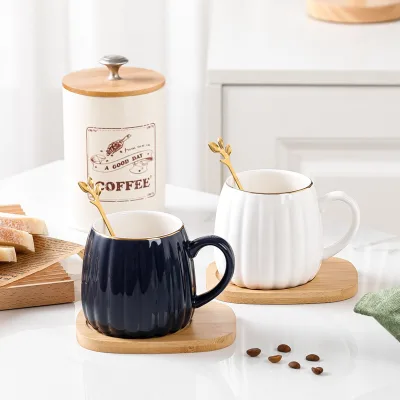
$2.5733 - $3.0763
MOQ: 50 pieces
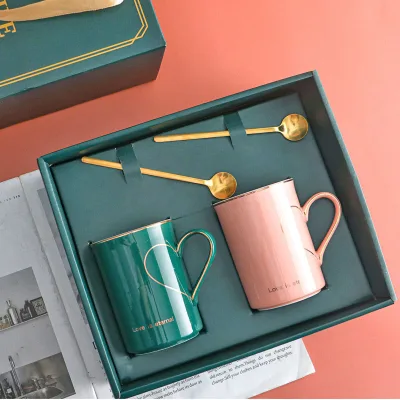

Xiamen Yoyo Ceramic Trading Co., Ltd.
- Verified by BV
- Combined
- China Fujian
- Lead time23 days
- Avg. response≤ 11h
Main productsCeramic Mugs, Ceramic Plates, Teawares, Ceramic Canisters, Ceramic Vases, Ceramic Flower Planters, Ceramic Coin Bank, Flowerpot, Canisters, Resin Crafts
Main marketsSouth America,Africa,Southeast Asia/ Mideast,East Asia(Japan/ South Korea),Europe,Australia,North America

- Verified by BV
- Trading Company
- China Shandong
- Lead time30 days
- Avg. response≤ 2h
Main productsCeramic Mugs, Ceramic Dinnerware, Ceramic Tea Set, Ceramic Kitchen Ware, Custom Drum Shape Ceramic Coffee Mug, 24oz Large Capacity 3D Embossed Mug, Porcelain Cappuccino Cup and Saucer, 14oz Custom Souvenirs Ceramic Mug, 12 Sets Vintage Reactive Glazed Tableware, Custom Royal White Ceramic Milk Jar
Main marketsNorth America

Custom Spoon Mug Blue Ceramic Coffee Mug 265ml Porcelain Milk Mug with Spoon
$0.50 - $1.50
MOQ: 5000 Pieces


Chaozhou City Cha'an District Fengtang Town Sai Si Ceramics Factory
- Verified by CTI
- Combined
- China Guangdong
- Lead time30 days
- Avg. response≤ 6h
Main productsMugs, Ceramic Tissue Boxes, Ceramic Pet Bowls, Ceramic Vases
Main marketsDomestic

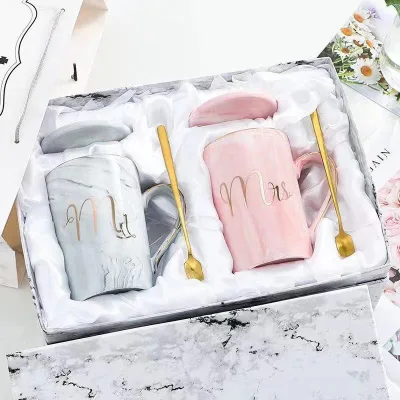
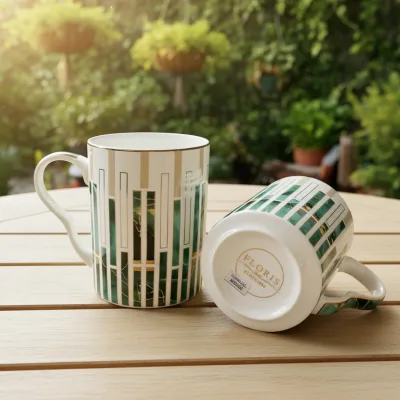
High Quality Mr & Mrs Marble Pattern Personalized Ceramic Coffee Mugs with Spoon Lid Business Gifts
$2.00 - $4.00
MOQ: 1000 Pieces

400ml Ceramic Milk Mug Creative Coffee Cup with Spoon Office Coffee Cup Office Gift
$4.00 - $8.00
MOQ: 1000 Pieces


$4.00 - $8.00
MOQ: 1000 Pieces


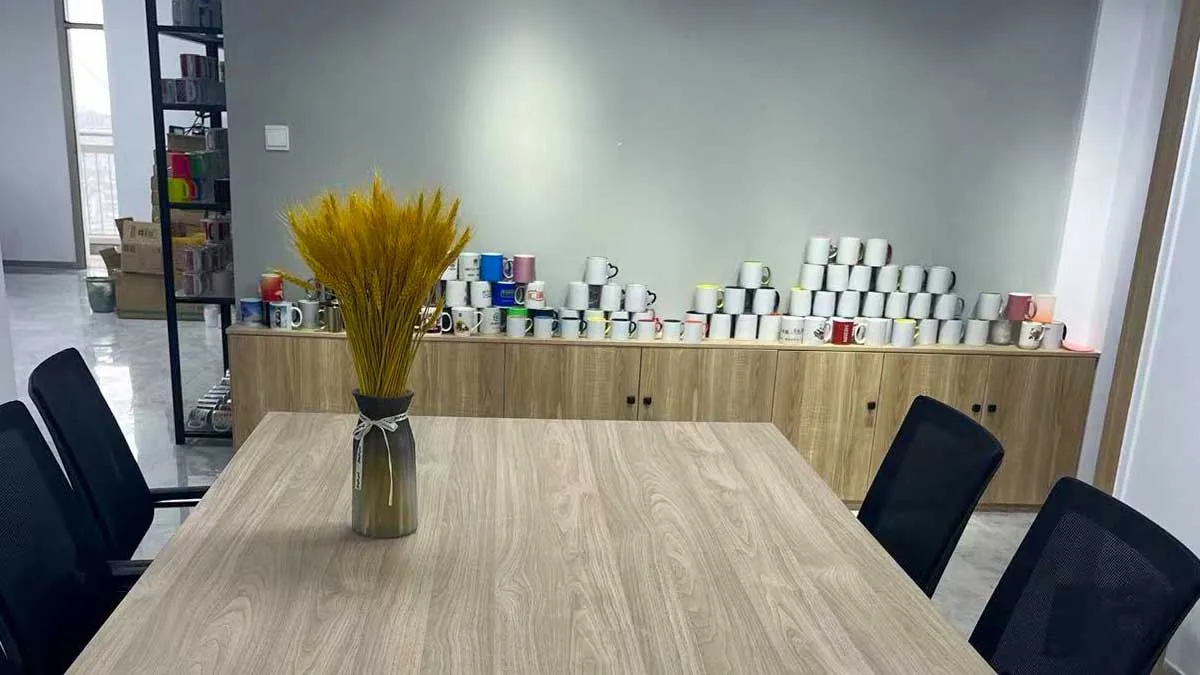
- Manufacturer, Trading Company
- Shandong, China
- Lead time30 days
- Avg. response≤ 1h
Main productsMug,Sublimaion mug,Coffee mug,Ceramic mug,Decal mug
Main marketsWestern Europe(30.00%), North America(30.00%), Southern Europe(10.00%), Northern Europe(10.00%), Eastern Europe(10.00%), Oceania(10.00%)

- Verified by TUVRHEINLAND
- Trading Company
- China Zhejiang
- Lead time15 days
- Avg. response≤ 3h
Main productsLanyard, Promotional Gift, Baseball Cap, Bags, T-Shirt, Ceramic Mug, Sport Water Bottle, PU Toys
Main marketsEurope,Australia,North America

Promotional Gift Black Office Ceramic 400ml Milk Coffee Mug with Bamboo Lid and Spoon
$0.80 - $1.20
MOQ: 1000 Pieces


Shanghai Fine-V Intl Trade Co., Ltd.
- Manufacturer, Trading Company
- Shanghai, China
- Lead time45 days
- Avg. response≤ 14h
Main productsTea Pot Set,Coffee Cup,Ceramic Mugs,Handicraft Ceramics,Decorative Porcelain
Main marketsNorth America(20.00%), Mid East(10.00%), Domestic Market(10.00%), Northern Europe(10.00%), Eastern Europe(10.00%), Western Europe(10.00%), Oceania(5.00%), Southern Europe(5.00%), Southeast Asia(5.00%), Central America(5.00%), South America(5.00%), Eastern Asia(5.00%)
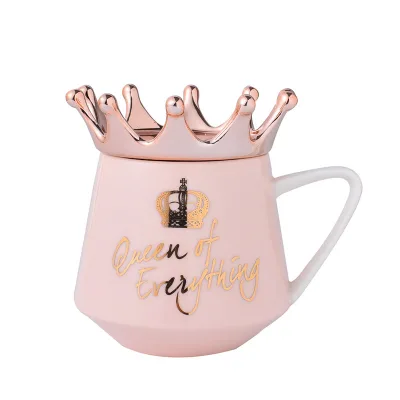
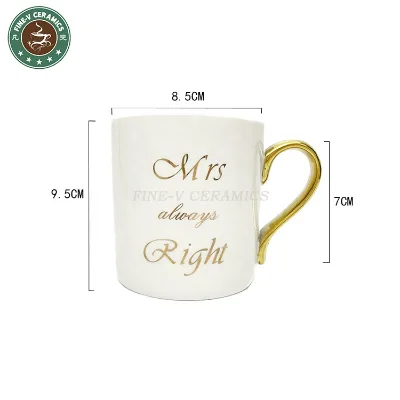
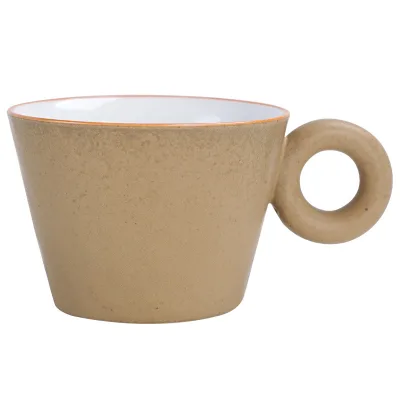
$2.8772 - $3.2889
MOQ: 1 pieces
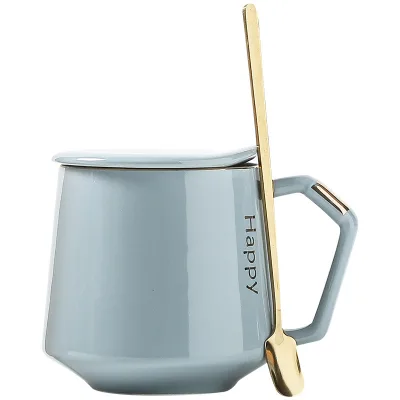
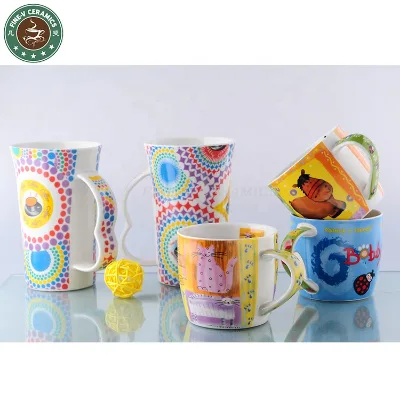
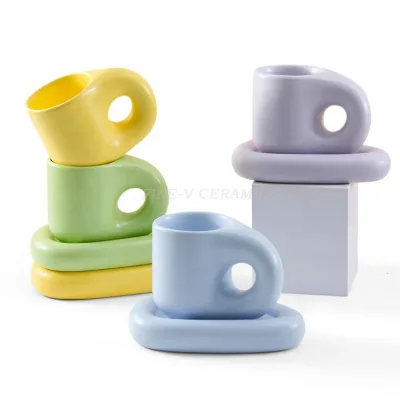
$2.9012 - $3.9371
MOQ: 1000 sets

Zhongshan Keychain Gifts & Crafts Co., Ltd.
- Combined
- China Guangdong
- Lead time15 days
- Avg. response≤ 6h
Main productsKey Ring, Key Chain, Metal Key Chain, Bag Hanger, Compact Mirror, Medal, Key Chain with Bottle Opener, Promotional Gift, Souvenir, Badge
Main marketsSouth America,Europe,Australia,North America

Foshan Ciray Household Products Co., Ltd.
- Trading Company,Manufacturer/Factory
- China Guangdong
- Lead time45 days
- Avg. response≤ 17h
Main productsCeramic Plate, Ceramic Bowl, Ceramic Tray, Stainless Steel Tray, Stainless Steel Cutlery, Stainless Steel Plate, Coffee-Related Products, Ceramic Ornaments, Ceramic Tableware, Glass Tableware
Main marketsSouth America,Eastern Europe,North America,Oceania,Western Europe
Suzhou Boce Culture Promotion Gifts Co., Ltd.
- Verified by SGS Group
- Trading Company
- Lead time7 days
- Avg. response≤ 3h
Main productsPromotion Gifts, Sport Event Gifts, Election Gifts, Business Gifts, Holiday Gifts
Main marketsNorth America(60%), Eastern Europe(5%), Southeast Asia(5%)

Longyan Zhanling Industry and Trade Co., Ltd.
- Manufacturer/Factory
- China Fujian
- Lead time150 days
- Avg. response≤ 1h
Main productsStainless Steel Cup, Customized Cup, Stainless Steel Cup & Mug, Double Wall Stainless Steel Cup, Customized Stainless Steel Cup, Water Bottle, Tumbler, Stainless Steel Water Bottle, Stainless Steel Bottle, Whiskey Glass
Main marketsSouth America,Eastern Europe,Mid East,North America,Southeast Asia,Eastern Asia,Oceania,Western Europe,Africa
- Verified by TüVRheinland
- Manufacturer, Trading Company
- Lead time45 days
- Avg. response≤ 3h
Main productsDinner Set, Kids Set, Tea And Coffee Set, Gift Set, Mug
Main marketsSouthern Europe(20%), Eastern Europe(15%), Northern Europe(15%)
Kindest Xiamen Trading Co., Ltd.
- Verified by SGS Group
- Trading Company
- Lead time35 days
- Avg. response≤ 7h
Main productsCeramic Tableware, Ceramic Kitchen Ware, Ceramic Home Decoration
Main marketsNorth America(60%), Oceania(20%), Southeast Asia(10%)
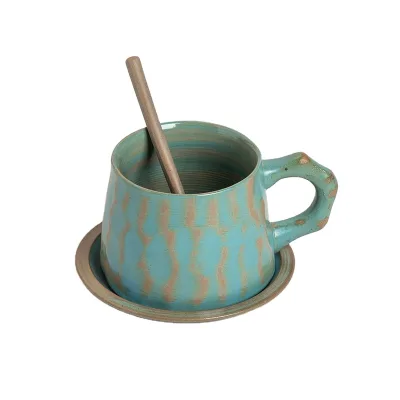
$1.4701 - $1.5748
MOQ: 200 pieces
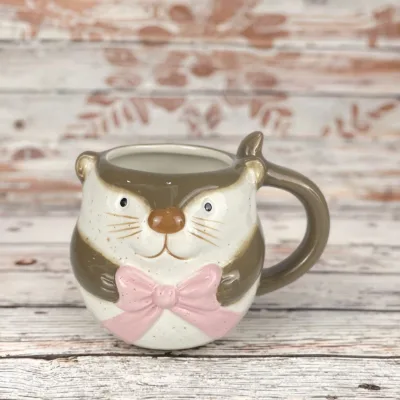
New Arrival Otter Shaped Ceramic Mug Unique Design for Coffee and Tea
$1.6467 - $1.8533
MOQ: 180 pieces
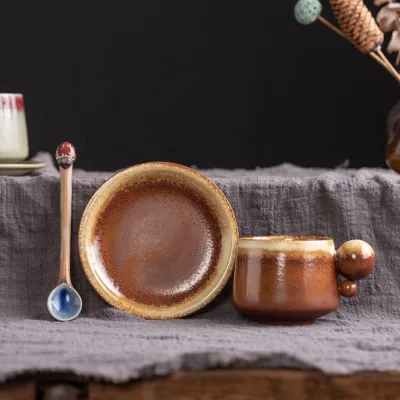
$4.35 - $4.95
MOQ: 1000 pieces
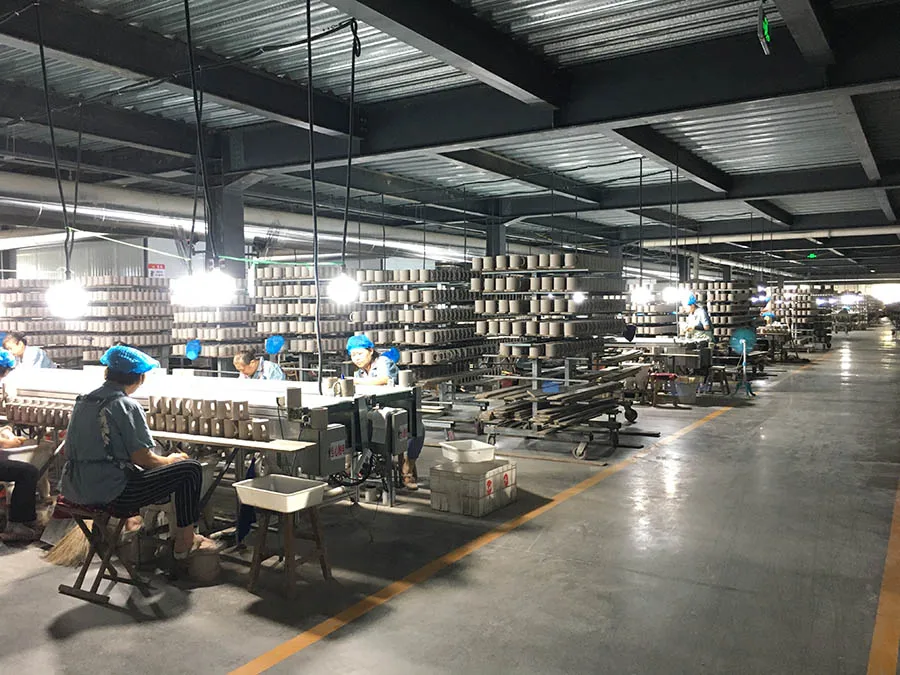
Zibo Guan Yu Light Industrial Products Co., Ltd.
- Manufacturer, Trading Company
- Shandong, China
- Lead time35 days
- Avg. response≤ 13h
Main productsCeramic mug,Photo Mug,Sublimation mug,Color change mug,Magic mug
Main marketsNorth America(25.00%), Western Europe(25.00%), South America(15.00%), Eastern Europe(10.00%), Eastern Asia(5.00%), Mid East(5.00%), South Asia(5.00%), Southeast Asia(5.00%), Africa(3.00%), Oceania(2.00%)

Jinjiang Jiaxing Import and Export Co., Ltd.
- Verified by CTI
- Manufacturer/Factory
- China Fujian
- Lead time120 days
- Avg. response≤ 1h
Main productsShoes, Slipper, Clothes, Promotion Gifts, Silicone Products, Outdoor Sports Products, Bags, Fashion Accessories, Consumer Electronics
Main marketsSouth America,Eastern Europe,Mid East,North America,Southeast Asia,Eastern Asia,Oceania,Western Europe,Africa

Shanghai Touch Industrial Development Co., Ltd.
- Verified by TUVRHEINLAND
- Combined
- China Shanghai
- Lead time15 days
- Avg. response≤ 5h
Main productsInstant Hot Pack, Hot Cold Pack, Gel Eye Mask, Gel Ice Pack, Gel Bottle Cooler, Instant Ice Pack, Hand Warmer, Heat Pack, Cooling Scarf, Gel Beads
Main marketsSouth America,Others(foreignTradeCapacity.exportBusinessCapacityMarketOther),Southeast Asia/ Mideast,East Asia(Japan/ South Korea),Domestic,Europe,Australia,North America
Shenzhen Tao Hui Industrial Co., Ltd.
- Verified by TüVRheinland
- Manufacturer, Trading Company
- Lead time60 days
- Avg. response≤ 8h
Main productsPorcelain Products
Main marketsWestern Europe(30%), North America(20%), Southeast Asia(10%)
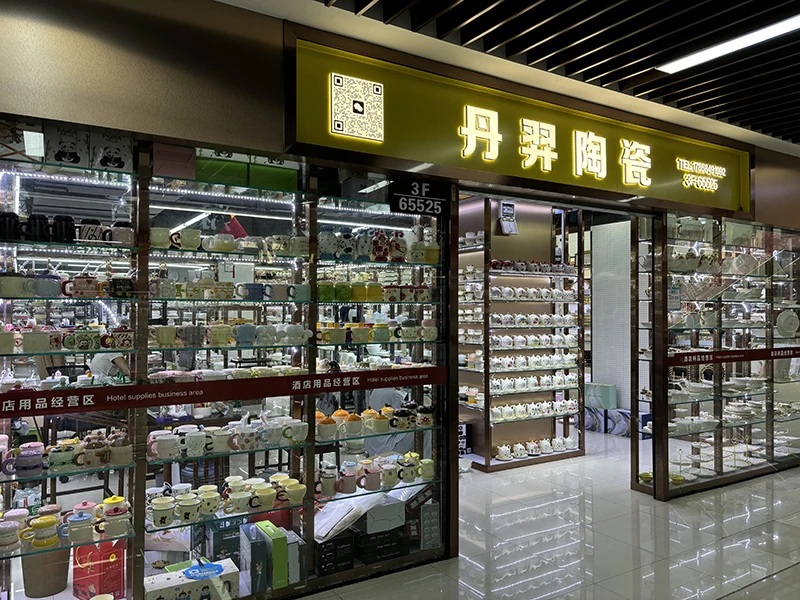
Yiwu Danyi Import And Export Co., Ltd.
- Trading Company
- Zhejiang, China
- Lead time30 days
- Avg. response≤ 4h
Main productsTableware,Coffee Cup
Main marketsCentral America(100.00%), Northern Europe(100.00%), Domestic Market(100.00%), South Asia(100.00%), Africa(100.00%), Eastern Europe(100.00%), Southern Europe(100.00%), North America(40.00%), Western Europe(20.00%), Mid East(15.00%), Oceania(10.00%), Eastern Asia(5.00%), Southeast Asia(5.00%), South America(5.00%)
Shenzhen Guyun Ceramics Co., Ltd.
- Manufacturer, Trading Company, Distributor/Wholesaler
- Guangdong, China
- Lead time30 days
- Avg. response≤ 1h
Main productsceramic vase,ceramic pot,ceramic tableware,ceramic mug,ceramic wine bottle
Main marketsNorth America(20.00%), Southeast Asia(10.00%), Mid East(10.00%), Western Europe(10.00%), Central America(10.00%), Northern Europe(10.00%), Southern Europe(10.00%), South America(5.00%), Eastern Europe(5.00%), Eastern Asia(5.00%), South Asia(5.00%)
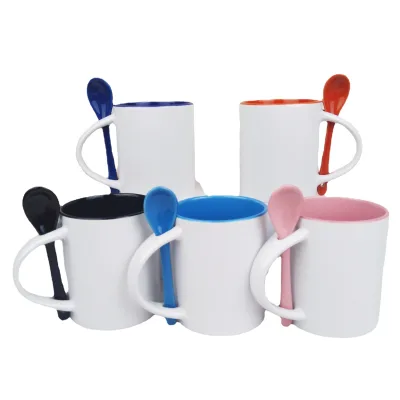
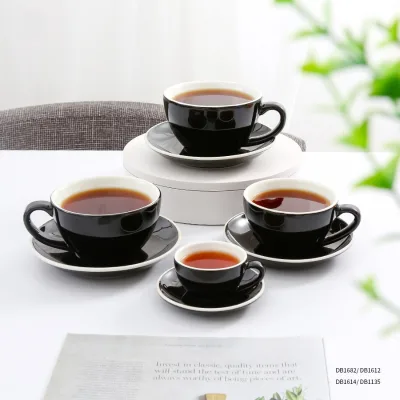
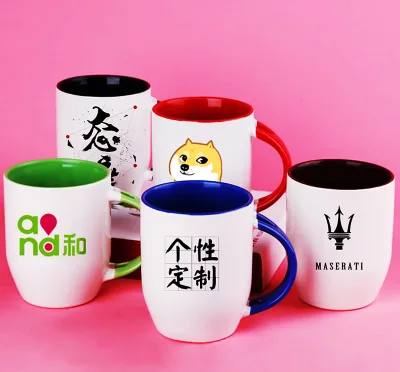
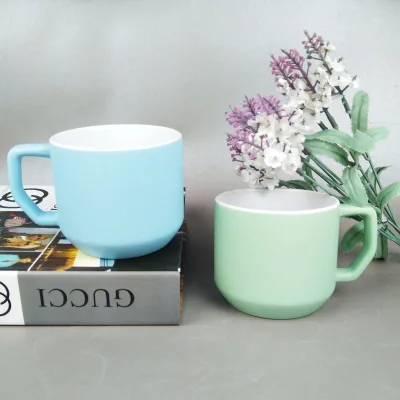
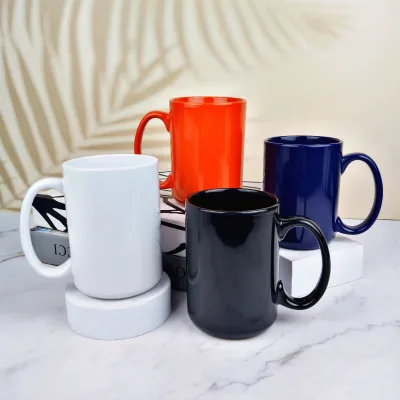
$0.5569 - $0.5973
MOQ: 500 pieces
Hangzhou Jade New Materials Co., Ltd
- Trading Company
- Zhejiang, China
- Lead time30 days
- Avg. response≤ 1h
Main productsHome decoration,Coffee&Tea Cup,Kitchenware Set,Glassware,Dinnerware Set
Main marketsWestern Europe(40.00%), North America(30.00%), Mid East(20.00%), South America(15.00%), Africa(15.00%), South Asia(10.00%), Eastern Asia(10.00%), Southeast Asia(10.00%)
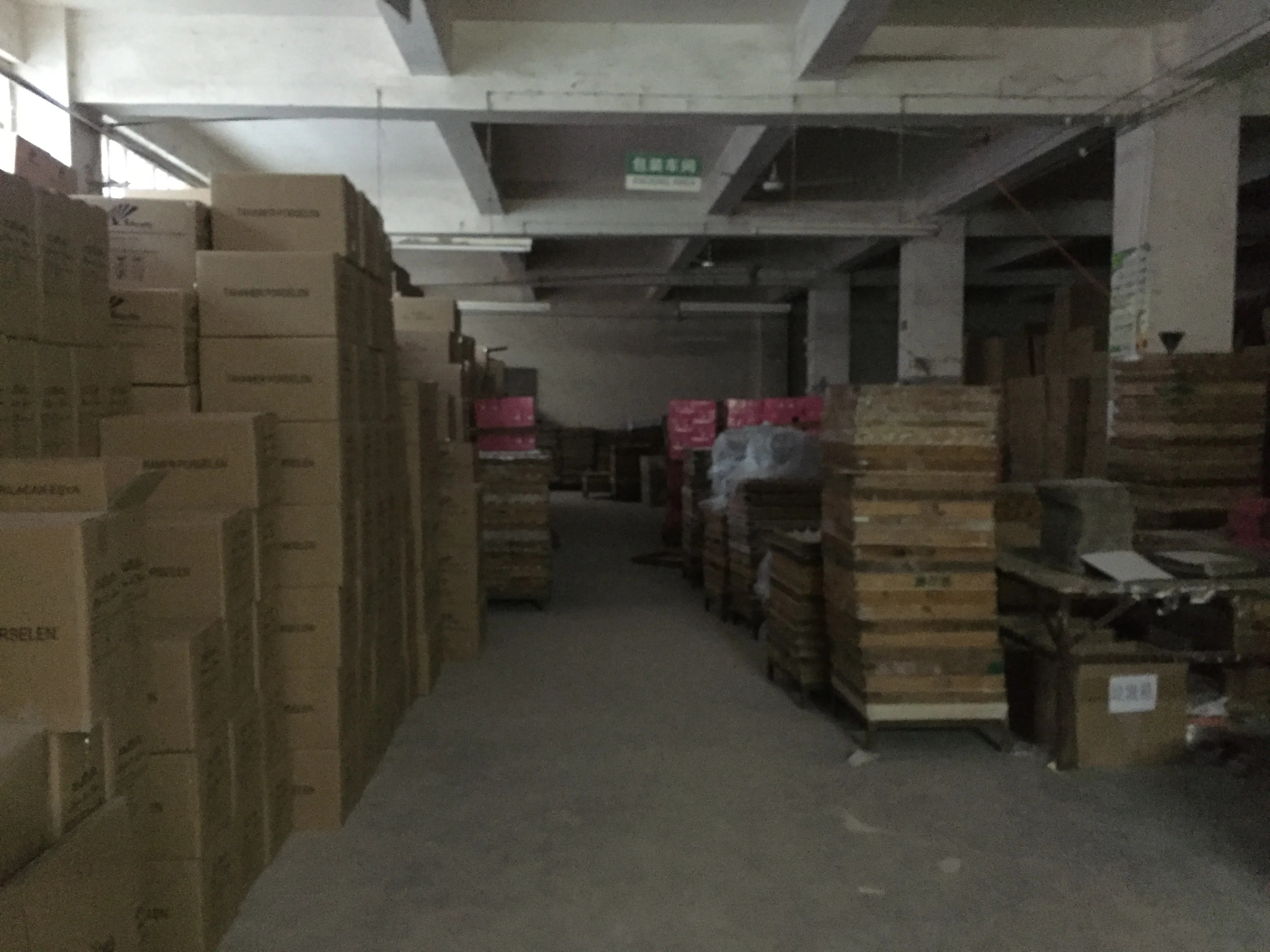
Fujian Dehua Best Ceramic Co., Ltd.
- Manufacturer
- Fujian, China
- Lead time40 days
- Avg. response≤ 3h
Main productsceramic mug porcelain mug,ceramic oil burner ceramic neti pot,ceramic follow pot,ceramic jar canister,ceramic cup and saucers
Main marketsSouth America(30.00%), Western Europe(20.00%), North America(20.00%), Northern Europe(15.00%), Southern Europe(5.00%), Southeast Asia(5.00%), Eastern Europe(5.00%)

Suzhou TopRising International Trade Co., Ltd
- Verified by BV
- Trading Company
- China Jiangsu
- Lead time15 days
- Avg. response≤ 2h
Main productsStainless Steel Tumbler, Ceramic Coffee Mug, Pop It Fidget Sensory Toy, Inflatable Mattress, Anti Stress Silicone Toy, Bivy Sack, Water Bottle, Self Stiring Coffee Mug, Vacuum Insulated Tumbler, Non Tipping Suction Mug
Main marketsSouth America,North America

Shanghai David International Trade Co., Ltd.
- Verified by TUVRHEINLAND
- Combined
- China Shanghai
- Lead time15 days
- Avg. response≤ 8h
Main productsPromotional Gifts, Gift Sets, Tshirts, Hats, Hot Packs, Hot Cold Packs, Ice Packs, Bags, Umbrellas, Water Bottles
Main marketsSouth America,Africa,Southeast Asia/ Mideast,East Asia(Japan/ South Korea),Domestic,Europe,Australia,North America
- Verified by SGS Group
- Trading Company
- Lead time7 days
- Avg. response≤ 2h
Main productsCanvas Bag, Polyester Bag, Non-woven Bags, Drawstring Bag, Backpack
Main marketsNorth America(20%), South America(10%), Eastern Europe(10%)

Ningbo Yinzhou Wenhui Paper Co., Ltd.
- Verified by TUVRHEINLAND
- Manufacturer/Factory
- China Zhejiang
- Lead time45 days
- Avg. response≤ 7h
Main productsStationery Gifts Promotional Homeware, Pen, Pet Products, Board Game, Paper Tube, Notebook, Wooden Toys, DIY Toy, Puzzle, Gift Bag
Main marketsSouth America,Eastern Europe,Mid East,North America,Southeast Asia,Eastern Asia,Oceania,Western Europe,Africa
Jiangmen Chang Kun Industrial Co., Ltd.
- Verified by SGS Group
- Manufacturer, Trading Company
- Lead time0 days
- Avg. response≤ 3h
Main productsCoffee Tool (Glass Rinser/Milk Jug/Coffee Kettle/Coffee Tamper/Knock Box/Coffee Maker/Drip Stand) / Kitchenware (Utensils/Coco Shaker/French Press/Powder Sifter/Oil Can/Ice Scoop), Kitchenware
Main marketsEastern Asia(25%), Mid East(15%), Western Europe(15%)
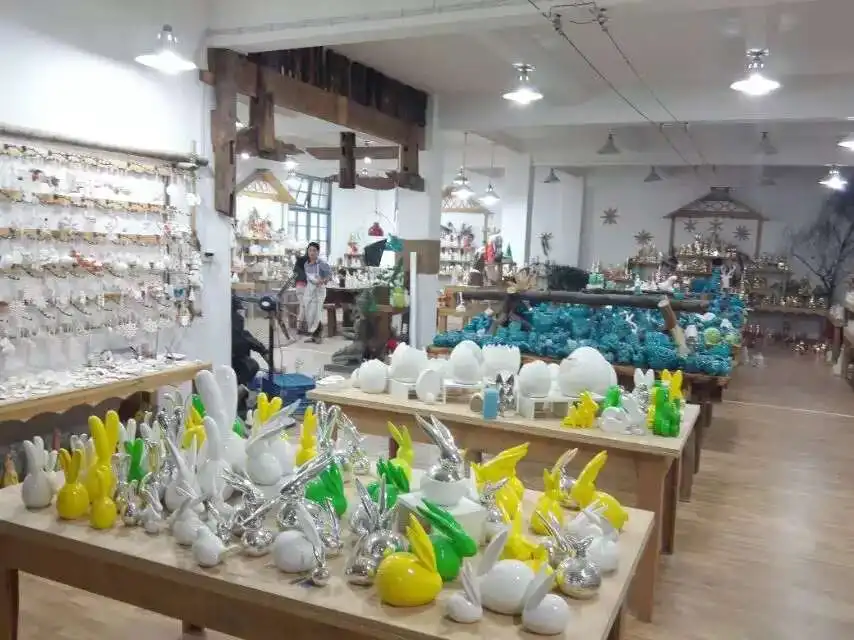
Dehua Beauty Rich Arts & Crafts Co., Ltd.
- Manufacturer, Trading Company
- Fujian, China
- Lead time30 days
- Avg. response≤ 7h
Main productsPolyresin crafts,Ceramic crafts,PVC crafts,Home decoration,Garden decoration
Main marketsEastern Europe(15.00%), North America(15.00%), South America(12.00%), Mid East(5.00%), Oceania(5.00%), South Asia(3.00%), Southern Europe(3.00%), Northern Europe(3.00%), Central America(3.00%), Western Europe(3.00%), Eastern Asia(3.00%), Domestic Market(3.00%), Southeast Asia(3.00%), Africa(2.00%)
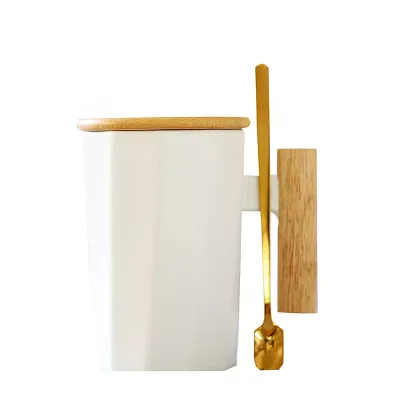
$2.99 - $3.99
MOQ: 500 pieces
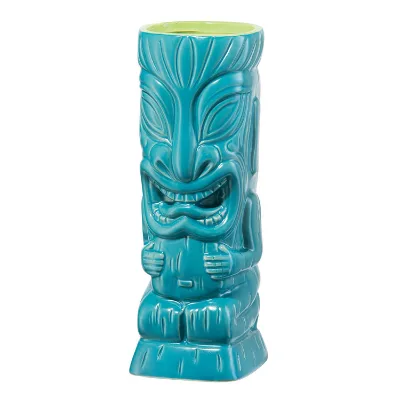
Quanzhou Deerli Arts & Crafts Co., Ltd.
- Manufacturer, Trading Company
- Fujian, China
- Lead time15 days
- Avg. response≤ 7h
Main productsresin craft gift,ceramic product,home decoration,outdoor garden decoration,ceramic craft
Main marketsCentral America(20.00%), North America(15.00%), Domestic Market(12.00%), Northern Europe(11.00%), Southern Europe(10.00%), South America(10.00%), Eastern Europe(5.00%), Mid East(5.00%), Eastern Asia(5.00%), South Asia(4.00%), Western Europe(3.00%)

Rollin Porcelain Industrial Co., Ltd.
- Verified by BV
- Manufacturer/Factory
- China Guangdong
- Lead time45 days
- Avg. response≤ 5h
Main productsPorcelain Dinnerware, Tableware, Dinner Set, Dinner Plate, Hotel and Restaurant Tableware, Bone China, Cutlery, Glassware, Ceramic Plate, Porcelain
Main marketsEastern Europe,Mid East,North America,Southeast Asia,Eastern Asia,Oceania,Western Europe


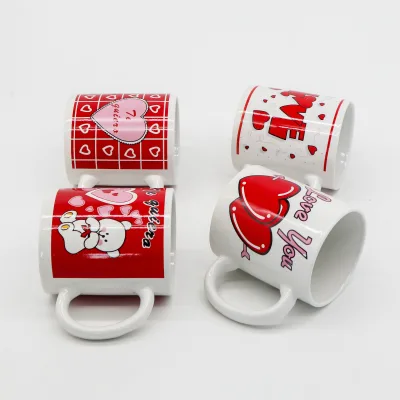


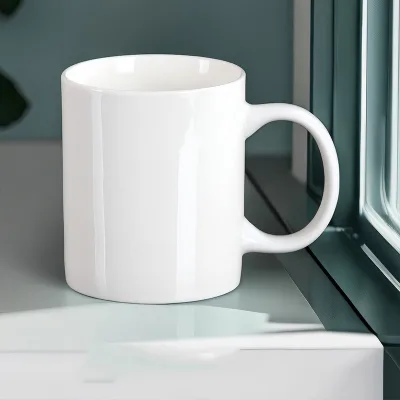
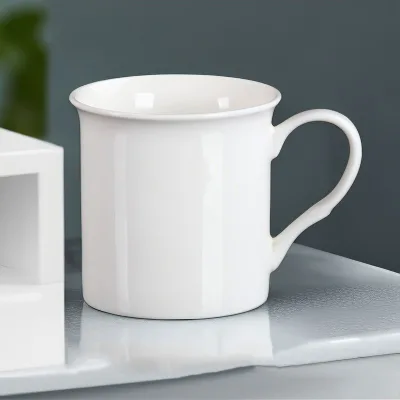


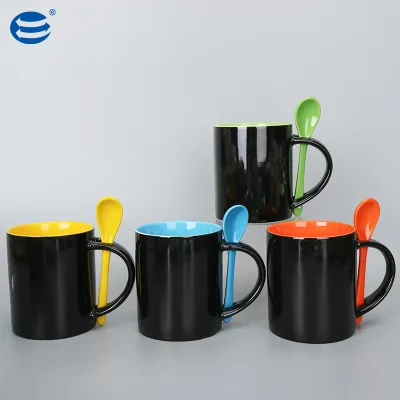








Comprehensive Sourcing Guide
Mr and Mrs Ceramic Coffee Mug with Spoon Supplier Concentration and Factory Types
The sourcing landscape for ceramic drinkware reveals distinct manufacturing clusters that influence production capabilities and logistical efficiency. Current supplier data indicates a significant concentration of manufacturers located in China Shandong, specifically within the Zibo region, which is historically recognized as a major hub for ceramic production. These facilities often operate as Manufacturer/Factory entities, providing direct access to production lines for items such as ceramic mugs, dinnerware, and glassware. The presence of these factories suggests that buyers seeking bulk orders for personalized or branded ceramic coffee mugs with spoons will find a robust supply chain in this area. The concentration of such facilities allows for specialized expertise in glazing, firing, and custom printing techniques essential for creating durable and aesthetically pleasing ceramic products.
In addition to dedicated ceramic factories, the market also includes Trading Companies and hybrid entities that may offer a broader range of kitchen accessories alongside ceramic items. Some suppliers in China Zhejiang, for instance, operate as both Trading Companies and Manufacturer/Factory, potentially offering more flexible sourcing options for mixed orders. These entities might provide a wider variety of styles, including cartoon designs or specific color-changing features, which can be appealing for promotional campaigns or niche market segments. The distinction between pure manufacturers and trading companies is crucial for buyers, as it affects communication efficiency, quality control processes, and the ability to handle complex customization requests. Understanding this mix helps buyers align their sourcing strategy with their specific needs for volume, customization, and speed.
How to Verify Mr and Mrs Ceramic Coffee Mug with Spoon Suppliers
Verifying the legitimacy and capability of suppliers requires a careful examination of their certifications and verification badges. Buyers should prioritize suppliers that display recognized system certifications such as BSCI, ISO 9000, ISO 9001, and SEDEX, which indicate adherence to international standards for quality management and social responsibility. These certifications are particularly important for ceramic products that come into direct contact with food and beverages, ensuring that materials and production processes meet safety requirements. Additionally, product-specific standards like CE, SGS, and FDA should be checked to confirm that the ceramic mugs and accompanying spoons are safe for consumer use. The presence of these certifications provides a layer of assurance regarding the supplier's commitment to quality and regulatory compliance.
Beyond certifications, buyers should look for verification badges such as BV (Bureau Veritas) which indicate that a third-party inspection agency has validated the supplier's business credentials. This verification process helps mitigate the risk of dealing with fraudulent entities or those lacking the actual manufacturing capacity they claim. It is also advisable to assess the supplier's response time, as a quick and professional reply often correlates with better customer service and operational efficiency. Suppliers with response times under ten hours, for example, may be more responsive to urgent inquiries or changes in order specifications. By combining certification checks with verification badges and response metrics, buyers can build a more accurate profile of a supplier's reliability and professionalism before committing to a partnership.
What to Compare Across Mr and Mrs Ceramic Coffee Mug with Spoon Suppliers
When evaluating multiple suppliers, it is essential to compare key operational metrics such as lead times, minimum order quantities (MOQs), and response speeds to determine the best fit for your business needs. Lead times can vary significantly, with some suppliers offering production cycles as short as fifteen days, while others may require up to forty-five days. This difference is critical for buyers with tight deadlines or seasonal product launches, as it impacts inventory planning and cash flow. Similarly, MOQs can range from small quantities suitable for testing or small batches to large volumes required for cost-effective production. Understanding these thresholds helps buyers align their order sizes with their sales forecasts and storage capabilities, avoiding overstocking or production delays.
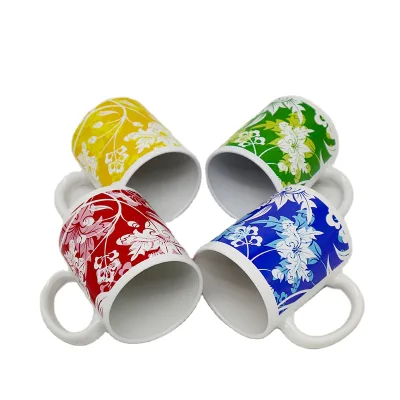
Another crucial aspect of comparison is the range of main products and customization options offered by each supplier. Some manufacturers specialize in ceramic dinnerware and mugs, while others may offer a broader array of kitchenware, including stainless steel bottles and glass tumblers. This diversity can be advantageous for buyers looking to consolidate their sourcing or create complementary product lines. Additionally, the availability of OEM and ODM services indicates the supplier's flexibility in creating custom designs or private label products. Buyers should also consider the specific features of the ceramic mugs, such as heat preservation, eco-friendly materials, and available colors, to ensure they match their target market's preferences. By systematically comparing these factors, buyers can identify suppliers that offer the best balance of cost, quality, and service.
Common Mr and Mrs Ceramic Coffee Mug with Spoon Sourcing Risks
One of the primary risks in sourcing ceramic products is the potential for quality inconsistencies, particularly regarding glaze finish, color accuracy, and structural integrity. Ceramic mugs are prone to defects such as cracking, chipping, or uneven glazing during the firing process, which can lead to high rejection rates if not properly managed. Buyers must ensure that suppliers have robust quality control measures in place, including pre-shipment inspections and adherence to strict production standards. The risk is further compounded by the complexity of customization, where incorrect printing or decal application can result in products that do not meet the buyer's specifications. To mitigate this, buyers should request samples and conduct thorough quality checks before placing large orders, ensuring that the final products meet their expectations.
Another significant risk is the discrepancy between quoted prices and final costs, which can arise from hidden fees, currency fluctuations, or changes in material costs. Some suppliers may offer low initial prices but charge extra for packaging, customization, or expedited shipping, leading to unexpected expenses. Additionally, the risk of delayed shipments due to production bottlenecks or logistical issues can disrupt supply chains and impact customer satisfaction. Buyers should be cautious of suppliers with unusually low prices or vague pricing structures, as these may indicate potential issues with quality or transparency. By conducting thorough due diligence, negotiating clear terms, and maintaining open communication with suppliers, buyers can minimize these risks and ensure a smoother sourcing experience.
Mr and Mrs Ceramic Coffee Mug with Spoon Regional Sourcing and Logistics
Sourcing from specific regions like China Shandong and China Zhejiang offers distinct logistical advantages and challenges that buyers must consider. Suppliers in Shandong, particularly in Zibo, benefit from established ceramic manufacturing infrastructure, which can lead to more efficient production and potentially lower costs for bulk orders. However, buyers should also account for transportation costs and lead times associated with shipping from these inland or coastal regions to their final destination. The proximity to ports and logistics hubs can influence shipping efficiency, making it important to evaluate the supplier's location in the context of your overall supply chain strategy. Understanding these regional dynamics helps buyers make informed decisions about where to source their products to optimize cost and delivery times.
In contrast, suppliers in Zhejiang may offer different logistical benefits, such as proximity to major trading hubs and a diverse range of product offerings. This region's manufacturing ecosystem often supports both large-scale production and smaller, customized orders, providing flexibility for buyers with varying needs. However, buyers should also consider the potential for higher competition and price variability in this region. By comparing the logistical profiles of suppliers from different regions, buyers can identify the most suitable sourcing partners based on their specific requirements for speed, cost, and product variety. This regional analysis is a critical component of effective supplier selection, ensuring that buyers can leverage the strengths of different manufacturing clusters to meet their business objectives.
Mr and Mrs Ceramic Coffee Mug with Spoon Commercial Terms and Order Planning
Effective order planning requires a clear understanding of commercial terms, including payment methods, packaging specifications, and warranty policies. Buyers should negotiate terms that protect their interests, such as escrow services or secure payment gateways, to ensure that funds are only released upon satisfactory delivery of goods. Packaging is another critical aspect, as ceramic mugs are fragile and require careful handling to prevent damage during transit. Suppliers often provide options such as egg crate packaging or custom color boxes, which can impact both product protection and branding opportunities. Buyers should specify their packaging requirements in the purchase agreement to avoid misunderstandings and ensure that the products arrive in pristine condition.
Additionally, buyers must plan for potential variations in order quantities and lead times to maintain a stable supply chain. It is advisable to establish a buffer stock to account for any delays or quality issues that may arise during production. Clear communication with suppliers regarding order timelines, production schedules, and shipping arrangements is essential to avoid disruptions. Buyers should also consider the long-term relationship with their suppliers, as consistent ordering and timely payments can lead to better pricing and priority service. By carefully managing commercial terms and order planning, buyers can build a resilient and efficient sourcing strategy that supports their business growth and customer satisfaction.
FAQs
What is the typical lead time for ceramic mugs with spoons?
Manufacturers in China Shandong typically require 45 days for production. Suppliers in China Zhejiang offer a faster turnaround of 15 days. Buyers should confirm specific schedules with the factory before placing orders to ensure timely delivery for their projects.
What are the minimum order quantities for these ceramic mugs?
MOQs vary significantly by supplier and product type. Some factories require 10,000 pieces for standard glazed mugs, while others accept 3,000 pieces for leisure styles. A Zhejiang trading company may allow orders as low as 10 pieces. Always verify the specific MOQ for your chosen model.
Do these ceramic coffee mugs come with certifications?
Yes, many products meet international safety standards. Common certifications include CE, SGS, and FDA for the ceramic items. Factory system certifications often include ISO 9001, BSCI, and SEDEX. Buyers should request valid certificates to ensure compliance with local regulations and quality expectations.
What is the price range for 12oz ceramic mugs with spoons?
Prices for 12oz ceramic coffee mugs generally range from $0.52 to $0.55 per piece. Some specialized or hand-painted options may cost around $2.35. Costs depend on customization, volume, and specific material requirements. Request detailed quotes based on your exact quantity and design specifications.
Can I customize the logo and design on these mugs?
Customization is widely available for most ceramic mug products. Suppliers offer OEM and ODM services, allowing for logo printing, decal application, embossing, or hand-painting. Colors can be multicolor or specific shades like inner red with outer white. Confirm customization options and any additional costs with the manufacturer.
How quickly do suppliers respond to inquiries?
Response times vary by location and supplier type. Manufacturers in Shandong report an average response time of 10.59 hours. Trading companies in Zhejiang respond faster, averaging 7.57 hours. Prompt communication helps clarify details like packaging, shipping, and sample availability for your specific sourcing needs.
What materials are used for these ceramic coffee mugs?
Products are primarily made from ceramic, porcelain, or clay. Some listings specify single-layer ceramic cups with glaze or hand-painted finishes. Materials are often described as eco-friendly and capable of withstanding high temperatures. Verify the exact material composition to ensure it meets your durability and aesthetic requirements.