MTB Bike Flywheel Removal Tool Suppliers and Manufacturers
Compare 23 verified suppliers offering mtb bike flywheel removal tools with details on location, lead times, and pricing. Review product specifications like material and MOQ before contacting vendors for quotes; review the available evidence before requesting comparable quotations from suitable candidates.
Suppliers List

Dongguan Dachuang Outdoor Products Co., Ltd.
- Trading Company
- Guangdong, China
- Lead time30 days
- Avg. response≤ 6h
Main productsBicycle Tools,Bicycle Accessories,Titanium alloy screws,Brake pads/disc brakes,Chain/Magic buckle
Main marketsDomestic Market(40.00%), North America(30.00%), South America(10.00%), Western Europe(10.00%), Southeast Asia(10.00%)

Xingtai Tianjiu Bicycle Parts Co., Ltd
- Verified by SGS
- Combined
- China Hebei
- Lead time30 days
- Avg. response≤ 4h
Main productsBicycle Parts, Bicycle, Bicycle Crank&Chainwheel, Bicycle Brake Sets, Saddle, Pedal, Bicycle Accessories, Bicycle Tire, Children Toy Vehicle, Bike Parts
Main marketsAfrica,Domestic,Europe
Yiwu Anke Outdoor Products Co., Ltd.
- Trading Company
- Zhejiang, China
- Lead time10 days
- Avg. response≤ 2h
Main productsBicycle Accessories,Lighting Tools,Bicycle Lights,Bicycle Cushion,Repair Tools
Main marketsOceania(100.00%), Africa(100.00%), Eastern Asia(100.00%), Mid East(100.00%), South Asia(100.00%), Central America(100.00%), Domestic Market(52.00%), Southeast Asia(16.00%), North America(14.00%), South America(6.00%), Western Europe(6.00%), Eastern Europe(3.00%), Northern Europe(2.00%), Southern Europe(1.00%)
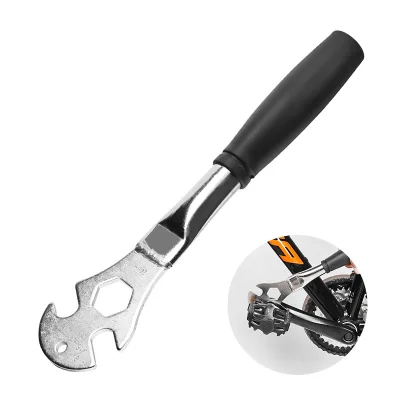
Pedal Removal Repair Wrench Bike Tools Bmx Mtb Tool
$1.90 - $2.10
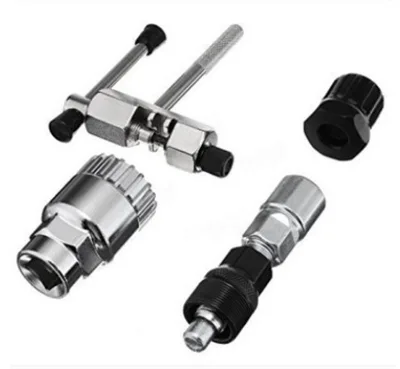
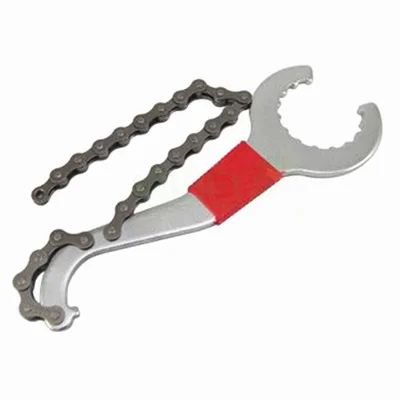
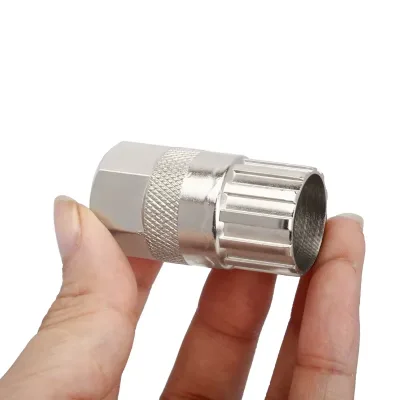
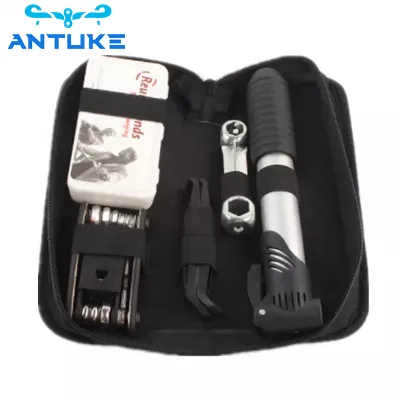
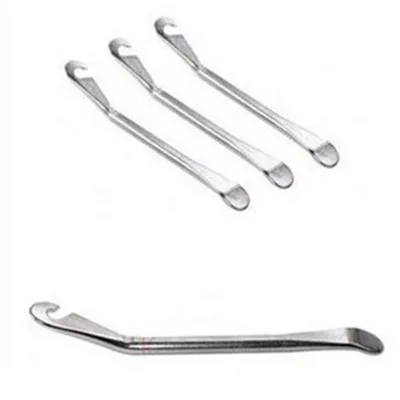
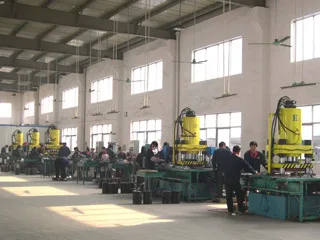
- Trading Company
- Shandong, China
- Lead time40 days
- Avg. response≤ 5h
Main productsbike trainer,bike racks,bicycle repair tools,car accessoires,metal products
Main marketsWestern Europe(20.00%), Mid East(20.00%), Africa(20.00%), Eastern Europe(20.00%), North America(20.00%)

Dongguan Enlee Outdoor Products Co., Ltd.
- Trading Company
- Gungdong, China
- Lead time15 days
- Avg. response≤ 7h
Main productsBicycle parts,Cycling equipment,Bicycle repair tools,Bicycle Accessories,Mountain Bikes
Main marketsSouth Asia(10.00%), Africa(10.00%), Southeast Asia(10.00%), Central America(10.00%), Eastern Asia(10.00%), North America(10.00%), Domestic Market(5.00%), Oceania(5.00%), Southern Europe(5.00%), Northern Europe(5.00%), Eastern Europe(5.00%), Western Europe(5.00%), South America(5.00%), Mid East(5.00%)
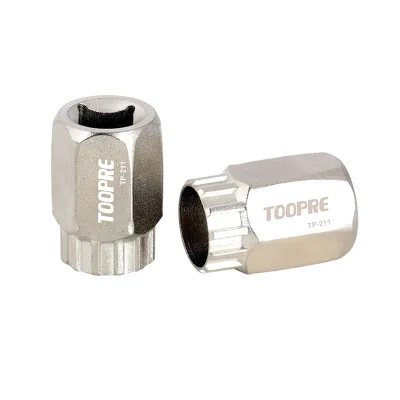
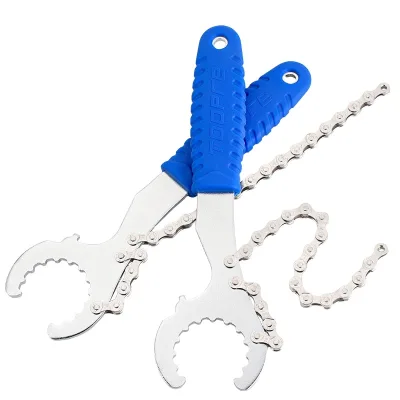
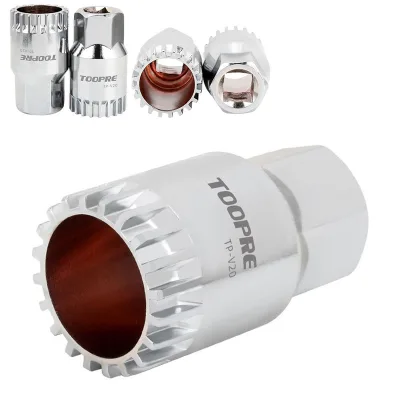
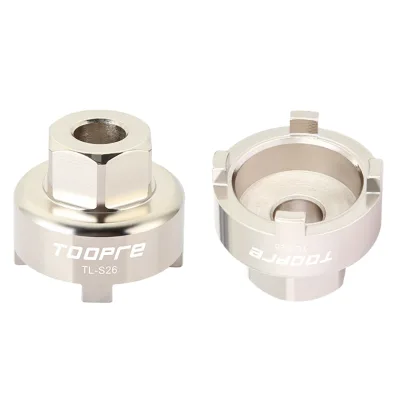
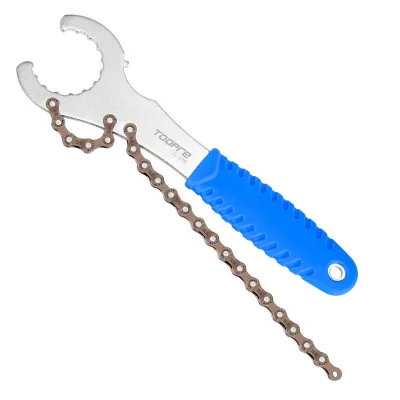
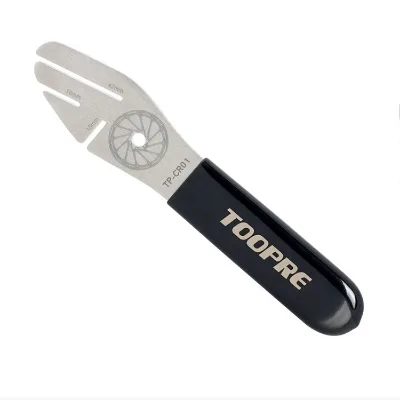
Adjustment Bicycle Rotor Truing Tools Durable Stainless Steel Bike Brake Disc Repair Tools
Contact supplier
MOQ: 10 Minimum
Nanjing Hiking Star Sports Products Co., Ltd.
- Verified by SGS Group
- Manufacturer, Trading Company
- Lead time7 days
- Avg. response≤ 2h
Main productsBicycle Saddle, Bicycle Frame, Electric Bicycle, Bicycle Accessory
Main marketsNorthern Europe(40%), Southern Europe(30%), North America(20%)
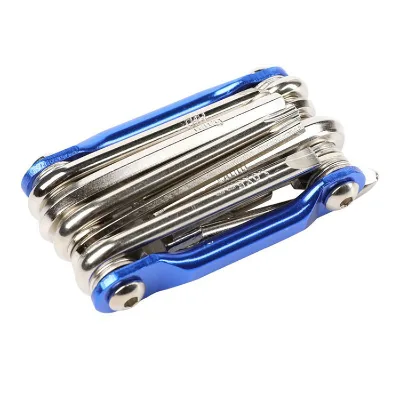
MTB Mountain Bike Portable Multipurpose Wrench Screwdriver Bicycle Multi Tool
$1.56 - $1.73
MOQ: 10 pieces
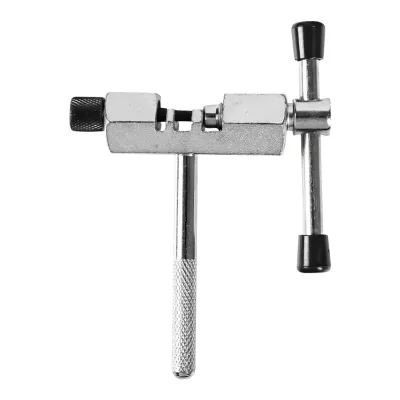
2024 New High Quality Bike Chain Removal Tool Wholesale Mtb Bicycle Repair Tool
$0.72 - $1.23
MOQ: 2 pieces
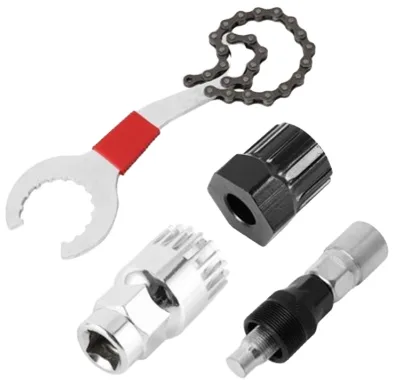
Flywheel Crank Removal Repair Tool, Road Bicycle Cassette Gear Mounting Kit
$3.00 - $3.50
MOQ: 2 units
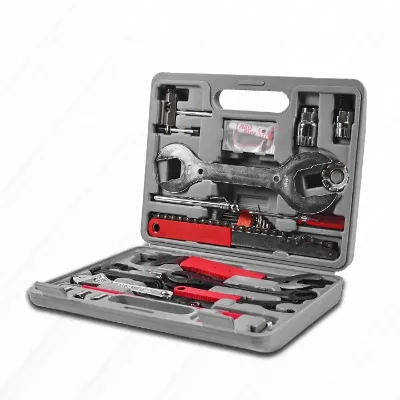
$16.37 - $17.40
MOQ: 2 pieces
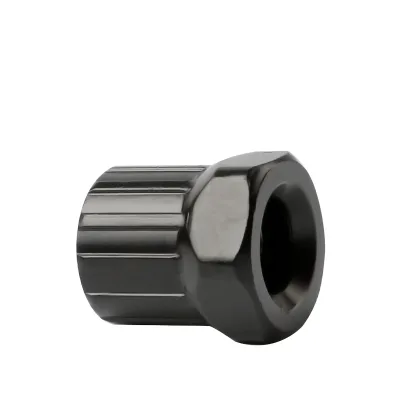
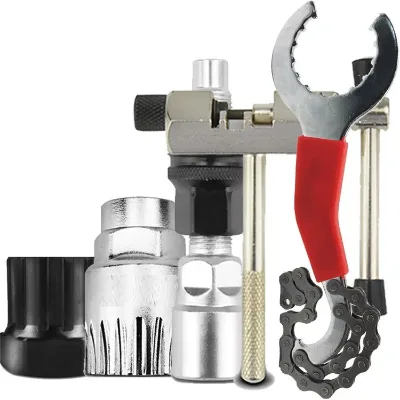
2024 Newest Mountain Bicycle Repair Tool Set,Bike Freewheel Crank Remover Repair Tool Kit
$3.00 - $3.50
MOQ: 2 units

XINGTAI WINWAY IMPORT & EXPORT TRADING CO., LTD.
- Trading Company
- China Hebei
- Lead time23 days
- Avg. response≤ 22h
Main productsMotorcycle Shock Absorber, Motorcycle Brake Shoe, Motorcycle Cable, Motorcycle Sprocket, Motorcycle Mirror, Motorcycle Speedometer, Motorcycle Headlight, Motorcycle Oil Seal, Motorcycle Spark Plug, Motorcycle Kick Staerter
Main marketsSouth America,Africa,Southeast Asia/ Mideast

9 Speed Steel Bicycle Freewheel MTB Flywheel 11-32t for Mountain
Contact supplier


8-Speed Bicycle Freewheel Sprocket 11-32t Freewheel for MTB
Contact supplier

Bicycle Accessories Single Speed Flywheel Small 16t
Contact supplier

Plenty Harvest Manufacturing Limited
- Manufacturer/Factory
- China Guangdong
- Lead time45 days
- Avg. response≤ 10h
Main productsMulti Tool, Pocket Knife LED, Wine Corkscrew Opener, Multi Function Pliers, Multi Function Knife
Main marketsNorth America,Oceania,Western Europe
Hebei Haozun Trading Co., Ltd.
- Trading Company
- Hebei, China
- Lead time10 days
- Avg. response≤ 7h
Main productsMountain Bike, Bike Cassette, Bike Chain, Bike Tires, Shimano Parts
Main marketsWestern Europe(25.00%), North America(20.00%), South America(10.00%), Eastern Europe(10.00%), Mid East(10.00%), Oceania(7.00%), Southeast Asia(5.00%), Northern Europe(4.00%), Southern Europe(3.00%), Central America(3.00%), Africa(2.00%), Eastern Asia(1.00%)
$9.20 - $11.80
MOQ: 2 pieces
Yiwu Each Outdoor Products Co., Ltd.
- Trading Company
- Zhejiang, China
- Lead time10 days
- Avg. response≤ 5h
Main productsbicycle saddle,bicycle stand,bicycle light,bicycle bell,bicycle cleaning sets
Main marketsAfrica(20.00%), Mid East(15.00%), Southeast Asia(10.00%), North America(10.00%), Domestic Market(5.00%), Southern Europe(5.00%), Western Europe(5.00%), Eastern Asia(5.00%), South America(5.00%), Oceania(5.00%), Eastern Europe(5.00%), Northern Europe(3.00%), South Asia(3.00%), Central America(3.00%)

Huizhou Lecheng E-Commercial Co., Ltd.
- Trading Company
- Guangdong, China
- Lead time30 days
- Avg. response≤ 5h
Main productsCycle,Golf,Baseball
Main marketsNorth America(25.00%), Northern Europe(15.00%), Western Europe(10.00%), South America(10.00%), South Asia(10.00%), Africa(5.00%), Eastern Asia(5.00%), Southeast Asia(5.00%), Central America(5.00%), Mid East(3.00%), Southern Europe(3.00%), Eastern Europe(2.00%), Oceania(2.00%)

SHENZHEN XINHANFENG TRADING CO., LTD.
- Verified by CTI
- Trading Company
- China Guangdong
- Lead time45 days
- Avg. response≤ 25h
Main productsBicycle Part, Bicycle Bag, Bicycle Light, Bicycle Helmet, Bicycle Bell, Bicycle Basket, Bicycle Cage, Bicycle Bottle, Bicycle Tire, Bicycle Lock
Main marketsSouth America,Eastern Europe,Mid East,North America,Southeast Asia,Eastern Asia,Oceania,Western Europe,Africa

Ningbo Jalyn International Trading Co., Ltd.
- Trading Company,Manufacturer/Factory
- China Zhejiang
- Lead time30 days
- Avg. response≤ 21h
Main productsMotorcycle Parts, Motorcycle Accessories, Aftermarket Motorcycle Parts, ATV Parts, Bicycle Parts, Motorcycle Plastic Parts, Motorcycle Mirror, Motorcycle Handle Grips, Motorcycle Engine, Bicycle Accessories
Main marketsSouth America,Eastern Europe,North America,Eastern Asia,Oceania,Western Europe,Africa
Nanning Bernee Machinery Technology Co., Ltd.
- Trading Company
- Guangxi, China
- Lead time0 days
- Avg. response≤ 2h
Main productsbicycle forks manufacturer,bicycle parts supply,ebike parts supply,bicycle assembly,electric bicycle assembly
Main marketsDomestic Market(50.00%), Eastern Europe(20.00%), Southeast Asia(20.00%), Northern Europe(15.00%), Western Europe(15.00%), Eastern Asia(15.00%), Mid East(15.00%), Africa(15.00%), North America(15.00%), South America(10.00%), Southern Europe(10.00%)
Guangzhou Xiongxing Trading Co.,Ltd
- Manufacturer, Trading Company, Buying Office
- Guangdong, China
- Lead time35 days
- Avg. response≤ 4h
Main productsCompressor,Storage Bag,Automotive Parts,bike acceaaories,Auto Parts
Main marketsNorth America(35.00%), Western Europe(15.00%), Northern Europe(15.00%), Central America(10.00%), Southern Europe(10.00%), Eastern Europe(8.00%), Africa(5.00%), South Asia(2.00%)
$9.19 - $10.21
MOQ: 100 pieces

XIANXIAN DEEP IMPORT AND EXPORT TRADING CO., LTD
- Verified by BV
- Combined
- China Hebei
- Lead time15 days
- Avg. response≤ 3h
Main productsWheel Balance Weight, Tire Valves, Tire Patch, Tire Pressure Gauge, Air Tools, Work Shop Equipment, Tire Mounting Tools
Main marketsSouth America,North America
Lanxi Fengcai Trading Co., Ltd.
- Trading Company
- Zhejiang, China
- Lead time0 days
- Avg. response≤ 2h
Main productsMTB bike disc brake pads,disc brake rotors,brake bleed kits,road bike brake shoes,bike tools
Main marketsWestern Europe(40.00%), Southern Europe(20.00%), Oceania(10.00%), North America(10.00%), South America(5.00%), Eastern Europe(5.00%)
Guangzhou Hongyun Feifan Sports Equipment Co., Ltd.
- Verified by TüVRheinland
- Manufacturer, Trading Company
- Lead time7 days
- Avg. response≤ 2h
Main productsBicycle Handlebar, Bicycle Stem, Bicycle Seat Tube, Bicycle Pedal, Bicycle Saddle
Main marketsSoutheast Asia(20%), North America(15%), South America(15%)

Shenzhen Alisi Electronic Technology Co., Ltd.
- Trading Company, Distributor/Wholesaler
- Guangdong, China
- Lead time3 days
- Avg. response≤ 2h
Main productselectron component,temperature controller,Auto parts,sensor,Wireless Controller
Main marketsSouth America(20.00%), Eastern Europe(20.00%), North America(15.00%), Western Europe(5.00%), Domestic Market(5.00%), South Asia(5.00%), Southern Europe(5.00%), Northern Europe(5.00%), Central America(5.00%), Eastern Asia(3.00%), Mid East(3.00%), Oceania(3.00%), Africa(3.00%), Southeast Asia(3.00%)
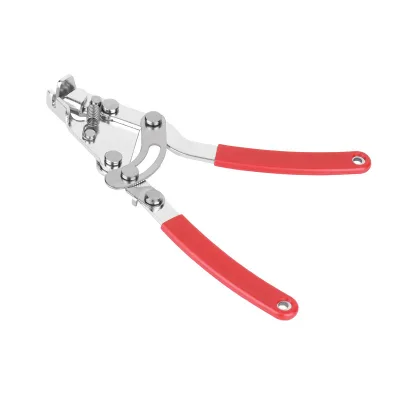
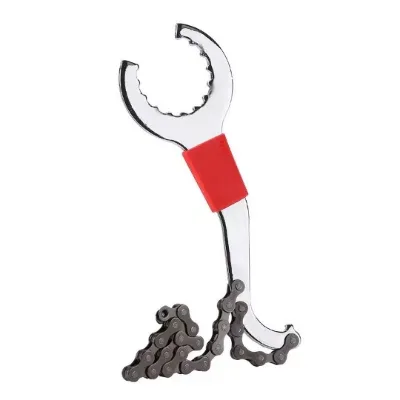
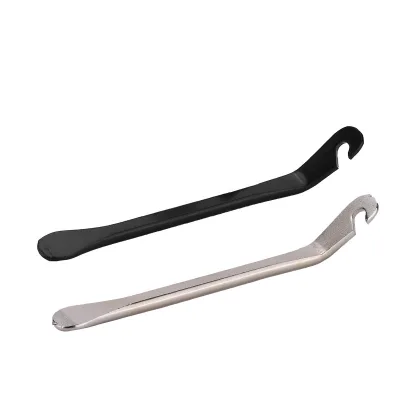
Mountain Bike Tire Disassembly Tool
Contact supplier

- Verified by BV
- Manufacturer/Factory
- China Fujian
- Lead time15 days
- Avg. response≤ 25h
Main productsWater Bottle, Kitchen Ware, Shoes, Plastic Product, Bag, Toy
Main marketsSouth America,Eastern Europe,Mid East,North America,Southeast Asia,Eastern Asia,Oceania,Western Europe,Africa
Yongkang Taige Daily Necessities Business Department.
- Trading Company
- Jinhua, China
- Lead time15 days
- Avg. response≤ 2h
Main productscup,bottle,Musical Instruments,bicycle,camping
Main marketsCentral America(30.00%), North America(20.00%), South America(20.00%), Southern Europe(10.00%), Northern Europe(10.00%), Western Europe(10.00%)
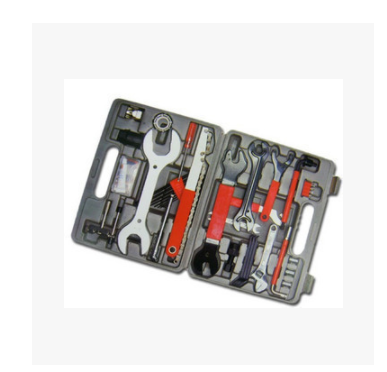
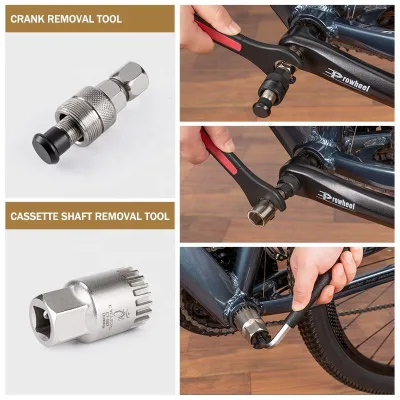
$29.09 - $31.69
MOQ: 200 pieces
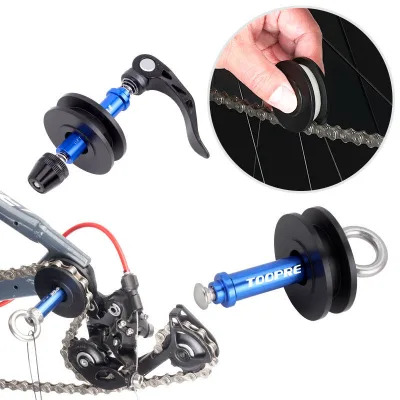
Chain Fixer Virtual Flywheel Bicycle Mountain Highway Washing Chain Fixer Tool
$0.97 - $3.58
MOQ: 10 Minimum
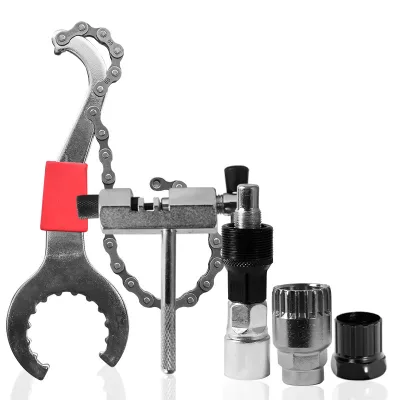
2022 Newest Mountain Bicycle Repair Tool Set Bike Freewheel Crank Remover Repair Tool Kit
$3.12 - $3.64
MOQ: 2 sets
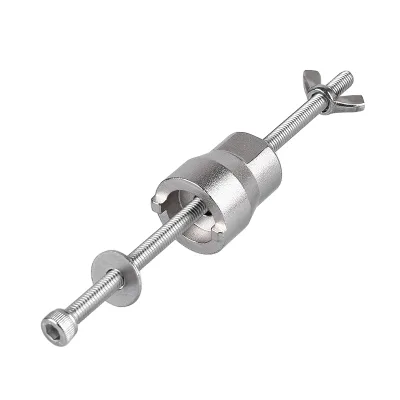
Mountain Road Bicycle Bottom Bracket Installation and Removal Tool Bike Universal Dismantling Tool
$1.33 - $1.53
MOQ: 2 pieces

Jiangsu B-Line Tools Co., Ltd.
- Combined
- China Jiangsu
- Lead time30 days
- Avg. response≤ 7h
Main productsPainting Tools, Paint Accessories, Bicycle Accessories, Car Accessory, Hand Tools, Bottle and Straw
Main marketsSouth America,East Asia(Japan/ South Korea),Europe,Australia,North America

Ningbo Dicong Machinery Co., Ltd.
- Verified by SGS
- Combined
- China Zhejiang
- Lead time30 days
- Avg. response≤ 4h
Main productsAuto Tool, Airbrush, Auto Repair Tools, Socket Sets, Car Tool Set, Ratchet Handle, Under Car Tool, Brake Tools, Radiator Tool, Airbrush Compressor
Main marketsSouth America,Africa,East Asia(Japan/ South Korea),Europe,Australia,North America


Viktec Mountain/Road Bike Maintenance Tool Set 23PC Bike Repair Tool Kit Bicycle Tool
$30.00 - $35.00
MOQ: 300 Sets










Comprehensive Sourcing Guide
MTB Bike Flywheel Removal Tool Supplier Concentration and Factory Types
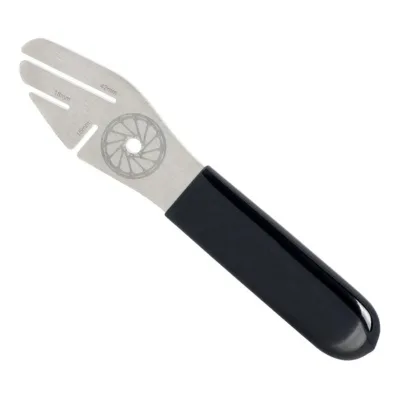
The current supplier landscape for MTB Bike Flywheel Removal Tool shows a distinct concentration of manufacturing and trading entities within Guangdong, China. Several product listings explicitly state the Place of Origin as Guangdong, indicating a regional cluster where these specific cycling repair tools are produced. This geographic concentration suggests that buyers can expect a high density of suppliers specializing in bicycle tools, accessories, and titanium alloy components in this province. However, one specific product listing for a Cuff wrench indicates a Place of Origin in Jiangsu, China, demonstrating that while Guangdong is a primary hub, production is not exclusive to a single province. Buyers should recognize that the majority of available inventory originates from the Guangdong region, which often correlates with established supply chains for cycling hardware.
Regarding company structure, the observed supplier types include Trading Companies, which act as intermediaries between manufacturers and international buyers. These trading companies often aggregate products from various factories, offering a broader range of items such as bicycle tools, brake pads, and chain components under a single storefront. The presence of a Trading Company type suggests that buyers may not be dealing directly with the factory floor but rather with a firm that manages logistics and quality control. This structure can offer flexibility in sourcing multiple product lines, but it requires careful verification to ensure the trading partner has direct access to the manufacturing capabilities required for high-quality flywheel removal tools.
How to Verify MTB Bike Flywheel Removal Tool Suppliers
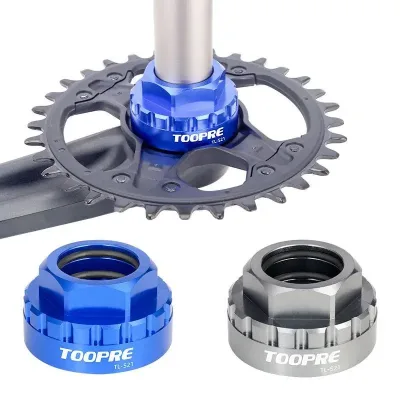
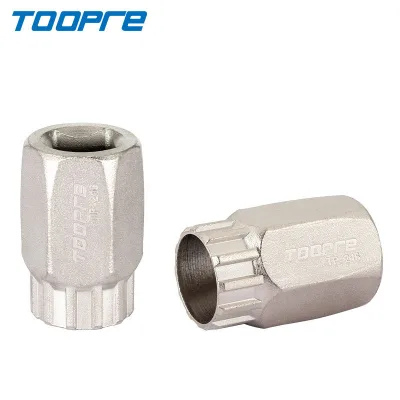
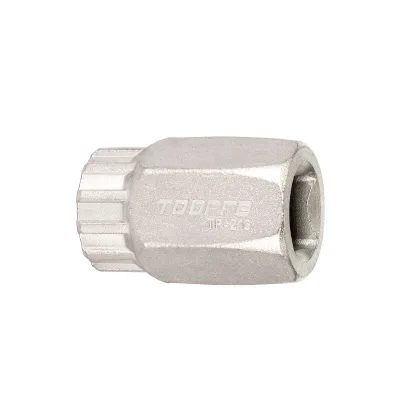
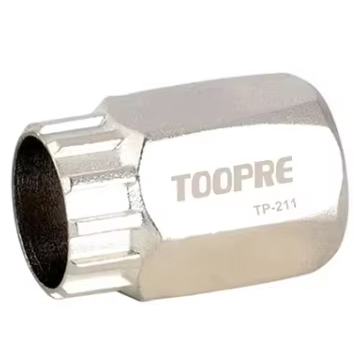
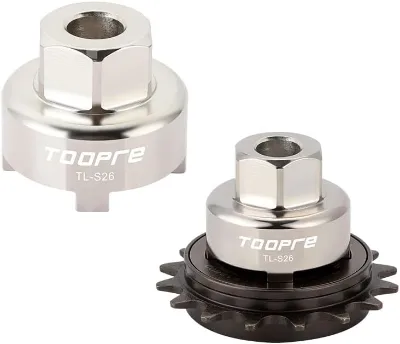
Verification of MTB Bike Flywheel Removal Tool suppliers begins with scrutinizing the specific product attributes and origin data provided in the listing. Buyers must cross-reference the stated Place of Origin, such as Guangdong or Jiangsu, with the company's registered address to ensure consistency. For instance, a product listing for a TP-216 model explicitly mentions a Place of Origin in China, while another for a Cuff wrench specifies Jiangsu. This level of detail allows buyers to confirm that the supplier is transparent about their manufacturing base. Additionally, checking the Brand Name, such as TOOPRE, across multiple listings helps identify if the supplier is a consistent manufacturer or a reseller of various branded goods. Consistency in branding and origin data is a strong indicator of a legitimate operation.
Response time and communication speed are critical metrics for verifying supplier reliability. The data indicates a response time of 6 hours for certain suppliers, which serves as a benchmark for expected communication efficiency. Buyers should test this metric by initiating inquiries and measuring the actual time taken for a reply, as advertised response times can vary. Furthermore, examining the main products listed, such as Bicycle Tools and Titanium alloy screws, helps confirm that the supplier specializes in the relevant category rather than being a generalist. A supplier focusing on cycling repair tools is more likely to possess the technical expertise required for MTB Bike Flywheel Removal Tool production. Buyers should also verify if the supplier accepts OEM requests, as this indicates a capacity for customization and a deeper relationship with manufacturing partners.
What to Compare Across MTB Bike Flywheel Removal Tool Suppliers
When comparing suppliers, the Minimum Order Quantity (MOQ) is a primary differentiator that affects procurement strategy. The observed data reveals a wide range of MOQs, with some listings requiring as few as 2 pieces, while others mandate 3, 5, or even higher quantities. For example, a specific flywheel removal tool has an MOQ of 3 pieces, whereas a Cuff wrench requires 5 pieces. This variation allows buyers to select suppliers that align with their inventory needs, whether they are testing the market with small batches or planning large-scale distribution. Buyers must carefully review the MOQ for each specific product model, as it can differ significantly even within the same supplier's catalog. Understanding these thresholds is essential for calculating the initial investment required to secure a supply chain.
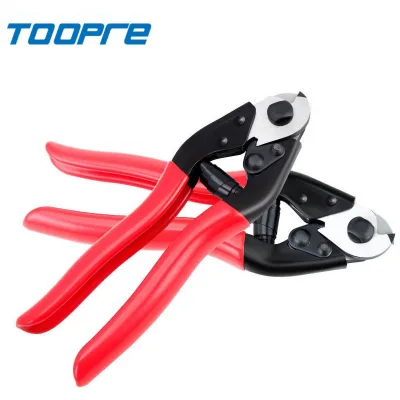
Lead time and pricing are equally critical factors in the comparison process. The data shows a lead time of 30 days for certain suppliers, which sets a baseline for production and shipping expectations. Buyers should compare this against the specific product requirements, as some items may have different production cycles. Pricing also varies, with some tools listed at approximately $1.10 per unit, while others, such as wire cutters, are priced around $2.84. These price points reflect differences in material quality, such as high carbon steel versus chrome vanadium alloy steel. Buyers should analyze the price-to-MOQ ratio to determine the most cost-effective option for their specific volume. Additionally, comparing the material specifications, such as "High carbon tool steel" versus "chisel tool steel," helps assess the durability and value proposition of each supplier's offering.
Common MTB Bike Flywheel Removal Tool Sourcing Risks
One significant risk in sourcing MTB Bike Flywheel Removal Tool is the potential discrepancy between advertised specifications and actual product quality. The data lists various materials, including "High carbon tool steel," "Chrome vanadium alloy steel," and "45 # high carbon steel." Without independent testing or certification verification, buyers cannot guarantee that the received goods match the claimed material standards. A supplier might advertise high-quality steel but deliver inferior materials that wear out quickly or fail under stress. This risk is compounded by the fact that some listings do not provide detailed test results or third-party certifications. Buyers must be prepared to request material certificates or conduct their own quality checks upon receipt to mitigate the risk of receiving substandard tools.
Another risk involves the variability in packaging and shipping dimensions, which can impact logistics costs and product safety. The observed data shows significant differences in package sizes, ranging from compact 10x10x5 cm packages to larger 34x9x34 cm boxes. These variations affect the total shipping volume and weight, potentially leading to unexpected freight charges. For instance, a product with a single gross weight of 0.100 kg differs vastly from one weighing 1.500 kg. If a buyer does not account for these differences when planning their logistics, they may face budget overruns or delays. Furthermore, inconsistent packaging standards can lead to product damage during transit. Buyers should verify the packing details for each item and ensure that the supplier uses appropriate protective measures to prevent damage during shipping.
MTB Bike Flywheel Removal Tool Regional Sourcing and Logistics
The regional sourcing landscape for MTB Bike Flywheel Removal Tool is heavily influenced by the location of manufacturing hubs, primarily in Guangdong and Jiangsu provinces. The concentration of suppliers in Guangdong suggests that buyers can benefit from established logistics networks and efficient export processes in this region. However, the presence of a supplier in Jiangsu indicates that buyers may need to coordinate with multiple regions to fulfill large orders or access specific product lines. This geographic spread can complicate logistics, as shipping from different provinces may involve different customs procedures and transit times. Buyers should assess the proximity of the supplier to major ports to minimize shipping costs and lead times. Understanding the regional distribution of suppliers is crucial for optimizing the supply chain and ensuring timely delivery.
Logistics planning must also account for the varying package dimensions and weights observed in the product data. Some items, like the TP-216 flywheel removal tool, have a single package size of 10x10x5 cm and a weight of 62g, making them easy to ship in bulk. In contrast, other products, such as the wire cutter, have a single gross weight of 1.500 kg and a package size of 27x11x27 cm. These differences require careful calculation of shipping volumes and costs. Buyers should request detailed packing lists and weight specifications from suppliers to accurately estimate freight charges. Additionally, the response time of 6 hours for some suppliers indicates that communication regarding shipping updates can be prompt, but buyers should still verify the actual shipping timeline. Effective logistics management involves balancing the cost of shipping with the need for timely delivery, especially when sourcing from multiple regions.
MTB Bike Flywheel Removal Tool Commercial Terms and Order Planning
Commercial terms for MTB Bike Flywheel Removal Tool orders are heavily influenced by the Minimum Order Quantity (MOQ) and pricing structures observed in the supplier data. Buyers must plan their orders around the specific MOQ requirements, which range from 2 to 5 pieces per item. For example, a specific flywheel tool requires an MOQ of 3 pieces, while a Cuff wrench requires 5. This variability means that buyers cannot simply order a single unit of every product; they must consolidate orders to meet the minimum thresholds. Additionally, the pricing per unit, such as $1.10 or $2.84, must be factored into the total cost of goods sold. Buyers should calculate the total cost including shipping and any potential tariffs to ensure profitability. Understanding these commercial terms is essential for creating a viable business plan and managing cash flow effectively.
Order planning also requires attention to lead times and response times to ensure timely fulfillment. The data indicates a lead time of 30 days for certain suppliers, which sets a baseline for production scheduling. Buyers should factor this lead time into their inventory planning to avoid stockouts. Furthermore, the response time of 6 hours suggests that suppliers are generally responsive, but buyers should confirm this during the negotiation phase. If a supplier fails to meet the expected response time, it could indicate potential delays in production or communication. Buyers should also consider the OEM capabilities, as some suppliers welcome custom branding, which can add value to the final product. By carefully planning orders based on lead times, MOQs, and response capabilities, buyers can build a reliable and efficient supply chain for MTB Bike Flywheel Removal Tool products.
FAQs
What materials are typical for an MTB flywheel removal tool?
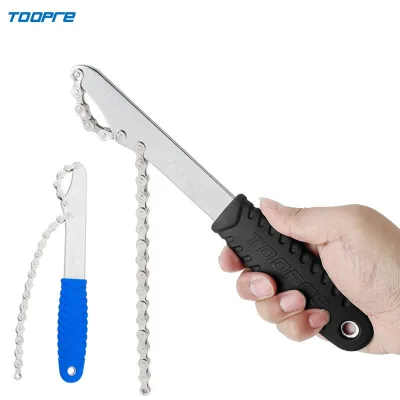
Most listings for this tool specify high carbon tool steel with full plating and heat treatment, though some single-speed freewheel removers use 45# high carbon steel and wire cutters in repair kits use chrome vanadium alloy steel. Hardened, plated steel resists wear and rounding under torque. Always confirm the exact material and heat treatment with the supplier before ordering.
What MOQ should I expect when sourcing these tools?
Minimum order quantities are generally low for this product category. Observed listings range from about 2 to 5 pieces per order, so small trial purchases are realistic before committing to bulk quantities. Lower MOQs often come with higher unit prices, so compare price tiers at different volumes. Confirm the MOQ in writing with each supplier before placing a sample order.
How long does production and delivery usually take?
Lead times around 30 days are common for this product category, covering production and preparation before shipment after order confirmation. Actual timing can vary with order size, customization such as custom logos, and the supplier's current production schedule. Ask each supplier to confirm the lead time for your specific quantity and request a production timeline before confirming the order.
Can I order these tools with my own brand or logo?
Customization is commonly offered in this category; at least one observed listing explicitly welcomes OEM and another accepts custom logos. Typical options include printing or etching your brand on the tool and custom packaging. Expect OEM orders to require higher minimum quantities and longer lead times than stock goods. Discuss logo files, placement, and any extra tooling fees with suppliers early.
Which cassette speeds do these removal tools fit?
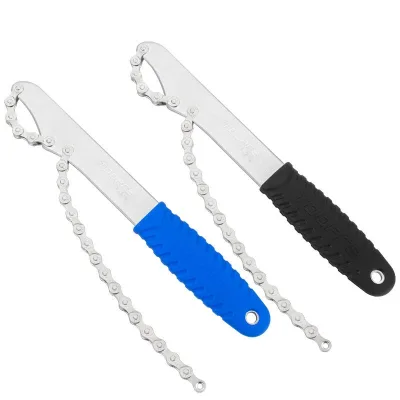
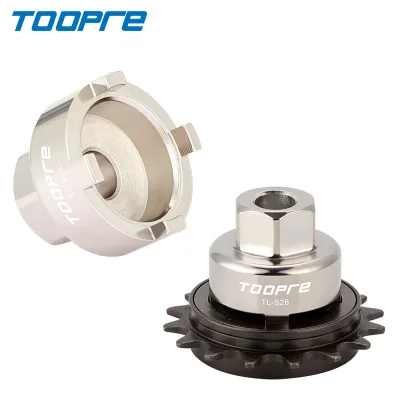
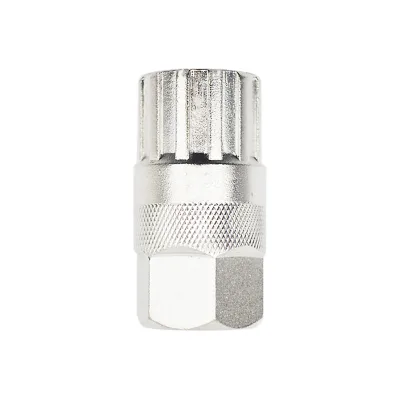
Fit varies by model, so check the specification before buying. One observed clip-type sleeve is described as universal for 6, 7, 8, 9, 10, and 11 speed cassette flywheels, while separate single-speed freewheel removers cover specific tooth counts such as 16T, 17T, and 18T BMX freewheels. Match the tool to your drivetrain speed and freewheel type, and confirm compatibility in writing.
Where are these tools mainly manufactured?
The available supplier results indicate production in China, with listings showing places of origin in Guangdong and Jiangsu provinces. Guangdong suppliers commonly list bicycle tools, accessories, titanium alloy screws, brake pads, and chains as main products. When comparing suppliers, verify the listed origin address, trading versus manufacturer status, and whether factory audits or third-party inspections are available.
How quickly do suppliers in this category respond to inquiries?
Response times vary, but observed data shows an average response time of about 6 hours for suppliers in this category. Faster replies usually indicate active export operations, though response speed alone does not guarantee quality. Send identical inquiry templates to multiple suppliers, including quantity and customization details, so you can compare reply speed, accuracy, and quoted terms side by side.
How much does an MTB flywheel removal tool cost?
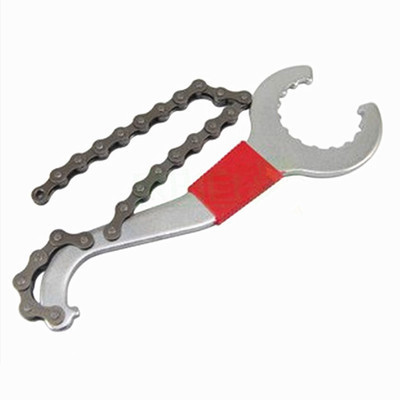
Observed unit prices are low, roughly between about one and eight US dollars depending on the tool type. A basic clip-type flywheel sleeve was listed near $1.10, a cuff wrench around $2.05, and a multi-purpose fly wrench near $7.68. Prices depend on material, tool complexity, and order volume, so request itemized quotations for your exact quantities.