Multi Parameter Water Quality Tester Suppliers and Manufacturers
Source 30 verified suppliers for Multi Parameter Water Quality Tester equipment from China. Compare ISO 9001 certified manufacturers with 15-day lead times, 1 MOQ, and prices from $800 to $1475. Request quotes to evaluate response times and customization options; review the available evidence before requesting comparable quotations from suitable candidates.
Updated
Suppliers List

- Verified by BV
- Trading Company,Manufacturer/Factory,Group Corporation
- China Henan
- Lead time15 days
- Avg. response≤ 2h
Main productsLaboratory Instrument, Rotary Evaporator, Glass Reactor, Life Science Instruments, Agricultural Instruments, Chemical Analysis Equipments, Thermal Cycler PCR, Petroleum Instruments, Drug Testing Equipment, Physical Testing Instruments
Main marketsSouth America,Eastern Europe,Mid East,North America,Southeast Asia,Eastern Asia,Oceania,Western Europe,Africa


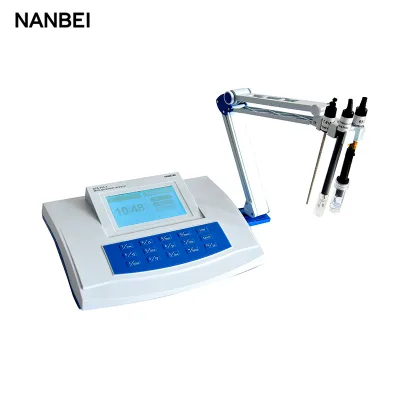
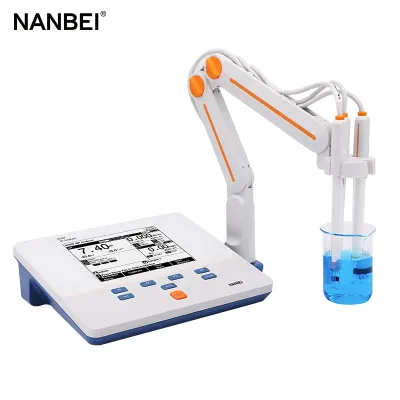
Nanbei Instruments Portable Multiparameter Water Quality Meter Tester
$1360.00 - $1475.00
MOQ: 1 Pieces


Henan Bingsheng Industrial Co., Ltd.
- Verified by SGS
- Combined
- China Henan
- Lead time15 days
- Avg. response≤ 2h
Main productsSensor
Main marketsSouth America,Southeast Asia/ Mideast,Domestic,Europe,North America


Multifunctional Portable Water Quality Tester with Bluetooth Multifunctional Tester
$49.00 - $53.00
MOQ: 2 Pieces

Comprehensive Water Quality Testing Multi-Parameter Meter for Professionals
$223.00 - $246.00
MOQ: 2 Pieces

Handheld Water Quality Tester with LCD and Bluetooth Multifunctional Tester
$49.00 - $53.00
MOQ: 2 Pieces

5 in 1 Multi-Parameter Water Quality Measurement Accurate Testing Meter
$300.00 - $310.00
MOQ: 1 Pieces

Smart Quality Tester with APP Control and Multiparameter Water Monitoring Smart Tester
$39.00 - $49.60
MOQ: 5 Pieces
Shandong Horde Electronic Technology Co., Ltd.
- Manufacturer, Trading Company
- Shandong, China
- Lead time7 days
- Avg. response≤ 1h
Main productsSoil/fertilizer testing equipment,Water testing equipment,Food testing equipment,Environmental testing and monitoring equipment,Molecular Biodetector
Main marketsSouth Asia(30.00%), Southeast Asia(20.00%), Africa(20.00%), Mid East(10.00%), South America(10.00%), Eastern Europe(5.00%), Northern Europe(5.00%)
Jiangxi Aiyi Hi-Tech Co., Ltd.
- Verified by Intertek
- Trading Company
- Lead time15 days
- Avg. response≤ 2h
Main productsLaboratory Furniture, Chromatograph, Spectrometer
Main marketsEastern Europe(15%), Western Europe(15%), Mid East(10%)
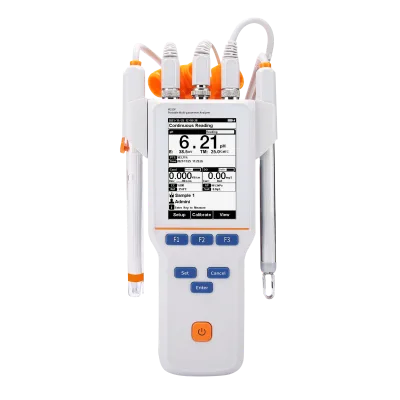
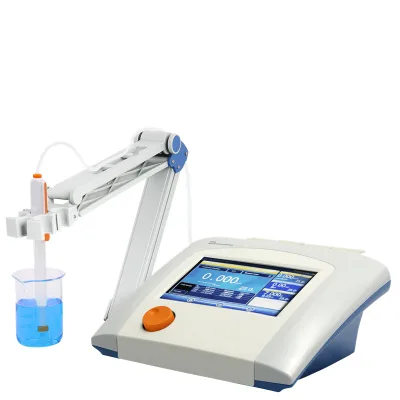
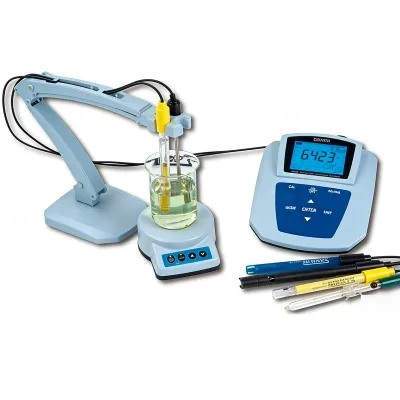
Multiparameter Water Quality Tester Temperature / DO / Conductivity / Ion Concentration / PH Meter
$1497.0307 - $1827.4104
MOQ: 1 pieces
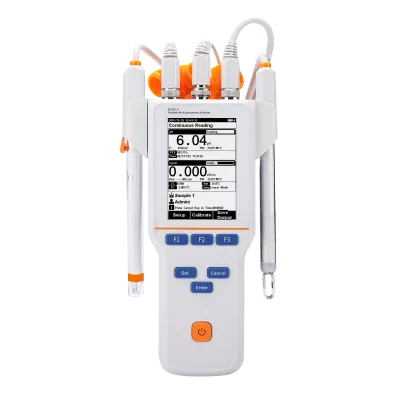
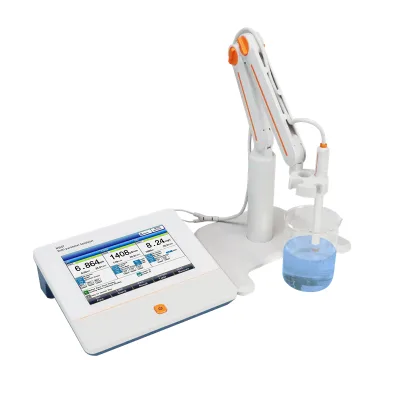
Digital Multiparameter Water Quality Analyzer with PH/ORP/ISE/EC/DO/Temp
$1200.00 - $1468.00
- Manufacturer, Trading Company
- Henan, China
- Lead time1 days
- Avg. response≤ 3h
Main productsGlass-Reactors,Rotary-Evaporator,Lab-Instruments,Life-Science-Instruments,Testing-equipments
Main marketsEastern Europe(15.00%), Southeast Asia(13.00%), Domestic Market(10.00%), South Asia(9.00%), Mid East(8.00%), Africa(8.00%), Western Europe(7.00%), North America(6.00%), Eastern Asia(5.00%), Southern Europe(5.00%), Oceania(4.00%), South America(4.00%), Central America(3.00%), Northern Europe(3.00%)

Zhejiang Top Cloud-Agri Technology Co., Ltd.
- China Zhejiang
- Lead time0 days
- Avg. response≤ 8h
Main productsSoil Nutrient Analyzer, Seed Tester Meter, Chlorophyll Meter, Leaf Area Meter, Fat Analyzer, Fruit Hardness Tester, Incubator, Grain Testing Meter Tester, Plant Physical Tester, Flour and Oil Testing Instrument

Chongqing TOP Oil Purifier Co., Ltd.
- Verified by TUVRHEINLAND
- Combined
- China Chongqing
- Lead time15 days
- Avg. response≤ 7h
Main productsOil Purifier, Oil Purification, Oil Filtration, Oil Recycling, Oil Treatment, Oil Regeneration, Oil Restoration, Oil Filtering, Waste Oil Disposal, Reclaimation
Main marketsSouth America,Africa,Southeast Asia/ Mideast,East Asia(Japan/ South Korea),Domestic,Europe,Australia,North America


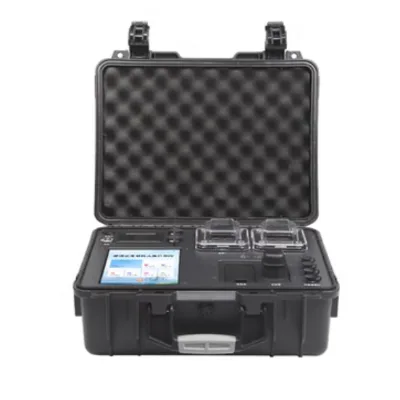
Small and Portable Multi-Parameter Water Quality Testing Equipment Tp510t
$1500.00 - $8000.00
MOQ: 1 Pieces
Beijing Leadmed Technology Co., Ltd.
- Trading Company
- Beijing, China
- Lead time15 days
- Avg. response≤ 4h
Main productsWATER QUALITY SENSOR,TURBIDITY SENSOR,MULTI-PARAMETER SENSOR,pH SENSOR,CONDUCTIVITY OXYGEN SENSOR
Main marketsEastern Asia(10.00%), Domestic Market(10.00%), Northern Europe(10.00%), Southeast Asia(10.00%), Eastern Europe(10.00%), Western Europe(10.00%), North America(10.00%), Mid East(5.00%), South Asia(5.00%), Southern Europe(5.00%), Oceania(5.00%), Central America(5.00%), South America(5.00%)
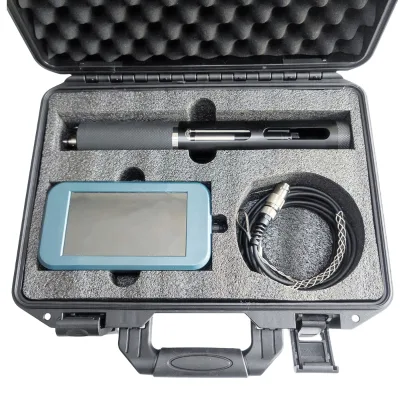
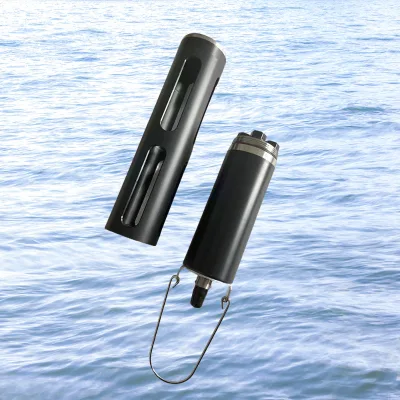
Portable Digital Multiparameter Water Quality Tester Meter Probe-Free Design
$954.00 - $1060.00
MOQ: 1 pieces

Suzhou Yosemite Technologies Ltd.
- Combined
- China Jiangsu
- Lead time30 days
- Avg. response≤ 14h
Main productsUV 254 Cod Sensor, Instruments, Accessories, Systems, Nh4 Sensor, Multiparameter Sonde, Turbidity Sensor, Online Optical Dissolved Oxygen Sensor
Main marketsSouth America,Southeast Asia/ Mideast,East Asia(Japan/ South Korea),Europe,Australia,North America


Multi-Functional Water Quality Handheld Instrument Multi-Parameter Water Quality Analyzer
Negotiable
MOQ: 1 Pieces
Zhejiang Top Cloud-Agri Technology Co., Ltd.
- Verified by Intertek
- Manufacturer, Trading Company
- Lead time5 days
- Avg. response≤ 5h
Main productsAgriculture Testing Instrument, Laboratory Equipment, Smart Fertilizer Machine, Water Quality And Environmental Monitoring Equipment, Genetic And Biotechnology Equipment
Main marketsDomestic Market(80%), Southeast Asia(16%), Eastern Europe(1%)

CHANGSHA LANGSHUO TECHNOLOGY CO LTD
- Verified by TUVRHEINLAND
- Trading Company
- China Hunan
- Lead time15 days
- Avg. response≤ 8h
Main productsUniversal Tensile Testing Machine, Plastic Test Machine, Packaging Test Machine, Ink Proofers, Contact Angle Testers, Paint Coating Test Machine, Viscometer Densimeter Gloss Meter, Surface Roughness Meter Vibration Meter, Video Measuring Machine Profile Projector, Hardness Tester
Main marketsSouth America,Africa,Southeast Asia/ Mideast,Europe,Australia,North America

Multi-parameter Water Quality COD Meter Intelligent Water Sample Testing Instrument
$1000.00 - $3000.00
MOQ: 1 Pieces

$1000.00 - $3000.00
MOQ: 1 Pieces
Shandong Hengmei Electronic Technology Co., Ltd.
- Manufacturer, Trading Company
- Shandong, China
- Lead time14 days
- Avg. response≤ 1h
Main productsSoil nutrient tester,Environmental monitoring equipment,Water quality detector,Food safety detector,Plant Physiological Testing Equipment
Main marketsSouth America(20.00%), North America(20.00%), Eastern Asia(20.00%), Mid East(10.00%), Southeast Asia(10.00%), South Asia(5.00%), Africa(5.00%), Northern Europe(5.00%), Central America(5.00%)

Changchun Lyz Technology Co., Ltd.
- Manufacturer, Trading Company
- Jilin, China
- Lead time15 days
- Avg. response≤ 3h
Main productsUrine Test Strips, Water Test Strips, Pet Test Strips, Soil Test Strips, Rapid Test Kits
Main marketsNorth America(50.00%), Western Europe(10.00%), Southern Europe(10.00%), Northern Europe(10.00%), South America(5.00%), South Asia(3.00%), Oceania(3.00%), Eastern Asia(3.00%), Africa(3.00%), Southeast Asia(3.00%)
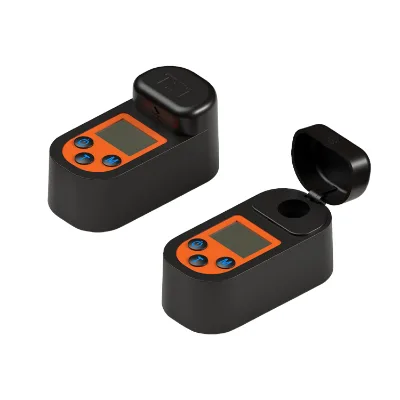
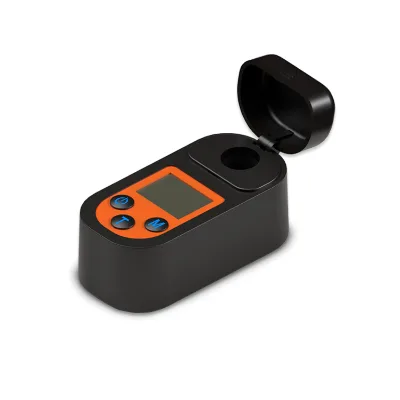
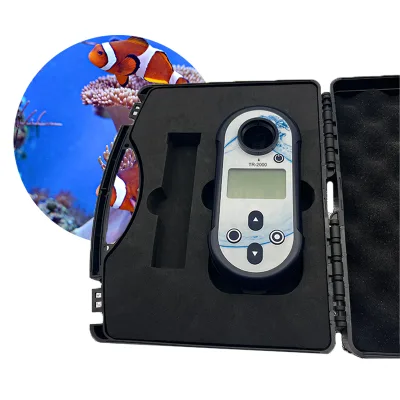
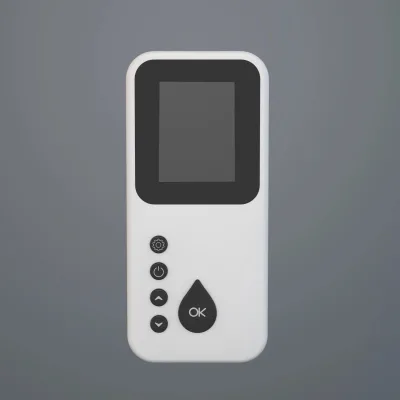
$62.1184 - $108.7068
MOQ: 1 sets

Beijing Zetron Technology Co., Ltd
- Verified by SGS
- Trading Company
- China Beijing
- Lead time15 days
- Avg. response≤ 5h
Main productsGas Detector, Gas Analyzer, Gas Alarm, Air Monitor, Air Analyzer, Dust Monitor, Gas Leakage Detector, Particle Counter, Methane Detector, Aerosol Photometer
Main marketsOthers(foreignTradeCapacity.exportBusinessCapacityMarketOther),Southeast Asia/ Mideast
Henan Bingsheng Industrial Co., Ltd.
- Verified by TüVRheinland
- Manufacturer, Trading Company
- Lead time15 days
- Avg. response≤ 1h
Main productsSoil Sensors, Water Flow Sensors, Water Quality Sensors, Weather Station Sensors, PH Sensors
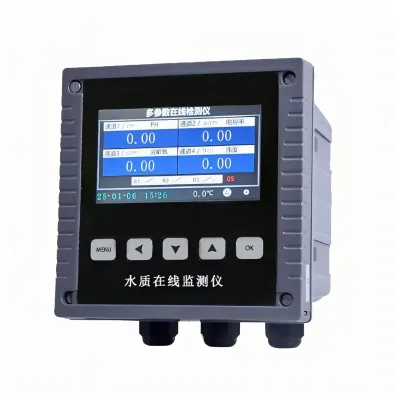
Online Water Quality Analyzer for Multiple Parameters Connect Four Sensors Industrial Detection
$225.2707 - $246.7727
MOQ: 1 pieces
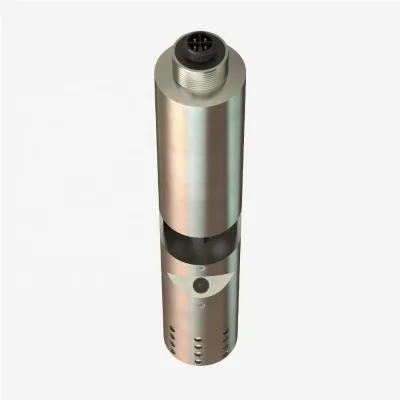
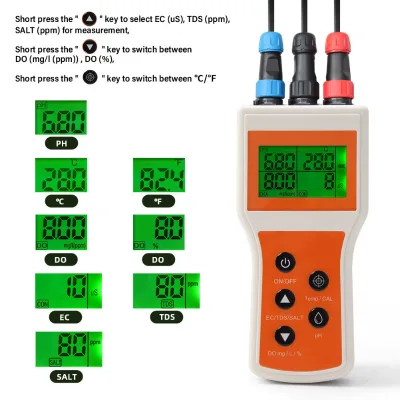
"Handheld Smart Water Quality Tester DO Meter"
$190.00 - $199.00

Shanghai GL Environmental Technology Co., Ltd.
- Trading Company,Manufacturer/Factory
- China Shanghai
- Lead time23 days
- Avg. response≤ 8h
Main productsDiaphragm Pump, Dosing Pump, pH Meter, Conductivity Meter, Flow Meter, Level Meter, Pressure Transmitter, Liquid Mixer, Chemical Pump, Dosing System
Main marketsMid East,Southeast Asia,Eastern Asia,Oceania,Africa

Qingdao Tlead International Co., Ltd.
- Trading Company
- China Shandong
- Lead time23 days
- Avg. response≤ 25h
Main productspH Meters, Counter Meters, Arbor Press, Tools, Ddvp
Main marketsSouth America,Africa,Southeast Asia/ Mideast,East Asia(Japan/ South Korea),Europe,Australia,North America

Anhui Madsur Technology Co., Ltd.
- Verified by CTI
- Combined
- China Anhui
- Lead time15 days
- Avg. response≤ 2h
Main productspH Meter, Cod Sensor, Multi-Parametes Analyzer, Water Quality Analyzer, Coductity, Turbidity, Dissolved Oxygen, Doppler Flowmeter, Suspended Solids, Portable Ammonia Nitrogen Analyzer
Main marketsDomestic

Portable Water Quality Tester with Multi-Parameters and Lithium Battery
$20.00 - $350.00
MOQ: 1 Pieces

- Verified by TüVRheinland
- Trading Company
- Lead time10 days
- Avg. response≤ 2h
Main productsPH Meter, Mosisture Meters, Temperature Meters, Refractometers, Measuring & Analysing Instrument Stock
Main marketsWestern Europe(45%), North America(35%), South America(3%)

Shanghai Boqu Instrument Co., Ltd.
- Manufacturer
- China Shanghai
- Lead time15 days
- Avg. response≤ 6h
Main productspH Meter, pH Sensor, Dissolved Oxygen Meter, Do Sensor, Conductivity Meter, Conductivity Sensor, Turbidity Sensor, Residual Chlorine Analyzer, Concentration Meter, Turbidity Meter
Main marketsSouth America,Africa,Southeast Asia/ Mideast,East Asia(Japan/ South Korea),Domestic,Europe,Australia,North America


Multi Function Water Quality Instrument for Wtp Continuous Water Analysis
$459.00 - $5999.00
MOQ: 1 Pieces



Zhengzhou Bioda Instrument Co., Ltd.
- Trading Company
- Henan, China
- Lead time20 days
- Avg. response≤ 1h
Main productsGlass Reactor,Rotary Evaporator,Water Analyzer,Agricultural Equipment,Centrifuge
Main marketsNorth America(30.00%), Southeast Asia(20.00%), Western Europe(15.00%), Africa(15.00%), South America(15.00%), Mid East(5.00%)
Zhengzhou Eastar Instrument Equipment Co., Ltd.
- Trading Company
- Henan, China
- Lead time1 days
- Avg. response≤ 4h
Main productsLab Instrument and Equipment,Extraction Distillation Equipment,Analysis Instruments,Testing Instrument,Physical Measurement Equipment
Main marketsEastern Europe(15.00%), Southeast Asia(13.00%), Domestic Market(10.00%), South Asia(9.00%), Mid East(8.00%), Africa(8.00%), Western Europe(7.00%), North America(6.00%), Eastern Asia(5.00%), Southern Europe(5.00%), Oceania(4.00%), South America(4.00%), Central America(3.00%), Northern Europe(3.00%)
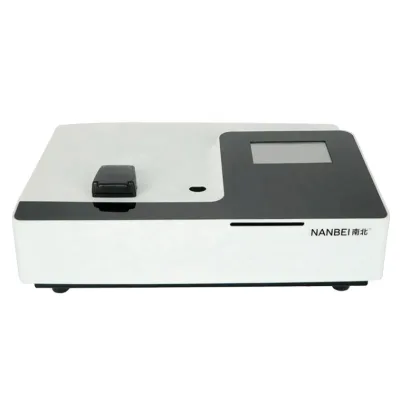
Multi-Parameter Water Testing Water Quality Rapid Analyzer Spectrophotometer Spectrometer Quick20
$1200.00 - $1500.00
MOQ: 1
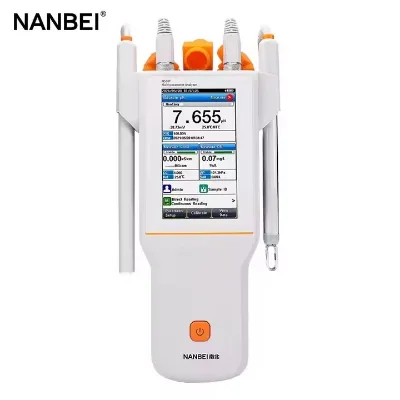
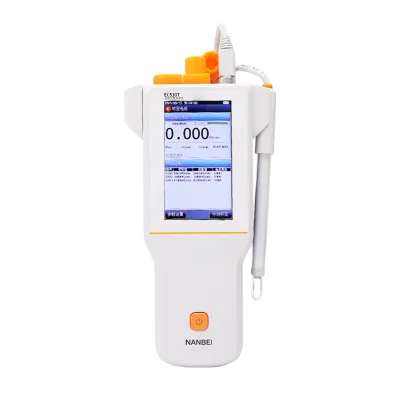
Changchun Wancheng Bio-Electron Co., Ltd.
- Verified by SGS Group
- Manufacturer, Trading Company
- Lead time7 days
- Avg. response≤ 4h
Main productsUrine (Saliva) Test Strip, Rapid test Strip, Urine Analyzer, Hematology Analyzer, Water Test Strip
Main marketsNorth America(50%), Western Europe(25%), South America(15%)
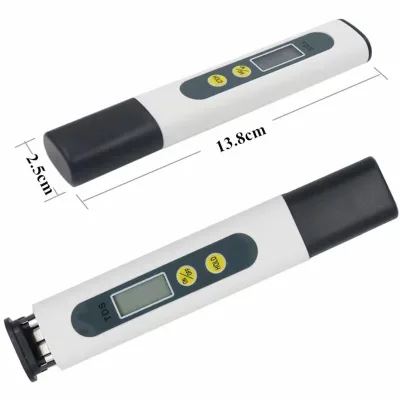
High Accuracy Water Quality Tester TDS Meter Digital Water Tester for Drinking Water,Well
$0.6702 - $0.6897
MOQ: 10 sets
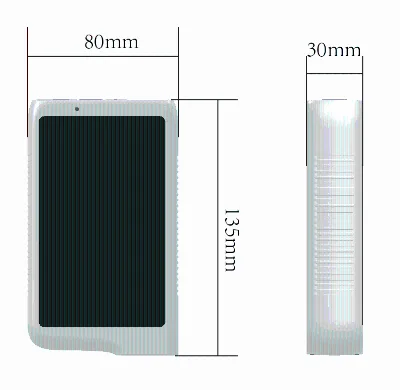
Vansful Water Content Analyzer test 14 Parameters Water Quality Testing Equipment
$204.0933 - $214.299
MOQ: 1 sets
- Trading Company
- Hong Kong S.A.R.
- Lead time5 days
- Avg. response≤ 5h
Main productsAir Quality Monitor,Thermometer,Water Quality Meter,Gem Tester,Measuring Instruments
Main marketsSouth Asia(10.00%), Northern Europe(10.00%), Central America(10.00%), Western Europe(10.00%), Eastern Asia(10.00%), Mid East(10.00%), Southeast Asia(10.00%), Eastern Europe(10.00%), South America(10.00%), North America(10.00%)
Yancheng Consina Medical Instruments Co., Ltd.
- Trading Company
- Jiangshu, China
- Lead time0 days
- Avg. response≤ 5h
Main productsGlass slides,Cover glass,Microscope,Blood counting chamber,medical products
Main marketsSouth America(20.00%), Africa(20.00%), Northern Europe(10.00%), Western Europe(10.00%), Mid East(10.00%), North America(5.00%), Central America(5.00%), Southeast Asia(5.00%), Eastern Asia(5.00%), Eastern Europe(5.00%), Oceania(5.00%)
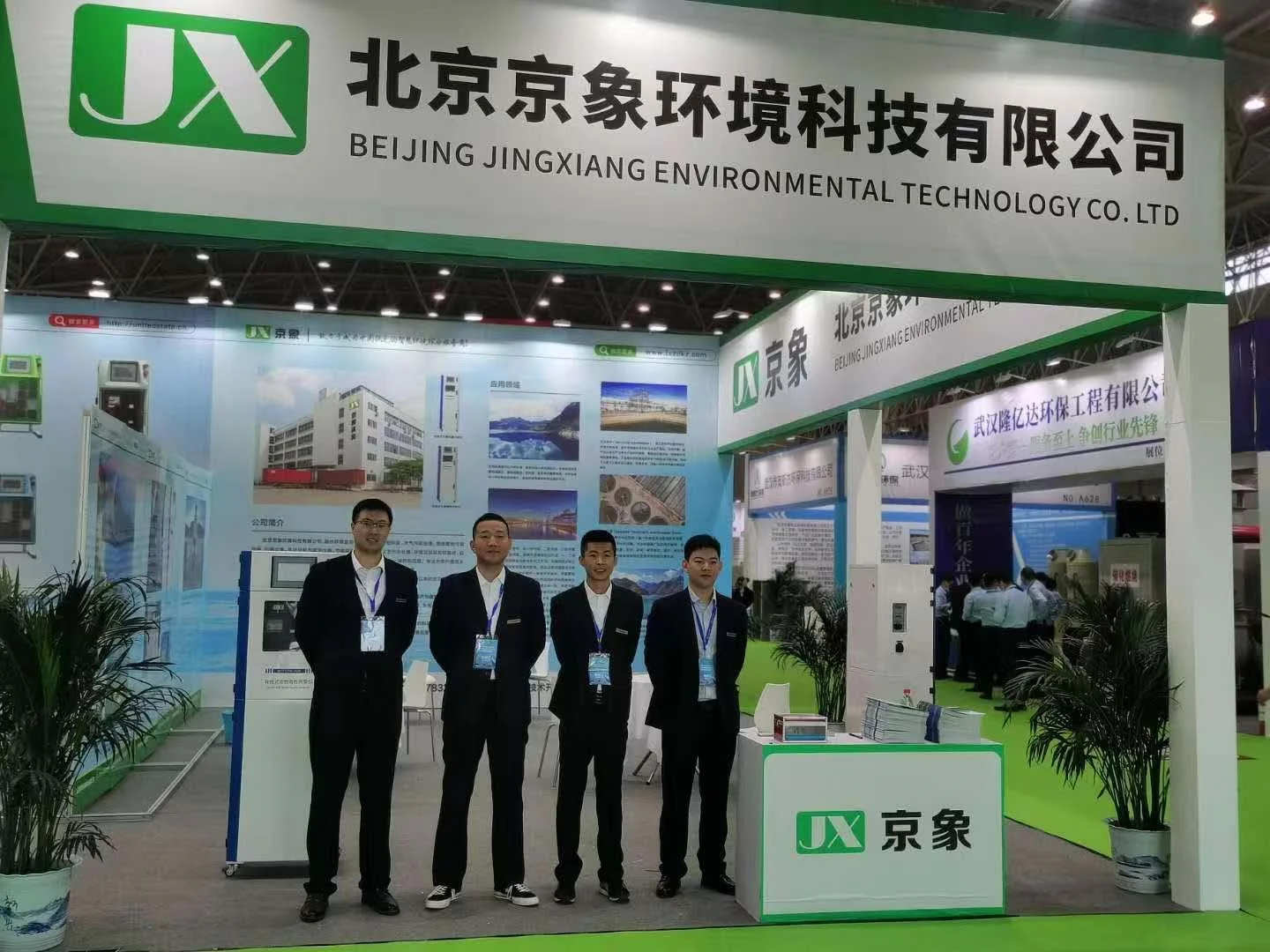
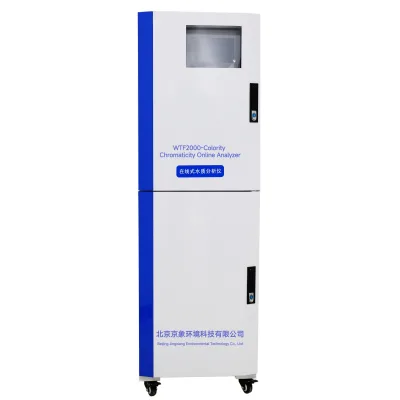
Beijing Jingxiang Environmental Technology Co., Ltd.
- Manufacturer
- Beijing, China
- Lead time45 days
- Avg. response≤ 3h
Main productsTotal Nitrogen Online Analyzer, Total Phosphorus Online Analyzer, COD Online Analyzer
Main marketsSoutheast Asia(30.00%), Eastern Europe(20.00%), North America(10.00%), Western Europe(10.00%), Eastern Asia(10.00%), Northern Europe(10.00%), Africa(10.00%)
Shenzhen Graigar Technology Co., Ltd.
- Manufacturer, Trading Company
- Guangdong, China
- Lead time3 days
- Avg. response≤ 2h
Main productsUltrasonic Flaw Detector,Ultrasonic Flow Meter,Thickness Gauge,Underground Metal Detector,Leeb Hardness Tester
Main marketsNorth America(20.00%), Western Europe(15.00%), South America(10.00%), Mid East(10.00%), Oceania(10.00%), Africa(10.00%), Southeast Asia(10.00%), Eastern Europe(10.00%), Domestic Market(5.00%)
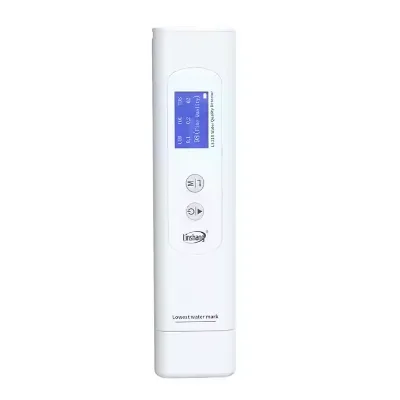
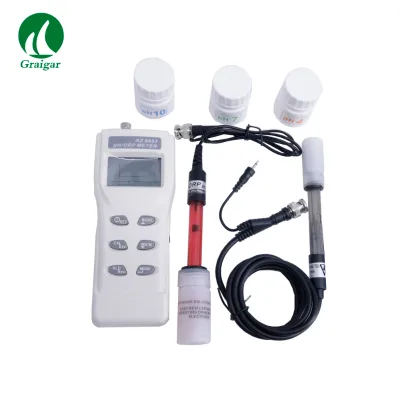
AZ8651 Digital Water Quality Meter PH/OPR/Temperature Tester PH Meter OPR Tester
$266.9597 - $328.565
MOQ: 1 Minimum

Changsha Suny Electronic Technology Limited
- Manufacturer, Trading Company
- Hunan, China
- Lead time10 days
- Avg. response≤ 6h
Main productsPCB fast producing,Reflow soldering equipment,Wave soldering equipment,Teaching instruments,laboratory freezers
Main marketsCentral America(14.29%), Mid East(14.29%), South Asia(14.29%), Southeast Asia(14.29%), North America(14.29%), Africa(14.26%)
Shanghai Total Industrial Co., Ltd.
- Verified by SGS
- Manufacturer/Factory
- China Shanghai
- Lead time0 days
- Avg. response≤ 24h
Main productsFeeder Clamp, Weather Shield Enclosure, Rubber Grommet, Hoisting Grip, Cable Entry, Flexible Jumper Cable, Cablen Ties, Terminal Lugs, Conduit and Fittings, Hole Saw
Shenzhen Handiier Technology Co.,Ltd
- Manufacturer, Trading Company
- Guangdong, China
- Lead time10 days
- Avg. response≤ 12h
Main productsshaver,shaving accessories,hair trimmer,Vacuum Cleaner Parts,Air Purifier Parts
Main marketsNorth America(50.00%), Eastern Europe(10.00%), South America(10.00%), Northern Europe(5.00%), Central America(4.00%), Western Europe(3.00%), South Asia(3.00%), Southern Europe(3.00%), Oceania(3.00%), Eastern Asia(2.00%), Mid East(2.00%), Southeast Asia(2.00%), Domestic Market(2.00%), Africa(1.00%)
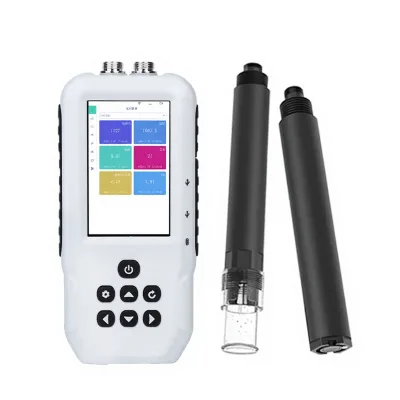
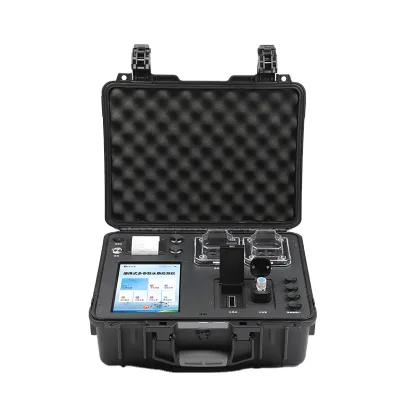
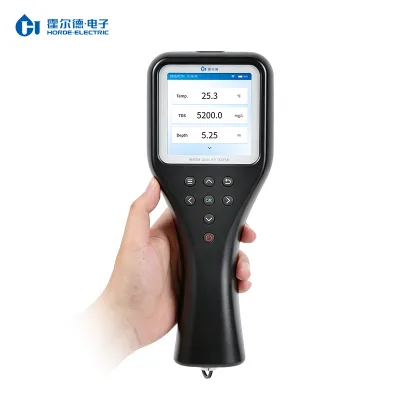
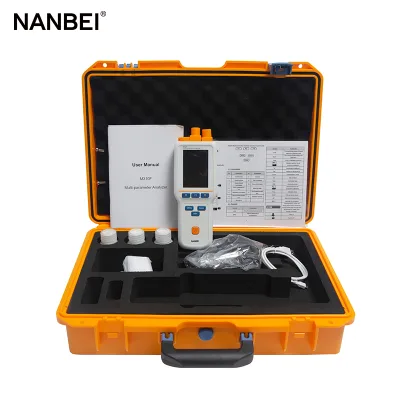


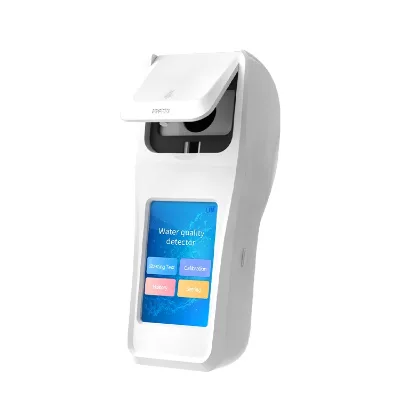


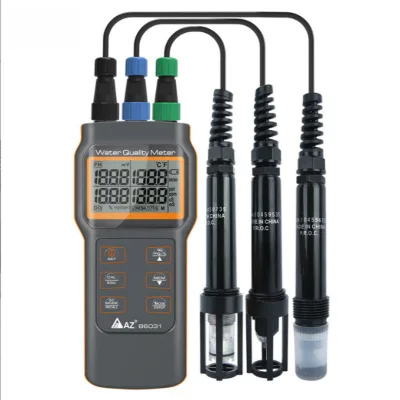
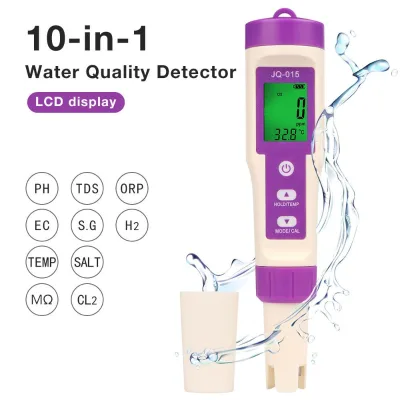
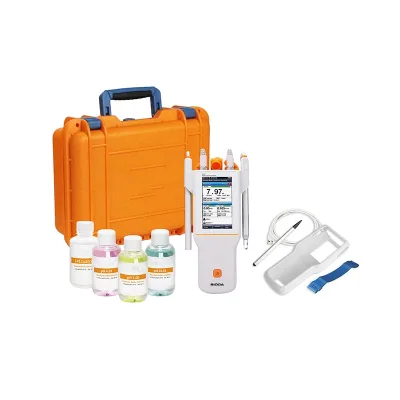
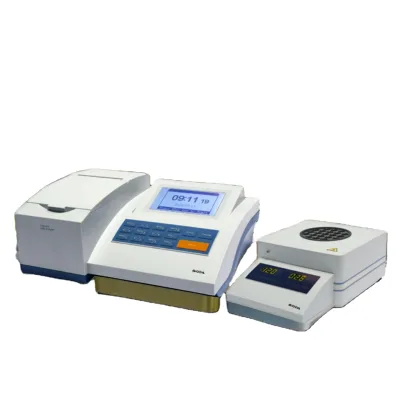
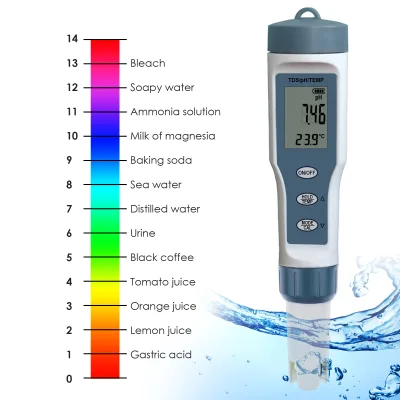
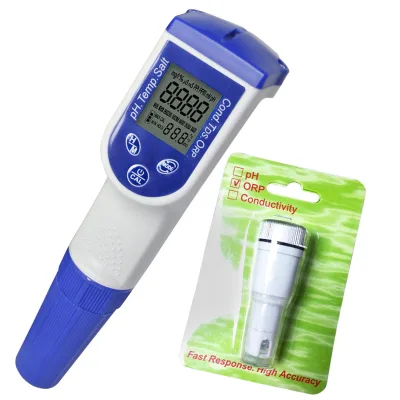
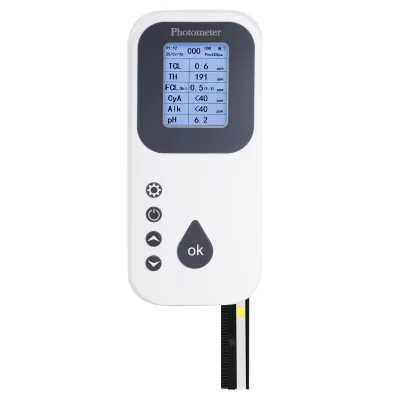
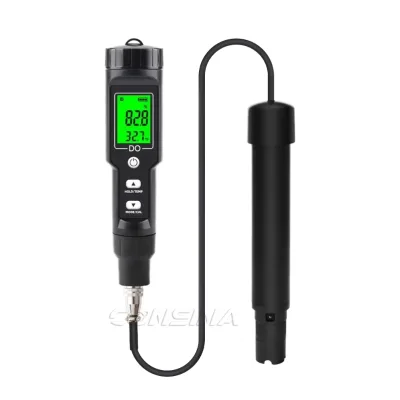
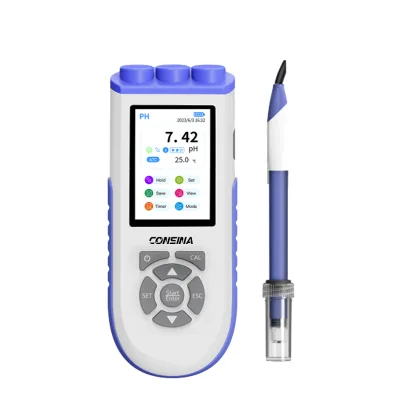
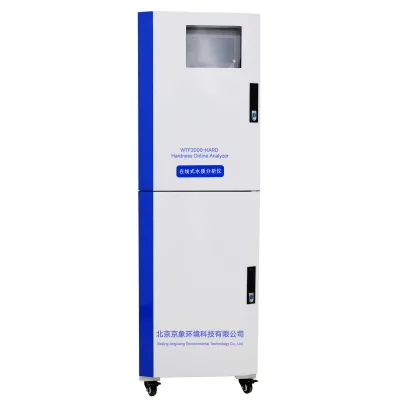
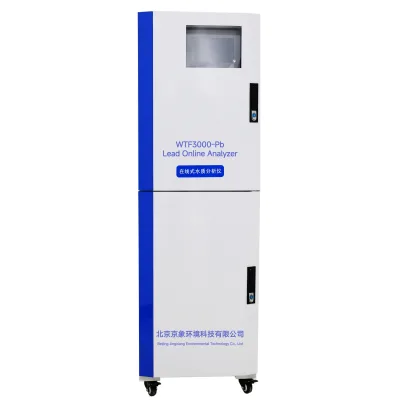


Comprehensive Sourcing Guide
Multi Parameter Water Quality Tester Supplier Concentration and Factory Types
The current supplier landscape for multi parameter water quality testers reveals a distinct concentration of manufacturing and trading entities within China, specifically in the Henan region. This geographic clustering suggests a localized industrial ecosystem where supply chain efficiencies are optimized for laboratory and environmental testing equipment. Buyers evaluating these suppliers will encounter a mix of company types, including trading companies, manufacturer/factories, and group corporations. This diversity in business structure impacts how products are sourced, priced, and supported. Trading companies often provide broader catalogs and streamlined communication, while manufacturers may offer deeper technical customization and direct control over production quality. Understanding this mix is crucial for determining whether a buyer prioritizes price competitiveness through trading intermediaries or technical assurance through direct factory engagement. The presence of group corporations indicates larger operational scales, potentially offering more robust infrastructure for handling complex orders or large-scale industrial contracts.
Within this concentrated region, the primary product focus for these suppliers extends beyond simple water testers to include a wide array of laboratory instruments such as rotary evaporators, glass reactors, and thermal cyclers. This suggests that many suppliers are specialized in general life science and chemical analysis equipment rather than niche water testing alone. For buyers seeking multi parameter water quality testers, this broad capability can be advantageous, as it implies a mature supply chain for precision instruments. However, it also requires careful vetting to ensure that the specific water quality models meet rigorous standards. The suppliers identified are verified by BV, which adds a layer of credibility regarding their business legitimacy and operational capacity. This verification status helps mitigate some initial risks associated with engaging with new suppliers in a concentrated manufacturing hub. Buyers should leverage this verified status as a baseline but still conduct deeper due diligence on specific product lines to ensure alignment with their technical requirements.
How to Verify Multi Parameter Water Quality Tester Suppliers
Verifying suppliers for multi parameter water quality testers requires a multi-layered approach that goes beyond basic company registration checks. The first step is to confirm the supplier’s verification status, such as the BV verification observed in current results, which attests to the legal existence and operational capacity of the business. However, this does not automatically validate the technical quality of their water quality instruments. Buyers must request specific product certifications, such as ISO, CE, FCC, and RoHS, which are frequently listed in product attributes for these devices. These certifications indicate compliance with international safety and environmental standards, which is critical for equipment used in medical research, food analysis, and biochemistry applications. It is essential to verify that these certificates are current and issued by recognized bodies, as counterfeit documentation can be a risk in some markets. Cross-referencing certificate numbers with issuing authorities can provide additional assurance of authenticity and validity.
Beyond documentation, technical verification involves assessing the supplier’s response time and willingness to provide detailed product specifications. The observed average response time of 1.64 hours suggests a generally responsive market, but buyers should test this by asking specific technical questions about measuring ranges, calibration procedures, and data storage capabilities. For instance, inquiring about the specific ion modes supported or the temperature compensation methods (manual vs. automatic) can reveal the depth of the supplier’s technical knowledge. Suppliers who provide detailed, accurate answers quickly are likely more reliable than those who give generic responses. Additionally, buyers should request sample units or detailed test reports to verify the accuracy of parameters like pH, conductivity, dissolved oxygen, and TDS. If the supplier offers OEM or ODM services, verifying their ability to customize these technical aspects is crucial for specialized applications. This proactive verification process helps ensure that the supplier can meet the precise analytical needs of the buyer’s laboratory or field operations.
What to Compare Across Multi Parameter Water Quality Tester Suppliers
When comparing suppliers, buyers should focus on key operational metrics such as lead time, minimum order quantity (MOQ), and price ranges to determine the best fit for their procurement strategy. The current market data indicates a lead time of approximately 15 days, which is a standard benchmark for manufacturing and shipping laboratory instruments. Buyers should confirm if this lead time includes production, testing, and international shipping, as delays can occur at any stage. The MOQ is observed to be as low as 1 unit, which is advantageous for small laboratories or research institutions that need to test a single device before committing to larger orders. This low barrier to entry allows for easier supplier evaluation and reduces the financial risk of initial purchases. However, buyers should also inquire about pricing tiers for bulk orders, as economies of scale may significantly reduce the per-unit cost for larger quantities.
Price comparison should also consider the specific features and certifications included in the quoted price. The observed price range for multi parameter water quality testers varies, with some models starting around $800 and others reaching up to $1475. This variation often reflects differences in display technology (LED vs. digital), data storage capacity (e.g., 2200 sets vs. 1000 groups), and additional features like USB or RS-232 communication interfaces. Buyers should ensure that they are comparing equivalent specifications to avoid misleading price differences. For example, a lower-priced unit might lack the data management features required for regulatory compliance in food analysis or medical research. Additionally, buyers should compare the supplier’s main product focus to ensure they specialize in water quality testing rather than offering it as a secondary item. Suppliers with a strong focus on environmental testing instruments may offer better technical support and warranty terms. Evaluating these factors holistically helps buyers make informed decisions that balance cost, quality, and service.
Common Multi Parameter Water Quality Tester Sourcing Risks
One significant risk in sourcing multi parameter water quality testers is the potential mismatch between advertised specifications and actual performance. Suppliers may list broad measuring ranges, such as pH/ORP/Conductivity/Do/TDS/Temperature, but the actual accuracy and stability of these measurements can vary significantly between models. Buyers must verify the specific measuring ranges and resolution for each parameter, as some units may have limited precision in certain ranges. For instance, the difference between a unit with a pH range of -2.000 to 20.000 and one with a narrower range can impact suitability for specific applications. Additionally, the type of display (LED vs. digital) and the ease of reading data in field conditions are practical considerations that are often overlooked in initial comparisons. Buyers should request detailed technical datasheets and, if possible, test samples to validate these performance claims before placing large orders.
Another risk is the variability in after-sales support and warranty terms, which can be critical for maintaining the accuracy of sensitive laboratory instruments. Suppliers may offer different levels of support, including calibration services, replacement parts, and technical assistance. Buyers should clarify the warranty period and what it covers, as well as the process for returning defective units or requesting repairs. The origin of the product, such as Zhengzhou or Henan, China, may also impact the availability of local service centers or the cost of shipping for repairs. Furthermore, the customization options available, such as branding or specific interface configurations, may come with additional costs or longer lead times. Buyers should ensure that any customizations are clearly documented in the contract to avoid disputes. Understanding these risks and establishing clear communication channels with suppliers can help mitigate potential issues and ensure a smoother procurement process.
Multi Parameter Water Quality Tester Regional Sourcing and Logistics
Sourcing multi parameter water quality testers from China, particularly from the Henan region, involves specific logistical considerations that buyers must plan for. The primary port of exit for these goods is likely from major Chinese ports, given the concentration of manufacturers in Zhengzhou and surrounding areas. Buyers should factor in the transit time from the factory to the port and then to their destination, which can add several weeks to the total lead time. The observed lead time of 15 days likely refers to production time only, so buyers must add shipping duration to their overall project timeline. Additionally, the packaging standards, such as export standard packages or wooden cases, are designed to protect sensitive electronic instruments during transit. Buyers should verify that the packaging is robust enough to prevent damage, especially for units with delicate displays or sensors.
Customs clearance and import duties are another critical aspect of regional sourcing. Buyers must ensure that their suppliers provide accurate documentation, including commercial invoices, packing lists, and certificates of origin, to facilitate smooth customs clearance. The certifications listed on the products, such as CE and RoHS, may also be required for import into certain regions, so buyers should confirm these requirements with their local customs authorities. The weight and dimensions of the units, such as a net weight of 2kg or dimensions of 250195100mm, will impact shipping costs, especially for air freight. For larger orders, sea freight may be more cost-effective, but it requires longer lead times. Buyers should work with their suppliers to determine the most efficient shipping method based on their urgency and budget. Clear communication about logistics responsibilities, such as who handles export customs and who manages import clearance, is essential to avoid unexpected delays or costs.
Multi Parameter Water Quality Tester Commercial Terms and Order Planning
Effective order planning for multi parameter water quality testers requires careful attention to commercial terms, including payment methods, delivery schedules, and return policies. Buyers should negotiate clear payment terms, such as a deposit followed by balance payment upon shipment or completion of quality checks. The use of escrow services can provide an additional layer of security for both parties, ensuring that funds are released only when the buyer confirms receipt and satisfaction with the goods. Given the low MOQ of 1 unit, buyers can start with small orders to test the supplier’s reliability before scaling up. However, for larger orders, buyers should discuss volume discounts and ensure that the price includes all necessary accessories, such as probes, cables, and calibration solutions. The inclusion of these items in the base price can simplify the ordering process and reduce hidden costs.
Delivery schedules should be explicitly agreed upon in the contract, with penalties for delays to protect the buyer’s interests. Buyers should also establish a clear process for handling defects or non-conforming products, including the timeline for reporting issues and the supplier’s responsibility for replacements or refunds. The data storage and management features of the testers, such as the ability to store 2200 sets of data or support USB/RS-232 interfaces, should be verified to ensure they meet the buyer’s data management needs. Additionally, buyers should inquire about the availability of software or drivers for data transfer and analysis, as this can impact the usability of the instruments. By addressing these commercial and technical details upfront, buyers can minimize risks and ensure a successful procurement experience. Clear documentation of all terms and conditions is essential to avoid misunderstandings and ensure that both parties are aligned on expectations.
FAQs
What is the typical lead time for multi parameter water quality testers?
The typical lead time for these instruments is 15 days. This duration allows for manufacturing, quality checks, and packaging preparation. Buyers should confirm specific delivery schedules with suppliers to ensure alignment with project timelines and avoid potential delays in laboratory operations.
What certifications do multi parameter water quality testers usually have?
These testers commonly hold ISO 9001, CE, FCC, and RoHS certifications. Such credentials verify compliance with international quality and safety standards. Buyers should request valid certificates to ensure the equipment meets regulatory requirements for laboratory and environmental testing applications.
What is the minimum order quantity for these water quality meters?
The minimum order quantity is typically just one unit. This low MOQ allows buyers to purchase single units for testing or small-scale operations. It provides flexibility for laboratories needing specific models without committing to large bulk purchases or inventory risks.
What is the price range for multi parameter water quality testers?
Prices generally range from $800 to $1,475 depending on the model and features. Basic units start around $800, while advanced portable meters with extensive data storage and ion modes cost closer to $1,475. Buyers should compare specifications to find the best value.
Where are these water quality testers manufactured?
These instruments are primarily manufactured in China, specifically in Henan province and Zhengzhou city. This region is a known hub for laboratory equipment production. Buyers can verify origin details to assess shipping logistics and potential import duties for their specific location.
What response time can buyers expect from suppliers?
Suppliers typically respond within 1.64 hours to inquiries. This rapid response indicates active customer support and efficient communication channels. Buyers can expect timely answers regarding product specifications, pricing, and shipping options, facilitating smoother procurement processes for their laboratory equipment needs.
What measuring parameters do these testers typically cover?
These testers typically measure pH, ORP, conductivity, dissolved oxygen, TDS, and temperature. Some advanced models also include ion-selective electrode capabilities. Buyers should verify the specific measuring range and accuracy required for their application to ensure the selected model meets their testing standards.