Multi Function Electric Wine Decanter Suppliers and Manufacturers
Explore 30 verified options for Multi Function Electric Wine Decanter suppliers in China. Compare locations, lead times, certifications, and prices to find the right partner. Contact suppliers directly to request samples and confirm specifications; review the available evidence before requesting comparable quotations from suitable candidates.
Suppliers List

Zhejiang Sorbo Technology Co., Ltd.
- Verified by TUVRHEINLAND
- Combined
- China Zhejiang
- Lead time30 days
- Avg. response≤ 5h
Main productsCamping Lantern, Radio Flashlight, Wine Set, Household Product, Bidet
Main marketsNorth America


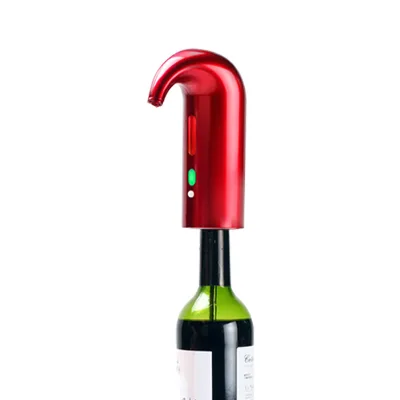
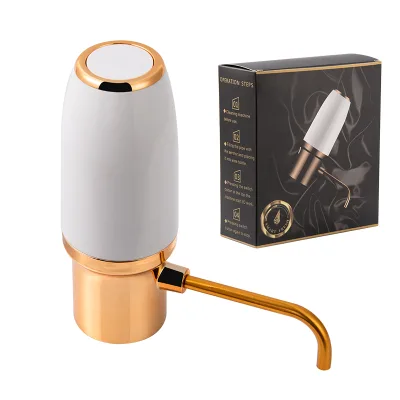
Portable Wine Decanter Dispenser Electric Decanter Pumps Wine Electric Aerator Pourer
$23.00 - $25.00
MOQ: 200


Guangzhou Tianfu Glass Products Co., Ltd.
- Verified by SGS Group
- Trading Company
- Lead time0 days
- Avg. response≤ 3h
Main productsGlass, Red Wine Glass, Beer Glass, Cocktail Glass, Champagne Glass
Main marketsNorth America(30%), Southeast Asia(20%), Western Europe(10%)

Hangzhou Happyway Imp and Exp Co., Ltd.
- Verified by CTI
- Trading Company
- China Zhejiang
- Lead time30 days
- Avg. response≤ 5h
Main productsWine Tool, Wine Opener, Wine Stopper, Champagne Stopper, Ice Bucket, Dropstop Disc, Wine Aerator, Wine Box/Wine Tote
Main marketsSouth America,Europe,North America


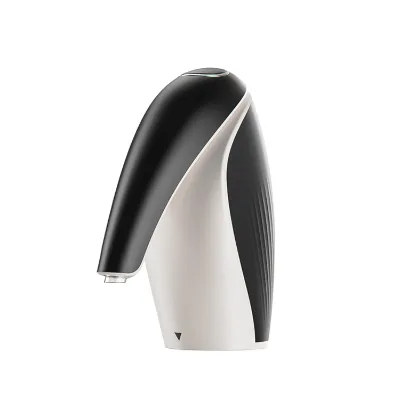
Electric Automatic Wine Aerator Decanter Whiskey Decanter Pourer Dispenser
$10.20 - $10.60
MOQ: 48 Pieces

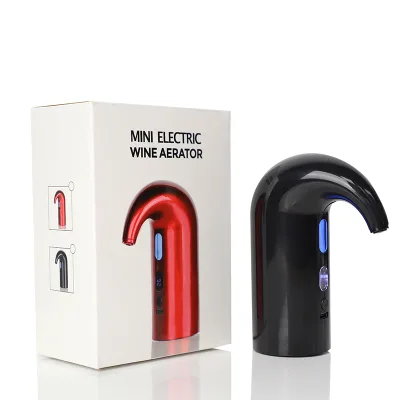
Wholesale Electric Red Wine Decanter Smart Automatic Wine Aerator for Wine Lovers
$11.10 - $11.90
MOQ: 10 pieces

Champagne Bottle Opener, Stainless Steel Sparkling Wine Cork Remover Multifunctional Bottles Opener
$1.05 - $1.10
MOQ: 500 Pieces
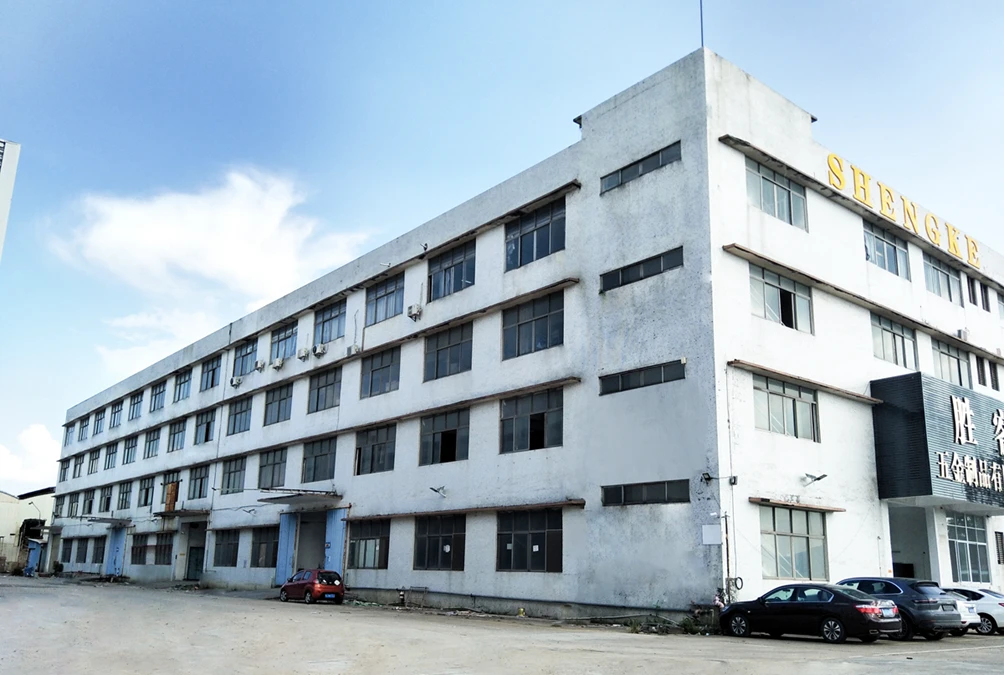
Jiangmen Haoke Household Products Co., Ltd.
- Trading Company
- Guangdong, China
- Lead time30 days
- Avg. response≤ 3h
Main productsMassage roller ball,Stainless Steel Ice Cube/ Ball,Stainless Steel Straw,Cryo Stick,Ice Globes
Main marketsDomestic Market(20.00%), Central America(20.00%), Western Europe(15.00%), North America(15.00%), Northern Europe(10.00%), South America(5.00%), Southern Europe(5.00%), Oceania(5.00%), Eastern Europe(5.00%)

Jinjiang Jiaxing Import and Export Co., Ltd.
- Verified by CTI
- Manufacturer/Factory
- China Fujian
- Lead time120 days
- Avg. response≤ 1h
Main productsShoes, Slipper, Clothes, Promotion Gifts, Silicone Products, Outdoor Sports Products, Bags, Fashion Accessories, Consumer Electronics
Main marketsSouth America,Eastern Europe,Mid East,North America,Southeast Asia,Eastern Asia,Oceania,Western Europe,Africa
Kaiping Oushi Building Materials Co., Ltd.
- Trading Company
- Guangdong, China
- Lead time0 days
- Avg. response≤ 1h
Main productsWine Cooling Dispenser,Soda Water Dispenser,Beer Tower Dispenser,Glass Juice Dispenser,Dispenser Tap
Main marketsDomestic Market(15.00%), Western Europe(15.00%), North America(10.00%), Eastern Europe(10.00%), South America(5.00%), South Asia(5.00%), Southern Europe(5.00%), Northern Europe(5.00%), Central America(5.00%), Southeast Asia(5.00%), Eastern Asia(5.00%), Mid East(5.00%), Oceania(5.00%), Africa(5.00%)

Jiangsu Jianeng Machinery Manufacturing Co., Ltd.
- Verified by TUVRHEINLAND
- Combined
- China Jiangsu
- Lead time30 days
- Avg. response≤ 2h
Main productsSeparator, Decanter
Main marketsDomestic


High-Efficiency Rice Wine Decanter with Impurity Removal Technology
$15000.00 - $90000.00
MOQ: 1 Pieces

Premium Industrial Rice Wine Decanter with Efficient Centrifuge Technology
$15000.00 - $90000.00
MOQ: 1 Pieces


Shanxi Delight Houseware Co., Ltd.
- Verified by Intertek
- Trading Company
- Lead time30 days
- Avg. response≤ 5h
Main productsGlass Drinkware, Glass Plate and Bowl, Glass Candle Holder, Glass Decanter
Main marketsNorth America(20%), Mid East(15%), South America(10%)
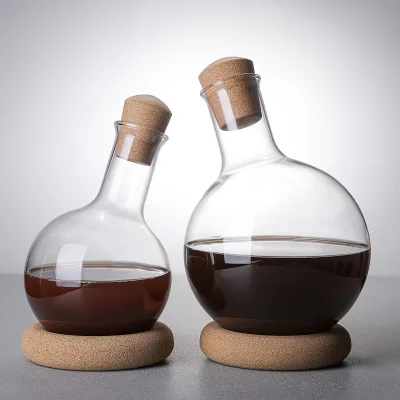
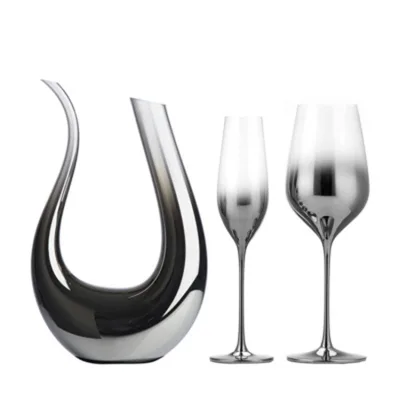
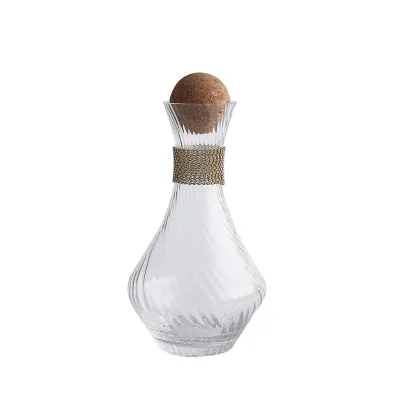
High Quality 2000ml Round Bottle Glass Decanter with Cork Lid Crystal Wine Decanter
$6.90 - $7.70
MOQ: 100
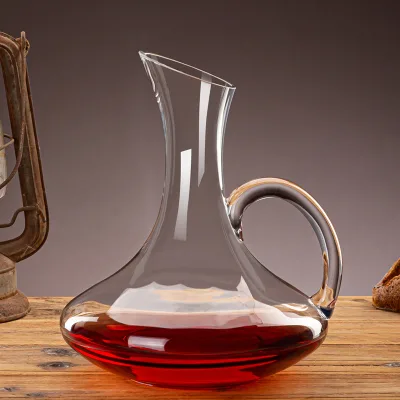
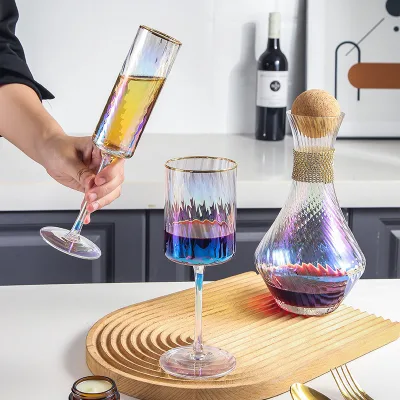
$5.10 - $5.80
MOQ: 500 Minimum

Qingdao Newauto Import&Export Co., Ltd.
- Verified by CTI
- Trading Company
- China Shandong
- Lead time30 days
- Avg. response≤ 8h
Main productsHookah, Decanter, Candlesticks, Tea Cup, Tea Pot, Smoking Pipe, Glass Smoking Pipe, Wine Bottle, Wine Cup, Gift Item
Main marketsEurope
Hangzhou Gold King Materials Co., Ltd.
- Verified by TüVRheinland
- Trading Company
- Lead time0 days
- Avg. response≤ 3h
Main productsIce Bucket, Bar Tray, Hip Flask, Bar Mat, Bar Caddy
Main marketsNorth America(25%), Southeast Asia(15%), Western Europe(10%)
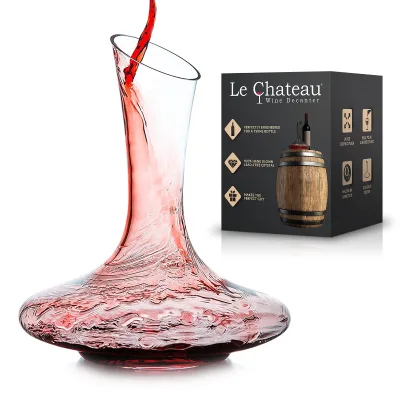
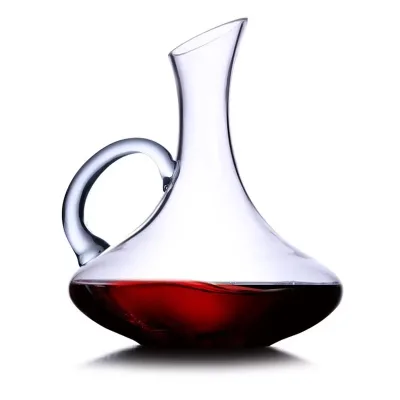
$0.22 - $0.43
MOQ: 100 pieces
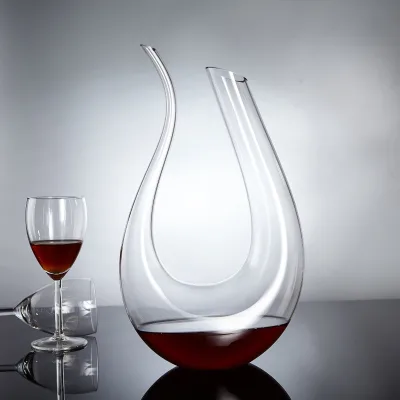
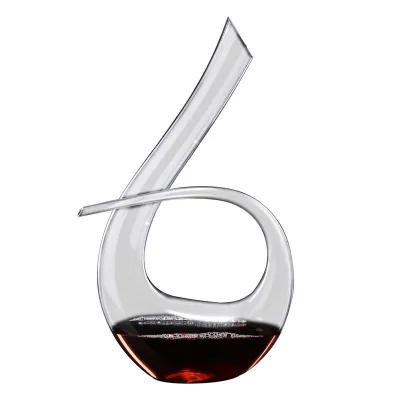
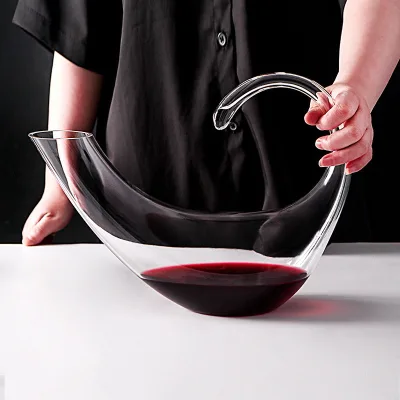
Custom Modern Style Snake Shaped Wine Decanter High Quality and Unique for Business Gifts
$0.22 - $0.43
MOQ: 100 pieces
Hefei Fineproduction Travel Products Co., Ltd.
- Manufacturer, Trading Company
- Anhui, China
- Lead time20 days
- Avg. response≤ 3h
Main productsGifts,Glass decoration,Household items,art & crafts,Glassware
Main marketsNorth America(70.00%), Western Europe(20.00%), Mid East(10.00%)

Wuhan Xinhuahang Household Goods Co., Ltd.
- Verified by BV
- Combined
- China Hubei
- Lead time15 days
- Avg. response≤ 4h
Main productsWine Glasses, Beer Glass, Drinking Glass, Decanter, Shot Glass, Coffee Glass, Cocktail Glass, Champagne Glass, Wine Accessories
Main marketsEurope,Australia,North America

European Creative Wine Quick Divider Thickened Wine Decanter for Home Use Glass Wine Mixer
$3.20 - $4.60
MOQ: 60 Pieces

$2.00 - $3.50
MOQ: 500 Pieces

JINAN FLAME GLASSWARE COMPANY LIMITED
- Verified by SGS
- Trading Company
- China Shandong
- Lead time23 days
- Avg. response≤ 20h
Main marketsDomestic

Guangzhou Garbo International Trading Co., Ltd.
- Verified by TUVRHEINLAND
- Trading Company,Manufacturer/Factory
- China Guangdong
- Lead time45 days
- Avg. response≤ 6h
Main productsGlassware, Glass Cup, Glass Mug, Glass Bowl, Glass Candy Jar, Glass Pitcher, Glass Ice Cream Cup and Ice Bucket, Opal Glassware, Stainless Steel Cutlery, Ceramic Dinnerware
Main marketsSouth America,Eastern Europe,Mid East,North America,Southeast Asia,Eastern Asia,Oceania,Western Europe,Africa
Changhe Feicui (Ningxia) Import And Export Co., Ltd.
- Verified by TüVRheinland
- Trading Company
- Lead time15 days
- Avg. response≤ 1h
Main productsWine, Wine Accessories, Artificial Flowers
Main marketsDomestic Market(96%), North America(1%), Eastern Europe(1%)
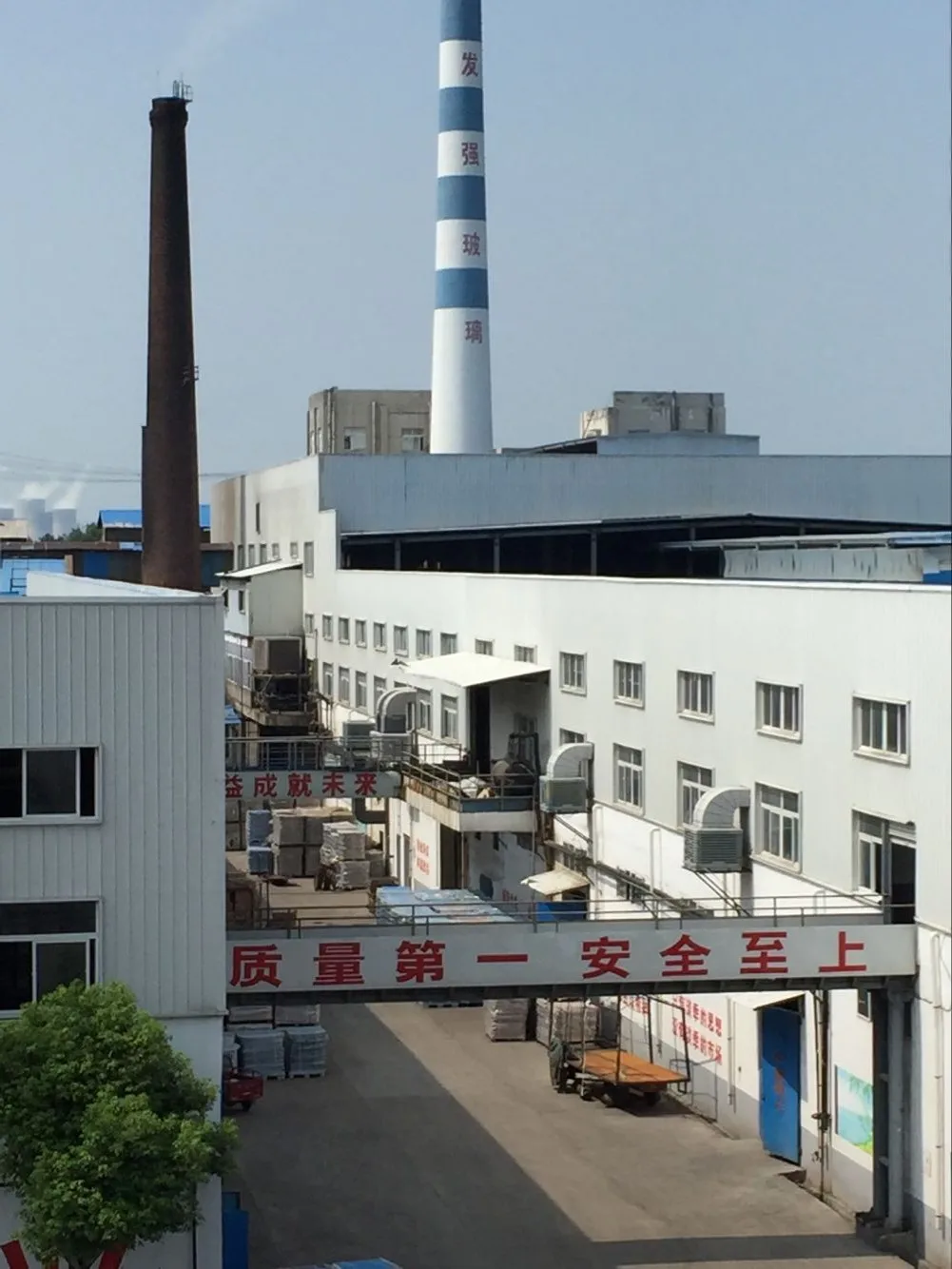
Hefei Jingli Houseware Technology Co., Ltd.
- Trading Company
- Anhui, China
- Lead time25 days
- Avg. response≤ 2h
Main productswhiskey decanter sets,whiskey glass sets,wine glass cup,double wall glass cup,shot glass
Main marketsSouth Asia(20.00%), South America(20.00%), Southern Europe(20.00%), Eastern Europe(10.00%), North America(10.00%), Northern Europe(10.00%), Mid East(10.00%)

- Verified by TUVRHEINLAND
- Trading Company
- China Hunan
- Lead time45 days
- Avg. response≤ 1h
Main productsCeramic Mug, Vacuum Flask, Dinner Set, Cup, Mug, Thermal Bottle, Ceramic Dinner Set, Glass Jar, Glass Cup, Wine Cup
Main marketsSoutheast Asia/ Mideast


Elegant Handcrafted Glass Decanter for Wine and Spirits Decanter for Whiskey
$0.20 - $0.49
MOQ: 1000 Pieces


Yantai Changyou Glass Co., Ltd.
- Verified by BV
- Manufacturer/Factory,Group Corporation
- China Shandong
- Lead time38 days
- Avg. response≤ 2h
Main productsSpirits Bottle, Wine Bottle, Cosmetic Bottle, Non-Alcoholic Beverages, Pharmaceutical Bottle, Glass Jar, Olive Oil Bottle, Aluminum Cap, Cork Stopper
Main marketsSouth America,Eastern Europe,North America,Southeast Asia,Eastern Asia,Western Europe,Africa

The Wine Savant Diamond Whiskey Decanter for Liquor Rum Bourbon Vodka Tequila Decanter
$5.00 - $5.70
MOQ: 2000 Pieces

$1.50 - $3.40
MOQ: 2000 Pieces
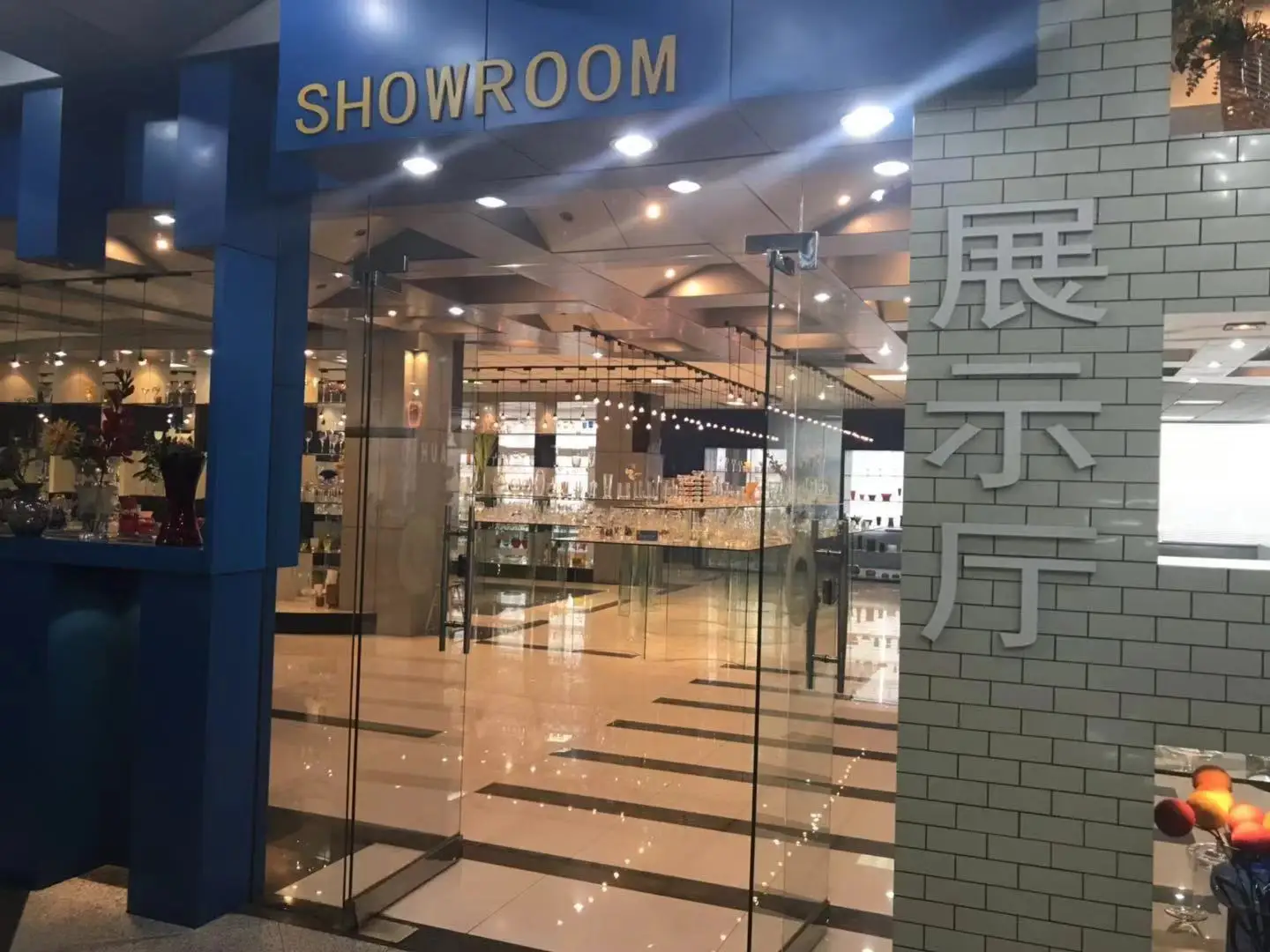
Changsha Aikeyi Homeware Co., Ltd.
- Trading Company
- Hunan, China
- Lead time25 days
- Avg. response≤ 2h
Main productsCustomized Glassware,Glass Tableware,Wine Glass,Glass Bottle,Glass Jar
Main marketsNorth America(33.00%), Oceania(15.00%), South America(12.00%), Western Europe(9.00%), Mid East(8.00%), Central America(4.00%), Northern Europe(4.00%), Africa(3.00%), Eastern Europe(3.00%), Southern Europe(3.00%), South Asia(2.00%), Southeast Asia(2.00%), Eastern Asia(2.00%)

- Verified by SGS
- Trading Company
- China Zhejiang
- Lead time15 days
- Avg. response≤ 17h
Main productsMop, Kitchen Knife, Chopping Board, Blanket, Mosquito Net, Cushion, Slipper, Broom, Luggage, Educational Toy
Main marketsEurope,Australia


Whiskey Glass Wine Bottle with Glass Stopper Custom Wholesale Brandy Liquor Decanter Glass Bottles
$4.50 - $5.00
MOQ: 200 Pieces
Chongqing Jianli Glassware Co., Ltd.
- Verified by SGS Group
- Manufacturer, Trading Company
- Lead time30 days
- Avg. response≤ 3h
Main productsWhiskey Decanter, Whiskey Glass, Highball Glass, Wine Glass, Glass Jar
Main marketsNorth America(45%), Domestic Market(40%), Oceania(5%)

Hangzhou Topwell Packing Co., Ltd.
- Verified by SGS
- Trading Company
- China Zhejiang
- Lead time15 days
- Avg. response≤ 9h
Main marketsAfrica,Southeast Asia/ Mideast,Domestic,Europe,North America

Luxury Wine Bottle Decanter for Storing Fine Spirits with Glass Wine Stopper
$0.30 - $0.69
MOQ: 3000 Pieces


Custom Elegant Glass Wine Bottle Decanter for Vodka Whisky and Xo Spirits Storage
$0.30 - $0.69
MOQ: 3000 Pieces

Premium Vodka Wine Bottle Decanter with Unique Design for Luxury Spirits
$0.30 - $0.69
MOQ: 3000 Pieces

Factory Direct Sale Glass Wine Bottle Decanter for Vodka and Whisky Storage
$0.30 - $0.69
MOQ: 3000 Pieces

Stylish Whisky Wine Bottle Decanter with T-Cork Stopper for Premium Liquids
$0.30 - $0.69
MOQ: 3000 Pieces
Yiwu Fangcun Hardware Products Co., Ltd.
- Manufacturer, Trading Company
- Zhejiang Province, China
- Lead time0 days
- Avg. response≤ 2h
Main productsCookies Cutting Molds,Household items,Home appliances,kitchenware,Practical daily tools
Main marketsMid East(30.00%), North America(20.00%), Eastern Europe(20.00%), Southern Europe(10.00%), Northern Europe(10.00%), Western Europe(10.00%)
Hejian Hongyi Glass Products Co., Ltd.
- Verified by SGS Group
- Manufacturer, Trading Company
- Lead time15 days
- Avg. response≤ 1h
Main productsGlass Decanter, Glass Cup, Glass Bottle, Glass Tea Pots
Main marketsNorth America(50%), Southeast Asia(20%), South America(5%)

Shenzhen Alp Ocean Import And Export Co., Ltd.
- Manufacturer, Trading Company, Distributor/Wholesaler
- Guangdong, China
- Lead time0 days
- Avg. response≤ 5h
Main productsglass bowl,glass plate,glass cup,glass vase,glass candy box
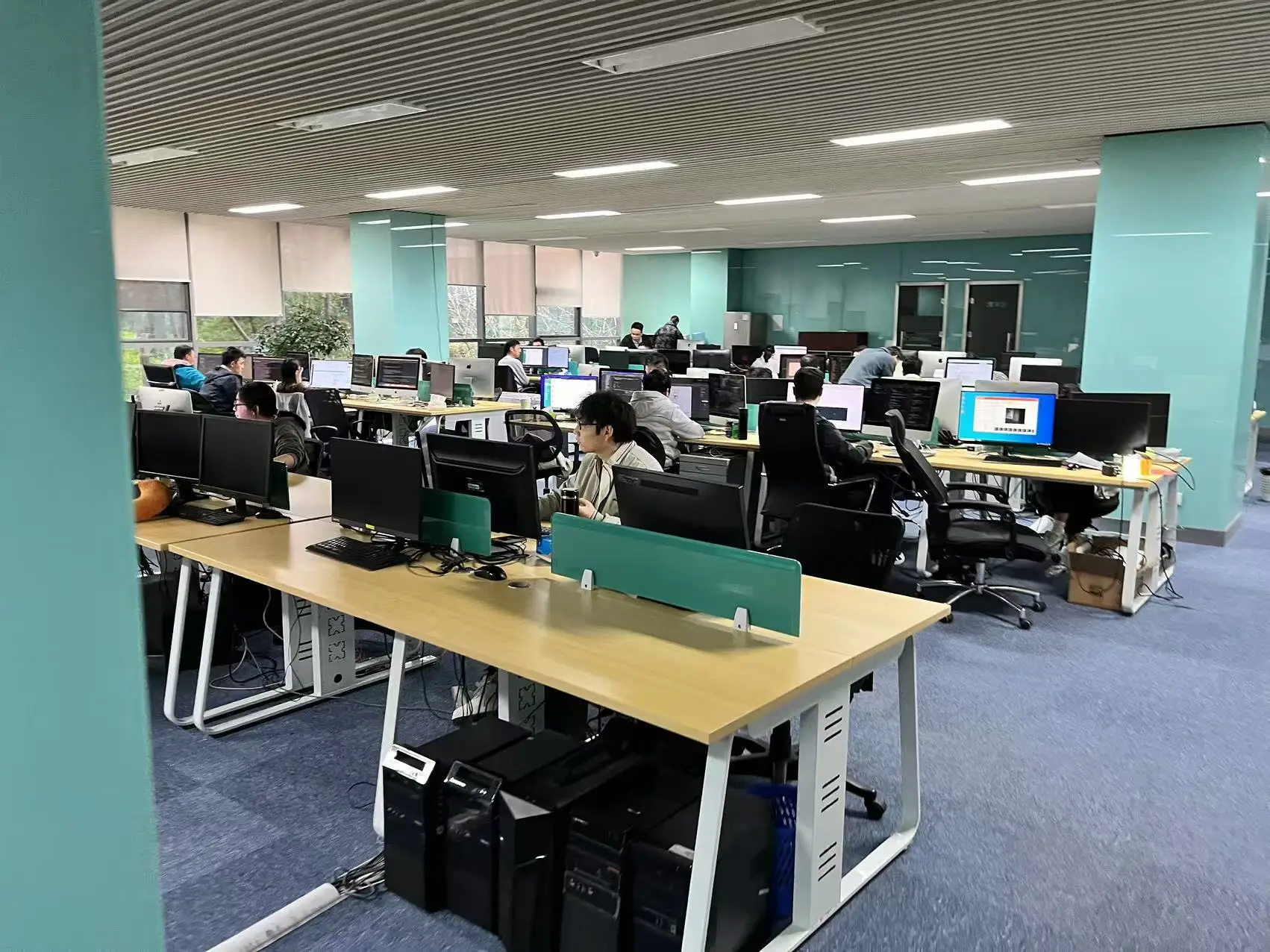
Hangzhou Haishang Minghui Trading Co., Ltd.
- Trading Company
- Zhejiang, China
- Lead time15 days
- Avg. response≤ 4h
Main productsGlass,Red wine glass,Beer mug,Teacup,Glass storage cans
Main marketsNorth America(70.00%)

Jinjiang Jiaxing Supply Management Co., Ltd.
- Verified by TUVRHEINLAND
- Trading Company
- China Fujian
- Lead time30 days
- Avg. response≤ 1h
Main productsEVA Clogs, Flip Flop, Shoe Charms, Shopping Bags, Wristbands, Gifts, Promotional Gifts, Slipper, Sport Cap, Ball
Main marketsNorth America

Guangzhou Jingzong Glass Co., Ltd.
- Manufacturer, Trading Company, Distributor/Wholesaler
- Guangdong, China
- Lead time60 days
- Avg. response≤ 14h
Main productsGlass drinking ware,Glass tableware,Glass giftware,glass vase,glass bows
Main marketsNorth America(53.00%), Domestic Market(13.00%), Western Europe(10.00%), South America(8.00%), Mid East(7.00%), Southeast Asia(2.00%), South Asia(1.00%), Southern Europe(1.00%), Oceania(1.00%), Northern Europe(1.00%), Eastern Asia(1.00%), Eastern Europe(1.00%), Africa(1.00%)
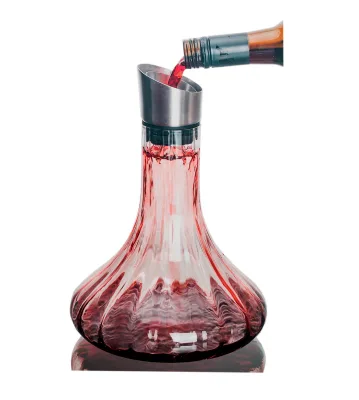
$8.65 - $9.60
MOQ: 600 pieces

Xuzhou Honghua Glass Technology Co., Ltd.
- Verified by CTI
- Combined
- China Jiangsu
- Lead time15 days
- Avg. response≤ 3h
Main productsGlass Bottle, Glass Jar, Candle Jar, Lunch Box, Glassware, Class Cup
Main marketsSouth America,Africa,Others(foreignTradeCapacity.exportBusinessCapacityMarketOther),Southeast Asia/ Mideast,East Asia(Japan/ South Korea),Domestic,Europe,Australia,North America


Wholesale 230ml 500ml 960ml Glass Decanter Whisky Decanter Bottle with Sealing Stopper
$0.52 - $45.00
MOQ: 1000 Pieces


YONGKANG ONWARD INDUSTRY & TRADE CO., LTD.
- Combined
- China Zhejiang
- Lead time30 days
- Avg. response≤ 16h
Main productsWine Rack, Wine Gift, Corkscrew, Bottle Openers, Egg Cutter, Decanter
Main marketsDomestic


Rechargeable Electric Wine Opener 600159
MOQ: 500 Pieces
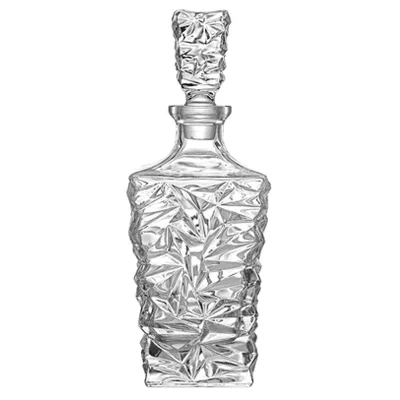
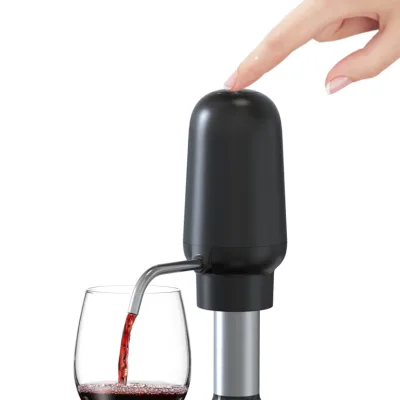
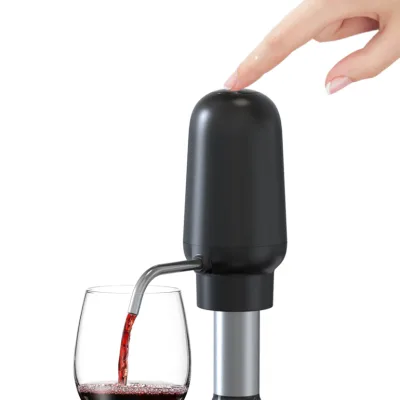


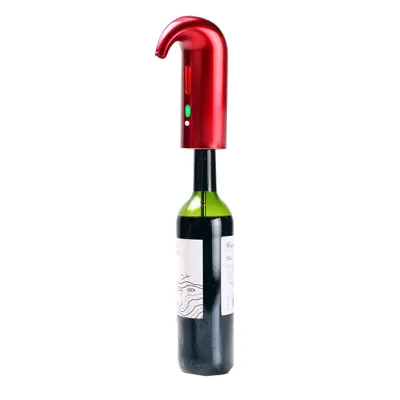




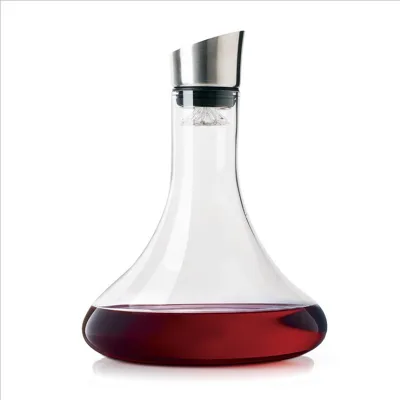
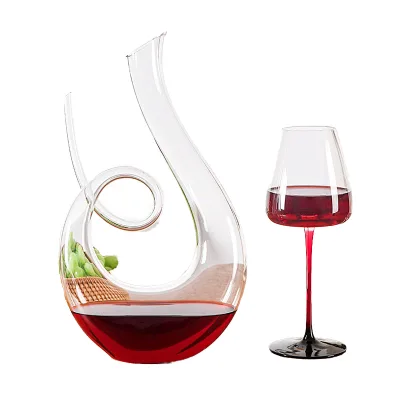
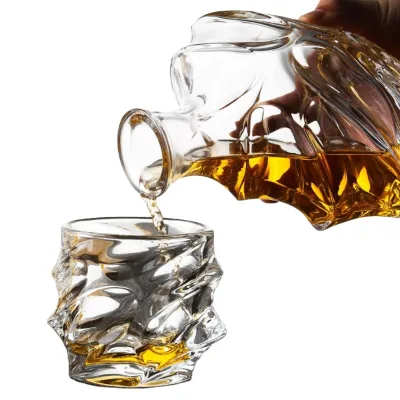
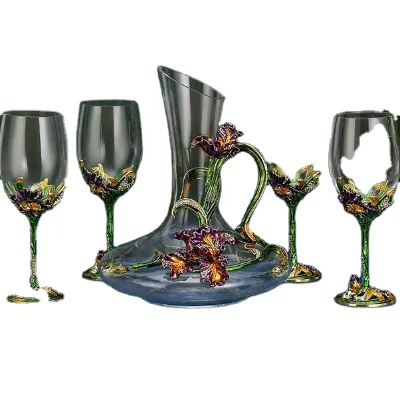
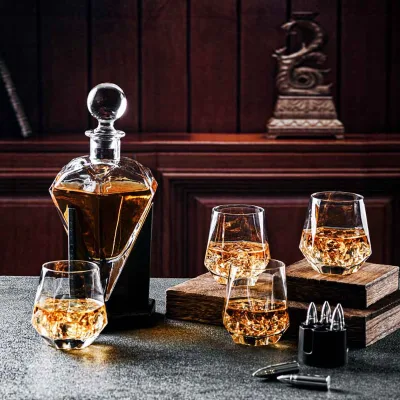
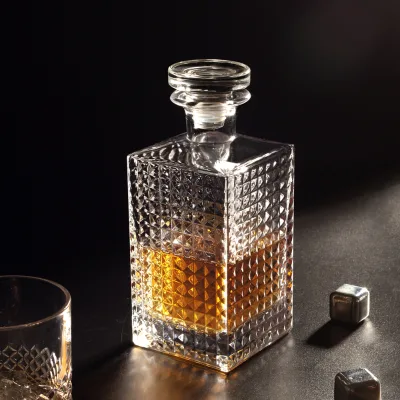
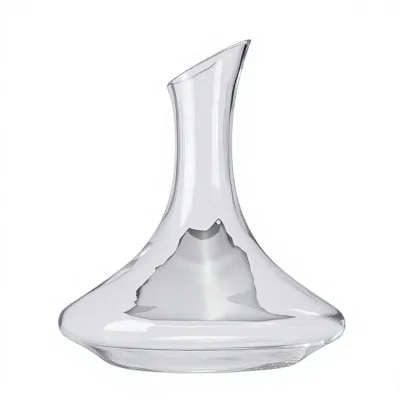
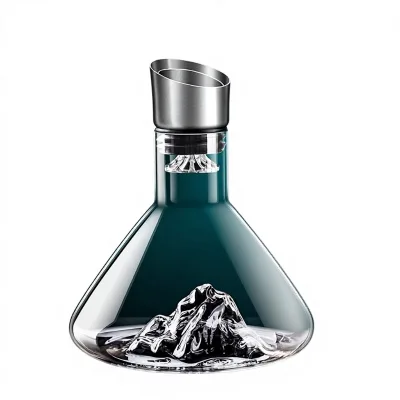


Comprehensive Sourcing Guide
Multi Function Electric Wine Decanter Supplier Concentration and Factory Types
The current supplier landscape for multi function electric wine decanters shows a distinct concentration of manufacturing activity in the Zhejiang province of China. This region hosts a mix of combined entities and trading companies that specialize in electronic wine aerators and decanters. Some suppliers in this cluster offer ODM and OEM capabilities alongside their own brands, indicating a mature manufacturing ecosystem capable of handling custom design requests. The presence of combined company types suggests these facilities may manage both production and direct sales, potentially streamlining communication for buyers seeking specific customization features like waterproof ratings or battery configurations.
In contrast, other suppliers operating in this space are identified as trading companies, which often source from various factories rather than owning production lines directly. These trading entities may focus on a broader range of glassware, including crystal decanters and wine glasses, while also offering electric aerators. The distinction between combined manufacturers and trading companies is critical for buyers, as it influences the depth of technical support and the flexibility of the supply chain. Buyers should verify whether a supplier's primary focus is on the electronic components of the decanter or if they are primarily a distributor of glassware with added electronic accessories.
How to Verify Multi Function Electric Wine Decanter Suppliers
Verification of suppliers in this category requires checking for specific third-party audit reports and system certifications that confirm operational standards. Several suppliers in the current results have been verified by major inspection bodies such as TÜV Rheinland and SGS Group, which adds a layer of credibility to their business operations. Additionally, the presence of ISO9001:2015 and ISO14001:2015 certificates indicates that these manufacturers adhere to international quality management and environmental standards. Buyers should request copies of these certificates to ensure they are current and valid before proceeding with any significant order, as these documents are essential for compliance in many international markets.
Beyond corporate verification, product-specific certifications are a vital component of the assessment process. The available data indicates that many electric wine decanters carry FDA and CE / EU certifications, which are necessary for selling these electronic devices in North American and European markets. Buyers must confirm that the specific model they intend to purchase holds these certifications, as product attributes like waterproof ratings (e.g., IPX4) and battery types (e.g., 2AAA or 6AAA) can vary between models even within the same supplier's catalog. It is also prudent to verify the response time of the supplier, as a faster response, such as under five hours, often correlates with better communication and problem-solving capabilities during the sourcing process.
What to Compare Across Multi Function Electric Wine Decanter Suppliers
When evaluating potential partners, buyers should prioritize comparing lead times and minimum order quantities (MOQ) to align with their inventory and cash flow requirements. The data shows a wide variance in these metrics, with some suppliers offering a lead time of 30 days while others list zero days, suggesting immediate availability or drop-shipping capabilities. Similarly, MOQs range significantly, from as low as 200 units for certain models to 2000 units for others. This variation allows buyers to select suppliers that match their scale, whether they are testing a new market with a small batch or preparing for a large-scale retail launch. Understanding these constraints is essential for accurate cost modeling and supply chain planning.
Another critical comparison point involves the customization options and product specifications offered by different suppliers. Some manufacturers provide extensive customization, including color options like gold or silver, and specific power sources ranging from AAA batteries to rechargeable 900mAh units. Buyers should also compare the physical dimensions and weight of the products, as these factors impact shipping costs and packaging requirements. For instance, one model may be 43118mm while another is 13260*156mm, directly affecting the volume of the shipment. Additionally, the main products listed by each supplier, such as whether they focus on electronic aerators or glassware, can indicate their core expertise and the quality of the final product.
Common Multi Function Electric Wine Decanter Sourcing Risks
One significant risk in sourcing electric wine decanters is the inconsistency in product specifications and safety certifications across different models and suppliers. While some products are certified with FDA and CE / EU standards, others may only list FDA or lack specific certification details entirely. This discrepancy can lead to compliance issues if a buyer imports a product that does not meet the regulatory requirements of their target market. Furthermore, the waterproof rating of IPX4 is common but not universal, and assuming all units have this protection without verification could result in product failure during use or shipping. Buyers must meticulously review the product attributes for each specific model to ensure they meet their operational needs.
Another risk involves the reliability of the supply chain and the potential for delays in production or shipping. Although some suppliers claim a lead time of zero days, this may refer to stock availability rather than the time required for custom manufacturing or international logistics. The actual production time for customized orders could be substantial, especially if the supplier is a trading company sourcing from multiple factories. Additionally, the response time of the supplier, which can vary from 3 to nearly 5 hours, impacts how quickly issues can be resolved. A slow response time might indicate a lack of dedicated support staff, which could delay the resolution of quality issues or shipping problems, ultimately affecting the buyer's ability to meet customer demand.
Multi Function Electric Wine Decanter Regional Sourcing and Logistics
The primary sourcing hub for multi function electric wine decanters is located in Zhejiang, China, where a significant number of manufacturers and trading companies are concentrated. This region offers a robust infrastructure for electronics manufacturing, making it a logical choice for sourcing these specific products. However, buyers should also be aware of other potential manufacturing regions, such as Guangdong, which appears in the origin data for some glassware and decanter products. The geographic location of the supplier can influence shipping costs and transit times, as products originating from different provinces may be routed through different ports. Understanding the specific origin of the product is crucial for calculating accurate landed costs and estimating delivery schedules.
Logistics planning must also account for the packaging and dimensions of the products, which vary widely across different models. Some decanters are packed in color boxes, while others use cartons, and the dimensions can range from compact sizes like 43118mm to larger units measuring 13260*156mm. These variations directly impact the number of units that can be loaded into a shipping container, affecting the overall cost per unit. Buyers should request detailed packing lists and dimensions from their chosen supplier to optimize container utilization. Additionally, the weight of the products, such as the 218g weight noted for certain models, should be factored into freight calculations to ensure accurate budgeting for international shipping.
Multi Function Electric Wine Decanter Commercial Terms and Order Planning
Commercial terms for multi function electric wine decanters often include specific pricing structures that depend on order volume and customization levels. The price range for these products can vary significantly, with some models costing as little as $6.30 per unit while others reach up to $25.00 per unit. These price differences are often driven by factors such as the complexity of the electronic components, the quality of materials used, and the level of customization required. Buyers should carefully analyze the price-to-MOQ ratio to determine the most cost-effective option for their specific needs, ensuring that the unit price aligns with their target retail price and profit margins.
Order planning should also consider the customization capabilities and the production capacity of the supplier. Many suppliers offer ODM and OEM services, allowing buyers to create unique products with their own branding and specific features. However, the capacity for these custom orders may be limited, and buyers should confirm the supplier's ability to meet their volume requirements within the desired timeframe. The response time of the supplier, which can range from 3 to 4.82 hours, is another factor to consider when planning the order timeline. A faster response time can facilitate quicker decision-making and order placement, reducing the risk of delays in the supply chain. Buyers should also verify if the supplier offers escrow services to protect their financial investment until the goods are delivered as agreed.
FAQs
What is the price range for electric wine aerators?
Electric wine aerators are priced between 6.30 and 25.00 USD per unit depending on the model and features. Specific items like the SB-9809-F start at 6.30 USD while larger capacity models reach 25.00 USD. Prices vary based on battery type and certification standards included in the product.
What are the minimum order quantities for these decanters?
Minimum order quantities range from 200 to 2000 units depending on the specific product model selected. Some portable models require only 200 units, while other standard electric decanters may require orders of 1000 or 2000 units. Buyers should check individual product listings for exact MOQ requirements.
How long does it take to manufacture and ship these items?
Standard lead times for manufacturing these electric wine decanters are approximately 30 days. Some suppliers may offer faster processing for samples or specific custom orders. Buyers should confirm exact delivery schedules with the supplier before placing large orders to ensure timely arrival.
Are these wine decanters certified for food safety?
Yes, many electric wine aerators carry FDA and CE / EU certifications ensuring food safety compliance. Some models also feature ISO9001:2015 and ISO14001:2015 system certifications for quality and environmental management. Buyers should verify specific certification documents for each product model before purchasing.
What power sources do these electric decanters use?
These electric wine decanters typically use either 2*AAA batteries, 6*AAA batteries, or rechargeable 900mAh batteries. The power source depends on the specific model and design intended for home or commercial use. Buyers should check product specifications to ensure the power source meets their usage needs.
Can these decanters be customized with a brand logo?
Customization is available for many electric wine decanter models allowing for brand logo integration. Suppliers offer OEM and ODM services with customized packaging options like color boxes or cartons. Buyers should discuss specific customization requirements and additional costs directly with the supplier during the inquiry process.
Where are these electric wine decanters manufactured?
These electric wine decanters are primarily manufactured in Zhejiang, China, with some glass products originating from Guangdong. The production facilities hold various certifications and offer combined trading and manufacturing capabilities. Buyers should verify the specific place of origin for each product model to ensure supply chain transparency.