Classic Hexagram Sterling Silver Pendant Suppliers and Manufacturers
Source Classic Hexagram Sterling Silver Pendant designs from 16 suppliers on this page. Buyers can compare grounded dimensions including location, lead time, response time, MOQ, customization support and listed product specifications. Shortlist matches and request quotes to start sampling; review the available evidence before requesting comparable quotations from suitable candidates.
Suppliers List

GUANGZHOU ARTS JEWELLERY CO., LTD.
- Verified by SGS
- Combined
- China Guangdong
- Lead time30 days
- Avg. response≤ 8h
Main productsSilver Jewelry, Gold Jewelry, Diamond Jewelry, Silver Ring, Silver Earring, Silver Pendant, Silver Bracelet, Silver Necklace
Main marketsSoutheast Asia/ Mideast

Qingdao Gemopia Jewelry Co., Ltd.
- Combined
- China Shandong
- Lead time30 days
- Avg. response≤ 3h
Main productsGold Jewelry, Silver Ring
Main marketsSouth America,Africa,Southeast Asia/ Mideast,East Asia(Japan/ South Korea),Domestic,Europe,Australia,North America

Guangzhou Peishang Jewelry Co., Ltd.
- Verified by BV
- Combined
- China Guangdong
- Lead time30 days
- Avg. response≤ 5h
Main productsEarring, Ring, Necklace, Bracelet, Anklet, Jewelry Set, Silver Jewelry, Brass Jewelry, CZ Jewelry, Natural Stone Jewelry
Main marketsSoutheast Asia/ Mideast,Europe,Australia,North America

Personality 925 Sterling Silver Creative Simple Hexagon Pendant Trendy Necklace
$7.98 - $9.39
MOQ: 30 Piece

Luxury Simple 925 Sterling Silver Hexagonal Amethyst Zircon Pendant Necklace Fine Jewelry
$5.38 - $6.18
MOQ: 30 Pieces


Guangzhou Huifu Jewelry Co., Ltd.
- Verified by BV
- Manufacturer/Factory
- China Guangdong
- Lead time90 days
- Avg. response≤ 3h
Main productsJewelry, Stainless Steel Jewelry, Stainless Steel Ring, Stainless Steel Pendant, Stainless Steel Earring, Fashion Jewelry, Ring, Necklace, Pendant, Bracelet
Main marketsEastern Europe,Mid East,North America,Western Europe,Africa

- Combined
- China Guangdong
- Lead time15 days
- Avg. response≤ 4h
Main productsOpal
Main marketsDomestic,Europe,North America


Hot Selling 925 Sterling Silver Octagon Shape Morganite Zirconia Pendant Rhodium Plated Pendant
$5.73 - $6.47
MOQ: 30 Piece


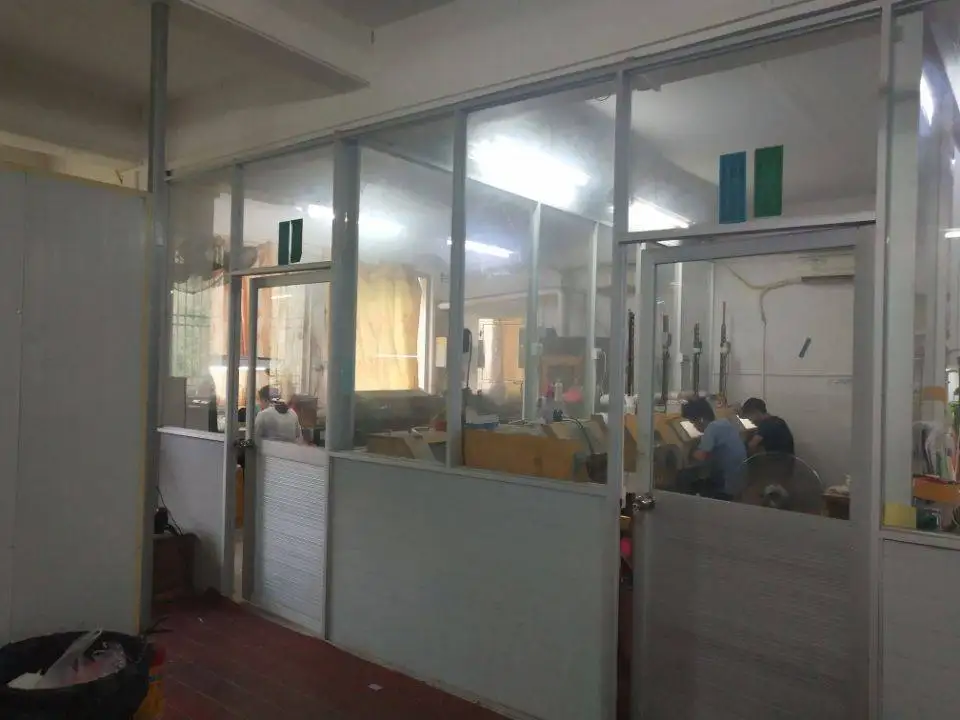
Yiwu Hertiny Jewelry Co., Ltd.
- Trading Company
- Zhejiang, China
- Lead time20 days
- Avg. response≤ 2h
Main productsJewelry,Beads,Charms,Accessories Material,925 sterling silver necklace
Main marketsWestern Europe(30.00%), North America(15.00%), Southern Europe(15.00%), Eastern Europe(10.00%), Northern Europe(10.00%), Oceania(10.00%), South America(5.00%), Mid East(5.00%)

Zhuhai Kirin Jewelry Co., Ltd.
- Combined
- China Guangdong
- Lead time15 days
- Avg. response≤ 10h
Main productsFashion Jewelry
Main marketsSoutheast Asia/ Mideast,Europe,North America


Elegant Rhodium-Plated Sterling Silver Pendant with Dazzling Zirconia Stones
$10.68 - $12.30
MOQ: 20 Pieces


GOODLINESS JEWELLERY CO., LIMITED
- Verified by SGS
- Manufacturer
- China Guangdong
- Lead time23 days
- Avg. response≤ 6h
Main products925 Silver Ring, Brass Jewelry, 925 Silver Earring, 925 Silver Necklace, 925 Silver Set, 925 Silver Bangle, Customer's Design, 925 Silver Bracelet, Silver Accessory, Brass Accessory
Main marketsSoutheast Asia/ Mideast,Europe,North America


Roman Numerals Personalised Circle Pendant Gold Necklace Design Silver 925
$6.02 - $7.08
MOQ: 20 Pieces


Shenzhen Hanwei Gangtai Jewelry Machine Co., Ltd.
- Combined
- China Guangdong
- Lead time30 days
- Avg. response≤ 20h
Main products925 Silver Necklace, Jewelry Machine, Chain Making Machine, Stainless Steel Necklace, Jewelry Equipment, Silver Chain, Steel Chain, Silver Jewelry, Stainless Steel Jewelry, Chain Machine
Main marketsSoutheast Asia/ Mideast,Europe

Longyuan (Guangzhou) Industrial Development Co., Ltd.
- Verified by TUVRHEINLAND
- Manufacturer/Factory
- China Guangdong
- Lead time23 days
- Avg. response≤ 8h
Main productsJewelry, Fashion Watch, Hair Accessories, Men Jewelry, Women Jewelry, Pendants, Brooches, Bracelets, Crowns, Necklaces
Main marketsSouth America,Eastern Europe,Mid East,North America,Western Europe


Wholesale Sterling Silver Pearl Pendant Base Accessories Types Creative Pendant Necklace
$1.00 - $4.00
MOQ: 20 Pieces


- Verified by BV
- Trading Company,Manufacturer/Factory
- China Guangdong
- Lead time0 days
- Avg. response≤ 11h
Main productsSilver Jewelry, Brass Jewelry, Fashion Jewelry, Semi-Precious
Main marketsSouth America,Eastern Europe,Mid East,Southeast Asia,Eastern Asia,Oceania,Western Europe,Africa

925 Sterling Silver plated with yellow zircon Retro necklace simple Vintage pendant
$11.93 - $13.72
MOQ: 15 Pieces


925 Silver Round Ring Pendant Necklace with Square Setting and Hanging Pendant
$12.50 - $12.60
MOQ: 15 Pieces

Guangzhou IO Jewelry Co., Ltd.
- Combined
- China Guangdong
- Lead time30 days
- Avg. response≤ 10h
Main productsJewelry, Fashion Jewelry, Stainless Steel Jewelry, Custom Jewelry, Stainless Steel Beads, Stainless Steel Charms, Stainless Steel Rings, Stainless Steel Pendants, Beads, Charms
Main marketsSouth America,Domestic,Europe,Australia,North America
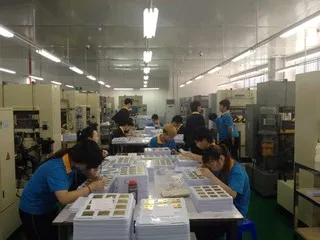
Shenzhen Jingzhanyi Jewelry Company Limited
- Manufacturer, Trading Company, Distributor/Wholesaler
- Guangdong, China
- Lead time15 days
- Avg. response≤ 1h
Main productsJewelry mold design and manufacture,24k/22k/18k/14k gold set diamond jewelry design and manufacture,925 sterling silver jewelry design and manufacture,Filling glue/enamel/baking paint/drop glue jewelry manufacturing,Precious metal and hardware material CNC products carving
Main marketsEastern Europe(12.00%), Eastern Asia(10.00%), Domestic Market(10.00%), Central America(10.00%), Southeast Asia(10.00%), North America(10.00%), South America(10.00%), Northern Europe(6.00%), Western Europe(6.00%), Mid East(5.00%), Oceania(5.00%), Southern Europe(4.00%), South Asia(2.00%)
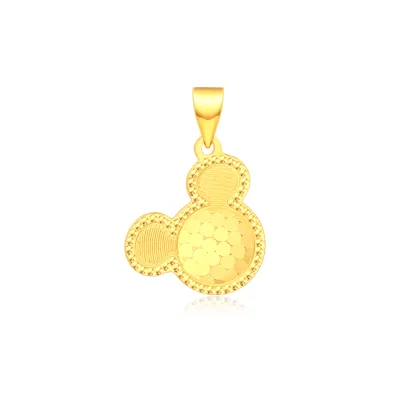

Top Quality Silver Jewlry Pendant Necklace
Contact supplier

Jinjiang Jiayi Supply Chain Management Co., Ltd.
- Verified by BV
- Trading Company
- China Fujian
- Lead time30 days
- Avg. response≤ 1h
Main productsGift, Shoe, Garment, Machine
Main marketsDomestic

Guangzhou Mimier Jewelry, Co, Ltd.
- Manufacturer/Factory
- China Guangdong
- Lead time120 days
- Avg. response≤ 9h
Main productsFashion Jewelry, Fashion Earrings, Fashion Bracelets, Fashion Rings, Fashion Necklace, Stainless Steel Jewelry, Jewellery Accessories, Jewellery Set
Main marketsEastern Europe,North America,Western Europe,Africa

Dongguan Unique Pins & Gifts Co., Ltd.
- Verified by TUVRHEINLAND
- Trading Company,Manufacturer/Factory
- China Guangdong
- Lead time15 days
- Avg. response≤ 9h
Main productsBadge/Lapel Pins, Challenge Coin, Medal, Trophy, Cuff Link, Tie Clip, Belt Buckle, Keychain, Golf Accessories, Wristband
Main marketsSouth America,Eastern Europe,Mid East,North America,Southeast Asia,Eastern Asia,Oceania,Western Europe,Africa

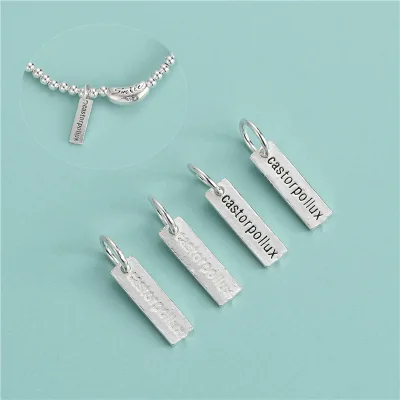
Wholesale 925 Sterling Silver Charming Jewellery Fashion Costume Pendant Bracelet Jewelry
$6.80 - $7.20
MOQ: 50 Pieces

Hot Selling Fine Jewelry Custom 925 Silver Pendant Bracelet Accessories Fashion Jewelry
$6.80 - $7.20
MOQ: 50 Pieces




Comprehensive Sourcing Guide
Classic Hexagram Sterling Silver Pendant Supplier Concentration and Factory Types
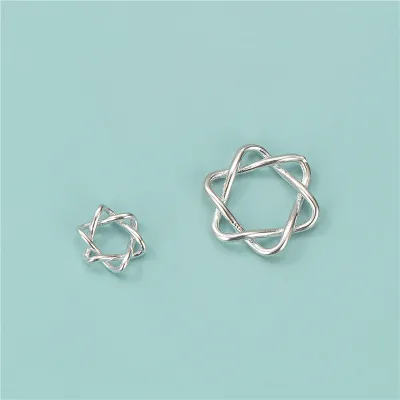
When sourcing a Classic Hexagram Sterling Silver Pendant, the first structural question is where the relevant factories actually sit. The supplier results on this page show concentrated activity in Guangdong and Shandong, China, and both provinces appear with distinct product profiles. Guangdong suppliers in these results list main products spanning silver, gold and diamond jewelry, including silver rings, earrings, pendants, bracelets and necklaces, and are labeled as combined companies with ODM and OEM capability. Shandong suppliers in the same results focus on gold jewelry and silver rings, describe themselves with own-brand plus ODM and OEM capacity, and show faster listed response times. For a hexagram pendant specifically, the pendant-heavy Guangdong listings are the natural first screen, while Shandong entries may be worth contacting when gold-plated or luxury-styled silver pendants fit the brief.
Factory types matter as much as geography. The listings here include combined manufacturers with design-and-manufacturing services, evidenced by ODM and OEM labels and by customization flags marked available on specific 925 sterling silver pendant models. Some entries carry third-party verification such as SGS, while others show no system certification listed at all. Treat the supplier-type label as a starting hypothesis rather than proof: a combined company may still subcontract plating or stone setting, so confirm in-house capability for casting, polishing, pave or claw setting, and rhodium or gold plating before assuming a single factory controls the whole hexagram pendant workflow.
How to Verify Classic Hexagram Sterling Silver Pendant Suppliers
Verification starts with the attributes the platform displays and ends with what the supplier must still prove. In the current results, some suppliers carry SGS verification while others list system certification as NIL, so verification status is genuinely uneven across this page and should never be assumed uniform. Check whether a supplier's listing includes verified-sourcing evidence, then ask for a business license, a recent material test report for 925 sterling silver content, and photos or samples from the exact production line that would cast your hexagram design. Response time is a usable behavioral signal: listings on this page show averages ranging from under three hours to nearly eight, so a slow first reply usually predicts slow sampling communication too.
Beyond documents, verify through product evidence. The pendant listings here specify 925 sterling silver as material, rhodium or gold plating, and in several cases customization marked available, with model numbers such as PS1209, PS1189 and P11494 attached to real products. Request the physical sample in your hexagram shape and measure weight, plating thickness where the supplier will disclose it, and stamping quality. Ask which stages are in-house: wax injection, casting, setting, plating and packing. For a star-of-David style pendant, geometry symmetry is a common quality failure point, so inspect the sample against your drawing at magnification. Finally, confirm the factory actually produces pendants rather than only rings or chains by requesting three to five recent pendant models with order references you can quietly validate.
What to Compare Across Classic Hexagram Sterling Silver Pendant Suppliers
Build a comparison table from the dimensions actually displayed, while remembering that not every supplier shows every attribute. Useful columns from this page's data include location, main products, company type, ODM and OEM capability, own-brand status, lead time, response time, MOQ, price range and verification marks. One Guangdong listing shows a 30-day lead time, while response times in the results range from roughly three to nearly eight hours. MOQs visible on specific models run from 10 to 30 pieces, which is unusually accessible for fine jewelry sampling and small retail tests. Price bands on listed 925 sterling silver pendants span from around $2.49 to $19.26 depending on model, pearl content and stone setting, and some Shandong luxury-style pendants list far higher, so normalize by comparing like-for-like constructions.
Compare capability, not just numbers. Record whether each supplier offers rhodium, gold and silver plating options, as one necklace listing here does, and whether customization is available or merely acceptable. Check packing choices: several listings offer an OPP bag or customized package, while one cross pendant references courier shipping options. Note which suppliers already produce cross, round or multi-stone pendants, since those geometries translate best to a hexagram with clean star angles. Weight the main-products column carefully; a supplier listing silver rings as a lead product may still excel at gem mounting, evidenced by an inlaid ring model with gem-mounting processing, which is directly relevant if your hexagram pendant includes CZ stones in wax micron pave setting.
Common Classic Hexagram Sterling Silver Pendant Sourcing Risks
The most frequent risk in this category is material substitution. A pendant photographed as 925 sterling silver may ship as silver-plated brass if you rely on product pages alone, so every order should specify solid 925 material with a stamped hallmark and reserve the right to test. Plating is the second failure mode: rhodium and gold plating thicknesses are rarely disclosed by default, and thin plating on star-point tips and bail edges wears first. The listings here advertise rhodium, gold and silver plating options, but none of the visible attributes state thickness, so request a plating specification in writing before sampling.
Geometric and setting risks follow. A hexagram demands precise intersections; casting porosity at star vertices and misaligned pave seats on CZ stones are the defects most likely to survive factory QC and reach your customers. One listing here uses wax micron pave setting with AAA CZ, a construction that amplifies any seat misalignment. Also watch for scope ambiguity: several listings mark customization as available or acceptable, but customization scope, tooling fees and sample timelines are not stated on the page, so define whether "customized" covers your hexagram tooling or only stone and plating changes. Finally, risk concentrates around unverified suppliers: entries with no system certification listed and no third-party verification deserve slower payment terms, smaller first orders and independent inspection before shipment, regardless of how attractive their listed MOQ or price appears.
Classic Hexagram Sterling Silver Pendant Regional Sourcing and Logistics
Regional structure in the visible results is straightforward: both supplier groups are in China, one cluster in Guangdong and one in Shandong. Guangdong's profile here leans toward pendant and general silver jewelry manufacture with ODM and OEM services, making it a logical region for a hexagram pendant program. Shandong's listed profile skews toward gold jewelry and silver rings with luxury styling and own-brand plus ODM/OEM capacity, so it may serve better for gold-plated or higher-ticket silver pieces. Because these are only the suppliers on this page, treat the map as incomplete: before committing, search adjacent clusters yourself by querying pendant-specific terms and checking which provinces dominate real 925 silver pendant output, rather than assuming the two visible provinces exhaust the market.
Logistics planning should start from the one lead time actually displayed, 30 days, and treat it as a baseline rather than a guarantee, since hexagram tooling, plating and setting can extend it. Packing details in the listings hint at logistics reality: most pendants ship in an OPP bag or customized package, while at least one cross pendant references courier channels such as FedEx, DHL, UPS or EMS, which is typical for small high-value jewelry shipments. For international orders, confirm whether the supplier handles export documentation, whether courier or consolidated freight suits your volume, and whether packaging can be upgraded to prevent pendant chains tangling or star points piercing poly bags in transit.
Classic Hexagram Sterling Silver Pendant Commercial Terms and Order Planning
Commercial terms should be assembled from what the listings actually reveal, then completed through negotiation. Visible MOQs on specific models range from 10 to 30 pieces, and listed price bands run from roughly $2.49–$3.66 for simple pearl-style pendants, $2.80–$3.54 for a CZ cross pendant, up to $19.26 at the top of one pendant range, with some luxury-styled pieces materially higher. Use these bands only as anchors: your hexagram tooling, stone count and plating choice will move the number, so request quotations per model with material, weight, plating and MOQ broken out line by line. The 30-day lead time shown on one listing is your planning baseline; add buffer for sampling and plating.
Order planning for this category should stage risk deliberately. Start with a sample order at or near the low visible MOQ of 10 to 30 pieces, inspect plating and geometry, then scale in steps while watching defect rates at the star vertices and stone seats. Confirm payment structure proportionate to verification status: suppliers showing SGS verification or established product catalogs may accept standard deposits, while unverified entries warrant escrow or milestone payments, and no escrow status should be assumed from this page. Agree in writing on hallmarking, packing format, courier or freight responsibility, and rework liability for plating defects. Finally, calendar a reorder window based on the confirmed production lead time, not the listing figure, so seasonal hexagram demand never waits on an unbooked factory slot.
FAQs
What is the price range for classic hexagram sterling silver pendants?
Prices for 925 sterling silver pendants vary by design and features. Simple styles start around 2.49 dollars, while more complex pieces with cubic zirconia or gold plating can reach up to 54.53 dollars. Specific costs depend on the chosen model and customization options available from suppliers.
What are the minimum order quantities for these silver pendants?
Minimum order quantities typically range from 10 to 30 pieces depending on the specific product model. Some listings require a minimum of 20 units for rings, while others accept orders as low as 10 pieces for certain pendant styles. Buyers should check individual product pages for exact MOQ requirements.
How long does it take to receive orders from these suppliers?
Standard lead times for manufacturing and shipping are generally around 30 days. This duration covers production and preparation for delivery. Buyers should confirm specific timelines with suppliers as lead times may vary based on order volume and customization needs requested for the final product.
Are customization options available for these silver jewelry items?
Yes, customization is widely available for many 925 sterling silver products. Suppliers offer options for custom packaging and specific design modifications. Buyers can request tailored solutions for plating, shapes, and styles to meet unique market demands or branding requirements for their specific jewelry collections.
Where are these silver jewelry manufacturers located?
Manufacturers are primarily located in China, specifically in Guangdong and Shandong provinces. These regions are known for their extensive jewelry production capabilities. Buyers sourcing from these areas can access a wide variety of silver jewelry products with established supply chains and manufacturing expertise.
What materials are used for these classic pendant designs?
The primary material used is 925 sterling silver, ensuring high quality and durability. Some items feature rhodium plating or gold plating for enhanced appearance. Stones like cubic zirconia are also used in specific designs to add sparkle and visual appeal to the classic pendant styles.
Do suppliers offer verification services for these products?
Some suppliers have undergone verification processes such as SGS checks to ensure reliability. While system certifications may vary, verification status helps buyers assess supplier credibility. Buyers should verify specific certification details directly with the supplier to confirm current compliance and quality assurance standards for their orders.