Natural Coconut Shell Button Suppliers and Manufacturers
Compare 18 verified Natural Coconut Shell Button suppliers in China Zhejiang and Guangdong. Review response times, lead times, certifications, and product specifications like size and material before contacting factories for quotes; review the available evidence before requesting comparable quotations from suitable candidates.
Suppliers List

NINGBO NCJN IMPORT AND EXPORT CO., LTD.
- Verified by TUVRHEINLAND
- Trading Company
- China Zhejiang
- Lead time15 days
- Avg. response≤ 12h
Main productsGarment Accessories, Zipper, Button, Lace, Tape, Velcro Tape, Hook and Eye Tape, Ring and Slider, Bra Cup
Main marketsSouth America,Africa,Southeast Asia/ Mideast,East Asia(Japan/ South Korea),Europe,Australia,North America

Dongguan Jierui Apparel Co., Ltd.
- Trading Company
- Guangdong, China
- Lead time15 days
- Avg. response≤ 14h
Main productsMETAL TIPPING,BUTTONS,METAL LABEL,ZIPPER,EYELETS
Main marketsSouth America(20.00%), Western Europe(20.00%), North America(15.00%), Domestic Market(15.00%), Southeast Asia(10.00%), Eastern Europe(10.00%), Mid East(5.00%), South Asia(5.00%)
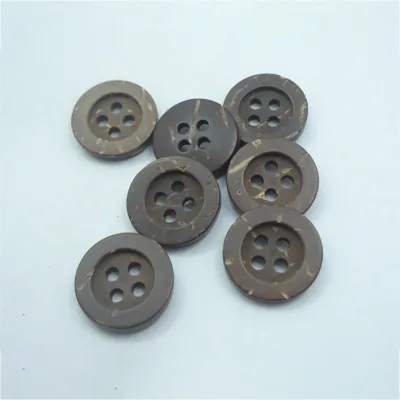
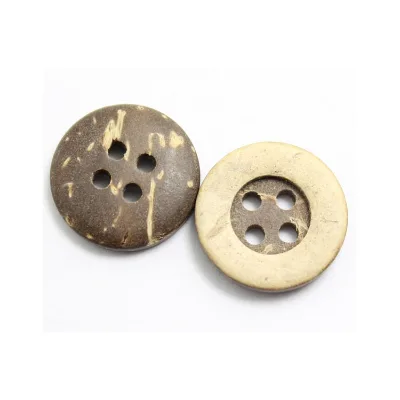
Wholesale Round Shape Coffee Color 2 and 4 Holes Natural Coconut Shell Buttons
$0.02 - $0.04
MOQ: 1000

Hangzhou Yuming Garment Accessories Co., Ltd.
- Verified by BV
- Trading Company
- China Zhejiang
- Lead time30 days
- Avg. response≤ 4h
Main productsButton, Patch, Rivet, Eyelet, Zipper, Zipper Puller, Resin Buckle, Underwear Accessories, Snap Hook, Garment Hook
Main marketsSouth America,Southeast Asia/ Mideast,Europe,North America

Phoenix Flame Holdings Limited
- Verified by BV
- Manufacturer/Factory,Group Corporation
- China Guangdong
- Lead time15 days
- Avg. response≤ 11h
Main productsWebbing Cords Buttons Zipper Drawcord & Shoelace, Label Lace Lanyard Wristband, Embroidery Patches Beaded Applique Belt, Underwear Accessories TPU Rubber Tape
Main marketsSouth America,Eastern Europe,North America,Southeast Asia,Oceania,Western Europe,Africa

Natural Coconut Shell Buttons 2 Holes Button for Clothes Coat Wooden Buttons
$0.03 - $0.36
MOQ: 1000 Pieces

Wholesale Eco Friendly Tie Shell Buckle Button Natural Wooden Natural Two Holes Coconut Button
$0.03 - $0.36
MOQ: 1000 Pieces

$0.03 - $0.36
MOQ: 1000 Pieces

$0.03 - $0.36
MOQ: 1000 Pieces

$0.02 - $0.16
MOQ: 1000 Pieces


Dongguan Hingye Button Products Co., Ltd.
- Verified by CTI
- Combined
- China Guangdong
- Lead time15 days
- Avg. response≤ 9h
Main productsMetal Button, ABS Button, Metal Buckle, Metal Snap Button, Metal Jeans Button, Metal Rivet, Rubber Button, Nylon Button, Plastic Button, Metal Popper Snap Button
Main marketsSouth America,Domestic,Europe,North America


Button Natural Coconut Button for High Quality Garment Clothes Accessories
$0.05 - $0.25
MOQ: 5000 Pieces


Dongguan Bai Ye Ye Accessories Co., Ltd.
- Manufacturer
- Guangdong, China
- Lead time10 days
- Avg. response≤ 4h
Main productsMuslim Tasbih,rosary Beads,jewelry accessories,buttons tags & labels,garment accessories
Main marketsDomestic Market(59.92%), Southeast Asia(14.98%), Mid East(11.86%), South Asia(2.69%), Southern Europe(2.07%), North America(2.05%), Eastern Europe(2.02%), Africa(1.28%), South America(1.06%), Western Europe(1.05%), Oceania(1.02%)
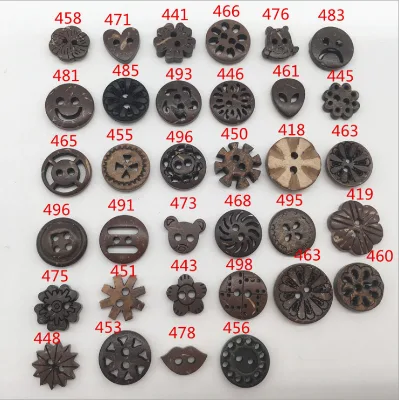
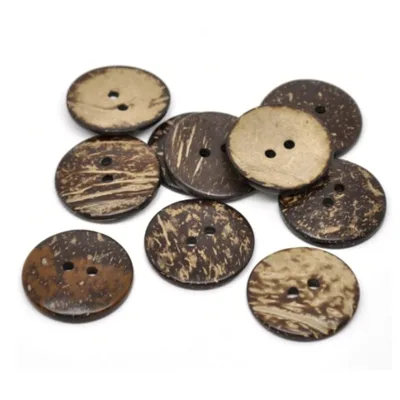
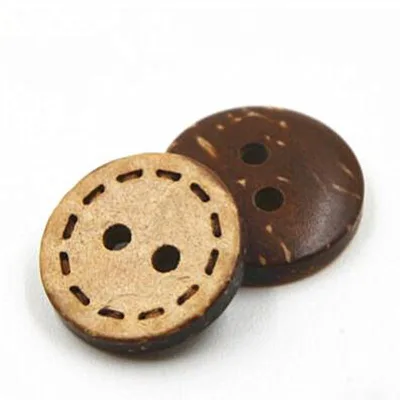
$0.01 - $0.04
MOQ: 5000 pieces
- Trading Company
- Zhejiang, China
- Lead time30 days
- Avg. response≤ 10h
Main productsgarment trimming,bra&underwear accessories,lace trim collection,bag parts and hardware,fabric and lining
Main marketsSoutheast Asia(40.00%), North America(15.00%), South America(15.00%), Western Europe(10.00%), Eastern Europe(10.00%), Domestic Market(5.00%), Mid East(5.00%)

GUANGZHOU SAKES GARMENTS ACCESSORIES CO., LTD.
- Verified by TUVRHEINLAND
- Trading Company
- China Guangdong
- Lead time15 days
- Avg. response≤ 11h
Main productsMetal Button, Rivet, Belt, Zipper, Lace, Leather Patch, Metal Buckle, Plastic Button, Metal Eyelet, Keychain
Main marketsSouth America

Classical Two Hole Round Shape Natural Button Coconut Button for Shirts
$0.01 - $0.02
MOQ: 10000 Pieces


Four Hole Different Size of Natural Button Coconut Button for Clothing
$0.01 - $0.04
MOQ: 10000 Pieces


Hangzhou Yijinhui Network Technology Co., Ltd.
- Trading Company
- Zhejiang, China
- Lead time0 days
- Avg. response≤ 1h
Main productsButtons, Zippers, Metal Jewelry, Rhinestones, Fabrics
Main marketsNorth America(50.00%)
Hangzhou Daya Textile Co., Ltd.
- Trading Company
- Zhejiang, China
- Lead time20 days
- Avg. response≤ 4h
Main productsZipper&slider,Tape&Webbing,Thread&yarn,Garment accessory,Tailoring Material
Main marketsSouth America(60.00%), Domestic Market(10.00%), South Asia(10.00%), Mid East(10.00%), North America(10.00%)
Darson Prime (Hangzhou) International Trade Co., LTD.
- Verified by Intertek
- Manufacturer, Trading Company
- Lead time15 days
- Avg. response≤ 3h
Main productsGarment Accessories
Main marketsMid East(39%), North America(39%), Northern Europe(6%)
Yongjia Bolai Clothing Accessories Co., Ltd.
- Verified by Intertek
- Trading Company
- Lead time0 days
- Avg. response≤ 3h
Main productsButtons, Stoppers, Hook & Loop Tapes, Webbing, Zippers Accessories
Main marketsNorth America(30%), Southeast Asia(30%), Western Europe(20%)
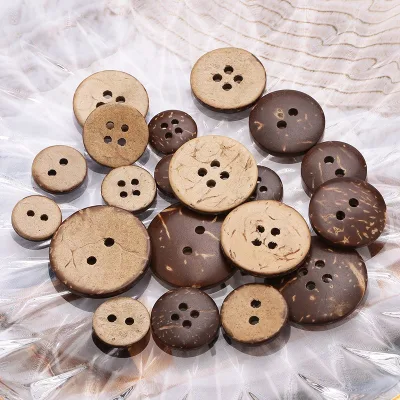
Coconut Wood 4-Hole Buttons - Natural Rustic Buttons for Cardigans, Coats & Craft Projects
$0.02 - $0.03
MOQ: 100 pieces
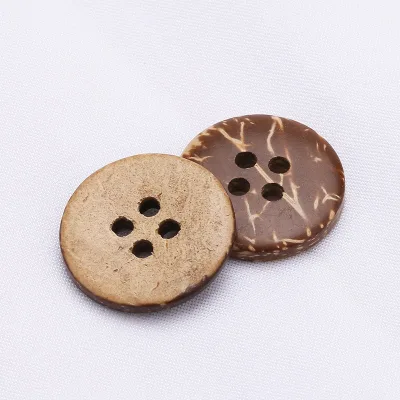
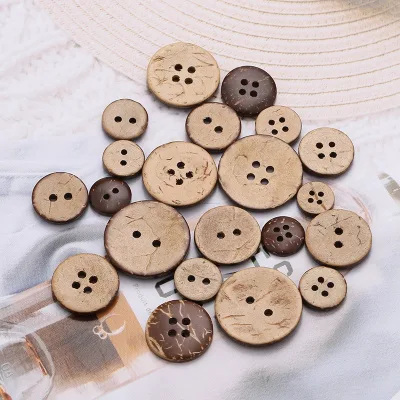
Premium Coconut Wood 4-Hole Buttons - Hand-Sewn Natural Fasteners for Children Knitted Sweaters
$0.02 - $0.03
MOQ: 100 pieces
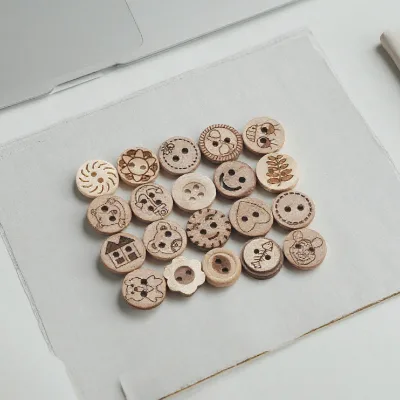
$0.02 - $0.03
MOQ: 100 pieces
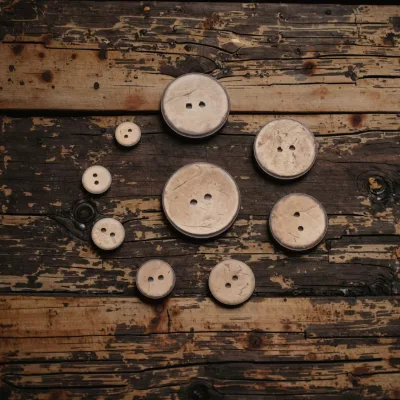
Wholesale Natural Coconut Buttons - 4-Hole Sewing Supplies for Handmade Knits & DIY Projects
$0.02 - $0.03
MOQ: 100 pieces
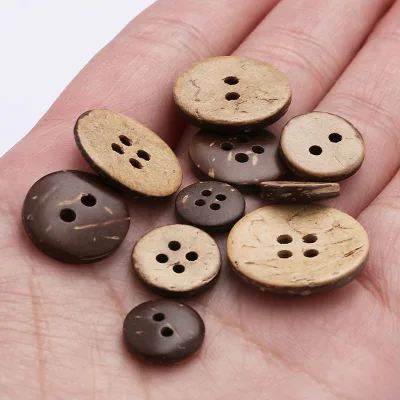
Handcrafted Coconut Wood 4-Hole Buttons - Decorative Sew-On Accents for Kids Cardigans & Crafts
$0.02 - $0.03
MOQ: 100 pieces

Guangzhou Govolon Trade Co., Ltd.
- Trading Company,Manufacturer/Factory
- China Guangdong
- Lead time15 days
- Avg. response≤ 25h
Main productsGarment Accessories, Lace, Button, Zipper, Fringe and Tassels, Belt Ribbon, Garment Trimming, Patch Badge, Buckle, Hotfix
Main marketsSouth America,Mid East,North America,Southeast Asia,Western Europe,Africa


Fashion 4-Holes Natural Colour Wooden Button
MOQ: 5000 Pieces
Guangzhou Bolian Clothing Co., Ltd.
- Manufacturer, Trading Company, Distributor/Wholesaler
- Guangdong, China
- Lead time0 days
- Avg. response≤ 2h
Main productsBags & Gift Boxes,Garment Acchandicraftessories,Handicraft Article,Hardware tools,Daily necessities for light industry
Main marketsNorth America(50.00%), South America(20.00%), Western Europe(15.00%), Southeast Asia(5.00%), Mid East(2.00%), Domestic Market(1.00%), South Asia(1.00%), Northern Europe(1.00%), Central America(1.00%), Eastern Europe(1.00%), Eastern Asia(1.00%), Africa(1.00%), Oceania(1.00%)
Jiashan Modern International Trade Co., Ltd.
- Trading Company
- Zhejiang, China
- Lead time0 days
- Avg. response≤ 3h
Main productsResin button,Plastic ABS,metal button,Zinc alloy diamond buckle,Horn button
Main marketsNorth America(50.00%), Southeast Asia(30.00%), Domestic Market(10.00%), Mid East(10.00%)
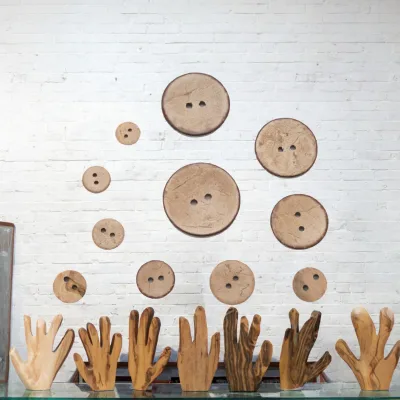
Eco-Friendly 4-Holes Flatback Polished Round Coconut Shell Buttons with Patterns for Clothing
$0.05 - $0.07
MOQ: 100 pieces

Dongguan New Coo Garment Accessories Co., Ltd
- Manufacturer/Factory
- China Guangdong
- Lead time15 days
- Avg. response≤ 6h
Main productsPolyester Button, Plastic Button, Metal Button, Buckle, Metal Label, Leather Label, Hang Tag, Woven Label, Shell Button
Main marketsSouth America,Eastern Europe,Mid East,North America,Southeast Asia,Western Europe

Ningbo New & Century Fashion Co., Ltd.
- Manufacturer/Factory
- China Zhejiang
- Lead time23 days
- Avg. response≤ 8h
Main productsLace, Tape, Ribbon, Nylon Lace Trimming, Chemical Lace Trimming, Cotton Lace Trimming, Strech Lace Trimming, Non-Strech Lace Trimming, Others Nylon Lace Trimming, Crochet Lace Trimming
Main marketsSouth America,Eastern Asia,Western Europe

- Verified by BV
- Trading Company,Manufacturer/Factory
- China Zhejiang
- Lead time23 days
- Avg. response≤ 6h
Main productsGarment Accessories, Zipper, Button, Lace Trim, Metal Zipper, Nylon Zipper, Plastic Zipper, Metal Button, Snap Button, Cotton Lace
Main marketsNorth America,Africa

$0.02 - $0.10
MOQ: 9999 Pieces

Most Popular Design Two Holes or Four Holes Natural Coconut Brown Buttons Botton for Cloths
$0.02 - $0.10
MOQ: 9999 Pieces

Eco Friendly Decorative Clothing Button Natural Coconut Material Shirt Button Maker
$0.02 - $0.10
MOQ: 9999 Pieces


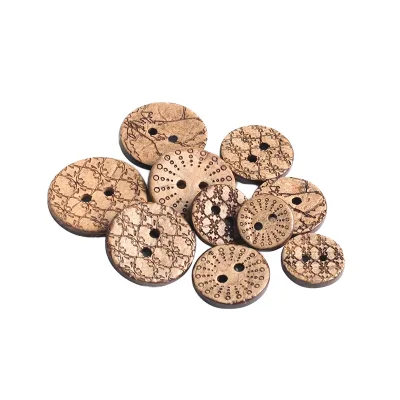
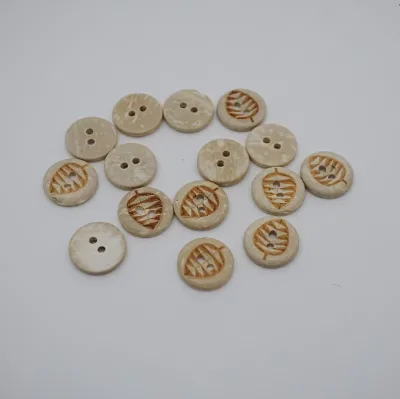
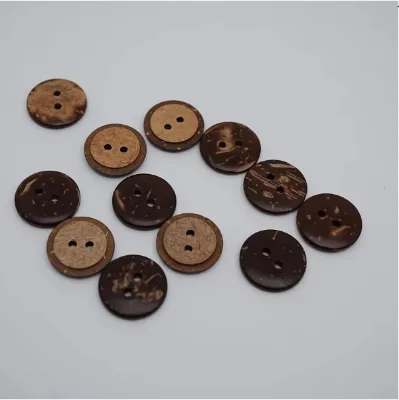
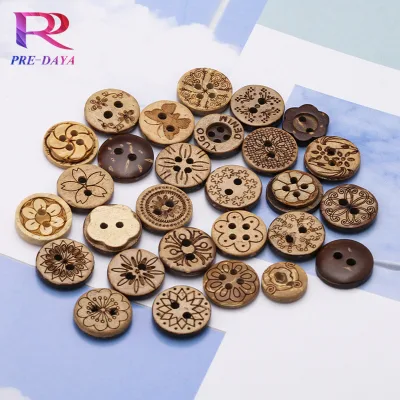
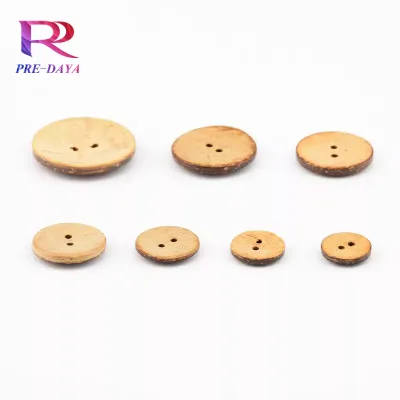
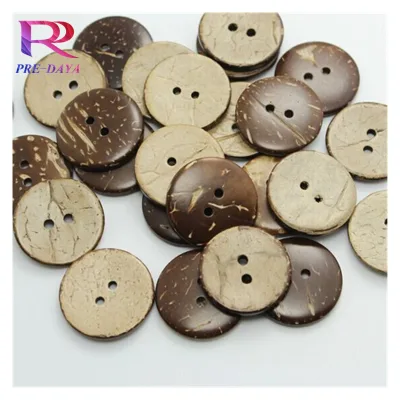
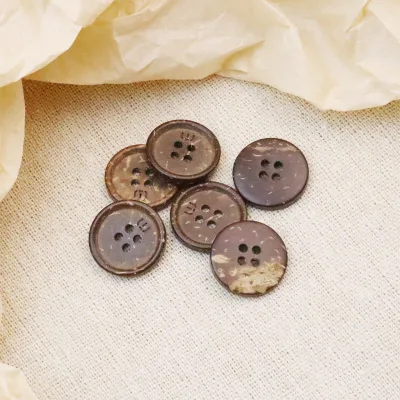
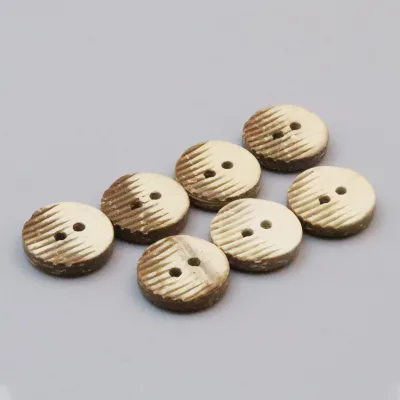
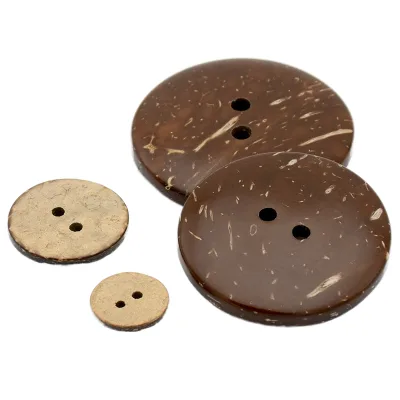
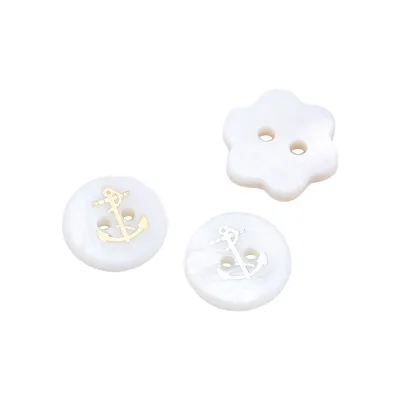
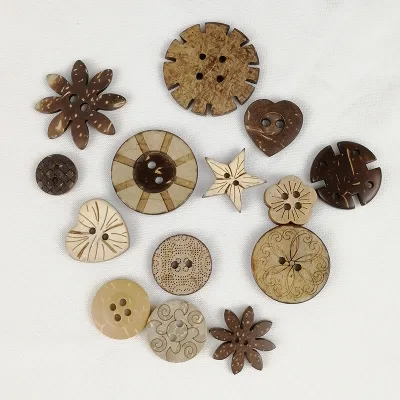
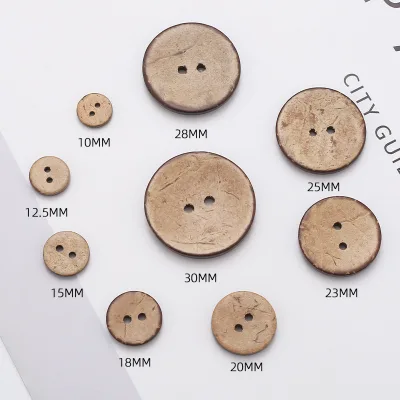


Comprehensive Sourcing Guide
Natural Coconut Shell Button Supplier Concentration and Factory Types
Buyers searching for natural coconut shell buttons will encounter suppliers concentrated in a small number of Chinese provinces, with Zhejiang and Guangdong appearing repeatedly in current supplier results. Zhejiang-based listings tend to come from trading companies that carry broad garment-accessory catalogues — zippers, buttons, lace, tape, velcro, hook and eye tape, ring and slider fittings, and bra cups — alongside coconut shell buttons. Guangdong-based listings more often sit with suppliers whose main products are buttons, metal tipping, metal labels, zippers, eyelets, rivets, and related trims, suggesting a trim-specialist profile rather than a generalist. Because natural shell buttons require cutting, drilling, and polishing of a natural material, the actual production frequently happens in workshops that trading companies coordinate rather than own.
When location data is not displayed for a given listing, buyers should identify clusters indirectly rather than assuming one. Useful signals include the stated place of origin on individual product pages, whether the company type is factory or trading company, and whether the main-products list is trim-focused or accessory-general. In current results, one Zhejiang trading company lists coconut shell button models in sizes from 12L to 40L with customization available, while Guangdong listings specify 4-hole and 2-hole constructions in sizes such as 18L, 20L, 24L, and 28L. Matching those product-level details to company type gives a faster read on who cuts and finishes the shell than location alone.
How to Verify Natural Coconut Shell Button Suppliers
Verification for this category starts with the third-party badges shown on the platform. Current results include suppliers verified under TUVRHEINLAND and under BV, which are independent inspection brands; a verification mark is not a quality certificate for the buttons themselves, but it does indicate the company's legal existence and premises were checked by someone other than the marketplace. Buyers should record which badge, if any, each candidate supplier displays, and treat unverified listings as requiring additional document checks — business licence, export history, and a named contact — before sampling.
Product-page evidence provides a second verification layer specific to coconut shell buttons. Check that the listing states the material explicitly (coconut or shell), the size range in ligne units, the hole construction, and whether the goods are stock or made to order. One current Zhejiang listing marks stock as "Not Stock" with customization available, while a Guangdong 4-hole listing states a sample time of 4 to 7 days, a free sample, and support for a 7-day sample order lead time. These are testable claims: request a sample, weigh it against the stated single gross weight of roughly 0.003 kg, and confirm the diameter matches the declared ligne size. Also confirm origin claims — listings may say "China" or a specific province — and ask the supplier to reconcile any difference between the company address and the product origin before committing to tooling or bulk production.
What to Compare Across Natural Coconut Shell Button Suppliers
Build a comparison table from the attributes actually displayed, without assuming every supplier shows the same fields. Response time is one of the clearest differentiators in current results: one verified supplier shows a response time of about 3.36 hours, while others show figures around 11.57 and 14 hours. For a natural-material product where color matching and size confirmation drive iterations, slow responses compound across a sampling cycle, so weight this column heavily. Lead time is a second column — current results span 15 days to 30 days — but note that a trading company's 15-day figure may cover coordination rather than shell cutting and finishing.
MOQ and pricing form the commercial comparison. Current listings range from a 100-piece MOQ on a Guangdong 4-hole coconut button at roughly $0.04–0.06 per piece, to 1,000-piece MOQs on Zhejiang natural shell models priced around $0.01–0.02. Low unit price with a high MOQ suits replenishment of a proven SKU; the 100-piece option suits testing. Also compare main-products breadth — a button-and-rivet specialist versus a full garment-accessory trader — and whether the listing offers customization, custom logos, nickel-free features, or color matching. Where establishment year or escrow status is not displayed for a supplier, mark the cell "verify" rather than guessing, and move that question into your first inquiry.
Common Natural Coconut Shell Button Sourcing Risks
The first risk category is natural-material variability. Coconut shell is an agricultural byproduct, so tone, grain density, and edge color vary between harvest batches even when the model number is identical. Listings that advertise "Color Matching" or color matching to a submitted target acknowledge this, but matching is a sampling-stage service, not a bulk guarantee. Buyers who approve one pre-production sample and skip a bulk top-of-production sample routinely receive darker or lighter goods. Mitigate by specifying an acceptable tone band, requesting samples from two different production batches, and photographing approved references that both parties date and sign.
The second risk category is specification and stock ambiguity. Several current listings explicitly state "Not Stock," meaning every order triggers production, while other trim listings carry stock designations — confusing the two turns a two-week timeline into a five-week one. Further risks include size confusion between ligne units and millimeters (24L is about 15.3 mm on one listing, but buyers should confirm each supplier's conversion), MOQ mismatches where a listing headline says 100 pieces but the attribute table says 1,000, and trading-company markups layered over workshop pricing. Brand-name fields showing "OEM" confirm the supplier expects to produce under your label, not theirs, so clarify logo rights in writing. Finally, verify any nickel-free or sustainability claim against documentation, since these appear as listing attributes rather than attached certificates in current results.
Natural Coconut Shell Button Regional Sourcing and Logistics
For regional strategy, the two provinces visible in current results suggest different working models. Zhejiang suppliers operating as trading companies with wide accessory catalogues suit buyers consolidating multiple trim types — buttons, zippers, tape, hook and eye — into one shipment and one communication channel. Guangdong suppliers focused on buttons, metal tipping, labels, and eyelets suit buyers whose coconut buttons must visually coordinate with metal trims on the same garment. Neither province claim should be taken at face value for production location: ask where the shell is cut and finished, and whether the supplier can host a visit or video call at that workshop.
On logistics, the physical profile of the product is favorable — single packages of roughly 3 by 3 by 5 cm and single gross weights near 0.003 kg mean even a 10,000-piece order ships in a small carton at negligible freight weight. Lead-time planning matters more than freight planning: with displayed lead times of 15 to 30 days and sample times of 4 to 7 days, a realistic cycle from inquiry to shipment is one to two months including approvals. Confirm carton packing (several listings declare carton packing), inner-box counts, and whether size runs are mixed within a carton. For buyers outside China, ask which port the supplier habitually ships from and whether they support express sampling before sea-freight bulk, since sampling speed determines how quickly tone and finish iterations can converge.
Natural Coconut Shell Button Commercial Terms and Order Planning
Order planning should start from the MOQ-versus-price trade-off visible in current listings. A Guangdong 4-hole model at roughly $0.04–0.06 with a 100-piece MOQ allows a low-risk trial on a real garment; Zhejiang natural shell models at roughly $0.01–0.02 with 1,000-piece MOQs reward committed volume. For a sweater or suit program using four to six sizes, calculate total spend across the size run before choosing, because a cheap unit price with an MOQ you cannot consume creates inventory waste that outweighs the saving. Ask each supplier to quote your actual size mix rather than relying on headline prices, which may apply to a single size or finish.
Commercial terms to confirm in writing include payment structure, customization fees for logo engraving or color matching, sample cost and shipping (one listing offers free samples), and re-order lead times separate from first-order lead times. Where a supplier's displayed lead time is 15 days versus another's 30, ask what drives the difference — shell availability, finishing capacity, or queue position — since a trading company's figure may exclude workshop time. Note that stock declarations ("Not Stock" on several natural shell listings) mean no safety stock exists for repeat orders, so place replenishment POs against forecast, not against stockouts. Finally, confirm packing specifications, carton marking, and acceptable tone tolerance in the purchase order itself, so that any dispute at inspection refers to an agreed document rather than a listing screenshot.
FAQs
What sizes do natural coconut shell buttons come in?
Coconut shell buttons are commonly offered in lignae sizes from 12L to 40L, which covers roughly 7.6mm to 25.4mm diameters. Specific listings include 18L, 20L, 24L and 28L options, and some suppliers accept custom sizes. Confirm the exact millimeter measurement and hole count for your garment style before ordering samples.
What is the typical MOQ for coconut shell buttons?
Minimum order quantities vary by supplier and listing, with observed values ranging from 100 pieces to 1,000 pieces per style. Smaller MOQs often apply to standard 4-hole designs, while customized colors, laser engraving or special shapes may require larger quantities. Always confirm the MOQ for your specific size and finish before requesting a quotation.
How much do natural coconut shell buttons cost?
Listed unit prices for natural coconut shell buttons range from about $0.01 to $0.06 per piece, depending on size, finish and order volume. Plain round styles sit at the lower end, while engraved or laser-cut designs cost more. Prices are usually quoted ex-works, so request a full quotation including packaging and freight.
Can coconut shell buttons be customized with my own design?
Yes, customization is available on many listings, including color matching, laser engraving, custom logo branding and non-round shapes. Custom work typically means the buttons are made to order rather than supplied from stock, which extends production time. Provide artwork, size specifications and target quantities early so the supplier can quote accurately.
How long does production and sampling take?
Sample times of 4 to 7 days are listed for standard coconut shell buttons, and some suppliers support 7-day sample orders. Mass production lead times observed range from 15 to 30 days depending on the supplier and order complexity. Customized designs made to order, not from stock, generally need the longer end of that range.
Where are these coconut shell button suppliers located?
The suppliers in these results are located in Zhejiang and Guangdong, China, both established hubs for garment accessories manufacturing. Guangdong listings emphasize metal trims alongside buttons, while Zhejiang suppliers cover a broader range including zippers, lace and bra accessories. Location affects shipping ports and freight cost, so factor this into your landed cost calculation.
What verification or quality assurance should I look for?
Some suppliers in these results hold third-party verification such as TUV Rheinland or Bureau Veritas, which signals audited business credentials. For the product itself, check natural material quality, hole consistency and nickel-free finishing where relevant. Request samples before bulk orders and ask which certifications apply to your target market.