New Front Right Shock Absorber Suppliers and Manufacturers
Compare 15 verified suppliers offering New Front Right Shock Absorber with ISO 9001 and IATF 16949 certifications. Review response times, lead times, and MOQs to select a factory in China Zhejiang or Guangdong. Contact suppliers directly to request samples; review the available evidence before requesting comparable quotations from suitable candidates.
Updated
Suppliers List

Jinhua Qide Auto Parts Co., Ltd.
- Verified by TUVRHEINLAND
- Trading Company,Manufacturer/Factory
- China Zhejiang
- Lead time23 days
- Avg. response≤ 20h
Main productsShock Absorber, Motorcycle Parts, Front Fork, Bottom Case, Pipe, Rear Shock Absorber, Front Fork Assy, Motorcycle Shock Absorber, Rod, Damper
Main marketsSouth America,Mid East,Southeast Asia,Western Europe,Africa


$11.00 - $13.00
MOQ: 100 Sets

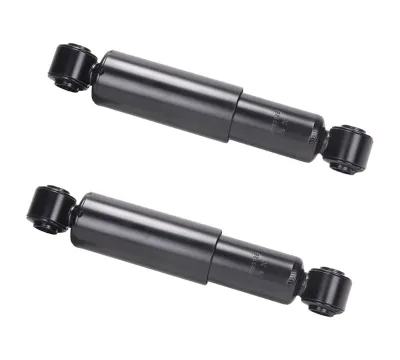
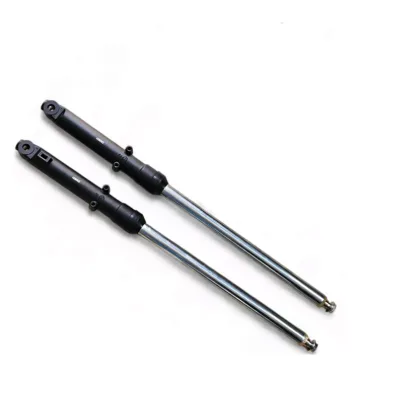
2025 Suspension Manufacturer Front Shock Absorber for Left Right Parts Factory Price
$11.00 - $13.00
MOQ: 100 Sets

Hot Sale China Supplier Front Shock Absorber for OEM Left Right Spare Parts Factory Price
$11.00 - $13.00
MOQ: 100 Sets

$11.00 - $13.00
MOQ: 100 Sets

Ningbo Maxwell Mechanical and Electrical Co.,Ltd.
- Verified by TUVRHEINLAND
- Combined
- China Zhejiang
- Lead time30 days
- Avg. response≤ 7h
Main productsShaft
Main marketsSoutheast Asia/ Mideast
Guangzhou Huiying Auto Parts Co., Ltd.
- Verified by SGS Group
- Manufacturer, Trading Company
- Lead time30 days
- Avg. response≤ 3h
Main productsAutomobile Shock Absorber , Engine Mount, Automobile Glass, Automobile Hub Cover
Main marketsNorth America(30%), Southeast Asia(20%), South America(10%)
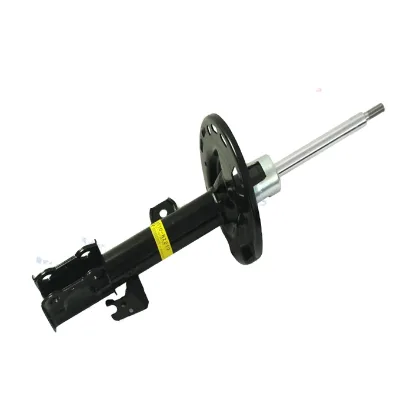
$16.3947 - $35.8636
MOQ: 50 pieces
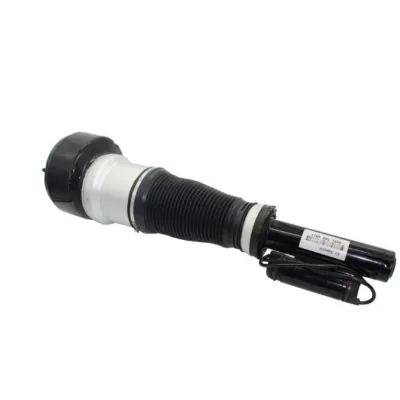
New 2213204913 Auto Parts High Quality Car Suspension Mount Shock Absorber Strut
$129.00 - $180.00
MOQ: 10
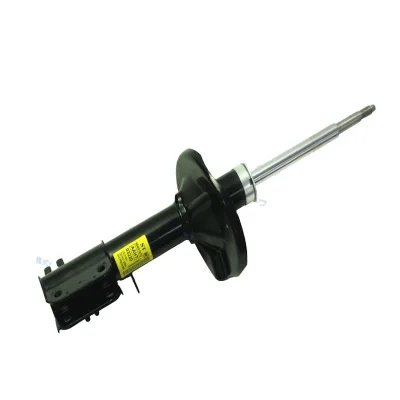

Henan Ener Auto Parts Co., Ltd.
- Verified by TUVRHEINLAND
- Combined
- China Henan
- Lead time15 days
- Avg. response≤ 1h
Main productsAir Spring, Air Shock Absorber, Air Spring Shock Absorber, Air Spring Absorber, Suspension Parts, Truck Shock Absorber, Airbag Shock Absorber, Cabin Shock Absorber, Truck Parts, Auto Parts
Main marketsSoutheast Asia/ Mideast,East Asia(Japan/ South Korea)


Hot Sale High Quality Suspension Parts Air Spring Suspension Shock Absorber
$22.98 - $24.89
MOQ: 50 Pieces

$16.89 - $19.89
MOQ: 50 Pieces

Wenzhou Naqin Auto Parts Co., Ltd
- Verified by SGS
- Trading Company,Manufacturer/Factory
- China Zhejiang
- Lead time45 days
- Avg. response≤ 4h
Main productsBrake Pad, Brake Shoes, Brake Disc, Clutch Plate, Radiator, Universal Joint, Release Bearing, Shock Absorber, Fuel Pump, Ball Joint
Main marketsSouth America,Mid East,Africa
- Trading Company
- Zhejiang, China
- Lead time35 days
- Avg. response≤ 3h
Main productsPiston Rod,Coilover,Shock Aborber,Sintered Part,Spring
Main marketsEastern Europe(35.00%), North America(20.00%), Southern Europe(11.00%), South America(10.00%), Southeast Asia(10.00%), Africa(3.00%), Mid East(3.00%), Oceania(3.00%), Western Europe(2.00%), South Asia(1.00%), Eastern Asia(1.00%), Northern Europe(1.00%)
Jining Huida Construction Machinery Co., Ltd.
- Trading Company
- Lead time旺季: "1 - 100":15,"> 100":"To be negotiated", 淡季: "1 - 100":15,"> 100":"To be negotiated"
- Avg. response≤ 4h
Main productsAir Filtration Chip,Diesel Filter,Engine Oil Filter,Hydraulic Filter Element,Oil-water Separator

JINAN GUYUE AUTO PARTS CO., LTD.
- Verified by SGS
- Trading Company
- China Shandong
- Lead time15 days
- Avg. response≤ 9h
Main productsFAW Sinotruck Shacman Beiben Truck Spare Part, Bus Spare Parts, Light Truck Spare Parts, Tyre, Construction Machinery, Fuwa Ror BPW Trailer Spare Parts
Main marketsAfrica,Southeast Asia/ Mideast,North America
Huangshan Benma Group Co., Ltd.
- Manufacturer, Trading Company
- Lead time旺季: "1 - 100":35,"> 100":"To be negotiated", 淡季: "1 - 100":35,"> 100":"To be negotiated"
- Avg. response≤ 6h
Main productsMotorcycle Brake Pad, Motorcycle Clutch Shoes, Motorcycle Clutch Assembly, Motorcycle Clutch Disc
Zhihang (hubei) Automotive Parts Co., Ltd.
- Verified by TüVRheinland
- Trading Company
- Hubei, China
- Lead time30 days
- Avg. response≤ 2h
Main productsOil Filter, Brake Pads, Engine, Bearing, Oil Pumps
Main marketsMid East(100%)
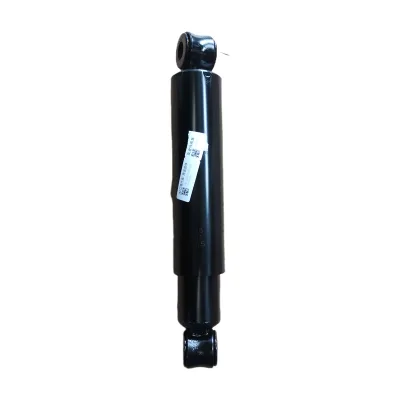
Low Price Hot Sale High Quality Genuine Rear Shock Absorber 2915010H1
$13.078 - $13.1513
MOQ: 4 pieces
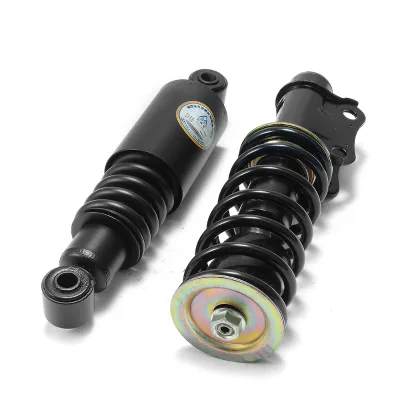

Qingdao Everlasting Auto Parts Co., Ltd.
- Verified by CTI
- Trading Company
- China Shandong
- Lead time30 days
- Avg. response≤ 5h
Main productsAuto Parts, Leaf Spring, Leaf Spring Assembly, Z Spring, Guide Arm, Coil Spring, Stabilizer Link, Sway Bar, Bush, Bushing
Main marketsAfrica,Southeast Asia/ Mideast,East Asia(Japan/ South Korea),Domestic,North America

Manufacturer High Quality Front Axle Left Shock Absorber Coil Suspension Spring
$0.50 - $5.50
MOQ: 50 Pieces


Wholesale High Strength Front Rear Shock Absorber Coil Over Compression Spring
$1.20 - $10.50
MOQ: 50 Pieces
Guangzhou Hongyang Auto Parts Co., Ltd.
- Verified by SGS Group
- Trading Company
- Lead time0 days
- Avg. response≤ 1h
Main productsDriving System, Suspension Systems, Brake System, Steering System, Air Conditioning System
Main marketsSouth America(25%), Africa(15%), Mid East(12%)
Chongqing Jinfubo Trading Co., Ltd.
- Trading Company
- Chongqing, China
- Lead time5 days
- Avg. response≤ 3h
Main productsAuto Lights,auto mirror,Auto Chassis System,Auto body parts,Auto Air Conditioning Systems
Main marketsMid East(15.00%), South America(15.00%), North America(15.00%), South Asia(10.00%), Eastern Asia(10.00%), Southeast Asia(7.00%), Northern Europe(7.00%), Central America(5.00%), Western Europe(5.00%), Southern Europe(5.00%), Eastern Europe(2.00%), Oceania(2.00%), Domestic Market(1.00%), Africa(1.00%)

Guangzhou Tech Master Auto Parts Co. Ltd
- Verified by BV
- Trading Company,Manufacturer/Factory
- China Guangdong
- Lead time15 days
- Avg. response≤ 4h
Main productsAir Spring, Air Shock, Air Compressor Pump, Suspension Valve Block, Cooling Fan, Power Steering Rack, Power Lift Gate, Control Arms, Water Pump
Main marketsSouth America,Eastern Europe,Mid East,North America,Southeast Asia,Eastern Asia,Oceania,Western Europe,Africa

Car Parts Suspension Parts Shock Absorber Amortiguadores Air Spring Front
$25.00 - $30.00
MOQ: 1 Pieces

Auto Parts Suspension Parts Shock Absorber Amortiguadores Air Spring Front
$80.00 - $85.00
MOQ: 1 Pieces

- Verified by SGS
- Trading Company,Manufacturer/Factory
- China Guangdong
- Lead time45 days
- Avg. response≤ 4h
Main productsTrailer Axle, American Type Outboard Axles, American Type Inboard Axles, German Type Axles, Spoke Wheel Axles, Low Bed Axles, Disc Brake Axles, Drop Centre Axles, Self - Steer Axles, Semi-Assembly Axles
Main marketsSouth America,Eastern Europe,Mid East,North America,Southeast Asia,Eastern Asia,Oceania,Western Europe,Africa

Front Car Suspension Auto Parts Rear Front Axle Suspension Parts and Shocks
$480.00 - $668.00
MOQ: 30 Pieces

Front Car Suspension with Axel Rear Front Axle Suspension Parts and Shocks
$480.00 - $668.00
MOQ: 30 Pieces




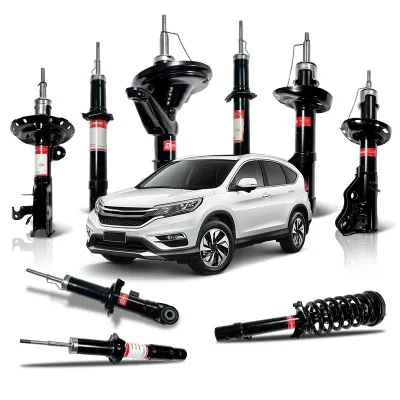
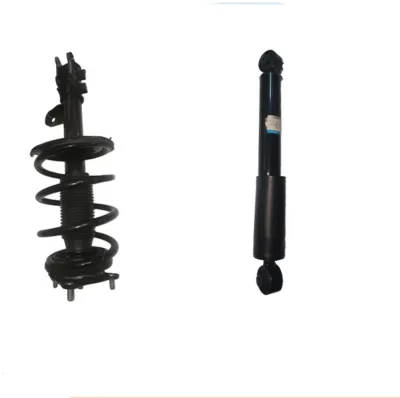
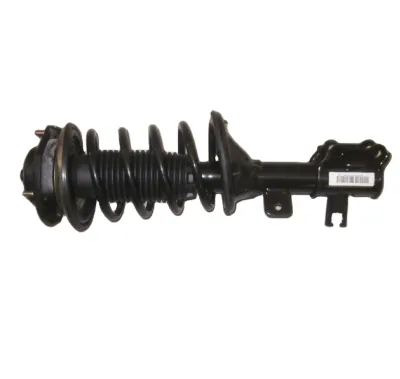
Comprehensive Sourcing Guide
New Front Right Shock Absorber Supplier Concentration and Factory Types
The landscape for sourcing new front right shock absorbers features a diverse mix of manufacturing entities, primarily concentrated in specific industrial hubs within China. Current data indicates that suppliers are located in regions such as Zhejiang and Guangdong, with additional origins noted in Sichuan and Ningbo. These geographic clusters are significant because they often correlate with established supply chains for automotive components, including steel, rubber, and hydraulic fluids. Buyers should recognize that while Zhejiang is highlighted as a key location, the presence of manufacturers in Guangdong and Sichuan suggests a broader national distribution of production capabilities. This geographic spread allows for varied logistical options, though it also requires careful verification of the actual factory location versus the registered business address. The concentration of suppliers in these areas often implies a mature ecosystem of sub-suppliers, which can lead to more competitive pricing and faster turnaround times for standard parts. However, buyers must distinguish between trading companies and actual factories, as the latter may offer better control over quality and customization, while the former might provide broader product ranges. Understanding this geographic and structural diversity is the first step in identifying reliable partners who can meet specific volume and quality requirements for front right shock absorbers.
Supplier types in this sector vary significantly, ranging from pure trading companies to integrated manufacturers and combined entities. Many suppliers identify as both manufacturers and trading companies, which can offer the benefits of direct production control alongside flexible sales channels. Some suppliers specialize in OEM and ODM services, indicating a capacity for custom engineering and branding, which is crucial for buyers seeking unique specifications or private label products. The presence of ISO 9001 certification among some suppliers suggests a baseline commitment to quality management systems, while others may hold IATF 16949, a more stringent standard specific to the automotive industry. This certification difference is critical for buyers sourcing parts for original equipment manufacturer (OEM) applications or high-volume aftermarket replacements. Additionally, verification badges from third-party agencies like TÜV Rheinland and SGS Group provide an extra layer of confidence regarding the supplier’s operational legitimacy and financial stability. Buyers should prioritize suppliers who clearly articulate their manufacturing capabilities, such as having their own brand or offering light customization, rather than those who only act as intermediaries. This distinction helps in assessing the supplier’s ability to handle complex orders, manage inventory, and provide consistent quality for new front right shock absorbers.
How to Verify New Front Right Shock Absorber Suppliers
Verifying the authenticity and capability of a New Front Right Shock Absorber supplier requires a multi-layered approach that goes beyond surface-level profile reviews. One of the most effective initial steps is to check for third-party verification badges, such as those from TÜV Rheinland or SGS Group. These badges indicate that an independent agency has physically inspected the supplier’s facilities, validated their business licenses, and assessed their operational capabilities. For instance, some suppliers display SGS Group verification, which often involves rigorous audits of their manufacturing processes and quality control measures. Buyers should look for these verifications as a primary indicator of trustworthiness, as they reduce the risk of engaging with fraudulent entities or shell companies. Additionally, examining the supplier’s certification history is crucial. Certifications like ISO 9001 demonstrate a commitment to standardized quality management, while IATF 16949 is particularly relevant for automotive parts, indicating compliance with industry-specific quality standards. Buyers should request copies of these certificates and verify their validity through the issuing bodies to ensure they are current and applicable to the specific products being sourced. This due diligence helps in filtering out suppliers who may lack the necessary infrastructure or quality assurance protocols to produce reliable shock absorbers.
Beyond certifications, buyers should assess the supplier’s response time and communication efficiency as indicators of their operational maturity. Data shows that response times can vary significantly, with some suppliers responding within hours while others may take longer. A rapid response time, such as under seven hours, often correlates with a dedicated sales team and efficient internal processes, which are essential for resolving technical queries and negotiating terms quickly. Buyers should also inquire about the supplier’s ability to provide samples, as many suppliers indicate that samples are available for quality assessment. This allows buyers to physically inspect the product’s build quality, materials, and finish before committing to a larger order. Furthermore, checking the supplier’s main products and product keywords can reveal their specialization. Suppliers focusing specifically on shock absorbers, front forks, and suspension parts are likely to have deeper expertise and better quality control than those offering a wide array of unrelated automotive parts. Buyers should also verify the supplier’s production capacity and customization capabilities, such as OEM and ODM services, to ensure they can meet specific design and branding requirements. This comprehensive verification process helps in building a shortlist of reliable suppliers who can deliver high-quality new front right shock absorbers.
What to Compare Across New Front Right Shock Absorber Suppliers
When evaluating multiple suppliers for new front right shock absorbers, buyers must compare key operational metrics to determine the best fit for their needs. One critical factor is the minimum order quantity (MOQ), which can vary widely depending on the supplier’s production model and inventory strategy. Some suppliers may have an MOQ of 50 pieces, making them suitable for smaller orders or testing phases, while others might require higher volumes. Buyers should align their procurement strategy with the supplier’s MOQ to avoid excessive inventory costs or production delays. Additionally, lead times are a crucial comparison point, as they impact supply chain reliability and customer satisfaction. Data indicates that lead times can range from 15 to 30 days, depending on the complexity of the order and the supplier’s current workload. Buyers should prioritize suppliers with consistent and transparent lead times, especially if they have tight delivery schedules. Comparing these metrics across suppliers helps in identifying those who offer the best balance of cost, speed, and flexibility. Buyers should also consider the supplier’s pricing structure, noting that prices can vary based on order volume and customization requirements. Understanding these cost drivers allows for more accurate budgeting and negotiation.
Another important aspect of comparison is the supplier’s product specifications and customization options. Buyers should examine the detailed product attributes, such as the type of spring, material composition, and damping force direction. For example, some shock absorbers may feature a coil spring with a steel material, while others might use hydraulic damping with a telescopic structure. These technical details are crucial for ensuring compatibility with the intended vehicle or application. Buyers should also compare the supplier’s ability to offer customization, such as logo printing, packaging design, or specific dimensional adjustments. Suppliers who offer OEM and ODM services can provide tailored solutions that meet unique brand or engineering requirements. Additionally, buyers should assess the supplier’s warranty and after-sales support policies. Some suppliers offer warranties based on mileage, such as 100,000 miles, which indicates confidence in their product’s durability. Comparing these support terms helps in mitigating post-purchase risks. Buyers should also look at the supplier’s payment terms and accepted methods, such as TT, PayPal, or Trade Assurance, to ensure secure and convenient transactions. By systematically comparing these operational and technical factors, buyers can make informed decisions that align with their quality, cost, and logistical requirements.
Common New Front Right Shock Absorber Sourcing Risks
Sourcing new front right shock absorbers from international suppliers involves several inherent risks that buyers must proactively manage to ensure a smooth procurement process. One significant risk is the potential for quality inconsistencies, particularly when dealing with suppliers who lack robust quality control systems. Without proper verification, buyers may receive products that do not meet the specified technical standards, such as incorrect damping force or material composition. This can lead to product failures in the field, resulting in costly returns and damage to the buyer’s reputation. To mitigate this risk, buyers should insist on pre-shipment inspections and request detailed quality reports from the supplier. Additionally, the risk of intellectual property infringement is a concern, especially when sourcing custom or OEM parts. Buyers must ensure that the supplier has the necessary rights to produce and sell the parts, particularly if they involve proprietary designs or branded components. Clear contractual agreements regarding IP rights can help protect the buyer’s interests. Furthermore, logistical risks, such as shipping delays or damage during transit, can disrupt supply chains. Buyers should work with suppliers who have experience in international shipping and offer reliable packaging solutions, such as bubble bags and cartons, to protect the products during transport.
Another common risk is the discrepancy between the supplier’s claims and their actual capabilities. Some suppliers may overstate their production capacity or lead times, leading to missed deadlines and operational disruptions. Buyers should verify these claims through third-party audits or by requesting references from existing clients. Additionally, the risk of currency fluctuation and payment fraud is present in international transactions. Buyers should use secure payment methods, such as Trade Assurance or escrow services, to protect their funds until the goods are received and verified. Communication barriers can also pose a risk, as misunderstandings regarding technical specifications or order details can lead to errors. Buyers should maintain clear and documented communication channels, using written confirmations for all critical details. Furthermore, the risk of regulatory non-compliance is a concern, particularly if the parts are intended for markets with strict automotive standards. Buyers must ensure that the supplier’s products comply with relevant regulations and certifications, such as IATF 16949 or ISO 9001. By identifying and addressing these risks through thorough due diligence and contractual safeguards, buyers can minimize potential losses and ensure a successful sourcing experience for new front right shock absorbers.
New Front Right Shock Absorber Regional Sourcing and Logistics
Regional sourcing plays a pivotal role in determining the cost and efficiency of procuring new front right shock absorbers. Suppliers located in China, particularly in provinces like Zhejiang, Guangdong, and Sichuan, offer distinct logistical advantages due to their proximity to major shipping ports and established manufacturing infrastructure. Buyers should consider the geographic location of the supplier when evaluating shipping costs and transit times. For instance, suppliers in Zhejiang may have easier access to Ningbo Port, one of the busiest ports in the world, which can facilitate faster and more cost-effective ocean freight. Similarly, suppliers in Guangdong benefit from the extensive logistics network in the Pearl River Delta region. Buyers should also assess the supplier’s experience in exporting to their target market, as this can impact the efficiency of customs clearance and documentation. Suppliers with a strong export history are likely to have established relationships with freight forwarders and customs brokers, reducing the risk of delays. Additionally, buyers should consider the impact of regional trade agreements and tariffs on the final cost of the products. Understanding these regional dynamics allows buyers to optimize their supply chain and reduce overall procurement costs.
Logistics planning also involves selecting the appropriate shipping method based on order volume and urgency. For smaller orders or urgent requirements, air freight may be necessary, although it comes at a higher cost. For larger, bulk orders, ocean freight is typically more economical, despite the longer transit times. Buyers should work with suppliers who offer flexible shipping options and can provide accurate estimates of delivery times. Packaging is another critical logistical factor, as shock absorbers are sensitive to damage during transit. Suppliers should use robust packaging materials, such as bubble bags, pearl cotton, and sturdy cartons, to protect the products. Buyers should verify the packaging standards and request photos or videos of the packing process to ensure compliance. Additionally, buyers should consider the supplier’s ability to handle consolidated shipments, which can reduce shipping costs by combining multiple orders into a single container. This is particularly useful for buyers sourcing from multiple suppliers or those with diverse product requirements. By carefully planning regional sourcing and logistics, buyers can ensure that their new front right shock absorbers are delivered efficiently, safely, and cost-effectively, supporting their overall business objectives.
New Front
FAQs
What is the price range for new front right shock absorbers?
Prices typically range from $1.00 to $35.86 per unit depending on specifications. Basic coil spring models start near $1.00, while specialized automotive parts for vehicles like the Highlander cost between $16.39 and $35.86. Buyers should verify exact pricing based on order volume and customization needs.
What is the minimum order quantity for these parts?
Minimum order quantities vary by supplier and product type. Some manufacturers require a minimum of 50 pieces for specific automotive models, while others set the threshold at 100 units for general motorcycle or suspension components. Buyers must check individual product listings to confirm the applicable MOQ for their specific order.
How long does delivery take for these shock absorbers?
Lead times generally range from 15 to 30 days depending on the supplier and production schedule. Some manufacturers offer faster turnaround times of around 15 days for standard items, while others may require up to 30 days for customized or high-volume orders. Buyers should confirm specific delivery windows with their chosen supplier.
Are these shock absorbers customizable for OEM requirements?
Yes, customization is widely available for new front right shock absorbers. Suppliers offer OEM, ODM, and own-brand services, allowing for specific load adjustments, damping forces, and structural designs. Buyers can request custom packaging, branding, and technical specifications to meet their exact engineering and market requirements.
What certifications do these shock absorber suppliers hold?
Reputable suppliers often hold ISO 9001 and IATF 16949 certifications, ensuring quality management standards are met. Verification services like TÜV Rheinland and SGS Group also validate supplier capabilities. Buyers should request current certification documents to ensure compliance with international automotive and manufacturing standards before placing orders.
Where are these shock absorber manufacturers located?
Manufacturers are primarily located in China, including regions such as Zhejiang, Guangdong, Sichuan, and Ningbo. These areas are known for producing various vehicle parts, including motorcycle and automotive shock absorbers. Buyers can filter suppliers by location to reduce shipping costs and facilitate easier communication with local manufacturing teams.