Chile C.V. Joint Suppliers and Manufacturers for Auto Parts
Compare 28 verified suppliers offering Chile CV Joint products with REACH certification and Intertek verification. Buyers can evaluate response times, lead times, and customization capabilities before requesting quotes for specific drive shaft components; review the available evidence before requesting comparable quotations from suitable candidates.
Suppliers List
Ningbo Hohan Auto Parts Co., Ltd.
- Verified by Intertek
- Trading Company
- Lead time20 days
- Avg. response≤ 3h
Main productsProp Shaft, Drive Shaft and Kits, CV Joint and Kits, Control Arm, Shock Absorber
Main marketsNorth America(20%), Western Europe(20%), Southern Europe(20%)

- Verified by SGS
- Trading Company
- China Guizhou
- Lead time23 days
- Avg. response≤ 15h
Main productsMachine Tool, Auto Spare Parts, Crankshaft, Camshaft, Packing Machine, Labeling Machine, Filling Machine, Crown Wheel and Pinion, Connecting Rod, Piston Ring
Main marketsAfrica


Auto Parts Customized Car Accessories Multi-Specification Flexibility CV Joint
$25.00 - $50.00
MOQ: 1000 Pieces


Hot Die Forging Flexibility Hardware Construction Machinery Auto Joint
$25.00 - $50.00
MOQ: 1000 Pieces
- Trading Company
- Shandong, China
- Lead time0 days
- Avg. response≤ 5h
Main productsauto parts,truck crane spare parts,spare parts,motorcycle spare parts,car parts
Main marketsSoutheast Asia(38.00%), Africa(12.00%), North America(11.00%), Mid East(9.00%), South America(7.00%), Oceania(6.00%), South Asia(5.00%), Eastern Europe(5.00%), Western Europe(4.00%), Southern Europe(3.00%)

Anhui Heshun Automobile Parts Co., Ltd.
- Verified by SGS
- Combined
- China Anhui
- Lead time30 days
- Avg. response≤ 5h
Main productsBall Joint
Main marketsDomestic

Ruian Shengliang Trading Co., Ltd.
- Verified by TUVRHEINLAND
- Trading Company,Manufacturer/Factory
- China Zhejiang
- Lead time45 days
- Avg. response≤ 10h
Main productsCooling System Parts, Suspension Parts, Engine Parts, Sensor Parts, Chassis Parts
Main marketsSouth America,Eastern Europe,Mid East,Western Europe

outer CV Joint for GM, Juntas Homocineticas GM-012, Repuestos De Repuesto De Alta Calidad
$5.00 - $10.00
MOQ: 500 Pieces


Inner CV Joint for GM. /GM-300, CV Conjunta, Juntas Homocineticas/Junta Homocinetica
$5.00 - $10.00
MOQ: 500 Pieces


CV Conjunta, CV Joint, Juntas Homocineticas Op-001 with ABS (29T) /Junta Homocinetica
$5.00 - $10.00
MOQ: 500 Pieces

Ningbo Tower Machinery Co., Ltd
- Verified by TUVRHEINLAND
- Manufacturer/Factory
- China Zhejiang
- Lead time30 days
- Avg. response≤ 7h
Main productsSheet Metal Fabrication, CNC Machining Parts, Laser Cutting Parts, Tube Bending Parts, Welding Parts, Stamping Parts, Bus Seat, Trailer Jack, Electric Winch, Wheel Spacer
Main marketsSouth America,Eastern Europe,Mid East,North America,Southeast Asia,Eastern Asia,Oceania,Western Europe,Africa

Shanghai Spb Industry Co., Ltd.
- Verified by SGS
- Trading Company,Manufacturer/Factory,Group Corporation
- China Shanghai
- Lead time30 days
- Avg. response≤ 4h
Main productsCar Spare Part, Suspension Parts, Ball Joint, Shock Absorber, C. V Joint, Brake Pad, Radiator, Stabilizer Bar, Oil Filter, Steering Rack
Main marketsSouth America,Eastern Europe,Mid East,North America,Southeast Asia,Eastern Asia,Oceania,Western Europe,Africa
Yuhuan Mingyan Technology Co., Ltd
- Verified by SGS Group
- Manufacturer, Trading Company
- Lead time25 days
- Avg. response≤ 5h
Main productsCV Joint Boot, Steering Boot, Drive Shaft, Control Arm, Auto Rubber Parts
Main marketsWestern Europe(50%), Mid East(30%), Southeast Asia(20%)
Hangzhou Speedway Import & Export Co., Ltd.
- Trading Company
- Zhejiang, China
- Lead time30 days
- Avg. response≤ 6h
Main productsAutomotive drive shaft,Agriculture PTO drive shaft,Heavy duty industrial universal coupling,CV drive shaft,Universal coupling
Main marketsSouth America(15.00%), Southern Europe(14.00%), Western Europe(11.00%), North America(11.00%), Northern Europe(7.00%), Central America(7.00%), Africa(7.00%), South Asia(6.00%), Mid East(6.00%), Eastern Europe(4.00%), Domestic Market(4.00%), Southeast Asia(3.00%), Eastern Asia(3.00%), Oceania(2.00%)
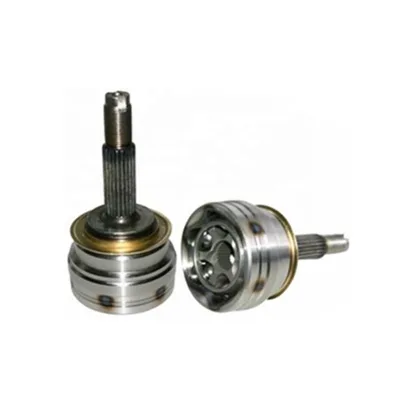

Small Tripod Joint Universal Joint CV Joint Bearing for 19 Teeth Left Drive Shaft
$3.00 - $10.00
MOQ: 10


Jiangsu Great Industrials (group) Corp. Ltd.
- Trading Company
- Jiangsu, China
- Lead time35 days
- Avg. response≤ 4h
Main productsClutch Cover,Clutch Disc,Brake Pad,Brake Shoe,Auto Belt
Main marketsSouth America(20.00%), Mid East(20.00%), North America(10.00%), Eastern Asia(10.00%), Africa(10.00%), Southeast Asia(10.00%), Eastern Europe(10.00%), Western Europe(5.00%), Oceania(5.00%)

Hangzhou Huayutai Auto Parts Co., Ltd.
- Verified by SGS
- Manufacturer/Factory
- China Zhejiang
- Lead time60 days
- Avg. response≤ 20h
Main productsDrive Shafts, Cardan Shaft, Universal Joints, U-Joints, Needle Roller, Pto Shafts, Driveline, Propeller Shafts
Main marketsSouth America,Eastern Europe,Mid East,North America,Southeast Asia,Eastern Asia,Oceania,Western Europe,Africa


MOQ: 500 Pieces

MOQ: 200 Pieces

MOQ: 500 Pieces

MOQ: 500 Pieces

MOQ: 500 Pieces
Anqing Renyi Automotive Parts Co., Ltd.
- Manufacturer, Trading Company
- Anhui, China
- Lead time0 days
- Avg. response≤ 3h
Main productstransmission shaft,drive shaft / actuating shaft,universal joint,transmission shaft intermediate support,All kinds of repair kits
Main marketsDomestic Market(95.00%), Mid East(5.00%)
Guangzhou Eep Auto Parts Co., Ltd.
- Trading Company
- Lead time旺季: "1 - 10":3,"11 - 50":7,"> 50":"To be negotiated", 淡季: "1 - 10":3,"11 - 50":7,"> 50":"To be negotiated"
- Avg. response≤ 3h
Main productsDrive Shaft, CV Joint, CV Joint Boot, CV Tripod
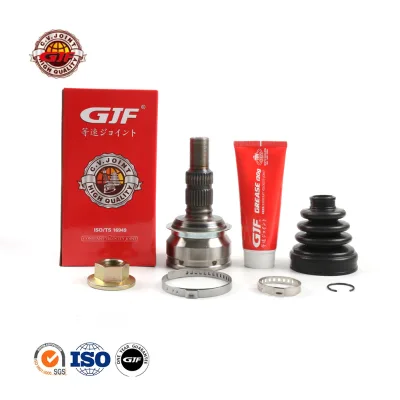
$8.82 - $12.94
MOQ: 10 pieces
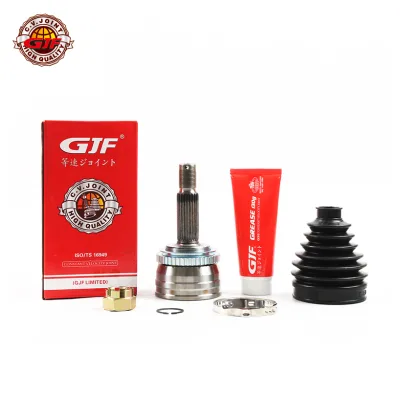
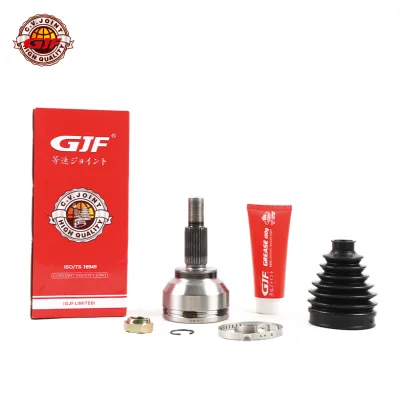
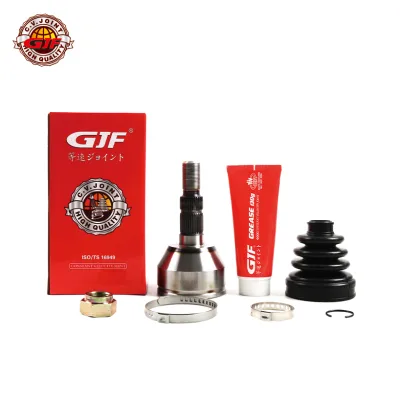
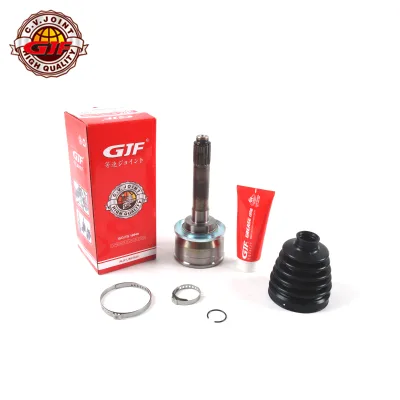
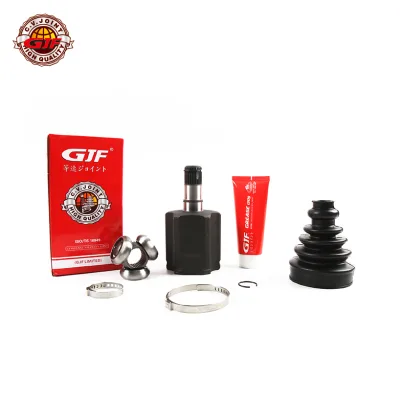

GuangZhou GJF AUTO PARTS CO.,LTD
- Verified by CTI
- Trading Company,Manufacturer/Factory
- China Guangdong
- Lead time23 days
- Avg. response≤ 1h
Main productsDrive Shaft, CV Joints, CV Booting, Transmission Shaft, Propeller Shaft, Cardan Shaft, CV Axle, CV Joint Boot, Axle Shaft, Inner CV Joint Outer CV Joint
Main marketsSouth America,Eastern Europe,Mid East,North America,Southeast Asia,Eastern Asia,Oceania,Western Europe,Africa

Gjf CV Drive Shaft Assy CV Axle Accessories CV Joint for Toyota Vigo 2017- to-1-115 43460-09y60
$18.25 - $30.00
MOQ: 10 Pieces


Gjf Auto Spare Parts CV Axle Outer CV Joint for Mazda Capella 626/Ge 91- Mz-1-016A
$15.00 - $35.00
MOQ: 10 Pieces


Gjf Drive Shaft Assy Left and Right Outer CV Joint for Honda CRV 1997-1999 Year Ho-1-041A
$14.29 - $34.29
MOQ: 10 Pieces

- Verified by TUVRHEINLAND
- Combined
- China Jiangsu
- Lead time23 days
- Avg. response≤ 6h
Main productsShock Absorber, Coil Spring
Main marketsSoutheast Asia/ Mideast,North America

CV Joints for OE 4237049285 for Toyota, Good Quality and Wholesale Price
$4.30 - $6.90
MOQ: 200 Pieces

Hight Quality CV Joint 22*30*50 for OE 357498099 for Seat Car with Factory Price
$4.60 - $5.80
MOQ: 200 Pieces

Hight Quality CV Joint Kit 22*30*50 for OE 191498099f for VW Car with Factory Price
$4.65 - $6.55
MOQ: 200 Pieces

- Verified by BV
- Trading Company,Manufacturer/Factory
- China Zhejiang
- Lead time45 days
- Avg. response≤ 4h
Main productsRubber Products, Rubber Parts, Rubber Bush, Silicone Rubber, Rubber Metal Part, C. V. Joint, Steering Rack, Stamping Parts, Steering Pump
Main marketsSouth America,Mid East,Southeast Asia,Western Europe

MOQ: 100 Pieces

Front Axle Drive Shaft with CV Joint Hy-Cva150727
MOQ: 300 Pieces
Yueqing Weiao Import & Export Co., Ltd.
- Verified by TüVRheinland
- Manufacturer, Trading Company
- Lead time15 days
- Avg. response≤ 3h
Main productsAuto Parts, Precision Instrument Accessories, Industrial Pipeline Products, Hardware Tools, Electrical Products

Zhe Jiang Yue Ding Corrugated Tube Co., Ltd.
- Verified by SGS
- Combined
- China Zhejiang
- Lead time15 days
- Avg. response≤ 5h
Main productsExhaust Flexible Pipe, Exhaust Clamp, Hose Clamp, Exhaust X/Y Pipe, Truck Exhaust Pipe, Pipe & Cable Clamps, Exhaust Elbow, Exhaust Accessories, Exhaust Tip, Metal Bellow
Main marketsSoutheast Asia/ Mideast,Europe,Australia


Axle Drive Shaft Inner Outer CV Joint According to OE Parameter Standards
$12.40 - $15.60
MOQ: 50 Pieces

Ningbo Eastsun Autoparts Co., Limited
- Verified by SGS
- Combined
- China Zhejiang
- Lead time45 days
- Avg. response≤ 2h
Main productsauto parts
Main marketsSoutheast Asia/ Mideast,Europe,North America

Chongqing Faliao Import & Export Co., Ltd.
- Trading Company
- Chongqing, China
- Lead time20 days
- Avg. response≤ 9h
Main productsAutomotive Parts
Main marketsNorth America(60.00%), South America(20.00%), Mid East(5.00%), Oceania(5.00%), Africa(5.00%), Southeast Asia(5.00%)

Wuhu GDST Auto Parts Co., Ltd.
- Verified by TUVRHEINLAND
- Manufacturer/Factory
- China Anhui
- Lead time15 days
- Avg. response≤ 3h
Main productsBrake Cylinder, Brake Pad, Steering Rack, Power Steering Pump, CV Joint, Drive Shaft, Suspension Parts, Wheel Hub, Water Pump, Auto Filters
Main marketsEastern Europe,Mid East,North America,Western Europe,Africa

Ningbo Tsy Auto Parts Co., Ltd.
- Manufacturer/Factory
- China Zhejiang
- Lead time45 days
- Avg. response≤ 6h
Main productsSuspension Parts, Tie Rod End, Stabilizer Link, Rack End, Ball Joint, Control Arm, Shock Absorber, Drive Shaft, Bushing, Strut Mounting
Main marketsSouth America,Eastern Europe,North America,Western Europe,Africa
Hangzhou Brin Auto Parts Co., Ltd.
- Verified by Intertek
- Trading Company
- Lead time25 days
- Avg. response≤ 2h
Main productsUniversal Joint, Drive Shaft Assembly & Parts, Wheel Hub Unit & Bearing, Coupling Shaft Assembly & Parts, Crown Wheel and Pinion
Main marketsSouth Asia(28%), Southern Europe(20%), South America(18%)

Guangzhou PSQ Auto Parts Co.,Ltd.
- Verified by SGS
- Trading Company
- China Guangdong
- Lead time30 days
- Avg. response≤ 5h
Main productsAuto Parts, Car Shock Absorber, Exterior Parts, Car Wheel Hub Bearing, Chassis Parts, Car Spare Parts, Control Arms, Air Suspension, CV Joints, Drive Shafts
Main marketsAfrica


Premium 28-58.5-23 CV Joint for Enhanced Axle Performance Drive Shaft Universal
$5.00 - $15.00
MOQ: 5 Pieces

Shanghai Spb Industry Co., Ltd.
- Verified by SGS
- Trading Company
- China Shanghai
- Lead time30 days
- Avg. response≤ 6h
Main productsShock Absorber, Ball Joint, C. V Joint, Car Filters, Clutch Disc, Radiator, Brake Pad, Ignition Coil, Cylinder Head, Water Pump
Main marketsSouth America,Africa,Southeast Asia/ Mideast,Europe,North America

Auto Parts Drive Shaft Parts Front Axle Outer CV Joint 34D498099A for VW
$10.00 - $50.00
MOQ: 200 Pieces

Auto Parts Drive Shaft Parts Front Axle Outer CV Joint 13296181 for Chevrolet Cruze
$10.00 - $50.00
MOQ: 200 Pieces

Auto Spare Parts CV Joint Kit Drive Shafts  321498099 for Santana
$18.00 - $45.00
MOQ: 200 Pieces

Good Quality Auto Parts Front Axle Outer CV Joint 13296187 for Opel Vauxhall
$10.00 - $50.00
MOQ: 200 Pieces

Auto Parts Drive Axle Shaft Assembly CV Half Shaft for Chevrolet Cruze 13248654
$19.00 - $45.00
MOQ: 200 Pieces

Nanchang Bass Trading Co., Ltd
- Verified by SGS
- Trading Company
- China Jiangxi
- Lead time60 days
- Avg. response≤ 1h
Main productsDrive Shaft, CV Joints, Drive Shaft Components, Propeller Drive Shaft, Auto Drive Shaft
Main marketsSoutheast Asia/ Mideast

Hangzhou New Century Universal Joint Co., Ltd.
- Manufacturer/Factory
- China Zhejiang
- Lead time60 days
- Avg. response≤ 25h
Main productsUniversal Joint, Yoke, Drive Shaft, Auto Part, Transmission Part, Uj Cross, Automobile, U-Joint, Truck Part, Chassis Part
Main marketsSouth America,Eastern Europe,Mid East,North America,Southeast Asia,Eastern Asia,Oceania,Western Europe,Africa

JIANGSU YOUYAO PETROLEUM MACHINERY CO., LTD.
- Verified by BV
- Combined
- China Jiangsu
- Lead time30 days
- Avg. response≤ 2h
Main productsManifold, Gate Valve, Casing Head, Tubing Head, Seat, Check Valve, Choke Manifold, Christmas Tree, Pipe and Fittings, Bop
Main marketsSouth America,Southeast Asia/ Mideast,Domestic,Europe,North America
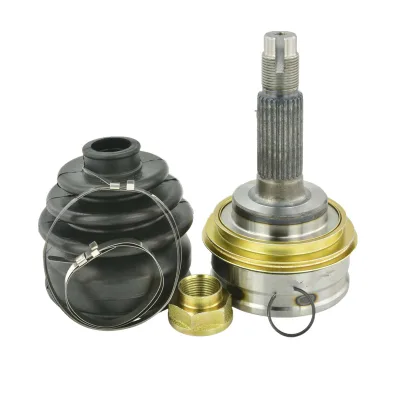
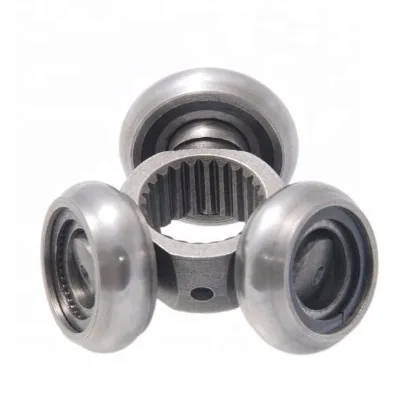
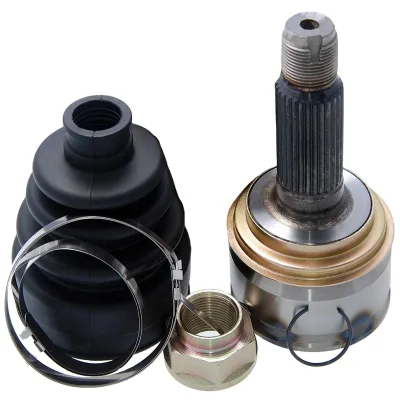




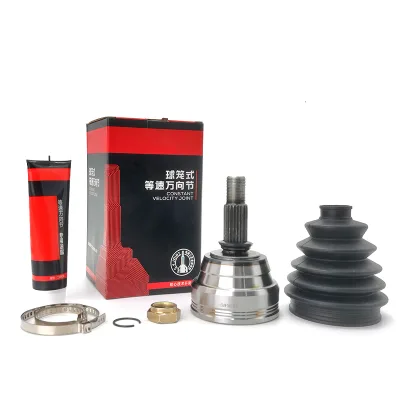


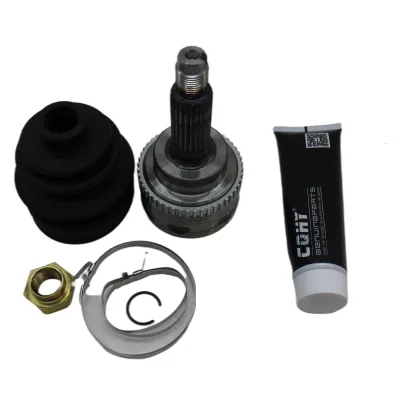

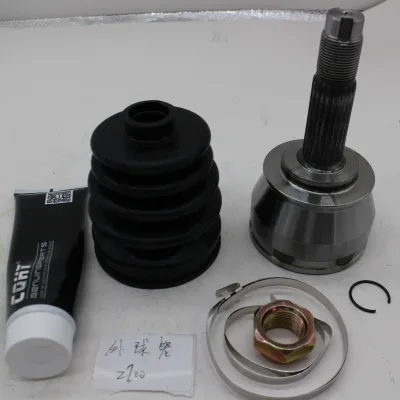


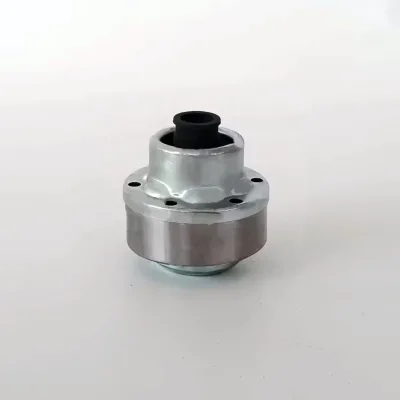


Comprehensive Sourcing Guide
Chile CV Joint Supplier Concentration and Factory Types
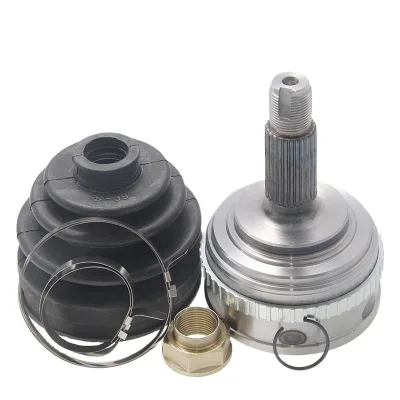
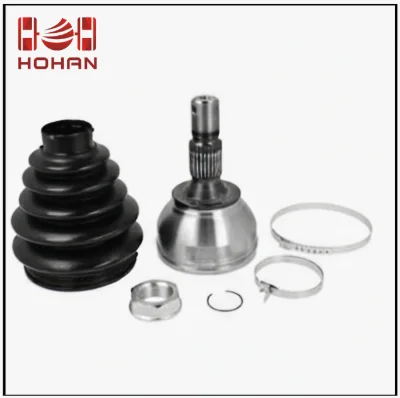
The current supplier landscape for Chile CV Joint components reveals a distinct concentration of trading companies rather than direct manufacturing facilities. Most entities in the results operate as intermediaries, facilitating the movement of parts from production hubs to international buyers. These trading companies typically aggregate inventory from various factories, offering a broader catalog that includes prop shafts, drive shaft kits, CV joints, control arms, and shock absorbers. This structure allows buyers to access diverse product lines through a single point of contact, though it necessitates careful verification of the actual manufacturing source to ensure quality control aligns with specific project requirements.
When evaluating the factory types available, it is crucial to distinguish between pure trading entities and those with direct production capabilities. The observed data indicates that many suppliers offer light customization, sample processing, and graphic processing services, suggesting a flexible approach to order fulfillment. However, the primary classification remains as trading companies, which implies that the physical production of the Chile CV Joint components occurs at third-party facilities. Buyers should inquire about the specific manufacturing partners for their orders to confirm that the production environment meets the necessary standards for automotive transmission systems and drive shafts.
How to Verify Chile CV Joint Suppliers
Verification of Chile CV Joint suppliers requires a rigorous examination of their certification status and third-party audit results. Several suppliers in the current results display system certifications such as REACH, ISO9001, and TS16949, which are critical for automotive parts compliance. Additionally, some entities have undergone verification by Intertek, providing an external layer of confidence regarding their business operations and product claims. Buyers must request current copies of these certificates and cross-reference them with the issuing bodies to ensure they have not expired or been revoked, as these documents are the primary evidence of a supplier's adherence to international quality and safety standards.
Beyond certifications, the response time and verification status of a supplier offer immediate insights into their operational reliability. The data shows response times as low as three days, indicating a level of engagement that is essential for resolving technical queries regarding Chile CV Joint specifications. Buyers should prioritize suppliers who demonstrate quick communication and have a verified status, as these factors often correlate with better order management and transparency. It is also advisable to check for specific product evidence, such as detailed technical attributes like precision of installation and surface hardness, which serve as tangible proof of the supplier's technical competence and product knowledge.
What to Compare Across Chile CV Joint Suppliers
Comparing suppliers for Chile CV Joint components involves analyzing key operational metrics such as minimum order quantities, lead times, and pricing structures. The observed data reveals a range of MOQs, with some suppliers requiring 100 sets while others mandate 200 sets or more. Lead times also vary, with specific instances showing a 20-day window for production and delivery. Buyers must weigh these factors against their inventory needs and project timelines, ensuring that the selected supplier can meet the required volume without causing delays in the supply chain. Price comparisons should also consider the unit cost, which ranges from approximately 4.20 to 7.19 dollars per unit depending on the specific product configuration and order volume.
In addition to volume and time, the technical specifications and customization capabilities of each supplier must be compared to ensure product compatibility. Attributes such as seal diameter, outer diameter, and heat treatment depth are critical for ensuring the Chile CV Joint fits the intended vehicle model, such as Toyota, Honda, or Jeep. Suppliers offering customized services, including OEM acceptance and specific material requirements like 20Cr or GCR15 steel, provide greater flexibility for unique applications. Buyers should create a comparison matrix that includes these technical parameters alongside commercial terms to identify the supplier that offers the best balance of quality, cost, and adaptability for their specific sourcing needs.
Common Chile CV Joint Sourcing Risks
One significant risk in sourcing Chile CV Joint components is the potential mismatch between the trading company's claims and the actual manufacturing capabilities. Since many suppliers are classified as trading companies, there is a risk that the buyer may not have direct oversight of the production process, potentially leading to inconsistencies in quality or delivery schedules. The reliance on intermediaries can obscure the true origin of the parts, making it difficult to trace defects back to the source factory. Buyers must mitigate this risk by demanding detailed information about the manufacturing partners and requesting factory audit reports to ensure that the production environment meets the required automotive standards.
Another critical risk involves the variability in product specifications and warranty terms across different suppliers. While some products offer a two-year warranty and precise installation tolerances of ≤0.03mm, others may have less defined quality guarantees. The lack of standardized warranty periods and the variation in material hardness, such as HRC56-62 versus HRC58-62, can lead to performance issues if the wrong specification is selected. Buyers must carefully review the product attributes, including surface hardness, heat treatment depth, and warranty duration, to ensure that the selected Chile CV Joint meets the durability and performance requirements of their specific application, avoiding potential failures in the field.
Chile CV Joint Regional Sourcing and Logistics
The regional sourcing of Chile CV Joint components is heavily influenced by the location of the manufacturing hubs, with Zhejiang, China, emerging as a primary production center. The data consistently indicates that the place of origin for the observed products is Zhejiang, suggesting a concentrated manufacturing cluster in this region. Buyers should leverage this knowledge to understand the logistics implications, as shipping from this specific region may offer optimized freight rates and established supply chains for automotive parts. However, it is essential to verify the exact location of the factory to ensure that the logistics route aligns with the buyer's delivery expectations and to avoid any potential delays caused by regional disruptions.
Logistics planning for Chile CV Joint orders must also account for packaging and weight specifications, which vary significantly across different product listings. Single package sizes range from compact 10x10x15 cm units to larger 50x25x25 cm packages, with single gross weights varying from 2.5 kg to 25 kg. These variations directly impact shipping costs and storage requirements at the destination. Buyers should calculate the total volume and weight of their order to estimate freight charges accurately and ensure that the packaging is robust enough to protect the components during transit. Additionally, understanding the warehousing management practices, such as first-in-first-out protocols, can help ensure that the received goods are fresh and free from long-term storage degradation.
Chile CV Joint Commercial Terms and Order Planning
Commercial terms for Chile CV Joint orders often include specific payment structures, such as a 30% deposit followed by the balance upon completion. This arrangement is common among suppliers offering customized services and requires buyers to plan their cash flow accordingly. The presence of accepted OEM services and customized product options further complicates the order planning process, as it may involve additional lead time for design approval and sample confirmation. Buyers must establish clear communication channels to finalize these details before placing a large order, ensuring that all technical and commercial expectations are aligned to prevent misunderstandings or delays in production.
Order planning for Chile CV Joint components also requires a strategic approach to inventory management and demand forecasting. Given the varying MOQs and lead times, buyers should assess their consumption rates to determine the optimal order quantity that balances cost efficiency with inventory holding costs. The availability of sample processing and graphic processing services allows for small-batch testing before committing to larger volumes, which can be a valuable strategy for new product introductions. By carefully analyzing the supplier's response time, lead time, and customization capabilities, buyers can develop a robust sourcing strategy that minimizes risk and ensures a steady supply of high-quality Chile CV Joint components for their operations.
FAQs
What is the minimum order quantity for CV joints?
The minimum order quantity is typically 100 to 200 sets depending on the specific product type. Buyers should verify the exact MOQ listed for their chosen item, as some inner joints require 100 sets while outer joints often require 200 sets for standard orders.
What certifications do these CV joint suppliers hold?
Suppliers generally hold ISO9001 and TS16949 certifications for manufacturing quality. Additionally, system certifications like REACH are observed for compliance. Buyers should request current certificate copies to verify that the specific supplier meets international automotive standards before placing large orders.
What is the typical lead time for production?
The standard lead time for production is approximately 20 days. This duration allows for manufacturing, quality control, and preparation for shipment. Buyers should confirm this timeline with the supplier, as rush orders or custom graphic processing may alter the delivery schedule.
What is the price range for these CV joints?
Prices for CV joints range from approximately $4.20 to $7.19 per unit. The cost varies based on the specific model, such as inner tripod joints versus outer CV joints, and the quantity ordered. Buyers should request a formal quote for accurate pricing.
What is the response time for supplier inquiries?
The average response time for supplier inquiries is 3 hours. This indicates a relatively quick turnaround for initial communications and quotation requests. Buyers can expect timely updates regarding stock availability and shipping details during the sourcing process.
Where are these CV joints manufactured?
These CV joints are manufactured in Zhejiang, China. This region is a known hub for automotive parts production. Buyers should verify the specific factory location and logistics capabilities to ensure efficient shipping and compliance with import regulations for their destination country.
What warranty is provided for CV joints?
A warranty of 2 years or 24 months is commonly provided for these CV joints. This coverage applies to manufacturing defects and ensures product reliability. Buyers should review the specific warranty terms and conditions with the supplier to understand the scope of coverage.