Source New Front Right Shock Absorber for SUVs
Find a New Front Right Shock Absorber from 30 verified listings. Compare specifications like coil spring types, hydraulic structures, and OEM numbers such as 333127. Source durable suspension parts for Mazda and other vehicle models with customizable options and warranty support.
Updated
Key considerations
Products List







Comprehensive Sourcing Guide
New Front Right Shock Absorber Sourcing Guide
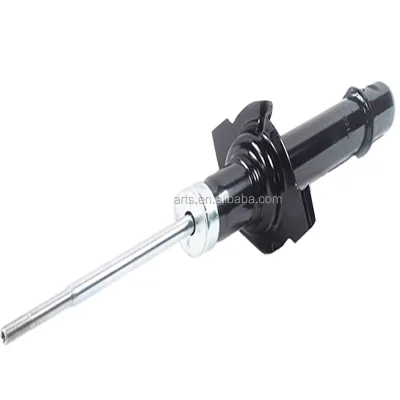
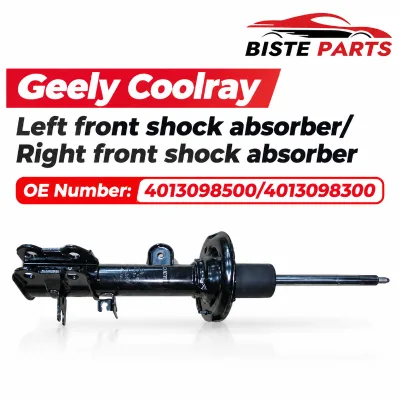
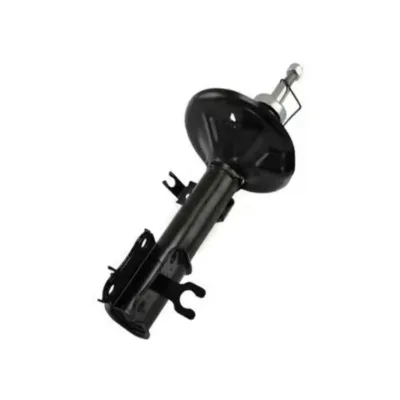
Procurement teams must first distinguish between general shock absorber listings and specific units designed for the front right position. The available data indicates that while many products are labeled simply as "shock absorber," specific entries explicitly define the position as "Front" or "Bottom of the vehicle," which is critical for accurate fitment. Buyers should verify that the product description explicitly states the intended location to avoid receiving rear or universal components that cannot be installed on the target axle.
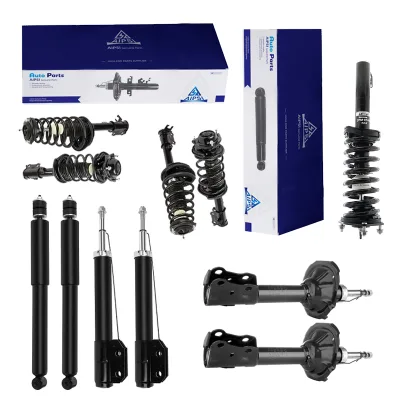
Additionally, the market shows a mix of single-item selling units and bulk packaging options, requiring careful review of the "Selling Units" attribute before placing an order. Some listings offer customization for specific vehicle models, while others are marked as "Universal" or tied to specific OE numbers like 37106869036. Sourcing strategies must account for these variations to ensure the selected component matches the exact mechanical requirements of the vehicle being serviced.
Product Scope and Observed Listing Signals
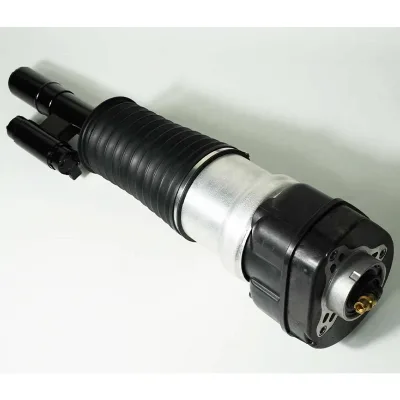
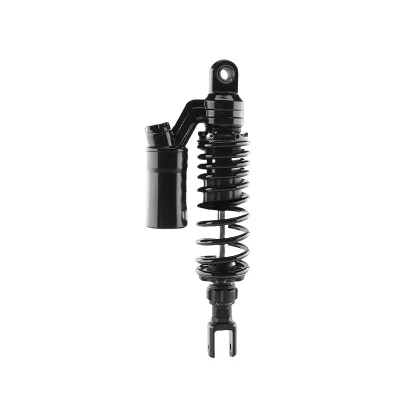
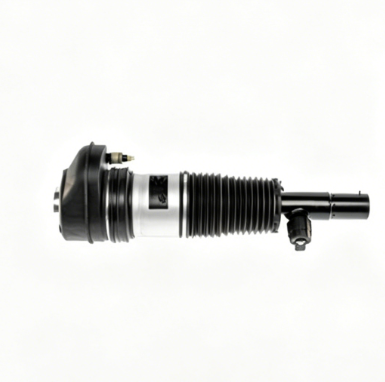
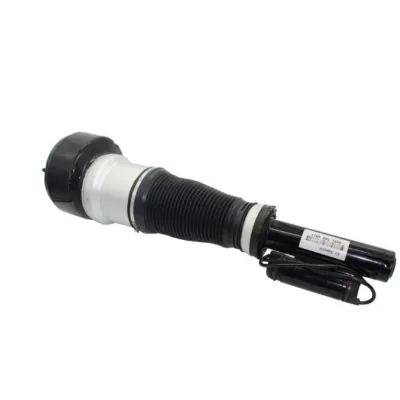
The observed product range includes items described as "air shock absorber" and standard "hydraulic" types, with some listings specifying a "Double Cylinder" structure. Buyers should note that while some products are marketed for the rear, others are explicitly designated for the front, and the "Position" attribute is the primary filter for identifying the correct component. The presence of "Coil Spring" types and "Steel" materials suggests a focus on durable suspension systems, but the specific configuration must align with the vehicle's existing architecture.
Listing signals also reveal a wide variance in packaging, ranging from "Carton foam" to "Pallet" delivery, which impacts logistics planning and storage requirements. Some suppliers offer "Sample" availability, allowing buyers to validate physical quality before committing to larger orders. However, the "Condition" is consistently listed as "New," and the "Purpose" is generally defined as "for replace/repair," confirming that these are aftermarket replacement parts rather than original equipment manufacturer inventory.
Technical Specifications to Verify
Verification of the model number is essential, as listings show specific designations like "2022-2025, for L460/L461" alongside generic "Shock Absorbr" labels. Buyers must cross-reference the "Model Number" and "OE NO." fields, such as 333127 or 333126, to ensure compatibility with the specific car make and model, such as Mazda or Land Rover variants. Relying solely on the generic product name without checking these specific identifiers can lead to significant installation failures and vehicle safety risks.
Dimensional accuracy is another critical technical parameter, with observed specifications including center distances of 320mm, 340mm, or 360mm. The "Size" is often listed as "OEM Standard," but the exact "center_distance" must be measured against the vehicle's mounting points to guarantee a proper fit. Furthermore, the "Damping Force" and "adjustable damping sections" features vary by product, requiring buyers to confirm that the selected unit provides the necessary performance characteristics for their specific driving conditions.
Compliance and Safety Documentation
While the provided data does not list specific international safety certifications, buyers must request documentation proving that the "New" condition parts meet local regulatory standards for automotive suspension components. The absence of explicit certification details in the listing means that the supplier must provide test reports or compliance statements to validate that the "Steel" and "Aluminum" materials used in construction are safe for high-stress applications. Without this verification, the risk of component failure under load remains unquantified.
Warranty terms are a key component of safety assurance, with observed listings offering a "1 year" or "1 Years" warranty period. Buyers should ensure that the warranty explicitly covers defects in material and workmanship for the specific "Front" position application. It is also necessary to confirm that the "Customization" options, if utilized, do not void the warranty or compromise the structural integrity of the "Double Cylinder" or "Hydraulic" systems.
Cost Drivers and Commercial Terms
Pricing in the observed market ranges from 1 to 230 USD, a variance driven by factors such as brand name, material composition, and specific vehicle compatibility. Listings for specialized units like the "air shock absorber" or those with "adjustable damping sections" likely command higher prices than standard "Shock Absorber Damper" units. Buyers must analyze the price per unit against the "MOQ" requirements, which range from 5 to 100 pieces, to determine the most cost-effective procurement strategy for their volume needs.
Commercial terms also include the "Packing" specifications, which can influence total landed costs. Options like "Plastic bag & carton box" or "Carton foam" may require different handling fees or insurance coverage during transit. Additionally, the "Sample" availability allows for cost-effective quality verification before bulk purchasing, helping to mitigate the financial risk associated with the wide price range and varying "Selling Units" observed in the market.
Supplier Qualification and Quality Control
Supplier origins are primarily located in Guangdong, Zhejiang, and Ningbo, China, indicating a concentrated manufacturing base for these suspension components. Buyers should verify the specific "Place of Origin" for each order, as regional differences in manufacturing processes can affect the consistency of the "Steel" and "Aluminum alloy" materials used. Establishing a relationship with suppliers who can consistently provide the "New" condition parts with the correct "Position" is vital for maintaining supply chain reliability.
Quality control protocols must be established to validate the "Customization" capabilities and the accuracy of the "Model Number" provided. Since some listings offer "Customization" and others are "Universal," buyers need to confirm that the supplier can adhere to strict tolerances for the "center_distance" and "Size." Regular audits or third-party inspections may be necessary to ensure that the "Double Cylinder" structure and "Hydraulic" performance meet the expected standards for automotive safety.
Long-Term Procurement Checks
Sustained procurement success requires ongoing monitoring of the "Warranty" performance and the consistency of the "Condition" of delivered goods. Buyers should track return rates and failure modes to ensure that the "1 year" warranty claims are honored and that the parts remain reliable over time. Regular feedback loops with the supplier can help identify any drift in manufacturing quality, particularly for components with specific "adjustable damping sections" or complex "Structure" designs.
Finally, long-term strategies should include periodic re-verification of the "OE NO." and "Model Number" compatibility as vehicle models evolve. The market shows specific designations for years like 2022-2025, suggesting that older stock may become obsolete or incompatible with newer vehicle revisions. Maintaining an updated database of compatible parts and supplier performance metrics will ensure that the procurement of "New Front Right Shock Absorber" units remains efficient and aligned with the latest automotive standards.
FAQs
What is the warranty period for new front right shock absorbers?
The warranty period is typically 1 year for these components. This coverage applies to manufacturing defects and ensures product reliability during initial use. Buyers should verify specific terms with the supplier to confirm if the warranty covers installation or only the part itself.
Can I customize the specifications for these shock absorbers?
Yes, customization is available for these shock absorbers. Suppliers offer tailored solutions to meet specific vehicle requirements or unique engineering needs. This flexibility allows buyers to adjust dimensions or materials, ensuring the product fits their exact application without compromising performance or safety standards.
What is the minimum order quantity for these parts?
The minimum order quantity ranges from 5 to 100 pieces depending on the supplier. Some vendors require a higher MOQ of 100 pieces for standard orders. Buyers should check individual listings to determine the exact threshold, as this varies by manufacturer and product specification.
Where are these shock absorbers manufactured?
These shock absorbers are primarily manufactured in Guangdong and Zhejiang, China. Some sources also list Ningbo as a place of origin. This regional concentration indicates a strong supply chain infrastructure in China, offering buyers access to competitive pricing and established manufacturing capabilities for automotive parts.
What materials are used in these shock absorbers?
These shock absorbers are constructed from rubber, steel, and aluminum. Some variants use aluminum alloy for specific components like springs or housings. The combination of these materials ensures durability and effective damping, providing a balance between strength and weight for optimal vehicle suspension performance.
How are these shock absorbers packaged for shipping?
Packaging typically includes carton foam, plastic bags, and carton boxes. Some suppliers use pallets for bulk shipments to ensure safety during transit. The packaging is designed to protect the shock absorbers from damage, with options available to meet specific buyer requirements for secure and efficient delivery.