Noise Reduction Digital Voice Recorder Suppliers and Manufacturers
Source 24 verified suppliers for Noise Reduction Digital Voice Recorder modules and devices. Compare grounded dimensions including lead times, MOQs, certifications, and response rates. Review product specifications and request quotes to streamline your procurement process; review the available evidence before requesting comparable quotations from suitable candidates.
Suppliers List

Tung Wing Electronics (Shenzhen) Co., Ltd.
- Trading Company
- China Guangdong
- Lead time45 days
- Avg. response≤ 25h
Main productsSound Module, Flashing Module, Recording Module, Greeting Cards, Keychain, Photo Frame, Optical Fiber Bags, Flashing Badge, Promotional Gift, Sound Pad
Main marketsSouth America,Southeast Asia/ Mideast,East Asia(Japan/ South Korea),Europe,Australia,North America

Dongguan AST Industry Co., Ltd.
- Verified by TUVRHEINLAND
- Manufacturer/Factory
- China Guangdong
- Lead time23 days
- Avg. response≤ 13h
Main productsSound Module, Voice Recorder, Video Brochure, Sound Chip, LED Flashing Module for POS, Musical Greeting Cards, Video Module, Musical Bottle Opener, Musical Postcards, DC Motor for Pop Dispay
Main marketsSouth America,Eastern Europe,Mid East,North America,Southeast Asia,Eastern Asia,Oceania,Western Europe,Africa

- Verified by SGS
- Trading Company
- China Zhejiang
- Lead time15 days
- Avg. response≤ 15h
Main marketsOthers(foreignTradeCapacity.exportBusinessCapacityMarketOther),North America

Factory Wholesale Digital Voice Recorder Noise Reduction Long Distance
$14.33 - $16.01
MOQ: 100 Pieces

High-Capacity Voice Recorder with Long Battery Life and Noise Reduction
$13.96 - $15.61
MOQ: 100 Pieces

Factory Direct Sale Portable Voice Recorder HD Noise Reduction Smart Voice Control
$9.71 - $10.86
MOQ: 100 Pieces

Professional Voice Recorder HD Noise Reduction Portable Audio Device Meeting Use
$7.53 - $8.41
MOQ: 200 Pieces

Hot Selling Ai Voice Recorder HD Noise Reduction Professional Audio Recording Device
$34.73 - $38.81
MOQ: 50 Pieces

Factory Supply Smart Voice Recorder HD Noise Reduction Long Standby Audio Device
$13.36 - $14.93
MOQ: 100 Pieces
Shenzhen Boccmy Technology Co., Ltd.
- Manufacturer, Trading Company
- Guangdong, China
- Lead time7 days
- Avg. response≤ 6h
Main productsDigital Voice Recorder,Wireless Earbuds,Waterproof Phone Bag,TWS Earphones & Headphones,Sports Earphones & Headphones
Main marketsNorth America(25.00%), Western Europe(20.00%), Southern Europe(10.00%), Northern Europe(8.00%), Oceania(8.00%), Southeast Asia(7.00%), South America(5.00%), Eastern Asia(5.00%), Eastern Europe(5.00%), Mid East(2.00%), South Asia(2.00%), Central America(2.00%), Africa(1.00%)

Excelltel Technology Co., Ltd.
- Combined
- China Guangdong
- Lead time30 days
- Avg. response≤ 1h
Main productsPabx, PBX, Telephone, Exchange, IP PBX, Switch, Pabx Factory, PBX Factory, Wireless Pabx, Telephone Exchanger
Main marketsSouth America,Africa,Southeast Asia/ Mideast,East Asia(Japan/ South Korea),Domestic,Europe,Australia,North America
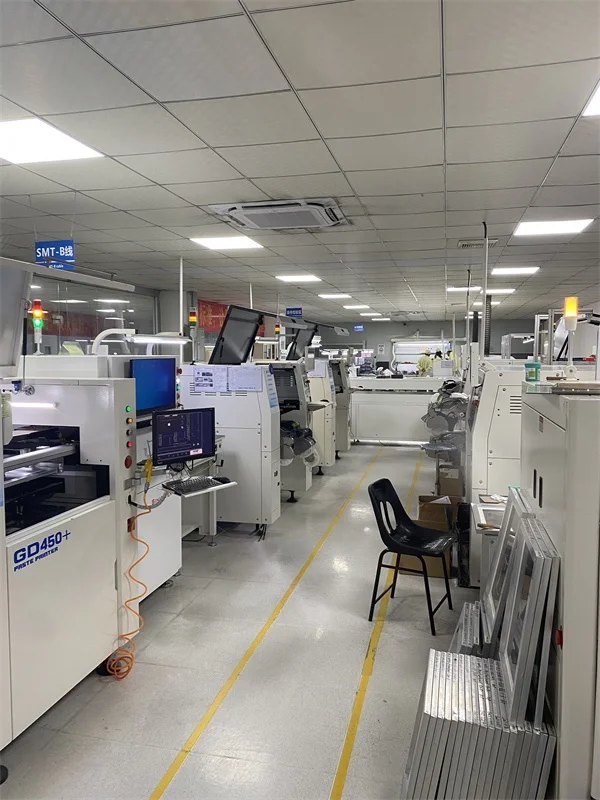
Shenzhen Cj Technology Co., Ltd.
- Manufacturer
- Guangdong, China
- Lead time5 days
- Avg. response≤ 6h
Main productsCar accessories,mini camera,Food tester,cctv camera,Digital camera
Main marketsEastern Asia(20.00%), North America(20.00%), Western Europe(12.00%), Central America(11.00%), Africa(6.00%), Northern Europe(5.00%), Southeast Asia(5.00%), Eastern Europe(5.00%), Southern Europe(5.00%), Mid East(5.00%), South Asia(3.00%), South America(3.00%)
Shenzhen Bangenkai Technology Co., Ltd.
- Manufacturer, Distributor/Wholesaler
- Guangdong, China
- Lead time5 days
- Avg. response≤ 3h
Main productsdigital voice recorder,mini camera,detectors,car reveres camera,car dash cam
Main marketsNorth America(25.00%), Southeast Asia(13.00%), Western Europe(10.00%), Eastern Europe(10.00%), Northern Europe(5.00%), Central America(5.00%), South America(5.00%), Eastern Asia(5.00%), Mid East(5.00%), South Asia(5.00%), Africa(5.00%), Oceania(3.00%), Domestic Market(2.00%), Southern Europe(2.00%)

Shenzhen Slinya Electronic Co., Ltd.
- Trading Company
- China Guangdong
- Lead time15 days
- Avg. response≤ 21h
Main productsMobile Phone Accessories, Computer Accessories, Consumer Electronics, Cable & Networking, Lights & Lighting, Security & Protection, Cameras & Photo Accessories, Home & Garden
Main marketsSouth America,Southeast Asia/ Mideast,East Asia(Japan/ South Korea),Domestic,Europe,Australia,North America

Q55 Professional Digital Voice Recorder Portable Noise Reduction Voice Activated Recorder MP3
$8.55 - $17.55
MOQ: 10 Pieces

USB Voice Recorder Recording Voice Activated Audio Recorder Digital Voice Recorder USB Flash
$3.35 - $7.85
MOQ: 10 Pieces

Mini Digital Voice Recorder Portable Sound Recorder MP3 Player Voice Activated Recorder
$10.55 - $22.55
MOQ: 10 Pieces


Q3 Recording Voice Activated Audio Recorder Digital Voice Recorder USB Flash
$8.55 - $18.85
MOQ: 10 Pieces

Q79 Recording Voice Activated Audio Recorder Digital Voice Recorder Long Standby Voice Recorder
$15.55 - $28.55
MOQ: 10 Pieces

Tianjin Caile Printing Co., Ltd
- Verified by TUVRHEINLAND
- Trading Company
- China Tianjin
- Lead time60 days
- Avg. response≤ 9h
Main productsPlanner, Journal, Notebook, Calendar, Box, Diary, PU Leather Binder, Pop up Book, First Aid Kit, Gift Set
Main marketsEurope,Australia,North America

$7.00 - $30.00
MOQ: 20 Pieces

$7.00 - $30.00
MOQ: 20 Pieces

Recording Voice Activated Audio Recorder Digital Voice Recorder Voice Recorder Long Standby
$7.00 - $30.00
MOQ: 20 Pieces

Pen Voice Recorder Portable Mini Recording Equipment Mini Audio Sound Voice Recorder Pen
$7.00 - $30.00
MOQ: 20 Pieces

$7.00 - $30.00
MOQ: 20 Pieces

Voice Activated Portable Mini Recording Device Voice Recorder Stereo Recorder
$7.00 - $30.00
MOQ: 20 Pieces
Shenzhen Huashengdi Technology Co., Ltd.
- Manufacturer
- Guangdong, China
- Lead time7 days
- Avg. response≤ 7h
Main productsVoice recorder,MP3,MP4,Camera product
Main marketsDomestic Market(55.00%), South Asia(30.00%), Northern Europe(3.00%), Western Europe(3.00%), North America(3.00%), Mid East(2.00%), Eastern Europe(2.00%), Southern Europe(2.00%)

Shenzhen City Autoe Technology Co., Ltd.
- Verified by SGS
- Trading Company
- China Guangdong
- Lead time15 days
- Avg. response≤ 3h
Main productsCar DVR, Car Camera, GPS Tracker, GPS Navigator, Mini Camera, Sport Camera, Car MP3 Player, Car FM Transmitter, Car Badge
Main marketsEurope,North America


8GB Digital Voice Activated Recorder Audio Recording Pen Noise Reduction MP3 (500)
$10.00 - $16.00
MOQ: 10 Pieces


D48 Anti Audio Recording Safety Devices Prevent Sound Recorder Anti Voice Recorder
$110.00 - $249.00
MOQ: 1 Pieces

128g Digital Voice Recorder Ai-Intelligent Triple Noise Reduction Magnetic
$19.00 - $28.00
MOQ: 10 Pieces

Shenzhen Junyi Hardware Manufacturing Mold Co., Ltd.
- Trading Company
- Guangdong, China
- Lead time0 days
- Avg. response≤ 5h
Main productsWireless Charging Mouse Pad, Portable Fans, Makeup Mirror, Mobile Phone Accessories, Digital Voice Recorders
Main marketsNorth America(45.00%), Western Europe(10.00%), Southern Europe(10.00%), Northern Europe(10.00%), South America(5.00%), Oceania(4.00%), Eastern Asia(4.00%), Africa(4.00%), Mid East(4.00%), Southeast Asia(4.00%)

GuangZhou Ronc Electronic Technology co.,LTD
- Verified by TUVRHEINLAND
- Manufacturer/Factory,Group Corporation
- China Guangdong
- Lead time15 days
- Avg. response≤ 4h
Main productsBlank CD DVD, Power Bank, USB Flash Drive, Portable Power Station, Memory Card, Smart Ring, Earphone, Hard Drive, CD DVD Duplicator, Mini PC
Main marketsSouth America,Eastern Europe,Mid East,North America,Southeast Asia,Eastern Asia,Oceania,Western Europe,Africa

Wearable Note Pin Ai Voice Recorder Mini Digital Audio Recorder with Noise Reduction Ai Notetaker
$32.10 - $37.80
MOQ: 20 Pieces


64GB USB Disk Mini Voice Recorder with Magnetic for Meeting Digital Recorder 40h Recording
$42.00 - $46.00
MOQ: 50 Pieces

- Verified by SGS
- Trading Company
- China Guangdong
- Lead time15 days
- Avg. response≤ 10h
Main productsConsumer Electronics, Car Accessories, Mini Thermal Printers, Garden Lights, Lawn Mower Accessories, Portable Speakers, Digital Camera, Mini Projectors
Main marketsOthers(foreignTradeCapacity.exportBusinessCapacityMarketOther),Europe

Q73 8GB Mini Voice Recorder - Rechargeable, Noise Reduction, HD Recording
$16.27 - $18.38
MOQ: 1 Pieces


Q73 64GB Voice Recorder - Voice Activated, Noise Reduction, HD Dictaphone
$33.00 - $37.08
MOQ: 1 Pieces

$13.00 - $14.49
MOQ: 1 Pieces

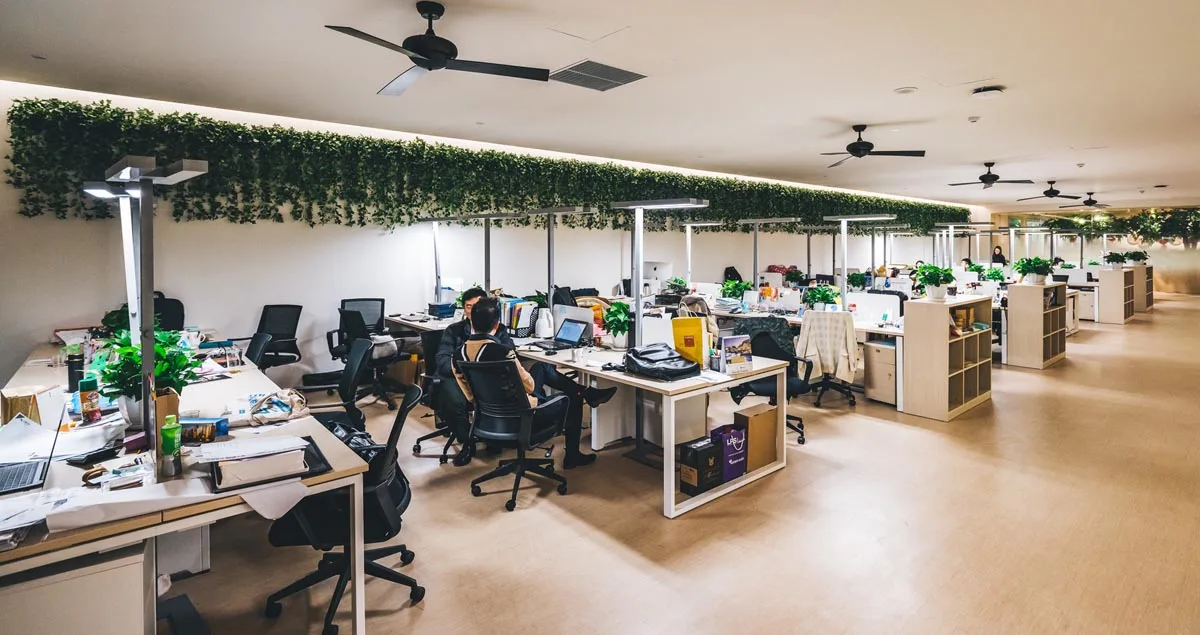
Shenzhen Alishang Trading Co., Ltd.
- Manufacturer, Trading Company, Buying Office
- Guangdong, China
- Lead time5 days
- Avg. response≤ 7h
Main productsSignal Amplifier,Signal RF Module,Signal Detector,refurbished phones,refurbished laotops
Main marketsSouth America(30.00%), North America(26.60%), Western Europe(9.90%), Eastern Europe(8.80%), Northern Europe(5.60%), Eastern Asia(3.50%), Oceania(3.10%), Southeast Asia(3.10%), South Asia(2.20%), Mid East(2.20%), Central America(2.00%), Domestic Market(1.10%), Southern Europe(1.00%), Africa(0.90%)

Shanghai Yongjia International Trading Co., Ltd.
- Trading Company
- China Shanghai
- Lead time30 days
- Avg. response≤ 13h
Main productsExhibition Booth, Light Box, Glasses, Trade Show Stands, Tent, Pop up Stands
Main marketsSouth America,Africa,Southeast Asia/ Mideast,East Asia(Japan/ South Korea),Domestic,Europe,Australia,North America

Voice Activated Recorder Mini Digital Voice Recorder Micro Sound Dictaphone MP3
$14.50 - $15.00
MOQ: 10 Pieces


Shenzhen Keda Technology Co., Ltd.
- Manufacturer, Trading Company
- Lead time旺季: "1 - 50":5,"> 50":"To be negotiated", 淡季: "1 - 50":5,"> 50":"To be negotiated"
- Avg. response≤ 2h
Main productswireless charger,charger cable,mobile accessories,phone holder,phone case
Shenzhen Qianbao Technology Co., Ltd.
- Trading Company
- Guangzhou, China
- Lead time7 days
- Avg. response≤ 12h
Main productsGraphic card,CPU,Motherboard,Cooling plate,Fans
Main marketsNorth America(20.00%), Northern Europe(10.00%), Domestic Market(10.00%), Eastern Europe(10.00%), Mid East(10.00%), Western Europe(8.00%), Southern Europe(8.00%), Southeast Asia(5.00%), South America(5.00%), Eastern Asia(5.00%), Central America(3.00%), Africa(2.00%), South Asia(2.00%), Oceania(2.00%)
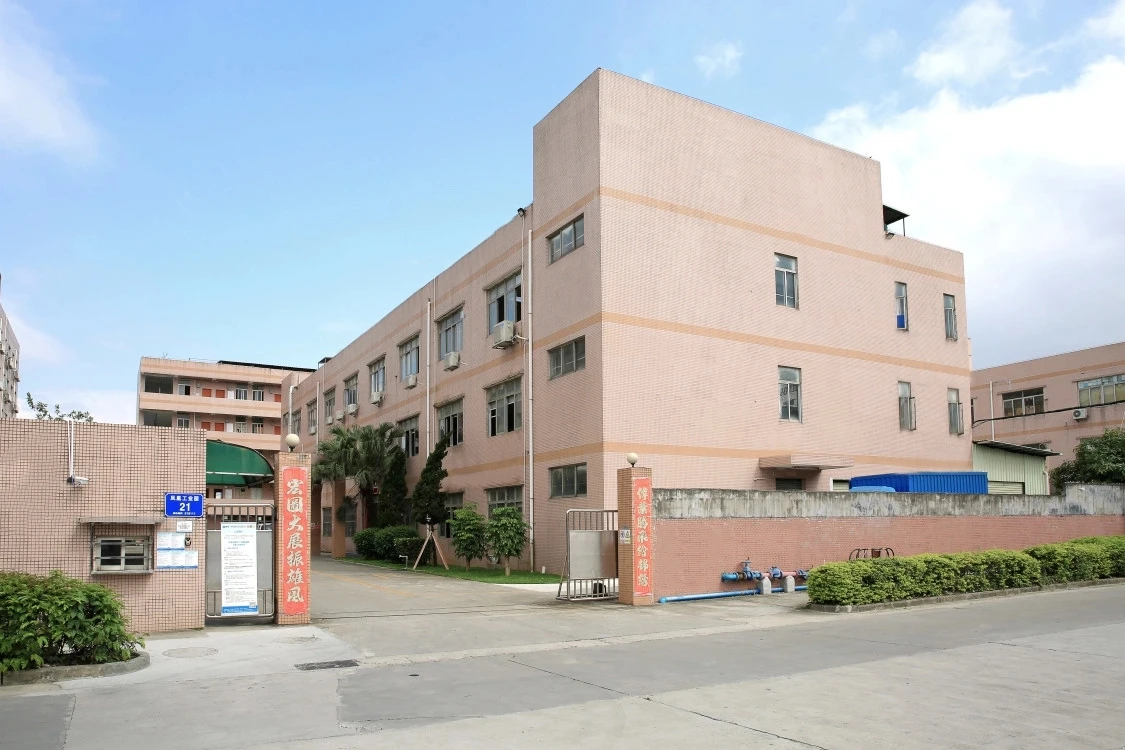
Shenzhen Wbtd Technology Co., Ltd.
- Manufacturer
- Guangdong, China
- Lead time5 days
- Avg. response≤ 5h
Main productsCamera Accessories,Live Equipments,Photographic Lightings,Photo Studio,Tripods & Monopods
Main marketsCentral America(15.00%), Western Europe(15.00%), Northern Europe(10.00%), Eastern Europe(10.00%), Domestic Market(5.00%), South Asia(5.00%), Southern Europe(5.00%), Southeast Asia(5.00%), South America(5.00%), North America(5.00%), Eastern Asia(5.00%), Mid East(5.00%), Oceania(5.00%), Africa(5.00%)
Shenzhen Smile Technology Co., Ltd.
- Manufacturer, Trading Company, Distributor/Wholesaler
- Guangdong, China
- Lead time0 days
- Avg. response≤ 4h
Main productsCameraPhoto&Accessories,Chargers Batteries&Power Supplies,Commonly Used Accessories&Parts,Computer Hardware&Software,Earphone&Headphone&Accessories
Main marketsNorth America(45.00%), Eastern Europe(30.00%), Southeast Asia(15.00%), Southern Europe(5.00%), Northern Europe(5.00%), Western Europe(5.00%), Oceania(5.00%), South America(5.00%)

Shenzhen Langdeli Technology Co., Ltd.
- Manufacturer/Factory
- China Guangdong
- Lead time23 days
- Avg. response≤ 13h
Main productsAir Quality Montior, Gas Detector, Mini Camera, Voice Recorder, Geiger Counter
Main marketsSouth America,Eastern Europe,Mid East,North America,Southeast Asia,Eastern Asia,Oceania,Western Europe,Africa

Naturally Secret Sound Recorder with Flexible Mini Size Magnetic Suction Voice Recorder
$37.00 - $41.00
MOQ: 2 Pieces

Newly Designed Recorder with 128GB Storage Support Mini Size Voice Recorder
$37.00 - $41.00
MOQ: 2 Pieces
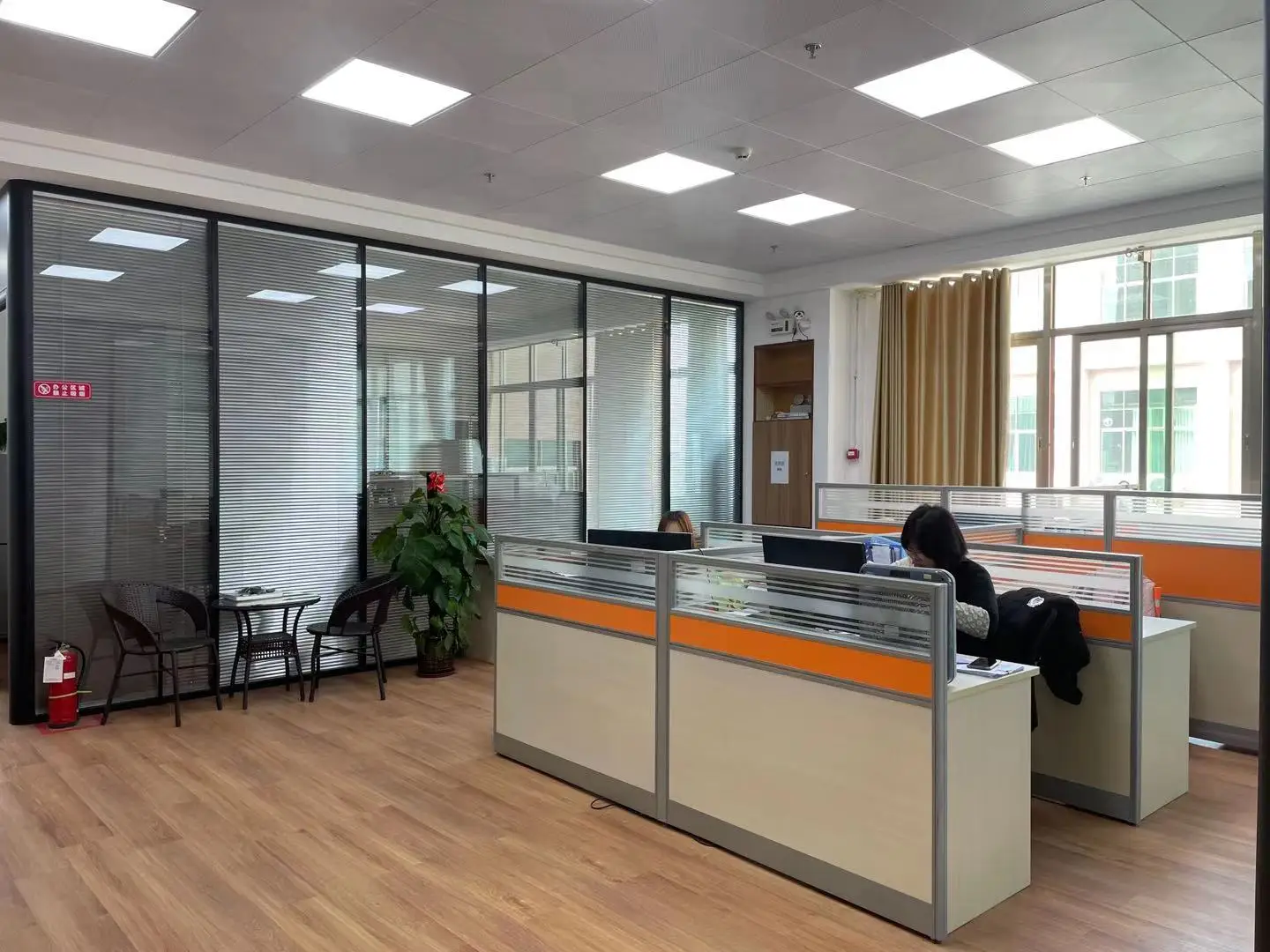
Shenzhen Dawetop Technology Co., Ltd.
- Manufacturer
- Guangdong, China
- Lead time0 days
- Avg. response≤ 4h
Main productsSound card,Microphone,Voice recorder,Microscope,Motorcycle headset
Main marketsSouth America(55.00%), Domestic Market(20.00%), North America(10.00%), Southeast Asia(10.00%), Central America(8.00%), Northern Europe(6.00%), Eastern Europe(5.00%), Western Europe(5.00%), Southern Europe(5.00%), Mid East(5.00%), Eastern Asia(3.00%), South Asia(3.00%), Africa(1.00%), Oceania(1.00%)

Jungle Electronic Technology Co., Limited
- Manufacturer, Trading Company
- Guangdong, China
- Lead time0 days
- Avg. response≤ 9h
Main productsCCTV camera,Car dash camera,Hidden camera,Miner,Detector
Main marketsSouthern Europe(16.00%), Northern Europe(15.00%), Western Europe(10.00%), North America(10.00%), Mid East(10.00%), Eastern Europe(10.00%), South America(5.00%), Oceania(5.00%), Africa(5.00%), Southeast Asia(5.00%), South Asia(3.00%), Domestic Market(2.00%), Central America(2.00%), Eastern Asia(2.00%)
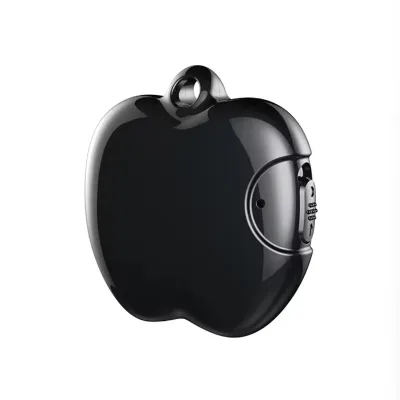
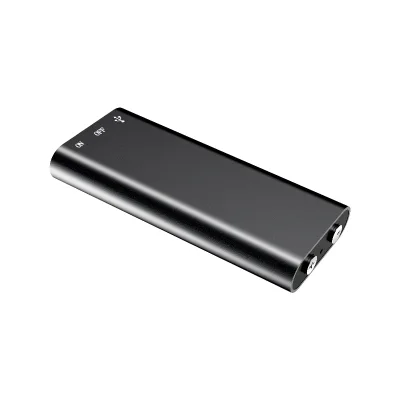
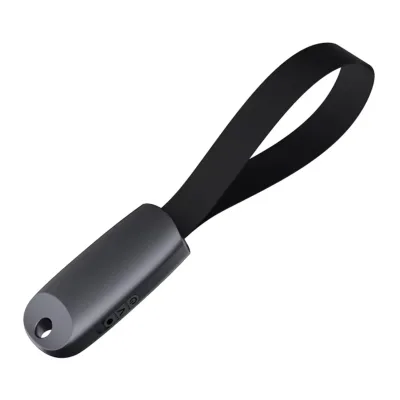
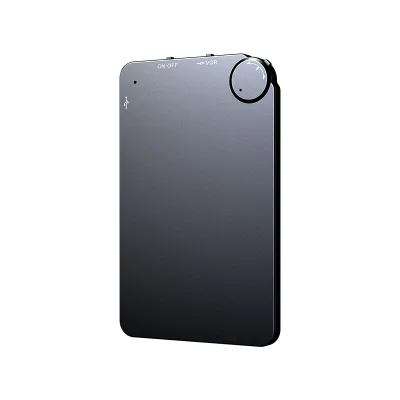
High Quality Portable Digital Voice Recorder 32GB/16GB/8GB Storage Capacity Records MP3/WAV Formats
$7.18 - $11.80
MOQ: 1 Minimum
Kinghal Electronics (HK) Limited
- Trading Company
- Hong Kong S.A.R.
- Lead time7 days
- Avg. response≤ 3h
Main productsVoice Recorder, Wireless Microphone, Music Player
Main marketsNorth America(50.00%), South America(5.00%), Oceania(5.00%), Western Europe(5.00%), Southern Europe(5.00%), Eastern Asia(5.00%), Northern Europe(5.00%), Eastern Europe(5.00%), Mid East(5.00%), Southeast Asia(5.00%), Africa(3.00%), South Asia(2.00%)


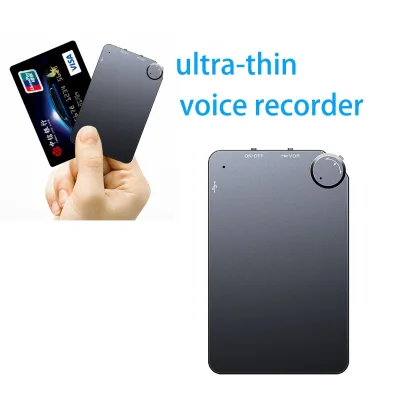
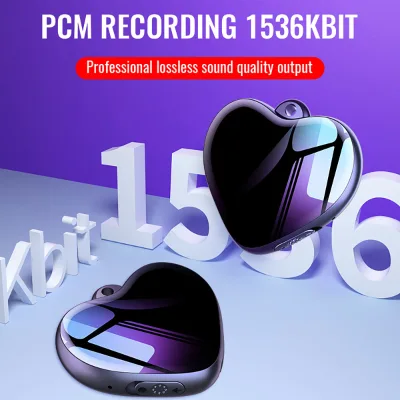


Comprehensive Sourcing Guide
Noise Reduction Digital Voice Recorder Supplier Concentration and Factory Types
The available data indicates a concentration of suppliers in China Guangdong, specifically with origins noted in Shenzhen for specific product lines. This region serves as a primary hub for electronic components and consumer electronics manufacturing, including sound modules and voice recording devices. Buyers should verify if a supplier's stated location matches their actual factory address, as many entities listed as manufacturers may operate primarily as trading companies. The distinction is critical because trading companies often aggregate products from various factories, whereas manufacturers control the production process directly. Some suppliers in the current results are identified as trading companies, while others are explicitly labeled as manufacturers or factories. This variation affects the buyer's ability to negotiate custom specifications and manage quality control directly at the source.
When evaluating the supplier type, buyers must look for evidence of in-house production capabilities rather than relying solely on marketing claims. The presence of specific product attributes like "Sounding IC Box" or "Electronic Accessories" suggests a focus on component-level manufacturing. However, the absence of system certifications like ISO 9001 for some entities indicates a need for deeper due diligence. Buyers should request proof of factory ownership or long-term partnerships with production lines to confirm the supplier's classification. Understanding whether a supplier is a direct manufacturer or a trading intermediary is essential for determining the feasibility of customizing noise reduction features and managing the supply chain effectively.
How to Verify Noise Reduction Digital Voice Recorder Suppliers
Verification begins with checking for recognized third-party certifications and system standards that validate a supplier's operational integrity. Some suppliers in the current dataset display certifications such as ISO 14001, ISO 9001, SEDEX, and QC 080000, which indicate adherence to environmental, quality, and social compliance standards. Others may lack system certifications entirely, requiring buyers to request specific product-level certifications like CE, RoHS, CCC, ASTM F963-96a, or EN71. These product standards are particularly relevant for electronic toys and educational devices, ensuring safety and regulatory compliance in target markets. Buyers should not assume that a supplier's general business license is sufficient; specific electronic and toy safety certifications are mandatory for noise reduction voice recorders intended for children or professional use.
Beyond certifications, buyers must assess the supplier's verification status and response capabilities to gauge reliability. The data shows some suppliers have been verified by entities like TÜV Rheinland, which adds a layer of trust regarding their business legitimacy. Response times vary significantly, with some suppliers showing a response time of 12.86 hours while others take up to 25 hours. A faster response time often correlates with better communication channels and more active sales teams, which is crucial for resolving technical queries about noise reduction technology. Buyers should prioritize suppliers with verified status and rapid response times, as these factors reduce the risk of miscommunication and delays during the sourcing process.
What to Compare Across Noise Reduction Digital Voice Recorder Suppliers
When comparing suppliers, lead time is a primary metric that influences inventory planning and delivery schedules. The observed data reveals a wide range in lead times, with some suppliers offering a 23-day turnaround while others require 45 days. This variance can significantly impact a buyer's ability to meet market demand, especially for time-sensitive promotional campaigns or seasonal product launches. Buyers should calculate the total time from order placement to shipment, including any potential delays for custom tooling or quality inspections. A shorter lead time does not always guarantee better quality, so it must be balanced against the supplier's production capacity and reliability history.
Minimum Order Quantity (MOQ) and pricing structures are equally critical factors in supplier selection. Current results show MOQs ranging from 2000 to 3000 units, with unit prices varying between $0.65 and $4.00 depending on the product model and customization level. Suppliers with lower MOQs may be more suitable for startups or test orders, while those with higher volumes might offer better economies of scale. Buyers must also compare the specific product attributes, such as battery type, recording time, and material composition, to ensure they match the intended application. A supplier offering a price of $1.00 with a 2000-unit MOQ might be more cost-effective than one charging $3.00 with a 3000-unit MOQ, depending on the total budget and sales volume projections.
Common Noise Reduction Digital Voice Recorder Sourcing Risks
One significant risk involves the discrepancy between a supplier's claimed capabilities and their actual production capacity. Some suppliers list themselves as manufacturers but may lack the specific engineering expertise required for advanced noise reduction technology. Without clear evidence of in-house R&D or specific product development capabilities, buyers risk receiving generic products that do not meet technical specifications. The presence of "Customization: Available" claims should be scrutinized to ensure the supplier has the technical infrastructure to implement custom noise reduction features rather than simply offering standard off-the-shelf items. Buyers should request detailed technical drawings or prototypes to validate these claims before committing to an order.
Another risk is the inconsistency in product standards and safety certifications across different suppliers. While some products list comprehensive certifications like CE, RoHS, and SGS, others may only provide basic compliance or none at all. This inconsistency can lead to regulatory issues in the destination market, particularly for electronic devices sold to children or in regions with strict safety laws. Buyers must verify that every unit in the order carries the necessary certifications for the target market, rather than relying on a sample's compliance. Additionally, the lack of system certifications for some suppliers increases the risk of quality control failures, making it essential to implement rigorous pre-shipment inspections to mitigate potential defects.
Noise Reduction Digital Voice Recorder Regional Sourcing and Logistics
The primary sourcing region identified in the data is China Guangdong, with specific product origins noted in Shenzhen. This region is well-established for electronics manufacturing, offering a robust supply chain for components like IC chips and plastic casings. However, buyers should verify the exact location of the factory, as some suppliers may be located in different provinces while claiming a Guangdong address. Logistics from this region are generally efficient, but lead times can vary based on the specific factory location and the complexity of the order. Buyers should confirm the shipping origin to accurately estimate transit times and freight costs, as delays in customs or logistics can occur if the supplier's location is not clearly defined.
Logistics planning must also account for packaging standards and export requirements. The data indicates that products are typically packed in individual polybags, inner boxes, and standard export cartons, which are suitable for international shipping. However, buyers should ensure that the packaging meets the specific requirements of their destination market, including labeling and safety warnings. For suppliers with longer lead times, such as those requiring 45 days, buyers should plan their inventory orders well in advance to avoid stockouts. Understanding the regional logistics capabilities of the supplier helps in selecting a partner who can deliver goods reliably and on schedule, minimizing the risk of supply chain disruptions.
Noise Reduction Digital Voice Recorder Commercial Terms and Order Planning
Commercial terms, including payment methods and escrow services, play a vital role in securing a safe transaction. While the current data does not explicitly detail escrow availability for all suppliers, buyers should prioritize platforms or suppliers that offer secure payment protection. This ensures that funds are only released once the goods are verified to meet the agreed specifications. Buyers should also clarify the terms for customization, as some suppliers may charge additional fees for tooling or design changes. Understanding the full cost structure, including unit price, tooling fees, and shipping costs, is essential for accurate budgeting and preventing unexpected expenses during the order process.
Order planning requires a clear understanding of the supplier's production capacity and response time. Suppliers with faster response times, such as those under 13 hours, are better equipped to handle urgent requests and last-minute changes. Buyers should align their order timelines with the supplier's lead time, ensuring that production starts immediately after payment confirmation. For suppliers with longer lead times, such as 45 days, buyers should place orders well in advance to accommodate the production cycle. Additionally, buyers should establish clear communication channels to monitor production progress and address any issues promptly, ensuring that the final delivery meets the required quality standards and deadlines.
FAQs
What is the typical lead time for voice recorder orders?
Lead times vary by supplier, with observed ranges from 23 to 45 days. Buyers should confirm specific delivery schedules before placing orders. Some manufacturers offer faster turnaround for standard models, while customized units may require additional processing time to ensure quality.
What are the minimum order quantities for digital recorders?
Minimum order quantities typically start at 2000 units for standard voice modules. Some suppliers require 3000 units for specific product lines like educational toys. Buyers must verify the exact MOQ with each vendor, as requirements differ based on customization and product type.
Which certifications do these voice recorders hold?
Products often carry CE, RoHS, and CCC certifications for safety and compliance. Some educational toys also meet ASTM F963-96a and EN71 standards. System certifications like ISO 9001 or ISO 14001 may apply to the manufacturing facility rather than individual units.
Where are these digital voice recorder manufacturers located?
Most suppliers operate from Guangdong, China, with specific origins noted in Shenzhen. Products are often shipped from this region to international markets. Buyers should verify the exact factory location to assess logistics costs and potential supply chain risks.
What is the price range for these voice recording modules?
Unit prices generally range from 0.65 to 4.00 USD depending on features and volume. Simple sound modules may cost around 0.65 USD, while specialized recorders can reach 4.00 USD. Prices are subject to change based on order quantity and customization requirements.
How quickly do suppliers typically respond to inquiries?
Response times vary, with some suppliers replying within 12.86 hours and others taking up to 25 hours. Faster response rates often indicate higher availability or dedicated sales teams. Buyers should expect delays during peak seasons or holidays.
Are these voice recorders suitable for children's education?
Many products are explicitly designed for children's education and toy applications. Features include replaceable batteries and durable ABS plastic construction. Some models also include safety certifications like ASTM and EN71 to ensure they meet child safety standards.
What customization options are available for voice modules?
Customization is available for size, packaging, and recording time. Buyers can request specific product numbers or designs for promotional gifts. Packaging options include PVC bags or standard export cartons, allowing flexibility for different distribution needs.