Non-Greasy Moisturizing Baby Lotion Suppliers and Manufacturers
Explore 28 verified options for Non-Greasy Moisturizing Baby Lotion from China Guangdong and Jiangsu. Compare certifications like GMP and ISO, response times, lead times, and MOQs to find suitable factories. Contact suppliers directly to request samples and confirm customization details.
Suppliers List

Guangzhou Shiruoni Cosmetics Co., Ltd.
- Trading Company,Manufacturer/Factory,Group Corporation
- China Guangdong
- Lead time15 days
- Avg. response≤ 6h
Main productsSkin Care, Jelly Mask, Face Serum, Face Toner, Face Cream, Facial Mask, Sunscreen, Face Cleanser, Soap, Skin Care Set
Main marketsSouth America,Eastern Europe,Mid East,North America,Southeast Asia,Eastern Asia,Oceania,Western Europe,Africa

Immense Care (Suzhou) Biotechnology Co., Ltd.
- Verified by TUVRHEINLAND
- Trading Company
- China Jiangsu
- Lead time30 days
- Avg. response≤ 20h
Main productsHand Sanitizer
Main marketsEurope
Ausmetics Daily Chemicals (Guangzhou) Co., Ltd.
- Verified by TüVRheinland
- Manufacturer, Trading Company
- Lead time40 days
- Avg. response≤ 6h
Main productsSkin Care, Bath & Body Care, Hair Care, Mom & Baby Care, Disinfectant
Main marketsDomestic Market(40%), Eastern Europe(10%), Western Europe(8%)

Guangzhou Beaver Cosmetic Co., Ltd.
- Verified by BV
- Combined
- China Guangdong
- Lead time30 days
- Avg. response≤ 4h
Main productsHair Care, Hair Styling, Hair Building Fiber, Hair Smoothing Treatment, Body Care, Hand Care, Pet Care
Main marketsAfrica,Others(foreignTradeCapacity.exportBusinessCapacityMarketOther),Southeast Asia/ Mideast,East Asia(Japan/ South Korea),Europe,Australia,North America
Guangzhou Hisun Health Technology Co., Ltd.
- Verified by SGS Group
- Trading Company
- Lead time3 days
- Avg. response≤ 3h
Main productsWhitening Cream, Face Serum, Face Mask, Sunscreen, Beard Oil
Main marketsNorth America(25%), Africa(20%), South Asia(12%)
Guangzhou Miyan Biotechnology Co., Ltd.
- Verified by TüVRheinland
- Manufacturer, Trading Company
- Lead time40 days
- Avg. response≤ 4h
Main productsFace Cream, Face Serum, Facial Mask, Beard Kit, Body Lotion
Main marketsNorth America(40%), Southeast Asia(15%), South America(5%)
Guangzhou Chingo Cosmetic Co., Ltd.
- Verified by TüVRheinland
- Manufacturer, Trading Company
- Lead time15 days
Main productsFace Care Products, Body Care Products, Hair Care Products
Main marketsNorth America(45%), Western Europe(15%), Mid East(10%)

Guangzhou Danjia Cosmetics Co., Ltd.
- Verified by BV
- Manufacturer/Factory
- China Guangdong
- Lead time0 days
- Avg. response≤ 19h
Main productsDizao Facial Masks, Breast Enlarging Cream Slimming Cream, Dizao Foot Mask, Bb Cream, Breast Enlarging/ Hip up /Slimming Cream, Facial Cleanser, Body Lotion, Razor Shaving Cream, Facial Cream, Hand Cream
Main marketsSouth America,Eastern Europe,Mid East,North America,Southeast Asia,Eastern Asia,Oceania,Western Europe,Africa

Zhejiang Qianfei Enterprise Co., Ltd.
- Combined
- China Zhejiang
- Lead time45 days
- Avg. response≤ 16h
Main productsBody Mist, Body Lotion, Body Cream, Perfume, Body Spray, Body Splash, Fragrance Mist, Hand Sanitizer, Fragrance, Hand Cream
Main marketsSouth America,Southeast Asia/ Mideast,Europe

Guangzhou Aifujia Biotechnology Co., Ltd.
- Trading Company
- China Guangdong
- Lead time15 days
- Avg. response≤ 6h
Main productsFace Cream, Face Serum, 24K Serum, Rose Spray, Vitamin C Serum, Skin Care Set, Essential Oil, Facial Mask, Face Lotion, Anti Aging Whitening Face Cream
Main marketsSoutheast Asia/ Mideast,Europe,North America

Hangzhou Huiji Biotechnology Co., Ltd.
- Verified by BV
- Combined
- China Zhejiang
- Lead time30 days
- Avg. response≤ 7h
Main productsShampoo, Detergent, Dish Washing, Hand Liquid Soap, Air Freshener, Conditioner, Urinal Block, Shower Gel, Glass Cleaner, Floor Cleaner
Main marketsSouth America,Africa,Southeast Asia/ Mideast,East Asia(Japan/ South Korea),Domestic,Europe,Australia,North America

Guangzhou Chingo Cosmetic Co., Ltd.
- Verified by TUVRHEINLAND
- Combined
- China Guangdong
- Lead time15 days
- Avg. response≤ 7h
Main productsHair Regrowth Oil, Hair Regrowth Shampoo, Hair Regrowth Spray, Hair Regrowth Powder, Face Mask, Face Cream, Face Serum, Hand Lotion, Body Lotion, Face Cleanser
Main marketsDomestic,North America

Moisturizing Soothing Mild Lotion for Baby Skin Lightening Whitening Cream Lotion
$1.85 - $2.50
Moq: 1000


Mild Hydrating Nourishing Soothing Moisturizing Reduce Dryness Baby Body Lotion
$1.85 - $2.50
Moq: 500


OEM Hypoallergenic Fragrance-Free Daily Moisturizing Baby Lotion for Sensitive Skin
$1.85 - $2.50
Moq: 500


PLANET (ANHUI) INTERNATIONAL CO., LTD.
- Verified by BV
- Combined
- China Jiangsu
- Lead time60 days
- Avg. response≤ 1h
Main productsBandage, First Aid Kits, Band Aid, Wound Dressing, Foot Patch, Knee Brace, Knee Support, Knee Pad, Adhesive Tape, Compression Stocks
Main marketsNorth America

Sanli Biotechnology (Dalian) Co., Ltd
- Verified by SGS
- Combined
- China Liaoning
- Lead time15 days
- Avg. response≤ 6h
Main productsSkin Care Product
Main marketsDomestic

Gentle Baby Scented Moisturizing Body Skin Lotion for Infant Care Retail Partners
$4.80 - $5.90
Moq: 100

Private Label Soothing Baby Organic Hydrating Body Lotion for Infant Retail Markets
$4.80 - $5.90
Moq: 100

Bulk Gentle Baby Organic Moisturizing Body Skin Lotion for Infant Care Partnerships
$4.80 - $5.90
Moq: 100

Bulk Soothing Baby Gentle Hydrating Skin Body Lotion for Infant Care Manufacturing
$4.80 - $5.90
Moq: 100


Guangzhou Medicinal Cosmetics International Pharmaceutical Biotechnology Co., Ltd.
- Manufacturer, Trading Company
- Guangdong, China
- Lead time30 days
- Avg. response≤ 8h
Main productsToner, Essence, Face Cream, Sun Cream, Facial Mask
Main marketsSoutheast Asia(25.0%), Eastern Asia(10.0%), North America(10.0%), South America(10.0%), Oceania(10.0%), Mid East(10.0%), South Asia(5.0%), Western Europe(5.0%), Southern Europe(5.0%), Central America(5.0%), Eastern Europe(5.0%)
Guangzhou Gelan Biotechnology Co., Ltd.
- Verified by TüVRheinland
- Manufacturer, Trading Company
- Lead time15 days
Main productsFace Toner & Lotion, Face Cream, Face Serum, Facial Mask, Body Care
Main marketsDomestic Market(40%), North America(15%), Southeast Asia(15%)
Guangzhou Chengzhe Meifu Cosmetic Co., Ltd.
- Verified by Intertek
- Trading Company
- Lead time0 days
Main productsFacial Care, Body Care, Pet Care, Oral Care, Men's Care
Main marketsNorth America(65%), Western Europe(15%), Northern Europe(10%)

Guangzhou Meikou Biotechnology Co., Ltd.
- Verified by SGS
- Combined
- China Guangdong
- Lead time15 days
- Avg. response≤ 25h
Main productsSkin Care, Cosmetic, Facial Mask, Face Care, Body Care, Lyophilized Powder, Umbilical Extract
Main marketsDomestic
Guangzhou Aifujia Biotechnology Co., Ltd.
- Verified by Intertek
- Trading Company
- Lead time15 days
Main productsSkin Care Set, Essential Oil, Serum, Cream, Wash And Care
Main marketsNorth America(30%), Mid East(15%), Western Europe(15%)
Jiangxi Global Natural Spice Co., Ltd.
- Verified by TüVRheinland
- Manufacturer, Trading Company
- Lead time15 days
Main productsEssential Oil, Carrier Oil, Skin Toner, Shampoo
Main marketsWestern Europe(35%), North America(30%), Oceania(10%)
Shantou Haiheng Cosmetic Co., Ltd.
- Verified by Intertek
- Manufacturer, Trading Company
- Lead time0 days
- Avg. response≤ 6h
Main productsShampoo, Lotion, Toothpaste, Foundation Make-up, Hair Conditioner
Main marketsMid East(37%), Africa(28%), South America(13%)
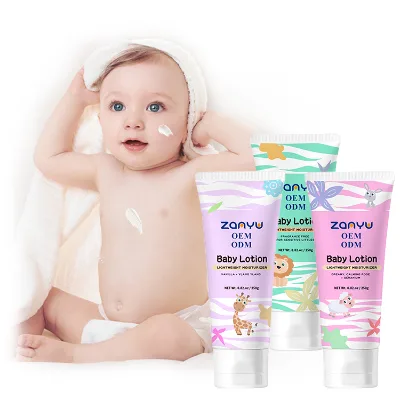
Guangzhou Zanyu Cosmetics Co., Ltd.
- Verified by TüVRheinland
- Manufacturer, Trading Company
- Lead time30 days
Main productsInfant And Toddler Care Products, Personal Care Products, Personal Cleaning Products, Household Cleaning Products, Pet Care Products
Main marketsDomestic Market(42%), Southeast Asia(20%), North America(10%)
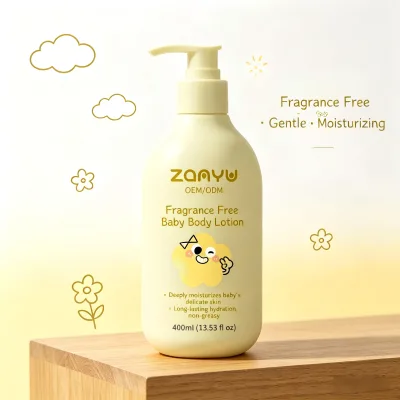
Private Label Newborn Shea Moisturizer Baby Lotion 500ml With Olive Oil Extract
$1.68 - $1.88
Moq: 5000

Suzhou Darpool Import and Export Co., Ltd.
- Verified by BV
- Trading Company
- China Jiangsu
- Lead time15 days
- Avg. response≤ 2h
Main productsShampoo, Body Lotion
Main marketsSoutheast Asia/ Mideast

Baby Safe Organic Marula Oil Body Lotion Mild Formula for Mother & Kids Daily Care
$0.65 - $0.70
Moq: 5000


Fragrance Free Marula Oil Lotion Gentle Sensitive Care for Infants Delicate Skin
$0.65 - $0.70
Moq: 5000

Guangzhou Mebamy Cosmetics Co., Ltd.
- Verified by TUVRHEINLAND
- Manufacturer/Factory
- China Guangdong
- Lead time15 days
- Avg. response≤ 5h
Main productsFace Serum, Soap, Face Cream, Sunscreen, Eyelash Growth Serum, Teeth Whitening, Face Mask, Facial Cleanser, Essential Oil, Hair Care Series
Main marketsNorth America,Western Europe
Guangzhou Jiating Daily Chemical Co., LTD
- Manufacturer
- Guangdong, China
- Lead time7 days
- Avg. response≤ 2h
Main productscloth clean product,kitchen and bathroom clean product,Home care product,Clean effervescent tablet series,Beauty makeup products
Main marketsCentral America(25.0%), Eastern Europe(20.0%), North America(10.0%), South America(10.0%), Eastern Asia(5.0%), Southeast Asia(5.0%), Domestic Market(5.0%), Southern Europe(5.0%), Mid East(3.0%), Africa(3.0%), Oceania(2.0%), South Asia(2.0%), Western Europe(2.0%), Northern Europe(2.0%)

Baoda Paper Enterprise Co., Ltd.
- Verified by TUVRHEINLAND
- Combined
- China Guangdong
- Lead time30 days
- Avg. response≤ 10h
Main productsToilet Paper, Box Facial Tissue, Pocket Tissue, Soft Pack Facial Tissue, Paper Napkin/Serviette, Paper Towel, Kitchen Paper
Main marketsAustralia,North America
Guangzhou Jimei Biology Technology Co., Ltd.
- Trading Company
- Guangdong, China
- Lead time0 days
- Avg. response≤ 1h
Main productsAnti-spot serum/Eyelash Growth Serum,whitening/Bleaching cream,Hair Growth Oil/shampoo,Slimming Cream,Body lotion
Main marketsNorth America(30.0%), South America(20.0%), Africa(13.0%), Domestic Market(7.000000000000001%), Eastern Europe(5.5%), Western Europe(5.0%), Southern Europe(5.0%), Oceania(5.0%), Northern Europe(3.0%), Southeast Asia(2.0%), Eastern Asia(2.0%), South Asia(1.0%), Mid East(1.0%), Central America(0.5%)
Karsten Cosmetic Gifts Pty. Ltd.
- Verified by TüVRheinland
- Manufacturer, Trading Company
- Lead time45 days
- Avg. response≤ 8h
Main productsBody Wash, Shampoo, Body Lotion, Bath Fizzer, Perfume
Main marketsNorth America(44%), Western Europe(40%), Domestic Market(10%)












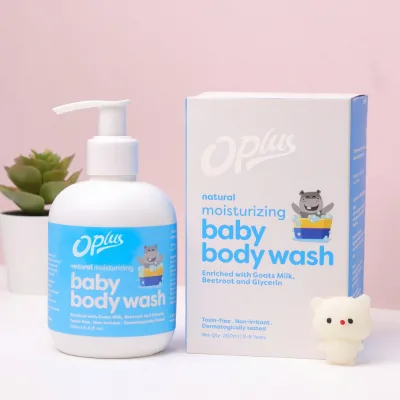
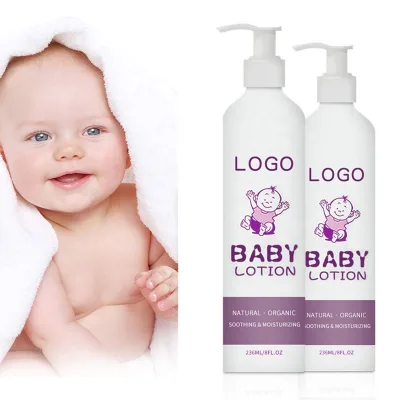
Comprehensive Sourcing Guide
Non-Greasy Moisturizing Baby Lotion Supplier Concentration and Factory Types
Current data indicates that active suppliers for Non-Greasy Moisturizing Baby Lotion are concentrated in specific Chinese provinces, with Guangdong and Jiangsu emerging as primary manufacturing hubs. Fact records show multiple entities operating within Guangdong, offering a mix of trading companies, manufacturers, and group corporations. These facilities often list skin care, body lotion, and baby care as their main products, suggesting a specialized cluster for infant hygiene goods. In contrast, suppliers located in Jiangsu appear to focus more narrowly on specific items like hand sanitizer or general disinfectants, though some also list baby body lotion within their broader catalog. This geographic split implies that buyers seeking dedicated baby skin care production should prioritize the Guangdong cluster, where the density of relevant product lines is higher.
When evaluating factory types, the results reveal a diverse landscape ranging from pure trading companies to full-scale manufacturers with in-house R&D capabilities. Some suppliers explicitly state they offer OEM and ODM services, including customized formulas and private labeling, which is critical for brands seeking unique Non-Greasy Moisturizing Baby Lotion formulations. Others operate primarily as trading entities, potentially sourcing from third-party factories while managing logistics and quality control. The presence of group corporations suggests larger operational scales, potentially offering more robust supply chain stability. Buyers must distinguish between these models, as manufacturers typically provide greater control over ingredient sourcing and production timelines, whereas trading companies may offer broader product variety but less direct oversight of the manufacturing process.
How to Verify Non-Greasy Moisturizing Baby Lotion Suppliers
Verification of supplier credibility relies heavily on checking specific third-party certifications and verification badges rather than relying on self-reported claims. The available data highlights several key certifications associated with these suppliers, including ISO 20000, GMP, GMPC, ISO 22716, Sedex, CPNP, and Halal. Some product listings further specify compliance with CE, FDA, MSDS, COA, and CPSR standards, which are essential for baby care products entering international markets. Additionally, verification badges from recognized bodies like TÜV Rheinland appear in the records, serving as an external validation of the supplier's operational integrity. Buyers should treat these certifications as mandatory checkpoints, ensuring that the specific standards listed match the regulatory requirements of their target export markets before proceeding with any engagement.
Beyond certifications, response time and verification status provide immediate indicators of supplier reliability and engagement levels. The observed response times vary significantly, with some suppliers responding within approximately six hours while others take nearly twenty hours. A faster response time often correlates with a more active sales team and better communication channels, which is vital for resolving technical queries about Non-Greasy Moisturizing Baby Lotion formulations. Furthermore, the presence of a verified badge, such as the TÜV Rheinland mark, adds a layer of trust regarding the supplier's business license and operational history. Buyers should prioritize suppliers who display both high-level certifications and rapid response metrics, as these factors combined suggest a professional operation capable of handling complex international orders efficiently.
What to Compare Across Non-Greasy Moisturizing Baby Lotion Suppliers
Comparing suppliers requires a systematic analysis of lead times, minimum order quantities, and pricing structures to ensure alignment with business needs. The data shows lead times ranging from 15 days to 40 days, indicating significant variation in production capacity and scheduling flexibility. Minimum order quantities (MOQ) also differ, with some suppliers requiring 1,000 pieces while others set the threshold at 10,000 pieces. This disparity is crucial for buyers with varying inventory strategies; smaller brands may find the lower MOQ suppliers more accessible, whereas larger retailers might negotiate better rates with high-volume producers. Pricing is another key variable, with observed ranges starting around $1.40 and extending to $2.50 per unit, depending on volume, customization, and packaging requirements.
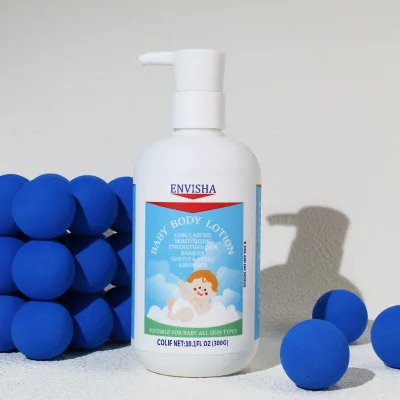
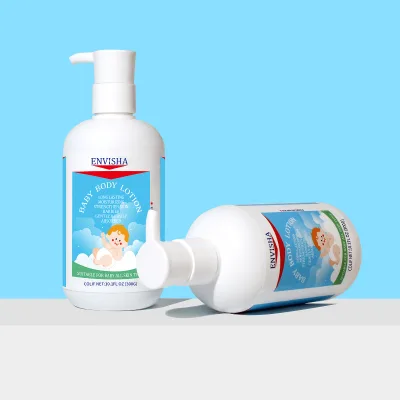
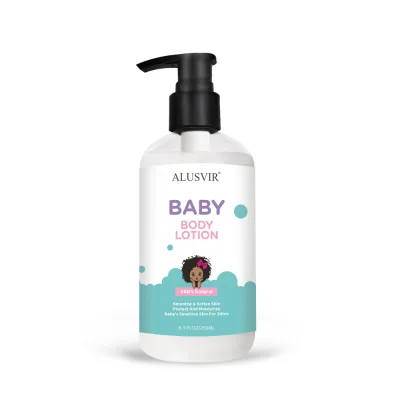
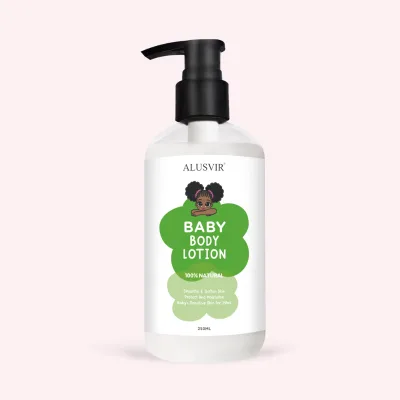
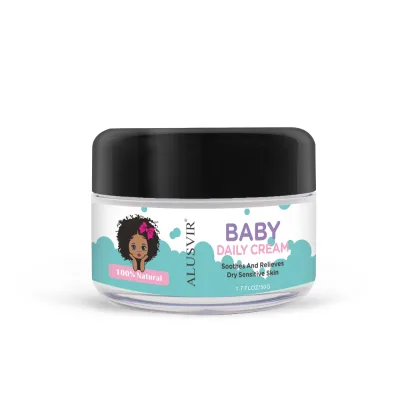
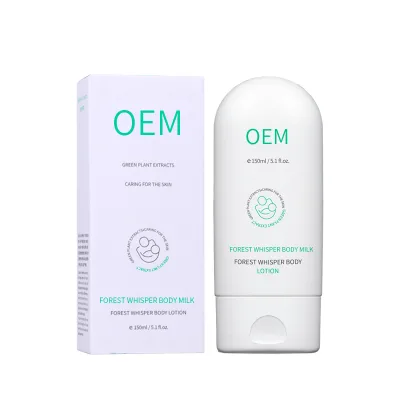
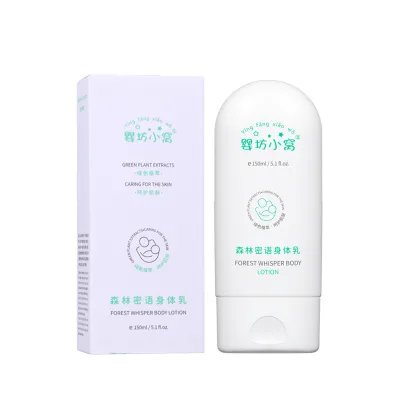
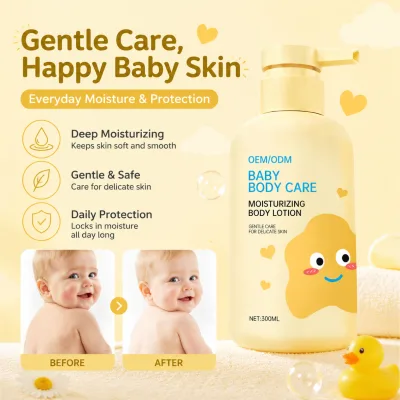
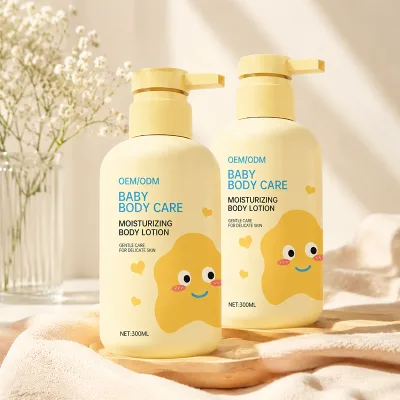
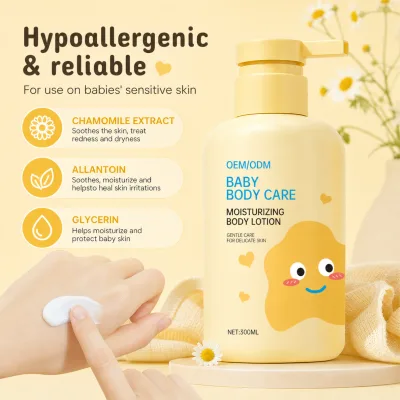
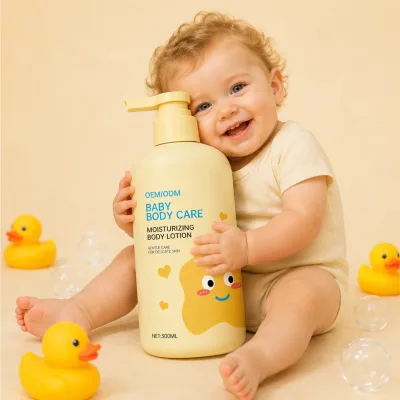
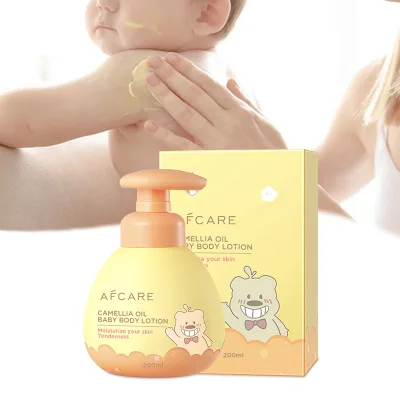
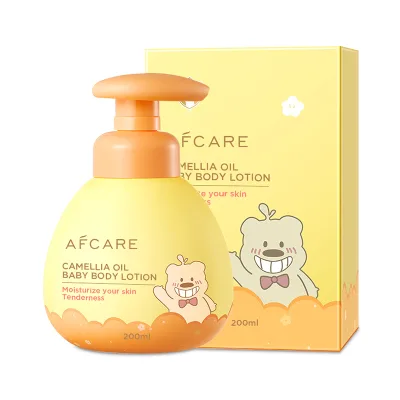
In addition to logistics and cost, buyers must compare the specific product attributes and customization capabilities offered by each supplier. The records indicate that many suppliers offer customization for volume, such as 150ml, 250ml, or 500ml options, and allow for private logo placement. Some products feature specific ingredients like shea butter or herbal extracts, while others emphasize fragrance-free and hypoallergenic properties suitable for sensitive baby skin. The ability to customize formulas, including whitening or nourishing functions, varies by supplier, with some explicitly stating they accept OEM/ODM requests. Buyers should create a comparison matrix that weighs these product-specific features against the supplier's lead time and MOQ to identify the most suitable partner for their specific Non-Greasy Moisturizing Baby Lotion requirements.
Common Non-Greasy Moisturizing Baby Lotion Sourcing Risks
One significant risk in sourcing Non-Greasy Moisturizing Baby Lotion involves the potential mismatch between claimed certifications and actual product compliance. While suppliers list extensive certifications like GMP, ISO 22716, and FDA, these labels do not guarantee that every batch produced meets the specific regulatory standards of the buyer's destination country. For instance, a supplier might hold a general GMP certificate but lack specific approvals for cosmetic ingredients used in baby products in the European Union or North America. Buyers must verify that the certifications listed on the product page correspond to the specific product model and batch, rather than assuming the entire factory is compliant for all product lines. This distinction is vital to avoid customs delays or product recalls due to non-compliance.
Another critical risk is the variability in lead times and the potential for production delays that can disrupt supply chains. The observed lead times range from 15 to 40 days, a wide gap that suggests inconsistent production scheduling or capacity constraints among suppliers. A supplier promising a 15-day turnaround might face unexpected delays due to raw material shortages or equipment maintenance, while a 40-day lead time might indicate a more stable but slower operation. Additionally, the reliance on third-party logistics or trading companies can introduce further uncertainty regarding shipping and delivery schedules. Buyers should mitigate this risk by securing clear contractual terms regarding delivery dates and penalties for delays, ensuring that the supplier has a contingency plan for maintaining production continuity.
Non-Greasy Moisturizing Baby Lotion Regional Sourcing and Logistics
Sourcing from the identified Chinese regions, particularly Guangdong and Jiangsu, offers distinct logistical advantages and challenges that buyers must navigate. Guangdong, with its concentration of manufacturers and group corporations, provides a robust ecosystem for baby skin care production, often resulting in shorter lead times and better access to raw materials. The proximity of these factories to major ports facilitates efficient export logistics, reducing transit times and shipping costs for international buyers. In contrast, suppliers in Jiangsu may have different logistical profiles, potentially focusing on different product lines or requiring longer transit times depending on their specific location relative to shipping hubs. Buyers should assess the specific port of loading for each supplier to optimize their shipping routes and minimize freight expenses.
Logistics planning also involves understanding the packaging and shipping standards required for baby care products. The data indicates that suppliers offer various packaging options, including blank bags, OEM paper packages, and bottles, which can impact shipping volume and weight. Some products are packed in 180ml or 250ml bottles, while others offer customized volumes, influencing the number of units per container and overall freight costs. Buyers must ensure that the packaging meets international safety standards for baby products, including secure sealing and clear labeling. Additionally, the shelf life of the products, noted as three years in some records, should be factored into inventory planning to prevent spoilage during transit. Coordinating with suppliers on packaging specifications and shipping methods is essential for maintaining product quality and cost efficiency.
Non-Greasy Moisturizing Baby Lotion Commercial Terms and Order Planning
Commercial terms for Non-Greasy Moisturizing Baby Lotion orders are heavily influenced by the supplier's MOQ and pricing structure, which can vary significantly across the market. With MOQs ranging from 1,000 to 10,000 pieces, buyers must carefully calculate their initial order volume to balance inventory costs with cash flow constraints. Pricing tiers, observed between $1.40 and $2.50 per unit, often depend on the order size and customization level, meaning that larger orders may yield better per-unit costs. Buyers should negotiate based on their projected sales volume, seeking volume discounts while ensuring that the supplier can meet the required production schedule. Understanding these commercial terms is essential for developing a realistic budget and avoiding unexpected cost overruns during the procurement process.
Order planning must also account for the supplier's response time and capacity to handle custom requests, which can impact the overall timeline. Suppliers with faster response times, such as those responding within six hours, are better positioned to address urgent inquiries and adjust production schedules as needed. However, buyers should verify that the supplier's claimed capacity aligns with their actual production capabilities, especially when requesting custom formulas or private labeling. The availability of samples and the ability to process graphic designs are additional factors that influence the speed of order fulfillment. By aligning their order planning with the supplier's response capabilities and production capacity, buyers can ensure a smoother procurement process and timely delivery of Non-Greasy Moisturizing Baby Lotion products.
FAQs
What certifications do baby lotion suppliers hold?
Suppliers offer certifications including ISO 20000, GMP, GMPC, ISO 22716, Sedex, CPNP, and Halal. Some products also carry CE, FDA, and MSDS approvals. Verify specific product labels to ensure compliance with your target market regulations before placing bulk orders.
What is the typical lead time for orders?
Lead times vary between 15 and 40 days depending on the supplier and order volume. Some manufacturers in Guangdong provide faster turnaround, while others in Jiangsu may require up to 30 days. Confirm the exact delivery schedule with your chosen vendor before finalizing payment terms.
What are the minimum order quantities for baby lotion?
Minimum order quantities typically start at 1000 pieces for standard products. Some suppliers require higher volumes, such as 10000 pieces for specific fragrance-free formulas. Check individual product listings to confirm the exact MOQ required for your specific customization needs and budget constraints.
Can suppliers provide OEM and ODM services?
Yes, many manufacturers offer OEM and ODM services with customized formulas and private labeling. Suppliers support own brand development, graphic processing, and sample processing. Customization is available for volume, ingredients, and packaging to meet your specific brand requirements and market positioning.
Where are the baby lotion manufacturers located?
Manufacturers are primarily located in Guangdong and Jiangsu provinces in China. These regions host trading companies and factories specializing in skin care and baby products. Verify the specific factory location to assess logistics costs and shipping times for your international distribution network.
What is the price range for baby body lotion?
Prices generally range from 1.40 to 2.50 USD per unit depending on volume and specifications. Specific products like goat milk lotion or herbal formulas fall within this bracket. Contact suppliers for exact pricing based on your order quantity and customization requirements to secure the best deal.
How quickly do suppliers respond to inquiries?
Response times vary, with some suppliers replying within 5 hours and others taking up to 20 hours. Faster response rates are common among manufacturers in Guangdong. Check the specific supplier profile to gauge their communication speed and ensure timely coordination for your sourcing project.