Non-Coating Carbon Steel Wok Suppliers and Manufacturers
Source 24 verified suppliers for Non-Coating Carbon Steel Wok products. Compare key dimensions including location, response time, lead time, and certifications to identify suitable partners. Review product specifications and pricing details to initiate direct inquiries with qualified manufacturers; review the available evidence before requesting comparable quotations from suitable candidates.
Suppliers List

Hebei Bigking Cookware Co., Ltd.
- Manufacturer/Factory
- China Hebei
- Lead time23 days
- Avg. response≤ 25h
Main productsCast Iron Cookware, Cast Iron Dutch Oven, Cast Iron Skillet, Cast Iron Grill Pan, Cast Iron Casserole, Cast Iron Oven Dish, BBQ, Fondue Set, Teapot, Frying Pan
Main marketsSouth America,Eastern Europe,North America,Western Europe

- Verified by SGS
- Trading Company,Manufacturer/Factory
- China Guangdong
- Lead time45 days
- Avg. response≤ 1h
Main productsStainless Steel Cookware, Stainless Steel Untensil, Stainless Steel Kitchenware, Stainless Steel Colander Bowl, Stainless Steel G. N Pan, Stainless Steel Pressure Cooker, Stainless Steel Buckets, Stainless Steel Dishes Rack, Stainless Steel Chafing Dishes, Stainless Steel Fittings
Main marketsSouth America,Eastern Europe,Mid East,North America,Southeast Asia,Eastern Asia,Oceania,Western Europe,Africa


Qualities Product Safe and Reliable Skillful Manufacture Stainless Steel Wok Pan
$1.90 - $20.30
MOQ: 120 Pieces

$2.00 - $10.00
MOQ: 120 Pieces


Chaozhou City Chaoan Dist. Caitang Town Xinyuan Stainless Steel Factory
- Verified by Intertek
- Manufacturer, Trading Company
- Lead time30 days
Main productsCooking Pot Set, Kitchen Ware, Cookware Set, Cooking Pot, Steamer Pot
Main marketsDomestic Market(25%), Western Europe(15%), South America(14%)
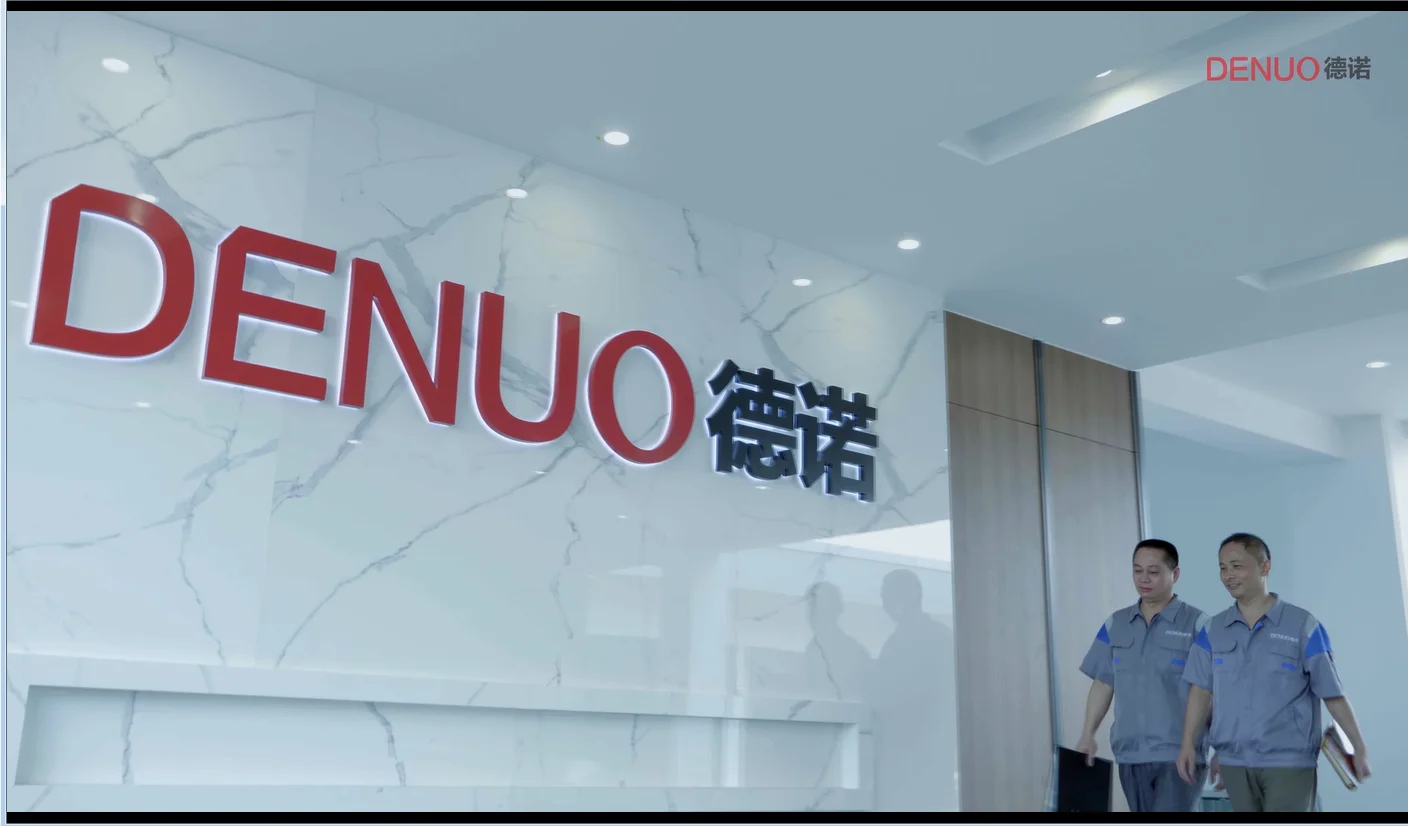
Yongkang Denuo Electric Appliances Co., Ltd.
- Manufacturer, Trading Company
- Zhejiang, China
- Lead time20 days
- Avg. response≤ 8h
Main productsCookware
Main marketsDomestic Market(50.00%), Western Europe(15.00%), Northern Europe(10.00%), North America(8.00%), Southern Europe(5.00%), Eastern Europe(5.00%), Southeast Asia(5.00%), Eastern Asia(2.00%)

Chaozhou Chao'an Yusheng Hardware Products Co., Ltd
- Verified by SGS
- Manufacturer
- China Guangdong
- Lead time15 days
- Avg. response≤ 3h
Main productsStainless Steel Gn Pan, Stainless Steel Buffet Dish, Stainless Steel Chafing Dish, Stainless Steel Juice Dispenser, Stainless Steel Milk Can, Stainlese Steel Barral, PC Gn Pan, Stainless Steel Deep Tray, Stainless Steel Soup Kettle, Stainless Steel Food Warmer
Main marketsDomestic


Craft Wok Chinese Stainless Steel Wok with Wooden and Steel Helper Handle
$2.00 - $4.00
MOQ: 100 Pieces


$3.00 - $98.00
MOQ: 100 Pieces
Tongling Dingyan Import and Export Trading Co., Ltd.
- Trading Company
- China Anhui
- Lead time0 days
- Avg. response≤ 2h
Main productsOutdoor Fryer & Burners, Turkey Fryer, Seafood Pot Kit, Burners
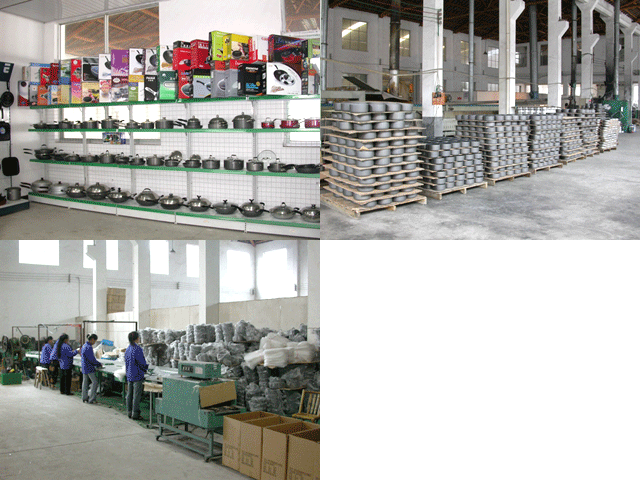
Wuyi Huakang Electric Appliance Co., Ltd.
- Manufacturer, Trading Company
- Zhejiang, China
- Lead time0 days
- Avg. response≤ 2h
Main productsCookware,fry pans,sauce pots,milk pots,casserole
Main marketsWestern Europe(11.11%), Eastern Asia(11.11%), Mid East(11.11%), Oceania(11.11%), Africa(11.11%), Southeast Asia(11.11%), Eastern Europe(11.11%), South America(11.11%), North America(11.11%)

Hebei Cookwin Kitchen Products Co., Ltd.
- Verified by BV
- Trading Company,Manufacturer/Factory
- China Hebei
- Lead time30 days
- Avg. response≤ 3h
Main productsCast Iron Cookware, Cast Iron Casserole, Cast Iron Frypan, Cast Iron Skillet, Cast Iron Dutch Oven, Cast Iron Griddle, Cast Iron Fondue, Cast Iron Wok, Cast Iron Teapot, Cast Iron Pipe and Fitting
Main marketsSouth America,Eastern Europe,Mid East,North America,Southeast Asia,Eastern Asia,Oceania,Western Europe,Africa


Large Capacity Enameled Cast Iron Non Stick Chinese Wok with Double Handle
$8.00 - $11.00
MOQ: 100 Pieces


Zhejiang Camry Kitchenware Co., Ltd.
- Verified by TüVRheinland
- Manufacturer, Trading Company
- Lead time40 days
Main productsNonstick Aluminum Kitchenware, Nonstick Carbon Steel Kitchenware
Main marketsNorth America(50%), South America(15%), Eastern Europe(10%)
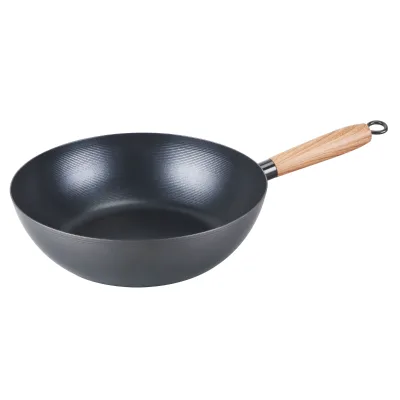
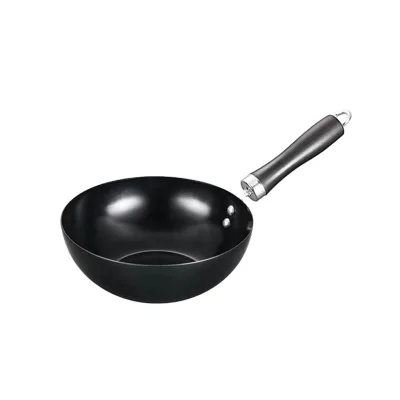
Traditional Chinese Wok Round Carbon Steel Gas Wok with Durable Non-Stick Coating Cookware
$3.32 - $3.46
MOQ: 2000 pieces
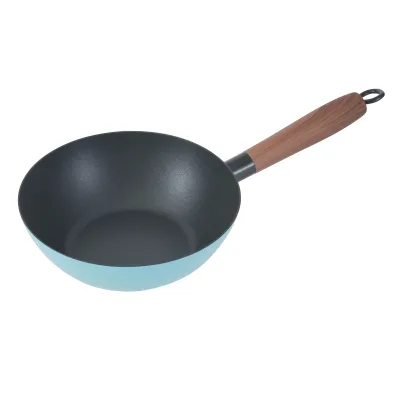

Guangzhou Nantian Sources Co., Ltd.
- Manufacturer/Factory
- China Guangdong
- Lead time15 days
- Avg. response≤ 6h
Main productsKitchen Equipment, Kitchenware, Food Machine, Kitchen Appliance, Glassware, Food Machinery, Bakery Equipment, Dinnerware, Kitchen Utensils, Food Processor
Main marketsSouth America,Mid East,Southeast Asia,Eastern Asia,Oceania,Africa


Commercial Induction Stainless Steel Electric Chinese Cooking Wok Range (2 Woks 1 Rear Pot)
$2500.00 - $2850.00
MOQ: 1 Pieces


Stainless Steel Traditional Gas Chinese Wok Cooking Range, (Single Burner with Single Rear Pot)
$1790.00 - $2050.00
MOQ: 1 Pieces

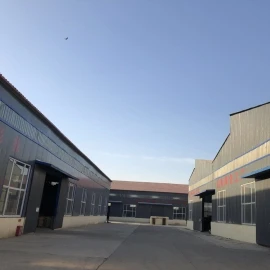
Hebei Langju Trading Co., Ltd.
- Trading Company
- Hebei, China
- Lead time60 days
- Avg. response≤ 9h
Main productscast iron fry pan,cast iron dutch oven,cast iron casserole,cast iron skillet,cast iron griddle pan
Main marketsNorth America(30.00%), Western Europe(25.00%), Domestic Market(10.00%), Oceania(10.00%), Africa(10.00%), Eastern Europe(10.00%), South America(5.00%)
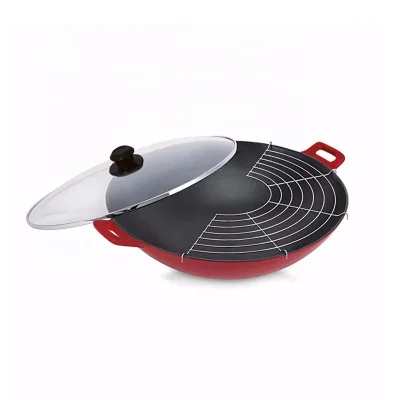
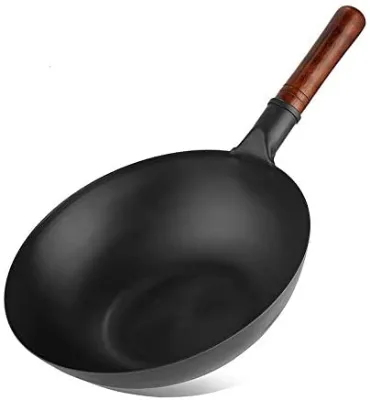
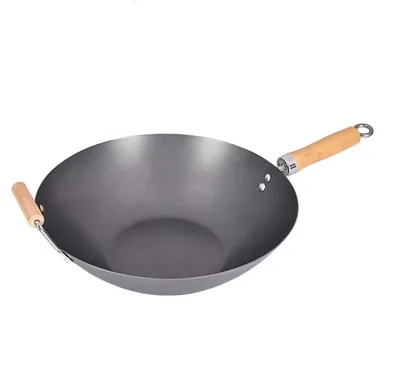
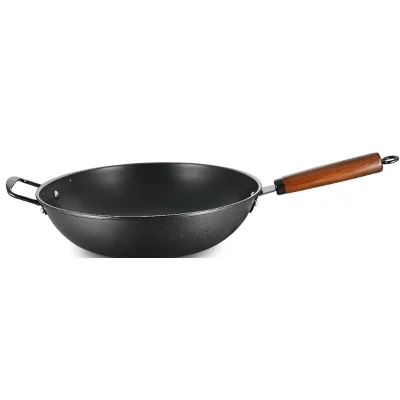
Wooden Handle Carbon Steel Wok Pan with Nonstick Noncoating Woks Product Category
$10.20 - $10.90
MOQ: 500 pieces
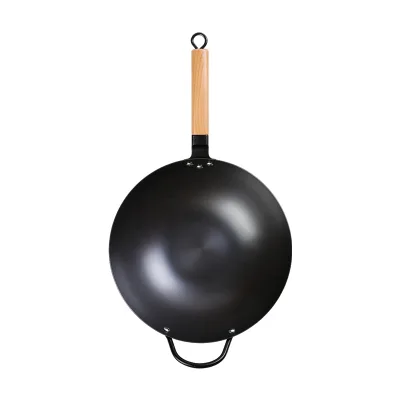
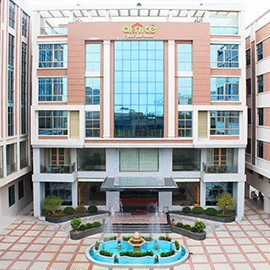
Chaozhou Chaoan Yunfan Stainless Steel Product Co., Ltd.
- Trading Company
- Guangdong, China
- Lead time30 days
- Avg. response≤ 4h
Main productsStainless Steel Cookware Sets, Stainless Steel Stock Pot, Stainless Steel Lunch Box, Stainless Steel Chafing Dishes, Stainless Steel Tray
Main marketsMid East(36.00%), Eastern Asia(20.00%), Southeast Asia(20.00%), North America(15.00%), Africa(5.00%), South America(4.00%)

Zhongshan Longstar Electrical Appliance Co., Ltd.
- Verified by BV
- Combined
- China Guangdong
- Lead time30 days
- Avg. response≤ 11h
Main productsInduction Cooker, Infrared Cooker
Main marketsSoutheast Asia/ Mideast

Foshan Jalaxy Homeware Co., Ltd.
- Trading Company
- Guangdong, China
- Lead time45 days
- Avg. response≤ 3h
Main productsHotel Supplies,Chaffing Dishes,Stock Pot,Wok,Fry Pan
Main marketsNorth America(33.00%), Western Europe(20.00%), Oceania(10.00%), Southeast Asia(10.00%), Eastern Europe(10.00%), Eastern Asia(5.00%), Southern Europe(3.00%), Central America(2.00%), South America(2.00%), South Asia(2.00%), Africa(1.00%), Mid East(1.00%), Northern Europe(1.00%)

Shanghai Mec Buc Industry Co., Ltd.
- Trading Company
- Shanghai, China
- Lead time7 days
- Avg. response≤ 5h
Main productsHome,Kitchen
Main marketsNorth America(50.00%), Southern Europe(10.00%), Northern Europe(10.00%), Eastern Asia(10.00%), Mid East(10.00%), South America(10.00%)
Jinhua Tongchu Industry And Trade Co., Ltd.
- Manufacturer, Trading Company
- Zhejiang, China
- Lead time60 days
- Avg. response≤ 4h
Main productsCustomized processing,New product development,Spot goods,Production and processing of three-layer stainless steel cookware,Export of three-layer stainless steel cookware for foreign trade
Main marketsDomestic Market(20.00%), Northern Europe(15.00%), Western Europe(11.00%), Eastern Europe(11.00%), Oceania(10.00%), Southern Europe(10.00%), North America(9.00%), Eastern Asia(5.00%), Southeast Asia(4.00%), Mid East(1.00%), South Asia(1.00%), Africa(1.00%), South America(1.00%), Central America(1.00%)
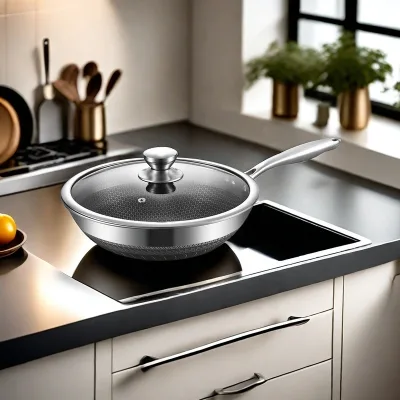
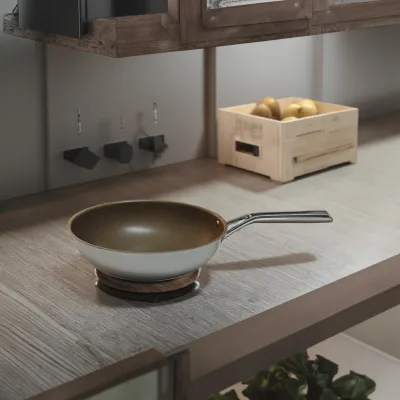
On-time Shipping 24cm China Wok Non-stick Layer Stainless Steel 304 Wok With Long Handle
$8.21 - $13.18
MOQ: 100 pieces


Zhejiang Huachun Electric Appliances Co., Ltd.
- Manufacturer, Trading Company
- Zhejiang, China
- Lead time30 days
- Avg. response≤ 3h
Main productsElectric Grill, Electric Skillet, Electric Pizza Pan, Charcoal Grill, Cookware
Main marketsSouth America(40.00%), Southeast Asia(40.00%), North America(10.00%), Western Europe(10.00%)
Yongkang Qimei Industry & Trade Co., Ltd.
- Manufacturer, Trading Company
- Zhejiang, China
- Lead time15 days
- Avg. response≤ 8h
Main productscookware set,saucepot,saucepan,fry pan,wok
Main marketsNorth America(45.00%), South America(25.00%), Eastern Europe(5.00%), Africa(3.00%), Mid East(3.00%), Southeast Asia(2.00%), Western Europe(1.00%), Eastern Asia(1.00%)
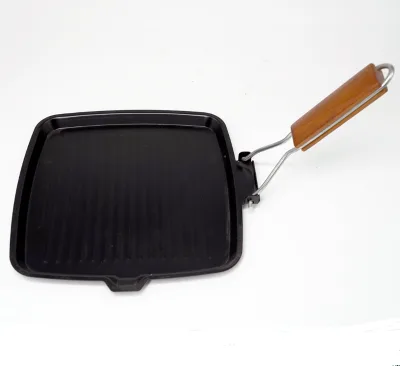
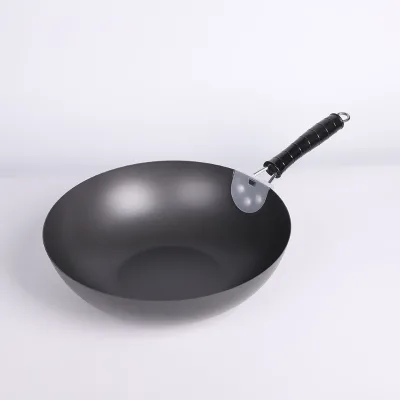
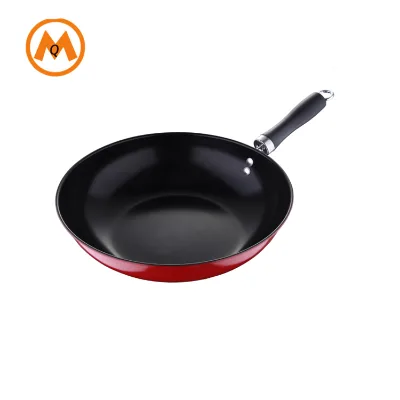
WOK KITCHEN COOKWARE SET Chinese Wok Pan
$1.30 - $2.50
Yongkang Guangxiao Trade Co., Ltd.
- Verified by Intertek
- Trading Company
- Lead time45 days
Main productsBakeware Set, Cookware Set, Pan, Wok, Pot
Main marketsNorth America(20%), Western Europe(20%), Eastern Europe(20%)
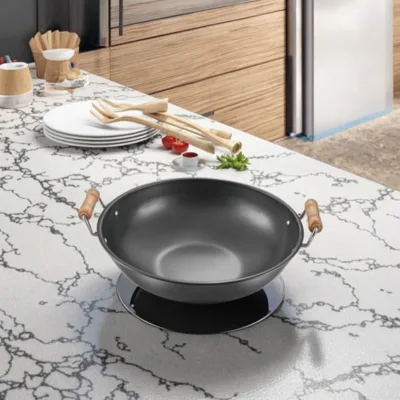
Cooking Iron Large Wok Chinese Woks Gas Black Wok Pan Commercial Traditionnel
$1.23 - $3.06
MOQ: 500 pieces
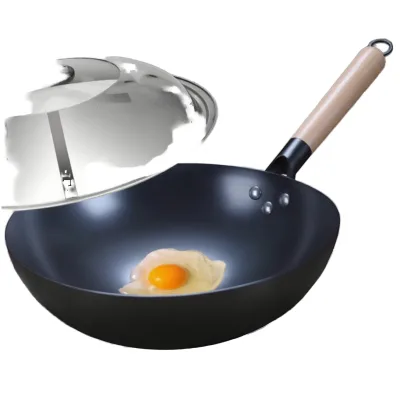
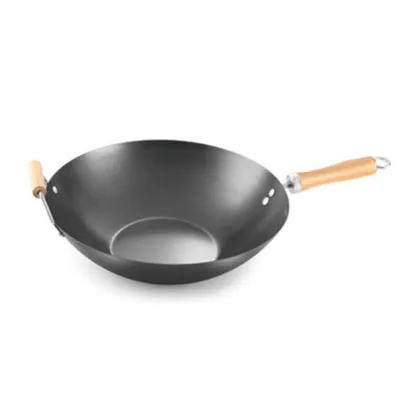
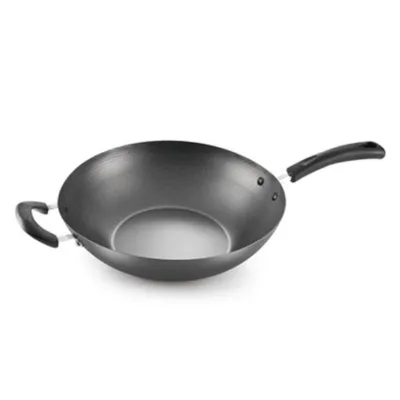
35.5 cm /14" Inch Carbon Steel Spinning Non Stick or Pre-seasoned Wok with Bakelite Handle
$1.23 - $2.52
MOQ: 100 pieces

Lihao Houseware (Guangzhou) Co., Ltd
- Verified by SGS
- Manufacturer/Factory,Other
- China Guangdong
- Lead time23 days
- Avg. response≤ 3h
Main productsHotel Restaurant Supplies, Buffet Ware, Catering Equipment, Banquet Furniture, Chafing Dish, Restaurant Furniture, Hotelware, Wedding Furniture, Dining Furniture, Hotel Furniture
Main marketsSouth America,Eastern Europe,Mid East,North America,Southeast Asia,Eastern Asia,Oceania,Western Europe,Africa

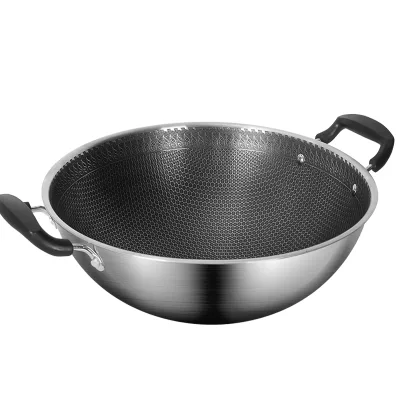
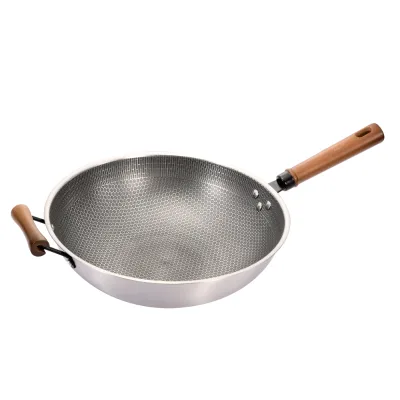
316 Stainless Steel Wok Slightly Oily Smoke Double-Sided Honeycomb Non-Stick Frying Cookware
$9.99 - $19.99
MOQ: 100 Pieces


Zhucheng Qiangda Machinery Factory
- Verified by SGS
- Combined
- China Shandong
- Lead time30 days
- Avg. response≤ 5h
Main productsFrench Fries/Potato Chips Production Line, Meat Processing Line, Vegetable Processing Line, Pasteurization Line, Dryer/Drying Room, IQF, Sterilizer/Autoclave/Retort, Fryer/Frying Line
Main marketsSoutheast Asia/ Mideast,Europe

Hebei Debien Technology Co., Ltd.
- Verified by TUVRHEINLAND
- Trading Company
- China Hebei
- Lead time30 days
- Avg. response≤ 6h
Main productsCast Iron Pulley, Taper Lock Bush, Transmission Pulley, Casting Part, Cast Iron Cookware, Dutch Oven
Main marketsSouth America,Africa,Southeast Asia/ Mideast,East Asia(Japan/ South Korea),Europe,Australia,North America

2024 New Popular Non Stick Coating Carbon Steel Wok Wooden Handle Chinese Wok Pan
$20.00 - $21.00
MOQ: 100 Sets

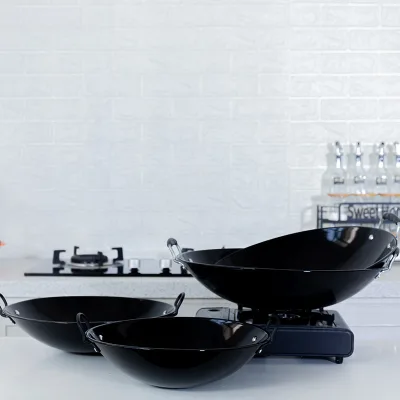
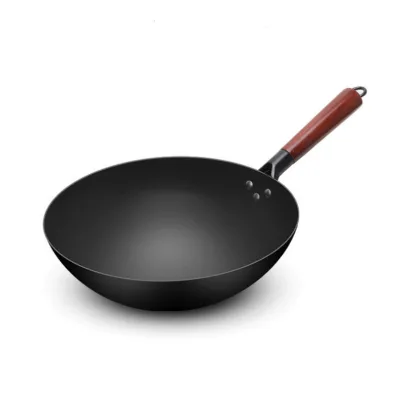
Non Coating Cast Iron Wok and Frying Pan, Traditional Chinese Handmade Woks with Wooden Handle Wok
$20.00 - $21.00
MOQ: 100 Sets

Non Coating Non Stick Carbon Steel Wok Pan, Traditional Chinese Handmade Woks with Round Bottom Wok
$20.00 - $21.00
MOQ: 100 Sets

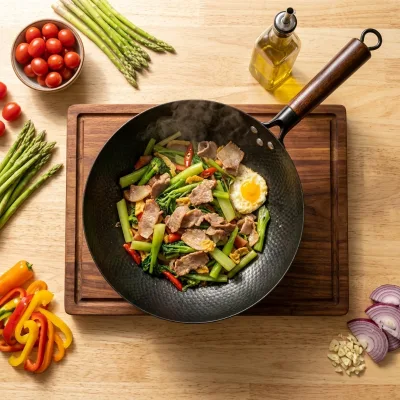
Traditional Hand Hammered Carbon Steel Pow Wok with Wooden and Steel Helper Handle
$20.00 - $21.00
MOQ: 100 Sets

High Quality Preseasoned Cast Iron Wok/Preseasoned Cast Iron Wok/Cast Iron Wok
$20.00 - $21.00
MOQ: 100 Sets

Pre-Seasoned Chinese Style Carbon Steel Wok Non Stick Cookware Coating with Wooden Handle Wok
$20.00 - $21.00
MOQ: 100 Sets

- Verified by BV
- Trading Company
- China Zhejiang
- Lead time30 days
- Avg. response≤ 10h
Main productsHousehold Products, Recreation& Game Products, Outdoor Products, Garden Products, Pet Products, Car Products, Daily Use Products
Main marketsSouth America,Africa,Southeast Asia/ Mideast,East Asia(Japan/ South Korea),Europe,Australia,North America

Baoding Tengke Trading Co., Ltd.
- Verified by SGS
- Trading Company
- China Hebei
- Lead time15 days
- Avg. response≤ 3h
Main productsBags, Cleaning Tools Scraper, Household Products, Towel, Tumbler Bottle Mug, Ktichen Tools/Gardget, Textile, Personal Care, Balloons, Hook and Loop Tape
Main marketsEurope


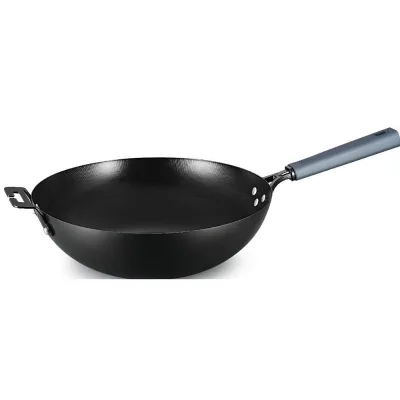
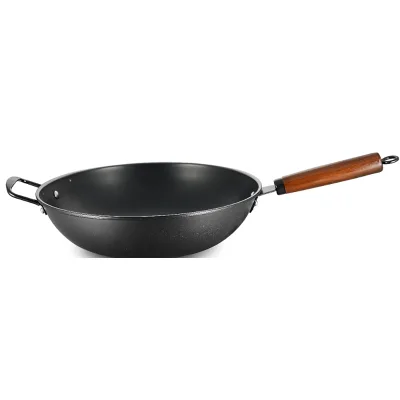
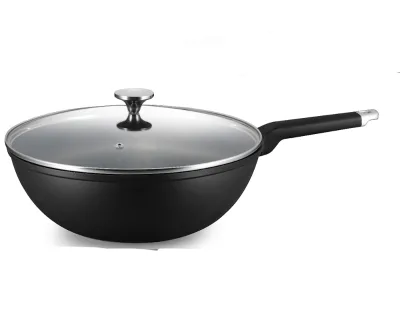


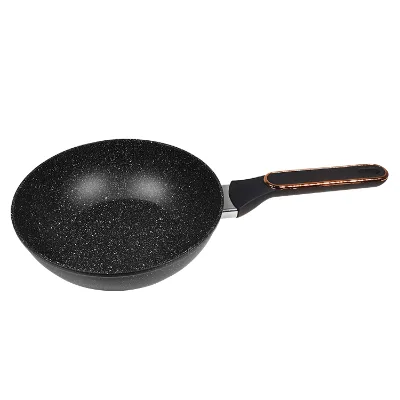
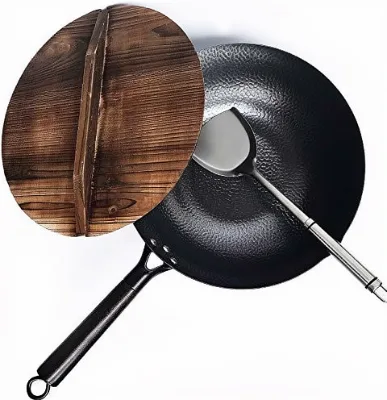
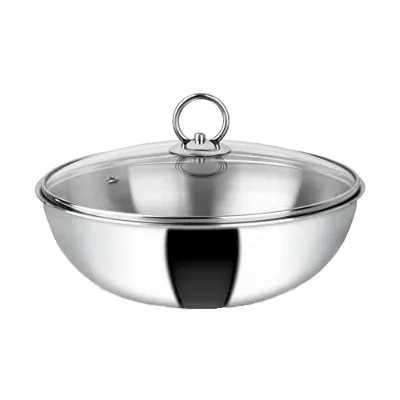
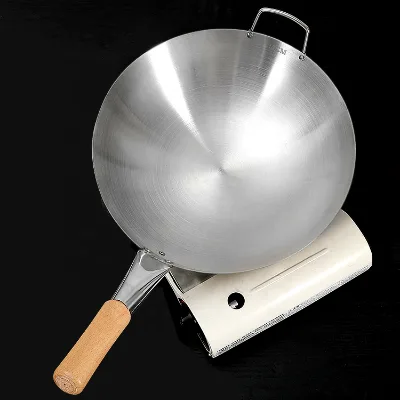


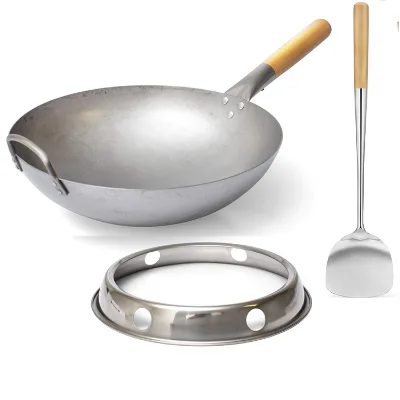
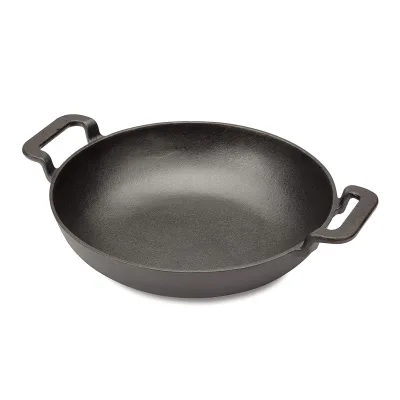
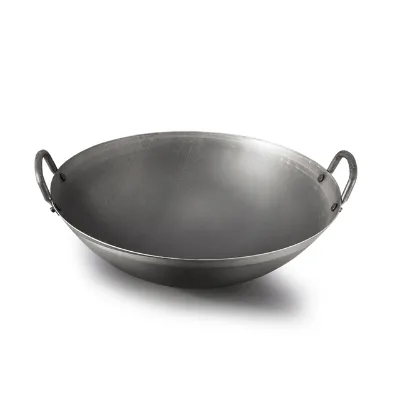
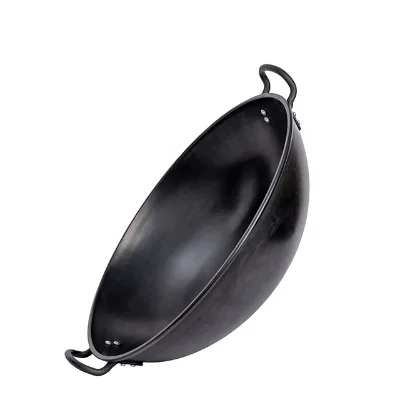
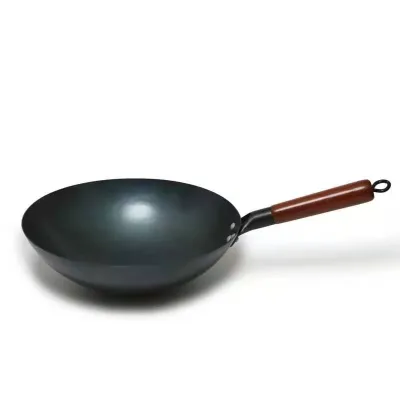
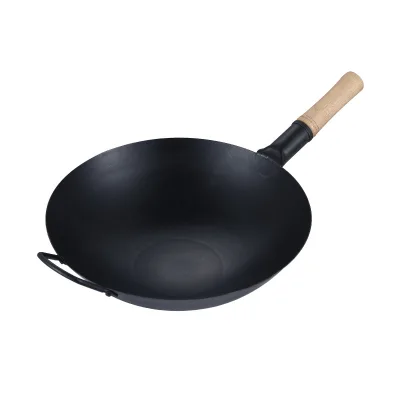
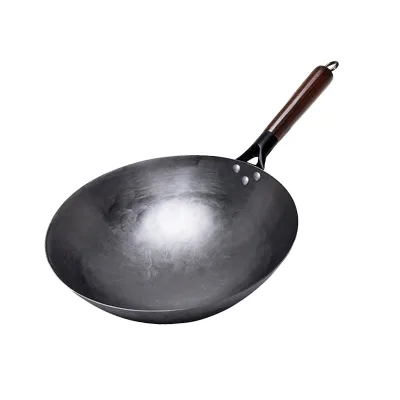
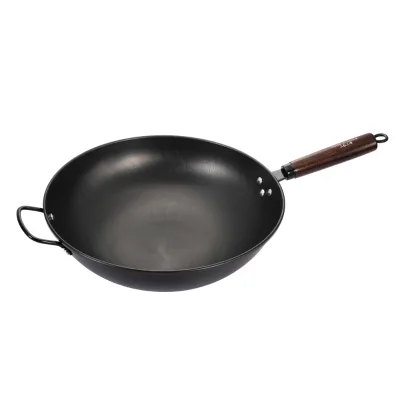


Comprehensive Sourcing Guide
Non-Coating Carbon Steel Wok Supplier Concentration and Factory Types
When evaluating the landscape for Non-Coating Carbon Steel Wok suppliers, it is essential to distinguish between pure manufacturing entities and hybrid trading operations. The available data indicates that suppliers in China Hebei are primarily classified as Manufacturer/Factory entities, suggesting a direct production capability for cast iron and similar cookware items. In contrast, suppliers located in China Guangdong present a mixed profile, operating as both Trading Company and Manufacturer/Factory. This distinction is critical for buyers because factory-direct sources often provide greater control over raw material selection and production schedules, whereas trading companies may offer broader product assortments but potentially less transparency in the manufacturing process. Understanding this structural difference helps buyers align their sourcing strategy with their need for customization versus variety.
The concentration of these supplier types reveals distinct industrial clusters, though specific factory names are not disclosed in the current results. Buyers should verify the actual company type by reviewing the supplier’s business license and production facility photos. A supplier claiming to be a manufacturer should demonstrate evidence of casting or forging equipment, while a trading company will typically highlight their logistics and multi-brand inventory capabilities. For non coating carbon steel woks, which require specific metallurgical expertise, verifying the factory type ensures that the supplier has the technical capacity to produce durable, uncoated surfaces. Buyers must look beyond the general category and assess whether the supplier’s primary focus aligns with the specific material requirements of carbon steel, as many listed suppliers focus on cast iron or stainless steel, which have different production lines and quality control standards.
How to Verify Non-Coating Carbon Steel Wok Suppliers
Verification of suppliers requires a multi-layered approach that goes beyond basic profile checks. Buyers should prioritize suppliers who hold recognized system certifications such as ISO 9001, BSCI, or SEDEX, as these indicate a structured approach to quality management and social compliance. The presence of SGS verification for certain suppliers provides an additional layer of trust regarding their operational integrity. However, buyers must confirm that these certifications are current and applicable to the specific product line of non coating carbon steel woks. It is not sufficient to assume that a certification held for stainless steel cookware automatically covers carbon steel products, as the testing parameters and material properties differ significantly. Direct communication with the supplier to request recent audit reports is a necessary step in this verification process.
Product-specific evidence is another critical component of supplier verification. Buyers should examine the detailed product attributes provided, such as material composition, coating status, and certification marks like FDA or LFGB for food safety. While some listed products are explicitly described as having vegetable oil coatings or non-stick styles, buyers seeking non coating carbon steel woks must carefully filter these results to ensure the material matches their specifications. The absence of a coating does not mean the product is untested; rather, it requires verification of the steel grade and seasoning process. Buyers should request samples to physically inspect the wok’s surface for uniformity and check for any residual manufacturing oils or impurities. Additionally, verifying the supplier’s response time, which can vary significantly from under one hour to over twenty hours, can indicate their operational efficiency and willingness to engage in detailed technical discussions about material specifications.
What to Compare Across Non-Coating Carbon Steel Wok Suppliers
Comparing suppliers across multiple dimensions allows buyers to identify the most suitable partner for their specific business needs. Key metrics to evaluate include lead time, minimum order quantity (MOQ), and response speed. For instance, some suppliers exhibit lead times as short as twenty-three days, while others may require up to forty-five days for production and delivery. This variance can impact inventory planning and market launch strategies. Similarly, MOQs can range from fifty units to five hundred units, influencing the initial capital investment required. Buyers should also consider the price range, which can vary from approximately two dollars to nearly twenty-one dollars per unit, depending on the material quality, size, and included accessories like handles or lids. These financial and logistical factors must be weighed against the supplier’s reputation and certification status.
Beyond basic metrics, buyers should compare the customization capabilities and product specifications offered by each supplier. The availability of OEM and ODM services is a significant differentiator for brands looking to create unique product identities. Buyers should assess whether the supplier can accommodate specific size requirements, handle designs, or packaging preferences. The product evidence shows a wide range of sizes, from thirty centimeters to over forty centimeters, and various handle styles, including wooden and ergonomic options. Additionally, the presence of certifications like FDA and LFGB on specific products indicates a higher level of compliance readiness. Buyers should compare these technical attributes to ensure they align with their target market’s regulatory requirements and consumer preferences. A supplier with a faster response time may offer better support for rapid prototyping and iterative design changes, which is valuable for new product development.
Common Non-Coating Carbon Steel Wok Sourcing Risks
One of the primary risks in sourcing non coating carbon steel woks is the potential mismatch between product descriptions and actual material quality. Many suppliers list products with terms like "non-stick" or "vegetable oil coating," which may not align with the buyer’s requirement for a pure, uncoated carbon steel surface. Buyers must be vigilant in distinguishing between pre-seasoned woks and raw carbon steel products. The risk of receiving a product with an inconsistent coating or improper seasoning can lead to customer dissatisfaction and product returns. Additionally, the variability in steel thickness and weight, which is not always explicitly detailed in standard product listings, can affect the cooking performance and durability of the wok. Buyers should request detailed technical specifications, including steel grade and thickness measurements, to mitigate this risk.
Another significant risk involves supply chain reliability and communication delays. Suppliers with longer response times, such as those taking over twenty-four hours to reply, may struggle to address urgent issues or provide timely updates on production status. This can lead to delays in shipment and increased logistical costs. Furthermore, the lack of standardized packaging information in some listings can result in damage during transit, especially for heavy cast iron or steel items. Buyers should verify the packaging methods, such as brown box or color box options, and ensure they are robust enough to protect the product. The absence of clear information on escrow services or trade assurance can also expose buyers to financial risks. It is crucial to establish clear contractual terms regarding quality control, inspection rights, and dispute resolution before placing any orders.
Non-Coating Carbon Steel Wok Regional Sourcing and Logistics
Sourcing from different regions in China offers distinct logistical advantages and challenges. Suppliers located in China Hebei are often associated with heavy industry and cast iron production, which may imply a strong infrastructure for handling heavy cookware items. This region’s focus on manufacturing can provide competitive pricing for bulk orders, but buyers must consider the transportation costs associated with moving heavy goods. In contrast, suppliers in China Guangdong, a major hub for stainless steel and kitchenware, may offer more streamlined logistics for lighter or mixed-material products. The presence of both trading companies and manufacturers in Guangdong suggests a more flexible supply chain, potentially offering faster turnaround times for smaller orders or customized requests. Buyers should evaluate the proximity of the supplier to major ports to minimize shipping times and costs.
Logistics planning must also account for the specific packaging requirements of non coating carbon steel woks. These items are often heavy and require sturdy packaging to prevent damage during transit. Buyers should verify the packaging standards, such as carton or nice packing options, and ensure they meet international shipping regulations. The lead time for production and shipping can vary significantly based on the supplier’s location and current order volume. For example, a supplier with a forty-five-day lead time may be located in a region with higher demand or more complex production processes. Buyers should factor in these variables when planning their inventory replenishment cycles. Additionally, understanding the regional export capabilities and customs procedures can help streamline the import process. Collaborating with suppliers who have experience in exporting to the buyer’s target market can reduce the risk of delays and compliance issues.
Non-Coating Carbon Steel Wok Commercial Terms and Order Planning
Commercial terms and order planning are critical for ensuring a smooth procurement process. Buyers should negotiate clear payment terms, such as using escrow services or trade assurance, to protect their financial interests. The price range for non coating carbon steel woks can vary widely, from low-cost options around two dollars to premium products nearing twenty-one dollars. Buyers should align their budget with the desired quality level and certification requirements. It is also important to clarify the MOQ and any potential discounts for larger orders. Suppliers with lower MOQs, such as fifty units, may be more suitable for testing the market or fulfilling small-scale orders, while those with higher MOQs may offer better unit prices for bulk purchases. Understanding these financial dynamics helps buyers optimize their cash flow and inventory levels.
Order planning should also include a detailed timeline for production, quality inspection, and shipping. Buyers should establish a clear communication protocol with the supplier to monitor progress and address any issues promptly. The response time of the supplier can be an indicator of their reliability, with faster responses suggesting better operational efficiency. Buyers should also consider the supplier’s capacity for OEM and ODM services if they require custom branding or design modifications. Additionally, planning for potential delays due to holidays, raw material shortages, or logistical bottlenecks is essential. By developing a comprehensive order plan that accounts for these variables, buyers can minimize disruptions and ensure timely delivery of their Non-Coating Carbon Steel Wok products. Regular follow-ups and clear documentation of all agreements will further enhance the success of the sourcing relationship.
FAQs
What certifications do cast iron woks have?
Cast iron woks typically hold FDA and LFGB certifications to ensure food safety. These standards verify that the materials used in the cookware are safe for direct contact with food. Buyers should check specific product listings for these marks to confirm compliance with international safety regulations before placing orders.
What is the minimum order quantity for woks?
Minimum order quantities vary by supplier and material type. Cast iron woks generally require a minimum order of 500 units. In contrast, stainless steel options may have lower thresholds, such as 50 or 120 units. Buyers must verify the specific MOQ on the product page to plan their inventory correctly.
How long does production take for woks?
Production lead times depend on the supplier and material. Cast iron manufacturers often report lead times around 23 days. Stainless steel suppliers may require up to 45 days for production. These timelines can vary based on order volume and customization requirements, so buyers should confirm current schedules with the supplier.
What is the price range for cast iron woks?
Prices for cast iron woks typically range from 7.30 to 12.99 USD per unit. This variation depends on size, handle style, and packaging options. Stainless steel woks offer a broader range, starting from 1.90 USD up to 20.30 USD. Buyers should compare specific product attributes to find the best value.
Do suppliers offer customization for woks?
Yes, many suppliers offer OEM and ODM customization services for woks. Buyers can often request custom sizes, handle designs, or packaging solutions. This flexibility allows businesses to tailor products to their brand identity. Customization availability should be confirmed directly with the manufacturer during the inquiry process.
Where are these wok suppliers located?
Wok suppliers are primarily located in China, specifically in Hebei and Guangdong provinces. Hebei is known for cast iron cookware, while Guangdong hosts both trading companies and manufacturers for stainless steel items. Buyers can filter results by location to prioritize suppliers near their preferred logistics hubs.
How quickly do suppliers respond to inquiries?
Response times vary significantly among suppliers. Some manufacturers respond within approximately 24 hours, while others may take longer. Faster response times often indicate higher operational efficiency. Buyers should look for suppliers with quick response metrics to ensure smooth communication throughout the sourcing and negotiation process.