non-scalding bowl clip Suppliers and Manufacturers
Compare 15 verified non-scalding bowl clip suppliers by response time, lead time, and minimum order quantity. Review product features like material and origin before contacting vendors for samples to ensure quality standards are met for your specific needs; review the available evidence before requesting comparable quotations from suitable candidates.
Updated
Suppliers List
Ningbo Aggpo Import And Export Co., Ltd.
- Verified by SGS Group
- Trading Company
- Lead time5 days
- Avg. response≤ 5h
Main productsHousehold daily goods, Consumer goods, Pet goods, Sports goods, Hardware goods
Main marketsNorth America(30%), South America(30%), Western Europe(25%)
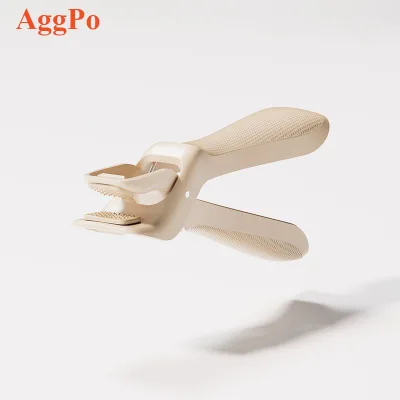
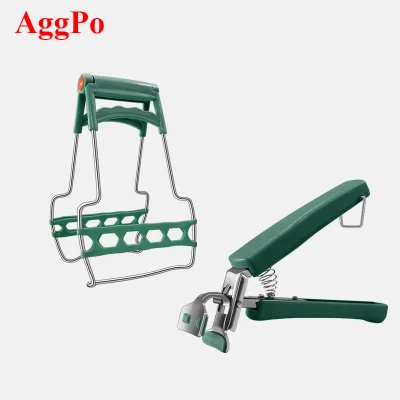
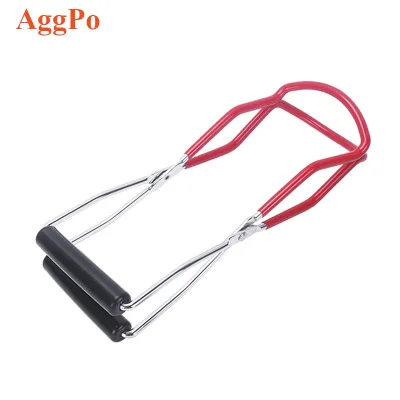
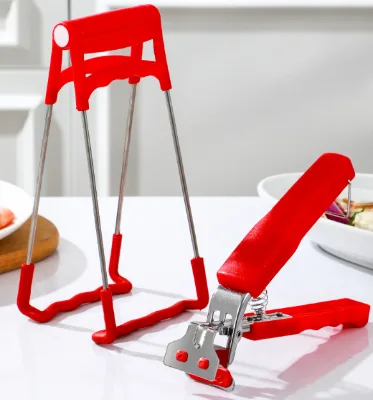
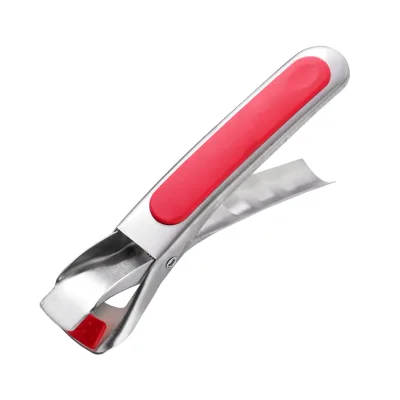
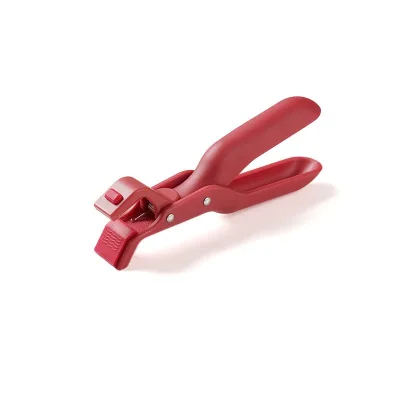
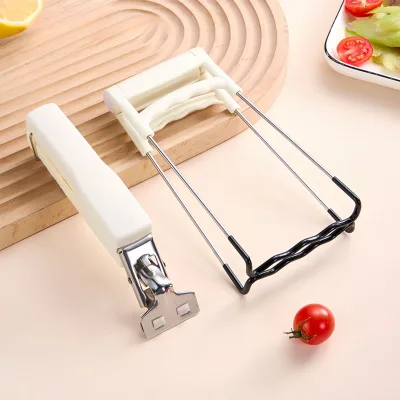
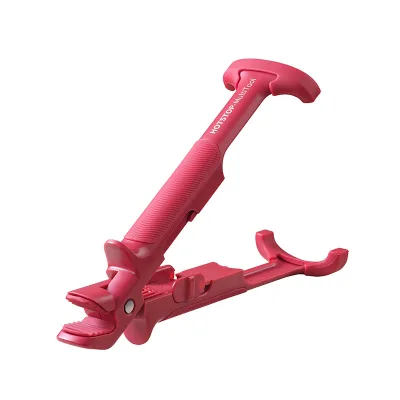
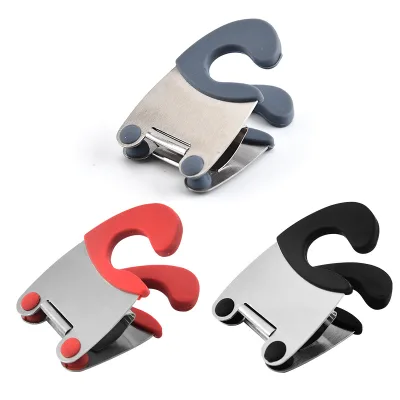
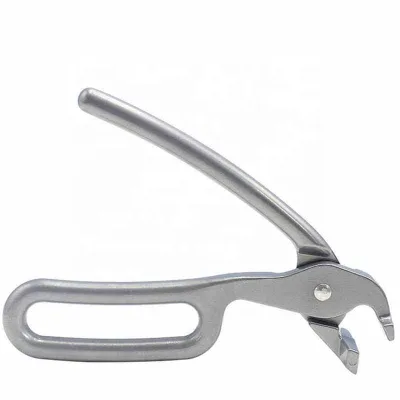
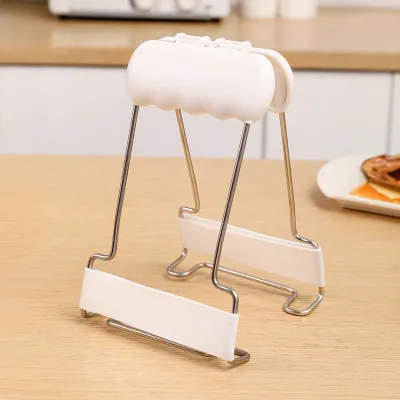
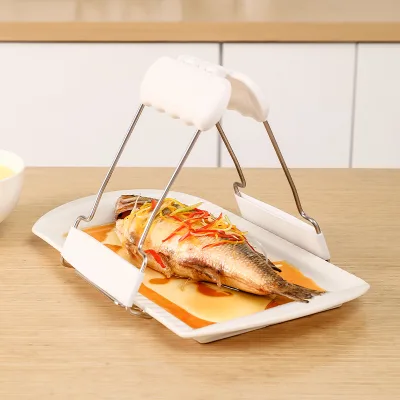
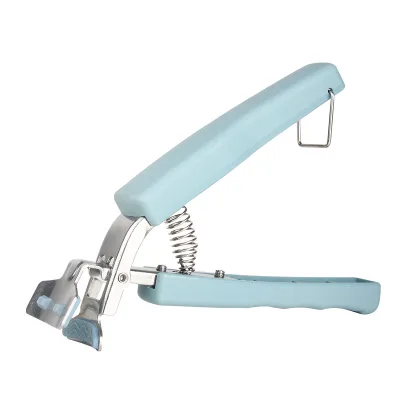
Bowl Clip Anti-scalding Kitchen Artifact Bowl Clip Taker Non-slip Anti-scalding Hand Clip Tray
$0.5584 - $0.982
MOQ: 100 pieces
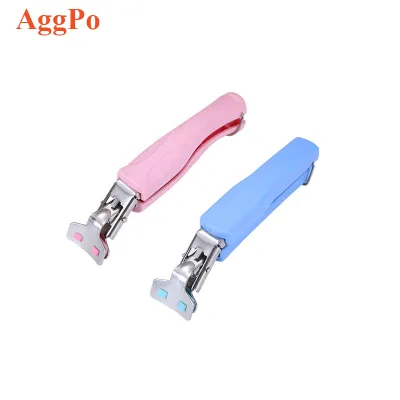
$0.6183 - $0.6707
MOQ: 100 pieces
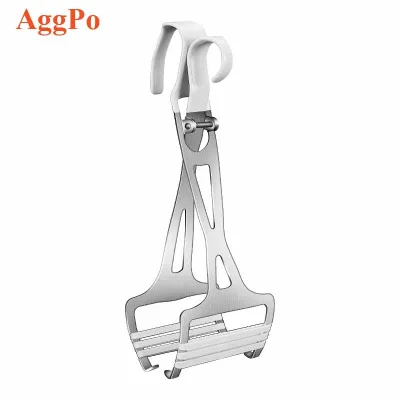
$2.5853 - $3.1332
MOQ: 100 pieces
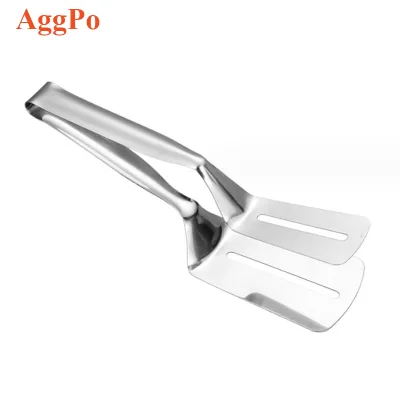
$0.3623 - $0.7141
MOQ: 100 pieces
$0.5719 - $1.5075
MOQ: 100 sets
Guangdong Jinda Hardware Products Co., Ltd.
- Manufacturer, Trading Company
- Lead time旺季: "1 - 1000":35,"> 1000":"To be negotiated", 淡季: "1 - 1000":35,"> 1000":"To be negotiated"
- Avg. response≤ 5h
Main productsVegetable Chopper, Kitchen Utensil, Kitchen Knife & Scissors, Opener, Peelers

Yangjiang C&B Consumer Product Limited
- Verified by CTI
- Trading Company
- China Guangdong
- Lead time15 days
- Avg. response≤ 7h
Main productsBarbecue Tongs, Grilling Brushes, Outdoor Shovel, Grilling Tools, Kitchen Ware, Outdoor Products, Pizza Tools, Knife Set
Main marketsSouth America,Africa,Southeast Asia/ Mideast,Europe,Australia,North America

- Verified by BV
- Trading Company,Manufacturer/Factory
- China Zhejiang
- Lead time23 days
- Avg. response≤ 4h
Main productsYoga Wear, Sports, Outdoor, Travel Gear, Kitchenwares, Homewares
Main marketsSouth America,Eastern Europe,Mid East,North America,Southeast Asia,Eastern Asia,Oceania,Western Europe,Africa
Ningbo Equator Import And Export CO., Ltd.
- Verified by SGS Group
- Trading Company
- Lead time10 days
- Avg. response≤ 8h
Main productsAutomobile Accessories, Household Goods, Household Appliances, Electronic and Tool Equipment
Main marketsNorth America(20%), South America(15%), Eastern Europe(10%)
Shenzhen Hanchuan Industrial Co,.Ltd
- Verified by Intertek
- Manufacturer, Trading Company
- Lead time3 days
- Avg. response≤ 3h
Main productsSilicone Baby Placemat, Silicone Ice Tray, Silicone Collapsible Lunch Box, Silicone BBQ Gloves, Silicone Baby Bib
Main marketsNorth America(40%), Western Europe(30%), Eastern Europe(10%)
Shenzhen Hui Shi Da Technology Co., Ltd.
- Manufacturer, Trading Company, Agent
- Guangdong, China
- Lead time0 days
- Avg. response≤ 2h
Main productsComputer accessories,LED Series,Consumer Electronics,Auto and motorcycle parts,Cars motorcycles
Main marketsEastern Europe(22.10%), North America(20.50%), Western Europe(15.60%), South Asia(12.30%), South America(10.40%), Africa(9.50%), Northern Europe(8.60%), Southern Europe(1.00%)
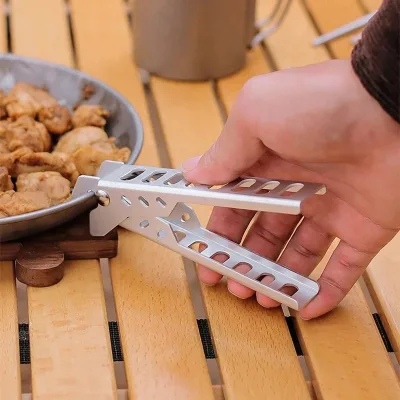
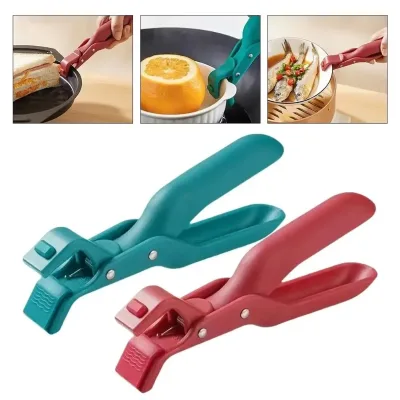
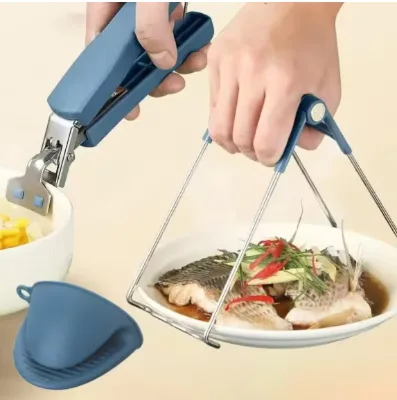
Bowl Clamp, Anti Scald Clamp, Kitchen Tool, Anti slip and Anti Scald Hand Clamp
$0.76 - $0.79
MOQ: 100 sets

Jinhua Hengyang Cross-Border Trade Limited Liability Company
- Verified by SGS
- Trading Company
- China Zhejiang
- Lead time15 days
- Avg. response≤ 9h
Main productsCoffee Maker Air Fryer Storage Box Knife Set, Silicone Baking Mold Robot Vacuum Cleaning Table, Shower Head Non-Slip Shower Curtain Vacuum Stora, Collapsible Laundry Basket Bohemian Wall Tapestr, Fringe Pillow Cover Bedding Set Memory Foam Pill, Bamboo Tissue Biodegradable Trash Bags LED Fair, Smart Plug Fairy Lights Pet Food Bowl, Household Daily Necessities Kitchen Cleaning, Bathroom Storage and Care Fabric Home Decor, Bedding Daily Chemical Paper Products
Main marketsEurope


Anti Scald Clamp for Picking up Bowls Kitchen Supplies Appliances Storage
$0.40 - $0.50
MOQ: 650 Pieces
Jinhua Hengyang Cross Border Trade Co., Ltd.
- Trading Company
- Zhejiang, China
- Lead time0 days
- Avg. response≤ 5h
Main productsKitchen,Housekeeping,Household Sundries,Home Decor,Hotel Supplies
Main marketsSouth Asia(10.00%), Central America(10.00%), Eastern Asia(10.00%), Mid East(10.00%), South America(10.00%), North America(10.00%), Domestic Market(5.00%), Oceania(5.00%), Southern Europe(5.00%), Northern Europe(5.00%), Africa(5.00%), Western Europe(5.00%), Southeast Asia(5.00%), Eastern Europe(5.00%)
Wenzhou Fante Commodity Co., Ltd.
- Verified by TüVRheinland
- Manufacturer, Trading Company
- Lead time30 days
- Avg. response≤ 2h
Main productsKitchenware, Bathroom Sets, Food Container, Cleaning Brush, Storage Racks
Main marketsEastern Asia(80%), North America(10%), South America(1%)

Shaowu Han Well Import and Export Trade Co., Ltd.
- Trading Company
- China Fujian
- Lead time23 days
- Avg. response≤ 8h
Main productsChopping Boards, Serving Boards, Bamboo Skewer, Bamboo Stick, Tray, Cutting Board, Box, Utensil Tool, Bamboo Chopsticks, Coffee Stirrers
Main marketsEast Asia(Japan/ South Korea),Europe,Australia,North America
Chongqing Xinjian Machinery Co., Ltd.
- Trading Company
- Lead time旺季: "1 - 10000":31,"10001 - 50000":35,"> 50000":"To be negotiated", 淡季: "1 - 10000":31,"10001 - 50000":35,"> 50000":"To be negotiated"
- Avg. response≤ 11h
Main productsspring,clip,buckle,hook,Bracket

Jieyang Rongcheng District Fanlin Stainless Steel Products Factory
- Manufacturer
- Guangdong, China
- Lead time14 days
- Avg. response≤ 2h
Main productsStainless Steel Products,Hardware,Daily plastic products,Online trade agent,Stainless steel straw
Main marketsNorth America(30.00%), Eastern Europe(20.00%), South America(15.00%), Eastern Asia(5.00%), Mid East(5.00%), Southern Europe(3.00%), Northern Europe(3.00%), Central America(3.00%), Domestic Market(3.00%), Western Europe(3.00%), Southeast Asia(3.00%), Oceania(3.00%), Africa(2.00%), South Asia(2.00%)

Cangzhou Qijing Hardware Accessories Sales Co., Ltd.
- Verified by SGS
- Trading Company
- China Hebei
- Lead time15 days
- Avg. response≤ 3h
Main productsBrackets, Stamping Parts, Saddle Clips, Spring Clips, Metal Grates, Deep Drawing, Deep Drawn Cups, Stamped Brackets, Perforated Grates, Development Parts
Main marketsNorth America
Zhongshan MYD Metal Products Co., Ltd.
- Verified by TüVRheinland
- Manufacturer, Trading Company
- Lead time20 days
- Avg. response≤ 3h
Main productsMetal Stamping Parts, Sheet Metal Parts, Springs, CNC Machining Parts
Main marketsNorth America(40%), Eastern Europe(10%), Western Europe(10%)
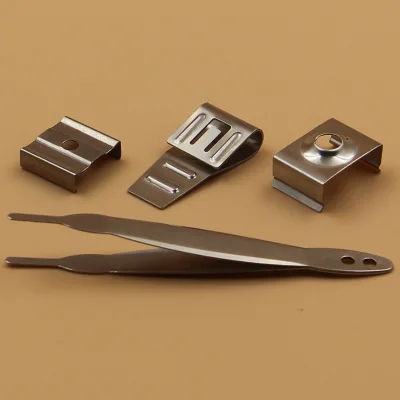
Stamping Metal Factory Support Oem Custom Spring Metal Clip U Shaped Round Clips
$0.2575
MOQ: 1 Minimum
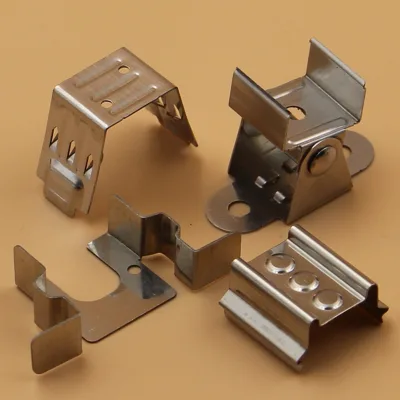
Ecperienced Stamping Process Support Custom Metal Wire Clips Pipe Clips
$0.4626 - $0.5135
MOQ: 1 pieces






Comprehensive Sourcing Guide
Non-Scalding Bowl Clip Supplier Concentration and Factory Types
The current supplier landscape for non-scalding bowl clips is dominated by trading companies rather than direct manufacturing entities. This structural characteristic significantly influences how buyers approach sourcing, as trading companies often aggregate products from multiple smaller workshops or factories. The primary product categories observed in the current results include household daily goods, consumer goods, pet goods, sports goods, and hardware goods. This broad categorization suggests that many suppliers operate as generalist traders rather than specialized kitchenware manufacturers. Buyers should recognize that a trading company model allows for greater product variety and flexibility in sourcing different materials, such as ABS plastic, silicone, and stainless steel, within a single order. However, it also means that the buyer is interacting with an intermediary who may have less direct control over the production line compared to a factory-direct supplier. Understanding this dynamic is crucial for setting realistic expectations regarding communication, customization capabilities, and quality control processes. The presence of these diverse product lines indicates that suppliers are likely leveraging existing supply chains to offer a wide range of kitchen tools, including bowl clips, pot holders, and other utility items. This concentration of trading companies implies that buyers need to be diligent in verifying the actual source of the goods to ensure consistency and reliability in their supply chain.
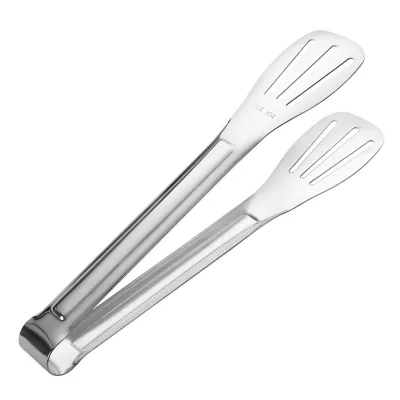
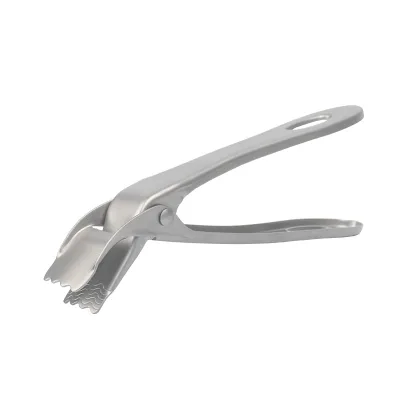
Despite the prevalence of trading companies, the specific product evidence reveals a strong focus on kitchenware and household sundries. The main products listed often include items like bowl clips, tray holders, and anti-scalding tongs, which are categorized under Home & Garden, Kitchenware, and Kitchen Tools & Gadgets. This specialization within the broader trading company model suggests that some suppliers have developed expertise in this niche, even if they are not the original manufacturers. The product attributes indicate a mix of materials, including ABS+Silicone+Stainless Steel combinations, as well as pure stainless steel or plastic+metal constructions. This variety allows buyers to source different types of non-scalding solutions, from simple plastic clips to more durable metal tongs. The fact that these items are often listed as "Stocked" or "Eco-Friendly" highlights the importance of inventory availability and material safety in the current market. Buyers should look for suppliers who can demonstrate a clear understanding of these material specifications and their respective applications in the kitchen. The concentration of these specific product types among trading companies indicates a mature market where intermediaries have successfully bridged the gap between diverse manufacturing capabilities and global buyer demands. This setup offers buyers access to a wide array of options but requires careful vetting to ensure that the trading company can effectively manage the complexities of international trade and quality assurance.
How to Verify Non-Scalding Bowl Clip Suppliers
Verifying the legitimacy and capability of non-scalding bowl clip suppliers requires a multi-layered approach that goes beyond simple profile reviews. One critical step is to check for third-party verification badges, such as those provided by SGS Group, which can offer an additional layer of trust regarding the supplier's business operations. While verification badges are helpful, they should not be the sole determinant of a supplier's reliability. Buyers must also scrutinize the supplier's response time, as a quick response often indicates a professional and organized operation. In the current results, a response time of 5 is observed, which serves as a baseline metric for evaluating communication efficiency. A slow response time can be a red flag, suggesting potential delays in order processing or customer service issues. Additionally, buyers should examine the supplier's main products to ensure they align with their specific needs. If a supplier lists a wide range of unrelated products, such as pet goods and sports goods alongside kitchenware, it may indicate a lack of specialization. However, this can also be a sign of a flexible trading company capable of sourcing diverse items. Buyers should prioritize suppliers who demonstrate a clear focus on kitchen tools and household goods, as they are more likely to have established quality control processes for these specific items.
Another essential verification step is to assess the supplier's product details and specifications. Buyers should look for comprehensive product attributes, including material composition, dimensions, weight, and model numbers. For instance, the presence of detailed specifications like "ABS+Silicone+Stainless Steel" or "Stainless Steel" helps buyers evaluate the quality and durability of the non-scalding clips. It is also important to check for certifications or standards, although specific certification details are not always provided in the initial results. Buyers should proactively ask suppliers about any relevant food safety certifications or material testing reports, especially for products that will come into direct contact with food. Furthermore, examining the supplier's production capacity, such as sample processing and customized on-demand services, can provide insights into their ability to handle custom orders. Suppliers who offer graphic processing and customization options are often more adaptable to specific buyer requirements. Buyers should also verify the supplier's location, as this can impact shipping costs and lead times. In the current results, the place of origin is listed as Zhejiang, China, which is a known manufacturing hub. However, buyers should confirm if the supplier is indeed located in this region or if they are operating from a different location. By combining these verification steps, buyers can build a more accurate picture of the supplier's capabilities and reliability.
What to Compare Across Non-Scalding Bowl Clip Suppliers
When evaluating multiple suppliers for non-scalding bowl clips, buyers should compare key operational metrics to identify the most suitable partner. One of the most critical factors is the minimum order quantity (MOQ), which can vary significantly between suppliers. In the current results, an MOQ of 100 pieces or 100 sets is commonly observed. This relatively low MOQ is advantageous for buyers who are testing the market or placing smaller initial orders. However, buyers should also consider the price per unit, as lower MOQs may sometimes come with higher unit costs. The price range for non-scalding bowl clips in the current results varies from approximately $0.36 to $3.13, depending on the material and complexity of the product. Buyers should compare these prices against their budget and target margins to determine the best value. Additionally, lead time is a crucial factor that can impact inventory management and customer satisfaction. A lead time of 5 days is observed in the current results, which is quite fast and indicates efficient production processes. Buyers should compare lead times across different suppliers to ensure they can meet their delivery deadlines. It is also important to consider the supplier's response speed, as a quick response can facilitate smoother communication and problem-solving.
Another important aspect to compare is the product features and customization options. Buyers should look for suppliers who offer a variety of materials, such as ABS plastic, silicone, and stainless steel, to meet different customer preferences. The current results show products with features like "Anti-scalding," "Heat-resistant," and "Non-slip," which are key selling points for non-scalding bowl clips. Buyers should compare these features to ensure they align with their target market's needs. Additionally, buyers should inquire about customization options, such as logo printing or custom packaging. Suppliers who offer "Customized on demand" services can provide greater flexibility for branding and marketing purposes. It is also important to compare the product specifications, such as size, weight, and color options. For example, some products are available in multiple colors like white, yellow, pink, and green, which can appeal to a wider range of customers. Buyers should also consider the supplier's product range, as some suppliers may offer complementary items like tray clips or steak tongs. This can simplify the sourcing process and reduce shipping costs by consolidating orders. By carefully comparing these factors, buyers can select a supplier that offers the best combination of price, quality, and service for their specific needs.
Common Non-Scalding Bowl Clip Sourcing Risks
Sourcing non-scalding bowl clips from international suppliers involves several potential risks that buyers must be aware of and mitigate. One significant risk is the variability in product quality, especially when dealing with trading companies that may source from multiple factories. Without direct oversight of the production process, buyers may receive products that do not meet their expected standards. This risk is heightened when the supplier does not provide detailed material specifications or quality control information. For instance, the difference between ABS plastic and stainless steel can significantly impact the durability and heat resistance of the clip. Buyers should request samples to physically inspect the product quality before placing a large order. Another risk is the potential for miscommunication regarding product specifications. If the supplier's product description is vague or incomplete, buyers may receive items that do not match their requirements. This can lead to delays, additional costs, and dissatisfied customers. To mitigate this risk, buyers should provide clear and detailed specifications in their purchase orders and confirm them with the supplier before production begins.
Shipping and logistics risks are also prevalent in international sourcing. Delays in shipping can disrupt inventory levels and affect customer satisfaction. Buyers should carefully review the supplier's lead time and shipping options to ensure they can meet their delivery deadlines. In the current results, a lead time of 5 days is observed, but this may not include shipping time. Buyers should factor in transit time and potential customs delays when planning their inventory. Additionally, there is a risk of damage during transit, especially for products made of brittle materials like plastic or glass. Buyers should ensure that the supplier uses appropriate packaging to protect the products during shipping. Another risk is the potential for hidden costs, such as tariffs, taxes, or handling fees. Buyers should clarify all costs upfront with the supplier to avoid unexpected expenses. Furthermore, buyers should be cautious of suppliers who offer prices that seem too good to be true, as this may indicate low-quality materials or poor workmanship. By identifying and addressing these risks proactively, buyers can minimize disruptions and ensure a smooth sourcing process for non-scalding bowl clips.
Non-Scalding Bowl Clip Regional Sourcing and Logistics
The regional sourcing of non-scalding bowl clips is heavily influenced by the manufacturing hubs where these products are produced. In the current results, the place of origin is consistently listed as Zhejiang, China, which is a major manufacturing region known for its production of household goods and kitchenware. This concentration of suppliers in Zhejiang offers buyers access to a robust supply chain and competitive pricing. However, buyers should also consider the logistical implications of sourcing from this region. Shipping from Zhejiang to international destinations can involve various modes of transport, including sea freight and air freight. Sea freight is generally more cost-effective for large orders, while air freight is faster but more expensive. Buyers should evaluate their order volume and delivery urgency to determine the most suitable shipping method. Additionally, buyers should be aware of the potential for customs clearance delays, which can impact the overall lead time. It is advisable to work with suppliers who have experience in international shipping and can provide necessary documentation to facilitate smooth customs clearance.
Logistics planning also involves considering the supplier's location relative to major ports. Zhejiang is home to several major ports, such as Ningbo-Zhoushan Port, which can reduce inland transportation costs and time. Buyers should inquire about the supplier's proximity to these ports to optimize shipping routes. Furthermore, buyers should consider the impact of seasonal fluctuations on shipping costs and availability. During peak seasons, such as before major holidays, shipping rates may increase, and container availability may be limited. Buyers should plan their orders accordingly to avoid delays and additional costs. Another logistical consideration is the packaging and labeling requirements of the destination country. Buyers should ensure that the supplier can comply with these requirements to avoid issues at customs. For example, some countries have specific labeling requirements for plastic products or food-contact items. Buyers should communicate these requirements clearly to the supplier and verify that they are being met. By carefully planning the regional sourcing and logistics, buyers can ensure efficient and
FAQs
What is the minimum order quantity for non-scalding bowl clips?
The minimum order quantity is 100 pieces or sets. This standard applies across various models including plastic and stainless steel options. Buyers should confirm the specific unit type with the supplier before placing an order to ensure accurate pricing and production scheduling.
Where are these kitchen clips manufactured?
These items originate from Zhejiang, China. This region is known for its robust manufacturing capabilities in household goods. Buyers sourcing from this location can expect consistent quality standards and efficient logistics for international shipping of kitchenware products.
What materials are used in anti-scalding clips?
Materials include ABS plastic, silicone, stainless steel, and metal alloys. Some models combine plastic with metal for durability. Others use stainless steel with silicone handles for heat resistance. Buyers should select materials based on their specific kitchen usage requirements.
What is the typical response time for suppliers?
Suppliers typically respond within 5 hours. This rapid response ensures quick communication regarding product details and order status. Buyers can expect timely updates on inquiries, facilitating smoother negotiations and faster decision-making during the sourcing process.
Are these clips dishwasher safe?
Most models are not dishwasher safe and require hand washing only. This care instruction helps maintain the integrity of silicone and plastic components. Buyers should advise end-users to follow hand-washing guidelines to prolong the product lifespan and safety.
What is the price range for these clips?
Prices range from approximately $0.36 to $3.13 per unit. The variation depends on material quality, such as stainless steel versus plastic, and design complexity. Buyers can find budget-friendly options or premium models within this broad price spectrum.
Is the supplier verified by a third party?
Yes, the supplier is verified by SGS Group. This verification adds a layer of trust regarding the company's operational standards. Buyers can rely on this certification to assess the reliability and professionalism of the trading company.