Octagonal Flavoring Mixing Nuts Machine Suppliers and Manufacturers
Explore 20 verified suppliers offering octagonal flavoring mixing nuts machines with varying lead times, response speeds, and certifications. Compare dimensions, power ratings, and customization options to find the right equipment for your production line. Contact suppliers directly to request quotes.
Suppliers List

Zhucheng Lijie Food Machinery Co.,Ltd.
- Verified by BV
- Combined
- China Shandong
- Lead time30 days
- Avg. response≤ 3h
Main productsPotato Chips Frying Machine, Hot Air Drying Machine, Bubble Washing Machine, Fruit&Vegetable Cutting Machine, Frying Machine, Air Drying Machine, Washing and Hot Air Drying Line, Frozen French Fries Production Line, Turnover Basket Washing Machine, Auxiliary Machine
Main marketsAfrica,Southeast Asia/ Mideast,East Asia(Japan/ South Korea)

Zheng Zhou Taizy Trading Co., LTD
- Verified by BV
- Trading Company
- China Henan
- Lead time15 days
- Avg. response≤ 6h
Main productsWood Processing Machine, Plastic Processing Machine, Charcoal Processing Machine, Food Processing Machine, Waste Recycling Machine, Packing Machine, Agricultural Machine, Egg Tray Machine, Metal Processing Machine
Main marketsSouth America,Others(foreignTradeCapacity.exportBusinessCapacityMarketOther),Southeast Asia/ Mideast,Europe

Luohe Quality Mechanical Equipment Co., Ltd.
- Verified by SGS
- Manufacturer/Factory
- China Henan
- Lead time23 days
- Avg. response≤ 7h
Main productsJuice Extractor, Sausage Making Machine, Pita Bread Machine, Biscuit Making Machine
Main marketsSouth America,Eastern Europe,North America,Eastern Asia,Western Europe

ZHENGZHOU HONGLE MACHINERY EQUIPMENT CO., LTD.
- Trading Company,Manufacturer/Factory
- China Henan
- Lead time0 days
- Avg. response≤ 9h
Main productsVegetable Fruit Production Machine, Meat Processing Machines, Nuts Processing Machine, Water Treatment System, Snack Processing Machine
Main marketsSouth America,Eastern Europe,Mid East,North America,Southeast Asia,Eastern Asia,Oceania,Western Europe,Africa

Octagonal Snack Food Flavoring Machine Peanuts Nuts Seasoning Machine
$1500.00 - $3500.00
MOQ: 1 Pieces

$2000.00 - $10000.00
MOQ: 1 Pieces

Drum Fried Food Seasoning Machine Peanut Drum Type Nuts Seasoning Flavoring Machines
$1000.00 - $9900.00
MOQ: 1 Pieces


Henan Huanor Import And Export Trade Co., Ltd.
- Verified by TüVRheinland
- Trading Company
- Lead time0 days
- Avg. response≤ 3h
Main productsMeat Grinder, Bowl Cutter, Slicer, Beef Patty Machine
Main marketsNorth America(20%), Western Europe(20%), Eastern Europe(8%)

Zhengzhou Xingsheng Machinery Equipment Co., Ltd.
- Verified by TUVRHEINLAND
- Trading Company
- China Henan
- Lead time15 days
- Avg. response≤ 2h
Main productsCharcoal Briquette Machine, Agricultural Machinery, Food Machine, Animal Feed Pellet Machinery, Fruit Vegetable Washing Machine, Grinding Crusher Machine, Meat Crusher Machine, Toothpick Machine, Hydraulic Press Machine, Some Other Hots Machines
Main marketsSouth America

Nut Octagonal Seasoning Machine Drum Coating Mixing Machine Octagonal Mixer
$690.00 - $1350.00
MOQ: 1 Pieces

Commercial Mixer Flavor Blender Snack Groundnut Flavoring Seasoning Machine
$690.00 - $1350.00
MOQ: 1 Pieces

Seasoning High Speed Mixer Flavor Blender Groundnut Seasoning Machine Food Snacks Flavoring Machine
$690.00 - $1350.00
MOQ: 1 Pieces
Zhengzhou Aslan Machinery Co., Ltd.
- Verified by Intertek
- Trading Company
- Lead time10 days
- Avg. response≤ 6h
Main productsFood Machine, Packing Machine, Vegetable Processing Machine , Meat Processing Machine , Nuts Processing Machine
Main marketsSouth America(35%), North America(30%), Eastern Europe(5%)

HE NAN PENG HUI MACHINERY AND EQUIPMENT CO., LTD.
- Verified by CTI
- Manufacturer/Factory
- China Henan
- Lead time15 days
- Avg. response≤ 3h
Main productsMeat Processing Machine, Fruit Processing Machine, Vegetable Processing Machine, Seafood Processing Machine, Grain Product Processing Machine, Snack Machine, Nuts Processing Machine, Quilting Machine, Textile Machine, Paper Product Processing Machine
Main marketsSouth America,Eastern Europe,Mid East,North America,Southeast Asia,Eastern Asia,Oceania,Western Europe,Africa

Almond Chips Flavoring Flavor Machine Octagonal Mixer Snacks Food Seasoning Machine
$500.00 - $2000.00
MOQ: 1 Pieces

Factory Supply Octagonal Snack Food Seasoning Mixing Puffed Corn Chips Flavoring Machine
$500.00 - $2000.00
MOQ: 1 Pieces

QINGDAO GENCOSEA TECHNOLOGY CO., LTD
- Verified by BV
- Trading Company,Manufacturer/Factory
- China Shandong
- Lead time23 days
- Avg. response≤ 4h
Main productsFood Processing Machine, Nut Processing Machine, Shrimp Peeling Machine, Cashew Peeling Machine, Peanut Peeling Machine, Nut Coating Machine, Frying Machine, Nut Cutting Machine, Fish Cage, 3D Printer
Main marketsSouth America,Eastern Europe,Mid East,North America,Southeast Asia,Eastern Asia,Africa

Peanut Bean Snack Nuts Processing Flavoring Salt Coating Seasoning Mixing Machine
$2750.00 - $2800.00
MOQ: 1 Pieces

Peanut Bean Cashew Nut Snack Salt Mixing Flavoring Seasoning Machine
$1500.00 - $15000.00
MOQ: 1 Pieces


Zhucheng Yido Intelligent Technology Co., Ltd.
- Verified by SGS
- Combined
- China Shandong
- Lead time15 days
- Avg. response≤ 4h
Main productsMeat Processing Equipment Production Line, Fruit and Vegetable Processing Equipment, Potato Chips Production Line, Fish Processing Production Line, Pet Food Production Line, Auxiliary Equipment, Cleaning Equipment, Pastry Processing Equipment, Leisure Food Processing Machinery, Vacuum Packaging Machine
Main marketsSoutheast Asia/ Mideast,Europe,North America

Yun Nan Ao Fu Industrial Co., Ltd.
- Manufacturer
- China Yunnan
- Lead time30 days
- Avg. response≤ 12h
Main productsProduction Line, Macadamia Processing Equipment
Main marketsSoutheast Asia/ Mideast,Europe


Snack Seasoning Automatic Processing Macadamia Nuts Flavor Coating Mixer Machine
$5675.00
MOQ: 1 Pieces


316 Food Grade Stainless Steel Macadamia Nuts Food Processing Flavoring Machine
$5675.00
MOQ: 1 Pieces

304/316 Food Grade Stainless Steel Macadamia Nuts Snack Processing Flavoring Machine
$5675.00
MOQ: 1 Pieces


Zhengzhou Shuliy Machinery Co., Ltd.
- Verified by SGS
- Trading Company,Manufacturer/Factory
- China Henan
- Lead time0 days
- Avg. response≤ 5h
Main productsPacking Machinery, Food Processing Machinery, Agriculture Processing Machinery, Wood Processing Machinery, Plastic Processing Machinery, Charcoal Processing Machinery, Baler Machinery, Recycling Machinery, Metal Processing Machinery


Factory Sipply Flavors Spicy Mixing and Seasoning Machine for Nuts and Puffed Snacks
$2700.00 - $3500.00
MOQ: 1 set


Zhengzhou Hongdi Machinery Co., Ltd.
- Verified by SGS
- Manufacturer/Factory
- China Henan
- Lead time15 days
- Avg. response≤ 2h
Main productsPowder Mixer, Ribbon Mixer, Packaging Machine, Mixing Equipment, Mixing Machine
Main marketsSouth America,Eastern Europe,Mid East,North America,Southeast Asia,Eastern Asia,Oceania,Western Europe,Africa

High Quality Mixing Machine Highly Recommended Potato Chips Octagonal Flavoring Machine
$945.00 - $1005.00
MOQ: 1 Pieces

Commercial Octagonal Snacks Seasoning Mixer Machine Food Flavoring Machine
$945.00 - $1005.00
MOQ: 1 Pieces


Henan Chanda Machinery Co., Ltd
- Verified by TUVRHEINLAND
- Trading Company,Manufacturer/Factory
- China Henan
- Lead time15 days
- Avg. response≤ 4h
Main productsFood Machine, Vegetable Cutting Machine, Bun Making Machine, Roti Making Machine, Samosa Making Machine, Skin Vacuum Packing Machine, Peeling Machine, Tablet Press Machine, Noodle Boiler, Meat Cutting Machine
Main marketsSouth America,Eastern Europe,Mid East,North America,Southeast Asia,Eastern Asia,Oceania,Western Europe,Africa

Commercial Mixer Flavor Blender Groundnut Seasoning Machine Food Snacks Flavoring Machine
$839.00 - $1560.00
MOQ: 1 Pieces

Nuts Flavoring Machine Seasoning Machine Seasoning Tumbler Banana Chips Flavoring Machine
$839.00 - $1560.00
MOQ: 1 Pieces

HANGZHOU SAIZHOU TECHNOLOGY CO., LTD.
- Manufacturer/Factory
- China Zhejiang
- Lead time23 days
- Avg. response≤ 6h
Main productsVegetable and Fruit Processing Equipment, Meat Processing Equipment, Packaging and Filling Equipment, Nut and Grain Equipment, Bakery Equipment
Main marketsSouth America,Eastern Europe,North America,Southeast Asia,Eastern Asia,Oceania,Africa


Commercial Peanut Snack Food Coating Mixing Flavoring Seasoning Machine
$850.00 - $1500.00
MOQ: 1 Sets


Shantou Huaxing Machinery Factory Co., Ltd.
- Verified by TUVRHEINLAND
- Combined
- China Guangdong
- Lead time60 days
- Avg. response≤ 25h
Main productsSnack Machine, Food Processing Machine, Potato Chips Production, Fryer, Dryer, Cake Depostor, Puff Snack Production Line, Single Screw Extruder, Double Screw Extruder, Pellet Snack Extruder
Main marketsSoutheast Asia/ Mideast,Europe

Nut Flavor Mixing Machine Chips Seasoning Machine Flavor Coating Machine
$6000.00 - $7000.00
MOQ: 1 Pieces


Coated Peanut Flavoring Machine|Fruit Chips Flavoring Machine|Snack Seasoning Mixer Machine
$1.00 - $7000.00
MOQ: 1 Pieces


Shandong Zeko Machinery Co., Ltd
- Verified by SGS
- Combined
- China Shandong
- Lead time30 days
- Avg. response≤ 2h
Main productsFood Machinery, Meat Processing Equipment, Vacuum Meat Tumbler, Meat Cutting Machine, Brine Injection Machine, Meat Grinder
Main marketsOthers(foreignTradeCapacity.exportBusinessCapacityMarketOther),Europe,North America

$1000.00 - $1400.00
MOQ: 1 Pieces

Octagonal Seasoning Machine Stainless Steel Automatic Snack Flavoring Mixer Machine
$1000.00 - $1400.00
MOQ: 1 Pieces

$1900.00 - $2000.00
MOQ: 1 Pieces

Zhengzhou Xiangkun Machinery Co., Ltd.
- Verified by TUVRHEINLAND
- Trading Company
- China Henan
- Lead time0 days
- Avg. response≤ 2h
Main productsFeed Pellet Machine, Oil Press, Packing Machine, Toothpick Machine, Coal Briquette Machine, Threshing Machine, Fruit Core Remover, Fish Feed Machine, Nut Shelling Machine

Zhucheng Tianshun Machinery Co., Ltd.
- Verified by TUVRHEINLAND
- Combined
- China Shandong
- Lead time15 days
- Avg. response≤ 5h
Main productsFood Machine, Frying Machine, Vacuum Packaging Machine, Vegetable Washing Machine, Drying Machine, Potato Chips Frying Machine, Fully Automatic Fried Pasta Machine, French Fries Frying Machine, Package Cleaning Machine, Blanching Machine
Main marketsSouth America,Europe


Spice Mixer Machinery Cashew Nut Automatic Seasoning Flavouring Machine
$2000.00 - $2500.00
MOQ: 1 Pieces


Qingdao Tune Machinery Co., Ltd.
- Manufacturer/Factory
- China Shandong
- Lead time23 days
- Avg. response≤ 6h
Main productsFrozen French Fries Production Line, Potato Chips Production Line, Fruit and Vegetable Processing Equipment, Meat Food Processing Equipment, Frying Machine
Main marketsSouth America,Eastern Europe,Mid East,North America,Southeast Asia,Eastern Asia,Oceania,Western Europe,Africa

Peanut Snack Coating and Seasoning Pan Machine / Flavour Mixer Machine
$1550.00 - $1800.00
MOQ: 1 Sets


$1550.00 - $1800.00
MOQ: 1 Sets


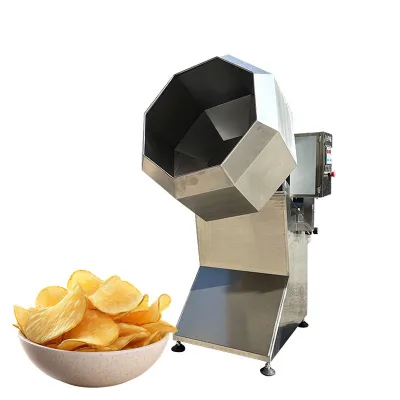
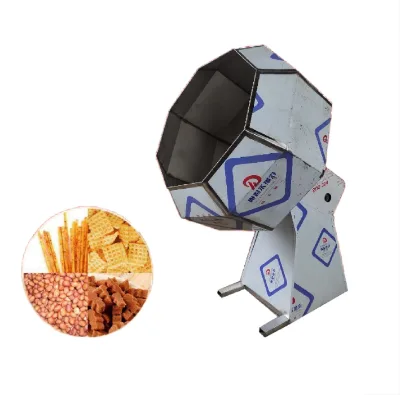
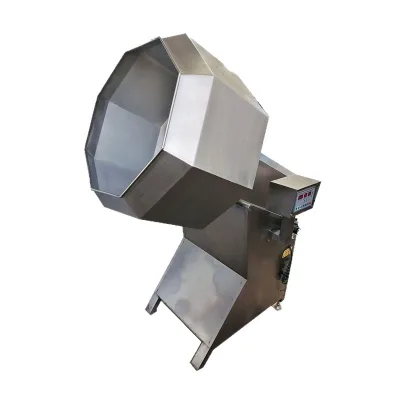
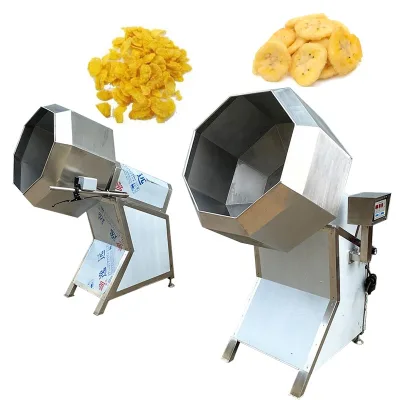
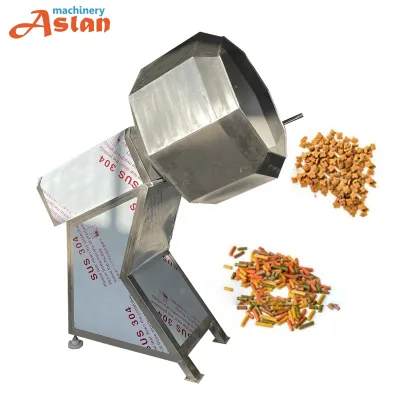


Comprehensive Sourcing Guide
Octagonal Flavoring Mixing Nuts Machine Supplier Concentration and Factory Types
Current data indicates a concentration of manufacturing activity in China, specifically within the Shandong province, where suppliers list locations such as Zhucheng City. These facilities often operate as combined entities, offering both manufacturing and trading capabilities, which allows them to manage complex production lines for equipment like the Octagonal Flavoring Mixing Nuts Machine. The primary product portfolios in these clusters frequently include a wide array of food processing machinery, ranging from potato chip frying machines and hot air drying lines to specialized seasoning and mixing units. This geographic clustering suggests a mature industrial ecosystem where supply chains for components like stainless steel and electric motors are readily accessible, potentially reducing lead times for custom orders.
In contrast, other regions like Henan host suppliers who function primarily as trading companies, focusing on aggregating products from various factories rather than direct manufacturing. These trading entities often list diverse main products including wood processing, plastic machinery, and agricultural equipment alongside food processing lines. The distinction between a manufacturer and a trading company is critical for buyers, as manufacturers typically offer direct OEM and ODM capabilities with their own brand development, while trading companies may provide broader product variety but with less control over the production process. Buyers must verify the actual company type to understand whether they are dealing with the source of production or an intermediary, as this impacts customization flexibility and technical support depth.
How to Verify Octagonal Flavoring Mixing Nuts Machine Suppliers
Verification of supplier credibility relies heavily on third-party audit reports and system certifications that are explicitly displayed in the search results. Several suppliers in the current dataset hold ISO9001:2015 certificates, while others display ISO 9001 or CE certifications, which serve as baseline indicators of quality management systems and product safety compliance. Beyond certifications, verification badges from recognized agencies like BV or SGS provide an additional layer of trust, confirming that the supplier's business license and operational capacity have been independently assessed. Buyers should prioritize suppliers with these visible verification marks, as they reduce the risk of engaging with entities that lack the necessary infrastructure to fulfill large-scale orders.
Response time and lead time data offer further quantitative metrics for assessing supplier reliability and operational efficiency. The observed response times vary significantly, ranging from approximately 2.55 hours to over 8 hours, indicating differences in customer service responsiveness and staffing levels. Similarly, lead times for production can differ, with some suppliers quoting 15 days while others indicate 30 days or even zero days for specific stock items. A supplier with a rapid response time and a clear, reasonable lead time is generally better positioned to handle urgent orders and provide timely updates. Buyers should cross-reference these metrics with the supplier's stated capacity for OEM and ODM work to ensure they can meet specific project timelines without compromising quality.
What to Compare Across Octagonal Flavoring Mixing Nuts Machine Suppliers
When evaluating potential partners, buyers must compare specific product attributes such as material composition, power requirements, and customization options. The available data shows that machines are often constructed from SUS304 stainless steel, a standard for food-grade equipment, with power ratings varying from 0.75kw to 45kw depending on the model and capacity. Customization is frequently listed as available, allowing buyers to tailor dimensions, such as the 800mm diameter or 400mm pan height, to their specific production needs. Comparing these technical specifications ensures that the selected machine aligns with the buyer's facility's power supply and spatial constraints, preventing costly retrofitting or operational inefficiencies later in the process.
Pricing structures and minimum order quantities (MOQ) also require careful comparison to determine the best value proposition. Price ranges in the current results span from as low as $550 to over $3,500, reflecting differences in machine complexity, automation levels, and included features like video technical support. While some suppliers offer an MOQ of just one unit, others may have higher thresholds depending on the customization level required. Buyers should analyze the price-to-specification ratio, considering that a lower price might indicate a semi-automatic grade with fewer features, whereas a higher price could include fully automatic systems with advanced mixing uniformity guarantees. Understanding these cost drivers helps in budgeting accurately and selecting a supplier that offers the right balance of cost and capability.
Common Octagonal Flavoring Mixing Nuts Machine Sourcing Risks
One significant risk involves the ambiguity of supplier types, particularly when a trading company claims to be a manufacturer or when a combined entity blurs the lines of responsibility. If a buyer engages a trading company for a highly customized machine, they may face delays or communication gaps if the actual factory is not directly managed by the intermediary. Additionally, the variation in lead times, from 15 to 30 days or more, introduces scheduling risks if the buyer does not account for potential production bottlenecks or raw material shortages. Without a clear understanding of the supply chain structure, buyers might find themselves unable to secure timely delivery or adequate after-sales support, which is critical for maintaining continuous production lines.
Another risk stems from inconsistent certification claims and the lack of standardized testing results for specific machine models. While some suppliers list CE or ISO certifications, the absence of detailed test reports or specific performance data for the octagonal mixing mechanism can lead to performance discrepancies upon installation. For instance, mixing uniformity claims of 99% or specific rotation speeds may not be independently verified in the provided data, leaving buyers to rely solely on the supplier's word. This uncertainty can result in equipment that fails to meet production standards, causing waste and downtime. Buyers must demand concrete evidence of performance metrics and verify that the certifications apply to the specific model being purchased, rather than just the company's general quality system.
Octagonal Flavoring Mixing Nuts Machine Regional Sourcing and Logistics
Sourcing from China, particularly from the Shandong and Henan provinces, offers access to a dense network of food processing machinery manufacturers, but it also introduces specific logistical considerations. The origin of products is often listed as Zhucheng City in Shandong Province, a region known for its industrial output, which can facilitate efficient shipping from major ports. However, buyers must account for the varying lead times and the specific packing standards, such as wooden cases or wooden crates, which are essential for protecting heavy machinery during international transit. Understanding the regional logistics capabilities of the supplier is crucial, as some may have established relationships with freight forwarders that can expedite the shipping process, while others may require the buyer to arrange their own transport.
The location of the supplier also influences the complexity of customs clearance and import duties, which can vary significantly depending on the buyer's country. Suppliers in China typically provide detailed packing dimensions and standard specifications, such as 12008001500mm, which are vital for calculating shipping costs and ensuring the equipment fits within the buyer's facility. Buyers should verify the exact origin and packing details to avoid unexpected delays at customs or issues with freight charges. Furthermore, the distance between the factory and the port of loading can impact the overall delivery timeline, making it important to confirm the supplier's logistics partners and their track record for handling heavy industrial equipment exports.
Octagonal Flavoring Mixing Nuts Machine Commercial Terms and Order Planning
Commercial terms regarding payment, warranty, and after-sales service are pivotal for mitigating financial and operational risks. The current data indicates that some suppliers offer video technical support as part of their after-warranty service, which is a valuable resource for troubleshooting without the need for immediate on-site visits. Buyers should clarify the scope of this support, including whether it covers installation guidance, operational training, or repair diagnostics, and ensure that these terms are explicitly written into the purchase contract. Additionally, understanding the warranty period and the process for claiming repairs is essential, as the cost of shipping a large machine back to China for repairs can be prohibitive.
Order planning must also account for the specific production capacity and customization lead times associated with the chosen supplier. With capacities ranging from small R&D models to large industrial units, buyers need to align their order volume with the supplier's ability to deliver within the quoted timeframe. The availability of OEM and ODM services allows for tailored solutions, but these customizations often extend the lead time beyond standard production runs. Buyers should plan their inventory and production schedules with a buffer to accommodate these delays, ensuring that the supply chain remains uninterrupted. Clear communication regarding the order timeline, from initial design approval to final delivery, is necessary to manage expectations and maintain a productive partnership.
FAQs
What is the price range for octagonal flavoring mixing nuts machines?
Prices typically range from $550 to $3,500 depending on specifications. Basic models start around $550, while fully automatic units with higher capacity can reach $3,500. Buyers should verify specific model pricing as costs vary by power source and customization options available from different suppliers.
What is the minimum order quantity for these machines?
The minimum order quantity is generally one unit. Most suppliers accept single-unit purchases, allowing buyers to test equipment before scaling up. This low MOQ facilitates easier entry for small businesses or those requiring specific custom configurations for their production lines.
How long does delivery take for these machines?
Lead times vary between 15 and 30 days. Some suppliers offer faster turnaround times of 15 days, while others require up to 30 days for production and shipping. Buyers should confirm exact delivery schedules with the supplier to align with their production planning.
Are these machines customizable for specific needs?
Yes, customization is available for most models. Suppliers offer OEM and ODM services, allowing adjustments to capacity, power, and dimensions. Buyers can request specific modifications to fit their facility layout or processing requirements, ensuring the machine integrates seamlessly into their existing workflow.
What certifications do these machines typically have?
Common certifications include ISO 9001 and CE marks. These indicate compliance with international quality and safety standards. Buyers should verify specific certification documents with the supplier to ensure the equipment meets regulatory requirements in their target market or region.
What is the typical response time from suppliers?
Supplier response times range from 2.55 to 8.36 hours. Faster responses indicate more active sales teams. Buyers can expect quicker replies from suppliers with lower response times, facilitating smoother communication during the inquiry and negotiation phases of the sourcing process.