Oilless Ptfe Bush Suppliers and Manufacturers
Source 14 verified Oilless Ptfe Bush suppliers from Zhejiang, China. Compare key dimensions including MOQ, lead time, response time, and IATF 16949 certification. Request quotes directly to evaluate pricing and specifications for your application; review the available evidence before requesting comparable quotations from suitable candidates.
Updated
Suppliers List

Jiashan Changsheng Composite Bearing Factory (General Partner)
- Manufacturer, Trading Company
- Zhejiang, China
- Lead time20 days
- Avg. response≤ 5h
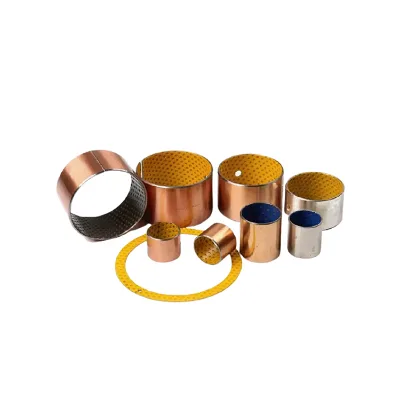
Main productsOilless Bushing,Slide Bearing,DU PTFE Bush,Composite Bushing,Self lubricating Bearing
Main marketsDomestic Market(50.00%), Eastern Europe(20.00%), Western Europe(11.00%), North America(10.00%), Southeast Asia(5.00%), Mid East(2.00%), South America(2.00%)

CHIZHOU TEHCO PRECISION PARTS CO., LTD.
- Trading Company,Manufacturer/Factory
- China Anhui
- Lead time23 days
- Avg. response≤ 4h
Main productsBushing, Bearing Bushing, Bush, Excavators Pins Bushing, Pins, Bronze Bushing, Steel Bushing, Pump Parts, Seals, Plastic Bushing
Main marketsSouth America,Eastern Europe,Mid East,North America,Southeast Asia,Eastern Asia,Oceania,Western Europe,Africa


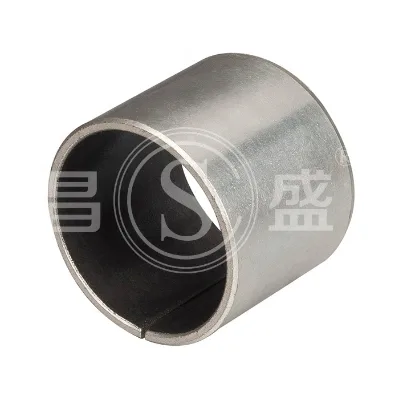
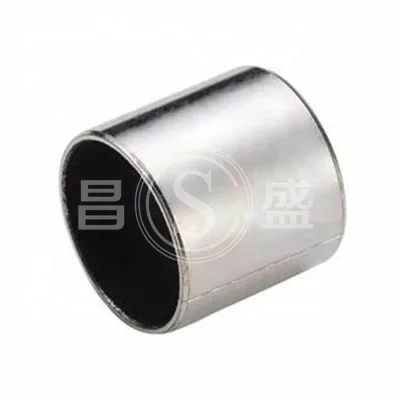
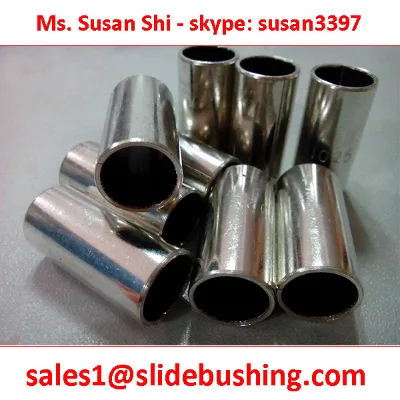
Mold Machine Parts DU Bush PTFE Inside Oilless Plain Bearing SF-1 Bushing
$0.03 - $0.10
MOQ: 100 Pieces


Guangzhou De Yulong Construction Machinery Co., Ltd.
- Trading Company, Distributor/Wholesaler
- Guangdong, China
- Lead time3 days
- Avg. response≤ 4h
Main productsHydraulic cylinder seal kit,NBR viton fkm silicon epdm o-rings o-ring kits o-ring box,pump seal kits,engine seal kits,control valve seal kits
Main marketsSoutheast Asia(35.00%), Domestic Market(20.00%), South Asia(10.00%), Western Europe(10.00%), Eastern Europe(5.00%), Mid East(5.00%), Northern Europe(5.00%), Africa(5.00%), Eastern Asia(5.00%)

Hunan Jintai Hardware And Machinery Co., Ltd.
- Trading Company
- Hunan, China
- Lead time30 days
- Avg. response≤ 3h
Main productsslide bearing,oiles bush,pelletizer blade,bronze bushing,ball transfer unit
Main marketsWestern Europe(40.00%), Southeast Asia(20.00%), North America(10.00%), Eastern Europe(10.00%), South America(5.00%), Eastern Asia(5.00%), Mid East(5.00%), Africa(5.00%)

Jiashan Dingyi Interaction Bearing Co., Ltd.
- Trading Company
- Zhejiang, China
- Lead time30 days
- Avg. response≤ 4h
Main productsbearing,bushing,oilless bearing,slide bush,slide bearing
Main marketsWestern Europe(40.00%), Southeast Asia(20.00%), North America(20.00%), Eastern Europe(10.00%), Mid East(5.00%), Eastern Asia(5.00%)
Sheng Yao Wang(Dalian) International Trade Co., Ltd.
- Trading Company
- Liaoning, China
- Lead time10 days
- Avg. response≤ 3h
Main productsBearing/Transmission Accessories
Main marketsNorth America(38.00%), Western Europe(31.00%), South Asia(13.00%), South America(3.00%), Eastern Europe(2.00%), Southeast Asia(2.00%), Eastern Asia(2.00%), Mid East(2.00%), Oceania(2.00%), Africa(2.00%), Central America(1.00%), Southern Europe(1.00%), Northern Europe(1.00%)

Juyuan Sealing Technology (Suqian) Co., Ltd.
- Manufacturer, Trading Company
- Jiangsu, China
- Lead time3 days
- Avg. response≤ 2h
Main productsProcessing of PTFE seal products,Processing of high-performance fluoroplastic products,PTFE screws,PTFE compression fittings,PTFE seals
Main marketsNorth America(20.00%), Southeast Asia(15.00%), Mid East(10.00%), Western Europe(10.00%), South America(10.00%), South Asia(6.00%), Oceania(6.00%), Southern Europe(5.00%), Eastern Europe(5.00%), Eastern Asia(5.00%), Africa(3.00%), Central America(3.00%), Northern Europe(2.00%)
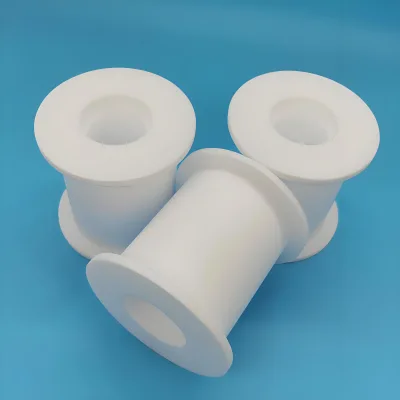
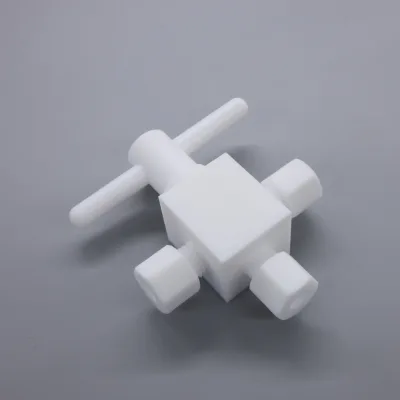
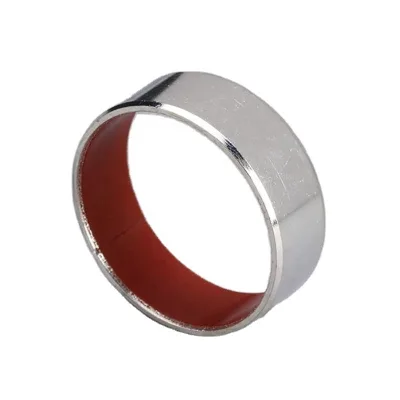
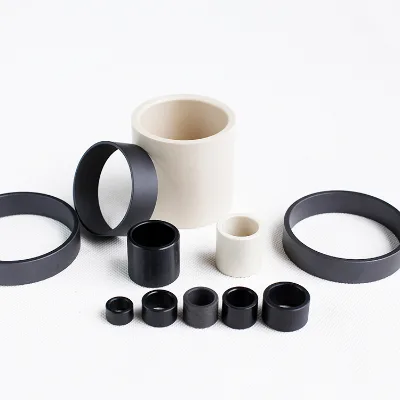
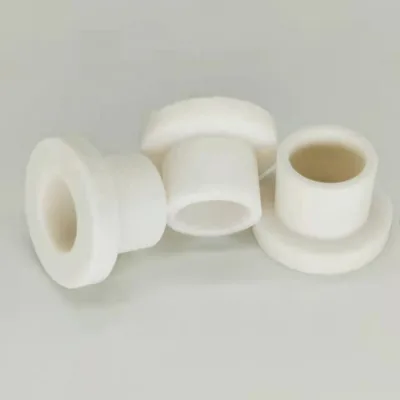
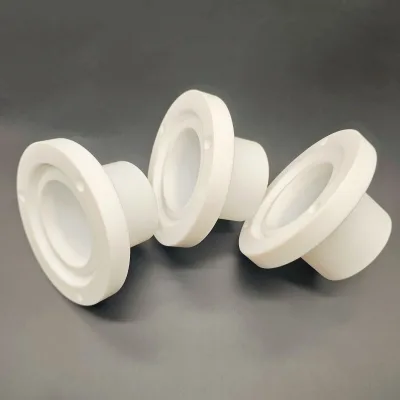
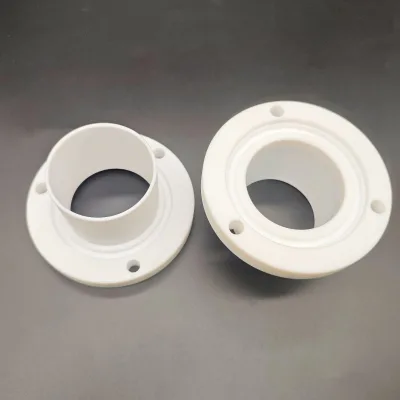
PTFE custom axle sleeve sealing ring insulation sleeve bearing sleeve bush for sealing
$6.7664 - $31.184
MOQ: 1 Minimum

Ningbo Yinzhou Ternal Machinery Co., Ltd.
- Verified by BV
- Combined
- China Zhejiang
- Lead time23 days
- Avg. response≤ 4h
Main productsSelf-Drilling Anchor System, Earth Anchor, Continuous Thread Bolts, Expansion Shell Bolts, Concentric Casing System, Bushing, Threaded Bar, Hollow Bar, Grill Grouting, Investment Casting
Main marketsSouth America,Southeast Asia/ Mideast,Domestic,Europe,North America

Guangdong Engineering Plastics Industries (Group) Co., Ltd.
- Verified by CTI
- Combined
- China Guangdong
- Lead time23 days
- Avg. response≤ 8h
Main productsUHMW-PE, Mc Nylon, POM, PTFE, Peek, PPS, PU, ABS, PVDF
Main marketsDomestic,Australia,North America

Guangzhou Ning E-plastics company
- Verified by SGS
- Trading Company
- China Guangdong
- Lead time15 days
- Avg. response≤ 4h
Main productsPOM Sheet /Rod/Tube, HDPE Sheeet/Rod, PTFE Sheet/Rod /Tube, PA6 Sheet /Rod/Tube, PP Sheet/Rod, Engineering Plastics Part, PVC Sheet /Rod, PC Sheet/Rod, PMMA Tube, ABS Sheet/Rod
Main marketsSouth America,Southeast Asia/ Mideast

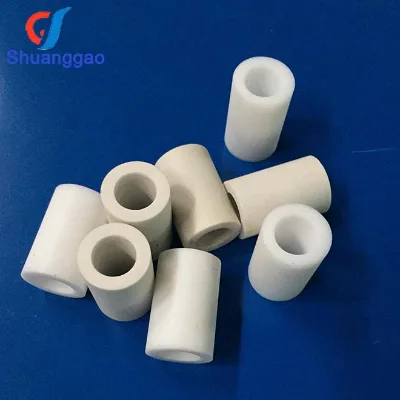
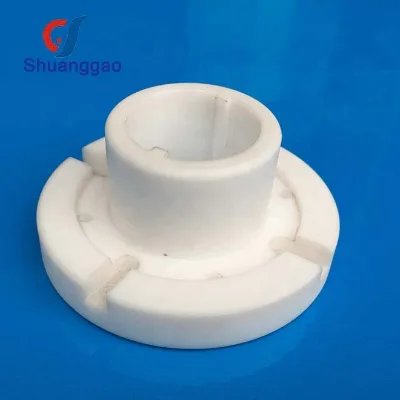
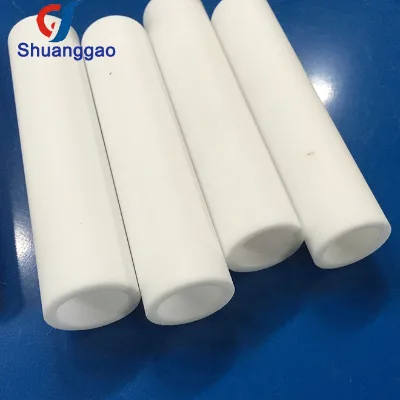
PTFE Bushing High Working Temperature Excellent Wearing Insulation PTFE Bushing
$0.01 - $2.00
MOQ: 20 Pieces


Chengdu Shuanggao Industry Co., Ltd.
- Manufacturer, Trading Company
- Sichuan, China
- Lead time10 days
- Avg. response≤ 2h
Main productsseals components for compressor,compressor seals,valve seal,pump seals,compressor replacement parts
Main marketsDomestic Market(90.00%), Southeast Asia(3.00%), Mid East(2.00%), South America(2.00%), North America(2.00%), Eastern Europe(1.00%)
Hengshui Huake Rubber & Plastic Co., Ltd.
- Verified by SGS Group
- Manufacturer, Trading Company
- Lead time30 days
- Avg. response≤ 4h
Main productsPTFE, Sludge Scraper, Rubber Products, Rubber Sheets, Plastic Products
Main marketsDomestic Market(91%), Mid East(3%), Eastern Europe(2%)

- Verified by BV
- Manufacturer/Factory
- China Zhejiang
- Lead time15 days
- Avg. response≤ 11h
Main productsBall Bearing, Roller Bearing, Pillow Block Bearing, Transmission Parts, Solder Wire, Spare Parts, Rod End, Carbon Brush, Connectors, Linear Guide Rail
Main marketsSouth America,Eastern Europe,Mid East,North America,Southeast Asia,Eastern Asia,Oceania,Western Europe,Africa

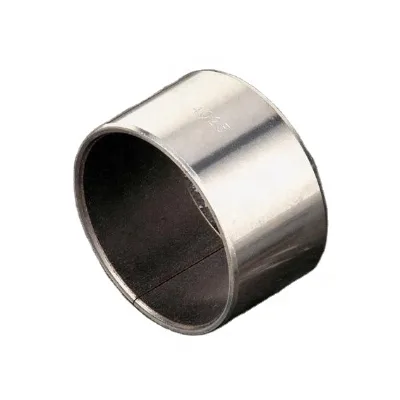
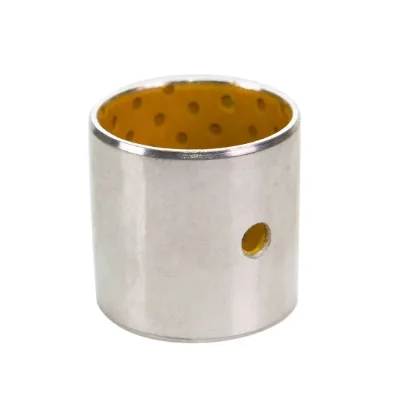
High Performance Sleeve Du Bushing PTFE Coated Oiless Bearing Dry Bush
$10.00 - $999.00
MOQ: 20 Pieces

High Quality Self Lubricating Bearing Bushstainless Steel Stainless Steel PTFE Bushings
$10.00 - $999.00
MOQ: 20 Pieces

Zhuzhou Hongda Polymer Materials Co., Ltd.
- Verified by TUVRHEINLAND
- Manufacturer/Factory
- China Hunan
- Lead time23 days
- Avg. response≤ 5h
Main productsPVDF, PTFE, PCTFE, PFA, FEP, Peek, UHMW-PE, Valve Seals, Plastics CNC Machined Parts, RO Membrance Components
Main marketsSouth America,Eastern Europe,Mid East,North America,Southeast Asia,Eastern Asia,Oceania,Western Europe,Africa




Comprehensive Sourcing Guide
Oilless Ptfe Bush Supplier Concentration and Factory Types
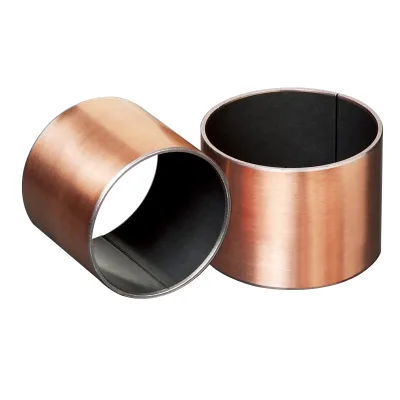
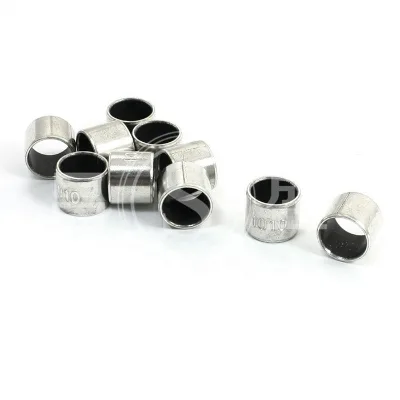
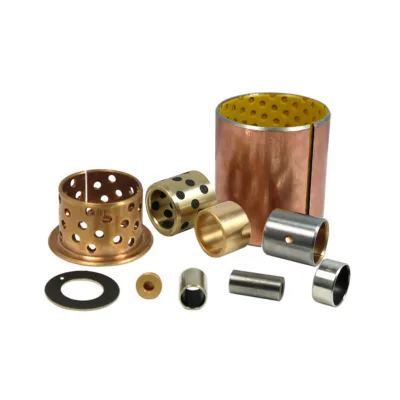
The current search results indicate a clear concentration of manufacturers and trading companies operating within Zhejiang, China, specifically for Oilless Ptfe Bush products. This region serves as a primary hub for the production of composite bushings, self-lubricating bearings, and slide bearings, with multiple listings confirming the place of origin as Zhejiang. Buyers observing these results should note that the supplier base includes both direct manufacturers and trading entities, offering a mix of production capabilities and distribution networks. The presence of specific product models like SF-1 and PAP types in this location suggests a mature local supply chain capable of handling diverse specifications for machinery and automotive applications.
When evaluating the factory types available in this cluster, buyers must distinguish between entities that manufacture the steel-backed bronze and PTFE layers and those that simply resell finished goods. The data shows suppliers listing company types as both Manufacturer and Trading Company, which impacts the depth of technical support and customization potential. A manufacturer in Zhejiang may offer direct control over the sintering process and the application of the PTFE layer, whereas a trading company might aggregate products from various factories. Buyers should verify the specific nature of the entity to ensure they are dealing with the source of production if custom tolerances or material compositions are critical for their specific machinery repair or manufacturing needs.
How to Verify Oilless Ptfe Bush Suppliers
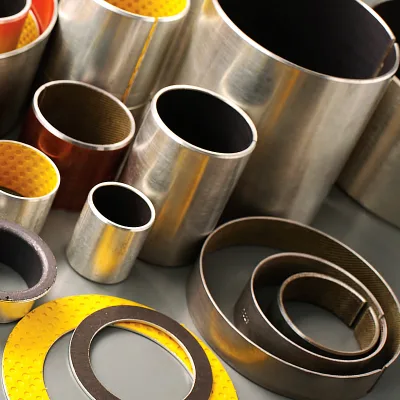
Verification of suppliers begins with scrutinizing the product attributes and certifications listed in the search results, such as the IATF 16949:2016 and ISO/TS16949:2009 standards mentioned for specific bushing models. These certifications indicate adherence to automotive quality management systems, which is crucial for buyers sourcing components for the automotive or energy sectors. However, buyers must not assume every supplier holds these credentials without direct confirmation. The presence of a standard in a product listing is a strong signal, but it requires validation through official certificates to ensure the specific factory producing the batch maintains the required quality protocols for steel, porous bronze, and PTFE layer integration.
Beyond certifications, buyers should verify the physical capabilities and response times of the potential partners. The observed response time of five units suggests a baseline for communication speed, but this metric varies and should be tested directly before placing orders. Buyers must also confirm the accuracy of the stated lead times, which appear to be around twenty days in the current data, against their own production schedules. It is essential to request proof of the manufacturing process, such as videos of the sintering line or photos of the copper/tin plating finishing, to ensure the supplier can consistently deliver the maintenance-free features and precise tolerances like ±0.02 mm for inside and outside diameters.
What to Compare Across Oilless Ptfe Bush Suppliers
Comparing suppliers requires a detailed analysis of the Minimum Order Quantity (MOQ) and pricing structures, which vary significantly across the available listings. Some suppliers list an MOQ of 100 pieces with a unit price around 0.08, while others require 1,000 or 2,000 pieces with prices ranging up to 0.27 per unit. This variation suggests that pricing is often tied to volume tiers and specific model numbers, such as the SF-1 20x23x15 mm versus the 10x12x10 mm variants. Buyers must calculate the total landed cost, including the impact of selling units which may be multiples of 1,000 or 500, to determine the most economical option for their specific order volume and inventory strategy.
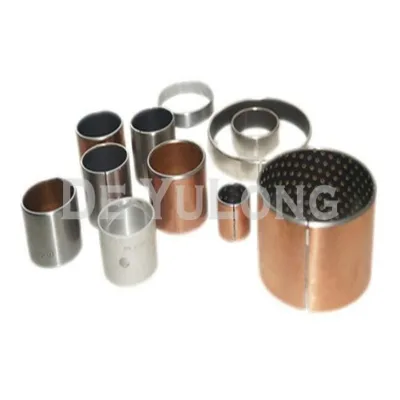
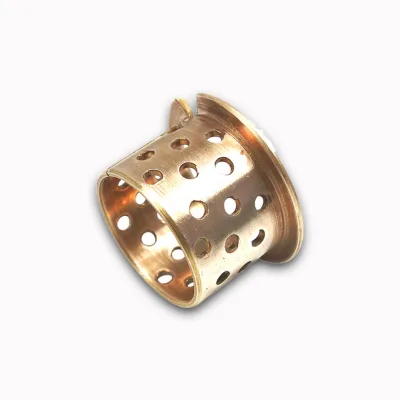
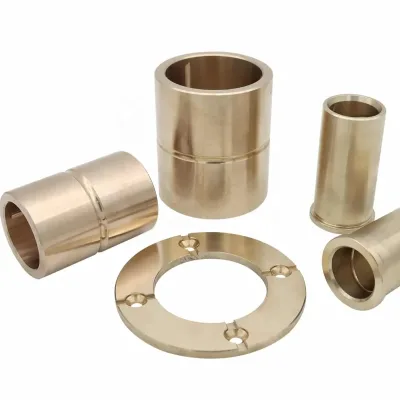
In addition to cost and volume, buyers should compare the technical specifications and material compositions provided in the product attributes. The data indicates a common material structure of steel, porous bronze, and PTFE, but the finishing options like copper or tin plating and the specific bush types, such as split metal or sleeve types, differ between suppliers. The gross weight per batch and package size, ranging from 22x22x22 cm to smaller single packages, also affect shipping logistics and storage requirements. A thorough comparison involves matching these technical details against the buyer's application needs, ensuring that the selected supplier offers the exact combination of dimensions, tolerances, and material layers required for the intended machinery or automotive assembly.
Common Oilless Ptfe Bush Sourcing Risks
One significant risk in sourcing oilless PTFE bushings is the potential discrepancy between the advertised material composition and the actual product delivered. While listings consistently describe a steel backing with a porous bronze and PTFE layer, the quality of the bronze sintering or the thickness of the PTFE coating can vary between factories. Buyers face the risk of receiving components that do not meet the specified maintenance-free performance or wear-resistant characteristics if the supplier lacks rigorous internal quality control. This is particularly critical for applications in energy, mining, or construction where failure could lead to costly downtime, making it essential to verify the material integrity through third-party testing or sample analysis before committing to large orders.
Another risk involves the reliability of lead times and the consistency of the supply chain, especially given the variation in MOQs and selling units. Some suppliers require orders in multiples of 1,000 or 2,000, which can create inventory pressure if the demand forecast is inaccurate. Furthermore, the stated lead time of twenty days may fluctuate based on raw material availability or production capacity, potentially delaying critical machinery repairs or assembly lines. Buyers must also be wary of the "maintenance" versus "maintenance-free" labeling inconsistencies found in different product descriptions, as this could indicate a lack of standardization in product definitions across the supplier base, leading to confusion regarding the expected service life and lubrication requirements of the bushings.
Oilless Ptfe Bush Regional Sourcing and Logistics
Sourcing from the identified region of Zhejiang, China, offers logistical advantages due to the concentration of manufacturers and established export infrastructure. The consistent listing of Zhejiang as the place of origin suggests a dense network of suppliers capable of handling bulk shipments efficiently. However, buyers must account for the specific packaging dimensions and weights provided in the product data, which range from single items weighing 0.010 kg to batches weighing up to 26.000 kg. These variations directly impact freight costs and container utilization, requiring careful planning to optimize shipping expenses while ensuring the physical protection of the bushings during transit.
Logistics planning must also consider the specific requirements for different bush types and sizes, such as the SF-1 models or the PAP 1010 variants, which may have different handling needs. The package size per batch is frequently listed as 22x22x22 cm, but single items may be packaged differently, affecting how pallets are stacked and secured. Buyers should verify the shipping terms and Incoterms with each supplier to understand who bears the risk during transit and how the goods will be handled at the port of origin. Given the diverse applicable industries, from farms to automotive plants, the delivery timeline must align with the buyer's operational schedule, necessitating a clear agreement on the final delivery date and any potential delays due to regional logistics constraints.
Oilless Ptfe Bush Commercial Terms and Order Planning
Commercial terms for oilless PTFE bushings often revolve around the Minimum Order Quantity and the specific selling units defined by the supplier. The data shows a wide range of MOQs, from 100 pieces to 2,000 pieces, with some suppliers requiring orders in multiples of 500 or 1,000. This variability means that buyers cannot assume a standard order size and must negotiate terms that align with their production cycles and storage capabilities. Understanding the selling units is crucial for cost estimation, as purchasing in multiples of 1,000 might offer a lower unit price compared to smaller batches, but it also ties up more capital in inventory. Buyers should clarify these terms early to avoid unexpected costs or the need to purchase excess stock.
Order planning must also incorporate the response times and lead times observed in the supplier data to ensure timely delivery. With a response time of five units and a lead time of twenty days, buyers should factor in these durations when scheduling production runs or maintenance activities. It is vital to confirm the exact delivery date in the purchase agreement, as the stated lead time is an estimate and may be subject to change based on production load. Additionally, buyers should verify the payment terms and any escrow options available to protect their financial interests, ensuring that the supplier can meet the agreed-upon specifications for the steel, bronze, and PTFE layers before the final payment is released.
FAQs
What is the typical lead time for Oilless Ptfe Bush orders?
The standard lead time for these components is 20 days. This duration allows for manufacturing and quality checks before shipment. Buyers should confirm specific timelines with suppliers to ensure production schedules align with project deadlines and delivery requirements.
What is the minimum order quantity for these bushings?
Minimum order quantities vary by supplier, typically ranging from 100 to 2000 pieces. Some manufacturers require orders in multiples of 1000 units. Buyers should verify the specific MOQ with their chosen supplier to ensure the order meets production thresholds.
What materials are used in these self-lubricating bushings?
These bushings are constructed from a composite of steel, porous bronze, and a PTFE layer. This structure provides a durable steel backing with a self-lubricating surface. The design ensures maintenance-free operation in various industrial applications without external lubrication.
What certifications do these suppliers typically hold?
Many suppliers hold IATF 16949:2016 or ISO/TS16949:2009 certifications. These standards ensure quality management in the automotive and manufacturing sectors. Buyers should request valid certificates to verify that the supplier meets international quality and safety requirements for their components.
Where are these oilless bushings manufactured?
These components are primarily manufactured in Zhejiang, China. This region is a known hub for bearing and mechanical component production. Buyers sourcing from this location should consider logistics and shipping times when planning their supply chain and inventory management.
What is the price range for these bushings?
Prices for these bushings range from $0.06 to $0.27 per unit. The cost depends on the specific model, size, and order quantity. Buyers should request detailed quotes to understand the final pricing based on their required specifications and volume.
How quickly do suppliers respond to inquiries?
Suppliers typically respond to inquiries within 5 hours. This rapid response helps buyers clarify specifications and negotiate terms efficiently. Prompt communication ensures that technical details and order requirements are addressed quickly to prevent delays in the sourcing process.