Wedding Party Wine Glass Suppliers and Manufacturers
Compare 25 verified suppliers of Wedding Party Wine Glass in China Guangdong. Review lead times, MOQs, certifications like LFGB and ROHS, and pricing ranges from 0.74 to 5.63 USD per piece. Contact suppliers directly to request samples and confirm customization options.
Suppliers List

Foshan Ron Hospitality Supplies Co., Ltd.
- Verified by BV
- Manufacturer/Factory,Group Corporation
- China Guangdong
- Lead time45 days
- Avg. response≤ 3h
Main productsRestaurant Furniture, Restaurant Booth, Restaurant Chair, Restaurant Table, Bar Stools, Wedding Chairs, Flatware Sets, Dinnerware Sets, Garden Chairs, Disposable Dinnerware & Tableware
Main marketsSouth America,Eastern Europe,Mid East,North America,Southeast Asia,Eastern Asia,Oceania,Western Europe,Africa


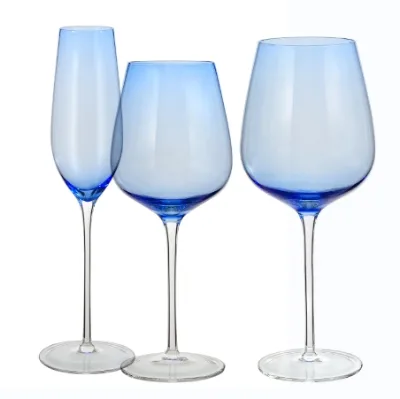
Cheap Price Luxury Party Wedding Drinking Champagne Crystal Colored Wine Glasses
$1.70 - $2.00
MOQ: 1000 sets

$0.40 - $0.50
MOQ: 50 Pieces

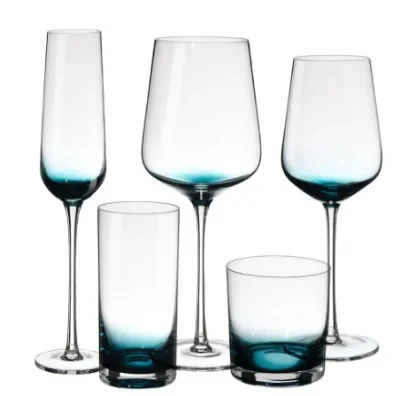
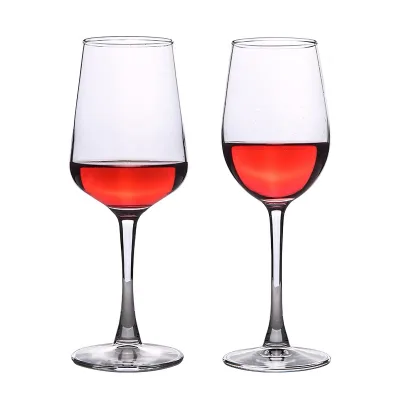
Wholesale Restaurant Stemware Red Wine Bar Party Wedding Drinking Glasses
$1.00 - $1.08
MOQ: 48 pieces
Hangzhou Haishang Minghui Trading Co., Ltd.
- Trading Company
- Zhejiang, China
- Lead time15 days
- Avg. response≤ 4h
Main productsGlass,Red wine glass,Beer mug,Teacup,Glass storage cans
Main marketsNorth America(70.00%)
Shanxi Midas Industrial Co., Ltd.
- Manufacturer, Trading Company
- Lead time旺季: "1 - 3000":31,"> 3000":"To be negotiated", 淡季: "1 - 3000":31,"> 3000":"To be negotiated"
- Avg. response≤ 5h
Main productsWine glass,Beer glass,Whisky glass,Glass plate,Glass vase

Wuhan Xinhuahang Household Goods Co., Ltd.
- Verified by BV
- Combined
- China Hubei
- Lead time15 days
- Avg. response≤ 4h
Main productsWine Glasses, Beer Glass, Drinking Glass, Decanter, Shot Glass, Coffee Glass, Cocktail Glass, Champagne Glass, Wine Accessories
Main marketsEurope,Australia,North America

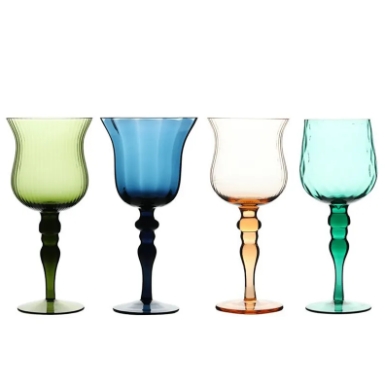
Tableware Colorful Red Wine Glasses Wedding Gin Glass Christmas Champagne Flutes Water Glass
$0.98 - $1.32
MOQ: 480 Pieces

$0.55 - $0.85
MOQ: 480 Pieces

Simple Design Style Modern Home Goblet Long Handle Wine Glass for Wedding Party Decoration
$0.96 - $1.27
MOQ: 480 Pieces


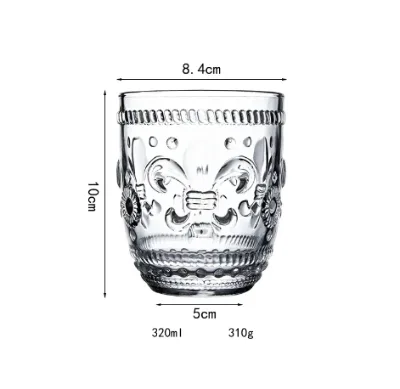
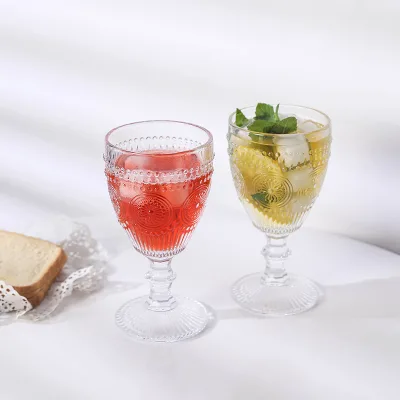
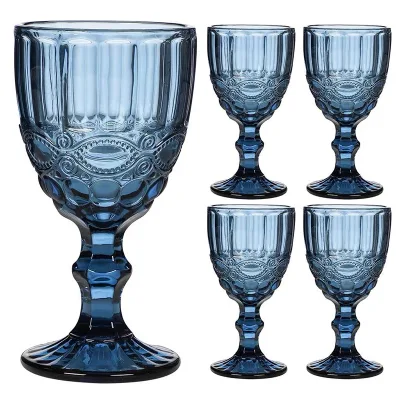
Unique Embossed Pattern High Clear Stemmed Glassware Wedding Party Vintage Wine Glasses Set
$0.58 - $0.84
MOQ: 480 Pieces

Rollin Porcelain Industrial Co., Ltd.
- Verified by BV
- Manufacturer/Factory
- China Guangdong
- Lead time45 days
- Avg. response≤ 7h
Main productsPorcelain Dinnerware, Tableware, Dinner Set, Dinner Plate, Hotel and Restaurant Tableware, Bone China, Cutlery, Glassware, Ceramic Plate, Porcelain
Main marketsEastern Europe,Mid East,North America,Southeast Asia,Eastern Asia,Oceania,Western Europe

Weifang Easylife Ware Co., Ltd.
- Trading Company
- China Shandong
- Lead time0 days
- Avg. response≤ 5h
Main productsGlass Cup, Coffee Cup, Coffee Mug, Coffee Pot, Tea Cup, Teapot, Whiskey Glass Cup, Decanter, Cocktail Glass Cup, Wine Glass Cup

Graceful Glass of Wine Aesthetic Drinking Glassware Wine Glass for Wedding Feast Wine Cooler Display
$0.89 - $1.95
MOQ: 500 Pieces

Top Quality Custom Water Wine Champagne Whiskey Glass for Wedding Bar Hotel Party
$0.49 - $0.83
MOQ: 500 Pieces


Clear Glass Goblet Wineglasses Champagne Whisky Glass Cup for Wedding Party
$1.49 - $1.96
MOQ: 500 Pieces
Qixian Xin Sen Glass Products Co., Ltd.
- Verified by Intertek
- Manufacturer, Trading Company
- Lead time35 days
- Avg. response≤ 2h
Main productsDrinking Glassware, Glass Jar, Glass Plate, Glass Vase
Main marketsNorth America(40%), Oceania(20%), Northern Europe(20%)
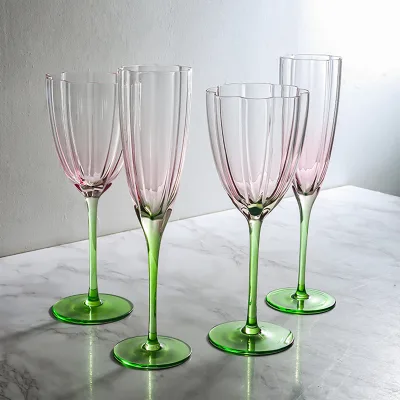
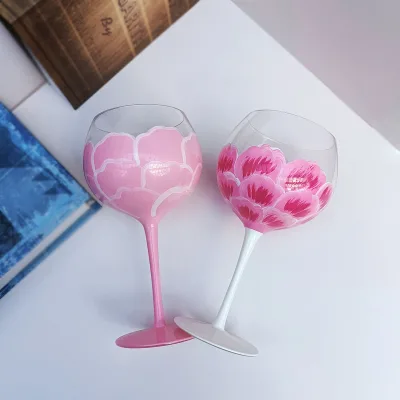
$3.80 - $4.10
MOQ: 100 pieces
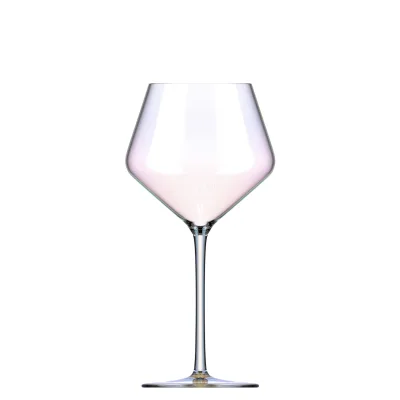
Wholesale Cheap Shiny Customized Colored Wine Glasses for Wedding Party
$1.40 - $2.00
MOQ: 100 Minimum
Changsha Aikeyi Homeware Co., Ltd.
- Trading Company
- Hunan, China
- Lead time25 days
- Avg. response≤ 2h
Main productsCustomized Glassware,Glass Tableware,Wine Glass,Glass Bottle,Glass Jar
Main marketsNorth America(33.00%), Oceania(15.00%), South America(12.00%), Western Europe(9.00%), Mid East(8.00%), Central America(4.00%), Northern Europe(4.00%), Africa(3.00%), Eastern Europe(3.00%), Southern Europe(3.00%), South Asia(2.00%), Southeast Asia(2.00%), Eastern Asia(2.00%)
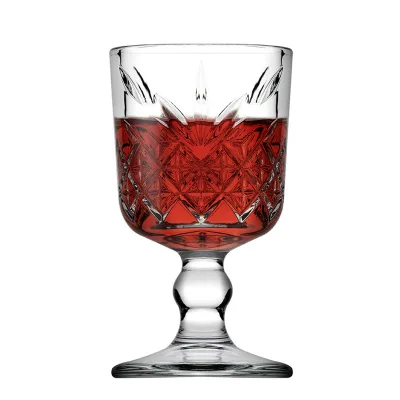
embossment Geometric pattern lead-free wine glass vintage champagne glass for wedding party bar
$0.59 - $0.90
MOQ: 1000 pieces
Qixian Kewantong Glassware Co., Ltd.
- Verified by Intertek
- Manufacturer, Trading Company
- Lead time30 days
- Avg. response≤ 5h
Main productsWine Glasses, Decanter, Whiskey Glasses, Champagne Glasses, Glass Plate
Main marketsDomestic Market(45%), North America(15%), Mid East(10%)

Longyan Zhanling Industry and Trade Co., Ltd.
- Manufacturer/Factory
- China Fujian
- Lead time150 days
- Avg. response≤ 3h
Main productsStainless Steel Cup, Customized Cup, Stainless Steel Cup & Mug, Double Wall Stainless Steel Cup, Customized Stainless Steel Cup, Water Bottle, Tumbler, Stainless Steel Water Bottle, Stainless Steel Bottle, Whiskey Glass
Main marketsSouth America,Eastern Europe,Mid East,North America,Southeast Asia,Eastern Asia,Oceania,Western Europe,Africa
Dongguan Vansun E-Commerce Co., Ltd.
- Trading Company
- Guangdong, China
- Lead time15 days
- Avg. response≤ 1h
Main productsCanvas bag,Tote Bag,Cosmetic makeup bag,hats,caps
Main marketsWestern Europe(15.00%), Southern Europe(10.00%), Northern Europe(10.00%), Central America(10.00%), North America(10.00%), Eastern Europe(10.00%), South America(10.00%), Southeast Asia(8.00%), Africa(5.00%), Eastern Asia(5.00%), South Asia(2.00%), Mid East(2.00%), Oceania(2.00%)
Shanxi Liangpin Glassware Co., Ltd.
- Manufacturer
- Shanxi, China
- Lead time7 days
- Avg. response≤ 1h
Main productsglass cup,tea set,Water cup,Decanter,Dining plate
Main marketsSouthern Europe(10.00%), Northern Europe(10.00%), Western Europe(10.00%), Eastern Europe(10.00%), South America(10.00%), North America(10.00%), Domestic Market(5.00%), South Asia(5.00%), Central America(5.00%), Oceania(5.00%), Africa(5.00%), Southeast Asia(5.00%), Eastern Asia(5.00%), Mid East(5.00%)

Danyang Liou Kitchenware Co., Ltd.
- Verified by CTI
- Combined
- China Jiangsu
- Lead time23 days
- Avg. response≤ 8h
Main productsCutlery, Flatware, Charger Plate, Wine Glass, Bone China Plate, Glass Plate
Main marketsDomestic,North America


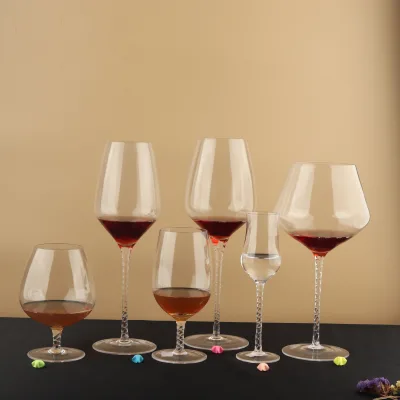
Elegant V-Shaped Crystal Wine Glasses for Wedding Receptions and Celebrations
$2.20 - $2.30
MOQ: 120 Pieces


Guangzhou Tianfu Glass Products Co., Ltd.
- Verified by SGS Group
- Trading Company
- Lead time0 days
- Avg. response≤ 3h
Main productsGlass, Red Wine Glass, Beer Glass, Cocktail Glass, Champagne Glass
Main marketsNorth America(30%), Southeast Asia(20%), Western Europe(10%)

Dongguan Langxin Home Product Co., Ltd
- Verified by TUVRHEINLAND
- Trading Company
- China Guangdong
- Lead time15 days
- Avg. response≤ 1h
Main productsPlastic Cup
Main marketsDomestic


Custom Logo Colores 4.5oz Champagne Glass Plastic Wine Glasses for Party & Events
$0.71 - $0.75
MOQ: 1000 Pieces
- Manufacturer, Trading Company, Distributor/Wholesaler
- Lead time旺季: "1 - 500":30,"> 500":"To be negotiated", 淡季: "1 - 500":30,"> 500":"To be negotiated"
- Avg. response≤ 3h
Main productscoffee product,coffee mug,coffee cup,coffee maker,nespresso
Suzhou Dajiatong International Trade Co., Ltd.
- Trading Company
- Jiang Su, China
- Lead time35 days
- Avg. response≤ 2h
Main productsglassware,ceramic mug,whiskey glass,glass water bottle,glassjar
Main marketsNorth America(40.00%), Western Europe(26.00%), South America(5.00%), Northern Europe(5.00%), Southeast Asia(5.00%), Eastern Europe(5.00%), Southern Europe(4.00%), Central America(2.00%), Domestic Market(2.00%), South Asia(2.00%), Oceania(1.00%), Eastern Asia(1.00%), Mid East(1.00%), Africa(1.00%)
Linyi Jingjiu Glass Products Co., Ltd.
- Manufacturer, Trading Company
- Shandong, China
- Lead time0 days
- Avg. response≤ 5h
Main productsGlass bottle,Glass jar,1 to 20 liter glass bottles with plastic handles,Glass crystal vase,Glass vase
Main marketsMid East(11.00%), Southeast Asia(11.00%), Central America(11.00%), South Asia(11.00%), North America(11.00%), Domestic Market(8.00%), Eastern Asia(8.00%), Africa(8.00%), South America(8.00%), Northern Europe(6.00%), Eastern Europe(3.00%), Southern Europe(2.00%), Western Europe(1.00%), Oceania(1.00%)

- Verified by TUVRHEINLAND
- Manufacturer/Factory
- China Zhejiang
- Lead time45 days
- Avg. response≤ 3h
Main productsIce Bucket, Toys, Kitchen Products, Hip Flask, Shaker, Bar Caddy, Menu Board, Bottle Opener, Barwares, Wine Glasses
Main marketsSouth America,Eastern Europe,Mid East,North America,Southeast Asia,Eastern Asia,Oceania,Western Europe,Africa
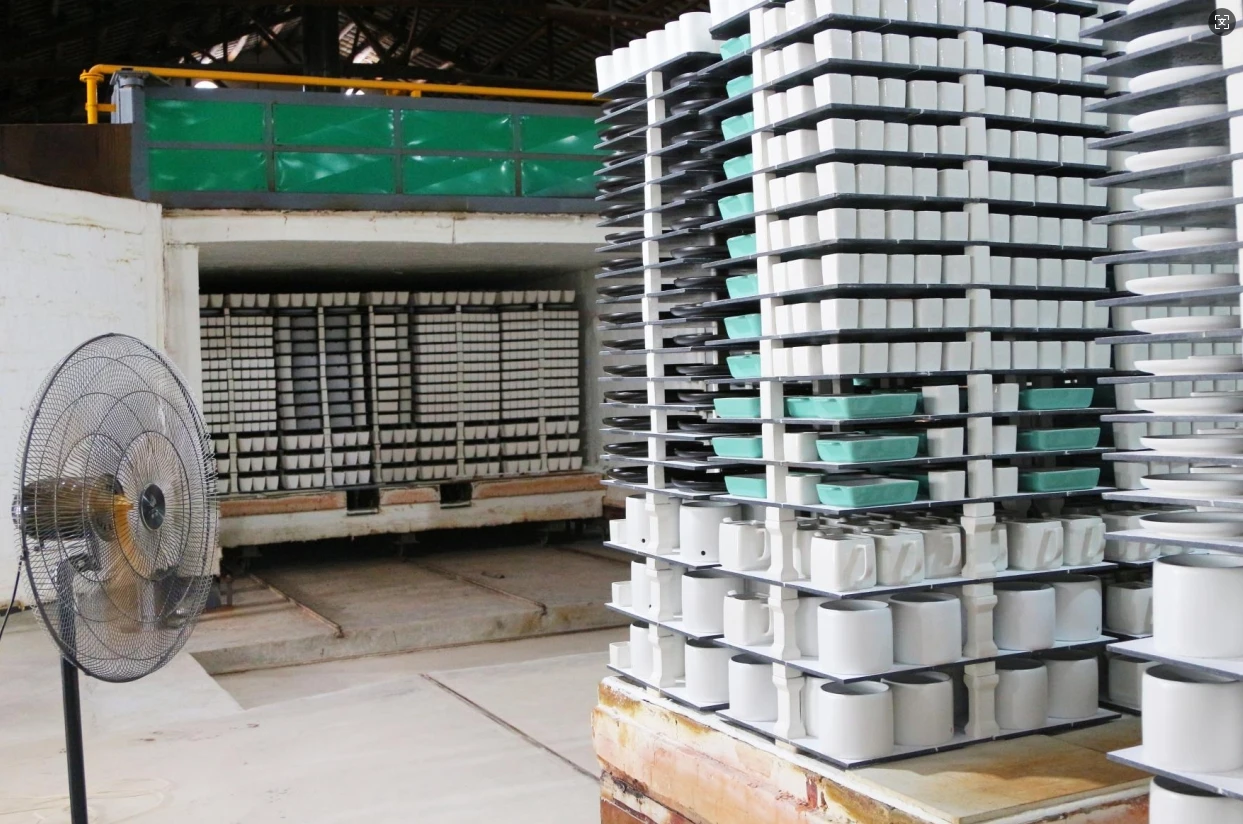
Shenzhen Brett Hotel Supplies Co., Ltd.
- Trading Company
- Guangdong, China
- Lead time15 days
- Avg. response≤ 4h
Main productsCeramic Dinnerware, Glassware, Stainless Steel Flatware, Melamine Dinnerware
Main marketsNorth America(20.00%), Mid East(20.00%), South America(15.00%), Southeast Asia(15.00%), Oceania(5.00%), Western Europe(5.00%), Southern Europe(5.00%), Central America(5.00%), Northern Europe(5.00%), Eastern Europe(5.00%)
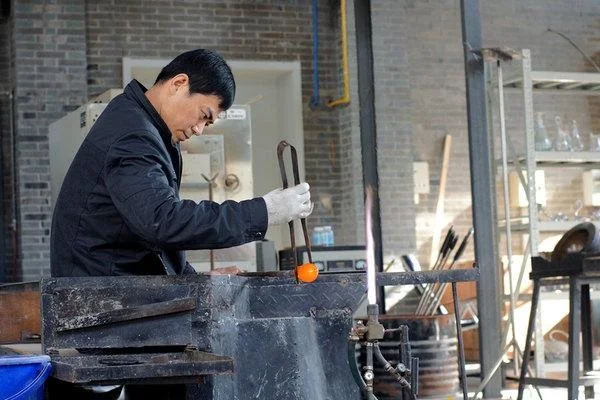
Shanxi Jinbaijia Trading Co., Ltd.
- Trading Company
- Shanxi, China
- Lead time30 days
- Avg. response≤ 10h
Main productsDrinkware
Main marketsNorth America(40.00%), South America(30.00%), Western Europe(10.00%), Domestic Market(10.00%), Southeast Asia(10.00%)

XIAMEN SHUNSTONE HOMEWARE CO., LTD.
- Manufacturer/Factory
- China Fujian
- Lead time23 days
- Avg. response≤ 5h
Main productsWhiskey Box, Wine Box, Wooden Gift Box, Leather Gift Box, Gift Set with Box, Whiskey Decanter, Whiskey Glass, Cigar Box
Main marketsSouth America,Eastern Europe,Mid East,North America,Southeast Asia,Eastern Asia,Oceania,Western Europe,Africa
Dalian Crystal Coast Glass Co., Ltd.
- Verified by TüVRheinland
- Trading Company
- Lead time45 days
- Avg. response≤ 7h
Main productsGlassware
Main marketsNorth America(20%), Mid East(20%), Western Europe(15%)
Guangzhou Blais Hotel Supplies Co., Ltd.
- Verified by SGS Group
- Trading Company
- Lead time30 days
- Avg. response≤ 6h
Main productsCeramic Dinnerware, Stainless Steel Flatware, Wine Glass, Charger Plate
Main marketsNorth America(95%), South America(3%), Africa(1%)
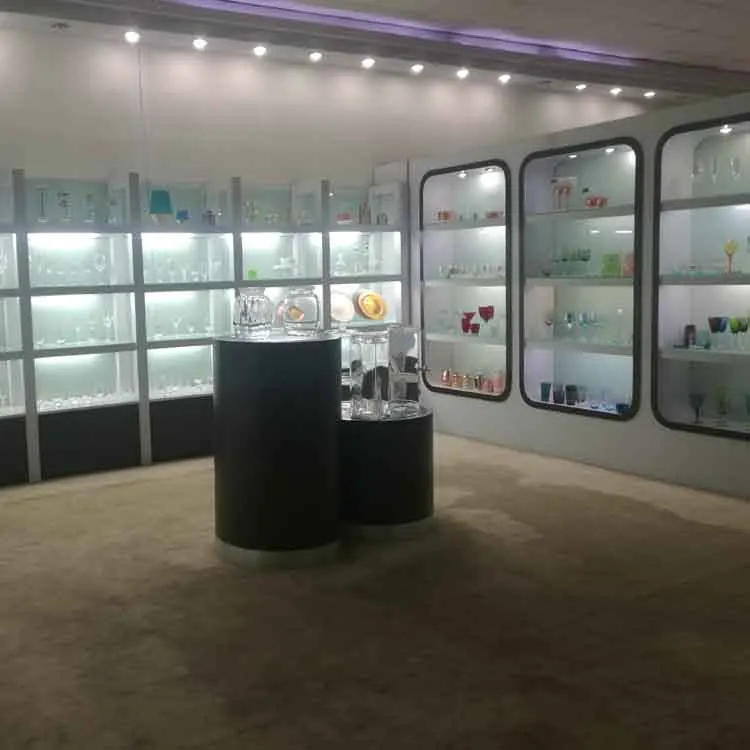
Shanxi Fly Glassware Co., Ltd.
- Manufacturer, Trading Company
- Shanxi, China
- Lead time45 days
- Avg. response≤ 3h
Main productsglassware,tableware,candle holder,glass plate,glass Vase
Main marketsWestern Europe(30.00%), North America(20.00%), Africa(10.00%), Mid East(10.00%), Southeast Asia(9.00%), South America(5.00%), Central America(3.00%), South Asia(3.00%), Southern Europe(3.00%), Oceania(2.00%), Eastern Europe(2.00%), Northern Europe(2.00%), Domestic Market(1.00%)








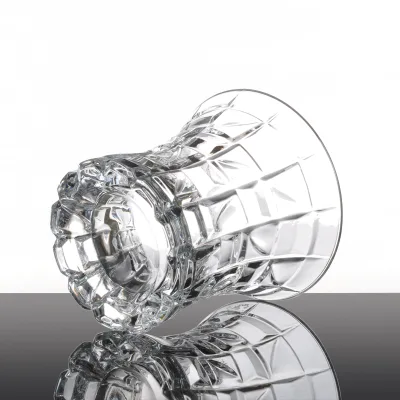
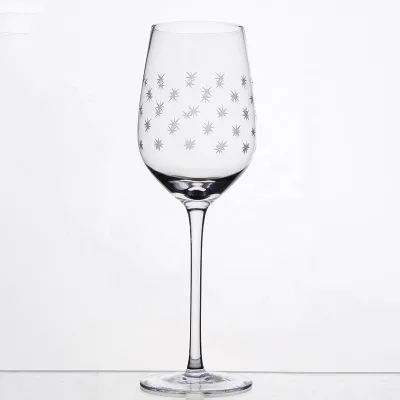
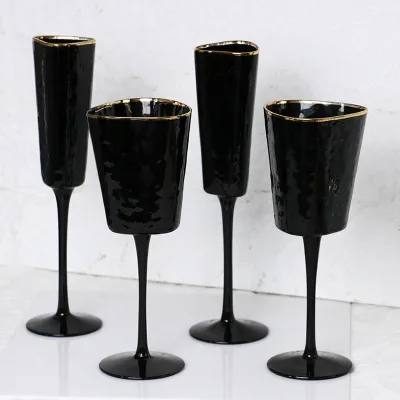
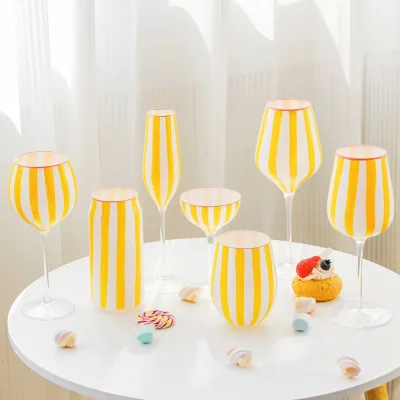
Comprehensive Sourcing Guide
Wedding Party Wine Glass Supplier Concentration and Factory Types
When sourcing wedding party wine glasses, understanding where production is concentrated helps you shortlist realistically. In current supplier results, the location evidence points to Guangdong, China, which appears both as a supplier-level location and as product origin attributes on individual glassware listings. This makes Guangdong a documented cluster for this category, and buyers can expect to find factories there combining glassware output with broader hospitality product lines. Some suppliers in this cluster list main products spanning restaurant furniture, booth seating, tables, bar stools, wedding chairs, flatware, dinnerware sets, and disposable tableware, indicating that wine glasses are often one category within a larger tableware or banquet supply operation rather than a standalone specialization.
Supplier types in the observed results are labeled Manufacturer/Factory and Group Corporation, which matters for how you plan engagements. A group corporation with its own brand plus OEM and ODM capability can typically support custom logos, packaging, and design adjustments, which are relevant for wedding and event glassware where personalization is common. A focused factory may offer sharper pricing on standard crystal or clear glass models but could be less flexible on customization. When you review profiles, note whether customization is explicitly marked available, whether samples are offered, and whether the product range suggests deep glassware expertise or a broader banquet-supply catalog with glassware as an add-on line.
How to Verify Wedding Party Wine Glass Suppliers
Verification should start with the credentials displayed on the supplier profile and finish with checks you request directly. In the observed results, one meaningful trust signal is third-party verification: at least one supplier carries BV verification, an audit-style credential you should confirm is current by viewing the certificate on the platform and asking the supplier for the underlying report. Response time is another verifiable behavior signal; the results show a supplier with an average response time of roughly two hours, and you can test responsiveness yourself by sending a detailed RFQ covering glass material, decoration, logo printing, and packaging, then measuring how completely and quickly the reply arrives.
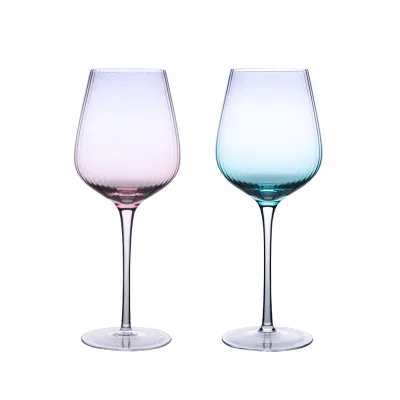
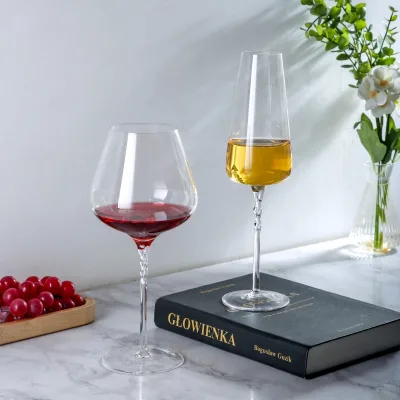
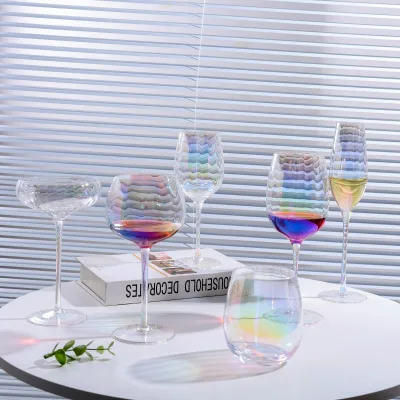
Beyond displayed credentials, verification for glassware specifically should address product safety and composition. Some listings in the results explicitly state lead-free crystal or list certifications such as LFGB, ROHS, and REACH for drinkware; treat these as claims to confirm with certificate copies matched to the exact product model, since certifications attach to specific items, not to a company generally. Also ask which factory actually produces the glass if the seller is a group corporation with multiple lines. Request sample units before committing, check weight, rim finish, and clarity against the product attributes (transparent, colored, vintage frosted, or crystal), and verify that the origin stated on the listing matches the origin declared on the proforma invoice you receive.
What to Compare Across Wedding Party Wine Glass Suppliers
Build a side-by-side comparison using the attributes suppliers actually display, without assuming every profile shows the same fields. Useful dimensions from the current results include lead time, where one supplier shows a 45-day figure that you should treat as indicative and confirm for your order size; MOQ, which in observed glassware listings ranges from 24 pieces and 48 pieces on wedding glass sets up to 1,000 pieces for colored champagne-style glasses, a spread that strongly affects which supplier fits a small event retailer versus a large banquet buyer; and response time, where a roughly two-hour average indicates an engaged export team. Location also matters, since Guangdong-based suppliers may simplify consolidated shipments with other tableware.
Compare product-level evidence as carefully as company-level labels. Listings differ in material (glass versus lead-free crystal), design style (modern, vintage, colored), occasion fit, customization availability, sample availability, and logo acceptance. One listing states a supply ability of 1,000,000 pieces per month, which signals industrial-scale capacity, while others emphasize unbreakable tumblers or decorative goblets. Also compare packaging claims: safety package, carton packing, or standard packing with customization. Since glassware is fragile, ask each supplier for breakage rates and packing specifications rather than relying on the label alone. Finally, compare establishment-year information if displayed, because longer export history in banquet drinkware usually correlates with better defect handling, but verify any claim you cannot see directly on the profile.
Common Wedding Party Wine Glass Sourcing Risks
The most frequent risk in this category is breakage in transit, because thin-walled crystal and stemmed glasses are inherently fragile. Listings in the observed results advertise safety packaging and carton packing, but you should not take a label as proof; request the packing specification in writing, including carton size, dividers, gross weight, and whether inner boxes are individual or compartmentalized. A second risk is certification mismatch: a supplier may hold food-contact certifications on one product line while your chosen model is untested. Match certificates to specific model numbers, since the results show certifications attached to individual listings rather than to companies as a whole.
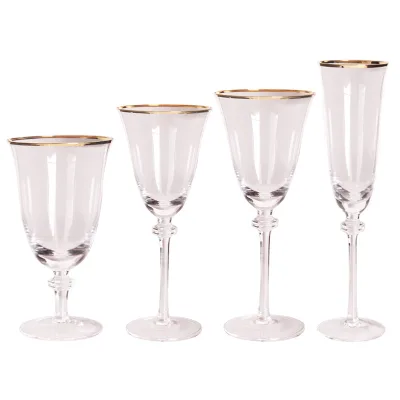
MOQ and pricing surprises are also common. Observed MOQs range from 24 to 1,000 pieces, and a low MOQ on a standard clear glass may not apply to the colored or gold-rimmed variant you actually want, because decoration steps typically raise minimums. Price ranges in the results span roughly a dollar or two per piece up to more than five dollars, so confirm what drives the difference—crystal content, decoration, stem construction—before comparing quotes. Lead-time risk is real as well: a 45-day supplier lead time plus peak-season queue can miss a fixed wedding date, so build buffer into planning. Finally, customization risk: logo printing or custom color on glass can look different from renders, so always approve a physical pre-production sample and keep the golden sample as the reference for the shipment.
Wedding Party Wine Glass Regional Sourcing and Logistics
The location evidence in the current results places suppliers in Guangdong, China, with product origin attributes repeating Guangdong on individual glassware listings. This regional concentration is convenient for logistics: Guangdong provinces host mature export infrastructure, and buyers consolidating wedding glassware with flatware, dinnerware, chairs, or banquet furniture from the same region can combine cargo into fewer containers. If your supplier list includes manufacturers of both glassware and related banquet products in Guangdong, ask whether combined production and single-point consolidation is possible, since this reduces freight cost and simplifies responsibility for the full table setting.
For logistics planning, treat glassware as a high-care cargo class. Confirm the trade terms offered (commonly FOB from a Chinese port), the actual lead time for your order quantity—one supplier displays 45 days, and another listing states a 25–30 day delivery time—so you can calendar backward from event or retail deadlines with margin for inspection and booking. Ask about export carton standards, container loading plans, and whether palletization is available to reduce handling damage. If you are importing into markets with food-contact regulations, confirm documentation availability before shipment rather than after. Buyers should also verify whether the supplier ships from the production site directly or via a trading intermediary, because this affects who controls packing quality and who is accountable if a container arrives with a high breakage percentage that photographs alone cannot fully resolve.
Wedding Party Wine Glass Commercial Terms and Order Planning
Commercial terms for this category should be negotiated around the verified attributes rather than generic assumptions. Start from the displayed price ranges—observed listings run from under one dollar to over five dollars per piece depending on crystal content, decoration, and capacity—and require quotes that state unit price at your quantity, decoration cost, sample cost, and packaging cost separately, because bundled quotes obscure the customization premium. Confirm MOQ per design: the results show minimums of 24, 48, 50, and 1,000 pieces across different wedding glass listings, and the MOQ for a custom-colored or logo-printed variant is usually higher than the catalog version, so ask before finalizing a design.
Order planning should lock down the production timeline in writing. Use the 45-day supplier lead time and the 25–30 day delivery figure seen in listings as starting points, then confirm your own schedule including sample approval, mass production, pre-shipment inspection, and transit. Payment terms deserve explicit attention: ask what escrow or trade-assurance-style protection the platform offers, since some listings reference it, and never wire full prepayment to an unverified account. Specify inspection criteria covering clarity, rim smoothness, stem alignment, decoration durability, and carton drop-test standards, and state that the approved sample is the quality benchmark. Finally, plan reorders early—wedding seasonality concentrates demand, and a supplier with million-piece monthly capacity may still prioritize larger standing accounts, so reserve production slots before peak dates.
(Word count: approximately 1,390)
FAQs
What is the minimum order quantity for wedding wine glasses?
Minimum order quantities vary by product, ranging from 24 pieces to 1000 pieces depending on the specific design and customization needs. Some suppliers offer low MOQs of 24 pieces for standard clear or colored glass options, while bulk orders for custom designs may require higher volumes.
How long does production take for custom wine glasses?
Production lead times typically range from 25 to 45 days based on order complexity and supplier capacity. Some manufacturers can deliver within 25 to 30 days for standard orders, while others may require up to 45 days for customized designs or large volume shipments from Guangdong factories.
Are samples available for Wedding Party Wine Glass orders?
Yes, samples are available for most wine glass products to help buyers verify quality before placing bulk orders. Suppliers indicate that sample units can be obtained for single items, allowing buyers to check features like transparency, color, and durability before committing to larger production runs.
What certifications do these wine glass manufacturers hold?
Many manufacturers provide products certified under LFGB, ROHS, and REACH standards to ensure safety and compliance. These certifications confirm that the glassware is lead-free and suitable for food and beverage use, meeting international safety requirements for wedding and commercial party applications.
Can I customize the logo and design on wine glasses?
Customization is widely available, including logo printing and design modifications for wedding and party events. Suppliers accept customized logos and offer various design styles such as modern, vintage, or simple clear glass, allowing buyers to tailor products to specific event themes or branding requirements.
Where are these wine glass manufacturers located?
The primary manufacturing locations for these wine glasses are in Guangdong, China, a major hub for glassware production. Suppliers in this region offer a wide range of options from restaurant furniture to specialized glassware, ensuring efficient logistics and competitive pricing for international buyers.
What is the price range for wholesale wedding wine glasses?
Wholesale prices for wedding wine glasses typically range from $0.74 to $5.63 per piece depending on material and design. Basic clear glass options start at lower prices, while luxury crystal or colored glassware with custom features commands higher unit costs within this established market range.