Paddy Fields Fertilizer Applicator Suppliers and Manufacturers
Explore 29 verified suppliers offering Paddy Fields Fertilizer Applicator units with varying lead times, response speeds, and certifications. Buyers can compare locations in China, OEM capabilities, and product specifications like capacity and power source before requesting quotes; review the available evidence before requesting comparable quotations from suitable candidates.
Suppliers List

Taizhou Guangfeng Plastic Co., Ltd.
- Verified by BV
- Combined
- China Zhejiang
- Lead time23 days
- Avg. response≤ 17h
Main productsSprayer, Electric Sprayer, Hand Sprayer
Main marketsSouth America,Africa,Southeast Asia/ Mideast,East Asia(Japan/ South Korea),Europe,North America


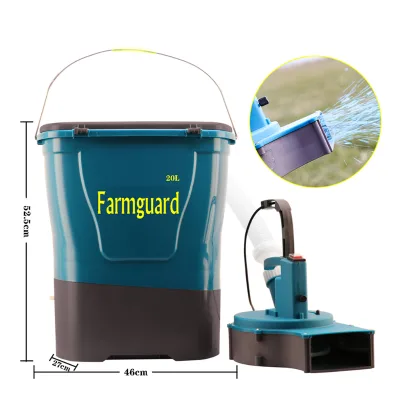
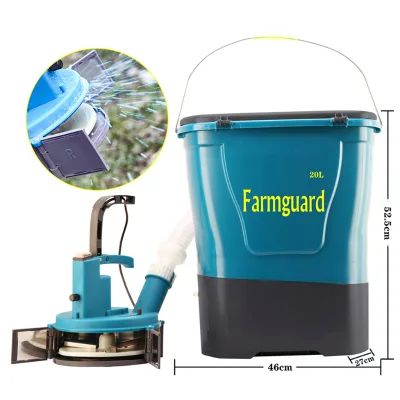
High Quality Fertilizer Applicator 20L Electric Farmguard Fertilizer Applicator
$22.00 - $30.00
MOQ: 100 Pieces
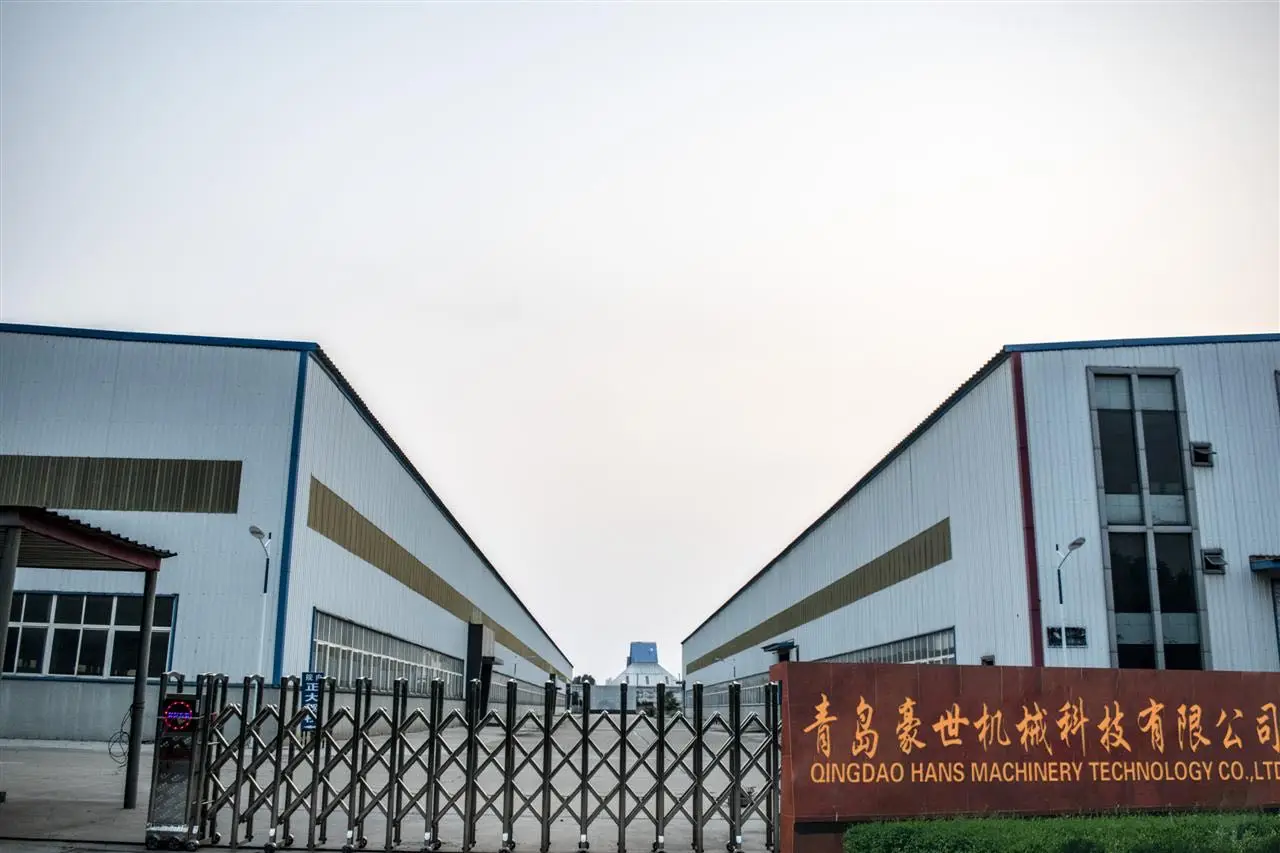
Qingdao Hans Machinery Technology Co., Ltd.
- Manufacturer, Trading Company
- Shangdong, China
- Lead time0 days
- Avg. response≤ 5h
Main productsAgricultural planter,agricultural sprayer,agricultural harvester,field manage machine,paddy field machinery
Main marketsAfrica(40.00%), North America(30.00%), Southern Europe(10.00%), South America(6.00%), Eastern Europe(5.00%), Central America(4.00%), Eastern Asia(3.00%), Northern Europe(2.00%)

Shandong Lvcheng Intelligent Technology Co., Ltd
- Verified by SGS
- Manufacturer
- China Shandong
- Lead time15 days
- Avg. response≤ 15h
Main productsSprayer, Electric Sprayer, Manual Sprayer, Manual Fertilizer Spreader, Electric Fertilizer Applicator, Handheld Fertilizer Applicator, Electric Pollinator, Corn Fertilizer Applicator, Liquid Fertilizer Applicator, Tobacco Bud Suppressor
Main marketsDomestic


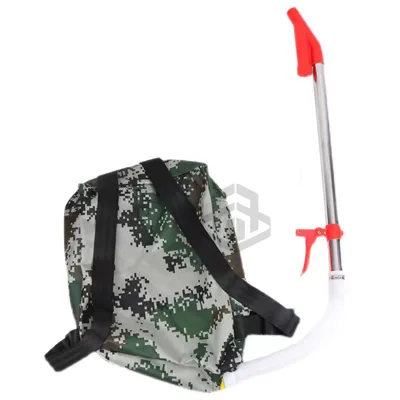
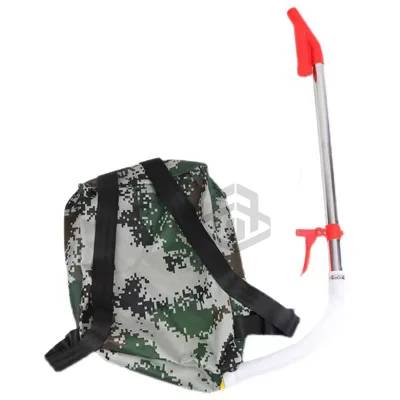
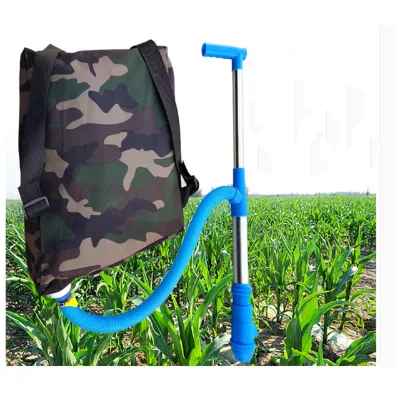
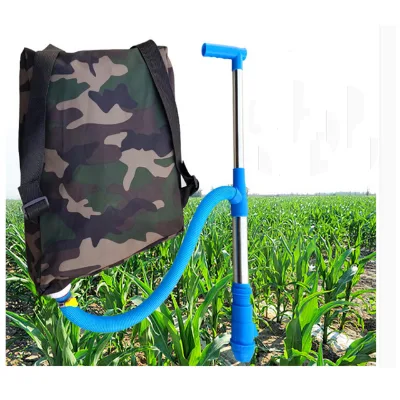
Corn Crop Liquid Fertilizer Applicator Backpack Fertilizer Spreader for Farmland
$9.34 - $22.70
MOQ: 740 Pieces


Labor-Saving Electric Fertilizer Applicator Agricultural Fertilizer and Seed Spreading Equipment
$11.51 - $23.03
MOQ: 700 Pieces
Henan Fengchi Machinery Co., Ltd.
- Trading Company
- Henan Province, China
- Lead time10 days
- Avg. response≤ 3h
Main productsMicro tiller,seeder,Grain screening machine,Industrial machinery,Agricultural machinery
Main marketsAfrica(20.00%), Southeast Asia(20.00%), South Asia(20.00%), Mid East(18.00%), Northern Europe(15.00%), North America(5.00%)
Henan Best Machinery Co., Ltd.
- Trading Company
- Henan, China
- Lead time7 days
- Avg. response≤ 6h
Main productsbrush cutter,farm cultivator,mini weeder,walking tractor,farm spraying machine
Main marketsEastern Asia(21.00%), Southeast Asia(19.00%), South America(10.00%), Africa(9.00%), Western Europe(7.00%), South Asia(7.00%), North America(6.00%), Oceania(5.00%), Mid East(5.00%), Eastern Europe(3.00%), Southern Europe(3.00%), Northern Europe(2.00%), Central America(2.00%), Domestic Market(1.00%)

Yucheng Dingshengyuan Machinery Manufacturing Co., Ltd
- Verified by TUVRHEINLAND
- Combined
- China Shandong
- Lead time15 days
- Avg. response≤ 3h
Main productsMachinery
Main marketsSoutheast Asia/ Mideast

Farm Tractor Mounted Fertilizer Applicator with Agricultural Equipment
$4200.00 - $5200.00
MOQ: 1 Pieces


YUCHENG LIANSHENG MACHINERY CO., LTD.
- Verified by SGS
- Trading Company,Manufacturer/Factory
- China Shandong
- Lead time23 days
- Avg. response≤ 8h
Main productsPlough, Harrow, Seeding Machine, Mower, Thresher, Harvester, Boom Sprayer, Fertilizer Spreader, Agricultural Spare Parts, Grain Harvesting Equipment
Main marketsSouth America,Eastern Europe,Mid East,North America,Southeast Asia,Eastern Asia,Oceania,Western Europe,Africa

$550.00 - $860.00
MOQ: 1 Pieces

Side Fertilizer Machine Orchard Fertilizing Applicator Mounted with Tractor
$1400.00 - $1500.00
MOQ: 1 Pieces

Tractor Mounted Fertilization Machine Fertilizer Applicator Fertilizer Distributor
$300.00 - $350.00
MOQ: 1 Set


Manual Fertilizer Spreader Fertilizer Manure Spreaders, Dry Fertilizer Applicator
$30.00 - $40.00
MOQ: 1 Pieces

New Type Orchard Manure Spreader with Ditching Plough and Granular Fertilizer Applicator
$5300.00 - $5500.00
MOQ: 1 Pieces

Shandong Schnellgoal Machinery Technology Co., Ltd
- Verified by SGS
- Trading Company
- China Shandong
- Lead time15 days
- Avg. response≤ 16h
Main productsSteel Dock Board, Aluminum Ramp, Loading Dock Gate, Light-Duty Steel Hopper, Carts Dollies
Main marketsEurope,North America

TAIZHOU TIANYI AGRICULTURE & FORESTRY MACHINERY CO., LTD.
- Manufacturer/Factory
- China Zhejiang
- Lead time23 days
- Avg. response≤ 2h
Main productsKnapsack Hand Sprayers, Electric / Battery Sprayers, Knapsack Power Sprayers, Air Pressure Sprayers, Brush Cutters, Sprayer Parts & Accessories, Water Pumps, Mist Dusters, Seeding Tray, Seeder
Main marketsSouth America,Eastern Europe,Mid East,North America,Southeast Asia,Eastern Asia,Oceania,Western Europe,Africa
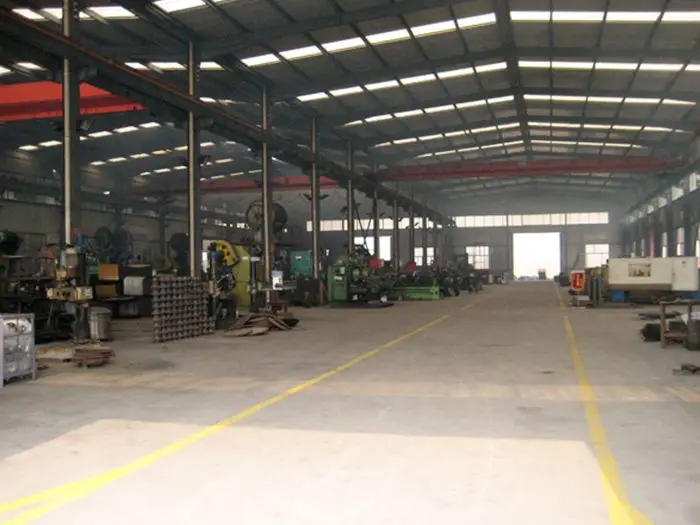
Dezhou Haomin Machinery Equipment Co., Ltd.
- Trading Company
- Shandong Province, China
- Lead time30 days
- Avg. response≤ 1h
Main productsTillage machinery,Harvesting machinery,Fertilizer,Sowing machinery,Spraying machinery
Main marketsDomestic Market(46.00%), Africa(20.00%), Southeast Asia(15.00%), South America(8.00%), Eastern Asia(3.00%), Central America(2.00%), North America(2.00%), South Asia(2.00%), Oceania(1.00%), Mid East(1.00%)

- Manufacturer/Factory,Group Corporation
- China Hubei
- Lead time23 days
- Avg. response≤ 6h
Main productsAgro Machine, Food Machine, Milking Machine, Tractor, Parboiled Rice Milling Machine, Thresher, Harvester, Solar Dryer, Seeder, Biogas Products
Main marketsSouth America,Eastern Europe,Mid East,North America,Southeast Asia,Eastern Asia,Oceania,Western Europe,Africa

Backpack Type Hand Hold Seed Fertilizing Machine Farm Fertilizer Applicator
$30.00 - $36.50
MOQ: 99 Pieces


$6.70 - $9.00
MOQ: 50 Pieces


Deep Soil Fertilizer Applicator Manual Granular Corn Fertilizer Applicators
$35.00 - $55.00
MOQ: 20 Pieces

Chongqing Changbaotian Machinery Technology Co., Ltd.
- Manufacturer
- Chongqing, China
- Lead time3 days
- Avg. response≤ 2h
Main productsMultifunctional Thresher, Rice Thresher, Grinder, Air Separator
Main marketsDomestic Market(80.00%), Africa(10.00%), Southeast Asia(10.00%)

Jinan Xinyiyin Import and Export Trading Co., Ltd.
- Verified by CTI
- Combined
- China Shandong
- Lead time23 days
- Avg. response≤ 3h
Main productsDisc Harrow, Disc Plough, Irrigation System, Harvesting Machine, Mower, Grain Cart, Manure Fertilizer Spreader, Farm Trailer, Land Leveler, Stone Picker
Main marketsDomestic

Precision Farming Fertilizer Applicator with Versatile Hydraulic Motor
$600.00 - $700.00
MOQ: 1 Pieces


Qingdao Blade Network Technology Co., Ltd.
- Trading Company
- Shandong, China
- Lead time0 days
- Avg. response≤ 4h
Main productsLift Tables,Hoists,Crane,Forklift,Industrial Machinery
Main marketsNorth America(40.00%), Mid East(15.00%), Southeast Asia(15.00%), Eastern Europe(15.00%), Central America(10.00%), South Asia(5.00%)
ZHE CHENG HONGXIN MACHINRERY FACTORY
- Verified by TüVRheinland
- Manufacturer, Trading Company
- Henan, China
- Lead time15 days
- Avg. response≤ 3h
Main productsIntestine Case Cleaning Machine, Sesame Peeling Machine, Cardboard Expanding Shredder Machine, Flax Brake, Grain Thresher Machine
Main marketsDomestic Market(40%), Southeast Asia(20%), Africa(20%)
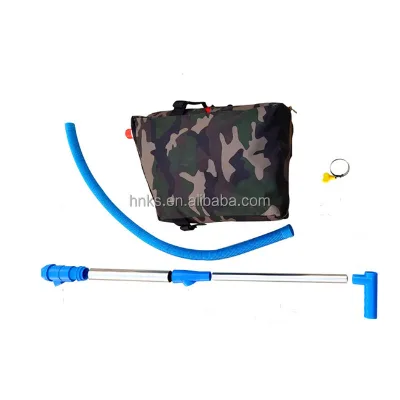
Knapsack Hand Push Fertilizer Applicator Farm Agricultural Manual Fertilizer Applicator Machine
$9.17 - $20.38
MOQ: 10 sets
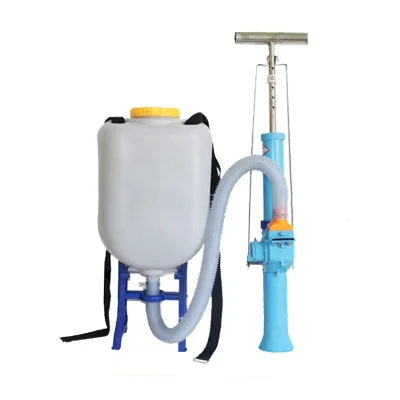
Taizhou Guangfeng Plastic Co., Ltd.
- Verified by Intertek
- Manufacturer, Trading Company
- Lead time20 days
- Avg. response≤ 7h
Main productsManual Sprayer, Battery Sprayer
Main marketsAfrica(46%), Southeast Asia(23%), Domestic Market(17%)

Taizhou Kobold Sprayer Co., Ltd.
- Verified by TUVRHEINLAND
- Manufacturer/Factory
- China Zhejiang
- Lead time30 days
- Avg. response≤ 4h
Main productsSprayer, Garden Sprayers, Agricultural Sprayers, Hand Sprayers, Electric Sprayers, Battery Sprayers, Stainless Steel Sprayers, Power Sprayers, Trigger Sprayers, Pressure Sprayers
Main marketsSouth America,Eastern Europe,Mid East,North America,Southeast Asia,Eastern Asia,Oceania,Western Europe,Africa


Simple Style Fertilizer Applicator Fertilizer Spreaders 2000ml 2L Durable Plastic Spreaders
$4.60 - $4.80
MOQ: 500 Pieces
Shanghai Honggang Machinery Manufacturing Co., Ltd.
- Verified by TüVRheinland
- Manufacturer, Trading Company
- Lead time5 days
- Avg. response≤ 4h
Main productsEngineering&Construction Machine, Agricultural Machine, Boring And Welding Machinery, Punching And Woodworking Machine, Forklift
Main marketsNorth America(23%), Eastern Europe(20%), Africa(20%)
Anshan Anza Electronic Power Co., Ltd.
- Trading Company
- Lead time旺季: "1 - 2":5,"3 - 200":7,"> 200":"To be negotiated", 淡季: "1 - 2":5,"3 - 200":7,"> 200":"To be negotiated"
- Avg. response≤ 6h
Main productstractor parts,tires,walking tractors,farm machines,MTZ parts
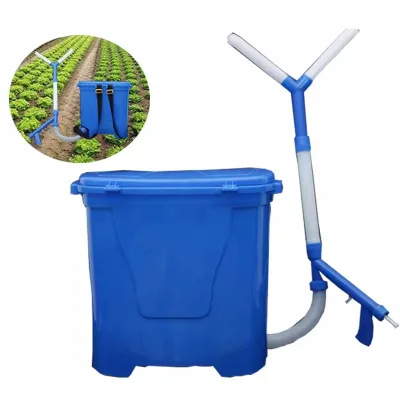
Automation Backpack Agriculture Fertilizer Applicator Farm Fertilizer Spreader Machine
$7.50 - $7.70
MOQ: 10 units
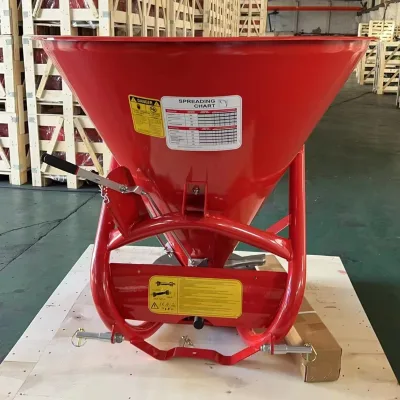
Jinan Jinhui Dadi Trading Co., Ltd.
- Trading Company
- Lead time旺季: "1 - 999999999":31,"> 999999999":"To be negotiated", 淡季: "1 - 999999999":31,"> 999999999":"To be negotiated"
- Avg. response≤ 2h
Main productsCordless lithium drill,Ratchet wrench tool set,angle grinder,Screwdriver tool set,Customized Packaging

Landale New Materials (shandong) Co., Ltd.
- Manufacturer, Trading Company
- Shandong, China
- Lead time7 days
- Avg. response≤ 3h
Main productsweeder machine,mini-tiller,Small agricultural machinery,polycarbonate sheet,Specialized processing parts of polycarbonate plates
Main marketsNorth America(20.00%), Eastern Europe(15.00%), Western Europe(10.00%), Eastern Asia(10.00%), South Asia(9.00%), Central America(6.00%), Northern Europe(5.00%), Southeast Asia(5.00%), South America(5.00%), Mid East(5.00%), Southern Europe(3.00%), Africa(3.00%), Domestic Market(2.00%), Oceania(2.00%)
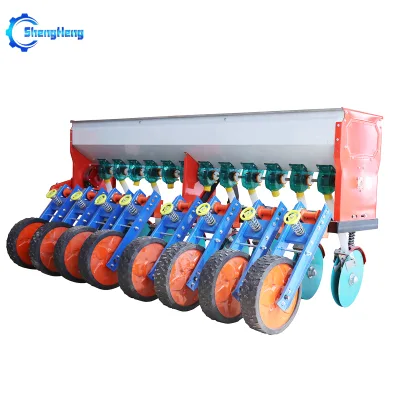
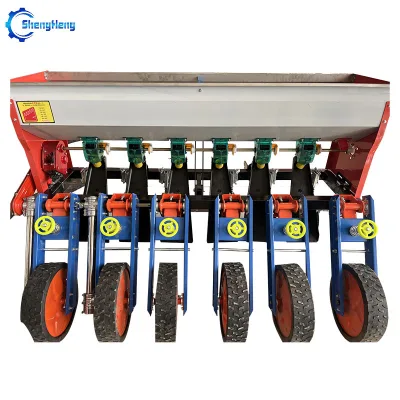
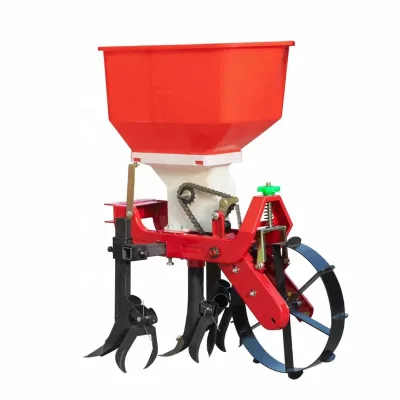
China-Made Hanging Wheat Fertilizer Applicator Simple To Operate Spreader
$388.00 - $520.00
MOQ: 1 bags
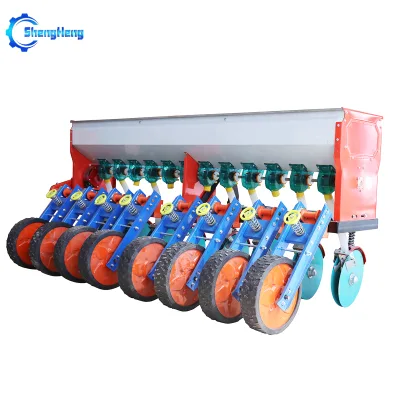
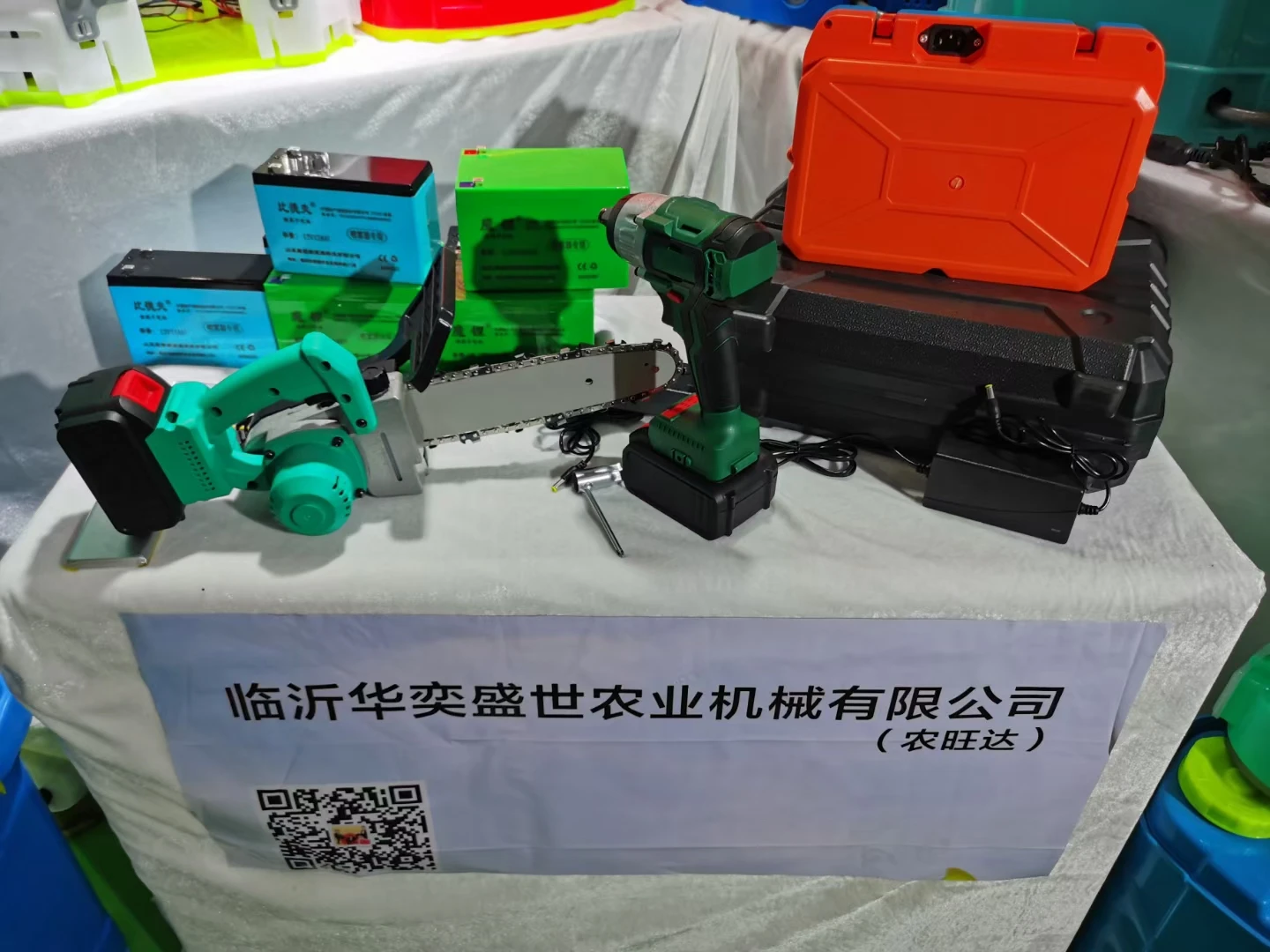
Linyi Huayishengshi Plant Protection Co., Ltd.
- Manufacturer, Trading Company
- Shandong, China
- Lead time15 days
- Avg. response≤ 8h
Main productsbattery sprayer,knapsack sprayer,manual sprayer
Main marketsSoutheast Asia(50.00%), South America(29.00%), South Asia(10.00%), Central America(5.00%), North America(5.00%), Mid East(1.00%)

Jiangsu World Agriculture Machinery Co., Ltd.
- Verified by TUVRHEINLAND
- Manufacturer/Factory
- China Jiangsu
- Lead time15 days
- Avg. response≤ 16h
Main productsAgricultural Machinery, Farm Machinery, Combine Harvester, Rice Harvester, Corn Harvester, Cotton Harvester, Sugarcane Harvester, Tractor, Farm Tractor, Rice Transplanter
Main marketsSouth America,Eastern Europe,Mid East,North America,Southeast Asia,Eastern Asia,Oceania,Africa

New Spreader Efficient and Durable Manufacture Fertilizer Applicator
$9000.00 - $9200.00
MOQ: 1 Pieces


4 Wheel Driven High Performance Fertilizer Applicator with CE Certificate
$9000.00 - $9200.00
MOQ: 1 Pieces

Fertilizer Applicator Rice Planter and Seeder Machine Side for Fertilization
$9000.00 - $9200.00
MOQ: 1 Pieces


Fertilizer Applicator Efficient and Durable Riding Type Transplanter
$9000.00 - $9200.00
MOQ: 1 Pieces

Jiaozuo Fineway Trading Co., Ltd
- Verified by BV
- Trading Company,Manufacturer/Factory
- China Henan
- Lead time23 days
- Avg. response≤ 5h
Main productsTortilla Roti Pita Machines, Bakery Equipment, Textile Machines, Milk and Yogurt Production Machine, Chocolate Processing Machines, Candy Making Machines, Meat Processing Machines, Vegetable Processing Machine, Sausage Production Line, Juice Making Production Line
Main marketsSouth America,Eastern Europe,Mid East,North America,Southeast Asia,Eastern Asia,Oceania,Western Europe,Africa
Taizhou Chunyu Machinery Co., Ltd.
- Manufacturer, Trading Company
- Zhejiang, China
- Lead time20 days
- Avg. response≤ 17h
Main productsFarm lrrigation Systems,water pump,brush cutter,Tiller,Seeder
Main marketsMid East(30.00%), South America(30.00%), Southeast Asia(20.00%), Africa(20.00%)

Shandong Star Agricultural Equipment Co., Ltd.
- Verified by BV
- Combined
- China Shandong
- Lead time60 days
- Avg. response≤ 3h
Main productsHarvester, Planter, Sprayer, Receiving Hopper, Piler/Loader, Self-Unloading Transporter, Haulm Topper, Ridge Former, Cultivator, Conveyer
Main marketsSouth America,Africa,Southeast Asia/ Mideast,Domestic,Europe,Australia,North America

$1000.00 - $1500.00
MOQ: 1 Sets


Xi'an Yaao Agricultural Machinery Co., Ltd.
- Verified by TUVRHEINLAND
- Combined
- China Shaanxi
- Lead time15 days
- Avg. response≤ 2h
Main productsSeeder, Subsoiler, Cultivator, Rotary Tiller
Main marketsDomestic

Advanced No-Till Seeder and Fertilizer Applicator for Modern Agriculture
$2414.00 - $2694.00
MOQ: 1 Sets

Shanghai Huanyu Zongheng Trading Co., Ltd.
- Trading Company
- Shanghai, China
- Lead time0 days
- Avg. response≤ 2h
Main productsagricultural sprayers,brush cutter,agricultural machinery,agricultural drones,farm tools
Main marketsSouth Asia(20.00%), Central America(20.00%), Mid East(20.00%), Southeast Asia(20.00%), North America(20.00%)
Taian Mingyi Machinery Equipment Co., Ltd.
- Manufacturer, Trading Company
- Shandong, China
- Lead time0 days
- Avg. response≤ 2h
Main productsWalking Tractor,Chaff Cutter,Crops Harvester,Power tiller,Crops Thresher
Main marketsAfrica(20.00%), Eastern Asia(10.00%), Mid East(10.00%), North America(10.00%), Southeast Asia(10.00%), Eastern Europe(10.00%), South Asia(10.00%), South America(5.00%), Northern Europe(5.00%), Central America(5.00%), Western Europe(5.00%)
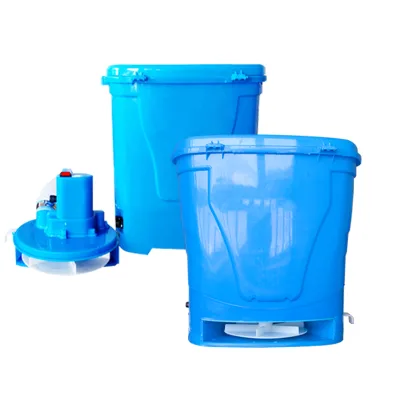







Comprehensive Sourcing Guide
Paddy Fields Fertilizer Applicator Supplier Concentration and Factory Types
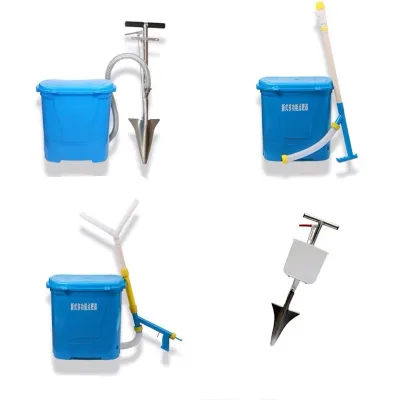
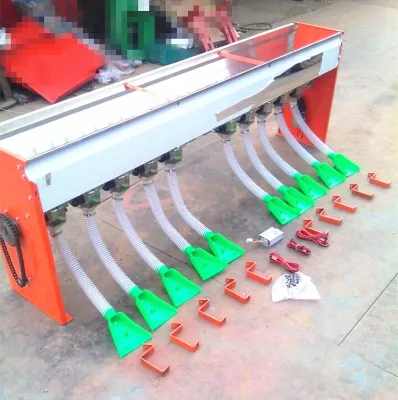
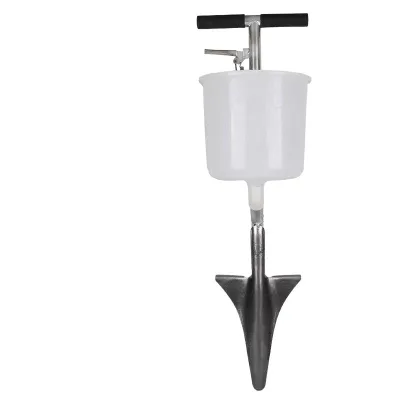
Current data indicates a concentration of manufacturing activity in China, specifically within the Zhejiang and Shandong provinces. Suppliers in these regions list main products that include electric sprayers, hand sprayers, and various fertilizer applicators designed for agricultural machinery. The company types observed range from combined entities that function as both manufacturers and trading companies to pure manufacturers offering ODM and OEM capabilities. Some suppliers also maintain their own brands, suggesting a mature industrial ecosystem capable of supporting diverse sourcing needs.
When evaluating factory types, buyers should note that some entities provide comprehensive services including video technical support and field maintenance. The presence of specific product attributes like battery-powered systems and adjustable nozzles suggests specialized production lines. However, not all suppliers display the same level of manufacturing depth. Buyers must verify if a supplier's primary focus aligns with their specific requirements for paddy field equipment, as some may prioritize general sprayers over specialized fertilizer applicators.
How to Verify Paddy Fields Fertilizer Applicator Suppliers
Verification processes for these suppliers often involve checking third-party credentials such as BV or SGS certifications. Some suppliers in the current results display verification status, which serves as a baseline for trust but does not guarantee product quality on its own. Buyers should look for evidence of system certifications like ISO9001 or ISO14001, which indicate adherence to quality and environmental management standards. The absence of such certifications in some profiles requires buyers to request specific documentation before proceeding with negotiations.
Beyond corporate verification, product-specific evidence is crucial for assessing reliability. Suppliers may provide machinery test reports, video outgoing-inspection services, and details on core components like motors. These documents help confirm that the equipment meets operational standards for agricultural use. Buyers should also examine after-sales service provisions, such as free spare parts or online support, to ensure long-term viability. If specific test results or inspection videos are not immediately visible, buyers must explicitly request them to validate the supplier's claims regarding product performance and durability.
What to Compare Across Paddy Fields Fertilizer Applicator Suppliers
Comparing suppliers requires a detailed analysis of operational metrics such as lead times, minimum order quantities, and response speeds. Current data shows lead times varying significantly, with some suppliers indicating zero days while others list up to twenty-three days. Response times also differ, ranging from five hours to over sixteen hours, which impacts the speed of communication during the sourcing process. Buyers should prioritize suppliers with faster response times to ensure efficient project management and quicker resolution of technical queries.
Minimum order quantities and pricing structures are equally critical factors in the comparison process. MOQs observed in the results start at one hundred units, which may influence the total cost of ownership for smaller operations. Price ranges vary, with some products listed between twenty-two and thirty dollars, while others fall between thirty and thirty-five dollars. Buyers must evaluate these figures against the specific features offered, such as capacity, power source, and customization options. It is essential to compare the value proposition rather than just the lowest price, considering factors like warranty periods and the availability of after-sales support services.
Common Paddy Fields Fertilizer Applicator Sourcing Risks
One significant risk involves the discrepancy between advertised capabilities and actual production capacity. While some suppliers claim high production capacities, others may have limited output or rely on third-party manufacturing. This uncertainty can lead to delays in fulfilling large orders, especially during peak agricultural seasons. Buyers should verify supply ability figures, such as monthly production limits, and cross-reference them with the supplier's historical performance or client testimonials to mitigate this risk.
Another risk pertains to the consistency of product specifications and certifications. Not all suppliers provide the same level of documentation regarding safety standards or component quality. For instance, while some list CE and ISO certifications, others may have no system certification listed. This inconsistency can result in non-compliant equipment in the buyer's destination market. Additionally, the availability of spare parts and technical support varies, with some suppliers offering comprehensive services while others provide minimal assistance. Buyers must clearly define their requirements for post-purchase support to avoid operational disruptions.
Paddy Fields Fertilizer Applicator Regional Sourcing and Logistics
Sourcing from China, particularly from Zhejiang and Shandong provinces, offers access to a robust supply chain for agricultural machinery. These regions host manufacturers with established logistics networks, including ports like Qingdao for dispatch. The proximity of factories to major shipping hubs can reduce transit times and lower freight costs. However, buyers should confirm the specific port of dispatch for each supplier, as this affects shipping routes and delivery schedules. Understanding the local logistics infrastructure helps in planning more accurate delivery timelines.
Logistics planning also involves considering packaging and weight constraints. Products are often packed in carton boxes, with specific dimensions and weights that impact shipping efficiency. For example, some units weigh around five kilograms, while others may be heavier depending on the battery and tank capacity. Buyers need to calculate the total volume and weight to optimize container loading and minimize shipping expenses. Additionally, verifying the packaging details ensures that the equipment arrives in good condition, reducing the risk of damage during transit and the associated costs of replacement or repair.
Paddy Fields Fertilizer Applicator Commercial Terms and Order Planning
Commercial terms for these orders typically include specific pricing structures based on volume and customization requirements. Buyers should expect price ranges that reflect the complexity of the machinery, such as electric versus manual models. Minimum order quantities often start at one hundred units, which may require careful budget planning for smaller buyers. Negotiating flexible terms regarding payment schedules and delivery dates is essential to align with the buyer's cash flow and operational needs.
Order planning must account for lead times and production capacity to ensure timely delivery. Suppliers with shorter lead times, such as those listing zero or fifteen days, offer more flexibility for urgent orders. However, buyers should also consider the time required for quality inspections and documentation preparation. Establishing a clear timeline that includes production, shipping, and customs clearance is vital for successful project execution. Buyers should also verify warranty terms and after-sales service commitments to ensure long-term support for the purchased equipment.
FAQs
What is the price range for electric fertilizer applicators?
Electric fertilizer applicators typically range from $22 to $35 per unit. Prices vary based on capacity and features, with basic models starting around $22 and specialized units reaching up to $35. Buyers should check specific product listings for exact pricing details.
What is the minimum order quantity for these machines?
The minimum order quantity is generally 100 units. This standard MOQ applies to most electric and manual applicators listed. Buyers seeking smaller quantities may need to negotiate directly with suppliers or look for stock items that allow lower purchase thresholds.
How long does delivery take for these orders?
Lead times vary by supplier, ranging from 15 to 23 days. Some manufacturers offer faster turnaround times, while others may require additional time for production. Buyers should confirm specific delivery schedules with their chosen supplier before placing an order.
Are these applicators suitable for paddy fields?
Yes, many models are designed for diverse applications including paddy fields. Products list applications for rice, wheat, and tubers, indicating suitability for wetland agriculture. Buyers should verify specific model capabilities for their particular crop and field conditions.
What certifications do these machines have?
Many electric applicators hold CE and ISO9001 certifications. Some suppliers also provide ISO14001 certificates for environmental management. Buyers should request certification documents to ensure compliance with their local regulations and quality standards before finalizing purchases.
Where are these suppliers located?
Suppliers are primarily located in China, specifically in Zhejiang and Shandong provinces. These regions are known for agricultural machinery manufacturing. Buyers can filter results by location to find suppliers closer to their shipping ports or logistics hubs.