Milk Claw Suppliers and Manufacturers in China
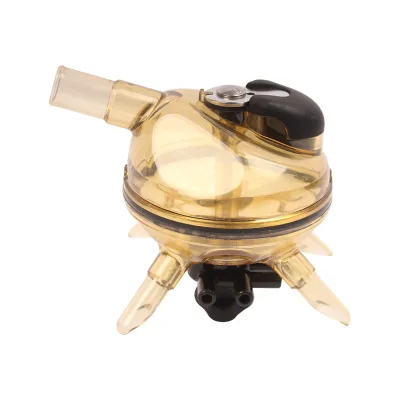
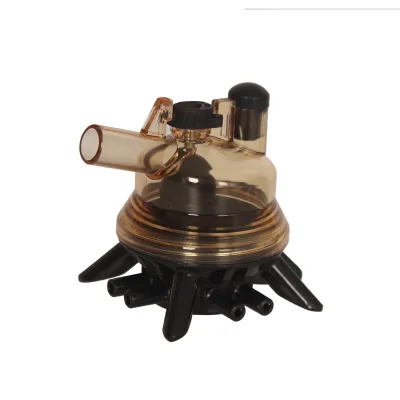
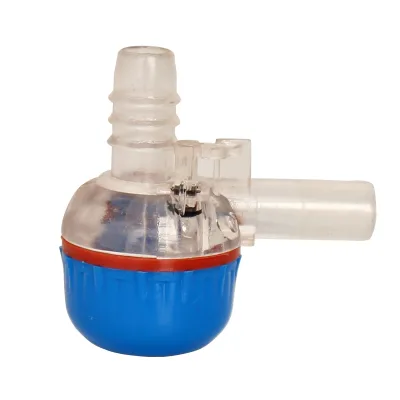
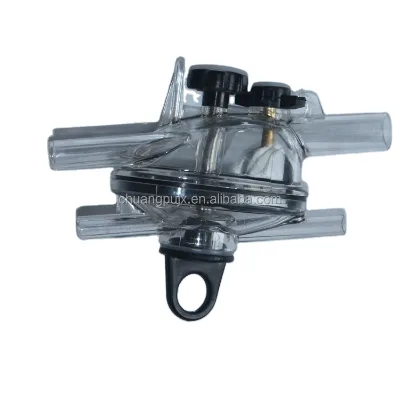
Compare 14 verified Milk Claw suppliers from Shandong, China, evaluating response times, lead times, and pricing. Review product specifications like material and capacity before contacting factories for quotes. Check delivery times and warranty terms for core components to ensure suitability for your dairy farm operations.
Suppliers List

Zibo Jinwo Machinery Technology Co., Ltd
- Verified by BV
- Combined
- China Shandong
- Lead time15 days
- Avg. response≤ 14h
Main productsMilking Machine and Its Spare Parts
Main marketsSouth America,Africa,Southeast Asia/ Mideast,Europe,Australia

Chuangpu Animal Husbandry Technology (Suzhou) Co., Ltd.
- Verified by BV
- Manufacturer/Factory
- China Jiangsu
- Lead time23 days
- Avg. response≤ 14h
Main productsMilking Machine, Milk Can, Milk Claw, Milk Pulsator, Milking Machine Parts, Milk Mixer, Milking Can, Milk Cooling Tank, Vacuum Pump, Cow Lock Head
Main marketsSouth America,Eastern Europe,Mid East,North America,Southeast Asia,Eastern Asia,Oceania,Western Europe,Africa
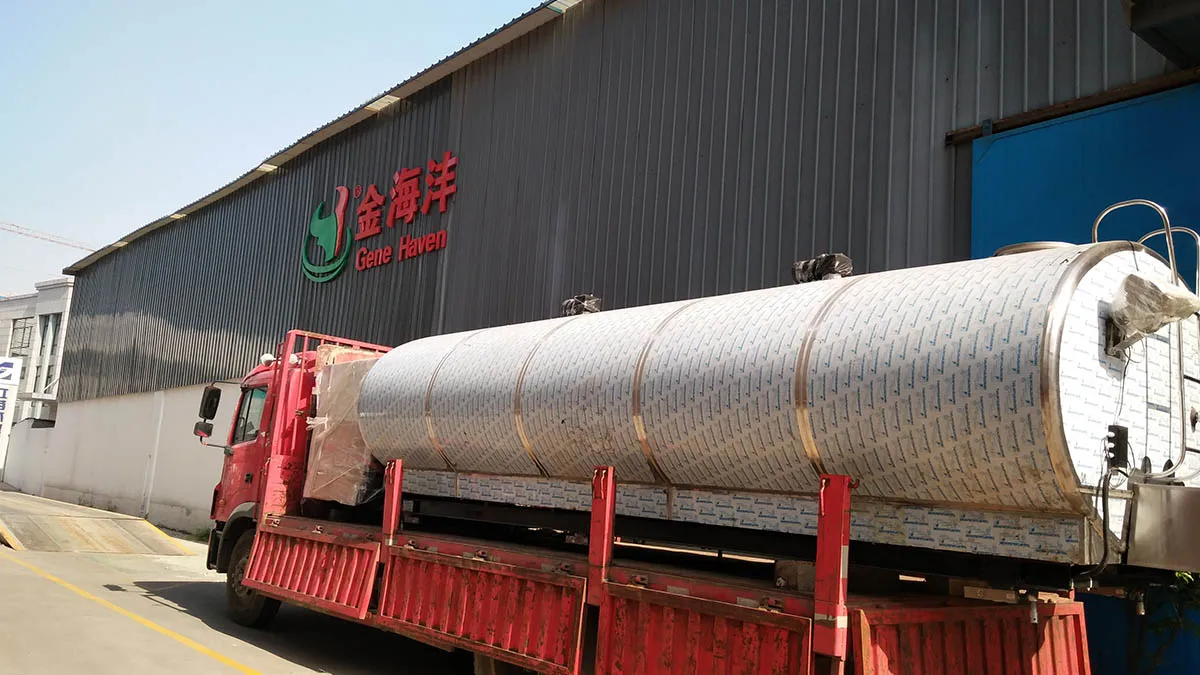
Sichuan Gene Haven Animal Husbandry Technology Co., Ltd.
- Manufacturer, Trading Company
- Sichuan, China
- Lead time20 days
- Avg. response≤ 5h
Main productsmilk cooling tank,mobile milking system,milking machine,Tmr feed mixer,milk transportation tank
Main marketsEastern Asia(15.00%), Southeast Asia(9.00%), Mid East(9.00%), Oceania(9.00%), Western Europe(8.00%), Africa(8.00%), Central America(7.00%), South Asia(6.00%), North America(5.00%), Domestic Market(5.00%), Northern Europe(5.00%), Eastern Europe(5.00%), South America(5.00%), Southern Europe(4.00%)
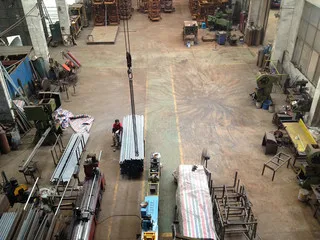
Chuangpu Animal Husbandry Technology (suzhou) Co., Ltd.
- Manufacturer
- Jiangsu, China
- Lead time15 days
- Avg. response≤ 5h
Main productsMilking Parlor System,Milking Machine,Milking Machine Spare Parts,Milk Can/Bucket,Cow Farm Equipments
Main marketsDomestic Market(20.00%), Mid East(15.00%), Africa(12.00%), North America(10.00%), South Asia(10.00%), Northern Europe(8.00%), Eastern Asia(7.00%), Southeast Asia(6.00%), Central America(5.00%), South America(4.00%), Oceania(3.00%)

Jinjiang Xiexiang Trade Corp., Ltd.
- Verified by CTI
- Trading Company
- China Fujian
- Lead time30 days
- Avg. response≤ 20h
Main productsCandy, Confectionary, Sweet, Chocolate, Snack, Food, Bubble Gum, Lollipop, Milk Candy, Spray Candy
Main marketsAfrica,Southeast Asia/ Mideast,East Asia(Japan/ South Korea)

MOQ: 1000 Pieces

MOQ: 3000 Pieces

Ice Cream Milk Candy with Whistle
MOQ: 1000 Boxes

Guangzhou EPARK Electronic Technology Co., Ltd.
- Verified by SGS
- Combined
- China Guangdong
- Lead time15 days
- Avg. response≤ 3h
Main products9d Vr, Racing Game Machines, Boxing Machine, Kids Game Machine, Claw Machine, Arcade Game Machine, Vr Simulator Series, Kiddie Ride, Basketball Game Machine, Amusement Game Machine
Main marketsSouth America,Africa,Southeast Asia/ Mideast

Tangshan Las Import & Export Co., Ltd.
- Trading Company,Manufacturer/Factory
- China Hebei
- Lead time45 days
- Avg. response≤ 16h
Main productsHandle Shovel, Pick, Hoe, Fork, Axe and Hammer, Shovel Head, Nails, Sickle, Wire Mesh, Machete
Main marketsSouth America,Mid East,Southeast Asia,Eastern Asia,Africa

- Verified by TUVRHEINLAND
- Trading Company,Manufacturer/Factory,Other
- China Guangdong
- Lead time0 days
- Avg. response≤ 14h
Main productsCandy, Lollipop, Biscuit, Chewing Gum, Olivary Gum, Pectol Mint Candy, Bubble Gum, Toy Candy, Hard Candy, Jelly


MOQ: 100 Boxes

MOQ: 500 Boxes
Hebei Xiongan Binzheng Toys Co., Ltd.
- Verified by TüVRheinland
- Manufacturer, Trading Company
- Lead time15 days
- Avg. response≤ 4h
Main productsBoba Plush Toys, Santa Claus Stuffed Toys, Bear With Rose Stuffed Animals, Long Cat Pillow Toys, Claw Machine Toys
Main marketsNorth America(20%), South America(15%), Eastern Europe(15%)

Guangzhou Movie Power Technology Co., Ltd
- Verified by BV
- Combined
- China Guangdong
- Lead time15 days
- Avg. response≤ 3h
Main productsVr Simulator, Vr Equipment, Vr Game Machine, Vr Arcade Machine, Vr Machine, Naked-Eye 3D Flying Cinema, Arcade Game Machine, Dome Flying Cinema, 5D/9d Cinema, Vr Game Simulator
Main marketsSouth America,Africa,Others(foreignTradeCapacity.exportBusinessCapacityMarketOther),Southeast Asia/ Mideast,East Asia(Japan/ South Korea),Europe,Australia,North America

Yantai East Food Storage Co., Ltd.
- Trading Company
- China Shandong
- Lead time30 days
- Avg. response≤ 19h
Main productsSeafood, Frozen Squid, Frozen Squid Tube, Frozen Squid Ring, Frozen Seafood Mix, Frozen Scallop, Frozen Squid Tentacle, Frozen Squid Stick, Frozen Squid Fillet
Main marketsSouth America,Southeast Asia/ Mideast,North America

- Verified by SGS
- Trading Company
- China Zhejiang
- Lead time15 days
- Avg. response≤ 15h
Main productsChristmas Decoration, Christmas Tree, Christmas Gift, Party Decoration, Promotional Product, Festival Items, Gift, Valentine, Party Items, Halloween Decorations
Main marketsEurope,Australia

Factory Price Halloween Activities Outdoor Party Spider Claw Mantis Claw Finger Props
$1.94 - $2.18
MOQ: 460 Pieces


Xiamen Comfortlife Electronics Co., Ltd.
- Verified by SGS
- Manufacturer
- China Fujian
- Lead time30 days
- Avg. response≤ 8h
Main productsAnti Snore Device, Foot Massage, Personal Care Products
Main marketsSouth America,Australia,North America

Guangdong Chuanghui Foodstuffs Co., Ltd.
- Verified by BV
- Combined
- China Guangdong
- Lead time30 days
- Avg. response≤ 5h
Main productsCandy, Toy Candy, Lollipop, Soft Candy, Bubble Gum, Jelly, Cc Stick, Pressed Candy, Popping Candy, Chocolate
Main marketsSouth America,Southeast Asia/ Mideast,Domestic,Europe






Comprehensive Sourcing Guide
Milk Claw Supplier Concentration and Factory Types
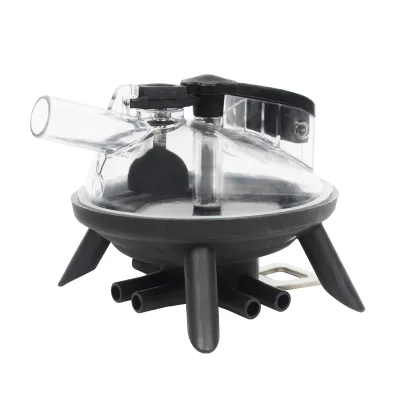
The available data indicates a specific manufacturing cluster for Milk Claw components located in Shandong, China, with some results specifying Zibo as a sub-region within that province. This concentration suggests that buyers seeking these agricultural machinery parts should prioritize regions where industrial machinery and agricultural equipment production is established. The supplier types observed in the current results are classified as "Combined," indicating entities that may function as both manufacturers and trading companies. This hybrid model often implies that the supplier manages its own production capacity while also potentially sourcing complementary items, which can streamline the procurement process for buyers needing multiple milking machine spare parts.
When evaluating the factory types in this region, buyers should note that the suppliers listed possess capabilities for ODM, OEM, and own-brand production. This capacity suggests a flexible manufacturing environment where customization is available, allowing buyers to request specific modifications to the Milk Claw design or branding. However, the absence of specific system certifications in the provided facts means that buyers cannot assume a standard quality management system is in place without direct verification. The presence of BV verification on at least one supplier indicates that third-party validation is possible, but it is not a universal attribute for all suppliers in this cluster. Buyers must investigate the specific factory floor capabilities of each combined entity to ensure they can meet volume requirements and maintain consistent quality standards for their specific milking machine applications.
How to Verify Milk Claw Suppliers
Verification of Milk Claw suppliers requires a multi-layered approach, starting with the confirmation of their BV status and the availability of video outgoing-inspection services. The data shows that video inspection is provided for certain products, which allows buyers to visually confirm the condition and assembly of the Milk Claw before shipment. This feature is critical for ensuring that the product meets the "New" condition requirement and that the material, whether PC or PPSU, matches the specification. Buyers should request these video inspections as a standard part of their due diligence process to validate the physical state of the goods and the operational status of the machinery components.
Beyond video verification, buyers must scrutinize the supplier's response time and lead time capabilities to ensure they align with project schedules. The observed response time of approximately 13 days and a lead time of 15 days provide a baseline for communication and production speed, but these figures may vary across different suppliers. It is essential to confirm whether these times apply to the specific customization requested, as the data indicates customization is available. Additionally, buyers should verify the warranty terms for core components, which are listed as six months in the product attributes. This warranty period serves as a key indicator of the supplier's confidence in their manufacturing quality and their commitment to after-sales support, which is vital for agricultural equipment that faces heavy daily use.
What to Compare Across Milk Claw Suppliers
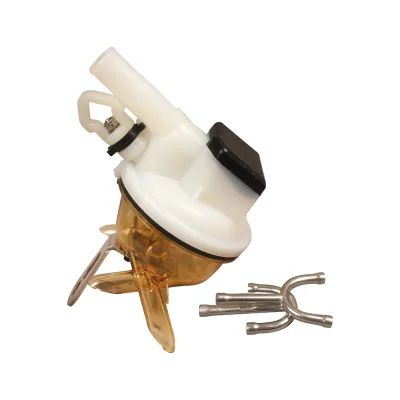
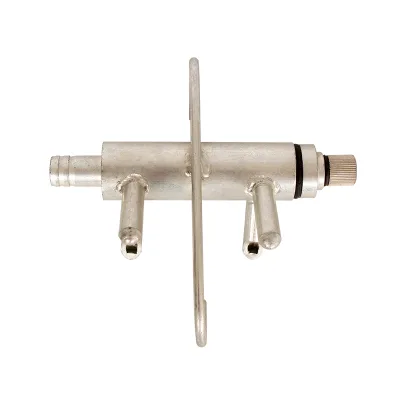
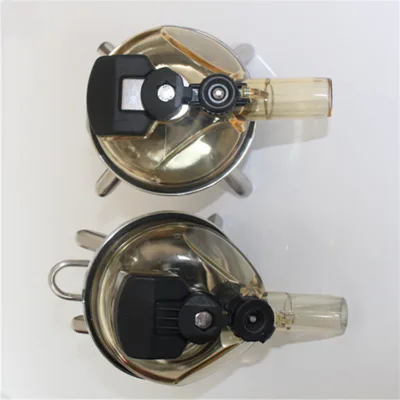
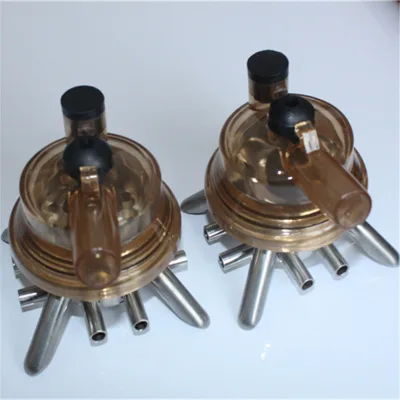
When comparing suppliers, the primary differentiators include the specific material composition, capacity, and pricing structures for the Milk Claw components. The data reveals variations in materials, with some products listed as PC material and others as PPSU, which directly impacts durability and cost. Buyers should compare the price ranges, which span from approximately 6 to 90 units of currency depending on the specific model and capacity, such as 240ml, 300cc, or 380cc variants. Understanding these price points is crucial for budgeting, as the cost difference between a basic PC model and a specialized PPSU model can be significant. Buyers must also compare the minimum order quantities, which are consistently listed as one piece, offering flexibility for small-scale testing or initial orders.
Another critical comparison point is the packaging and shipping specifications, which affect the total landed cost and product safety. The data indicates packaging options range from individual color boxes to cartons containing 20 or 30 pieces, with varying weights per unit. Buyers should evaluate how these packaging standards align with their logistics requirements and whether the supplier offers consolidated shipping options to reduce freight costs. Furthermore, the capacity of the Milk Claw, ranging from 150cc to 380cc, must be matched to the specific milking machine models the buyer services. Comparing these technical specifications alongside the supplier's ability to provide machinery test reports and marketing type classifications will help buyers identify the most suitable partner for their specific operational needs and volume requirements.
Common Milk Claw Sourcing Risks
One significant risk in sourcing Milk Claw components is the potential inconsistency in material quality and certification status. The provided facts show that system certifications are listed as "NIL" for the general supplier profile, which means buyers cannot rely on a blanket ISO or similar standard without individual verification. This lack of universal certification increases the risk of receiving products that do not meet international safety or quality benchmarks, particularly for components that come into direct contact with milk. Buyers must be vigilant in requesting specific material test reports and ensuring that the PC or PPSU materials used are food-grade and compliant with relevant agricultural safety standards before placing large orders.
Another risk involves the variability in lead times and the potential for delays in customization processes. While a baseline lead time of 15 days is observed, the availability of customization suggests that production times could extend significantly if specific modifications are requested. The data indicates a delivery time range of 15 to 35 days, which introduces uncertainty into supply chain planning. Buyers should account for this variability by building buffer time into their inventory management strategies. Additionally, the reliance on a single region, Shandong, China, creates a geographic concentration risk where local disruptions could impact the entire supply of these critical milking machine parts. Diversifying suppliers or maintaining safety stock is essential to mitigate these potential supply chain interruptions.
Milk Claw Regional Sourcing and Logistics
Sourcing Milk Claw components from the identified cluster in Shandong, China, offers logistical advantages due to the region's established industrial infrastructure for agricultural machinery. The specific mention of Zibo within Shandong suggests a localized ecosystem where raw materials and finished goods are readily available, potentially reducing internal logistics costs for the supplier. However, buyers must verify the exact shipping origin for each order, as some product attributes list "Shandong, China" while others specify "Zibo, China." This distinction is important for calculating accurate freight costs and transit times, as different ports or inland transport hubs may be utilized depending on the specific factory location.
Logistics planning should also account for the packaging dimensions and weight variations observed in the product data. With weights ranging from 0.60 kg to 1.0 kg per unit and packaging sizes varying from individual boxes to cartons of 20 or 30 pieces, buyers need to optimize container loading to maximize shipping efficiency. The "Each One in a Color Box" or "White Color Box" packaging indicates that the products are ready for retail or direct farm use, which may reduce the need for secondary repackaging. Buyers should confirm the exact carton dimensions and total weight per shipment to ensure compatibility with their chosen freight forwarders and to avoid unexpected surcharges. Additionally, verifying the supplier's experience with international shipping and their ability to handle customs documentation for agricultural machinery parts is crucial for a smooth import process.
Milk Claw Commercial Terms and Order Planning
Commercial terms for Milk Claw orders should focus on the flexibility of minimum order quantities and the clarity of warranty provisions. The data consistently shows an MOQ of one piece, which is highly favorable for buyers looking to test new suppliers or order small batches for specific farm requirements. This low entry barrier allows for agile order planning without the pressure of committing to large inventory volumes immediately. However, buyers must clarify the pricing structure for larger quantities, as the observed price ranges suggest potential volume discounts or price variations based on material and capacity. Establishing clear terms for bulk pricing and payment schedules is essential to manage cash flow effectively while maintaining a steady supply of these critical spare parts.
Order planning must also integrate the warranty and inspection protocols to ensure long-term reliability. The six-month warranty on core components provides a safety net for buyers, but it is vital to understand the specific conditions under which this warranty applies and the process for claiming it. Buyers should verify the availability of machinery test reports and video outgoing inspections as part of the pre-shipment quality assurance process. These documents serve as proof of quality and can be critical in resolving disputes regarding product defects. By aligning order timelines with the supplier's response time and lead time capabilities, buyers can create a predictable procurement cycle that minimizes downtime for their milking operations and ensures a consistent supply of high-quality Milk Claw components.
FAQs
What is the minimum order quantity for milk claws?
The minimum order quantity for milk claws is one piece. Suppliers offer flexible purchasing options starting from a single unit. This allows buyers to test product quality before placing larger orders for their dairy farms or milking machine operations.
How long does delivery take for Milk Claw parts?
Delivery times for Milk Claw parts typically range from 15 to 35 days. Some suppliers list a standard lead time of 15 days for processing orders. Buyers should confirm specific shipping schedules based on their location and the selected supplier.
What materials are used to make milk claws?
Milk claws are commonly manufactured using PC or PPSU materials. These plastics ensure durability and safety for cow milking applications. The specific material choice depends on the product model, with options available for different milking machine requirements.
Are custom milk claws available from suppliers?
Yes, customization is available for milk claws from many suppliers. Buyers can request specific modifications to fit their milking machine needs. This service supports various applications including portable and mounted-in milking machines for dairy farms.
What is the price range for Milk Claw parts?
Prices for Milk Claw parts vary between 6 and 90 units of currency depending on the model. Specific items like 300cc claws may cost around 20 units, while others range higher. The final price depends on the material, capacity, and supplier location in China.
Do suppliers provide warranty for Milk Claw components?
Suppliers often provide a six-month warranty for core components of milk claws. This coverage ensures reliability for new products used in milking operations. Buyers should verify specific warranty terms and conditions before completing their purchase transaction.
Where are Milk Claw manufacturers located?
Milk Claw manufacturers are primarily located in Shandong, China. Some suppliers also operate from Zibo within the same region. This location allows for efficient production and shipping of milking machine spare parts to international buyers.