Oxygen Free Copper Speaker Cable Suppliers and Manufacturers
Compare 21 verified suppliers offering Oxygen Free Copper Speaker Cable with varying lead times, certifications, and customization options. Review response times and MOQs to select the right factory for your audio cable needs; review the available evidence before requesting comparable quotations from suitable candidates.
Updated
Suppliers List

Hangzhou Risun Cable Co., Ltd.
- Verified by TUVRHEINLAND
- Combined
- China Zhejiang
- Lead time30 days
- Avg. response≤ 11h
Main productsLAN Cable, Network Cable, Telephone Cable, UTP, FTP, Cat5e&6, Coaxial Cable, Alarm Cable
Main marketsEurope


OFC Oxygen Free Copper 10 AWG, 12 AWG, 14 AWG, 16 AWG, 18 AWG Speaker Cable
$25.00 - $70.00
MOQ: 50 Boxes


- Verified by SGS Group
- Manufacturer, Trading Company
- Lead time20 days
- Avg. response≤ 15h
Main productsSolar Cable, Communication Cable , Welding Cable , Flexible Cable , Single Cable
Main marketsNorth America(20%), Mid East(20%), Western Europe(20%)
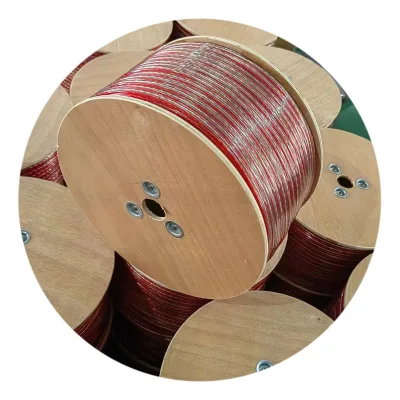
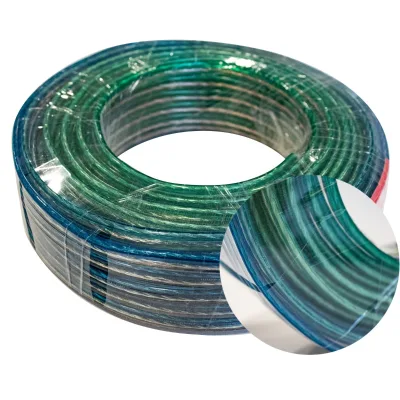
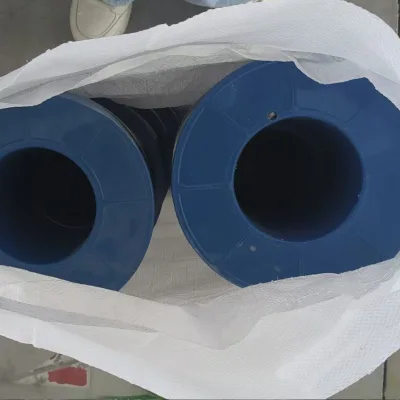
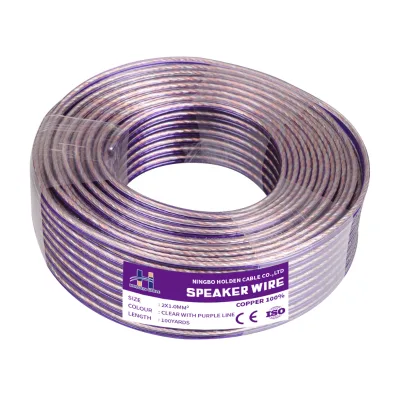
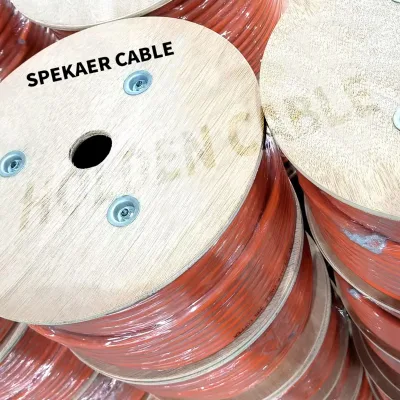
Copper 2Core 2.5mm2 1.5mm2 3.5mm2 Soft Sheathed Pure Copper Audio Speaker Cable
$0.0617 - $0.8234
MOQ: 10 Minimum
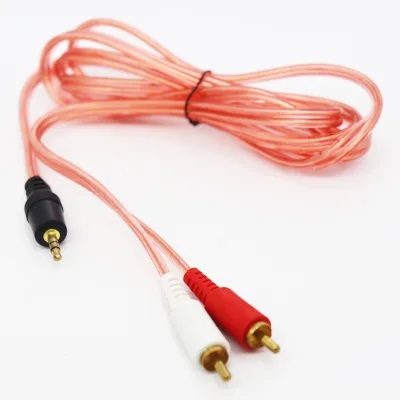

Ningbo Yinzhou Join Industry Co., Ltd.
- Trading Company
- China Zhejiang
- Lead time30 days
- Avg. response≤ 3h
Main productsSpeaker Cable, Alarm Cable, Connector, Power Cable, RCA Cable, HDMI Cable, LAN Cable, Optic Filer Cable, Audio Cable, Telephone Cable
Main marketsSouth America,Africa,Southeast Asia/ Mideast,East Asia(Japan/ South Korea),Europe,Australia,North America

- Trading Company,Manufacturer/Factory
- China Henan
- Lead time23 days
- Avg. response≤ 10h
Main productsControl Cable, XLPE Cable, Flexible Cable, PVC Cable, Siliicone Cable, Rubber Cable, Building Wire, Thhn, Teflon Wire, ACSR AAAC
Main marketsSouth America,Eastern Europe,Mid East,North America,Southeast Asia,Eastern Asia,Oceania,Western Europe,Africa

PVC Insulated Oxygen Free Copper Conductor Audio Connector Speaker Cable
$0.15 - $1.80
MOQ: 200 Meters

2 Core 1.5mm Flexible Oxygen Free Soft Copper Color Coded Red and Black Speaker Cable
$0.15 - $1.80
MOQ: 200 Meters

Subwoofer Flat Oxygen Free Copper Speaker Cable Audiophile for Home Theater Stereo
$0.15 - $1.80
MOQ: 200 Meters


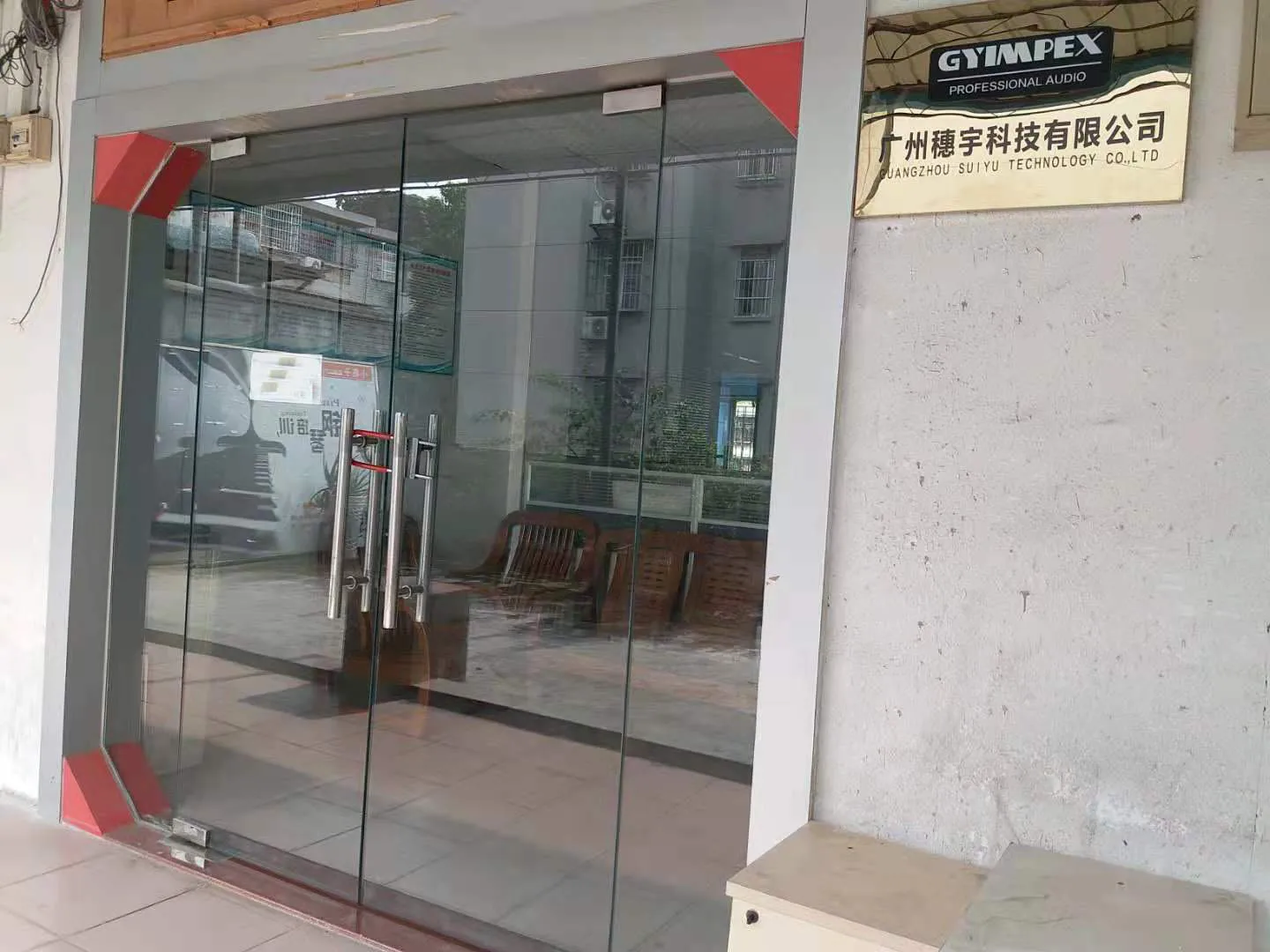
Guangzhou Suiyu Technology Co., Ltd.
- Manufacturer
- Guangdong, China
- Lead time15 days
- Avg. response≤ 8h
Main productsline array speaker,full range monitor speakers,bass subwoofer 18'' 21'',active powered line array speaker system,digital and fp power amplifier
Main marketsNorth America(30.00%), South America(18.00%), Northern Europe(10.00%), Eastern Europe(10.00%), Western Europe(9.00%), Southern Europe(8.00%), Africa(5.00%), Southeast Asia(5.00%), Central America(5.00%)

Foshan Yixiantian Technology Co., Ltd.
- Verified by TUVRHEINLAND
- Combined
- China Guangdong
- Lead time30 days
- Avg. response≤ 6h
Main marketsDomestic

Zhongshan Hejia Electrical Industrial Co., Ltd.
- Manufacturer, Trading Company
- Guangdong, China
- Lead time20 days
- Avg. response≤ 3h
Main productsHIFI Banana Cable; Speaker Cable; HDMI Cable; Solar Cable; Satellite Multiswitch
Main marketsNorth America(50.00%), South America(12.00%), Eastern Europe(8.00%), Africa(6.00%), Southeast Asia(5.00%), Central America(4.00%), Eastern Asia(3.00%), Western Europe(3.00%), Southern Europe(2.00%), Mid East(2.00%), Northern Europe(2.00%), Oceania(2.00%), South Asia(1.00%)
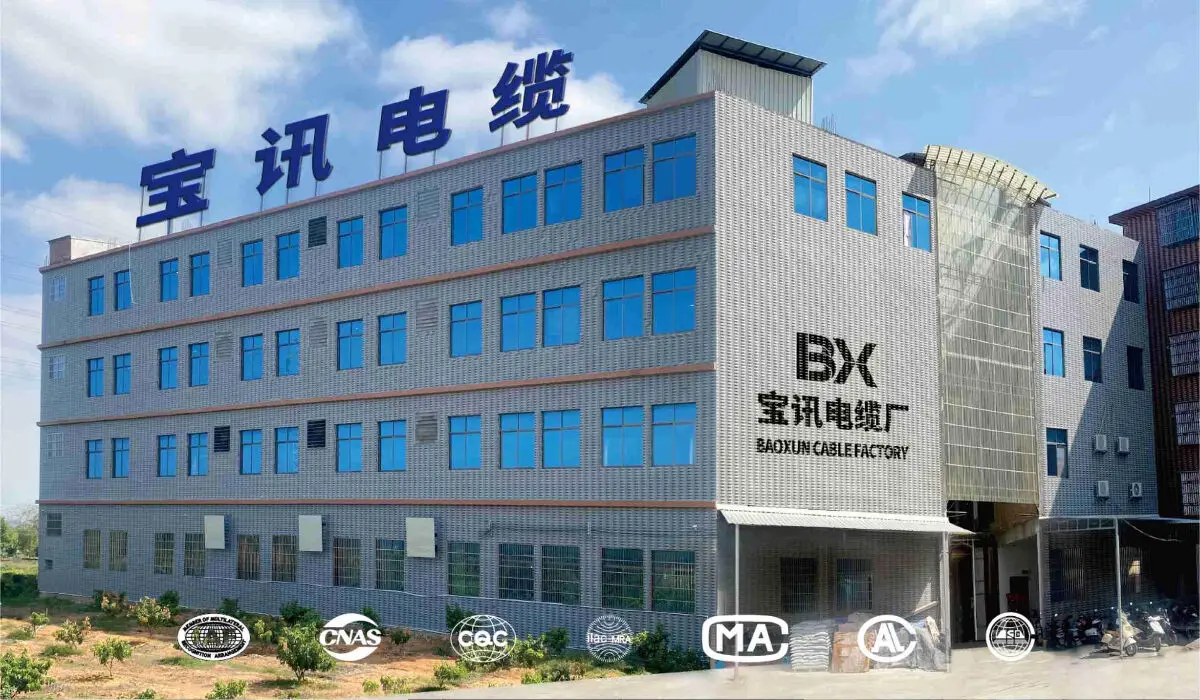
Shenzhen Baoxun Industrial Co., Ltd.
- Manufacturer, Trading Company, Distributor/Wholesaler
- Guangdong, China
- Lead time10 days
- Avg. response≤ 3h
Main productsnetwork cable,cat5e lan cable,cat6 network cable,cat5 ethernet cable,network cable cat5e
Main marketsSouth America(15.00%), Eastern Europe(15.00%), Mid East(10.00%), Western Europe(10.00%), Eastern Asia(10.00%), North America(10.00%), Southeast Asia(10.00%), Oceania(5.00%), Northern Europe(5.00%), Central America(5.00%), Africa(5.00%)
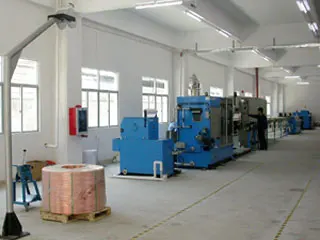
Shenzhen AMPXL Technology Co.,Ltd
- Manufacturer, Trading Company
- Guangdong, China
- Lead time15 days
- Avg. response≤ 5h
Main productsWire and Cable (LAN Cable,Coaxial Cable,Speaker Cable,Alarm Cable,Flexible Installation Cable)
Main marketsDomestic Market(50.00%), Southeast Asia(20.00%), Eastern Europe(15.00%), South America(5.00%), Africa(5.00%), Mid East(4.00%), Oceania(1.00%)
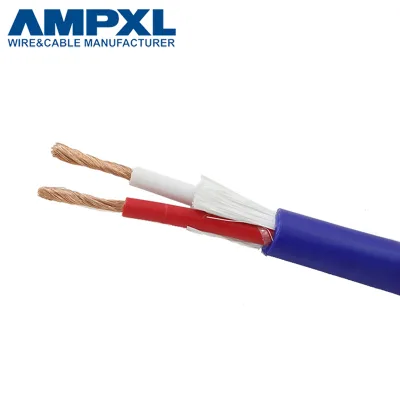
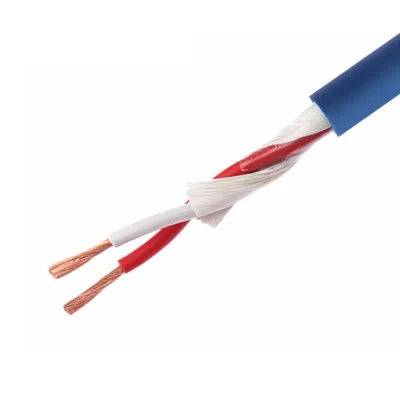
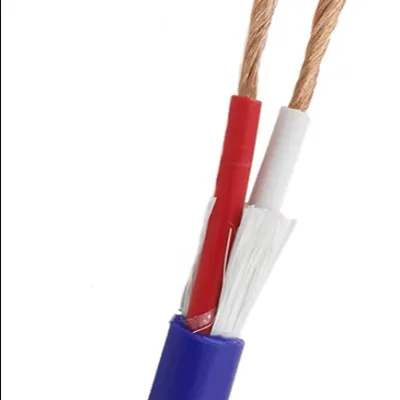
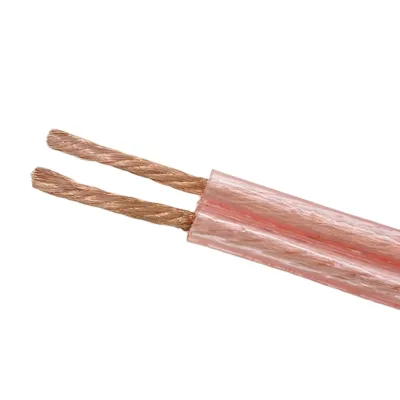
Speaker Cable 100ft Oxygen-Free Copper (OFC) for Home Theater/PA System
$10.2395 - $40.9579
MOQ: 100 Minimum
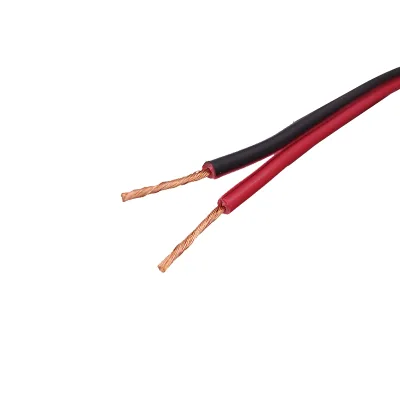
Speaker Cable 100ft Oxygen-Free Copper (OFC) for Home Theater/PA System
$5.00 - $30.00
MOQ: 100 Minimum
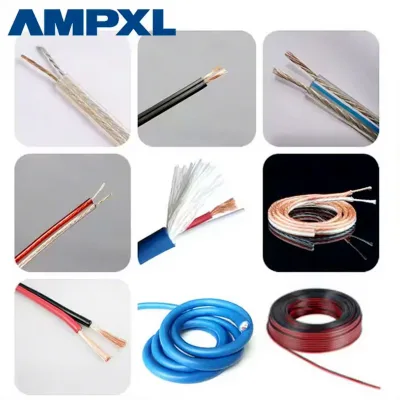
- Verified by SGS Group
- Manufacturer, Trading Company
- Lead time30 days
- Avg. response≤ 2h
Main productsFire Alarm Cable, Solar Cable, Security Alarm Cable, Speaker Cable, Network Cable
Main marketsSoutheast Asia(20%), Africa(20%), Mid East(20%)
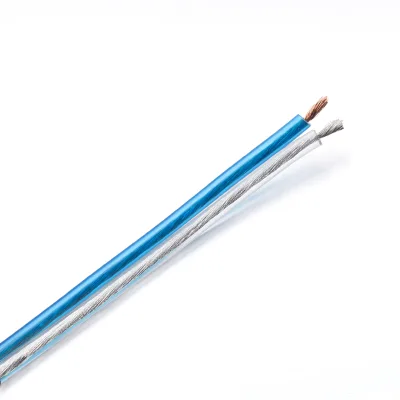
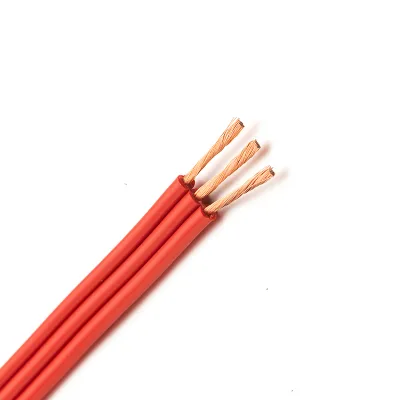
Speaker Audio Cable High Performance Oxygen-Free Copper Durable for Home Theater Stereo Systems
$0.10 - $0.90
MOQ: 1000 Minimum
Hongliyuan Technology (Zhongshan) Co., Ltd.
- Trading Company
- Guangdong, China
- Lead time20 days
- Avg. response≤ 1h
Main productsSpeaker Cable,AOC Cable,Power Cable,olar PV Cable,Satellite Multiswitch
Main marketsNorth America(60.00%), Western Europe(10.00%), Southern Europe(5.00%), Northern Europe(5.00%), Mid East(5.00%), Southeast Asia(5.00%), Eastern Europe(5.00%), Domestic Market(1.00%), South Asia(1.00%), Eastern Asia(1.00%), Africa(1.00%), South America(1.00%)
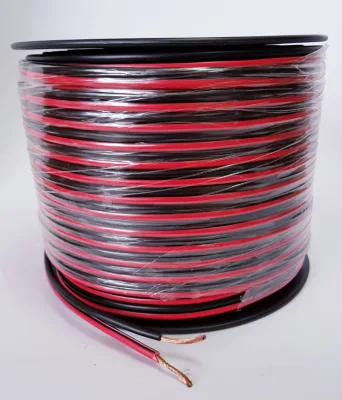
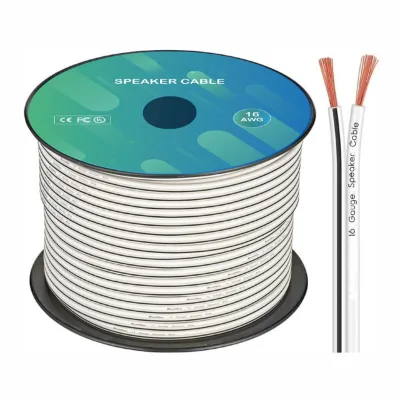
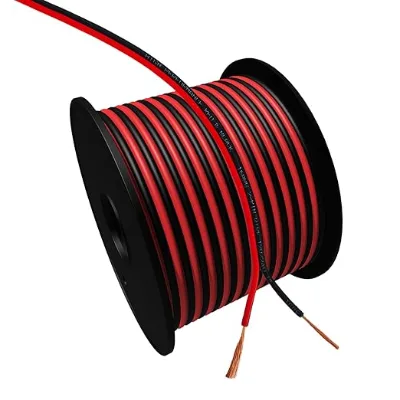
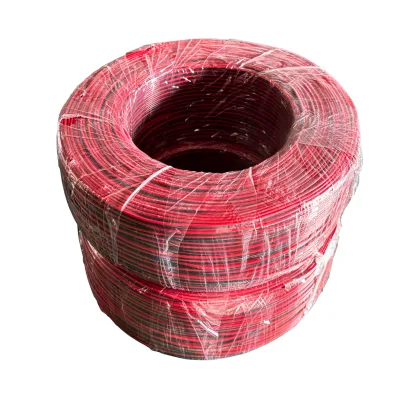
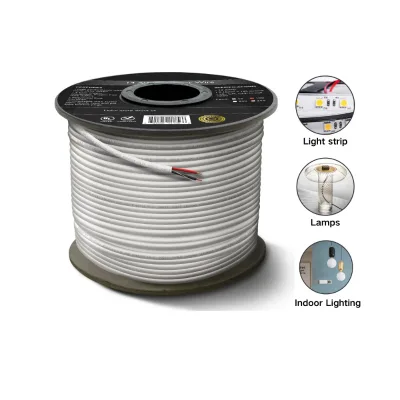
Audio Ofc 16awg Speak Cable Pure Copper Stereo Audio 2 Core Speaker Cables
$0.38 - $0.41
MOQ: 5 meters
$0.3099 - $0.4117
MOQ: 5 meters

- Verified by SGS
- Manufacturer/Factory
- China Zhejiang
- Lead time30 days
- Avg. response≤ 3h
Main productsNetwork Cable, Telephone Cable, Coaxial Cable, Alarm Cable, Speaker Wire, Microphone Cable, Power Cable, Electric Wire, Patch Cord, Non Woven
Main marketsSouth America,Eastern Europe,Mid East,North America,Southeast Asia,Eastern Asia,Oceania,Western Europe,Africa
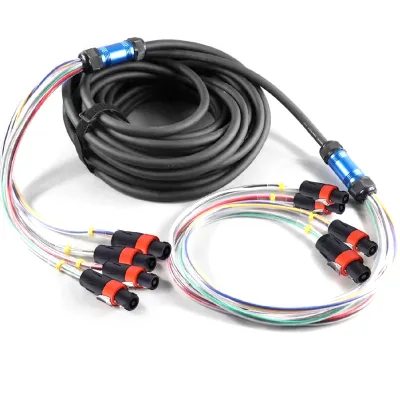
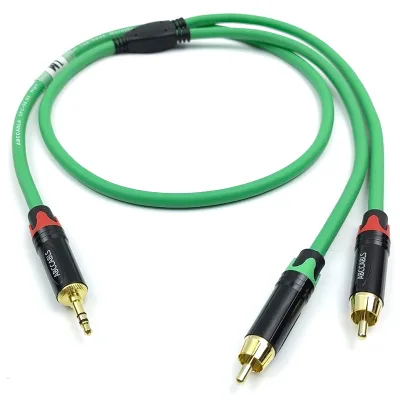
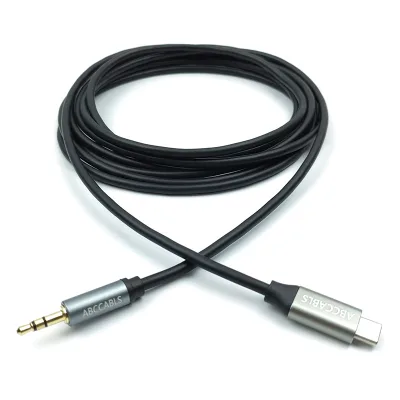
Abccabls Technology Ningbo Co., Ltd.
- Manufacturer, Trading Company
- Zhejiang, China
- Lead time0 days
- Avg. response≤ 4h
Main productsStage sound system,Audio frequency cable,LED lamp cable
Main marketsWestern Europe(40.00%), South America(30.00%), Northern Europe(10.00%), North America(10.00%), Southeast Asia(10.00%)

JIAXING DINGXIN ELECTRON CO., LTD
- Combined
- China Zhejiang
- Lead time30 days
- Avg. response≤ 2h
Main productsSpeaker Cable, Microphone Cable, Fire Alarm Cable, Alarm Cable, Telephone Cable
Main marketsOthers(foreignTradeCapacity.exportBusinessCapacityMarketOther),Southeast Asia/ Mideast,Europe


Hi-Fi Speaker Cables with Oxygen-Free Copper, Various Colors Are Available
$0.10 - $0.20
MOQ: 10000 Meters


$0.10 - $0.80
MOQ: 10000 Meters
Huizhou Adp Optical Communications Co., Ltd.
- Verified by TüVRheinland
- Manufacturer, Trading Company
- Lead time20 days
- Avg. response≤ 2h
Main productsNetwork Cable, Fiber Optic Cable, Security Cable, Electrical Cable, Cable Raw Material
Main marketsSoutheast Asia(32%), South America(11%), Western Europe(7%)
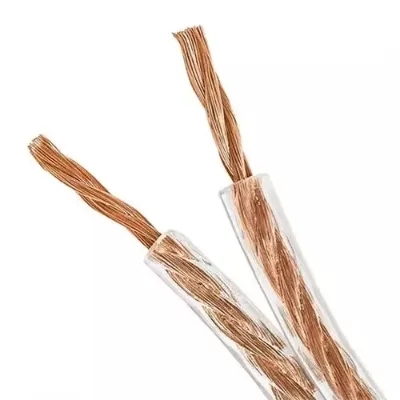
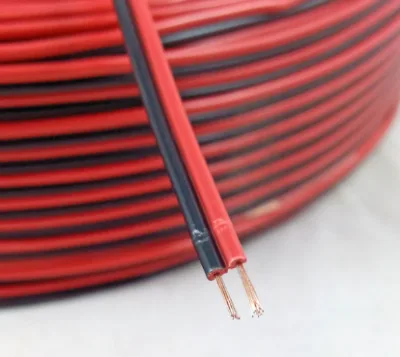
Wholesale Speaker Cable 2 Core Audio Speaker Cable Wire Flat Electric Cable CCA BC
$0.01 - $0.50
MOQ: 1000 Minimum
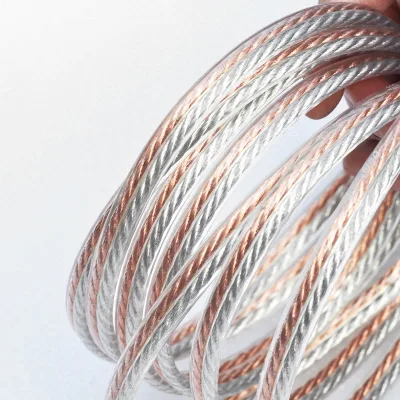
Speaker Cable 2x1.5mm Tarsparent Cca Audio Cable Red Black Speaker Cable
$0.10 - $0.50
MOQ: 10000 Minimum

Hangzhou Spring Electronics Co., Ltd.
- Verified by BV
- Trading Company,Manufacturer/Factory
- China Zhejiang
- Lead time23 days
- Avg. response≤ 17h
Main productsCoaxial Cable, LAN Cable, UTP Cat5e, RG6, Telephone Cable, Rg59 with Power Cable, CAT6, Speaker Cable, Fiber Optical Cable, Alarm Cable
Main marketsSouth America,Eastern Europe,Mid East,North America,Southeast Asia,Eastern Asia,Oceania,Western Europe,Africa

$0.04 - $0.15
MOQ: 10000 Meters


Hanyang (Hangzhou) Cable Co., Ltd.
- Verified by SGS
- Trading Company,Manufacturer/Factory,Other
- China Zhejiang
- Lead time30 days
- Avg. response≤ 5h
Main productsCoaxial Cable, Network Cable, Speaker Cable, Telephone Cable, Power Cable, RCA Cable, Fiber Optic Cable, Security Cable, Control Cable, Booster Cable
Main marketsSouth America,Eastern Europe,Mid East,North America,Southeast Asia,Eastern Asia,Oceania,Western Europe,Africa

- Verified by SGS
- Combined
- China Zhejiang
- Lead time30 days
- Avg. response≤ 1h
Main productsFire Resistant Cable, Fire Alarm Cable, Solar Cable, Security Alarm Cable, Speaker Cable
Main marketsNorth America
Hangzhou Aston Cable Co., Ltd.
- Manufacturer, Trading Company
- Zhejiang, China
- Lead time20 days
- Avg. response≤ 3h
Main productsCoaxial cables, Lan cable
Main marketsAfrica(30.00%), Mid East(30.00%), North America(20.00%), Southeast Asia(20.00%)

Zhejiang Kuayue Cable Co., Ltd.
- Verified by CTI
- Combined
- China Zhejiang
- Lead time30 days
- Avg. response≤ 16h
Main productsLAN Cable, Optic Fiber Cable, Coaxial Cable, Telephone Cable, Drop Wire Cable, FTTH Optic Fiber Cable, Network Cable, RJ45 Accessories, Alam Cable, CAT6 Cable
Main marketsSoutheast Asia/ Mideast,Domestic,Europe

Ningbo Fulsan Technology Co., Ltd.
- Verified by SGS
- Manufacturer/Factory
- China Zhejiang
- Lead time23 days
- Avg. response≤ 11h
Main productsHDMI Cable, Networking LAN Cable, USB Data Cable, Audio & Video Cable, Coaxial Cable, Microphone Cable, Speaker Cable, Power Strip, Power Plug Adapter, USB WiFi Adapter
Main marketsSouth America,Eastern Europe,Mid East,North America,Southeast Asia,Eastern Asia,Oceania,Western Europe,Africa


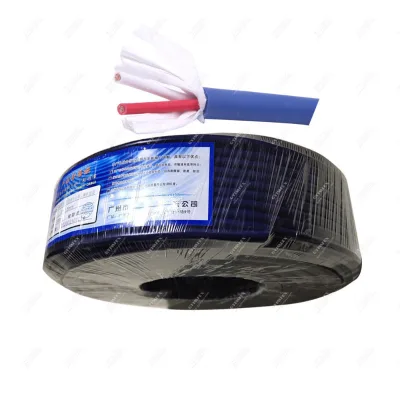
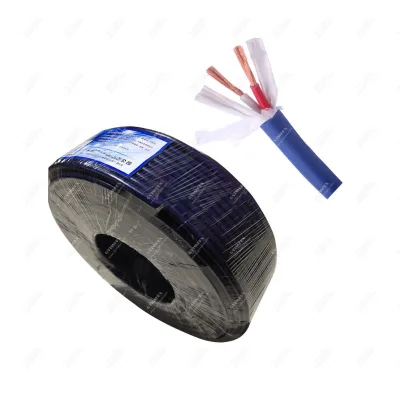


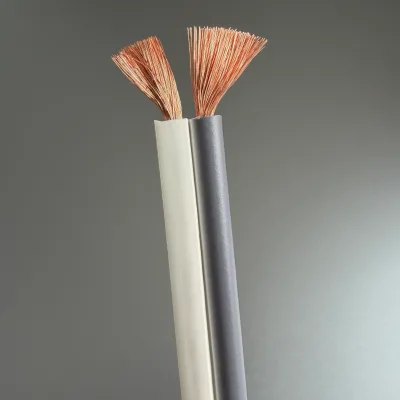
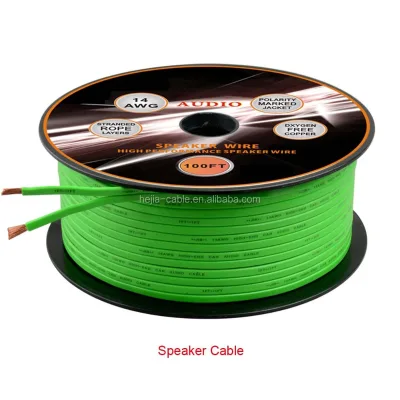
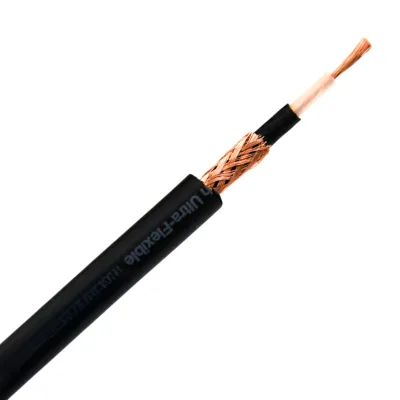
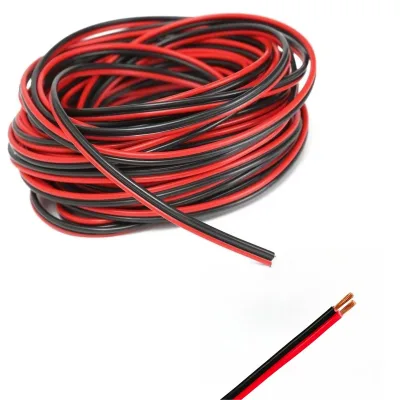
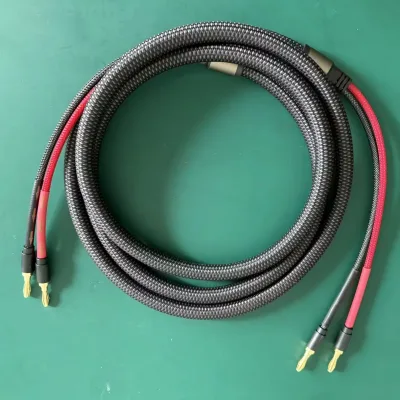
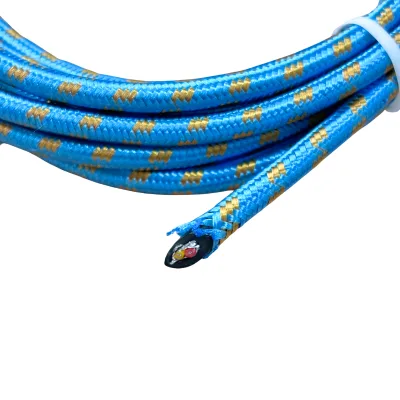
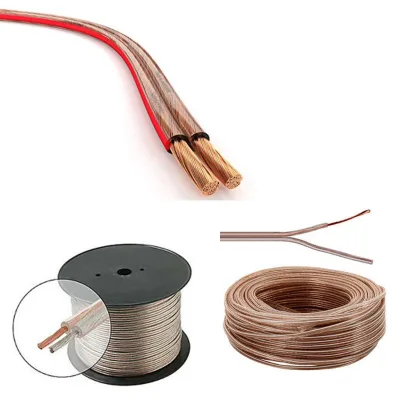
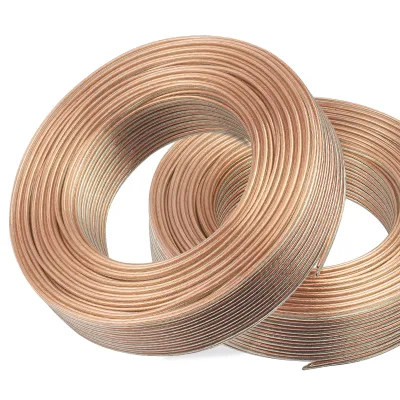


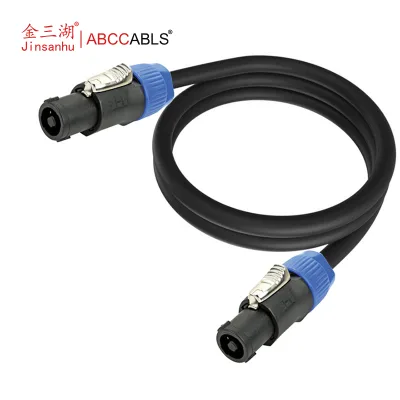
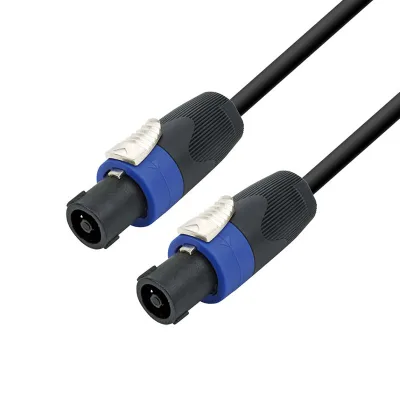




Comprehensive Sourcing Guide
Oxygen Free Copper Speaker Cable Supplier Concentration and Factory Types
The current supplier landscape for Oxygen Free Copper Speaker Cable shows a distinct concentration in Zhejiang, China, where multiple manufacturers and trading entities operate. This region serves as a primary hub for cable production, offering a dense network of facilities capable of handling both standard and customized orders. Buyers observing results from this area should note that the supply base includes combined entities that function as both manufacturers and trading companies. This dual role allows for flexibility in production capacity while maintaining direct access to factory floors for quality control. The presence of these combined types suggests a market where supply chain agility is prioritized alongside manufacturing depth.
When evaluating the factory types available, it is essential to distinguish between pure manufacturers and those that also trade. The data indicates that many suppliers in this sector possess ODM capabilities, allowing for significant customization of wire gauges, insulation materials, and core configurations. Some facilities explicitly list light customization, sample processing, and graphic processing as part of their capacity, which is vital for buyers seeking specific branding or unique cable specifications. However, not every supplier in the region offers the same level of in-house engineering. Buyers must verify whether a supplier's "combined" status implies direct factory ownership or merely a trading arrangement with a third-party plant, as this distinction impacts lead times and communication efficiency during the production cycle.
How to Verify Oxygen Free Copper Speaker Cable Suppliers
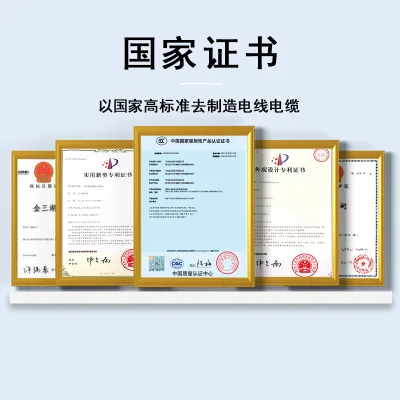
Verification of suppliers in the Oxygen Free Copper Speaker Cable sector relies heavily on third-party audit reports and system certifications. Current results show that some suppliers hold ISO9001:2015 certificates, which indicates a baseline commitment to quality management systems. Additionally, verification badges from organizations like TÜV Rheinland and SGS Group appear in the data, serving as external validation of the supplier's operational integrity. These credentials are critical because they confirm that the supplier has undergone rigorous assessment of their facilities and processes. Buyers should treat these badges as primary indicators of reliability, ensuring that the supplier's claims about their manufacturing capabilities are backed by independent inspection.
Beyond certifications, buyers must scrutinize the specific product attributes listed in supplier profiles to confirm material authenticity. The data reveals that suppliers often specify conductor materials such as copper, CCA, or CCS, alongside insulation types like PVC, PE, or LSZH. It is imperative to verify that the "oxygen-free" claim aligns with the stated conductor material, as some listings may mix terms or offer lower-grade alternatives. Buyers should request detailed test reports for conductivity and purity to ensure the cable meets the required electrical standards. Furthermore, checking the response time metrics, which range from approximately 10 to 15 hours in observed data, can provide insight into the supplier's operational readiness and communication efficiency before placing any order.
What to Compare Across Oxygen Free Copper Speaker Cable Suppliers
Comparing suppliers requires a systematic analysis of key operational metrics such as lead time, minimum order quantity, and response speed. Observed data indicates lead times can vary significantly, with some suppliers offering a 30-day window while others specify 3-4 weeks for specific product models. Minimum order quantities also differ, ranging from 10 kilometers for bulk cable rolls to 50 units for smaller, specialized orders. Buyers must align these figures with their inventory needs and budget constraints, recognizing that lower MOQs often come with higher per-unit costs. Response times, measured in hours, serve as another critical differentiator, with faster replies often correlating with better customer service and quicker resolution of technical queries.
In addition to logistical metrics, buyers should compare the breadth of product specifications and customization options available. The market offers a wide array of options, including various AWG sizes from 10 to 18, different core configurations like 2-core or 4-core, and diverse insulation materials. Some suppliers provide standardized products with fixed pricing, while others offer tailored solutions with custom lengths and colors. It is crucial to evaluate whether a supplier's customization capabilities extend to packaging, branding, and specific technical requirements like fire ratings or voltage ratings. Buyers should also note the price ranges, which can vary from $0.35 to $70 depending on the product model and order volume, ensuring that the selected supplier offers the best value for the specific technical requirements of the project.
Common Oxygen Free Copper Speaker Cable Sourcing Risks
One of the primary risks in sourcing Oxygen Free Copper Speaker Cable involves the discrepancy between advertised materials and actual product composition. While many suppliers claim to use pure copper or oxygen-free copper, some listings indicate the use of CCA or CCS conductors, which have different electrical properties and durability. This material substitution can lead to performance issues, particularly in high-power audio applications where conductivity is paramount. Buyers must demand third-party test results to verify the conductor material and ensure that the "oxygen-free" designation is accurate. Relying solely on product descriptions without independent verification can result in receiving substandard cables that fail to meet the intended application standards.
Another significant risk relates to the consistency of quality control and adherence to international standards. Although some suppliers display certifications like RoHS, ISO, and CE, the presence of these marks does not guarantee that every batch of cable produced meets the same rigorous standards. Variations in insulation thickness, jacket material, and core stranding can occur if the supplier lacks robust internal quality assurance processes. Buyers should be wary of suppliers who do not provide detailed product attributes or who offer vague descriptions of their manufacturing processes. Establishing clear quality benchmarks and requesting pre-shipment inspections can mitigate these risks, ensuring that the final product matches the specifications agreed upon during the sourcing phase.
Oxygen Free Copper Speaker Cable Regional Sourcing and Logistics
Sourcing from the identified region of Zhejiang, China, offers logistical advantages due to the concentration of manufacturing facilities and established export infrastructure. The proximity of suppliers to major ports facilitates efficient shipping, reducing transit times and costs for international buyers. However, buyers must account for the specific lead times associated with this region, which can range from 20 to 30 days depending on the order complexity and current production schedules. Understanding these timelines is crucial for planning inventory levels and avoiding stockouts, especially for time-sensitive projects. Buyers should also consider the impact of seasonal factors or local holidays on production and shipping schedules, which can further extend lead times.
Logistics planning also involves evaluating the packaging and handling requirements for the cable products. The data shows that suppliers typically use carton boxes and pallets for shipping, with options for customized lengths such as 100 meters or 305 meters per roll. Proper packaging is essential to prevent damage during transit, particularly for cables that may be sensitive to moisture or physical stress. Buyers should verify that the supplier's packaging standards align with their own storage and handling capabilities. Additionally, understanding the export documentation and customs requirements for the destination country is vital to ensure smooth clearance and delivery. Collaborating closely with the supplier on logistics details can help streamline the supply chain and minimize potential delays.
Oxygen Free Copper Speaker Cable Commercial Terms and Order Planning
Commercial terms for Oxygen Free Copper Speaker Cable orders often include specific pricing structures based on order volume and product specifications. The observed price ranges indicate that costs can vary significantly, from as low as $0.35 to as high as $70, depending on the cable type, conductor material, and customization level. Buyers should negotiate clear pricing terms that account for fluctuations in raw material costs, particularly copper, which is a major component of these cables. Establishing a fixed price agreement or a formula for price adjustments can help manage budget risks and ensure financial predictability throughout the order lifecycle.
Order planning must also consider the minimum order quantities and payment terms offered by suppliers. While some suppliers accept orders as low as 50 units, others require bulk purchases of 10 kilometers or more. Buyers should assess their demand forecasts to determine the most cost-effective order size, balancing inventory holding costs against unit price savings. Payment terms, such as escrow services or letters of credit, should be evaluated to ensure secure transactions. Additionally, buyers should plan for potential delays by maintaining a buffer stock or establishing relationships with multiple suppliers to mitigate supply chain disruptions. Clear communication regarding delivery schedules and quality expectations is essential for successful order execution.
FAQs
What certifications do oxygen free copper speaker cables typically hold?
Most oxygen free copper speaker cables hold RoHS, ISO, and CE certifications. Some products also include CCC certification for specific markets. Buyers should verify the exact certification list on the product page to ensure compliance with local regulations and safety standards before placing orders.
What is the typical lead time for manufacturing speaker cables?
The typical lead time for manufacturing speaker cables is around 30 days. Specific product listings indicate a lead time of 3-4 weeks. Buyers should confirm the exact delivery schedule with the supplier, as production times may vary based on order volume and customization requirements.
What is the minimum order quantity for speaker cables?
The minimum order quantity varies by product type. Some listings require a minimum of 10 kilometers, while others accept orders as low as 50 units. Buyers must check the specific MOQ for the desired cable gauge and configuration to ensure the order meets supplier thresholds.
Where are oxygen free copper speaker cables primarily manufactured?
These cables are primarily manufactured in Zhejiang, China. Suppliers in this region offer various cable types including LAN, network, and speaker cables. Buyers should verify the place of origin on product pages to confirm the manufacturing location and assess logistics implications for international shipping.
What conductor materials are used in speaker cables?
Speaker cables typically use copper, CCA, or CCS conductors. Oxygen-free copper is a common high-quality option for audio applications. The conductor material affects signal transmission and durability. Buyers should select the appropriate material based on their specific audio requirements and budget constraints.
What is the price range for oxygen free copper speaker cables?
Prices for oxygen free copper speaker cables range from $0.35 to $70.00 depending on the gauge and specifications. Lower gauge cables like 14 AWG may cost between $20 and $60. Buyers should compare prices across different suppliers to find the best value for their specific needs.