Tea Picking Machine Suppliers and Manufacturers
Source 23 verified Tea Picking Machine suppliers from China Zhejiang. Compare lead times, MOQs, certifications, and prices to find the right partner. Contact suppliers directly to request quotes and samples; review the available evidence before requesting comparable quotations from suitable candidates.
Suppliers List

Ningbo Yinzhou Guoten Industrial Co., Ltd.
- Verified by TUVRHEINLAND
- Trading Company
- China Zhejiang
- Lead time30 days
- Avg. response≤ 11h
Main productsElectric Tools, Garden Tools, Hand Tools, Power Tools, Air Tools
Main marketsSoutheast Asia/ Mideast,Europe,North America


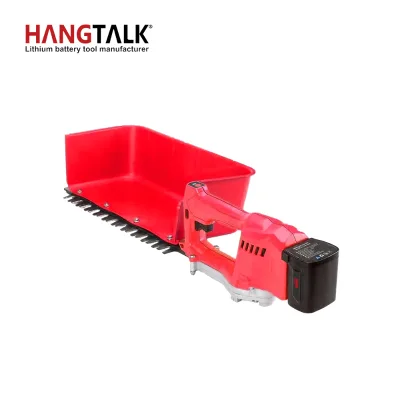
Factory Direct Sales Tea Plucker/Tea Leaf Picker/Electric Tea Harvester Machine with Battery
$145.00 - $159.00
MOQ: 1 pieces

High Quality Tea Picking Machine Rechargeable Tea Picker Li-Lon Battery Tea Picker
$145.00 - $159.00
MOQ: 1 pieces
Ningbo Kingson Tools Co., Ltd.
- Verified by SGS Group
- Trading Company
- Lead time35 days
- Avg. response≤ 2h
Main productsElectric Tea Machine, Cordless Pruner, Electric Chain Saw, Cordless Chain Saw, Cordless Garden Tools
Main marketsWestern Europe(20%), Eastern Europe(16%), Northern Europe(16%)

Chengdu KLP Machinery Co., Ltd.
- Trading Company
- China Sichuan
- Lead time23 days
- Avg. response≤ 3h
Main productsLiquid Powder Granular Filling Machine, Labeling Machine, Capping Machine Sealing Machine, Automatic Packing Machine, Customized Conveyor Devices, Bakery Equipment, Fast Food Equipment, Pressure Fryer Open Fryer, Tea Harvester Machine, Agriculture Machinery
Main marketsSouth America,Africa,Europe,Australia,North America


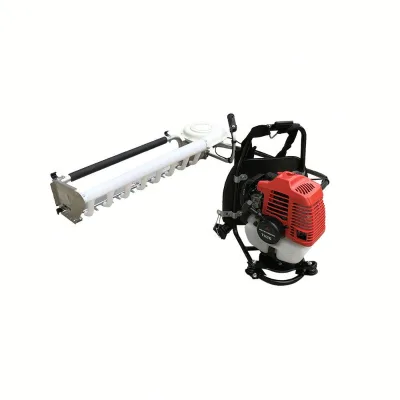
Rechargeable Backpack Tea Picking Machine Brushless Tea Picking Machine
$50.00 - $110.00
MOQ: 10 Pieces

Mini Tea Plucking Machine Tea Plucking Machine Tea Picker Leaf Harvesting Battery Machine
$110.00 - $115.00
MOQ: 100 Pieces

$50.00 - $110.00
MOQ: 10 Pieces


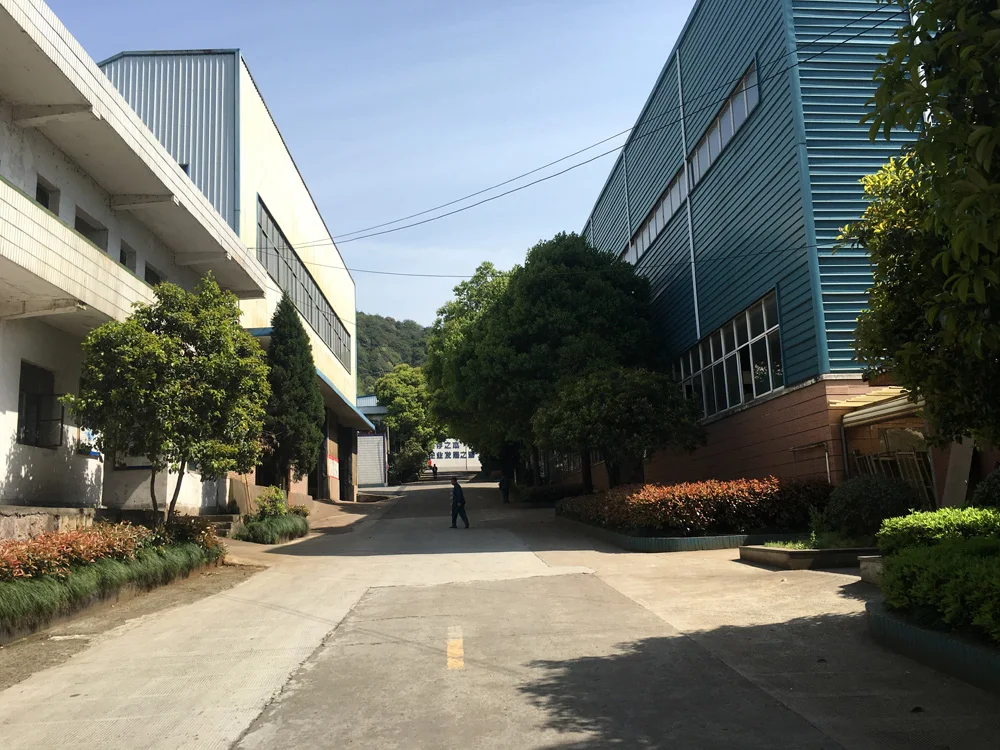
Hangzhou Chama Machinery Co., Ltd.
- Trading Company
- Zhejiang, China
- Lead time20 days
- Avg. response≤ 14h
Main productsTea Machinery
Main marketsSouth Asia(20.00%), Eastern Asia(20.00%), Africa(20.00%), Southeast Asia(15.00%), North America(10.00%), Oceania(10.00%), South America(5.00%)
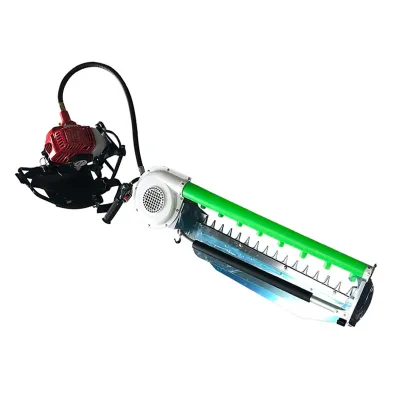
600mm Mini Tea Plucking Machine Backpack Tea Picker Power Tea Picking Machine
$323.48 - $360.00
MOQ: 1
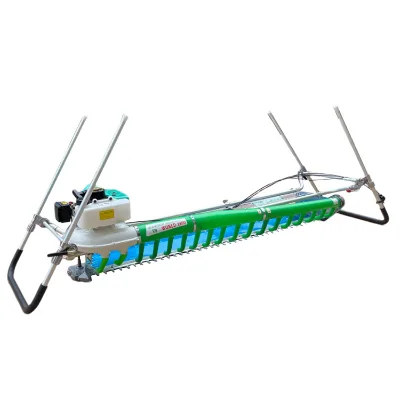
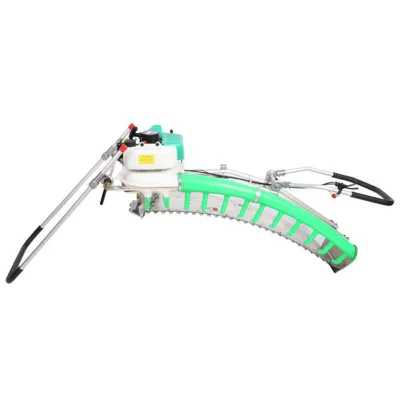
Best Seller Single Cylinder Air-cooled Tea Harvester Two Men Tea Picking Machine
$1100.00 - $1300.00
MOQ: 10 pieces
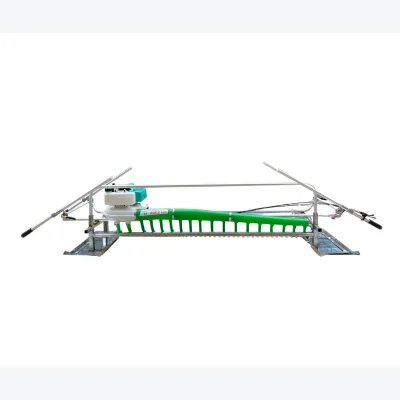
2021 New Design Agricultural Tools 1400 Mm Tea Leaf Picking Plucking Machine With Ski
$1100.00 - $1300.00
MOQ: 1 pieces
- Trading Company
- Hubei, China
- Lead time15 days
- Avg. response≤ 4h
Main productsAgriculture Machine,Food Machine,Harvester,Solar Equipments,Rice Mill
Main marketsAfrica(38.00%), Southeast Asia(30.00%), Domestic Market(8.00%), South Asia(5.00%), South America(3.00%), Central America(3.00%), Eastern Europe(2.00%), North America(2.00%), Western Europe(2.00%), Eastern Asia(2.00%), Mid East(2.00%), Northern Europe(1.00%), Oceania(1.00%), Southern Europe(1.00%)
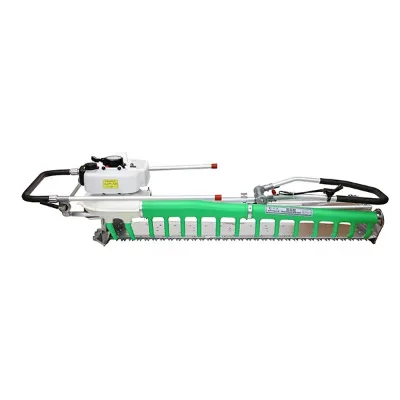
Tea Picking Machine Tea Leaf Picker Tea Lavender Harvester
$1100.00 - $2000.00
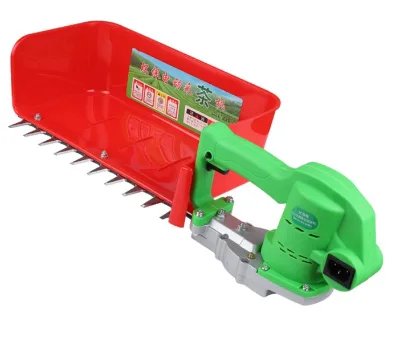
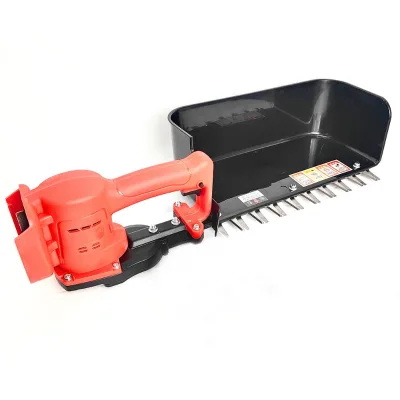
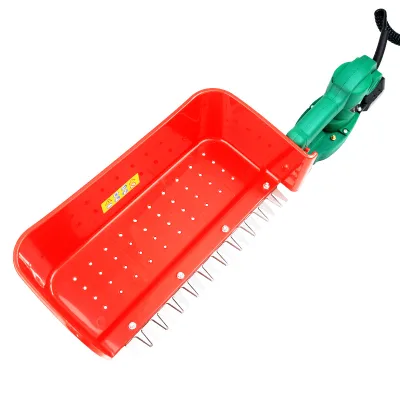
Electric Tea Leaf Harvesting Machine
$120.00 - $148.00
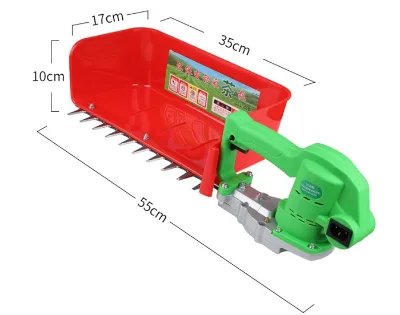
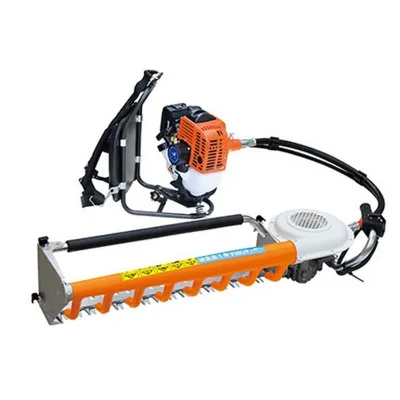
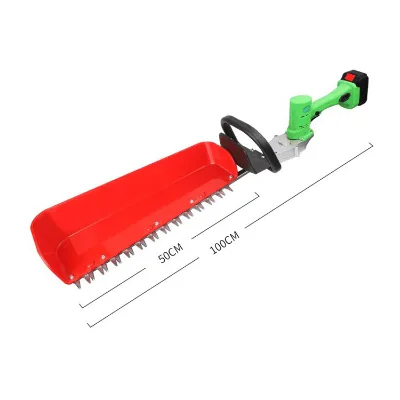
Taizhou Kesiwo Garden Tools Co, Ltd.
- Manufacturer, Trading Company
- Zhejiang, China
- Lead time20 days
- Avg. response≤ 11h
Main productspower sprayer,brush cutter,water pump,electric tool,tiller
Main marketsDomestic Market(30.00%), Africa(20.00%), Southeast Asia(15.00%), South America(10.00%), South Asia(10.00%), North America(5.00%), Eastern Europe(5.00%), Mid East(5.00%)
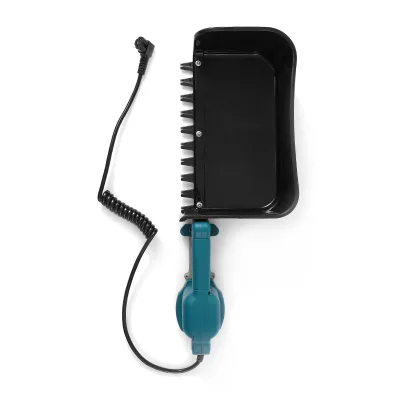
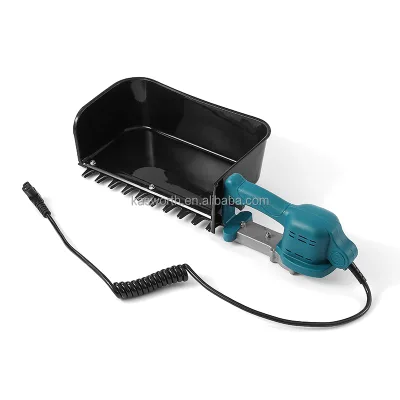
$120.00 - $140.00
MOQ: 2 pieces

Jinhua Jusen Garden Machinery Co., Ltd.
- Verified by TUVRHEINLAND
- Manufacturer/Factory,Group Corporation
- China Zhejiang
- Lead time23 days
- Avg. response≤ 12h
Main productsChain Saw, Brush Cutter, Earth Auger, Gasoline Water Pump, Electric Chain Saw, Lithium Electric Lawn Mower, Lithium Chain Saw, Car Washer
Main marketsSouth America,Eastern Europe,Mid East,North America,Southeast Asia,Eastern Asia,Oceania,Western Europe,Africa

- Manufacturer/Factory,Group Corporation
- China Hubei
- Lead time23 days
- Avg. response≤ 6h
Main productsAgro Machine, Food Machine, Milking Machine, Tractor, Parboiled Rice Milling Machine, Thresher, Harvester, Solar Dryer, Seeder, Biogas Products
Main marketsSouth America,Eastern Europe,Mid East,North America,Southeast Asia,Eastern Asia,Oceania,Western Europe,Africa


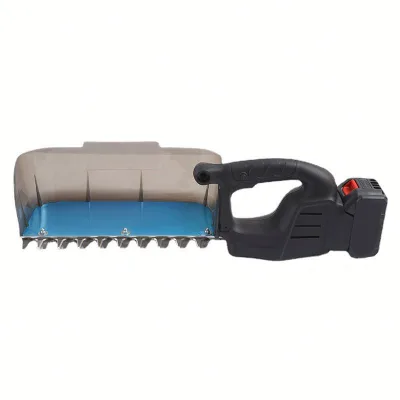
Single Person Small Charging Electric Tea Picking Machine Tea Harvester
$110.00 - $140.00
MOQ: 10 Pieces

Portable Type Tea Picking Machine Tea Leaves Harvesting Machine Price
$110.00 - $140.00
MOQ: 10 Pieces

- Verified by TUVRHEINLAND
- Trading Company,Manufacturer/Factory
- China Zhejiang
- Lead time38 days
- Avg. response≤ 1h
Main productsMotorcycle Spare Parts, Gasoline Chainsaw, Gasoline Grass Cutter&Trimmer, Gasoline Garden Water Pump, Gasoline Hedge Trimmer, Garden Tools, Gasoline Earth Auger, Tea Plucker Machine, General Gasoline Engine, Spare Parts for Garden Tools
Main marketsSouth America,Mid East,Southeast Asia,Eastern Asia,Africa
Shenzhen Huachuanggong Machinery Equipment Co., Ltd.
- Manufacturer, Trading Company, Business Service (Transportation, finance, travel, Ads, etc)
- Guangdong Province, China
- Lead time15 days
- Avg. response≤ 6h
Main productsInjection molding machine,Packaging machine,Labeling machine,Filling machine,Extruder
Main marketsNorth America(50.00%), Eastern Europe(30.00%), Southeast Asia(10.00%), South America(10.00%)

YONGKANG UNITED MECHANIC CO., LTD.
- Trading Company
- China Zhejiang
- Lead time15 days
- Avg. response≤ 17h
Main productsBrush Cutter, Chainsaw, Earth Auger, Multi Tool, Power Sprayer, Water Pump, Brush Cutter Spare Parts, Mini Tiller, Chainsaw Spare Parts, Lithium Products
Main marketsSouth America,Africa,Southeast Asia/ Mideast,East Asia(Japan/ South Korea),Europe,Australia

Um Electric Brushless Tea Plucking Machines/Tea Plucker/Tea Harvesting Machine Tea Picking Machine
$72.00 - $168.00
MOQ: 50 PCS


Um Portable Tea Picker 24 V Mini Tea Harvester Electric Mini Tea Harvesting Machine Plucking
$108.00 - $168.00
MOQ: 50 PCS

Um Handheld Tea Picker Tea Leaf Harvester Mini Tea Leaf Plucking Machine Tea Harvester Machine
$72.00 - $168.00
MOQ: 50 PCS

Zhengzhou Jieyuan Machinery Manufacturing Co., Ltd.
- Trading Company
- Henan, China
- Lead time7 days
- Avg. response≤ 3h
Main productsCurtain machine,quilt machine,cotton fiber machine,Aluminum cutting machine,Pipe bending machine
Main marketsSouthern Europe(20.00%), Western Europe(20.00%), South Asia(10.00%), Africa(10.00%), Central America(10.00%), Mid East(5.00%), South America(5.00%), Northern Europe(5.00%), Southeast Asia(5.00%), North America(5.00%), Eastern Asia(5.00%)
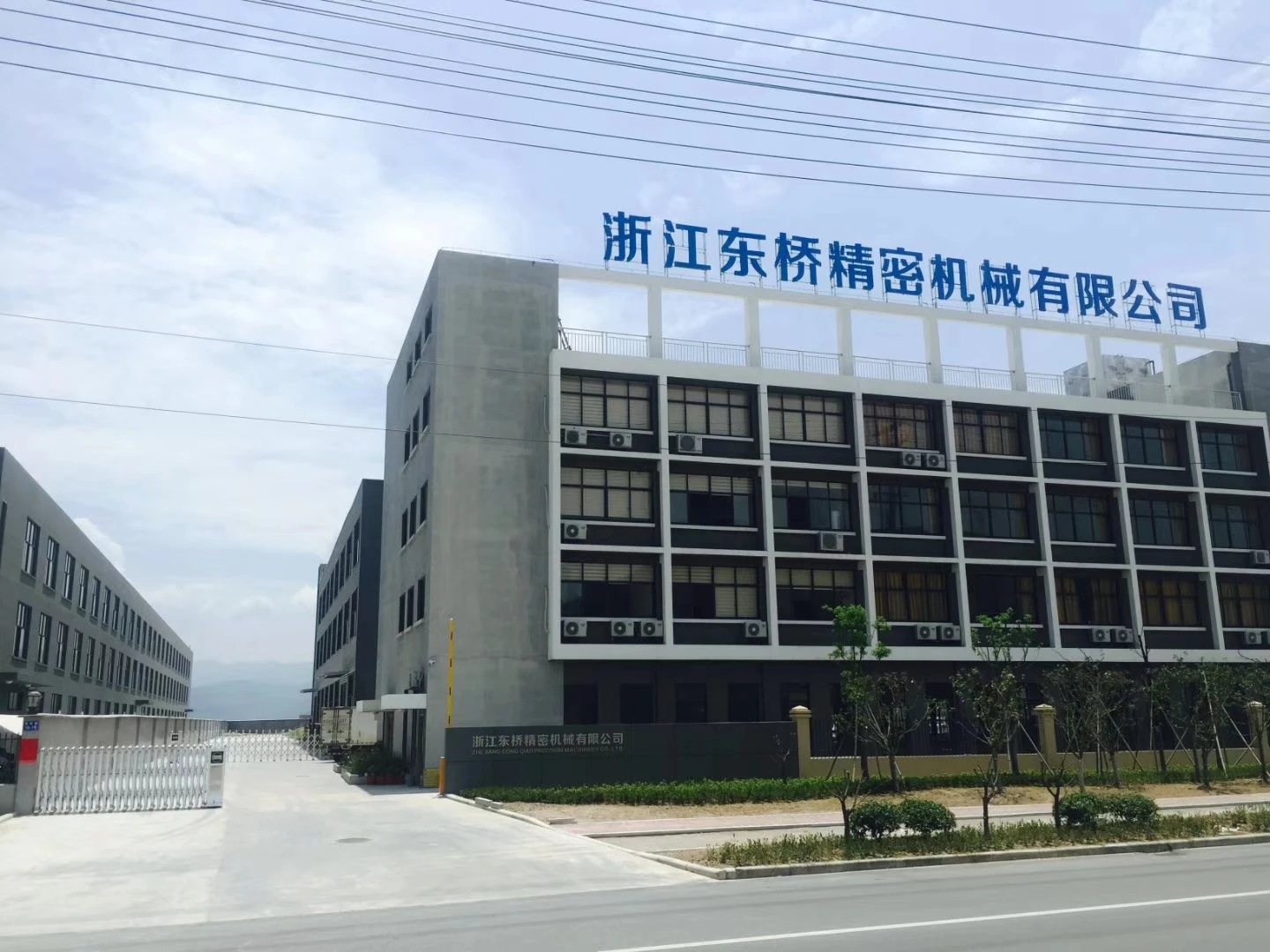
Zhejiang Dongqiao Machinery Co., Ltd.
- Manufacturer
- Zhejiang, China
- Lead time25 days
- Avg. response≤ 15h
Main productsElectric Pruning Shear,chain saw,low mower,pole
Main marketsDomestic Market(50.00%), Western Europe(15.00%), Eastern Asia(10.00%), South America(5.00%), Northern Europe(3.00%), South Asia(2.00%), Southern Europe(2.00%), North America(2.00%), Central America(2.00%), Southeast Asia(2.00%), Eastern Europe(2.00%), Mid East(2.00%), Oceania(2.00%), Africa(1.00%)
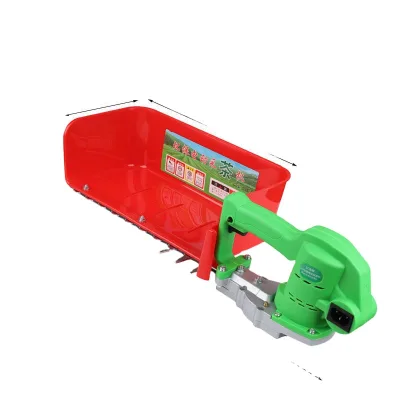
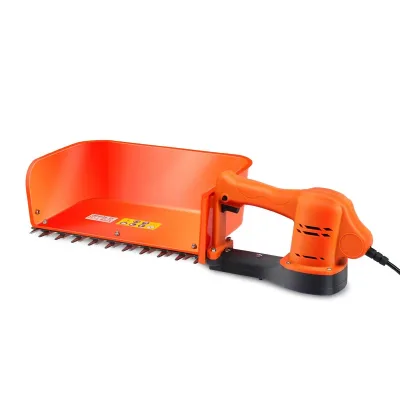
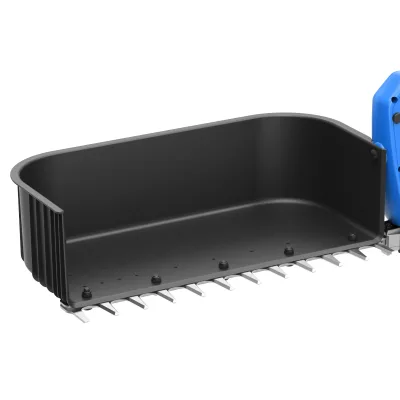
Professional Tea Picking Machine Tea Leaf Picker With Lithium Battery Tea Plucker
$80.00 - $106.00
MOQ: 100
Jinhua Lvchuan Technology Co., Ltd.
- Trading Company
- Zhejiang, China
- Lead time35 days
- Avg. response≤ 4h
Main productstea harvesting machine,lawn mower,lithium battery,harvest machine,lawn mower
Main marketsDomestic Market(40.00%), Southeast Asia(20.00%), South America(10.00%), Mid East(8.00%), Eastern Asia(5.00%), Eastern Europe(5.00%), South Asia(5.00%), Africa(5.00%), North America(1.00%), Oceania(1.00%)
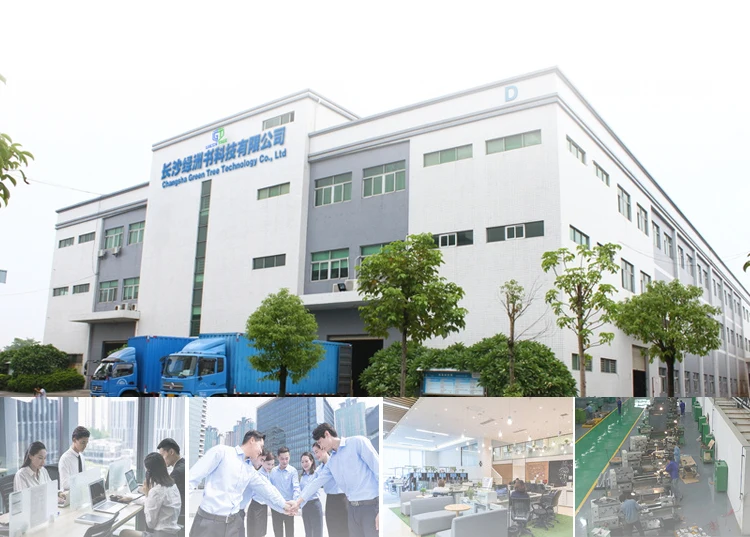
Changsha Lvzhoushu Technology Co., Ltd.
- Trading Company
- Hunan, China
- Lead time0 days
- Avg. response≤ 3h
Main productsindustrial machinery,Commercial service equipment
Main marketsNorthern Europe(100.00%), Eastern Europe(100.00%), North America(100.00%)

- Verified by SGS
- Combined
- China Jiangsu
- Lead time30 days
- Avg. response≤ 3h
Main productsPower Drill, Cordless Tools, Cordless Chainsaw, Battery Tools, Lithium Battery Tool, Cordless Drill, Cordless Impact Drill, Cordless Impact Wrench, Cordless Angle Grinder, Cordless Blower
Main marketsEast Asia(Japan/ South Korea)

Hangzhou Stable Machinery Co., Ltd.
- Verified by SGS
- Trading Company
- China Zhejiang
- Lead time15 days
- Avg. response≤ 1h
Main productsHarvester Spare Parts, Tractor Spare Parts, Rice Transplanter Spare Parts, Tractor Implements, Agricultural Machinery Spare Parts, Agricultural Machinery, Harvester, Rice Transplanter, Seeder, Rubber Track
Main marketsSouth America,Africa,Others(foreignTradeCapacity.exportBusinessCapacityMarketOther),Southeast Asia/ Mideast
Luohe Bard Machinery Equipment Co., Ltd.
- Manufacturer, Trading Company
- Henan, China
- Lead time7 days
- Avg. response≤ 1h
Main productsGeneral Machinery,Fruit Vegetables Processing Machines,Meat Processing Machines,Snack food machinery,Packaging Machinery
Main marketsNorth America(30.00%), Mid East(15.00%), Western Europe(13.00%)
Shandong keruide Heavy Machinery co.,ltd
- Verified by TüVRheinland
- Manufacturer, Trading Company
- Lead time3 days
- Avg. response≤ 5h
Main productsExcavator, Forklift, Skid Steer Loader, Tricycle, Road Roller
Main marketsDomestic Market(25%), North America(20%), Eastern Europe(20%)

Zhengzhou Xifu Machinery Equipment Co., Ltd.
- Verified by CTI
- Manufacturer/Factory
- China Henan
- Lead time15 days
- Avg. response≤ 7h
Main productsHarvester Machine, Animal Feed Pellet Machine, Grinding Milling Machine, Chopper Machine, Baler Corn Silage Wrapping Machine, Chaff Cutter Machine, Oil Press Machine, Threser Machine, Cursher Machine, Milking Machine
Main marketsMid East,Southeast Asia,Africa


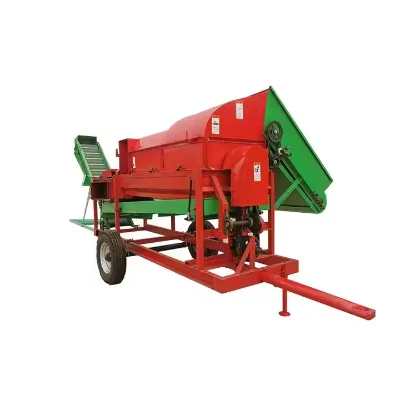
Earthnut Peanuts Picker Harvester Peanuts Picking Machinery Peanut Picking Machine
$900.00 - $3500.00
MOQ: 1 Pieces


Peanut Picker Picking Machine Groundnut Picker Groundnut Picking Machine
$900.00 - $3200.00
MOQ: 1 Pieces

Peanut Picker Machine Peanut Harvest Machine Raspberry Picking Machine
$900.00 - $3500.00
MOQ: 1 Pieces

Good Feedback Peanut Pick Machine Groundnut Peanut Picker Harvest Picking Machine
$900.00 - $3500.00
MOQ: 1 Pieces

Shandong Platinum Dylan Machinery Co., Ltd.
- Verified by TUVRHEINLAND
- Combined
- China Shandong
- Lead time15 days
- Avg. response≤ 3h
Main productsMower, Earth Leveler, Turnover Plow
Main marketsSoutheast Asia/ Mideast
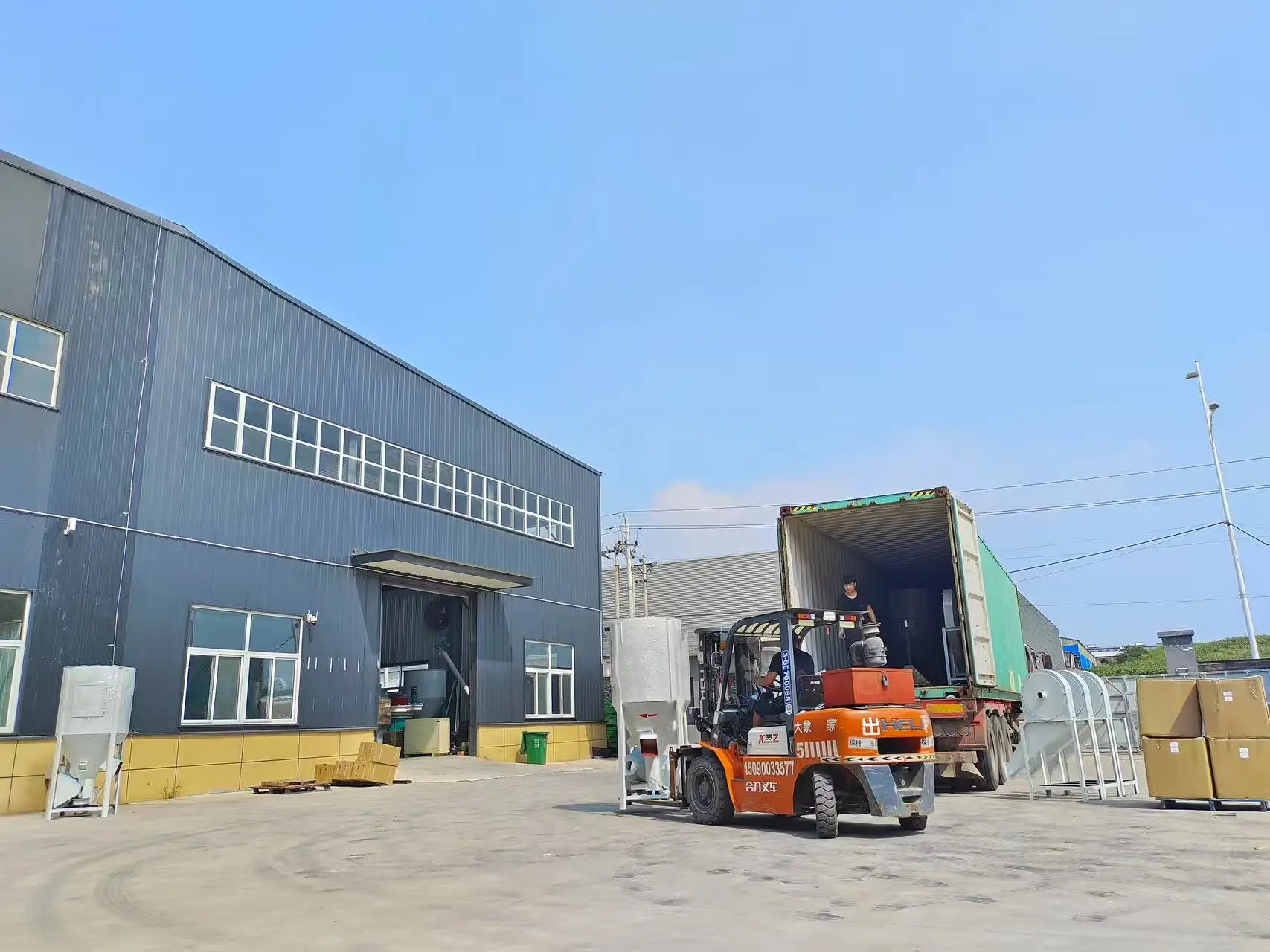
Jinan Hongyue Machinery And Tools Co., Ltd.
- Trading Company
- Shandong, China
- Lead time0 days
- Avg. response≤ 3h
Main productsAbrasive Tool,Diamond Polishing Tools,Pellet Machine,Pellet Line,Agricultural Machine
Main marketsNorth America(30.00%), Mid East(20.00%), Africa(20.00%), Southeast Asia(10.00%), Domestic Market(5.00%), South Asia(5.00%), Southern Europe(5.00%), Northern Europe(5.00%), Central America(5.00%), Western Europe(5.00%), Eastern Asia(5.00%), Eastern Europe(5.00%), Oceania(5.00%), South America(5.00%)

Hefei Branagh Photoelectric Technology Co., Ltd.
- Verified by TUVRHEINLAND
- Combined
- China Anhui
- Lead time15 days
- Avg. response≤ 3h
Main productsColor Sorter, Rice Color Sorter, Grain Color Sorter, Color Sorter Machaine, Mini Color Sorter, Color Sortering Machine, Beans Color Sorter, Nuts Color Sorter, Plastic Color Sorter, Corn Color Sorter
Main marketsSoutheast Asia/ Mideast,East Asia(Japan/ South Korea),Europe


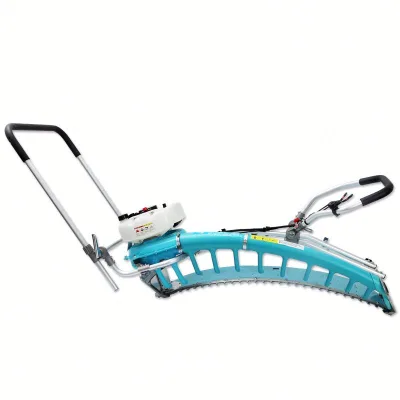
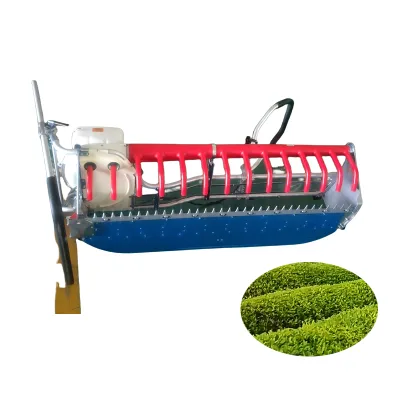
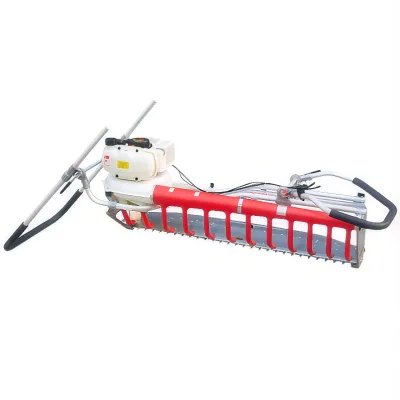
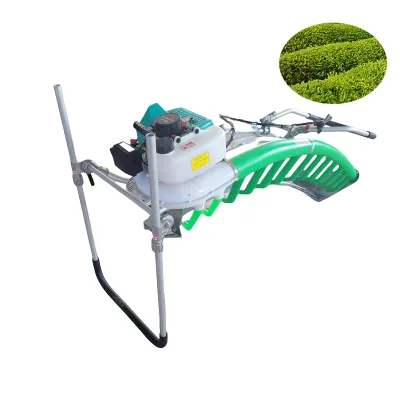
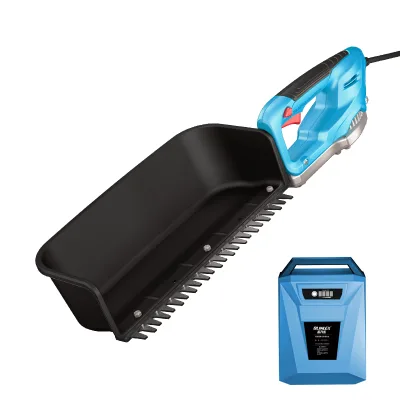
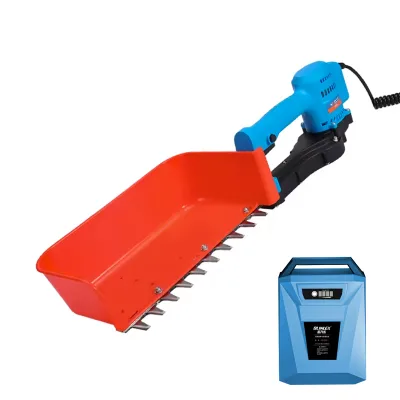
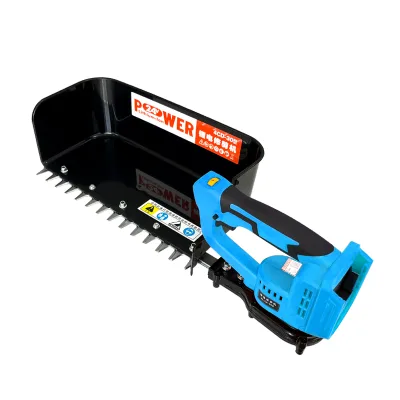
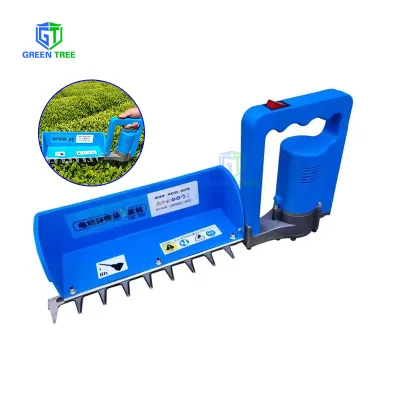






Comprehensive Sourcing Guide
Tea Picking Machine Supplier Concentration and Factory Types
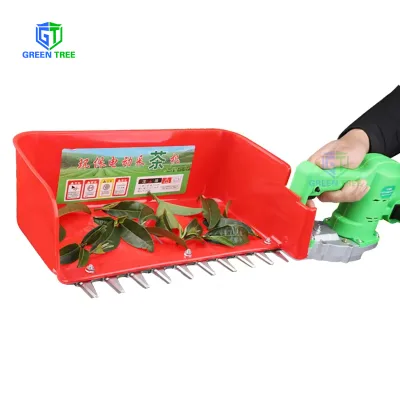
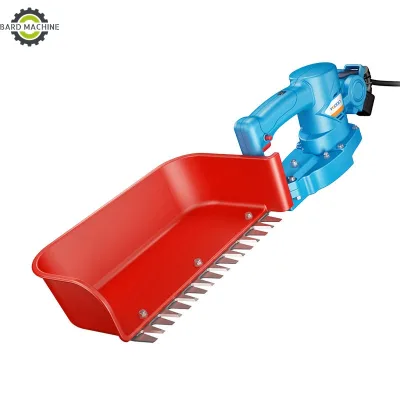
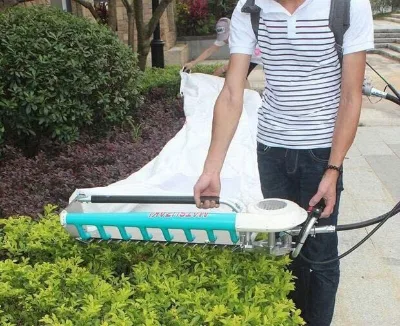
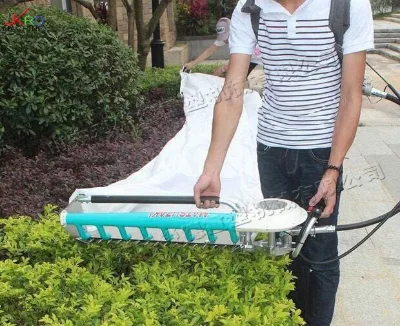
The current supplier landscape for electric tea picking machines shows a distinct concentration of manufacturing and trading entities within the Zhejiang province of China. This region serves as a primary hub for the production of garden tools, power tools, and specialized agricultural machinery, including the rechargeable backpack harvesters and handheld pluckers observed in recent results. Buyers should recognize that the majority of available listings originate from this specific geographic cluster, which suggests a mature supply chain for components like motors, batteries, and gear drives essential for these machines. When evaluating potential partners, it is crucial to distinguish between trading companies and actual manufacturing facilities, as the product evidence indicates a mix of both types operating in this sector.
Many suppliers in this space identify their company type as a trading company, which implies they may source products from various factories rather than operating a single dedicated production line. This distinction affects the buyer's ability to verify production capacity and quality control directly. While some listings highlight specific product models like the TPM03 or TPM07, others focus on broader categories such as electric tools and garden tools, suggesting a diversified portfolio rather than a specialized tea machine factory. Buyers must investigate whether the supplier has direct control over the assembly process or if they act as an intermediary. Understanding this structural difference is vital for negotiating terms, as trading companies might offer more flexibility in sourcing different models, whereas factories may provide deeper customization options for specific mechanical requirements.
How to Verify Tea Picking Machine Suppliers
Verification of Tea Picking Machine suppliers requires a rigorous check of third-party credentials and system certifications to ensure reliability and product safety. Several suppliers in the current results display verification badges from recognized bodies such as TÜV Rheinland and SGS Group, which serve as critical indicators of a supplier's commitment to international standards. These certifications often cover the manufacturing process and the final product's compliance with safety regulations, such as the CE mark observed on multiple product listings. Buyers should prioritize suppliers who provide these specific verification statuses, as they reduce the risk of receiving non-compliant machinery that could fail in the field or violate import regulations in the destination country.
Beyond external verification, buyers must scrutinize the specific product attributes and technical documentation provided in the supplier's listings. Evidence shows that some products include detailed specifications regarding power sources, battery capacity, and transmission types, such as hard shaft or gear drive systems. A reliable supplier will provide clear data on core components like the motor and warranty periods, which are listed as two years for certain models. Additionally, the availability of machinery test reports is a significant factor in verifying the performance and durability of the equipment. Buyers should request these reports to confirm that the machine meets the claimed specifications for weight, voltage, and working width before committing to an order, ensuring that the supplier's claims are backed by tangible evidence rather than marketing assertions.
What to Compare Across Tea Picking Machine Suppliers
When comparing Tea Picking Machine suppliers, buyers should focus on key operational metrics such as lead time, minimum order quantity, and response speed to determine the best fit for their procurement needs. The data indicates a range of lead times, with some suppliers offering a 30-day turnaround while others require 35 days, which can significantly impact project timelines and inventory planning. Minimum order quantities also vary widely, ranging from as low as one unit for certain factory-direct sales to 500 units for bulk orders, allowing buyers to select a supplier that aligns with their volume requirements and budget constraints. Response times are another critical differentiator, with some suppliers demonstrating a rapid response capability of two hours, while others may take over ten hours to reply, affecting the efficiency of the negotiation process.
In addition to logistical metrics, buyers must compare the main product offerings and customization capabilities to ensure the supplier can meet specific operational demands. Some suppliers specialize in a broad range of electric tools and garden equipment, while others focus exclusively on tea harvesting machinery with features like brushless motors and rechargeable batteries. The availability of customization is a key factor, as some listings explicitly state that customization is available, allowing for tailored solutions such as specific battery capacities or blade lengths. Buyers should also evaluate the price ranges, which span from approximately 58 dollars to over 350 dollars depending on the model and features, to ensure they are getting competitive value. By systematically comparing these dimensions, buyers can identify suppliers that offer the optimal balance of cost, speed, and product suitability for their specific tea harvesting operations.
Common Tea Picking Machine Sourcing Risks
One of the primary risks in sourcing tea picking machines is the potential mismatch between the claimed product specifications and the actual delivered goods, particularly regarding battery performance and motor durability. The product evidence highlights various battery types, including 2AH, 2.5AH, and 4.2AH options, but without independent testing, buyers cannot guarantee that the delivered units will meet the advertised runtime or power output. This discrepancy can lead to operational failures in the field, where a machine that cannot sustain a full day's work becomes a liability. Buyers must mitigate this risk by demanding detailed test reports and, if possible, ordering samples to verify the actual performance of the battery and motor under real-world conditions before placing a large order.
Another significant risk involves the variability in minimum order quantities and the associated financial exposure for smaller buyers. While some suppliers offer low MOQs of just one unit, others require orders of 500 units, which can be prohibitive for small-scale farms or new entrants to the market. This disparity forces buyers to either commit to large capital expenditures or risk higher per-unit costs when ordering smaller quantities. Furthermore, the reliance on trading companies can introduce additional layers of communication and potential delays, as the buyer is not dealing directly with the manufacturing entity. To manage these risks, buyers should clearly define their volume requirements early in the negotiation and seek suppliers who offer flexible terms or transparent pricing structures that accommodate different order sizes without compromising on quality or delivery timelines.
Tea Picking Machine Regional Sourcing and Logistics
Sourcing tea picking machines from the Zhejiang region of China offers logistical advantages due to the established infrastructure for exporting agricultural machinery and garden tools. The concentration of suppliers in this area facilitates efficient shipping and reduces the complexity of coordinating with multiple manufacturers, as many suppliers are located within the same industrial cluster. This proximity often translates to streamlined logistics, with suppliers familiar with the packaging and handling requirements for heavy machinery like electric harvesters. Buyers should leverage this regional concentration to negotiate better freight rates and ensure that the packaging, such as carton boxes, is robust enough to protect the machinery during transit, especially given the weight and dimensions of units like the 5.8 KG mini harvesters.
However, buyers must also consider the specific shipping requirements for electric tools, which often contain lithium-ion batteries that are subject to strict international transport regulations. The product evidence indicates that many machines are powered by electric batteries, which may require special handling and documentation to comply with air or sea freight safety standards. Buyers should verify that the supplier has experience in shipping these specific types of goods and can provide the necessary certificates for battery transport. Additionally, the lead times observed, ranging from 30 to 35 days, must be factored into the overall logistics plan to ensure timely delivery. By understanding the regional logistics landscape and the specific constraints of shipping battery-powered equipment, buyers can avoid delays and ensure that their tea picking machines arrive in optimal condition and on schedule.
Tea Picking Machine Commercial Terms and Order Planning
Commercial terms for tea picking machines vary significantly based on the supplier's pricing structure, warranty provisions, and payment conditions. The observed price ranges, from 58 dollars to 350 dollars, reflect differences in model complexity, battery capacity, and included features, requiring buyers to carefully calculate the total cost of ownership. Warranty periods are a critical component of these terms, with some suppliers offering a two-year warranty on core components like the motor, which provides a safety net against early failures. Buyers should ensure that the warranty terms are clearly defined in the contract, specifying what is covered and the process for claiming repairs or replacements, as this can significantly impact the long-term viability of the investment.
Order planning must also account for the specific production and delivery timelines provided by the supplier, which can range from 30 to 35 days depending on the order volume and customization requirements. Buyers should align their production schedules with these lead times to avoid stockouts or delays in their harvesting operations. Additionally, the minimum order quantities, which can range from one to 500 units, must be integrated into the financial planning to ensure that the order size is economically viable. Buyers should also consider the customization options available, such as specific battery configurations or blade lengths, and factor in any additional costs or time associated with these customizations. By meticulously planning the commercial terms and order logistics, buyers can secure a reliable supply of tea picking machines that meet their operational needs while managing costs and risks effectively.
FAQs
What is the price range for electric tea picking machines?
Electric tea picking machines typically range from $58 to $350 per unit depending on the model and features. Basic hand-type harvesters start around $58, while advanced brushless models can cost up to $350. Prices vary based on battery capacity, motor type, and customization options available from suppliers.
What is the minimum order quantity for tea harvesters?
Minimum order quantities vary significantly by supplier and product type. Some manufacturers require a minimum of 10 units, while others may ask for 50 or even 500 pieces. Buyers should check specific product listings to confirm the exact MOQ, as it depends on whether the item is a standard or customized model.
How long does delivery take for tea picking machines?
Standard lead times for tea picking machines generally range from 30 to 35 days after order confirmation. This timeframe allows for production and quality checks. Buyers should confirm specific delivery schedules with suppliers, as rush orders or customized specifications might affect the final shipping date and logistics planning.
Are tea picking machines certified for safety and quality?
Many electric tea picking machines come with CE certification, ensuring they meet European safety and quality standards. Suppliers often provide verification from recognized bodies like TÜV Rheinland or SGS Group. Buyers should request certification documents to verify compliance before placing large orders, especially for international shipments.
What power sources do tea picking machines use?
Most modern tea picking machines are electric and rechargeable, using lithium-ion batteries for portability. Common battery capacities include 2AH, 2.5AH, and 4.2AH, with rated voltages around 21V to 25.2V. Some models feature brushless motors for improved efficiency and durability, making them suitable for continuous field use.
Where are tea picking machines manufactured?
The majority of tea picking machines are manufactured in China, specifically in the Zhejiang province. This region is known for its strong hardware and tool manufacturing industry. Buyers can expect a wide variety of suppliers offering different models, from basic hand-type harvesters to advanced backpack-style machines with customizable features.