Pearl Unisex Bracelet Suppliers and Manufacturers - 22 Factories
Find 22 verified suppliers offering Pearl Unisex Bracelet options with stainless steel materials and ISO9001:2015 certification. Compare response times, lead times, and MOQs to source products like frosted or baroque styles. Contact suppliers directly to request samples and confirm delivery schedules.
Updated
Suppliers List

Shenzhen Hengda Xin Jewelry Co., Ltd.
- Verified by BV
- Combined
- China Guangdong
- Lead time15 days
- Avg. response≤ 3h
Main productsJewelry, Stainless Steel Fittings, Stainless Steel Jewelry, Necklace, Bracelet, Stud Earrings, Ring, Pendant, Fashion Jewelry, Fashion Accessories
Main marketsSoutheast Asia/ Mideast,East Asia(Japan/ South Korea),Domestic,Europe,Australia,North America

- Trading Company
- Zhejiang, China
- Lead time5 days
- Avg. response≤ 11h
Main productsJewelry,Pearl Jewelry,Loose Pearl,Edison Pearl Beads,freshwater pearl
Main marketsNorth America(12.00%), Central America(11.00%), South America(10.00%), Southeast Asia(10.00%), Mid East(10.00%), South Asia(9.00%), Africa(8.00%), Northern Europe(7.00%), Eastern Europe(5.00%), Eastern Asia(5.00%), Oceania(4.00%), Western Europe(4.00%), Southern Europe(3.00%), Domestic Market(2.00%)

Longyuan (Guangzhou) Industrial Development Co., Ltd.
- Verified by TUVRHEINLAND
- Manufacturer/Factory
- China Guangdong
- Lead time23 days
- Avg. response≤ 6h
Main productsJewelry, Fashion Watch, Hair Accessories, Men Jewelry, Women Jewelry, Pendants, Brooches, Bracelets, Crowns, Necklaces
Main marketsSouth America,Eastern Europe,Mid East,North America,Western Europe


Temperament Silver Pearl Bracelet Female Trend Hand Ornaments Fashion Accessories
$16.00 - $17.00
MOQ: 20 Pieces
Yiwu Noya Accessories Co., Ltd.
- Trading Company
- Zhejiang, China
- Lead time25 days
- Avg. response≤ 8h
Main productsaccessories,Jewelry,headband,bag,agent
Main marketsWestern Europe(30.00%), North America(30.00%), Domestic Market(10.00%), Northern Europe(10.00%), Eastern Europe(10.00%)

YIWU JINYE IMPORT AND EXPORT CO., LTD
- Verified by SGS
- Trading Company
- China Zhejiang
- Lead time15 days
- Avg. response≤ 25h
Main productsBangle, Wrist Band, Bracelet, Fashion Jewelry
Main marketsNorth America


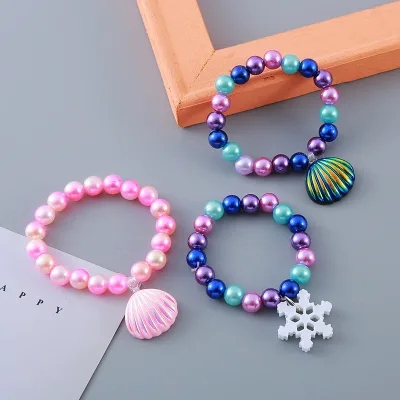
Fashion Europe and The United States Vintage Shell Pearl Bracelet Jewelry
$1.20 - $3.60
MOQ: 100 Pieces


Zhangjiagang City Daking Jewellery Co., Ltd.
- Verified by TüVRheinland
- Manufacturer, Trading Company
- Lead time15 days
- Avg. response≤ 3h
Main productsFreshwater Loose Pearl Beads, Freshwater Pearl Necklaces, Freshwater Pearl Bracelets, Freshwater Pearl Earrings, Freshwater Pearl Jewelry Sets
Main marketsNorth America(15%), Southeast Asia(12%), Western Europe(12%)

Shenzhen Right Grand Jewelry Co., Ltd.
- Verified by SGS
- Manufacturer
- China Guangdong
- Lead time15 days
- Avg. response≤ 5h
Main productsNecklace, Bracelet, Earring, Ring, Nose Ring, Ear Piercing, Belly Ring, Nipple Ring
Main marketsSouth America,Europe,North America


Non Tarnish Stainless Steel Gold Plated High Quality Fresh Water Pearl Bracelet for Women
$1.80 - $3.80
MOQ: 50 Pieces

Dongguan weiyizao import and Export Co., Ltd.
- Verified by BV
- Trading Company,Manufacturer/Factory
- China Guangdong
- Lead time45 days
- Avg. response≤ 8h
Main productsUnderwear, Sportwear, Seamless Underwear, Mould Bra, Nursing Bra, Panty, Garment Accessories, Garment Decoration-Jewelry, Bra Strap, Belt
Main marketsSouth America,Eastern Europe,Mid East,North America,Southeast Asia,Eastern Asia,Oceania,Western Europe,Africa


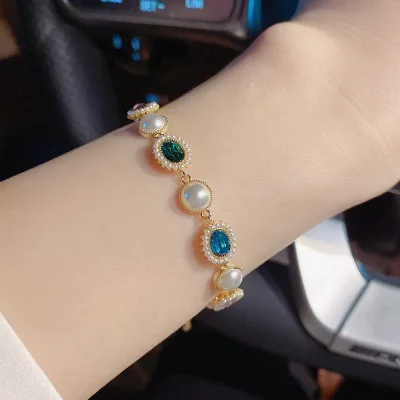
Best Quality Factory Price Jewelry Crystal Stones Bracelet Pearl Bracelet
$2.19 - $2.59
MOQ: 500 Pairs

Yiwu Phonbon Import & Export Co., Ltd.
- Trading Company
- Zhejiang, China
- Lead time15 days
- Avg. response≤ 7h
Main productsmedal,lapel pin,metal coins,cross,rosary
Main marketsWestern Europe(16.67%), Southeast Asia(16.67%), Southern Europe(15.00%), Eastern Europe(15.00%), South America(10.00%), Africa(5.00%), Northern Europe(5.00%), Central America(5.00%), North America(5.00%), Mid East(3.00%), Eastern Asia(2.00%), South Asia(1.00%), Oceania(0.66%)
- Verified by TüVRheinland
- Manufacturer, Trading Company
- Zhejiang, China
- Lead time5 days
- Avg. response≤ 3h
Main productsFashion Jewelry
Main marketsNorth America(50%), Domestic Market(30%), South America(10%)

- Verified by SGS
- Manufacturer/Factory
- China Zhejiang
- Lead time30 days
- Avg. response≤ 1h
Main productsNecklace, Bracelets, Earring, Ring, Brooch, Phone Lanyard, Key Chain, Body Jewelry, Hair Clip, Hair Band
Main marketsSouth America,Eastern Europe,Mid East,North America,Southeast Asia,Eastern Asia,Oceania,Western Europe,Africa
Chengdu Ocean Pearl Technology Co., Ltd.
- Trading Company
- Sichuan, China
- Lead time5 days
- Avg. response≤ 3h
Main productsFreshwater loose pearl,Freshwater pearl necklace,Freshwater pearl jewelry set,Freshwater pearl bracelet,Freshwater pearl earrings
Main marketsDomestic Market(65.00%), North America(25.00%), Southeast Asia(10.00%)
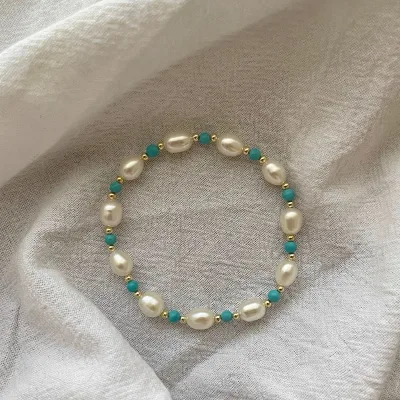
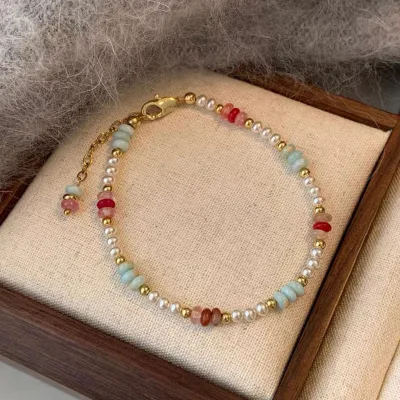
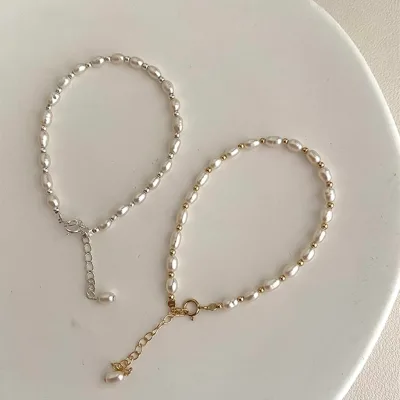
$9.0554 - $23.4595
MOQ: 1 Minimum

Xiamen Yuxiang Magnetic Materials Technology Co., Ltd.
- Trading Company
- China Fujian
- Lead time23 days
- Avg. response≤ 7h
Main productsNdFeB Magnet, SmCo Magnet, AlNiCo Magnet, Ferrite Magnet, Rubber Magnet, Fridge Magnet, Magnetic Powder, Magnetic Compound, Magnetic Core, Magnetic Materials
Main marketsSouth America,Africa,Southeast Asia/ Mideast,East Asia(Japan/ South Korea),Europe,Australia,North America

- Verified by SGS
- Combined
- China Guangdong
- Lead time23 days
- Avg. response≤ 7h
Main marketsOthers(foreignTradeCapacity.exportBusinessCapacityMarketOther),Southeast Asia/ Mideast,East Asia(Japan/ South Korea),Domestic,Europe,Australia,North America

Wholesale Freshwater Pearl Jewelry Elastic Bangle Bracelet Fashion Design
$2.45 - $3.85
MOQ: 30 Pieces

$0.90 - $1.80
MOQ: 70 Pieces

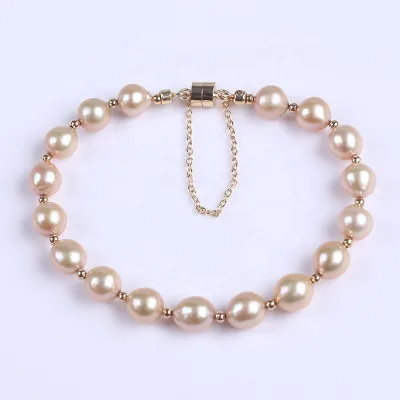
New Style High Quality 14K Gold Filled Beaded Pearl Bracelet Fashion Permanent Jewelry
$8.00 - $41.00
MOQ: 100 Pieces


Guangzhou IO Jewelry Co., Ltd.
- Combined
- China Guangdong
- Lead time30 days
- Avg. response≤ 5h
Main productsJewelry, Fashion Jewelry, Stainless Steel Jewelry, Custom Jewelry, Stainless Steel Beads, Stainless Steel Charms, Stainless Steel Rings, Stainless Steel Pendants, Beads, Charms
Main marketsSouth America,Domestic,Europe,Australia,North America
- Verified by Intertek
- Manufacturer, Trading Company
- Lead time15 days
- Avg. response≤ 2h
Main productsNecklaces, Rings, Earrings, Bracelets, Jewelry Accessories
Main marketsNorth America(41%), Western Europe(18%), Oceania(10%)
- Verified by TüVRheinland
- Manufacturer, Trading Company
- Lead time15 days
- Avg. response≤ 5h
Main productsNecklace, Earring, Bracelet, Ring, Accessory
Main marketsNorth America(40%), Domestic Market(20%), Western Europe(15%)
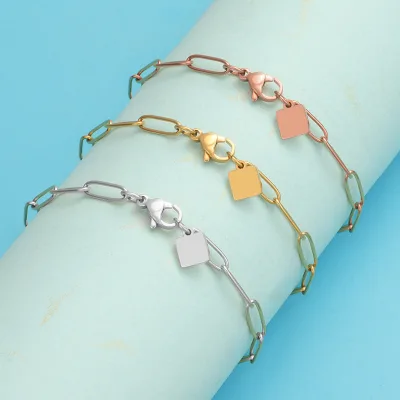
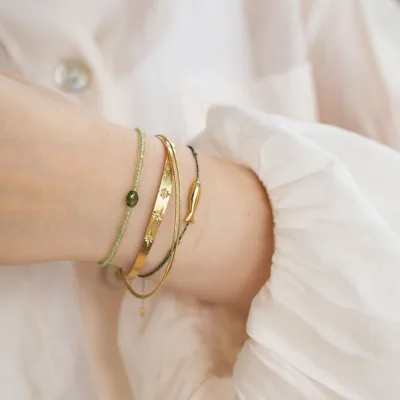
Overlapping Blue Silk Thread Handwoven Gold Fish Simple String Friendship Lucky Bracelet
$0.88 - $0.98
MOQ: 3 pieces

Shenzhen Amengwei Jewelry Co., Ltd.
- Trading Company,Manufacturer/Factory
- China Guangdong
- Lead time23 days
- Avg. response≤ 19h
Main productsBody Piercing Jewelry, Hinged Segment Ring, Nose Ring Belly Ring, Stainless Steel Jewelry, Labret Lip Ring, Earring, Necklace, Bracelet, Ring
Main marketsSouth America,Eastern Europe,Mid East,North America,Southeast Asia,Eastern Asia,Oceania,Western Europe,Africa
Haifeng Meilong Town Qimeng Shijie Jewelry Factory (individual Business)
- Trading Company
- Guangdong, China
- Lead time5 days
- Avg. response≤ 14h
Main productsring,earring,necklace,jewelry,bracelet
Main marketsNorth America(10.00%), South America(10.00%), Eastern Europe(10.00%), Southeast Asia(10.00%), Africa(10.00%), Oceania(10.00%), Mid East(10.00%), Eastern Asia(10.00%), Western Europe(10.00%), Central America(10.00%)
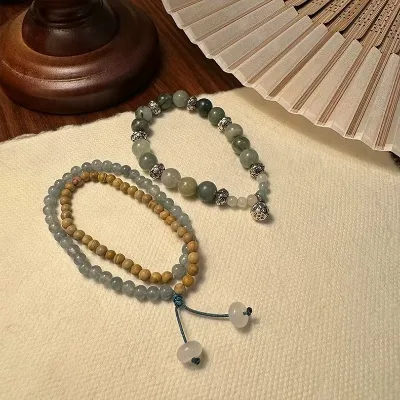
2025 new simple niche design light luxury jewelry bracelet suitable for gift giving
$17.78 - $25.12
MOQ: 1 Minimum
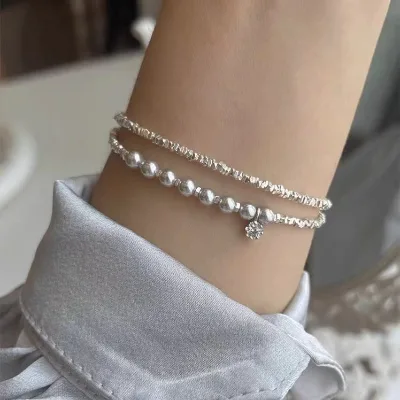
Popular in 2024, with silver pendant, elegant and exquisite, unique design
$20.47 - $28.86
MOQ: 1 Minimum
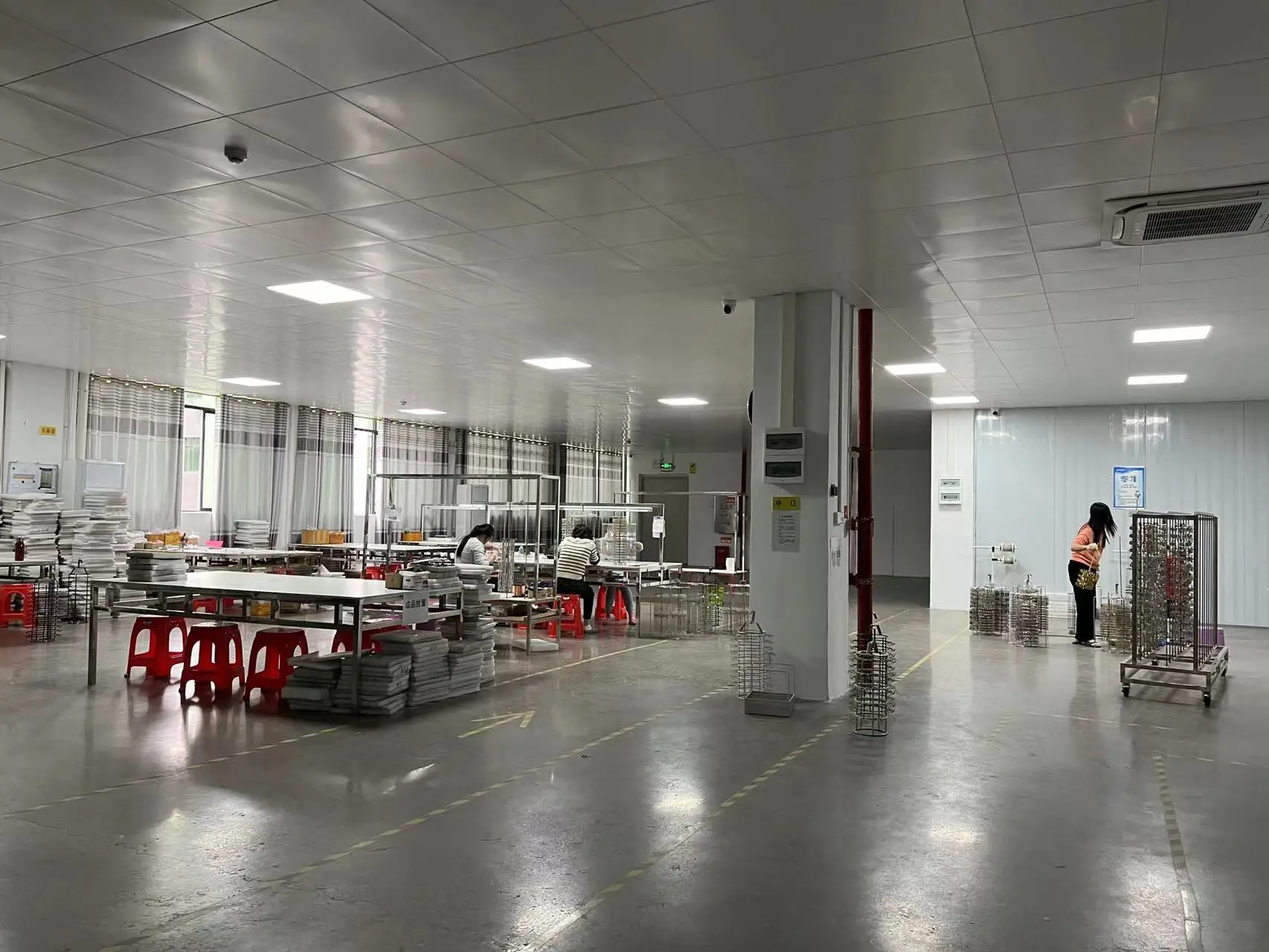
Dongguan Daimi Jewelry Co., Ltd.
- Trading Company
- Guangdong, China
- Lead time15 days
- Avg. response≤ 6h
Main productsJewelry,Earrings,Necklace,Bracelet,Rings
Main marketsNorth America(90.00%), Eastern Europe(5.00%), South America(5.00%)
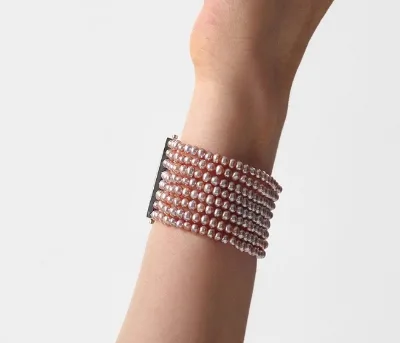
$19.23 - $20.13
MOQ: 50 pieces
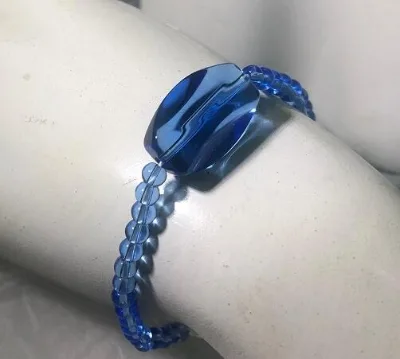
Spring Bead Bangle Irregular Blue Crystal Bracelet Wholesale Supplier Women Bead Bracelet
$2.2814 - $2.8787
MOQ: 10 pieces
Guangzhou Sanrui Hardware Co., Ltd.
- Manufacturer, Trading Company
- Guangdong, China
- Lead time0 days
- Avg. response≤ 10h
Main productsAcrylic chain,Resin arm,Wooden clamps,Acrylic Japanese button,Resin chain
Main marketsDomestic Market(20.00%), South Asia(15.00%), North America(10.00%), Southeast Asia(10.00%), Eastern Asia(10.00%), Central America(5.00%), Eastern Europe(5.00%), Mid East(5.00%), Oceania(3.00%), Northern Europe(2.00%), South America(2.00%), Southern Europe(2.00%)

East Sunrise Jewelry Co., Limited
- Verified by SGS
- Manufacturer/Factory
- China Guangdong
- Lead time23 days
- Avg. response≤ 8h
Main productsPendant, Necklace, Bracelet, Ring, Earring, Carving, Ornament, Loose Bead, Jewelry, Semi-Precious Stones
Main marketsSouth America,Eastern Europe,Mid East,North America,Southeast Asia,Eastern Asia,Oceania,Western Europe,Africa

Handwoven Stone Bracelet Irregular Crushed Stone Mixed Bracelet Fashion Bracelet
Negotiable
MOQ: 100 Pieces

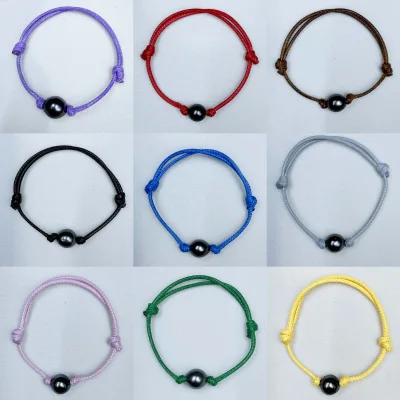
Crystal Bracelet, Semi Precious Stone Bracelet, Fashion Bracelet, Jewelry Bangle<Es-B01262>
Negotiable
MOQ: 100 Pieces


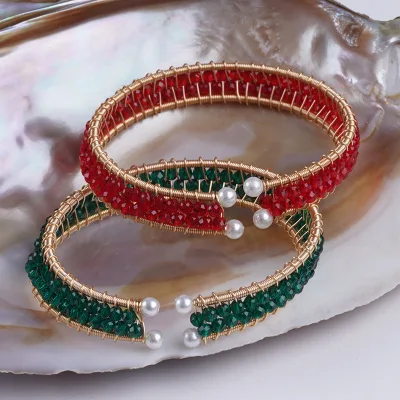
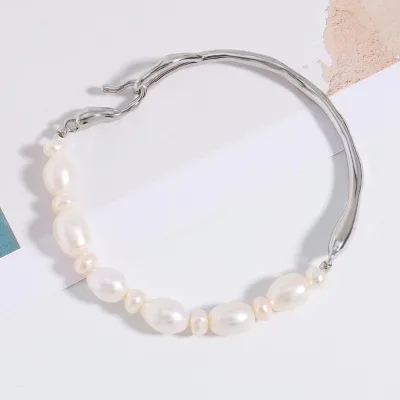
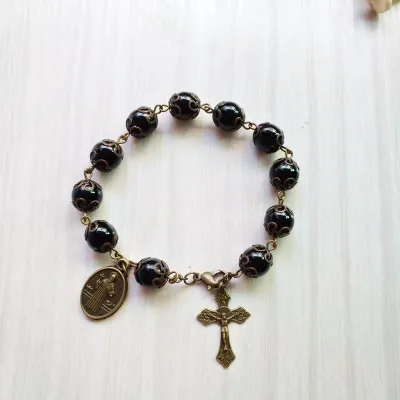
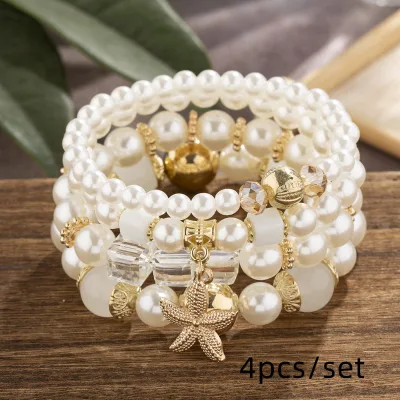




Comprehensive Sourcing Guide
Pearl Unisex Bracelet Supplier Concentration and Factory Types
The current supplier landscape for pearl unisex bracelets reveals a distinct geographic and structural diversity that buyers must navigate carefully. Evidence indicates that manufacturing capabilities are concentrated in specific Chinese provinces, with Guangdong and Zhejiang emerging as key hubs for this category. Suppliers located in Guangdong often operate as combined entities, blending manufacturing and trading functions, which can offer streamlined communication for international buyers. These combined companies frequently hold ISO9001:2015 certifications and undergo BV verification, signaling a baseline level of operational maturity and quality control. In contrast, suppliers based in Zhejiang may present as pure trading companies or specialized manufacturers focusing on pearl jewelry, loose pearls, and freshwater pearl beads. This regional split suggests that buyers seeking direct factory access might find more options in Zhejiang, while those prioritizing integrated supply chain services might look toward Guangdong. The presence of both manufacturer/factory and trading company types means that the same product category can be sourced through different business models, each with distinct advantages regarding price flexibility, inventory depth, and customization speed.
Understanding the company type is crucial for determining the appropriate engagement strategy. Manufacturer/factory suppliers, such as those verified by TÜV Rheinland and holding ISO 9001 certifications, typically offer greater control over production processes and material sourcing. These entities are often better suited for orders requiring significant customization, such as specific pearl grades or unique bracelet designs. On the other hand, trading companies may provide a broader catalog of finished goods, including unisex styles that combine stainless steel with freshwater or Tahitian pearls. The main products listed by these suppliers range from fashion jewelry and accessories to fine pearl jewelry, indicating a wide spectrum of quality and price points. Buyers should assess whether their priority lies in cost efficiency and variety, which trading companies often provide, or in production transparency and direct quality assurance, which manufacturers typically offer. The verification status, such as BV or TÜV Rheinland, serves as a critical indicator of reliability, helping buyers distinguish between established operations and less verified entities. This distinction is vital for mitigating risk when sourcing unisex pearl bracelets, where material authenticity and craftsmanship are paramount.
How to Verify Pearl Unisex Bracelet Suppliers
Verification is the cornerstone of safe sourcing, particularly when dealing with high-value materials like pearls and precious metals. Buyers should prioritize suppliers who display third-party verification badges, as these indicate that an independent agency has audited the company’s legal status, factory conditions, and business capabilities. For instance, some suppliers in the current results hold BV verification, while others are verified by TÜV Rheinland, a globally recognized testing and certification body. These verifications provide a layer of trust that goes beyond self-reported claims, offering assurance that the supplier exists and operates within legal frameworks. Additionally, system certifications such as ISO9001:2015 and ISO 9001 are strong indicators of a supplier’s commitment to quality management systems. These certifications suggest that the supplier has standardized processes for production, quality control, and continuous improvement, which is essential for maintaining consistency in pearl grading and metal finishing. Buyers should actively look for these badges on supplier profiles and verify their authenticity through the respective certification bodies’ databases when possible.
Beyond certifications, buyers must scrutinize the specific product evidence provided by suppliers to ensure alignment with their requirements. Detailed product attributes, such as pearl type, grade, and material composition, offer insights into the supplier’s expertise and transparency. For example, listings for Tahitian pearl bracelets specify details like pearl shape, color, and grade (e.g., AAAA), which demonstrates a level of product knowledge and honesty. Similarly, stainless steel components should be clearly defined, with attributes indicating material quality and customization options. Buyers should also check for compliance with international standards, such as CE and SGS, which are mentioned in product specifications for certain jewelry items. These standards relate to safety and material composition, ensuring that the products meet regulatory requirements in target markets. Furthermore, the presence of professional packaging descriptions, such as independent packaging or OPP bags, indicates attention to detail in logistics and product protection. By combining verification badges, certifications, and detailed product evidence, buyers can build a comprehensive profile of a supplier’s reliability and capability, reducing the risk of fraud or substandard quality.
What to Compare Across Pearl Unisex Bracelet Suppliers
When evaluating multiple suppliers, buyers must systematically compare key operational metrics to identify the best fit for their specific needs. Lead time is a critical factor, with some suppliers offering a standard lead time of 15 days, while others may provide faster turnaround options. This variation can significantly impact inventory planning and time-to-market, especially for seasonal fashion jewelry collections. Buyers should also examine the minimum order quantity (MOQ) requirements, which can range from 100 pieces to higher thresholds depending on the supplier’s production model. Lower MOQs are advantageous for testing new designs or catering to niche markets, while higher MOQs may offer better unit economics for large-scale orders. Response time is another vital metric, with some suppliers demonstrating rapid communication capabilities, indicated by response times around 2.46 hours, while others may take up to 11 hours. Quick response times are essential for resolving queries, negotiating terms, and addressing production issues promptly, ensuring a smoother collaboration process.
Price and customization options are equally important considerations in the comparison process. Unit prices for pearl unisex bracelets can vary widely, with some items priced around $2.36 to $2.70, while others, particularly those featuring high-grade Tahitian pearls, may cost upwards of $15.00. Buyers should analyze these price differences in the context of material quality, pearl grade, and design complexity to ensure they are getting fair value. Customization capabilities, such as available logo printing, size adjustments, and color options, should also be compared. Suppliers that offer flexible customization, including stainless steel material choices and pearl color variations, provide greater versatility for brand differentiation. Additionally, buyers should assess the supplier’s main product focus, as those specializing in pearl jewelry may offer deeper expertise and better quality control for pearl-specific items compared to general fashion jewelry suppliers. By systematically comparing lead times, MOQs, response speeds, prices, and customization options, buyers can make informed decisions that align with their strategic goals and operational constraints.
Common Pearl Unisex Bracelet Sourcing Risks
Sourcing pearl unisex bracelets involves several inherent risks that buyers must proactively manage to avoid costly mistakes. One significant risk is the variability in pearl quality, as natural pearls can differ substantially in luster, shape, and surface imperfections. Without clear grading standards and detailed product descriptions, buyers may receive goods that do not match their expectations, leading to customer dissatisfaction and returns. Suppliers listing AAAA grade Tahitian pearls must provide verifiable evidence of this grading, as the pearl market is prone to misrepresentation. Another risk is the inconsistency in metal quality, particularly for stainless steel components. Buyers should ensure that suppliers specify the grade of stainless steel used, as lower-quality metals may tarnish or cause allergic reactions, damaging the buyer’s brand reputation. Additionally, the risk of delayed shipments is prevalent, especially if suppliers do not adhere to agreed-upon lead times. Buyers should establish clear communication channels and monitor production progress to mitigate the impact of delays.
Intellectual property and design theft are also concerns, particularly when working with suppliers that offer extensive customization services. Buyers sharing unique designs or logos must ensure that confidentiality agreements are in place to protect their intellectual property. Furthermore, the risk of non-compliance with international standards, such as CE or SGS, can lead to customs issues or legal liabilities in target markets. Buyers must verify that suppliers’ products meet the regulatory requirements of their destination countries. Another risk is the lack of transparency in supply chains, where suppliers may source materials from unverified origins, potentially involving unethical labor practices or environmental violations. Buyers should prioritize suppliers with strong ethical standards and transparent sourcing practices. Finally, the risk of financial loss due to fraud or non-delivery is mitigated by using secure payment methods and escrow services. By identifying and addressing these risks through thorough due diligence and clear contractual terms, buyers can protect their interests and ensure a successful sourcing experience.
Pearl Unisex Bracelet Regional Sourcing and Logistics
Regional sourcing strategies play a pivotal role in optimizing logistics and reducing costs for pearl unisex bracelets. Suppliers located in Guangdong and Zhejiang, China, benefit from established manufacturing clusters and efficient logistics networks, which can lead to faster production times and lower shipping costs. Guangdong, in particular, is known for its robust jewelry manufacturing industry, with suppliers often located in Shenzhen, a hub for fashion accessories and electronics. This concentration of suppliers facilitates easier access to raw materials, skilled labor, and specialized services, such as plating and stone setting. Buyers sourcing from this region can leverage the local infrastructure to streamline their supply chain, reducing lead times and enhancing responsiveness to market demands. Additionally, the proximity to major ports in Guangdong facilitates efficient export logistics, ensuring timely delivery to international markets.
In contrast, suppliers in Zhejiang may offer different logistical advantages, particularly for those focusing on pearl-specific products. Zhejiang is renowned for its pearl farming and processing industries, providing buyers with direct access to high-quality freshwater and saltwater pearls. This regional specialization can result in better pricing and quality control for pearl-centric designs. Buyers should consider the logistical implications of sourcing from different regions, including shipping distances, customs procedures, and import duties. For instance, shipping from China to North America or Europe involves different transit times and costs, which can impact overall profitability. Buyers should also evaluate the supplier’s packaging and labeling practices to ensure compliance with international shipping regulations. Proper packaging, such as independent transportation logistics packaging, helps protect products during transit and reduces the risk of damage. By understanding the regional strengths and logistical nuances of different sourcing locations, buyers can make informed decisions that optimize their supply chain efficiency and cost structure.
Pearl Unisex Bracelet Commercial Terms and Order Planning
Effective commercial terms and order planning are essential for successful procurement of pearl unisex bracelets. Buyers must negotiate clear payment terms, such as deposits and balance payments, to manage cash flow and mitigate financial risk. Escrow services can provide an additional layer of security, ensuring that funds are released only upon satisfactory delivery of goods. Lead time commitments should be explicitly stated in contracts, with penalties for delays to incentivize timely production. Buyers should also clarify the scope of customization, including any additional costs for logo printing, packaging, or special material requests. Understanding the supplier’s return and refund policies is crucial for handling defective or non-conforming products. Buyers should establish quality inspection protocols, such as pre-shipment inspections, to verify product quality before final payment. This proactive approach helps identify and resolve issues early, preventing costly disputes and ensuring customer satisfaction.
Order planning should align with market demand and inventory strategies. Buyers should analyze sales data and seasonal trends to determine optimal order quantities, balancing the need for stock availability with the risk of overstocking. For fashion jewelry, which is subject to rapid trend changes, smaller, frequent orders may be more appropriate than large, infrequent batches. Buyers should also consider the supplier’s production capacity and flexibility to accommodate rush orders or design changes. Communication is key to successful order planning, with regular updates on production status and potential issues helping to maintain alignment. Buyers should establish a single point of contact within the supplier organization to streamline communication and decision-making. Additionally, buyers should plan for potential supply chain disruptions, such as raw material shortages or logistical bottlenecks, by identifying alternative suppliers or maintaining safety stock. By implementing robust commercial terms and strategic order planning, buyers can enhance their operational efficiency, reduce risks, and achieve their business objectives in the competitive Pearl Unisex Bracelet market.
FAQs
What is a typical MOQ for pearl unisex bracelets?
Many suppliers list a minimum order quantity of 100 pieces per style for Pearl Unisex Bracelet orders. Some trading companies and pearl specialists may accept smaller trial quantities, so confirm MOQ before quoting. Factories producing stainless steel and pearl designs often set the 100-piece level to keep production and plating runs efficient.
How long does production usually take?
Lead times of 5 to 15 days are commonly quoted depending on the supplier type and design complexity. Simple beaded or cord styles with stock pearls can ship in about 5 days, while custom stainless steel bracelets with plating, sizing, or logo work typically need around 15 days. Always confirm the schedule against your order volume.
What price range should I expect per bracelet?
Listed prices vary widely by materials: freshwater pearl and stainless steel designs start around 2.36 to 2.70 US dollars per piece, while Tahitian saltwater pearl bracelets can reach about 15 dollars. Grade, pearl size, and metal finish drive the difference. Request itemized quotes that separate pearl cost from metalwork and packaging.
Which regions in China produce these bracelets?
Guangdong and Zhejiang are the main sourcing regions visible among current suppliers. Guangdong manufacturers focus on stainless steel jewelry with pearl accents, while Zhejiang trading companies specialize in pearls, including loose freshwater and Edison beads. Sourcing from both regions lets you compare material specialization, pricing, and customization options side by side.
Can suppliers provide ODM or OEM customization?
Some verified Guangdong manufacturers advertise ODM and OEM capability, covering custom colors, sizes, and logos on stainless steel pearl bracelet designs. Trading companies focused on pearls may offer length and color selection instead, such as multiple cord lengths from 16 cm to 22 cm. Confirm customization scope and sample approval steps before placing production orders.
What certifications or verifications matter when sourcing?
Look for suppliers holding ISO 9001 quality management certification and third-party verification such as BV or TUV Rheinland. Product-level standards like SGS and CE markings appear on specific bracelet listings. Ask for certificates tied to the exact Pearl Unisex Bracelet model you plan to order, since system certification does not always cover individual products.
How quickly do suppliers usually respond to inquiries?
Response times among current listings range from about 2.5 hours to 11 hours, so set expectations accordingly. Manufacturers with dedicated sales teams tend to reply faster, while trading companies handling pearl assortments may take longer during peak seasons. Message several suppliers at once and compare reply speed alongside quote quality before shortlisting.
What pearl types and grades are available for unisex designs?
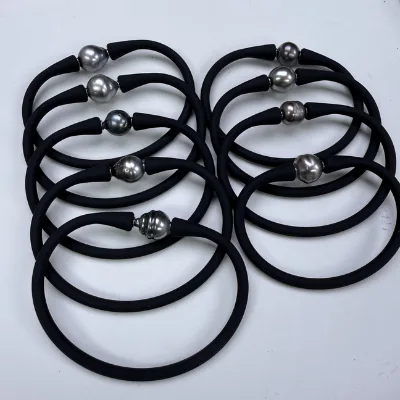
Freshwater pearls dominate entry-level unisex bracelet designs, while Tahitian saltwater pearls in baroque shapes are offered at higher price points. Some listings specify grades up to AAAA with good luster, in sizes around 9 to 11 mm. Verify pearl type, grade, and luster through sample inspection, since grading standards can differ between suppliers.