Pelvic Floor Muscle Stimulator Suppliers and Manufacturers
Compare 17 verified Pelvic Floor Muscle Stimulator suppliers from China Guangdong based on response times, lead times, certifications, and pricing. Review product specifications and MOQs to select the right partner for your business needs today; review the available evidence before requesting comparable quotations from suitable candidates.
Suppliers List

Guangzhou Qili Technology Co., Ltd.
- Verified by SGS
- Trading Company
- China Guangdong
- Lead time23 days
- Avg. response≤ 8h
Main productsSkin Analyzer Machine, Hifu Machine, EMS Pelvic Floor Chair, Microneedle Machine, Diode Laser Hair Removal Machine, Solarium Tanning Machine, Tattoo Removal Machine, RF Equipment, Cryo Slimming Machine, CO2 Fractional Laser Machine
Main marketsSouth America,Eastern Europe,North America,Southeast Asia

Pelvic Floor Muscle Chair Trainer Strengthen Muscle Floor EMS Machine Pelvic Floor Muscle Stimulator
$1490.00 - $1850.00
MOQ: 1

Dysfunction Treatment EMS Pelvic Floor Traning Muscle Trainer Chair Pelvic Floor Muscle Stimulator
$1480.00 - $1800.00
MOQ: 1

Clinic Use Pelvic Floor Muscle Stimulator for Men Women Treatment EMS Chair
$1250.00 - $1550.00
MOQ: 1

Pelvic Floor Chair Electric Muscle Stimulator Sexual Prostate Stimulation Pelvic Chair
$1250.00 - $1550.00
MOQ: 1


Guangzhou Zhongke Medical Cosmetic Instrument Co., Ltd.
- Verified by BV
- Combined
- China Guangdong
- Lead time15 days
- Avg. response≤ 2h
Main productsEMS Chair, EMS Body Sculpting Machine, Laser Machine, Hifu Machine, Hair Removal Machine, Skin Analysis Machine, Fat Freezing Machine, Tattoo Machine, Pelvic Floor Chair, Medical Beauty Equipment
Main marketsSouth America,Africa,Southeast Asia/ Mideast,East Asia(Japan/ South Korea),Europe,North America


Muscle Stimulator Pelvic Floor Muscle Repair Postpartum EMS Pelvic Floor Chair
$199.00 - $299.00
MOQ: 1 Pieces

Factory Pelvic Traction Stimulator EMS Vagina Tighten EMS Pelvic Floor Muscle Trainer
$199.00 - $299.00
MOQ: 1 Pieces

Pelvic Floor Vaginal Tightening EMS Muscle Stimulator for Postpartum Repair
$1490.00 - $2199.00
MOQ: 1 packs

EMS Muscle Stimulator Postpartum Recovery Treatment EMS Pelvic Floor Machine
$199.00 - $299.00
MOQ: 1 Pieces

Beijing Sunrise Science&Technology Co., Ltd.
- Trading Company
- China Beijing
- Lead time15 days
- Avg. response≤ 4h
Main productsIPL Laser, Hair Removal Laser, 808nm Diode Laser, CO2 Fractional Laser, Cavitation, Hifu, ND YAG Laser, Tattoo Removal Laser, E-Light Beauty Machine
Main marketsSouth America,Africa,Southeast Asia/ Mideast,East Asia(Japan/ South Korea),Domestic,Europe,Australia,North America

$1350.00 - $1450.00
MOQ: 1 Sets

$900.00 - $1000.00
MOQ: 1 Sets

Guangzhou T&B Beauty Equipment Co., Ltd.
- Verified by BV
- Trading Company
- China Guangdong
- Lead time15 days
- Avg. response≤ 4h
Main productsTecar RF Physio Machine, Magneto Emtt Physio Machine, Shockwave Pain Relief Machine, Pressotherapy Slim Massage Machine, Hifu Face Lifting Machine, Fat Remove Machine, Endospheres Slim Machine, Trusculpt Flex ID Machine, RF Slim Machine
Main marketsSouth America,Southeast Asia/ Mideast,East Asia(Japan/ South Korea),Europe,Australia,North America

Newest Pelvic Floor Muscle Trainer Weight Loss Body Muscle Stimulator EMS Pelvic Floor Machine
$1200.00 - $1800.00
MOQ: 1 Pieces

Non Invasive Trainer Pelvic Floor Muscle Machine EMS Chair Muscle Stimulator
$1200.00 - $1900.00
MOQ: 1 Pieces


$1500.00 - $2500.00
MOQ: 1 Pieces

$440.00 - $450.00
MOQ: 1 Pieces

Pelvic Floor Muscle Repair Instrument Pelvic Floor Muscle Chair Pelvic Floor Chair EMS Magic Chair
$1500.00 - $2500.00
MOQ: 1 Pieces
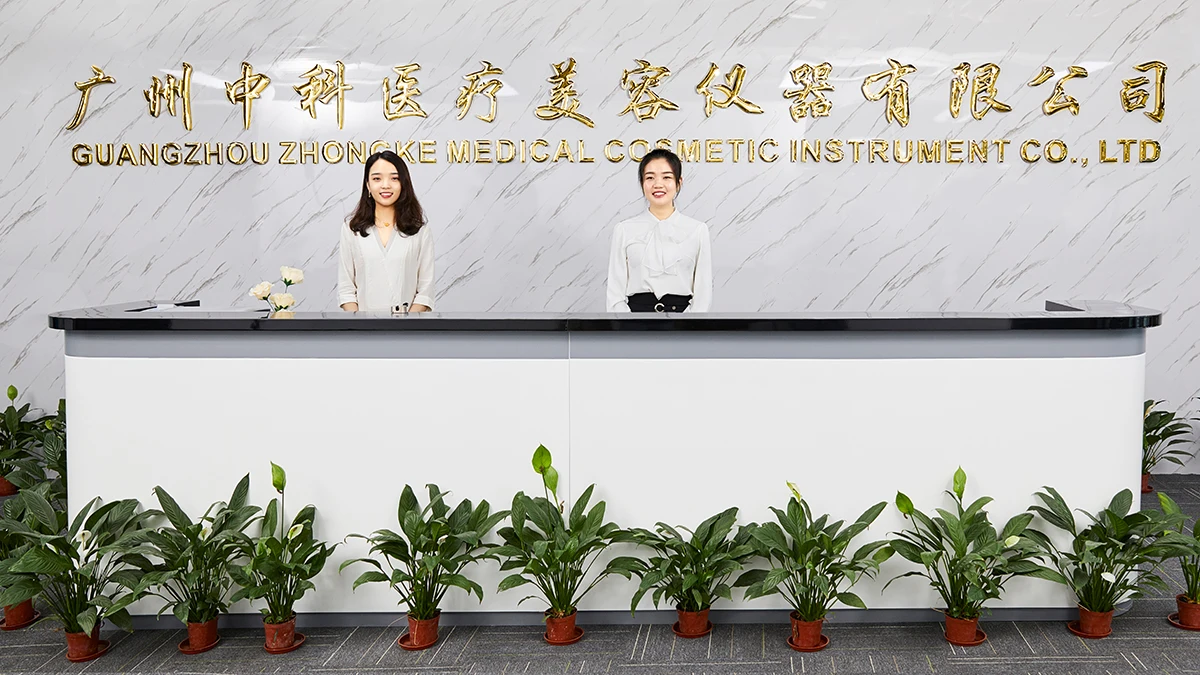
Guangzhou Zhongke Medical Beauty Instrument Co., Ltd.
- Manufacturer, Trading Company
- Guangdong, China
- Lead time0 days
- Avg. response≤ 1h
Main productsPelvic Floor Chair, Hydra Facial Machine, Ems Body Slim Machine, Ultrasound Machine, Hair Removal Machine
Main marketsDomestic Market(25.00%), North America(10.00%), Western Europe(10.00%), Southeast Asia(10.00%), South Asia(5.00%), Eastern Asia(5.00%), South America(5.00%), Southern Europe(5.00%), Central America(5.00%), Northern Europe(5.00%), Africa(5.00%), Eastern Europe(5.00%), Mid East(5.00%)
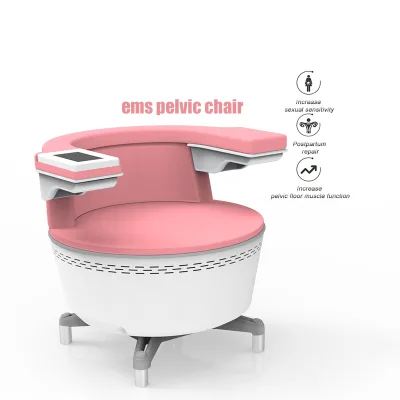
OEM ODM Pelvic Floor Muscle Stimulator Biofeedback Pelvic Floor Pelvic Floor Chair
$1110.12 - $1507.32
MOQ: 1 packs
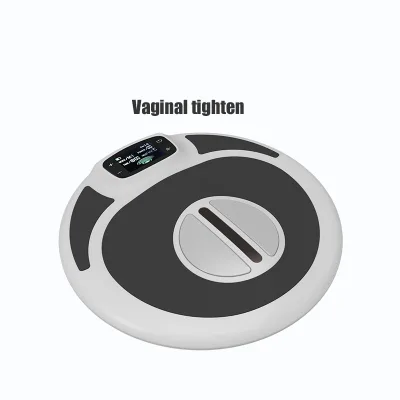
High-Intensity Improve Sexual Function Repair Prostate Disease Chair Pelvic Floor Muscle Stimulator
$492.91 - $616.14
MOQ: 1 packs
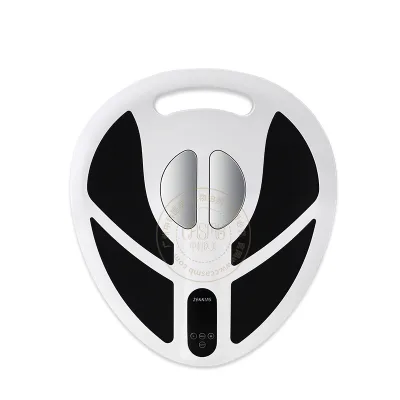
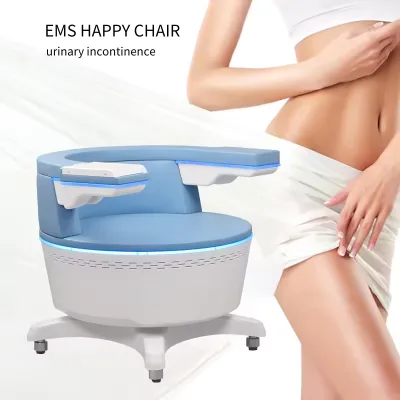
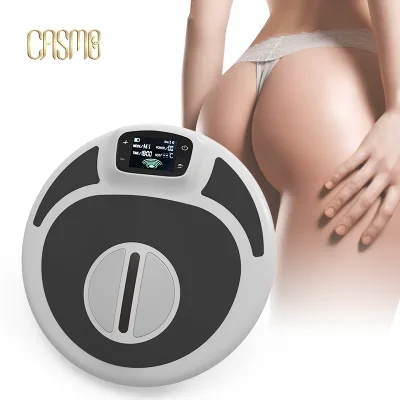
$153.29 - $203.37
MOQ: 1 packs
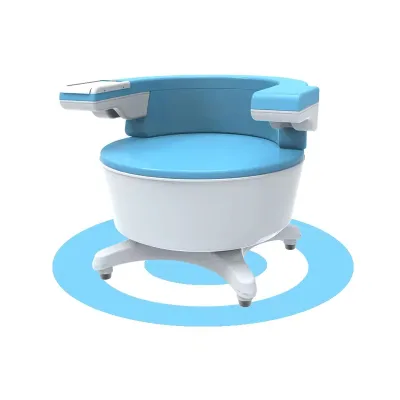
Newest Beauty Equipment Ems Muscle Stimulator Incontinence Repair Postpartum Repair Ems Pelvic Chair
$1090.00 - $1490.00
MOQ: 1 packs
Kernel Medical Equipment Co., Ltd.
- Manufacturer, Trading Company
- Jiangsu, China
- Lead time7 days
- Avg. response≤ 2h
Main productsUV phototherapy,PDT LED,hair growth machin,colposcope,308nm Excimer UV Phototherapy
Main marketsNorth America(23.00%), Domestic Market(15.60%), Eastern Europe(8.30%), Western Europe(8.00%), Southern Europe(7.00%), South America(5.21%), South Asia(5.20%), Oceania(5.20%), Northern Europe(5.00%), Central America(4.10%), Eastern Asia(4.00%), Mid East(3.20%), Southeast Asia(3.10%), Africa(3.09%)
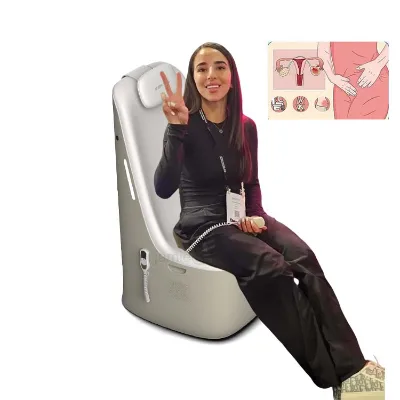
Women Pelvic Floor Therapy Equipment for Rehabilitation Centers Electrical Pelvic Floor Stimulator
$6119.16 - $6629.10
MOQ: 1 units
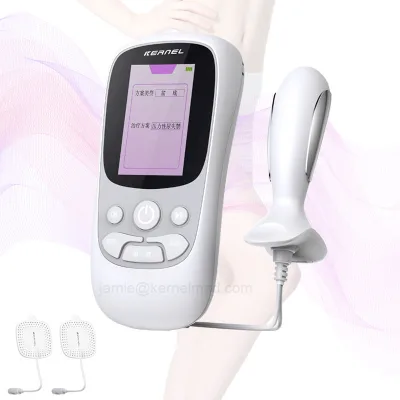
$1000.00 - $1100.00
MOQ: 1 pieces
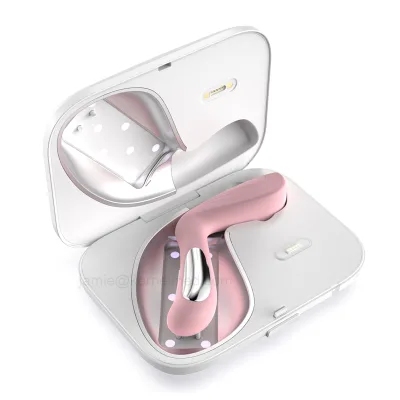
$1000.00 - $1100.00
MOQ: 1 pieces
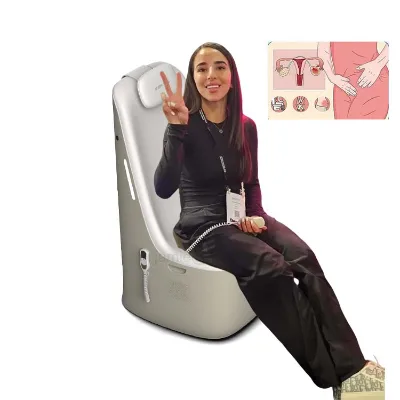
$6119.16 - $6629.10
MOQ: 1 units
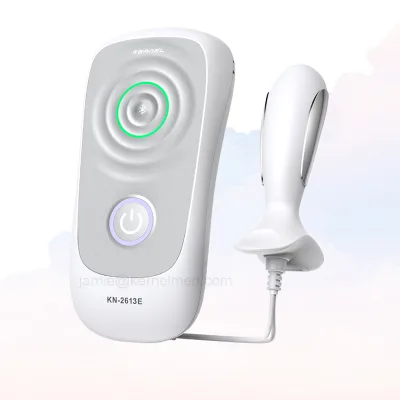
$1031.16 - $1134.28
MOQ: 1 pieces
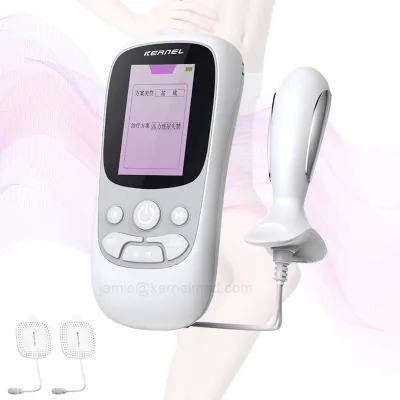
$1000.00 - $1100.00
MOQ: 1 pieces

Hebei Tuosite Import & Export Trade Co., Ltd.
- Verified by CTI
- Trading Company
- China Hebei
- Lead time15 days
- Avg. response≤ 4h
Main productsBeauty Equipment, Medical Equipment, Skin Care Equipment, Diode Laser Equipment, Hair Removal Equipment, Muscle Building Equipment, Cryolipolysis Equipment, Cavitation Vacuum Equipment, Roller Infrared Massage Cellulite Equipment
Main marketsEurope


Pelvic Floor Muscle Stimulator for Woman Pelvic Floor Magnetic Therapy Device for Pelvic Floor
$1000.00 - $1500.00
MOQ: 1 Pieces

EMS Pelvic Floor Chair Muscle Stimulator Postpartum Repair Muscle Recovery EMS Chair
$1000.00 - $1500.00
MOQ: 1 Pieces

Pelvic Floor Muscle Training Pelvic Floor Muscle Exerciser Pelvic Floor Muscle Training Device
$700.00 - $1050.00
MOQ: 1 Pieces

$1000.00 - $1500.00
MOQ: 1 Pieces

$1000.00 - $1500.00
MOQ: 1 Pieces

Guangzhou Beir Electronic Technology Co., Ltd.
- Verified by BV
- Trading Company
- China Guangdong
- Lead time15 days
- Avg. response≤ 9h
Main productsLipolaser, Coolsculpting, Diode Lipolaser, Cryo Lipolaser System, Lipo Laser, Cryolipolysis, E-Light and IPL Beauty Equipment, RF Fractional Skin Tighten, Pressotherapy Lymphatic Drainage, Dermaroller and Micro Needles
Main marketsSoutheast Asia/ Mideast,East Asia(Japan/ South Korea),Europe,Australia,North America

$2599.00 - $3799.00
MOQ: 1 Pieces


Guangzhou Umy Medical Equipment Co., Ltd.
- Verified by SGS
- Manufacturer
- China Guangdong
- Lead time15 days
- Avg. response≤ 5h
Main marketsDomestic


Portable Professional Device-Magnetic Muscle Stimulator Machine for Pelvic Floor
$670.00 - $1323.00
MOQ: 1 Pieces

Magnetic Pelvic Floor Rehabilitation System for Incontinence Treatment
$1000.00 - $1500.00
MOQ: 1 Pieces

Ofan Intelligent Technology (guangzhou) Co., Ltd.
- Verified by SGS
- Combined
- China Guangdong
- Lead time15 days
- Avg. response≤ 8h
Main productsFat Freezing Machine, EMS Sculpting Machine, Cavitation RF Machine, Fractional RF Machine, Bbl Body Slimming Machine, Hifu Machine, Hydra Dermabrasion Machine, Hair Therapy Machine, Laser Machine
Main marketsSoutheast Asia/ Mideast,Europe,North America

$2399.00 - $2599.00
MOQ: 1 Pieces

Changsha Gomecy Electronics Co., Ltd.
- Trading Company
- Hunan, China
- Lead time7 days
- Avg. response≤ 3h
Main products980nm+1470nm Diode Laser, 755nm+808nm+940nm+1064nm Diode Laser Hair Removal Machine, 6D&10D Slimming Machine, Picosecond Machine, PMST Physio Magneto Therapy Machine
Main marketsNorth America(30.00%), Western Europe(15.00%), Southern Europe(8.00%), Northern Europe(8.00%), Eastern Europe(8.00%), Mid East(8.00%), South America(5.00%), Oceania(5.00%), Domestic Market(5.00%), Southeast Asia(5.00%), Eastern Asia(2.00%), South Asia(1.00%)
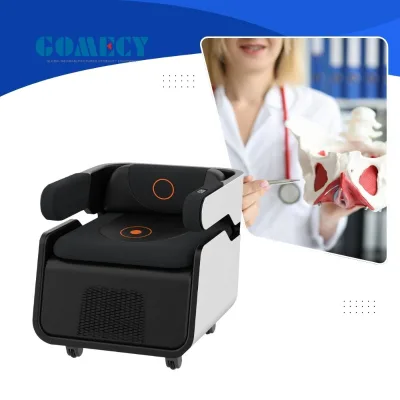
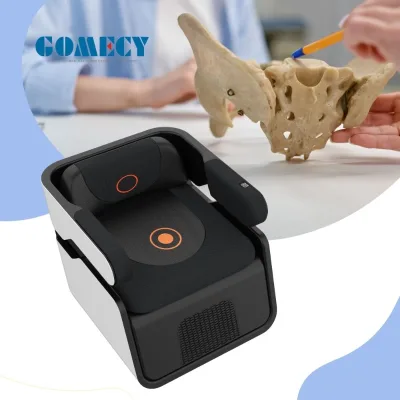
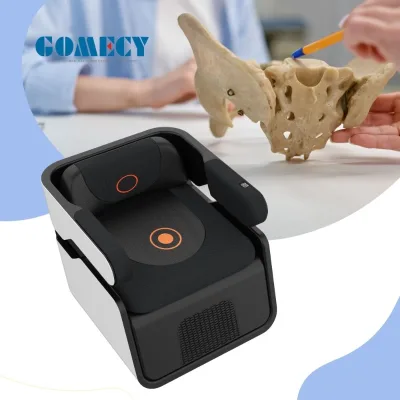
High Quality Professional EMSs Pelvic Floor Muscle Stimulator Chair Postpartum Repair Machine
$2299.00 - $2899.00
MOQ: 1 units
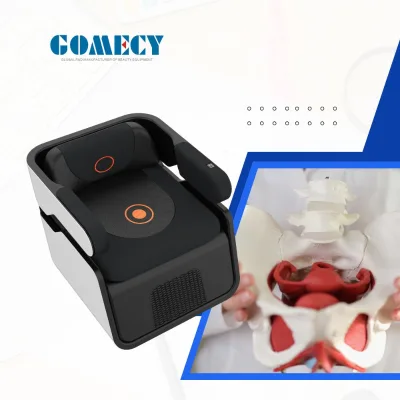
$2299.00 - $2899.00
MOQ: 1 units

Weifang Huamei Electronics Co., Ltd.
- Manufacturer/Factory
- China Shandong
- Lead time15 days
- Avg. response≤ 4h
Main products808nm Diode Laser, 980nm Diode Laser, RF Beauty Machine, Elight Machine, ND YAG Laser, Multifunction Beauty Salon Equipment, Fractiona CO2 Laser, Ultrasonic RF Cavitation, Microdermabration, Diode Laser
Main marketsSouth America,Eastern Europe,Mid East,North America,Southeast Asia,Eastern Asia,Oceania,Western Europe,Africa

$1900.00 - $2300.00
MOQ: 1 Pieces


$2000.00 - $3000.00
MOQ: 1 Pieces

Foshan Lingyan Beauty Technology Co., Ltd.
- Manufacturer, Trading Company
- Guangdong, China
- Lead time15 days
- Avg. response≤ 1h
Main productsoxygen jet peelng,RF Beauty Machine,Slimming Equipment,Hair Removal Machine,massage machine
Main marketsSoutheast Asia(30.00%), North America(30.00%), Eastern Europe(20.00%), Domestic Market(15.00%), Mid East(5.00%)
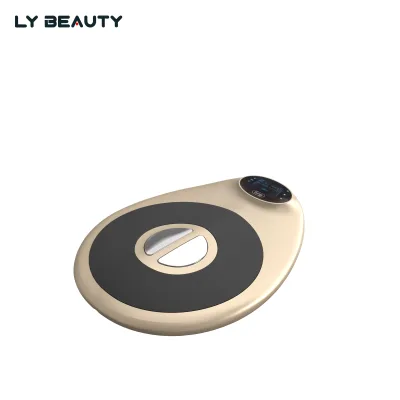
Pelvic Floor Muscle Stimulator Urinary Incontinence Treatment Medical Device
$152.98 - $244.77
MOQ: 1 boxes
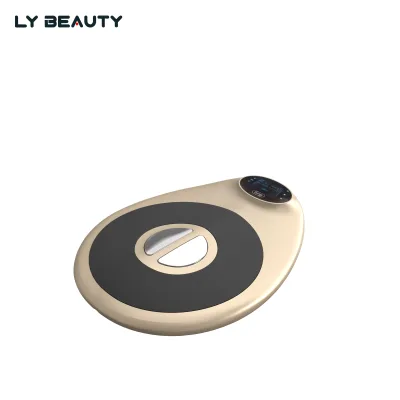
Pelvic Floor Muscle Exerciser Incontinence Repair Pelvic Floor Trainer Butt Lift
$154.14 - $226.07
MOQ: 1 boxes

Guangzhou allfond electronics co.,ltd
- Verified by SGS
- Trading Company
- China Guangdong
- Lead time15 days
- Avg. response≤ 7h
Main productsSlimming Machine, Beauty Equipment, Derma Roller, Tattoo Equipment, ND YAG Laser Machine, Cavitation RF Vacuum, Hifu, 808nm Diode Laser, EMS Sculpting Machine, Cryolipolysis Machine
Main marketsSoutheast Asia/ Mideast,Europe,North America

New Coming Hiemtsure Pelvic Floor Muscle Repair Pelvic Floor Muscle Stimulator Machine
$1280.00 - $1350.00
MOQ: 1 Pieces

Vaginal Tightening Pelvic Floor Muscle Repair Stimulation Chair for Body Slimming
$1400.00 - $1480.00
MOQ: 1 Pieces

Sanhe Jumei Technology Co., Ltd.
- Verified by TUVRHEINLAND
- Trading Company
- China Hebei
- Lead time15 days
- Avg. response≤ 3h
Main productsbeauty machines
Main marketsEurope

Efficient Electrofitnes EMS Pelvic Floor Stimulator Professional Muscle Machine
$2401.00 - $2743.00
MOQ: 1 Pieces

Air Cooling EMS Fitness Biofeedback Pelvic Floor Professional Muscle Stimulator Device
$2401.00 - $2743.00
MOQ: 1 Pieces

5000W EMS Estimulador Muscular Professional RF Chair Pelvic Floor Beauty Machine
$2401.00 - $2743.00
MOQ: 1 Pieces

EMS Estimulador Muscular professional Muscle Increase Building Postpartum Repair Equipment
$2524.00 - $2885.00
MOQ: 1 Pieces

GUANGZHOU KONMISON TECHNOLOGY CO., LIMITED
- Verified by BV
- Trading Company
- China Guangdong
- Lead time30 days
- Avg. response≤ 12h
Main productsBeauty Machine, Beauty Equipment, Slimming Machine, Cavitation Weight Loss Beauty Machine, Skin Care Machine, RF Skin Lifting Rejuvenation Machine, IPL Hair Removal Machine, Laser Hair Removal Machine, LED Facial Mask Beauty Device
Main marketsEurope,Australia


Professional EMS Pelvic Floor Chair Muscle Stimulator Device for Women & Men
$989.00 - $1159.00
MOQ: 1 Pieces

Beijing Perfectlaser Technology Co., Ltd
- Verified by BV
- Combined
- China Beijing
- Lead time15 days
- Avg. response≤ 3h
Main products808nm Diode Laser Hair Removal Machine, IPL Laser Hair Removal Machine, Picosecond Laser Tattoo Removal Machine, Alexandrite Laser Hair Removal Machine, Hifu Beauty Machine, Cryolipolysis Slimming Machine, Lipolaser Slimming Machine
Main marketsEurope,North America

4 Handles EMS Professional Muscle Stimulator Pelvic Floor Beauty Equipment
$2401.00 - $2743.00
MOQ: 1 Pieces

18 Languages EMS Estimulador Muscular Professional Slimming Patch Pelvic Floor Beauty Device
$2401.00 - $2743.00
MOQ: 1 Pieces
Comprehensive Sourcing Guide
Pelvic Floor Muscle Stimulator Supplier Concentration and Factory Types
Current data indicates a significant concentration of suppliers operating from China Guangdong, a region known for its dense manufacturing ecosystem for beauty and medical equipment. This location serves as a primary hub for facilities producing Skin Analyzer Machines, Hifu Machines, and various laser devices alongside the core Pelvic Floor Muscle Stimulator products. Buyers observing this geographic clustering should recognize that Guangdong-based entities often integrate multiple product lines, ranging from EMS Pelvic Floor Chairs to Diode Laser Hair Removal Machines, within a single supply chain. The presence of these diverse product categories suggests that many suppliers in this region function as comprehensive solution providers rather than niche specialists, offering a broad catalog of aesthetic and therapeutic devices.
The supplier landscape in this category displays a mix of company types, including Trading Companies, Manufacturers, and Combined entities. While some listings explicitly identify as Manufacturers with capabilities for OEM and ODM services, others operate as Trading Companies that aggregate products from various factories. This distinction is critical for buyers assessing the directness of the supply chain. A Trading Company may offer a wider variety of models and faster access to different SKUs, whereas a Manufacturer might provide more control over production specifications and customization. Buyers must verify the specific business type listed for each supplier to understand whether they are dealing directly with the production facility or an intermediary, as this impacts communication flow and potential cost structures.
How to Verify Pelvic Floor Muscle Stimulator Suppliers
Verification is a critical step when sourcing Pelvic Floor Muscle Stimulator equipment, as the market includes entities with varying levels of credibility and operational capacity. Buyers should prioritize suppliers who have undergone third-party verification processes, such as those conducted by SGS or BV, which provide an external assessment of the company's legitimacy and operational standards. The presence of these verification badges serves as a foundational indicator of trust, suggesting that the supplier has met specific criteria regarding their business registration and physical existence. However, verification alone does not guarantee product quality or delivery reliability, so it should be treated as a baseline requirement rather than a comprehensive quality assurance measure.
Beyond basic verification, buyers must examine the specific certifications and standards associated with the Pelvic Floor Muscle Stimulator products themselves. Some suppliers list CE certification for their equipment, while others may hold ISO9001:2015 system certifications, indicating adherence to international quality management standards. It is essential to confirm that these certifications are current and applicable to the specific models being considered, as product standards can vary significantly between different manufacturers. Additionally, buyers should look for evidence of response times and lead times, as these metrics often reflect the operational efficiency and customer service responsiveness of the supplier. A supplier with a rapid response time, such as under two hours, may indicate a more active and engaged sales team capable of addressing technical queries promptly.
What to Compare Across Pelvic Floor Muscle Stimulator Suppliers
When evaluating multiple suppliers, buyers should systematically compare key operational metrics such as lead times, minimum order quantities, and response speeds to determine the best fit for their specific procurement needs. Lead times in this category can vary, with some suppliers offering delivery windows as short as 15 days, while others may require up to 23 days for production and shipping. These differences can significantly impact inventory planning and project timelines, making it vital to align supplier capabilities with business requirements. Similarly, minimum order quantities (MOQ) range from single units to larger batch orders, allowing flexibility for both small-scale testing and large-scale distribution. Buyers must assess whether the MOQ aligns with their budget and storage capacity before committing to an order.
Price is another critical dimension for comparison, with Pelvic Floor Muscle Stimulator units showing a wide range of costs depending on features, materials, and certification levels. Prices observed in the current market span from approximately $1,250 to $2,450, reflecting variations in technology, such as High Intensity Pulsed Electromagnetic fields versus IPL or Laser theories. Buyers should not assume that a lower price indicates inferior quality, but they must scrutinize the specifications to ensure the product meets their functional requirements. Additionally, comparing the main products offered by each supplier can reveal their specialization; some focus heavily on EMS chairs, while others offer a broader range of beauty equipment. This comparison helps identify suppliers who are most aligned with the buyer's specific product strategy and long-term sourcing goals.
Common Pelvic Floor Muscle Stimulator Sourcing Risks
One significant risk in sourcing Pelvic Floor Muscle Stimulator equipment involves the potential mismatch between product specifications and actual performance capabilities. Some product listings contain conflicting or ambiguous technical details, such as varying theories of operation like IPL, Laser, or EMS, which may not align with the intended therapeutic application. Buyers must carefully review the product attributes, including voltage requirements, treatment areas, and material standards, to ensure the device is suitable for their target market. For instance, a unit designed for salon use with non-portable features may not be appropriate for home-use scenarios, leading to customer dissatisfaction and potential returns. This discrepancy highlights the importance of verifying technical specifications against the intended use case before finalizing any purchase.
Another risk pertains to the reliability of after-sales support and warranty terms, which are often critical for medical and aesthetic equipment. While some suppliers offer a one-year warranty and OEM/ODM services, others may provide limited or no post-purchase support. Buyers should explicitly confirm the warranty duration, the scope of coverage, and the availability of replacement parts or technical assistance. The absence of clear service terms can lead to significant operational disruptions if the equipment malfunctions or requires maintenance. Furthermore, the variability in packaging standards, ranging from wooden cases to single-item packaging, can affect shipping safety and product integrity. Buyers must ensure that the packaging method is robust enough to protect the equipment during transit, especially for heavy or sensitive devices.
Pelvic Floor Muscle Stimulator Regional Sourcing and Logistics
Sourcing from the identified region of China Guangdong offers logistical advantages due to the established infrastructure for exporting medical and beauty equipment. Suppliers in this area are accustomed to handling international shipments, often utilizing standard packaging methods like wooden or aluminum cases to ensure product safety during transit. The concentration of manufacturers in this region facilitates efficient coordination between production and logistics, potentially reducing lead times and shipping costs. However, buyers must be aware that regional sourcing also involves navigating specific export regulations and customs requirements that vary by destination country. Understanding these logistical nuances is essential for planning the supply chain and avoiding delays at the border.
Logistics planning should also account for the physical characteristics of the Pelvic Floor Muscle Stimulator units, which can be substantial in size and weight. Some models weigh up to 139 kilograms and have dimensions exceeding one meter in length, requiring specialized freight arrangements. Buyers need to verify the exact dimensions and weight of the product to calculate accurate shipping costs and determine the appropriate transport method. Additionally, the availability of customized plugs and voltage standards, such as 110V/220V compatibility, is crucial for ensuring the equipment functions correctly in the target market. Buyers should confirm that the supplier can provide the necessary power adapters or voltage converters to meet local electrical standards, preventing compatibility issues upon arrival.
Pelvic Floor Muscle Stimulator Commercial Terms and Order Planning
Commercial terms for Pelvic Floor Muscle Stimulator orders often include provisions for customization, such as logo printing and color selection, which can add value to the final product. Many suppliers offer OEM and ODM services, allowing buyers to brand the equipment according to their own specifications. This flexibility is particularly beneficial for businesses looking to establish a unique market presence or differentiate their product line. However, buyers must clarify the minimum order quantities required for customization and the associated costs, as these can vary significantly between suppliers. Understanding the terms of customization is essential for budgeting and ensuring that the final product meets the desired branding and functional requirements.
Order planning should also consider the payment terms and escrow options available to protect both parties during the transaction. While specific escrow details may not be explicitly stated in all listings, buyers should inquire about secure payment methods that offer protection against non-delivery or quality issues. Establishing clear communication channels and response time expectations is equally important, as a supplier with a slow response time may delay critical order processing. Buyers should aim to work with suppliers who demonstrate a commitment to timely communication and transparent order tracking. By carefully planning the commercial terms and order process, buyers can mitigate risks and ensure a smooth procurement experience for their Pelvic Floor Muscle Stimulator needs.
FAQs
What is the price range for pelvic floor stimulators?
Pelvic floor stimulator prices typically range from $1250 to $2450 per unit. The cost varies based on specific features, output power, and included accessories. Buyers should check the minimum order quantity to determine the exact per-unit cost for their specific volume requirements.
What certifications are available for these machines?
Many pelvic floor stimulators carry CE certification for safety and compliance. Some suppliers also hold ISO9001:2015 system certification. Buyers should verify specific product certificates with the supplier before purchase to ensure they meet local regulatory standards for medical or beauty equipment.
What is the typical lead time for orders?
The typical lead time for these machines is between 15 and 23 days. This duration depends on the supplier's current production schedule and the specific model ordered. Buyers should confirm the exact delivery timeline with the supplier before finalizing the purchase agreement.
What is the minimum order quantity required?
The minimum order quantity is often just one unit. This allows buyers to test the product quality before committing to larger bulk orders. However, pricing may vary significantly based on the volume purchased, so checking the specific MOQ for discounts is recommended.
Where are these suppliers located?
Most suppliers for these machines are located in Guangdong, China. This region is a major hub for beauty and medical equipment manufacturing. Buyers can expect a variety of options from trading companies and manufacturers based in this specific geographic area.
Do suppliers offer OEM and ODM services?
Yes, many suppliers offer both OEM and ODM services. Buyers can often request customized logos, colors, and packaging for their orders. This flexibility allows businesses to brand the equipment according to their specific market needs and corporate identity requirements.
What is the response time for inquiries?
Supplier response times vary, with some replying within 1.83 hours and others taking up to 7.17 hours. Faster response times indicate a more active sales team. Buyers should prioritize suppliers with quicker reply rates for better communication during the sourcing process.