Peptide Vegan Lip Sleeping Mask Suppliers and Manufacturers
Explore 29 verified options for Peptide Vegan Lip Sleeping Mask products from suppliers in China. Compare dimensions like response time, lead time, certifications, and MOQ to find the right partner. Contact suppliers directly to request samples and confirm customization details.
Suppliers List

Gansu AMCHE International Digital Technology Co., Ltd
- Trading Company
- China Gansu
- Lead time0 days
- Avg. response≤ 2h
Main productsSkin Care, Cosmetic Products, Face Mask, Tanning Products, Eyes Care, Face Care, Lip Care, Beauty, Body Care, Hair Care

Guangzhou Shiruoni Cosmetics Co., Ltd.
- Trading Company,Manufacturer/Factory,Group Corporation
- China Guangdong
- Lead time15 days
- Avg. response≤ 6h
Main productsSkin Care, Jelly Mask, Face Serum, Face Toner, Face Cream, Facial Mask, Sunscreen, Face Cleanser, Soap, Skin Care Set
Main marketsSouth America,Eastern Europe,Mid East,North America,Southeast Asia,Eastern Asia,Oceania,Western Europe,Africa

Guangzhou Aixin Cosmetic Co., Ltd.
- Verified by TUVRHEINLAND
- Trading Company
- China Guangdong
- Lead time15 days
- Avg. response≤ 5h
Main productsSkin Care, Cosmetic, Face Mask, Beauty, Body Scrub, Face Care, Body Care, Skin Care Product, Mask, Cream
Main marketsDomestic


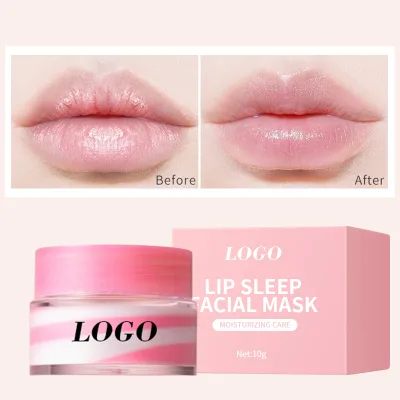
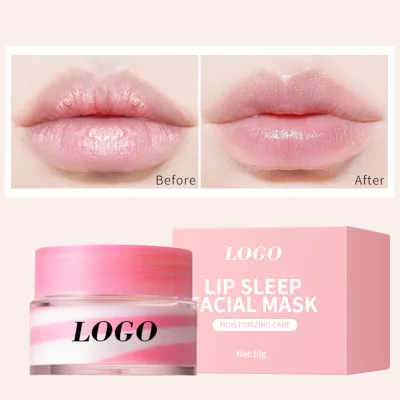
Beauty Cosmetics Lip Care Nourish Hydrate Moisturizer Vanilla Lip Sleeping Mask
$1.80 - $2.50
Moq: 100

Beauty Cosmetics Skin Care High Quality Moisturizing Collagen Sleeping Lip Mask
$1.50 - $2.50
Moq: 100

Guangzhou Yilong Cosmetics Co., Ltd.
- Manufacturer, Trading Company
- Lead time旺季: "1 - 50000":31,"> 50000":"To be negotiated", 淡季: "1 - 50000":31,"> 50000":"To be negotiated"
- Avg. response≤ 3h
Main productsOral care, Deodorant & Antiperspirant, Facial care, Body lotion, Men's care

Rhine International Biotechnology (Guangdong) Co., Ltd.
- Verified by CTI
- Manufacturer/Factory
- China Guangdong
- Lead time23 days
- Avg. response≤ 6h
Main productsSkin Care, Face Serum, Face Cream, Eye Cream, Body Lotion, Cosmetics, Makeup, Lipstick, Lip Gloss, Lip Balm
Main marketsSouth America,Eastern Europe,Mid East,North America,Southeast Asia,Eastern Asia,Oceania,Western Europe,Africa
- Trading Company
- Hong Kong S.A.R.
- Lead time3 days
- Avg. response≤ 7h
Main productsfacial mask,Essence liquid,emulsion,Facial cleanser,Skincare products
Main marketsDomestic Market(40.0%), North America(12.0%), Western Europe(10.0%), Mid East(8.0%), Southern Europe(8.0%), Eastern Europe(5.0%), South Asia(5.0%), Southeast Asia(5.0%), South America(2.0%), Africa(1.0%), Eastern Asia(1.0%), Northern Europe(1.0%), Oceania(1.0%), Central America(1.0%)
Guangzhou Elov Cosmetics Co., Ltd.
- Verified by SGS Group
- Manufacturer, Trading Company
- Lead time20 days
Main productsMask, Eye Pad, Body Cream, Facial and Body Spray, Foot and Hand Mask
Main marketsDomestic Market(40%), North America(12%), Western Europe(10%)

Guangzhou Olehana Biotechnology Co., Ltd
- Verified by BV
- Manufacturer/Factory
- China Guangdong
- Lead time45 days
- Avg. response≤ 22h
Main productsFace Serum, Face Cream, Skin Care Set, Hair Growth, Beauty Device, Lip Gloss, Lip Stick, Lip Balm, Beard Care, Body Care
Main marketsEastern Europe,North America,Western Europe
Ausmetics Daily Chemicals (Guangzhou) Co., Ltd.
- Verified by TüVRheinland
- Manufacturer, Trading Company
- Lead time40 days
- Avg. response≤ 6h
Main productsSkin Care, Bath & Body Care, Hair Care, Mom & Baby Care, Disinfectant
Main marketsDomestic Market(40%), Eastern Europe(10%), Western Europe(8%)

Guangzhou Mebamy Cosmetics Co., Ltd.
- Verified by TUVRHEINLAND
- Manufacturer/Factory
- China Guangdong
- Lead time15 days
- Avg. response≤ 5h
Main productsFace Serum, Soap, Face Cream, Sunscreen, Eyelash Growth Serum, Teeth Whitening, Face Mask, Facial Cleanser, Essential Oil, Hair Care Series
Main marketsNorth America,Western Europe
Guangzhou Junchun Cosmetic Ltd.
- Manufacturer, Trading Company, Distributor/Wholesaler
- guang dong, China
- Lead time30 days
- Avg. response≤ 2h
Main productshair care,skin care,body care,hair color,make up
Main marketsMid East(20.0%), Oceania(18.0%), Western Europe(12.0%), North America(10.0%), Southeast Asia(8.0%), Southern Europe(6.0%), Northern Europe(6.0%), South Asia(5.0%), South America(4.0%), Africa(3.0%), Eastern Europe(3.0%), Eastern Asia(3.0%), Central America(2.0%)
Guangzhou Herbicos Beauty Products Co., Ltd.
- Verified by Intertek
- Manufacturer, Trading Company
- Lead time15 days
Main productsSerum, Mask, Essential Oil, Body Scrub, Face Cream
Main marketsNorth America(40%), Western Europe(30%), Oceania(15%)

Jiangxi Dentalbright Technology Co., Ltd.
- Verified by BV
- Combined
- China Jiangxi
- Lead time15 days
- Avg. response≤ 3h
Main productsTeeth Whitening Kit, Teeth Whitening Pen, Tooth Whitening Gel, Teeth Whitening Strips, Teeth Whitening Powder, Teeth Whitening Light, Toothpaste, Teeth Whitening Bamboo Brush, Anti Snore Collections
Main marketsEurope,Australia,North America

Guangzhou Yixuan Fine Chemical Co., Ltd.
- Manufacturer, Trading Company
- guangdong, China
- Lead time0 days
- Avg. response≤ 4h
Main productsCosmetics processing,Wash and protect,Skincare product sales
Main marketsSouthern Europe(8.33%), Northern Europe(8.33%), Central America(8.33%), Western Europe(8.33%), Eastern Asia(8.33%), Mid East(8.33%), Oceania(8.33%), Africa(8.33%), Southeast Asia(8.33%), Eastern Europe(8.33%), South America(8.33%), North America(8.33%)
Zhejiang B&F Cosmetics Co., Ltd.
- Verified by SGS Group
- Manufacturer, Trading Company
- Lead time50 days
- Avg. response≤ 8h
Main productsEyeshadow/ Lip Gloss/ Lip Stick/ Nail Polish/ Cosmetic Sets
Main marketsNorth America(35%), South America(15%), Southeast Asia(10%)
Shenzhen Beauty Secret Tech Co., Limited
- Verified by TüVRheinland
- Trading Company
- Lead time10 days
- Avg. response≤ 6h
Main productsLipstick, Lip Gloss, Eyeshadow
Main marketsNorth America(65%), South America(15%), Eastern Europe(10%)

Guangzhou Aifujia Biotechnology Co., Ltd.
- Trading Company
- China Guangdong
- Lead time15 days
- Avg. response≤ 6h
Main productsFace Cream, Face Serum, 24K Serum, Rose Spray, Vitamin C Serum, Skin Care Set, Essential Oil, Facial Mask, Face Lotion, Anti Aging Whitening Face Cream
Main marketsSoutheast Asia/ Mideast,Europe,North America


Moisture Lip Mask Wholesale Private Label Organic Lip Care Collagen Sleeping Lip Mask
$1.09 - $2.12
Moq: 1000


Women Natural and Balm Setnatural Organic Collagen Sleeping Hydrating Lip Mask
$1.99 - $3.99
Moq: 1000

Wholesale Organic Pink Lip Care Mask Private Label Hydrating Sleeping Repairing
$0.92 - $1.45
Moq: 500

Wuhan Hangu Technology Co.,Ltd
- Verified by SGS
- Trading Company,Manufacturer/Factory
- China Hubei
- Lead time23 days
- Avg. response≤ 8h
Main productsWound Dressing, Pimple Patch, Medical Plaster, Herbal Patch, Adhesive Tape Roll, Surgical Incise Dressing, Adhesive PU Film Roll, Medical PU Film, Silicone Foam Dressing, Hydrocolloid Wound Dressing
Main marketsEastern Europe,Mid East,North America,Western Europe


Wholesale Pink Lipmask Private Label Organic Hydrating Plumper Collagen Lip Sleeping Mask
$0.08 - $0.12
Moq: 20000


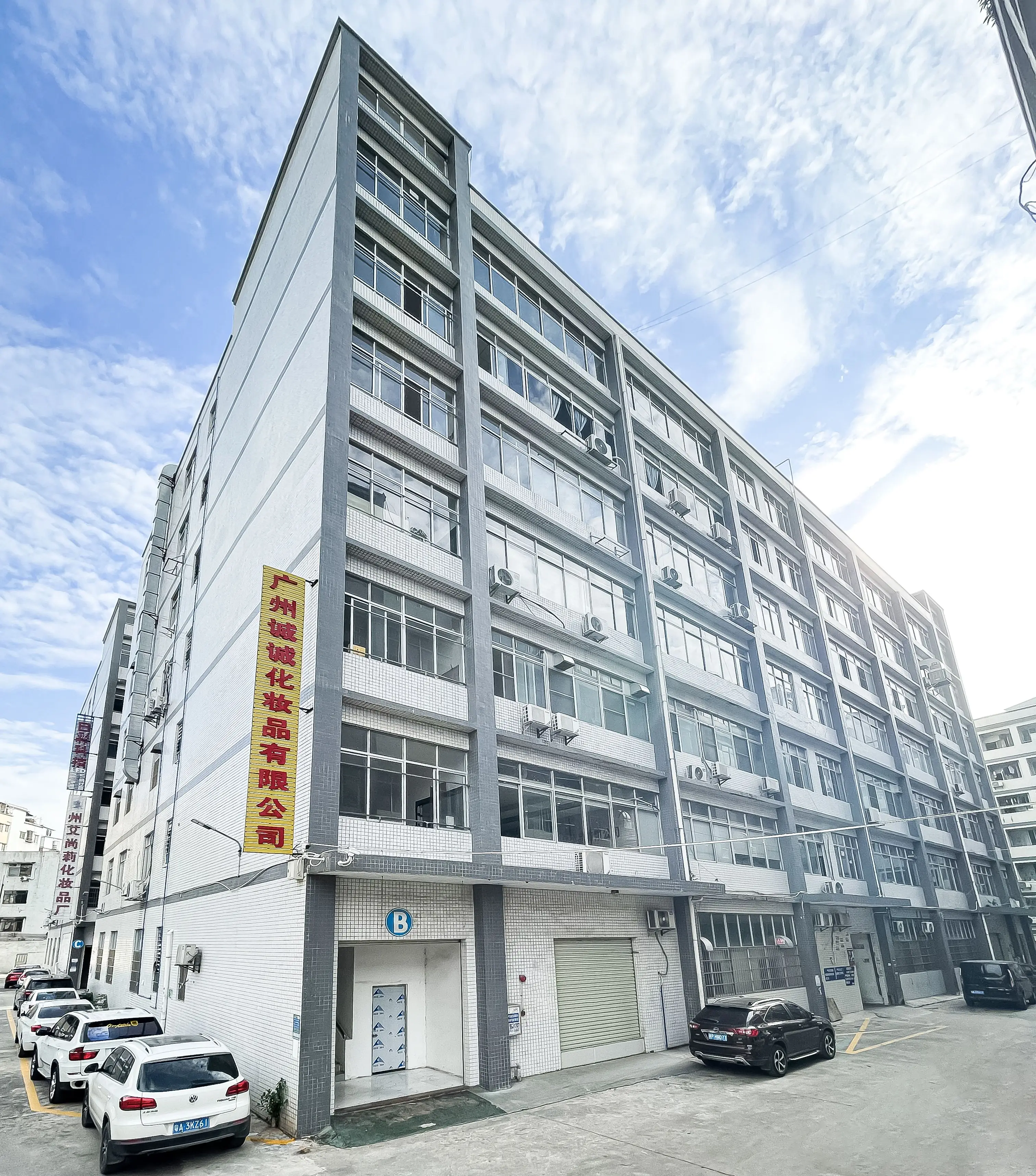
Guangzhou Chengcheng Cosmetics Co., Ltd.
- Manufacturer
- Guangdong, China
- Lead time15 days
- Avg. response≤ 4h
Main productsface care products,eye care products,lip care products,body care products,hair care products
Main marketsNorth America(57.99999999999999%), Western Europe(15.0%), Northern Europe(5.0%), South America(5.0%), Eastern Europe(5.0%), Southern Europe(3.0%), Oceania(2.0%), Domestic Market(1.0%), South Asia(1.0%), Africa(1.0%), Mid East(1.0%), Central America(1.0%), Southeast Asia(1.0%), Eastern Asia(1.0%)
- Trading Company
- Hong Kong S.A.R.
- Lead time30 days
- Avg. response≤ 1h
Main productsLipgloss,Blush,Highlighter,Contour,Eyeshadow
Main marketsNorth America(35.0%), South America(15.0%), Eastern Europe(12.0%), Western Europe(8.0%), Northern Europe(8.0%), Southern Europe(8.0%), Southeast Asia(2.0%), Africa(2.0%), Oceania(2.0%), Mid East(2.0%), Eastern Asia(2.0%), Central America(2.0%), South Asia(1.0%), Domestic Market(1.0%)
Guangzhou Haishi Biological Technology Co., Ltd.
- Manufacturer, Trading Company
- Lead time旺季: "1 - 1000":20,"> 1000":"To be negotiated", 淡季: "1 - 1000":20,"> 1000":"To be negotiated"
- Avg. response≤ 3h
Main productsFace Cream, Face Serum, Mouthwash, Hair Care Products, Deodorant

Shantou Una Cosmetics Co., Ltd
- Verified by CTI
- Trading Company
- China Guangdong
- Lead time45 days
- Avg. response≤ 15h
Main productsLipsticks, Lip Gloss, Cosmetics, Nail Polish, Makeup, Foundation, Mascara, Eye Shadow, Lip Balm
Main marketsSoutheast Asia/ Mideast,Europe,North America
Guangzhou Biying Cosmetics Co., Ltd.
- Manufacturer, Trading Company
- Lead time旺季: "1 - 50000":15,"> 50000":"To be negotiated", 淡季: "1 - 50000":15,"> 50000":"To be negotiated"
- Avg. response≤ 7h
Main productsFacial Care, Eye Care, Body Care, Skin Care, Cosmetics

Letscharm Cosmetics Limited Guangzhou
- Verified by SGS
- Trading Company
- China Guangdong
- Lead time30 days
- Avg. response≤ 9h
Main productsCosmetics Custom Wholesale and Chemical Raw Mate
Main marketsNorth America
Guangzhou Tengyuan Biotechnology Co., Ltd.
- Verified by Intertek
- Trading Company
- Lead time15 days
- Avg. response≤ 2h
Main productsShampoo , Body lotion, Shower Gel, Facial Cleanser, Cream
Main marketsSoutheast Asia(55%), Domestic Market(25%), North America(20%)

Guangzhou Meikou Biotechnology Co., Ltd.
- Verified by SGS
- Combined
- China Guangdong
- Lead time15 days
- Avg. response≤ 25h
Main productsSkin Care, Cosmetic, Facial Mask, Face Care, Body Care, Lyophilized Powder, Umbilical Extract
Main marketsDomestic

Hangzhou JUKO Beauty Cosmetics Co., Ltd
- Verified by SGS
- Trading Company
- China Zhejiang
- Lead time15 days
- Avg. response≤ 5h
Main productsLipgloss, Eyeshadow, Matte Lipstick, Hair Stick Gel, Hair Wax Stick, Foundation, Lip Plumper, Lip Balm, Mascara, Skin Care
Main marketsSouth America,Africa,Southeast Asia/ Mideast,Europe,Australia,North America
Guangzhou Chumei Cosmetics Co., Ltd.
- Manufacturer, Trading Company
- Lead time旺季: "1 - 10000":31,"> 10000":"To be negotiated", 淡季: "1 - 10000":31,"> 10000":"To be negotiated"
Main productsNose Strips, Waxing Paper, Hair Removal Cream, Facial Cleanser, Eyes Care Patch

Hebei Guanghao Biotechnology Co., Ltd.
- Verified by SGS
- Trading Company
- China Hebei
- Lead time0 days
- Avg. response≤ 4h
Main productsGlutathione, Glutathione-1, Glutathione-2, Glutathione-3, Glutathione-4, Glutathione-5, Glutathione-6, Glutathione-7




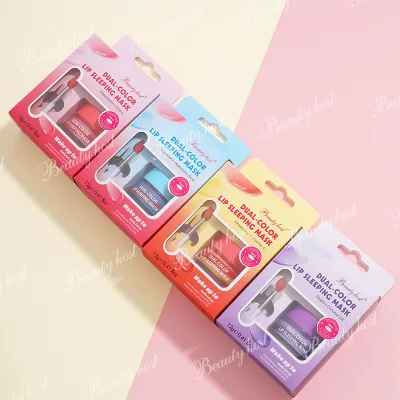
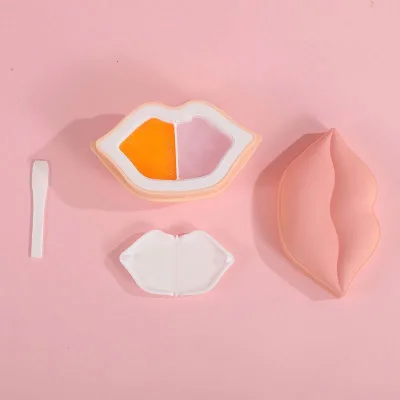
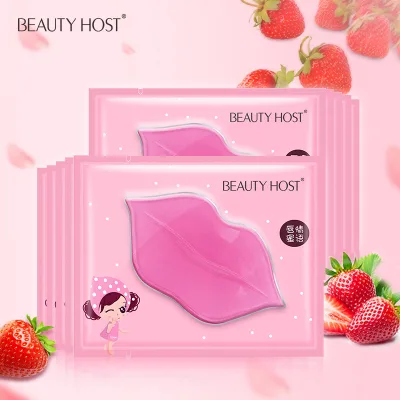
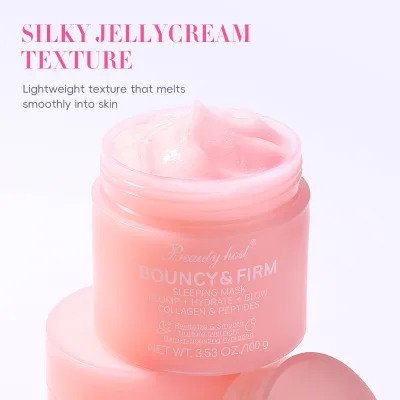


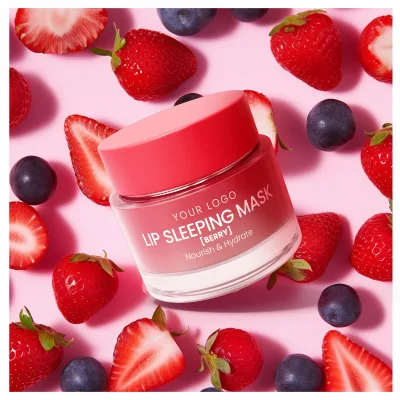
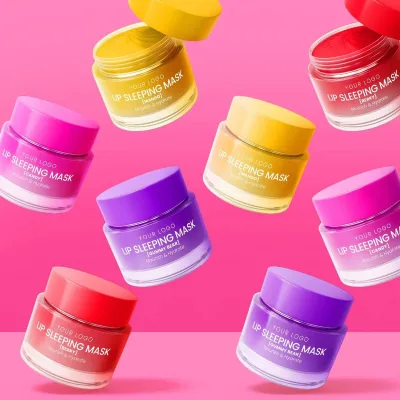
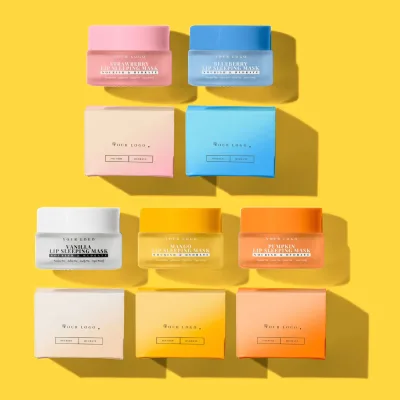
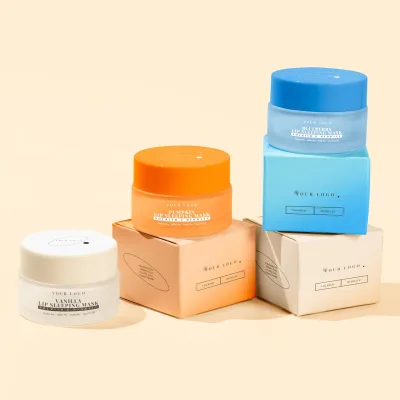




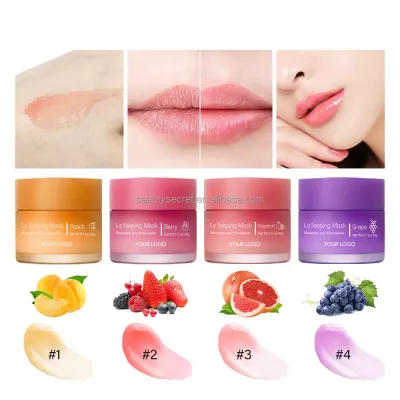
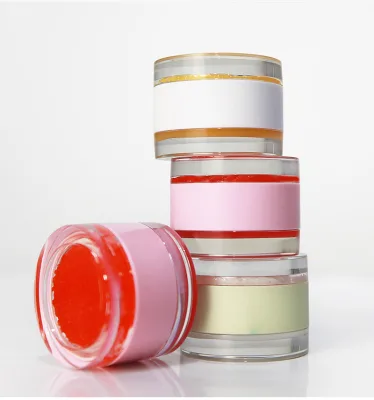
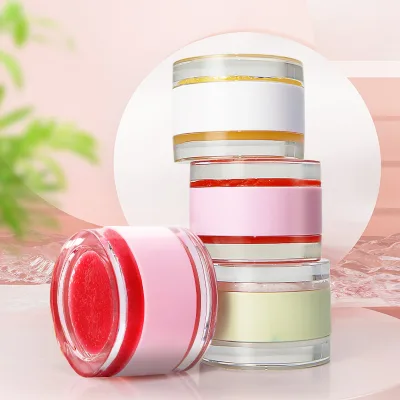
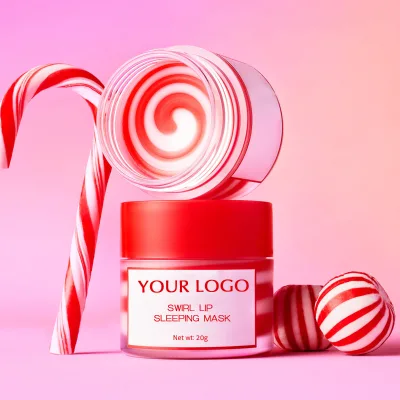








Comprehensive Sourcing Guide
Peptide Vegan Lip Sleeping Mask Supplier Concentration and Factory Types
Current data indicates a concentration of suppliers operating from China, specifically within the Gansu and Guangdong provinces, with Guangzhou frequently cited as the origin for specific product models. These facilities often present as Trading Companies, though some listings also identify as Manufacturer/Factory or Group Corporation entities. This mix suggests a supply chain where trading firms may aggregate goods from various production sources or manage direct manufacturing operations. The presence of both company types requires buyers to distinguish between a pure intermediary and a facility with direct production control, as this distinction impacts quality oversight and customization capabilities.
When evaluating the factory types, look for explicit mentions of OEM and ODM capacities alongside Own Brand development. Some supplier profiles list capabilities for private labeling, which is essential for brands seeking unique formulations. The main products listed often include a broad range of beauty items like face masks, serums, and body care, indicating that these suppliers may not specialize exclusively in lip care. Buyers should verify if the specific Peptide Vegan Lip Sleeping Mask is a core competency or a secondary offering within a larger catalog. Understanding whether the supplier is a dedicated manufacturer or a trading company helps in assessing their ability to handle complex ingredient sourcing and formulation adjustments required for vegan and peptide-based products.
How to Verify Peptide Vegan Lip Sleeping Mask Suppliers
Verification begins with checking for recognized system certifications such as ISO 20000, GMP, and specific product certifications like MSDS, CE, FDA, and ISO. Some supplier records explicitly list these credentials, while others show "NIL" or lack specific verification data. A supplier claiming FDA or GMP certification should provide documentation to confirm the scope covers cosmetic manufacturing. Additionally, third-party verification badges like TUVRHEINLAND serve as a strong indicator of external audit compliance. Buyers must request current certificates rather than relying on static profile claims, as certification status can change or be misapplied to unrelated product lines.
Response time and lead time data offer practical insights into supplier reliability and operational efficiency. Observed response times vary, with some suppliers responding within approximately 1.85 hours while others take over five hours. Lead times also differ significantly, ranging from immediate availability to standard periods of 15 days. These metrics help gauge how quickly a supplier can address inquiries and fulfill orders. A supplier with a fast response time but no stated lead time may be a trading company with limited stock, whereas a longer lead time might indicate a manufacturing process requiring setup. Buyers should prioritize suppliers who provide clear, consistent data on both communication speed and production duration to ensure supply chain stability.
What to Compare Across Peptide Vegan Lip Sleeping Mask Suppliers
Comparing suppliers requires a detailed analysis of Minimum Order Quantities (MOQ) and pricing structures, which vary widely across the market. Some listings show an MOQ of just 10 pieces with unit prices ranging from $1.00 to $1.30, suitable for small batch testing. In contrast, other suppliers require an MOQ of 1000 pieces with prices potentially lower per unit, reflecting economies of scale for larger orders. The price range can extend from $0.10 to $2.50 depending on the product standard, such as 15g, 20g, or 60g containers. Buyers must align their order volume with the supplier's MOQ to avoid unnecessary costs or rejection of small orders.
Beyond pricing and volume, compare the customization options and product attributes offered by each supplier. Many profiles indicate that customization is available, allowing for private labeling and specific formulation requests. Attributes such as form (cream or sheet), main ingredients (herbal or specific peptides), and packaging (glass bottle or normal package) differ between suppliers. Some products highlight specific active ingredients like Vitamin C or Hyaluronic Acid, while others focus on collagen peptides. Evaluating these technical specifications ensures the selected supplier can meet the exact formulation requirements for a vegan peptide mask. Additionally, checking the origin of the product, often Guangzhou, helps in understanding the supply chain logistics and potential quality standards associated with that region.
Common Peptide Vegan Lip Sleeping Mask Sourcing Risks
One significant risk involves the discrepancy between claimed certifications and actual product compliance. While some suppliers list extensive certifications like FDA, CE, and GMP, others show no certification data. Relying solely on profile claims without requesting physical certificates can lead to non-compliant products entering the market. This is particularly critical for vegan and peptide-based products where ingredient sourcing and processing standards are strictly regulated. Buyers must verify that the certifications apply specifically to the lip sleeping mask product line and not just the general company scope. Failure to do so can result in regulatory hurdles or product recalls in target markets.
Another risk is the inconsistency in lead times and response capabilities, which can disrupt inventory planning. Suppliers with a lead time of zero may be drop-shippers or trading companies holding limited stock, whereas those with a 15-day lead time are likely manufacturers. If a supplier promises a short lead time but fails to deliver, it can cause stockouts and lost sales. Furthermore, the variation in MOQs creates a risk for new brands that cannot commit to large initial orders. A supplier requiring 1000 pieces may be unsuitable for a startup, while one accepting 10 pieces might lack the capacity for future scaling. Buyers must assess these operational constraints early to ensure the supplier can support their business growth trajectory without compromising delivery schedules.
Peptide Vegan Lip Sleeping Mask Regional Sourcing and Logistics
The primary sourcing hubs identified in the data are located in China, with specific mentions of Gansu and Guangdong provinces. Guangzhou appears frequently as the origin point for various product models, suggesting a concentrated manufacturing cluster in this region. This concentration implies that logistics and shipping routes are likely optimized for this area, potentially reducing transit times and costs for international buyers. However, the presence of suppliers in different provinces like Gansu indicates that buyers may need to coordinate shipments from multiple locations if they source from a diverse supplier base. Understanding the specific location of the factory is crucial for calculating accurate freight costs and delivery timelines.
When sourcing from these regions, buyers should consider the logistical implications of the supplier type. Trading companies may consolidate goods from multiple factories, which can simplify shipping but add layers to the supply chain. Manufacturers, on the other hand, may offer more direct control over the production and packaging process. The product origin, often listed as Guangzhou, suggests that the final packaging and labeling may occur there, which is a key factor for compliance with local and international labeling laws. Buyers should verify the exact shipping terms and whether the supplier handles export documentation. Clear communication regarding the origin and logistics capabilities ensures that the supply chain remains transparent and efficient from the factory floor to the final destination.
Peptide Vegan Lip Sleeping Mask Commercial Terms and Order Planning
Commercial terms for these products often include specific packaging standards and customization services. Many suppliers offer "Normal Package" or "Glass Bottle" options, with product standards ranging from 15g to 60g. Customization is frequently listed as available, allowing for private labeling and specific ingredient formulations. Buyers should confirm the exact packaging requirements and whether the supplier can accommodate custom molds or labels. The service options, such as OEM and ODM, indicate the level of support provided for brand development. Understanding these terms is essential for planning the product launch and ensuring that the final product matches the brand's identity and quality expectations.
Order planning must account for the varying MOQs and pricing tiers observed across suppliers. Some suppliers accept orders as low as 10 pieces, while others require 1000 pieces. This variance affects the initial capital investment and inventory management strategy. Buyers should plan their order volume based on their sales projections and the supplier's capacity to scale. Additionally, the response time and lead time data should be integrated into the production schedule to avoid delays. A supplier with a 15-day lead time requires earlier planning than one with immediate availability. By aligning commercial terms with realistic order planning, buyers can mitigate risks and ensure a smooth procurement process for their Peptide Vegan Lip Sleeping Mask products.
FAQs
What certifications do lip sleeping masks have?
Most listed products hold MSDS, CE, FDA, and ISO certifications. These credentials ensure the cosmetic formulations meet international safety and quality standards for export. Buyers should verify specific certificates for their target market before placing orders to ensure full regulatory compliance.
What is the minimum order quantity for these masks?
MOQs vary significantly by supplier and product type. Some manufacturers require a minimum of 10 pieces for standard items, while others demand 100 or 1000 pieces for private label services. Always confirm the exact MOQ with the supplier before finalizing your purchase agreement.
What is the typical lead time for production?
Lead times depend on the supplier's capacity and order size. Some factories report a lead time of 15 days for standard production runs. Others may have zero days listed for ready stock items. Confirm the exact timeline with your chosen supplier to plan logistics effectively.
What is the price range for these lip masks?
Prices generally range from $0.10 to $2.50 per unit depending on the product specifications. Basic sheet masks may cost around $0.10, while cream-based moisturizing masks can reach $1.30 or higher. Bulk orders often secure better pricing tiers from verified manufacturers.
Do suppliers offer OEM and ODM services?
Yes, many suppliers provide OEM and ODM services for private labeling. You can customize packaging, formulas, and branding to fit your market needs. This service is widely available for lip sleeping masks, allowing brands to create unique products with specific ingredients and aesthetics.
Where are these cosmetic suppliers located?
Suppliers are primarily located in China, specifically in Guangdong and Gansu provinces. Guangzhou is a common origin point for many cosmetic products listed. These regions are known for their robust manufacturing infrastructure and efficient supply chains for beauty and personal care items.