Peptide Repair Powder Face Cream Suppliers and Manufacturers
Source 20 verified suppliers for Peptide Repair Powder Face Cream. Compare ISO 22716 certified manufacturers in China Guangdong with response times under 3 hours and MOQs starting at 48 units. Review MSDS certified products and request samples today; review the available evidence before requesting comparable quotations from suitable candidates.
Updated
Suppliers List
Guangzhou Hisun Health Technology Co., Ltd.
- Verified by SGS Group
- Trading Company
- Lead time3 days
- Avg. response≤ 3h
Main productsWhitening Cream, Face Serum, Face Mask, Sunscreen, Beard Oil
Main marketsNorth America(25%), Africa(20%), South Asia(12%)
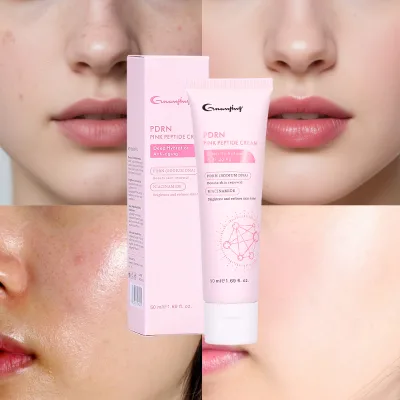
$0.7241 - $1.2821
MOQ: 48 pieces
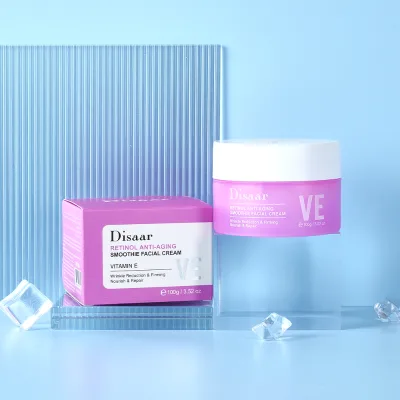
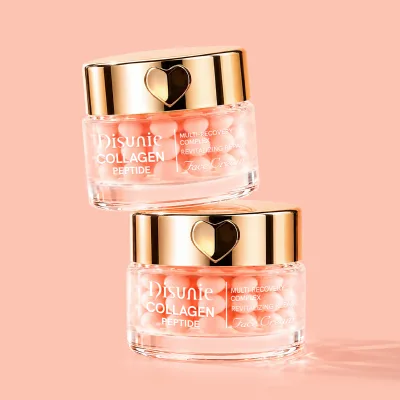

Shenzhen Bangjiarui Technology Co., Ltd.
- Trading Company
- China Guangdong
- Lead time0 days
- Avg. response≤ 1h
Main productsCosmetic, Skin Care Product, Face Cream, Eye Cream, Toner, Skin Whitening Cream, Lotion, Mask, Hand Cream, Hair Conditioner

Peptide Retinol Face Cream for Fine Lines, Firmness and Daily Skin Care
$1.37 - $3.65
MOQ: 1000 Pieces

Advanced Retinol Peptide Face Cream for Wrinkle Care and Smooth Texture
$1.37 - $3.65
MOQ: 1000 Pieces


Guangzhou Aifujia Biotechnology Co., Ltd.
- Verified by Intertek
- Trading Company
- Lead time15 days
- Avg. response≤ 3h
Main productsSkin Care Set, Essential Oil, Serum, Cream, Wash And Care
Main marketsNorth America(30%), Mid East(15%), Western Europe(15%)

Sanli Biotechnology (Dalian) Co., Ltd
- Verified by SGS
- Combined
- China Liaoning
- Lead time15 days
- Avg. response≤ 5h
Main productsSkin Care Product
Main marketsDomestic

Targeted Tetrapeptide Repair Anti Wrinkle Face Cream for Fine Lines Reduction
$2.50 - $2.80
MOQ: 100 kg


Repairing Retinol Face Cream with Blue Copper Peptide for Night Recovery and OEM Manufacturing
$59.43 - $77.72
MOQ: 100 kg

Innovative Collagen Peptide Lifting Anti Aging Face Cream for Toned Appearance
$2.50 - $2.80
MOQ: 100 kg

Renewing Fibronectin Peptide Skin Tightening Face Cream for Deep Nourishment
$2.50 - $2.80
MOQ: 100 kg

Premium Collagen-Boosting Peptide Anti Aging Wrinkle Repair Face Cream for Night Skincare
$2.50 - $2.80
MOQ: 100 kg
Guangzhou Herbicos Beauty Products Co., Ltd.
- Verified by Intertek
- Manufacturer, Trading Company
- Lead time15 days
- Avg. response≤ 4h
Main productsSerum, Mask, Essential Oil, Body Scrub, Face Cream
Main marketsNorth America(40%), Western Europe(30%), Oceania(15%)
Bingo Cosmetic Manufacture Ltd.
- Manufacturer, Trading Company
- Lead time旺季: "1 - 3000":30,"> 3000":"To be negotiated", 淡季: "1 - 3000":30,"> 3000":"To be negotiated"
- Avg. response≤ 7h
Main productsHair Care Products, Hair Dyeing Products, Skin Care Products, Hair Styling Products, Pet Care Products
Guangzhou Fanfei Biotechnology Co., Ltd.
- Verified by SGS Group
- Trading Company
- Lead time25 days
- Avg. response≤ 3h
Main productsFace Care, Body Care, Mask, Hair Care, Face Serum
Main marketsNorth America(25%), Western Europe(18%), Southeast Asia(10%)
NANTONG TIANLAN COSMETICS CO., LTD.
- Combined
- China Jiangsu
- Lead time30 days
- Avg. response≤ 24h
Main productsSkin Whitening Cream, Toothpaste, Shampoo, Essential Balm, Balm, Cosmetics, Cream, Baby Powder, Inhaler, Hair Relaxer
Main marketsSouth America,Africa,Southeast Asia/ Mideast
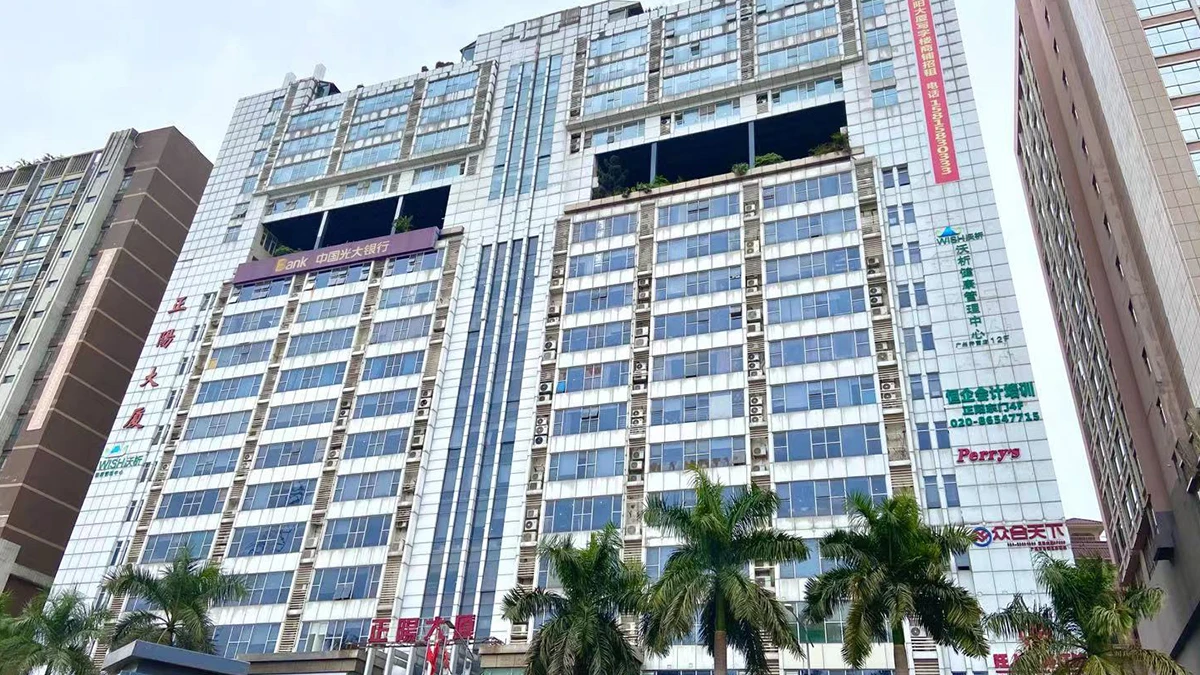
Guangzhou Bettermiss Cosmetics Co., Ltd.
- Manufacturer, Trading Company, Distributor/Wholesaler
- Guangdong, China
- Lead time35 days
- Avg. response≤ 2h
Main productsSkin Care Serum,Face Cream Lotion,Face Care,Hair Care,Body Lotion
Main marketsMid East(20.00%), North America(20.00%), Domestic Market(5.00%), South Asia(5.00%), Southern Europe(5.00%), Northern Europe(5.00%), Central America(5.00%), Western Europe(5.00%), Eastern Asia(5.00%), South America(5.00%), Oceania(5.00%), Africa(5.00%), Southeast Asia(5.00%), Eastern Europe(5.00%)
Guangzhou Fantesy Biotechnology Co., Ltd.
- Verified by TüVRheinland
- Manufacturer, Trading Company
- Lead time0 days
- Avg. response≤ 5h
Main productsFace Cream, Tanning Care, Eye Mask, Soap, Sunscreen Care
Main marketsNorth America(27%), Northern Europe(15%), Eastern Europe(12%)
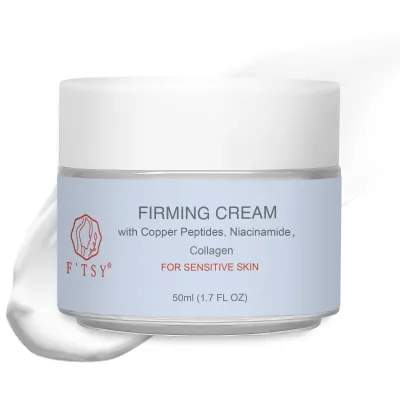
$1.9283 - $2.4609
MOQ: 1000 pieces
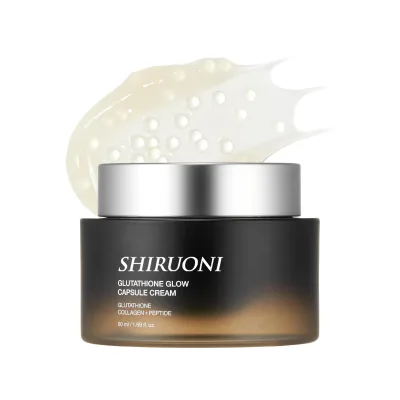
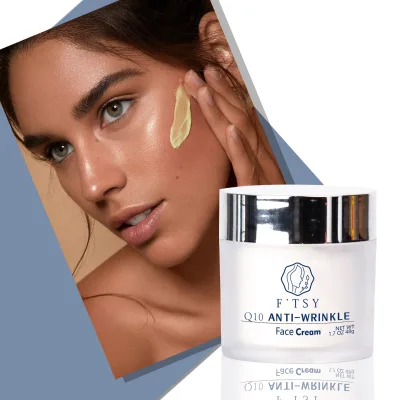
$1.8356 - $2.5641
MOQ: 1 pieces

HUEY-SHYUA INTERNATIONAL ENTERPRISE CO., LTD.
- Trading Company
- Taiwan, China
- Lead time5 days
- Avg. response≤ 3h
Main productsSkin Care Products,Skin Chemical Peeling for face,Whitening Cream,Face Mask,Private Label Skin Care
Main marketsDomestic Market(50.00%), Northern Europe(17.00%), Southeast Asia(8.00%), Eastern Europe(7.00%), Oceania(6.00%), North America(4.50%), Western Europe(2.00%), Southern Europe(2.00%), South Asia(1.00%), South America(0.80%), Eastern Asia(0.50%), Africa(0.50%), Central America(0.50%), Mid East(0.20%)
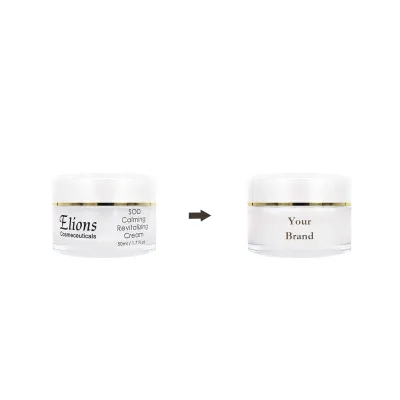
$16.9422 - $33.8844
MOQ: 6 pieces
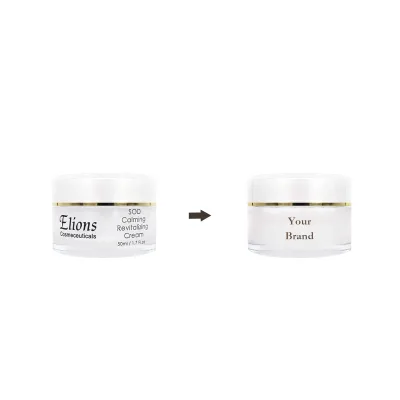
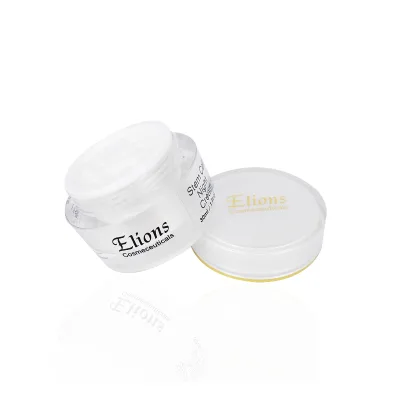
Guangzhou Amanni Pharmaceutical Technology Co., Ltd.
- Manufacturer, Trading Company
- Guangdong, China
- Lead time15 days
- Avg. response≤ 1h
Main productslotion,facial mask,cream,shsmpoo,serum
Main marketsNorth America(50.00%), Central America(35.00%), Southeast Asia(15.00%)
Guangzhou YIJIA Biotechnology Ltd.
- Verified by SGS Group
- Manufacturer, Trading Company
- Guangdong, China
- Lead time45 days
- Avg. response≤ 2h
Main productsFace Serum, Face Cream, Body Massage Oil, Shampoo, Conditioner
Main marketsNorth America(40%), Western Europe(15%), Northern Europe(15%)

Guangdong Daimeishi Biotechnology Co., Ltd.
- Verified by BV
- Combined
- China Guangdong
- Lead time15 days
- Avg. response≤ 1h
Main productsCosmetics, Skin Care Products
Main marketsDomestic,Europe
Guangzhou Manzheng Biotechnology Co., Ltd.
- Trading Company
- Guangdong, China
- Lead time0 days
- Avg. response≤ 4h
Main productsFace Serum, Facial Cleanser, Face Cream, Body Wash, Makeup Product
Main marketsNorth America(20.00%), Eastern Europe(20.00%), Western Europe(10.00%), Eastern Asia(5.00%), South America(5.00%), Oceania(5.00%), Southern Europe(5.00%), Central America(5.00%), Northern Europe(5.00%), Africa(5.00%), Domestic Market(5.00%), Mid East(5.00%), Southeast Asia(5.00%)
Guangzhou Mebamy Cosmetics Co., Ltd.
- Verified by SGS Group
- Trading Company
- Lead time20 days
- Avg. response≤ 9h
Main productsSkin Care
Main marketsNorth America(30%), Western Europe(27%), Eastern Europe(7%)
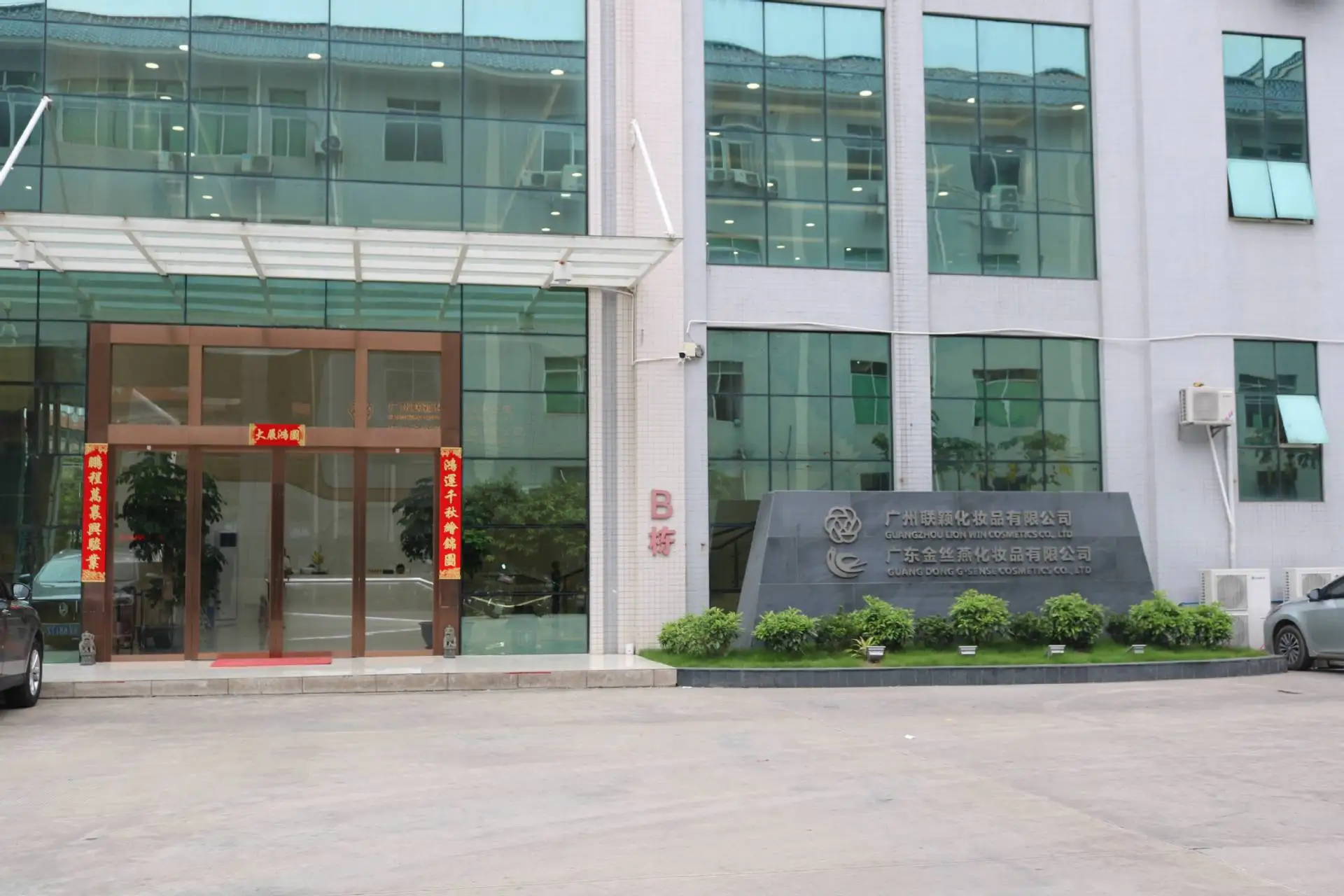
Guangzhou Heying Biotechnology Co., Ltd.
- Manufacturer, Trading Company
- Guangdong, China
- Lead time0 days
- Avg. response≤ 6h
Main productsEssence,lotion,face cream,hand cream,sunscreen
Main marketsWestern Europe(50.00%), North America(30.00%), Mid East(10.00%), Southeast Asia(10.00%)
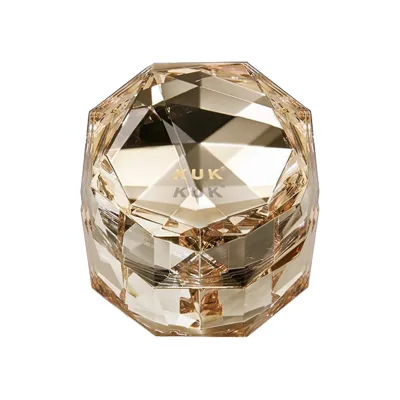

Uncover Youthful Skin Secrets with Our Anti-Wrinkle Polypeptide Gene Face Cream
$3.39 - $4.18
MOQ: 2 pieces
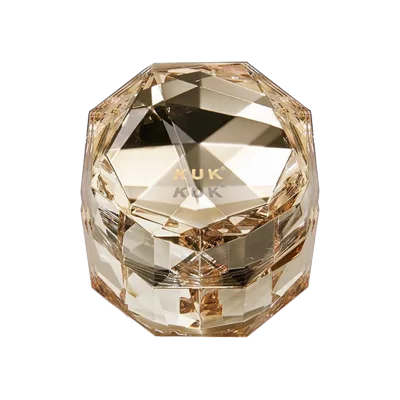
Luxurious Anti-Wrinkle Polypeptide Infused Moisturizer Face Cream for Optimal Results
$3.4932 - $4.307
MOQ: 2 pieces
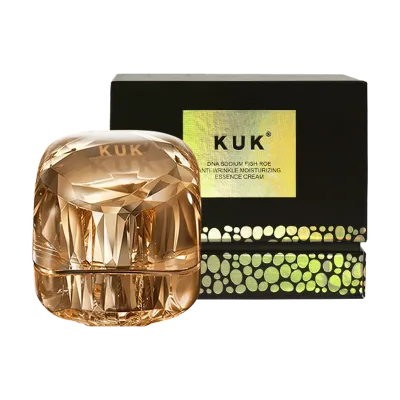
AntiAging Face Cream with Sodium Caviar Effective Wrinkle Reduction Customizable Packaging
$4.75 - $5.90
MOQ: 2 pieces
Foshan Sanshui Qiaoxifu Daily Necessities Co., Ltd.
- Manufacturer, Trading Company
- Guangdong, China
- Lead time15 days
- Avg. response≤ 6h
Main productsFacial Mask/Eye Mask/Serum/Make Up/Facial Cream
Main marketsDomestic Market(20.00%), Southeast Asia(20.00%), Mid East(10.00%), South America(10.00%), North America(10.00%), Africa(5.00%), Southern Europe(5.00%), Oceania(5.00%), Eastern Europe(5.00%), South Asia(2.00%), Western Europe(2.00%), Eastern Asia(2.00%), Northern Europe(2.00%), Central America(2.00%)
Ji'an Langjian Medical Supplies Co., Ltd.
- Trading Company
- Jiangxi, China
- Lead time15 days
- Avg. response≤ 1h
Main productsbody care,hair care,Skin Care,face care,essential oil
Main marketsSouthern Europe(14.00%), South Asia(12.00%), Western Europe(12.00%), Eastern Asia(12.00%), North America(12.00%), Northern Europe(9.00%), South America(7.00%), Southeast Asia(6.00%), Mid East(6.00%), Eastern Europe(6.00%), Africa(2.00%), Central America(1.00%), Oceania(1.00%)
Guangzhou Qingrun Cosmetics Co., Ltd.
- Manufacturer, Distributor/Wholesaler, Other
- Guangdong, China
- Lead time0 days
- Avg. response≤ 2h
Main productsskin care products,color cosmetics,7/2000 milk cleanser,5/2000 emulsion,5/2000 face cream
Main marketsSouth America(30.00%), North America(30.00%), Southeast Asia(20.00%), Eastern Europe(20.00%)






Comprehensive Sourcing Guide
Peptide Repair Powder Face Cream Supplier Concentration and Factory Types
When evaluating the landscape for Peptide Repair Powder Face Cream, it is essential to understand the structural composition of the available supply base. The current results indicate a concentration of trading companies rather than direct manufacturers, which significantly alters the procurement strategy. Trading companies often act as intermediaries, aggregating products from various factories to offer a broader catalog. This model can provide buyers with access to diverse main products, such as whitening creams, face serums, and sunscreens, under a single point of contact. However, it also introduces a layer of complexity regarding direct communication with the production facility. Buyers must recognize that while trading companies offer convenience and variety, they may not have the same level of control over raw material sourcing or production quality as direct factories. Understanding this distinction is crucial for setting realistic expectations regarding customization capabilities and supply chain transparency.
The presence of trading companies does not preclude the availability of high-quality manufacturing capabilities, but it requires diligent verification. Many suppliers in this category may have established relationships with OEM or ODM factories, allowing them to offer private label services and customized logos. For instance, some suppliers highlight capabilities in light customization, sample processing, and graphic processing, which are typical services offered by trading entities that coordinate with production partners. Buyers should inquire about the actual manufacturing location and the specific factory’s credentials rather than relying solely on the trading company’s profile. This approach ensures that the buyer is aware of the true source of the Peptide Repair Powder Face Cream. It is also important to note that some suppliers may claim to be manufacturers while operating primarily as traders, so verifying the company type through official business registrations or third-party audits is a necessary step in the sourcing process.
How to Verify Peptide Repair Powder Face Cream Suppliers
Verification is the cornerstone of mitigating risk when sourcing Peptide Repair Powder Face Cream, particularly given the prevalence of trading companies in the current results. Buyers should prioritize suppliers that have undergone rigorous third-party verification processes. For example, some suppliers in the current dataset are verified by SGS Group, a globally recognized inspection and certification body. This verification provides a layer of confidence regarding the supplier’s business legitimacy and operational capabilities. However, verification alone is not sufficient; buyers must also scrutinize the specific certifications held by the supplier and the products. The current results show that some suppliers hold ISO 22716, SVHC, RoHS, and PAHs certifications, which are critical for cosmetic and skincare products. ISO 22716, in particular, is the international standard for Good Manufacturing Practices (GMP) for cosmetics, ensuring that the manufacturing environment meets strict hygiene and quality control standards.
Beyond certifications, buyers should verify the product-specific documentation, such as MSDS (Material Safety Data Sheet), which is listed for several products in the current results. The MSDS provides essential information about the ingredients, potential hazards, and safe handling procedures, which is vital for regulatory compliance in various markets. Additionally, buyers should check for other relevant certifications like CE, FDA, and GMP, which may be required depending on the target market. It is also important to verify the supplier’s response time and lead time, as these metrics can indicate their operational efficiency and reliability. For instance, some suppliers have a response time of 3 hours, while others may respond within 0.12 hours, suggesting varying levels of customer service capacity. Buyers should also look for evidence of past performance, such as sample processing capabilities and customized logo services, which demonstrate the supplier’s ability to meet specific client requirements.
What to Compare Across Peptide Repair Powder Face Cream Suppliers
When comparing suppliers for Peptide Repair Powder Face Cream, buyers should focus on key operational metrics that impact cost, speed, and quality. One critical factor is the Minimum Order Quantity (MOQ), which varies significantly across suppliers. For example, some suppliers have an MOQ of 48 units, while others require a minimum of 1000 units. This disparity can influence the buyer’s inventory strategy and cash flow, especially for small businesses or those testing new markets. Buyers should also compare the price ranges, which can offer insights into the value proposition of each supplier. In the current results, prices for similar products range from approximately $0.72 to $2.44 per unit, depending on the ingredients, packaging, and customization options. Understanding these price variations helps buyers align their budget with their quality expectations.
Another important aspect to compare is the lead time and response speed, which affect the overall supply chain efficiency. Some suppliers have a lead time of 3 days, while others may have a lead time of 0 days, indicating immediate availability or very fast production cycles. Response times also vary, with some suppliers responding within 3 hours and others within 0.12 hours. Faster response times can be crucial for resolving issues quickly and maintaining smooth communication throughout the procurement process. Additionally, buyers should evaluate the customization capabilities offered by each supplier, such as OEM, ODM, and private label services. The ability to customize logos, packaging, and product formulations can be a significant differentiator, allowing buyers to create unique products that stand out in the market. By systematically comparing these factors, buyers can make informed decisions that balance cost, quality, and operational efficiency.
Common Peptide Repair Powder Face Cream Sourcing Risks
Sourcing Peptide Repair Powder Face Cream involves several inherent risks that buyers must proactively manage to ensure a successful procurement process. One significant risk is the potential for misrepresentation of supplier capabilities, particularly when dealing with trading companies. Buyers may assume that a supplier is a direct manufacturer when, in fact, they are an intermediary. This can lead to misunderstandings regarding production capacity, quality control, and customization options. To mitigate this risk, buyers should conduct thorough due diligence, including verifying the supplier’s business license, factory audits, and references from previous clients. It is also important to request samples before placing large orders to assess the product quality and the supplier’s responsiveness. This hands-on approach allows buyers to evaluate the actual product and service level before committing to a significant investment.
Another common risk is the variability in product quality and ingredient consistency, which can impact the efficacy and safety of the Peptide Repair Powder Face Cream. Buyers should ensure that the suppliers adhere to strict quality control standards and provide necessary documentation, such as MSDS and GMP certifications. Additionally, buyers should be cautious of suppliers who offer unusually low prices, as this may indicate the use of inferior ingredients or substandard manufacturing processes. It is also important to consider the shelf life and storage conditions of the product, as these factors can affect its stability and performance. By identifying and addressing these risks early in the sourcing process, buyers can protect their brand reputation and ensure customer satisfaction. Establishing clear communication channels and setting realistic expectations with suppliers can further reduce the likelihood of disputes and delays.
Peptide Repair Powder Face Cream Regional Sourcing and Logistics
Regional sourcing plays a crucial role in determining the logistics and cost structure for Peptide Repair Powder Face Cream. The current results indicate a concentration of suppliers in China, specifically in the Guangdong region. This area is known for its robust manufacturing infrastructure and expertise in cosmetics and skincare products. Sourcing from this region can offer advantages in terms of production capacity, supply chain efficiency, and cost competitiveness. However, buyers should also consider the logistical implications of importing from China, including shipping times, customs clearance, and potential tariffs. Understanding these factors is essential for planning the supply chain and ensuring timely delivery to the target market. Buyers may also explore sourcing from other regions to diversify their supply base and mitigate risks associated with geopolitical or logistical disruptions.
Logistics planning should also account for the specific requirements of the product, such as temperature control and handling instructions, especially for products containing sensitive ingredients like peptides and retinol. Buyers should work with suppliers who have experience in international shipping and can provide reliable logistics solutions. Additionally, buyers should consider the packaging and labeling requirements of their target market, as these can impact the overall cost and complexity of the supply chain. For example, some products may require specific labeling for regulatory compliance, which must be coordinated with the supplier. By carefully planning the regional sourcing and logistics strategy, buyers can optimize their supply chain efficiency and reduce costs. It is also important to establish contingency plans for potential disruptions, such as port strikes or natural disasters, to ensure business continuity.
Peptide Repair Powder Face Cream Commercial Terms and Order Planning
Commercial terms and order planning are critical components of a successful sourcing strategy for Peptide Repair Powder Face Cream. Buyers should negotiate clear terms regarding payment methods, delivery schedules, and quality assurance to protect their interests. For instance, some suppliers may offer escrow services, which provide an additional layer of security for transactions. Buyers should also clarify the terms for customization, including any additional costs for private labeling or special packaging. Understanding these commercial terms helps buyers avoid unexpected expenses and ensures that the supplier meets their specific requirements. Additionally, buyers should plan their orders based on demand forecasts and inventory needs, taking into account the lead times and MOQs of the suppliers. This proactive approach allows buyers to maintain optimal stock levels and avoid stockouts or overstock situations.
Order planning should also consider the lifecycle of the product, including its shelf life and potential for obsolescence. For example, some products have a shelf life of 5 years, which provides flexibility in inventory management. Buyers should also monitor market trends and consumer preferences to adjust their product offerings accordingly. By aligning their order planning with market dynamics, buyers can maximize their profitability and minimize waste. Furthermore, buyers should establish strong relationships with their suppliers to facilitate ongoing communication and collaboration. This can lead to better pricing, improved quality, and more flexible terms over time. By focusing on commercial terms and order planning, buyers can create a sustainable and efficient sourcing strategy that supports their long-term business goals.
FAQs
What is the minimum order quantity for peptide face creams?
The minimum order quantity varies by supplier and product specifications. Some listings require a minimum of 48 units for standard items, while others set the threshold at 1000 units for customized or bulk orders. Buyers should verify the specific MOQ with the supplier before placing an order to ensure it aligns with their inventory needs.
What certifications are available for these skincare products?
Manufacturers typically provide MSDS certification for safety data. Some suppliers also hold ISO 22716, SVHC, RoHS, and PAHs system certifications. Additional product-specific certifications may include CE, FDA, and GMP. Buyers should request valid certificates to ensure compliance with international safety and quality standards for their target markets.
How long does production and shipping take?
Lead times and response speeds vary significantly among suppliers. Some manufacturers report a response time of three days, while others respond within a fraction of a day. Production lead times can range from zero to several days depending on stock availability and customization requirements. Confirm the exact timeline with the supplier to plan your supply chain effectively.
Can I get custom branding and packaging?
Yes, many suppliers offer OEM, ODM, and private label services. Customization options include logo printing, such as gold stamping, and tailored packaging designs. Suppliers support light customization, sample processing, and graphic processing. Buyers can request specific branding elements to match their brand identity while maintaining the core product quality and formulation.
What are the main ingredients in these creams?
Common active ingredients include PDRN, Niacinamide, Peptides, Hyaluronic Acid, Retinol, and Vitamin E. These components work together to provide benefits such as skin brightening, firming, deep hydration, and anti-aging effects. The specific formulation depends on the product type, with some focusing on regeneration and others on moisture retention and pore shrinking.
Where are these products manufactured?
The products are manufactured in Guangdong, China. This region is a major hub for cosmetic and skincare production, offering extensive supply chain infrastructure. Buyers sourcing from this location can access a wide variety of formulations and packaging options. It is advisable to verify the specific factory location and production capabilities during the supplier evaluation process.