Perlite Suppliers and Manufacturers in China
Source 24 verified Perlite suppliers from China, comparing response times, lead times, and MOQs. Review product attributes like particle size and density to find the right fit. Contact suppliers directly to request samples and negotiate pricing; review the available evidence before requesting comparable quotations from suitable candidates.
Suppliers List
Alusen(Dalian)Gardening Co., Ltd
- Verified by SGS
- Trading Company
- China Liaoning
- Lead time15 days
- Avg. response≤ 2h
Main productsRockwool Cubes/Plugs/Slabs, Expanded Clay Pebbles/ Leca/Clay Balls, Expanded Perlite/Vermiculite, Fabric Grow Bags, Seeding Trays, Hydroponic Grow Sponges, Lave Stone/ Pumice Stone/Pebbles Stone, Garden Edging, Garden Tools, Pet Products
Main marketsSouth America,Southeast Asia/ Mideast
Hebei Yingrui Imp&Exp Trade Co., Ltd.
- Verified by TUVRHEINLAND
- Trading Company
- China Hebei
- Lead time15 days
- Avg. response≤ 2h
Main productsVermiculite, Mica Powder, Perlite, Bentonite, Sepiolite, Fireproof Coating, Insulation Materials, Horticlture Merterials, Vermiculite Concrete Materials, Color Sand Minerals
Main marketsAfrica,Southeast Asia/ Mideast,East Asia(Japan/ South Korea),Europe,Australia


Dilated Perlite Horticultural Perlite with Large Particle Size of 3-6mm
$39.00 - $48.00
MOQ: 60 Cubic Meter

China Factory Directly Supply Expanded Perlite Agriculture and Horticulture Perlite
$30.00 - $40.00
MOQ: 70 cub


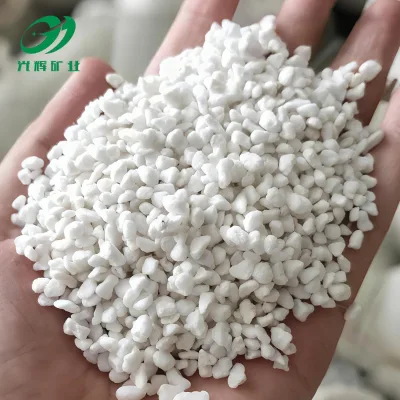
Hebei Guanghui Industrial Co.,Ltd
- Manufacturer, Trading Company
- Hebei, China
- Lead time0 days
- Avg. response≤ 18h
Main productskaolin,Calcium carbonate,talcum,Calcium carbonate
Main marketsDomestic Market(60.00%), Southeast Asia(20.00%), Mid East(5.00%), South Asia(3.00%), North America(3.00%), South America(3.00%), Oceania(1.00%), Africa(1.00%), Northern Europe(1.00%), Central America(1.00%), Western Europe(1.00%), Eastern Europe(1.00%)
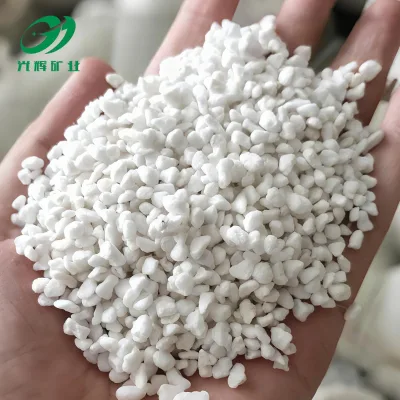
High Quality Natural Perlit Aislamient Termic Perlite Insulation Powder Unexpanded Perlite
$508.89 - $910.91
MOQ: 1 tons
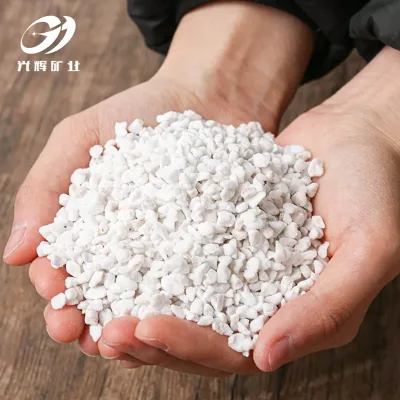
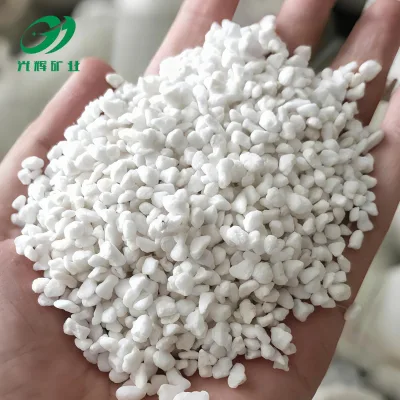
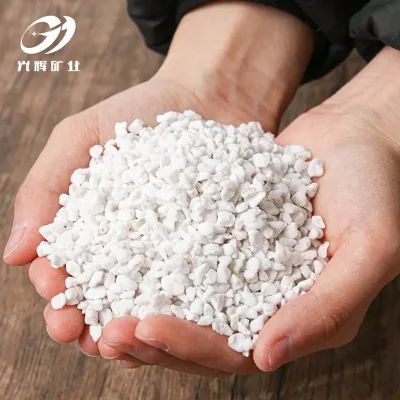
Wholesale Agricultural Horticulture 20-30 Mesh1-3mm 2-4mm 3-6mm Crude Perlite Expanded Perlites
$510.29 - $913.41
MOQ: 1 tons

- Verified by BV
- Trading Company
- China Guangdong
- Lead time30 days
- Avg. response≤ 4h
Main productsHydroponic System, Hydroponic Sponge, Nft Channel, Strawberry Gutter/Tower, Raised Garden Bed, Dutch Bucket, Plastic Net Pot, Substrate, Vegetable Mould, Greenhouse
Main marketsSouth America,Africa,Southeast Asia/ Mideast,East Asia(Japan/ South Korea),Europe,Australia,North America
Lingshou Jiaqi Mineral Processing Factory
- Manufacturer
- Hebei, China
- Lead time10 days
- Avg. response≤ 3h
Main productsTourmaline Powder/Ball,Diatomite,Gypsum Powder,Hydrated Lime,Ceramic Ball
Main marketsEastern Asia(50.00%), Africa(20.00%), Southeast Asia(20.00%), Eastern Europe(10.00%)
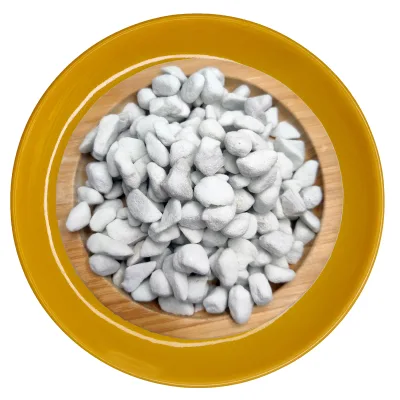
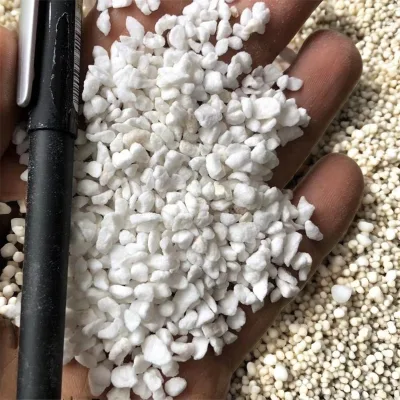
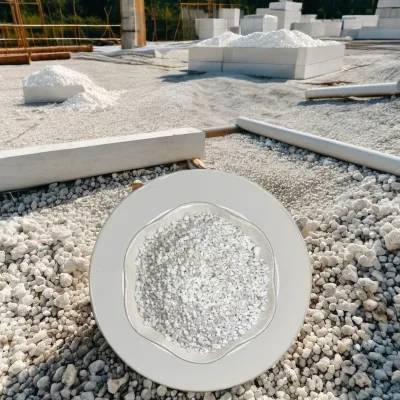
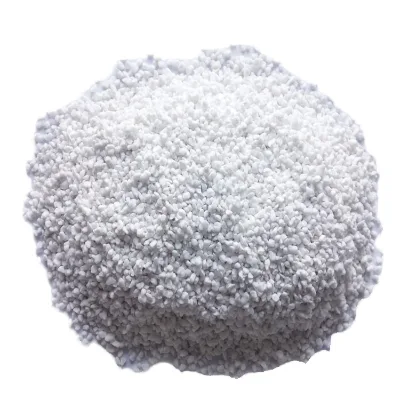
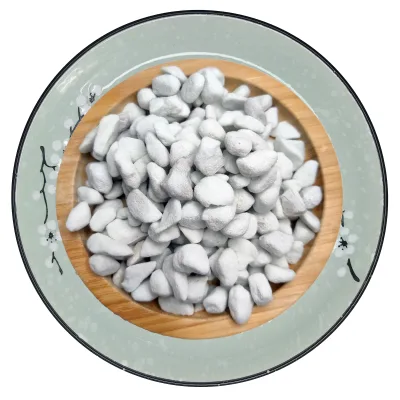
China Source Factory Expanded Perlite Building Thermal Insulation Added Perlite
$26.00 - $30.00
MOQ: 1000
Hebei Bao Du Import and Export Trade Co., Ltd.
- Verified by SGS
- Trading Company
- China Hebei
- Lead time15 days
- Avg. response≤ 5h
Main productsExpanded Clay, Vermiculite, Perlite, Zeolite, Color Flakes, Color Sand, Gravel Stone Pebbles
Main marketsSoutheast Asia/ Mideast,Europe,North America


Soil Mix Nutrition Mineral Perlite Premium Expanded Perlite for Hydroponics
$6.00 - $6.50
MOQ: 500 bag

Hebei Jinshi New Materials Technology Co., Ltd.
- Verified by TüVRheinland
- Manufacturer, Trading Company
- Lead time7 days
- Avg. response≤ 1h
Main productsActivated Clay, Perlite, Zeolite, Dolomite, Silica Fume
Main marketsSouth America(10%), Mid East(10%), Eastern Europe(8%)
Lingshou County Fangzhishun Mineral Products Co., Ltd.
- Trading Company
- Hebei Province, China
- Lead time3 days
- Avg. response≤ 5h
Main productsVolcanic rock,Quartz sand,Fly ash,Silica fume,Calcium carbonate
Main marketsDomestic Market(60.00%), North America(7.00%), Eastern Asia(7.00%), Eastern Europe(5.00%), Africa(5.00%), Central America(5.00%), South Asia(5.00%), Southeast Asia(2.00%), Oceania(2.00%), Western Europe(2.00%)
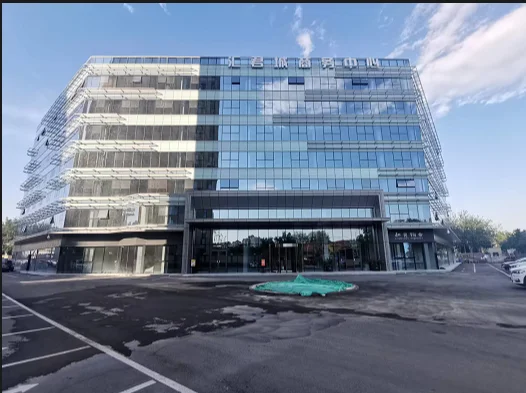
Lingshou County Chaokun Import & Export Trading Co., Ltd.
- Manufacturer, Trading Company
- Hebei, China
- Lead time15 days
- Avg. response≤ 1h
Main productscalcium carbonate,kaolin,Bentonite,Perlite,vermiculite
Main marketsNorth America(40.00%), Southeast Asia(20.00%), Mid East(10.00%), Eastern Europe(7.00%), South America(5.00%), South Asia(5.00%), Central America(5.00%), Domestic Market(2.00%), Eastern Asia(1.00%), Oceania(1.00%), Southern Europe(1.00%), Northern Europe(1.00%), Africa(1.00%), Western Europe(1.00%)
Lingshou Chuangwei Mineral Products Processing Factory
- Verified by Intertek
- Manufacturer, Trading Company
- Lead time20 days
- Avg. response≤ 2h
Main productsBentonite, Iron Oxide, Zeolite, Vermiculite Mica, Color Sand& Colored Stone
Main marketsSoutheast Asia(30%), North America(20%), Eastern Europe(20%)

Shijiazhuang Huabang Mineral Products Co., Ltd.
- Verified by BV
- Combined
- China Hebei
- Lead time15 days
- Avg. response≤ 3h
Main productsMica, Kaolin, Bentonite, Talc, Graphite Powder, Iron Oxide Pigment, Cenosphere, Diatomite Powder, Calcium Carbonate
Main marketsSouth America,Africa,Others(foreignTradeCapacity.exportBusinessCapacityMarketOther),Southeast Asia/ Mideast,East Asia(Japan/ South Korea),Domestic,Europe,Australia,North America

Obturator Pearlite Granular Perlite Powder for Light Perlite Insulation Mortar Firebricks
$270.00 - $298.00
MOQ: 1 Tons


Shandong Jinqi Chemical Co., Ltd.
- Trading Company
- Lead time旺季: "1 - 1":3,"2 - 750":10,"751 - 2250":12,"> 2250":"To be negotiated", 淡季: "1 - 1":3,"2 - 750":10,"751 - 2250":12,"> 2250":"To be negotiated"
- Avg. response≤ 7h
Main productsPVC Resin, MDI, Caustic Soda, Paraffin Wax, Calcium Carbide
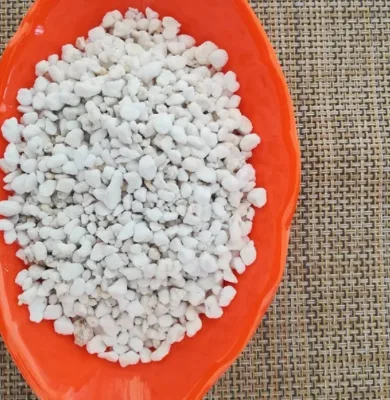
1-3mm 2-4mm Horticultural Expanded White Perlite for Plant Potting Hydroponics
$130.00 - $190.00
MOQ: 1
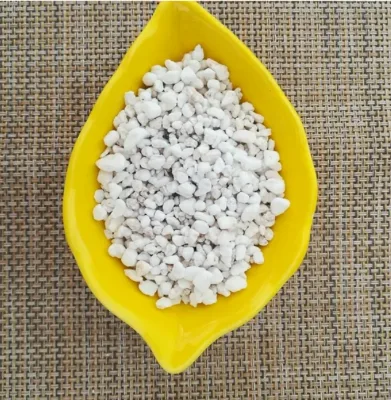
LUOYANG FRERE IMPORT AND EXPORT TRADING CO., LTD.
- Verified by TUVRHEINLAND
- Trading Company,Manufacturer/Factory
- China Henan
- Lead time0 days
- Avg. response≤ 9h
Main productsBrown Fused Alumina, Refractory Lining Mass, Glass Beads/Glass Sand, Steel Shot/Steel Grit, Abrasive Cutting/Grinding Wheel, Abrasive Cutting/Grinding Disc, Abrasive Press Machine and Related, Iron Pyrite, Cryolite, Garnet Sand
Main marketsSouth America,Eastern Europe,Mid East,North America,Southeast Asia,Eastern Asia,Oceania,Western Europe,Africa

AMANDA INTERNATIONAL PRIVATE LIMITED
- Verified by SGS
- Trading Company,Manufacturer/Factory
- China Liaoning
- Lead time15 days
- Avg. response≤ 8h
Main productsWollastonite, Talc, Calcined Talc, Dolomite, Diopside, Bentonite, Zirconium Replacement Ceramic Brightener, Kaolin, Dead Burned Magnesite, Caustic Calcined Magnesite
Main marketsSouth America,Eastern Europe,Mid East,North America,Southeast Asia,Eastern Asia,Oceania,Western Europe,Africa

Hebei Suoyi New Material Technology Co., Ltd.
- Trading Company
- China Hebei
- Lead time15 days
- Avg. response≤ 4h
Main productsRare Earth, Zirconium, Aluminum Oxide, Nano Materials, Yttria Stabilized Zirconia, Zirconia Dental Powder, Zirconium Block, Nitrides&Carbides
Main marketsSouth America,Africa,Southeast Asia/ Mideast,East Asia(Japan/ South Korea),Domestic,Europe,Australia,North America

Xiamen Kaimingli Imp & Exp Co., Ltd.
- Manufacturer, Trading Company
- Fujian, China
- Lead time15 days
- Avg. response≤ 1h
Main productsMarble,Granite,Quartz,Slate,Furniture Table
Main marketsEastern Europe(15.00%), South America(12.00%), Western Europe(10.00%), Southern Europe(9.00%), Mid East(8.00%), Central America(8.00%), North America(8.00%), Southeast Asia(7.00%), Oceania(6.00%), Africa(6.00%), Northern Europe(5.00%), South Asia(3.00%), Eastern Asia(3.00%)

Hunan Rui Yue Industrial and Trade Co., Ltd.
- Verified by SGS
- Combined
- China Hunan
- Lead time23 days
- Avg. response≤ 11h
Main productsFire Assay Crucible and Clay Crucible Cupel, Ceramic Faucet Disc Alumina Ceramic Disc for Tap, Alumina Ceramic Tube Al2O3 Refractory Kiln Tube, Silicon Carbide Beam Kiln Tube Sic Nozzle, Aluminium Nitride Plate Rod Tube with Spare Part, Boron Nitirde Crucible Tubd Special Part, Pbn Crucible Plate Pyrolytic Boron Nitride, Zirconia Tube Plate Crucible Parts, Ceramic Tube Rod Parts, Alumina Ceramic Parts
Main marketsSouth America,Africa,Southeast Asia/ Mideast,East Asia(Japan/ South Korea),Domestic,Europe,Australia,North America
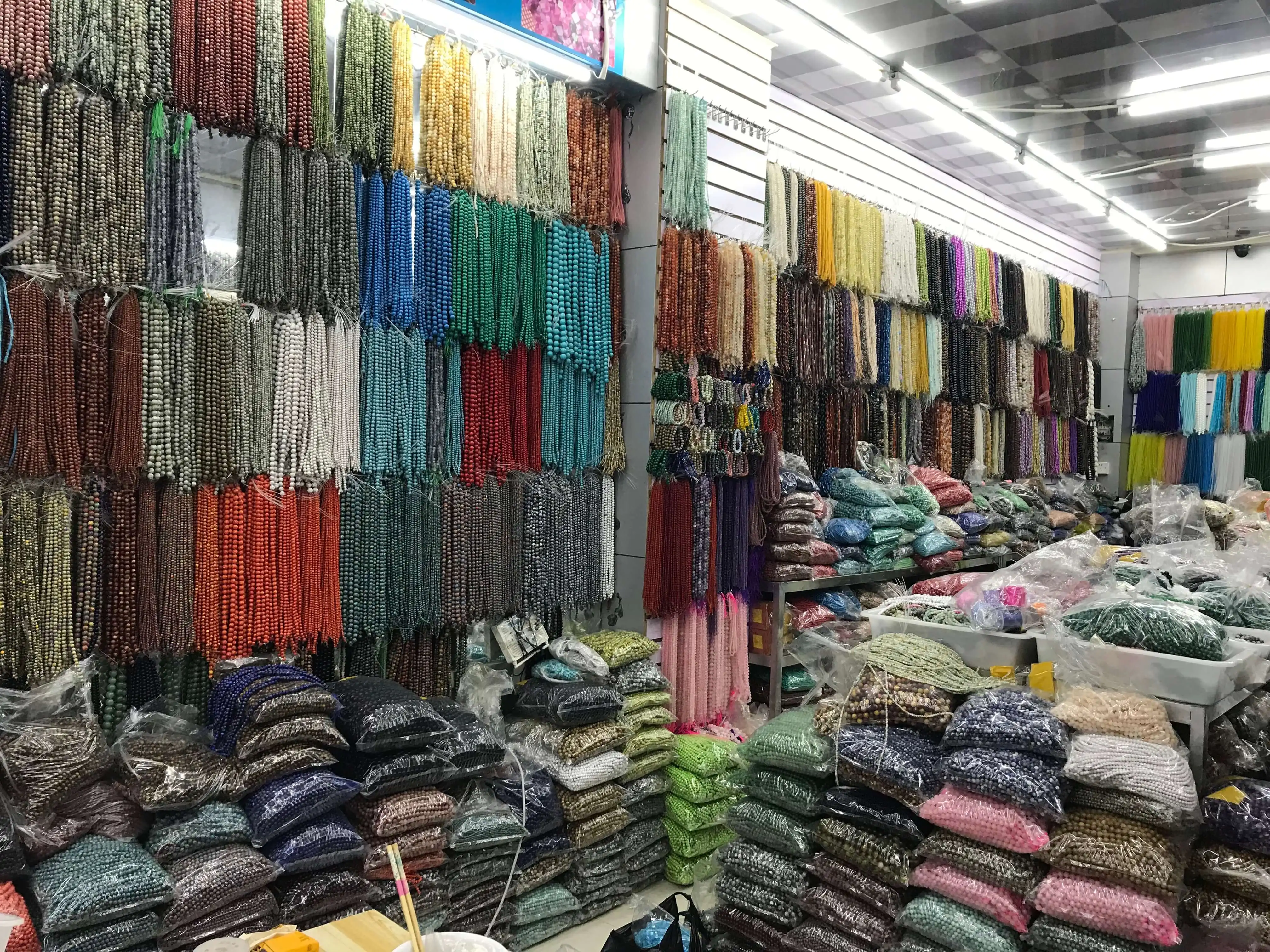
Yiwu Dibishi Jewelry Co., Ltd.
- Trading Company
- Zhejiang, China
- Lead time5 days
- Avg. response≤ 4h
Main productsBeads,Bracelets,Crystal,Gemstone,Loose Beads
Main marketsNorth America(40.00%), Western Europe(20.00%), Northern Europe(10.00%), Eastern Europe(10.00%), Southeast Asia(5.00%), Central America(5.00%), South America(5.00%), Oceania(5.00%)
Shijiazhuang Yandong Mineral Products Co., Ltd.
- Trading Company
- Hebei, China
- Lead time0 days
- Avg. response≤ 4h
Main productszeolite,volcanic rock,Pumice,Calcium powder,Graphite
Main marketsEastern Asia(50.00%), South Asia(30.00%), Northern Europe(10.00%), Mid East(10.00%)
Shanghai Gongtao Ceramics Co., Ltd.
- Verified by TüVRheinland
- Manufacturer, Trading Company
- Lead time30 days
- Avg. response≤ 2h
Main productsCeramic Tube, Silicon Carbide Tube, Ceramic Crucible, Ceramic Connector, Ceramic Heating Elements
Main marketsDomestic Market(40%), North America(10%), Southeast Asia(10%)
Shijiazhuang Deyoute New Material Technology Co., Ltd.
- Verified by SGS
- Trading Company,Manufacturer/Factory
- China Hebei
- Lead time120 days
- Avg. response≤ 1h
Main productsMineral Fiber, Vermiculite, Sepiolite, Glass Fiber, Ceramic Fiber, Mica, Friction Materials, Brake Fiber, Calcined Petroleum Coke, Rock Wool Fiber
Main marketsSouth America,Mid East,North America,Southeast Asia,Eastern Asia,Western Europe,Africa
Henan Hongtai Kiln Refractory Co., Ltd.
- Manufacturer, Trading Company
- Henan, China
- Lead time20 days
- Avg. response≤ 2h
Main productsRefractory Brick,Calcined bauxite,Fire brick,Castable,Refractory ball
Main marketsDomestic Market(42.80%), Southeast Asia(12.60%), South Asia(8.80%), Africa(7.70%), South America(7.20%), Mid East(6.50%), Eastern Asia(5.50%), Central America(3.10%), North America(2.60%), Southern Europe(1.50%), Eastern Europe(0.60%), Western Europe(0.60%), Oceania(0.30%), Northern Europe(0.20%)

Shanghai Yinghe Industry Co., Ltd.
- Trading Company
- China Shanghai
- Lead time15 days
- Avg. response≤ 1h
Main productsSilica, Matting Powder, Silicon Dioxide
Main marketsDomestic

Henan Shengbang Medical Technology Co., Ltd.
- Verified by SGS
- Manufacturer
- China Henan
- Lead time15 days
- Avg. response≤ 21h
Main productsInvestment Material
Main marketsOthers(foreignTradeCapacity.exportBusinessCapacityMarketOther),Europe










Comprehensive Sourcing Guide
Perlite Supplier Concentration and Factory Types
Current data indicates a concentration of suppliers in China, specifically within the Liaoning and Hebei provinces. These regions host a mix of trading companies and manufacturers offering a diverse range of Perlite products, including expanded Perlite for horticulture, insulation materials, and construction aggregates. The primary product categories observed span from growing media like rockwool cubes and seeding trays to industrial applications such as fireproof coatings and lightweight concrete additives. This geographic clustering suggests that buyers can find specialized vendors in these areas, though the specific factory type varies between direct manufacturers and trading entities that aggregate supply from multiple sources.
When evaluating the factory type, buyers must distinguish between trading companies and actual production facilities. The available records show several trading companies operating in these regions, which may offer broader product ranges but could have different lead times compared to direct factories. Some suppliers list extensive main products including vermiculite, mica powder, and bentonite alongside Perlite, indicating a focus on mineral-based solutions. Buyers should verify if the supplier is a direct producer or a middleman by checking their company type designation and asking for factory audit reports. This distinction is critical for understanding the supply chain depth and the potential for customization on specific product models like EP-13 or AS-12.
How to Verify Perlite Suppliers
Verification is a critical step when sourcing Perlite, as the market includes both verified and unverified entities. Some suppliers in the current results hold third-party verification badges from organizations like SGS or TÜV Rheinland, which adds a layer of credibility to their operational claims. However, not all suppliers display system certifications, and some may list their verification status as nil. Buyers should prioritize suppliers with active third-party verification badges and request copies of these certificates to ensure they match the current supplier profile. Relying solely on platform badges without independent confirmation can lead to discrepancies in quality assurance and compliance standards.
Beyond verification badges, buyers must assess the responsiveness and communication reliability of potential partners. The data shows response times ranging from approximately 1.5 to 1.6 hours, which serves as a baseline for expected communication speed. A fast response time often correlates with a more active sales team and better order management capabilities. Buyers should test this responsiveness by sending specific inquiries about product specifications, such as particle size or density, and measuring the actual reply time. Additionally, checking if samples are freely offered can indicate a supplier's confidence in their product quality. Always cross-reference the claimed verification status with the supplier's actual business license and physical address to confirm legitimacy before proceeding with any transaction.
What to Compare Across Perlite Suppliers
Comparing suppliers requires a detailed analysis of key operational metrics such as lead time, minimum order quantity, and pricing structures. The observed data reveals significant variation in these areas; for instance, some suppliers offer a lead time of 15 days, while others claim delivery within 7 days for specific items. Minimum order quantities also differ, with some suppliers requiring as little as 60 units while others set thresholds at 750 units. Buyers must align these constraints with their inventory needs and cash flow capabilities. A supplier with a lower MOQ might be ideal for testing new markets, whereas a higher MOQ supplier could offer better economies of scale for large-scale agricultural or construction projects.
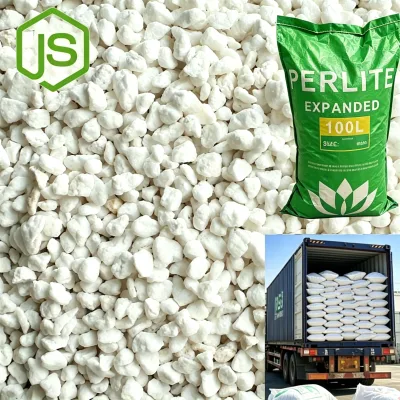
Pricing and product specifications are equally vital comparison points. The price range for Perlite products varies, with some listings showing prices around 4.20 per unit and others ranging from 30 to 48 per unit, depending on the grade and packaging. Buyers should compare the unit price against the specific product attributes, such as density, particle size, and chemical composition like SiO2 content. Some suppliers offer customization options, which can be a decisive factor for specialized applications. Additionally, the packaging format, whether it is 100L woven bags or PP bags, affects logistics costs and storage efficiency. A comprehensive comparison should weigh the total cost of ownership, including shipping and handling, rather than just the base product price.
Common Perlite Sourcing Risks
One significant risk in sourcing Perlite is the potential mismatch between product specifications and actual delivery. While suppliers list detailed attributes like pH levels, density, and particle sizes, there is a risk that the delivered goods may not meet these exact standards. For example, a supplier might advertise a density of 75-120kg/M3, but the actual batch could vary. Buyers should mitigate this risk by requesting pre-shipment samples and insisting on third-party inspection reports before finalizing large orders. Relying solely on the product description provided in the listing without physical verification can lead to quality issues that disrupt production schedules or compromise agricultural yields.
Another risk involves the reliability of the supply chain and the consistency of lead times. Although some suppliers claim a 7-day delivery time, others list 15 days, and these figures can fluctuate based on raw material availability or production capacity. Trading companies, in particular, may face delays if their upstream manufacturers experience bottlenecks. Buyers should verify the supplier's ability to meet deadlines by reviewing their historical performance and asking for references from previous clients. Additionally, the lack of system certifications for some suppliers increases the risk of non-compliance with international safety or environmental standards. It is essential to confirm that the supplier can adhere to specific regulatory requirements for the target market to avoid customs delays or product rejection.
Perlite Regional Sourcing and Logistics
Sourcing from China, particularly from Liaoning and Hebei provinces, offers access to a robust network of Perlite producers and traders. These regions are known for their mineral resources and established logistics infrastructure, which facilitates the export of bulk materials like expanded Perlite. The proximity of these suppliers to major ports can reduce shipping times and costs, making them attractive options for international buyers. However, buyers must account for the specific logistics requirements of bulk mineral products, which often require specialized packaging to prevent damage during transit. Understanding the regional capabilities of these suppliers helps in planning efficient supply chains and minimizing transit risks.
Logistics planning should also consider the packaging standards and shipping methods recommended by the supplier. The data indicates various packaging options, including 100L woven bags and PP bags, which influence how the product is loaded and shipped. Buyers should confirm whether the supplier offers palletized shipping or bulk container loading to optimize space and reduce handling costs. Additionally, the origin of the product, such as Xinyang or Hebei, may affect the specific shipping routes and customs procedures. Buyers need to verify the HS codes, such as 6806200000, to ensure accurate classification and duty calculation. A clear understanding of the regional logistics landscape allows buyers to negotiate better freight terms and ensure timely delivery to their destination.
Perlite Commercial Terms and Order Planning
Commercial terms for Perlite orders often include specific conditions regarding payment, customization, and sample availability. Many suppliers in the current results indicate that samples are freely offered, which is a favorable term for buyers looking to test product quality before committing to large orders. Customization is also frequently available, allowing buyers to tailor product specifications like particle size or packaging to their unique needs. However, buyers must clarify the costs associated with customization and ensure that these terms are explicitly stated in the purchase agreement. Understanding these commercial terms helps in budgeting accurately and avoiding unexpected expenses during the order fulfillment process.
Order planning should also account for the minimum order quantities and lead times to ensure smooth inventory management. With MOQs ranging from 60 to 750 units, buyers need to calculate the optimal order size that balances cost efficiency with storage capacity. Lead times, which vary from 7 to 15 days, should be factored into the production schedule to prevent stockouts. Buyers should also consider the response time of the supplier, as a faster response can facilitate quicker resolution of any issues that arise during the order process. By carefully planning orders based on these commercial terms, buyers can maintain a steady supply of high-quality Perlite while managing their working capital effectively.
FAQs
What are the typical lead times for Perlite orders?
Lead times for Perlite orders vary by supplier and product specifications. Some suppliers offer a delivery time of 7 days for specific expanded Perlite models. Others may require up to 15 days for standard shipments. Buyers should confirm exact timelines based on their chosen product model and packaging requirements before placing an order.
What is the minimum order quantity for Perlite products?
Minimum order quantities for Perlite products differ significantly across suppliers. Some listings require a minimum of 60 units, while others set the threshold at 70 or 750 units. The specific MOQ depends on the product type, such as granulated insulation or horticultural growing media. Buyers must check individual product pages to verify the exact requirement.
Where are the main Perlite suppliers located?
Major Perlite suppliers are located in China, specifically in the Liaoning and Hebei provinces. These regions are known for producing expanded Perlite, vermiculite, and other mineral-based growing media. Buyers sourcing these materials should expect origins from these specific Chinese provinces when reviewing supplier profiles and product attributes.
What certifications do Perlite suppliers hold?
Certification status varies among the available Perlite suppliers. Some suppliers have been verified by SGS, while others hold verification from TÜV Rheinland. A number of suppliers currently show no listed system certifications. Buyers should verify specific certification details directly with the supplier to ensure compliance with their quality standards.
What are the common particle sizes for expanded Perlite?
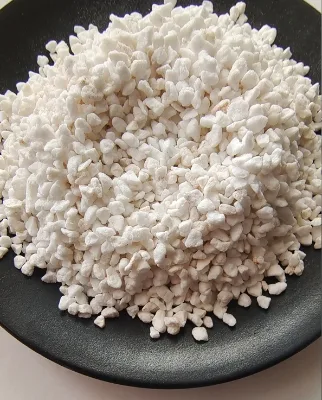
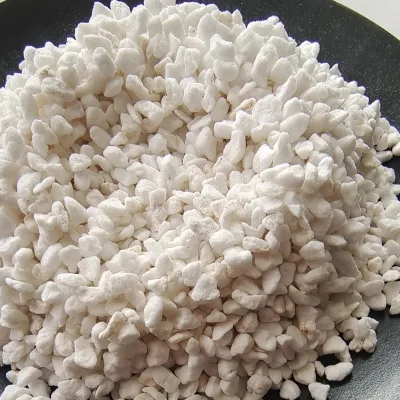
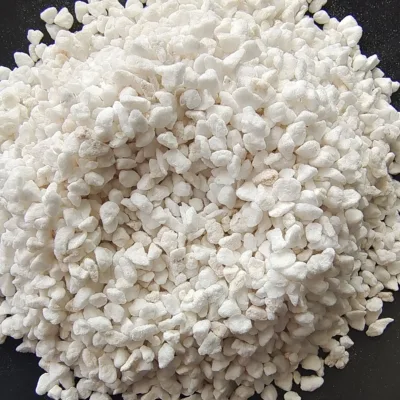
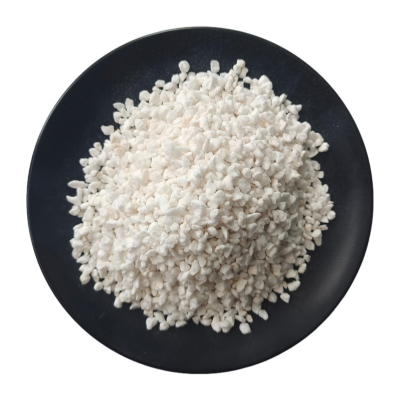
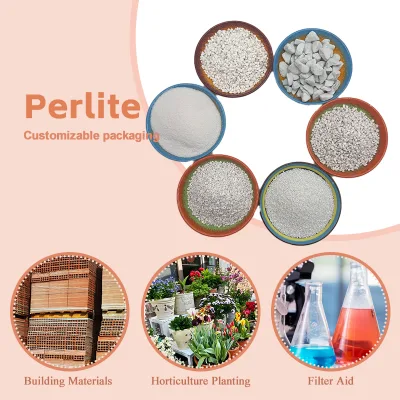
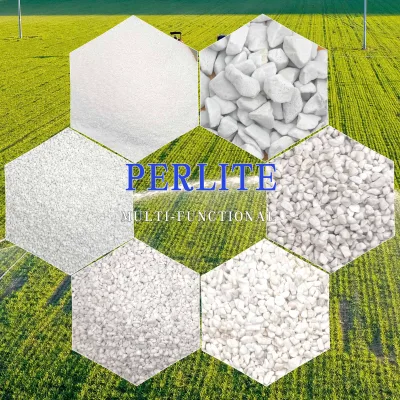
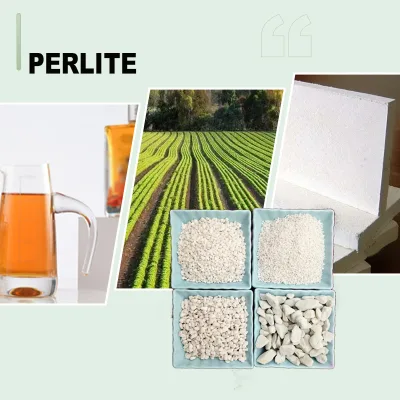
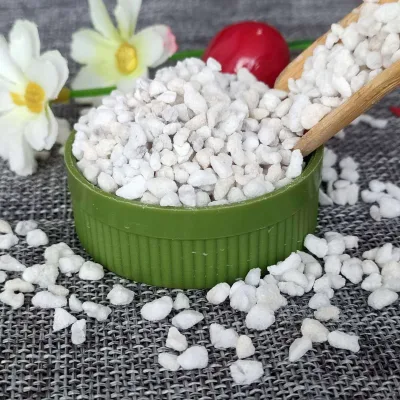
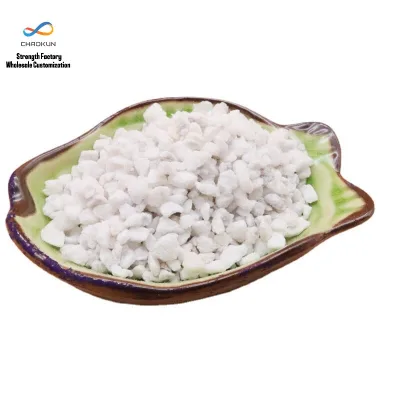
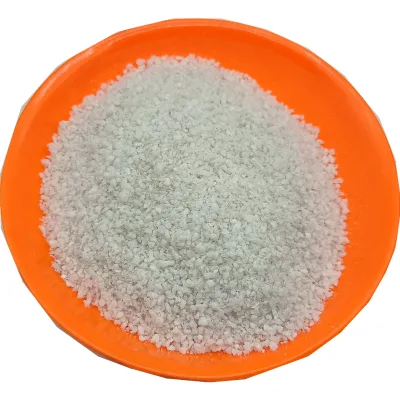
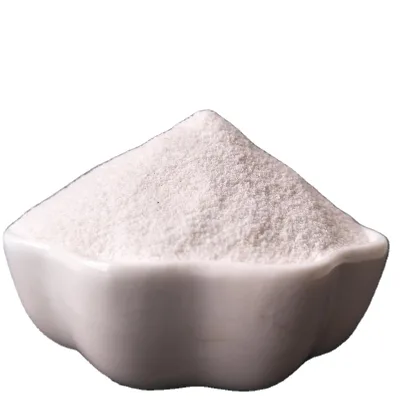
Expanded Perlite is available in various particle sizes to suit different applications. Common sizes include 2-4mm, 3-6mm, 4-8mm, and 8-12mm. Some suppliers also offer finer grades like 0.15-1.18mm or coarser options up to 16-20mm. The selection depends on whether the Perlite is intended for horticulture, construction, or industrial insulation.
How fast do suppliers typically respond to inquiries?
Supplier response times for Perlite inquiries generally range between 1.5 and 1.6 hours. Specific data indicates response times of 1.51 and 1.57 hours for certain suppliers. This metric reflects the speed at which potential buyers can expect to receive initial contact or quotes after submitting an inquiry through the platform.
What are the price ranges for expanded Perlite?
Prices for expanded Perlite vary based on the product type and packaging. Some listings show prices starting around 4.20 per unit, while others range from 30 to 48 per unit. Specific products like horticultural Perlite may have different pricing structures compared to industrial insulation grades. Buyers should compare specific product listings for accurate cost estimates.