Pet Feeding Spoon Suppliers and Manufacturers in China
Source 33 verified Pet Feeding Spoon suppliers from Guangdong and Zhejiang. Compare response times, lead times, certifications, and MOQs to find the right partner. Filter results to request quotes and verify production capabilities; review the available evidence before requesting comparable quotations from suitable candidates.
Suppliers List
Guangzhou Babyhouse Pet Supplies Co., Ltd.
- Manufacturer, Trading Company
- Guangdong, China
- Lead time5 days
- Avg. response≤ 3h
Main productsCollars,Harnesses,Leashes,Dog Muzzles,Toys
Main marketsNorth America(50.0%), Western Europe(10.0%), Southeast Asia(10.0%), Eastern Europe(10.0%), South America(10.0%), Northern Europe(5.0%), Central America(5.0%)
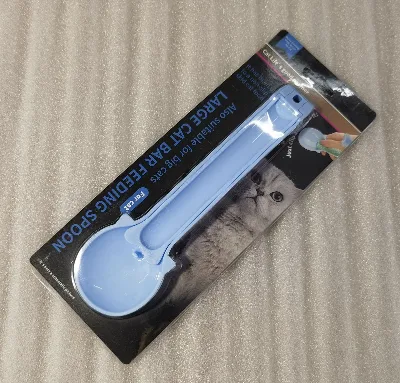
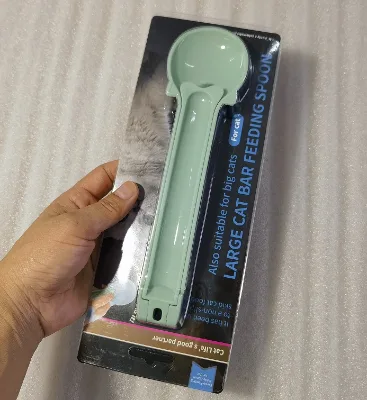
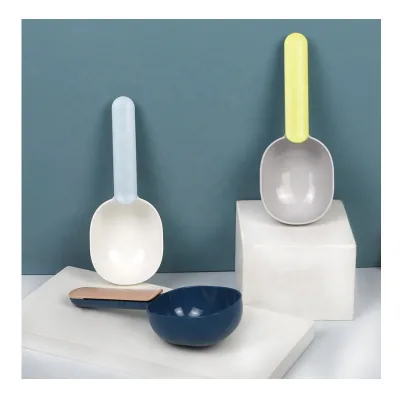
Pet Scoop Feeding Cat Strip Squeeze Spoon Pet Feeder Lickable Cat Snack Spoon Silicone Portable
$0.49 - $0.61
MOQ: 160 pieces

NINGBO BANGZHIYOU ARTS INDUSTRY AND TRADE CO., LTD.
- Verified by BV
- Trading Company
- China Zhejiang
- Lead time30 days
- Avg. response≤ 19h
Main productsPet Supplies, Pet Foods Snacks, Pet Trainer Collar, Pet Bed, Pet Toys, Pet Clothes, Equestrian Supplies, Pet Backpack, Cat Scratcher
Main marketsSouth America,Africa,Southeast Asia/ Mideast,East Asia(Japan/ South Korea),Europe,Australia,North America
- Verified by SGS
- Trading Company
- China Zhejiang
- Lead time15 days
- Avg. response≤ 13h
Main productsPet Harness, Pet Collar, Pet Leash, Pet Feeder, Pet Carries, Pet Toy, Pet Bed, Pet Grooming, Pet Accessories
Main marketsEurope,Australia

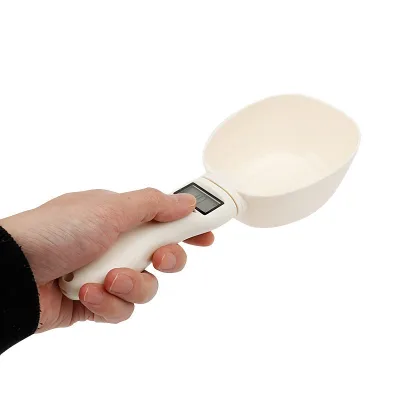
Cat Food Dog Food Weighing Spoon Electronic Weighing Pet Supplies Measuring Spoon
$6.33 - $6.73
MOQ: 500 Pieces


Electronic Measuring Spoon Pet Food Electronic Measuring Spoon Pet Supplies
$3.26 - $3.46
MOQ: 500 Pieces

Portable Pet Scoop Weighing Scale Cup Dog Cat Feeding Bowl Spoon Pet Food Measuring Scoop
$1.65 - $1.70
MOQ: 150 Pieces

Pet Food Spoon Transparent Belt Scale Measuring Food Spoon Pet Tableware
$1.00 - $1.10
MOQ: 500 Pieces
Haining Aini Pet Products Co., Ltd.
- Trading Company
- Zhejiang, China
- Lead time0 days
- Avg. response≤ 6h
Main productsPet Pad,Doghouse,Adult urinal pads,Bibs,Pet training supplies
Main marketsSouth America(25.0%), Southern Europe(15.0%), Eastern Europe(15.0%), Western Europe(15.0%), Northern Europe(10.0%), South Asia(10.0%), Oceania(5.0%), North America(5.0%)
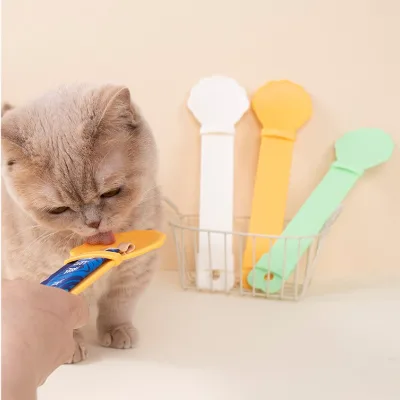
Pet Feeding Spoon Squeezer Cat Strip Feeder Cat Feeding Tool Accessories Pet Supplies
Contact supplier
MOQ: 100 Minimum
Qingdao Yuanche International Trade Co., Ltd.
- Verified by SGS
- Trading Company,Manufacturer/Factory
- China Shandong
- Lead time15 days
- Avg. response≤ 3h
Main productsPet Supply, Dog Harness, Pet Bed, Pet Toys, Pet Bowl, Pet Grooming Tools, Pet Clothes, Pet Carrier, Pet Cage, Aquarium Supplies
Main marketsSouth America,Eastern Europe,Mid East,North America,Southeast Asia,Eastern Asia,Oceania,Western Europe,Africa
Hangzhou Pinyu Commerce Co., Ltd.
- Verified by Intertek
- Trading Company
- Lead time60 days
- Avg. response≤ 6h
Main productsPet Toy, Pet Interactive Toy, Pet Supplies
Main marketsNorth America(60%), Eastern Asia(10%), Eastern Europe(10%)
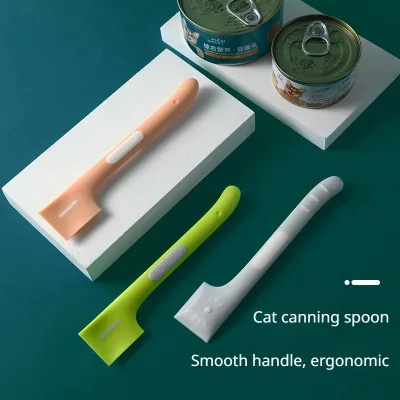
$0.86 - $0.87
MOQ: 10 pieces
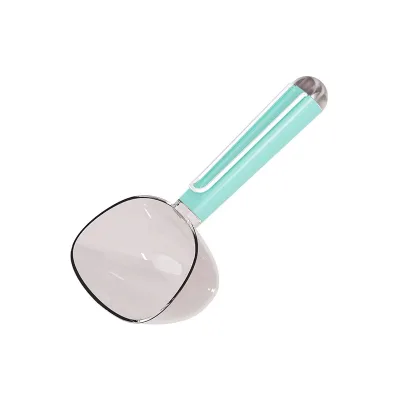
$0.49 - $0.96
MOQ: 10 pieces
Guangzhou Jinchen Internet Technology Co., Ltd.
- Verified by Intertek
- Trading Company
- Lead time15 days
Main productsLED Pet Collar, Pet Bowl, LED Collar Light, Pet Comb
Main marketsMid East(33%), Southeast Asia(27%), Western Europe(15%)
Henan Imperial Europe Industrial Co., Ltd.
- Verified by SGS Group
- Manufacturer, Trading Company
- Lead time3 days
- Avg. response≤ 5h
Main productsHousehold products, Pet products, Light, Home appliances, Mechanical equipment
Main marketsNorth America(50%), Western Europe(50%)
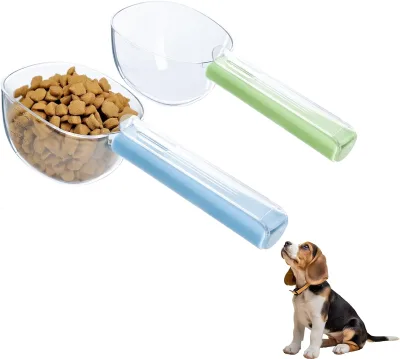
Hygiene Feeding Plastic Pet Food Spoon for Dogs and Cats with Retrieval Spoon and Clip
$0.65 - $0.80
MOQ: 100 pieces
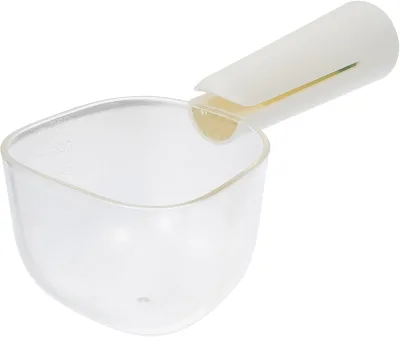
Wholesale Multi-Function Plastic Pet Food Measuring Spoon for Feeding Your Furry Friend
$0.85 - $1.00
MOQ: 100 pieces
Dongyang Hanhanle Pet Products Co., Ltd.
- Manufacturer, Trading Company
- Zhejiang, China
- Lead time25 days
- Avg. response≤ 4h
Main productspet products
Main marketsDomestic Market(65.0%), North America(8.0%), Southern Europe(7.000000000000001%), Southeast Asia(6.0%), Western Europe(4.0%), South America(3.0%), Eastern Asia(3.0%), Central America(2.0%), Oceania(2.0%)
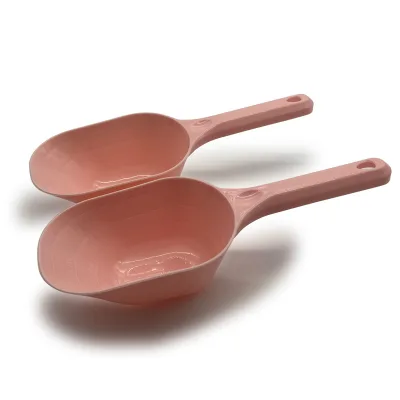
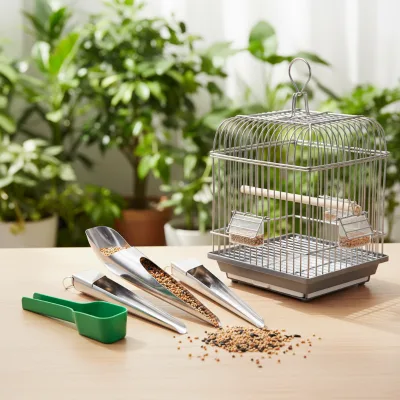
$0.22 - $0.79
MOQ: 200 Minimum
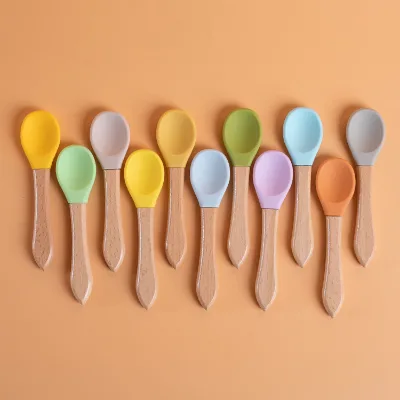
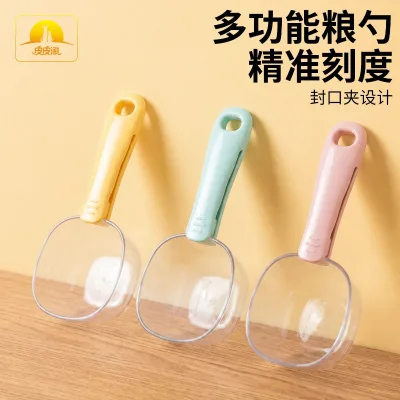
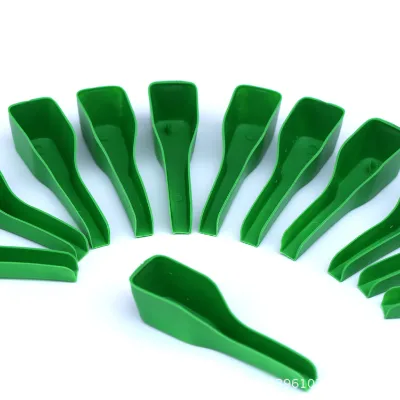

Dongguan Kezhi Silicone Rubber Products Co., Ltd.
- Manufacturer, Trading Company
- Guangdong, China
- Lead time5 days
- Avg. response≤ 4h
Main productsSilicone drip tips,Silicone Meal Mat,Plastic Breathing Valve,Rubber Foot Pad,Tableware silicone products
Main marketsDomestic Market(60.0%), South Asia(10.0%), Eastern Asia(10.0%), Western Europe(5.0%), Eastern Europe(5.0%), Oceania(4.0%), Northern Europe(2.0%), Southern Europe(2.0%), North America(2.0%)
Quanzhou Honeypet Pet Products Co., Ltd.
- Trading Company
- Fujian, China
- Lead time7 days
- Avg. response≤ 1h
Main productsPet Collars & Leashes,Pet Apparel & Accessories,Pet Cleaning & Grooming Products,Garment & Processing Accessories,Other Pet Products
Main marketsNorth America(30.0%), South Asia(10.0%), Southern Europe(10.0%), Northern Europe(10.0%), Western Europe(10.0%), Southeast Asia(10.0%), Eastern Europe(10.0%), South America(10.0%)

Dongguan Bright Sea Industrial Co., Ltd.
- Trading Company
- China Guangdong
- Lead time23 days
- Avg. response≤ 3h
Main productsPaper Jewellery Gift Boxes, Leather Cosmetic Display Boxes, Wooden Cigar Storage Humidor, Plastic Acrylic Display Boxes Envelopes, Tin Storage Box EPE Foams Egg Cartons, Jigsaw Puzzle Label Stickers Paper Pulp Trays, Collection Albums Bubble Express Bag, Photo Frames Insulated Cartons, Silicone Products Cat Scratching Boards
Main marketsDomestic,Europe,Australia,North America
Dongguan Geshifeng Metal Products Co., Ltd.
- Verified by SGS Group
- Manufacturer, Trading Company
- Lead time10 days
- Avg. response≤ 2h
Main productsPigeon Foot Rings, Bird Cage, Bird Toys, Pigeon Accessories, Bird Accessories
Main marketsNorth America(18%), Domestic Market(17%), Mid East(14%)
- Trading Company
- China Zhejiang
- Lead time30 days
- Avg. response≤ 10h
Main productsHome Appliance, Cookware Set, Thermos, Home Storage, Furniture, Pet Supplies, Garden Tools, Outdoor Supplies, Baby Supplies, Houesehold Items
Main marketsSouth America,Africa,Southeast Asia/ Mideast,East Asia(Japan/ South Korea),Domestic,Europe,Australia,North America
Dongguan Huayue Business Co., Ltd.
- Verified by SGS Group
- Manufacturer, Trading Company
- Lead time15 days
- Avg. response≤ 3h
Main productsStainless Steel Baby Cutlery, BBQ Tools, Stainless Steel Cutlery Sets, Cookie Cutter, Cutlery With Polyresin Handles
Main marketsMid East(28%), North America(20%), Eastern Europe(19%)
Jinhua Hengyang Cross Border Trade Co., Ltd.
- Trading Company
- Zhejiang, China
- Lead time0 days
- Avg. response≤ 4h
Main productsKitchen,Housekeeping,Household Sundries,Home Decor,Hotel Supplies
Main marketsSouth Asia(10.0%), Central America(10.0%), Eastern Asia(10.0%), Mid East(10.0%), South America(10.0%), North America(10.0%), Domestic Market(5.0%), Oceania(5.0%), Southern Europe(5.0%), Northern Europe(5.0%), Africa(5.0%), Western Europe(5.0%), Southeast Asia(5.0%), Eastern Europe(5.0%)

Guangdong RoRo Baby Products Co., Ltd.
- Verified by TUVRHEINLAND
- Manufacturer/Factory
- China Guangdong
- Lead time23 days
- Avg. response≤ 2h
Main productsBaby Bottle Baby Feeding Bottle Baby Feeder, Nipple Teat Baby Bottle Nipple, Pacifier Soother Baby Pacifier, Teether Baby Teether Baby Soother, Water Cup Baby Drink Cup Baby Training Cup, Food Container Milk Powder Box Milk Powder Case, Baby Water Bottle, Breast Pump Breast Shield Silicone Breast Pump, Manual Breast Pump Baby Bowl Baby Spoon, Fruit Feeder Glass Bottle Food Feeder Baby Care
Main marketsSouth America,Eastern Europe,Mid East,North America,Southeast Asia,Eastern Asia,Oceania,Western Europe,Africa


Factory Spot Direct Selling Food Grade Baby Spoon Feeding Bottle Plastic Spoon Soft Touch Spoon
$0.20 - $0.30
MOQ: 1000 Pieces

Food Grade Custom Soft Feeding Training Silicone Baby Spoon Training Spoon
$0.34 - $0.60
MOQ: 1000 Pieces


Zhengzhou Chuangduo Machinery Manufacturing Co., Ltd.
- Manufacturer, Trading Company
- Henan, China
- Lead time0 days
- Avg. response≤ 1h
Main productsFarming machinery for breeding,Livestock breeding machinery,Feed processing machinery,Poultry Farming Equipment,Pet Supplies
Main marketsSoutheast Asia(20.0%), South America(20.0%), North America(20.0%), Africa(10.0%), Eastern Europe(10.0%)
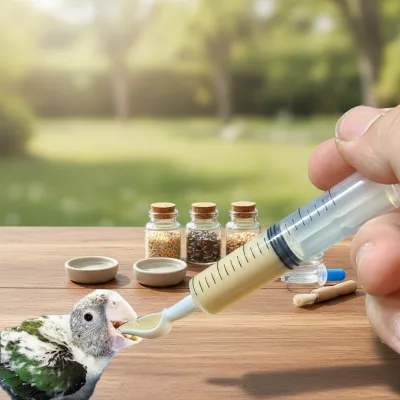
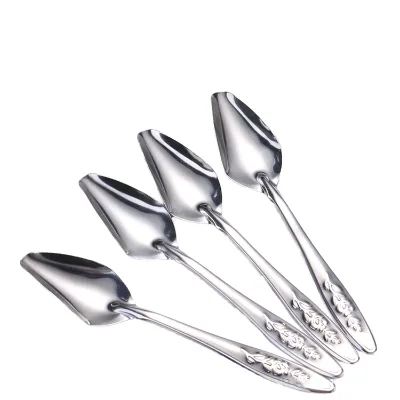
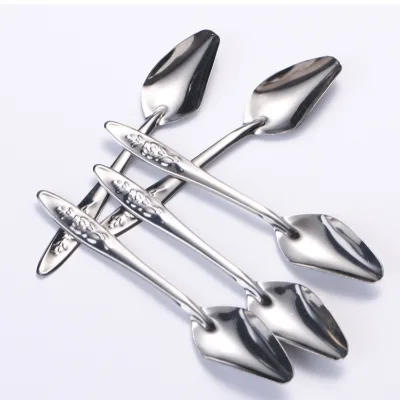
Modern Stainless Steel Feeding Spoon for Baby Parrots and Birds New Animal Feeders
$0.06 - $0.09
MOQ: 100
HONGKONG BAIYA GROUP CO., LIMITED
- Manufacturer, Trading Company
- Hong Kong S.A.R.
- Lead time20 days
- Avg. response≤ 3h
Main productsDog Toy,Cat Toy,Pet Grooming products,pPet Bowls Feeders,Pet Accessories
Main marketsDomestic Market(40.0%), North America(20.0%), Oceania(8.0%), South America(6.0%), Eastern Asia(5.0%), Western Europe(4.0%), Southern Europe(3.0%), Southeast Asia(2.0%), Mid East(2.0%), South Asia(2.0%), Northern Europe(2.0%), Eastern Europe(2.0%), Central America(2.0%), Africa(2.0%)
- Trading Company
- Zhejiang, China
- Lead time15 days
- Avg. response≤ 4h
Main productsDaily provisions,Beauty makeup tools,Wash bath things,Kitchen cleaner,hangers
Main marketsNorth America(30.0%), Western Europe(20.0%), South Asia(10.0%), Southeast Asia(10.0%), Eastern Asia(10.0%), Africa(10.0%), Central America(5.0%), Northern Europe(5.0%)

Wenzhou Cathylin International Trade Co., Ltd.
- Verified by TUVRHEINLAND
- Trading Company
- China Zhejiang
- Lead time15 days
- Avg. response≤ 14h
Main productsFlatware, Cutlery, Kitchen Tools, Tableware, Cookware, Bakeware, Drinkware
Main marketsNorth America

ZHUHAI KAMEDA TECHNOLOGY CO., LTD
- Verified by BV
- Trading Company,Manufacturer/Factory
- China Guangdong
- Lead time23 days
- Avg. response≤ 10h
Main productsMeasuring Tools, Plastic Clips, Housewares Packing, Daily Necessities, Customizing PCB
Main marketsSouth America,Eastern Europe,Mid East,North America,Southeast Asia,Eastern Asia,Oceania,Western Europe,Africa


20 Gram Measuring Scoop 20g Measure Tool 40ml Plastic Spoon Pet Food Spoons
$0.10 - $0.12
MOQ: 10000 Pieces


Guangzhou Jianxin Plastic Products Co., Ltd.
- Verified by BV
- Combined
- China Guangdong
- Lead time15 days
- Avg. response≤ 4h
Main productsPlastic Packaging, Disposable Tableware, Disposable Plastic Cup&Lid, Plastic Bowl, Plastic Tary, Plastic Container, Blister Packaging, Plastic Food Packaging, Disposable Food Container, Disposable Catering Supplies
Main marketsSouth America,Africa,Southeast Asia/ Mideast,East Asia(Japan/ South Korea),Europe,Australia,North America
Bestpet (Dongyang) Pet Product Co., Ltd.
- Trading Company
- Zhejiang, China
- Lead time7 days
- Avg. response≤ 3h
Main productsPet toys,Pet Bowls & Feeders,Dog poop bags dispenser,Pet Cleaning & Grooming Products,Pet Collars & Leashes
Main marketsNorth America(30.0%), Western Europe(15.0%), Northern Europe(10.0%), South America(10.0%), Mid East(10.0%), Southern Europe(10.0%), Eastern Europe(10.0%), Oceania(5.0%)
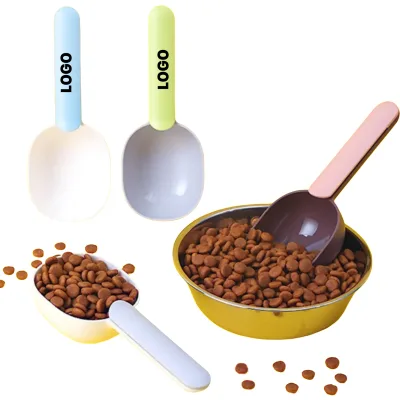
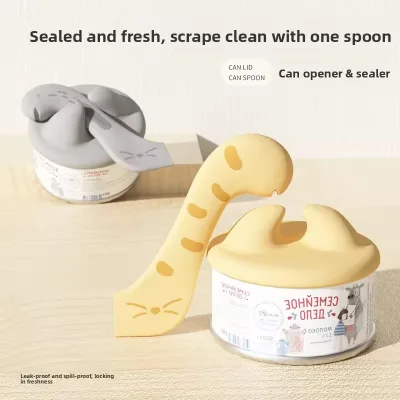
Pet Cat Can Spoon Multi-Function Opener for Wet Feeding Supplies
Contact supplier

Kingsun Baby Products Co., Ltd.
- Verified by TUVRHEINLAND
- Trading Company,Manufacturer/Factory
- China Guangdong
- Lead time23 days
- Avg. response≤ 5h
Main productsBaby Bottle, Nipple, Pacifier, Breast Pump, Teethers, Baby Water Bottle, Nasal Aspirator, Baby Dinner Set, Baby Products, Feeding Accessories
Main marketsSouth America,Eastern Europe,Mid East,North America,Southeast Asia,Oceania,Western Europe,Africa

Xiamen Flying Silicone Rubber Co., Ltd.
- Verified by TUVRHEINLAND
- Trading Company,Manufacturer/Factory
- China Fujian
- Lead time23 days
- Avg. response≤ 11h
Main productsSilicone Rubber Auto Parts, Silicone Rubber Keypad, Silicone Rubber Gasket, Silicone Rubber O-Ring, Silicone Rubber Valve, Silicone Rubber Kitchenware, Plastic Injection Parts, Silicone Rubber Gifts, Silicone Medical Accessories, LSR Baby Care
Main marketsSouth America,Eastern Europe,North America,Southeast Asia,Western Europe

Eco-Friendly Silicone Spoon Spoon Silicone Soup Spoon Baby Feeding Spoon
$0.10 - $0.16
MOQ: 1000 Pieces


Ninghai Dougez Pet Product Co., Ltd.
- Verified by TüVRheinland
- Manufacturer, Trading Company
- Lead time20 days
- Avg. response≤ 1h
Main productsPet Products
Main marketsSouth America(30%), Western Europe(12%), Southeast Asia(10%)
$1.17 - $1.25
MOQ: 100 pieces
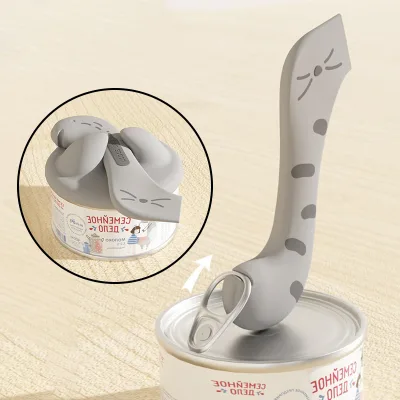
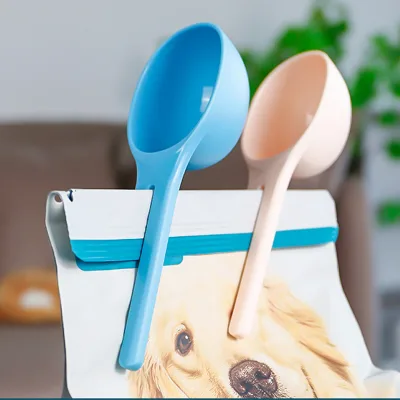
High Quality Pet Cat Can Spoon Multi-function Cat Can Opener Pet Wet Feeding Spoon Pet Supplies
Contact supplier
MOQ: 100

Qingdao ShengHong Rubber and Plastic Co., Ltd
- Verified by TUVRHEINLAND
- Trading Company
- China Shandong
- Lead time15 days
- Avg. response≤ 8h
Main productsOil Sealing, Damping and Buffering, Flexible Fittings for Fluid Pipelines, Protective Seals, Sealing Strip, Metal Stamped Products, Framework Oil Seals, Stamping, Rubber Product, Rubber Seal
Main marketsEurope

Jinjiang Jiaxing Import and Export Co., Ltd.
- Verified by CTI
- Manufacturer/Factory
- China Fujian
- Lead time120 days
- Avg. response≤ 1h
Main productsShoes, Slipper, Clothes, Promotion Gifts, Silicone Products, Outdoor Sports Products, Bags, Fashion Accessories, Consumer Electronics
Main marketsSouth America,Eastern Europe,Mid East,North America,Southeast Asia,Eastern Asia,Oceania,Western Europe,Africa

Qingdao Protech Rubber&Plastic Co., Ltd.
- Verified by TUVRHEINLAND
- Trading Company
- China Shandong
- Lead time15 days
- Avg. response≤ 12h
Main productsRubber O Rings, Rubber Gaskets, Injection Molded Plastic Parts, Silicone Rubber Profile, Metal Products, ABS Plastic Bush, Rubber Products, Custom Injection Plastic Parts, Self-Fusing Silicone Tape, Plastic Cover
Main marketsSouth America,Southeast Asia/ Mideast,Europe,North America

Zhongshan Mingxin Silicone Manufactory
- Verified by SGS
- Combined
- China Guangdong
- Lead time15 days
- Avg. response≤ 6h
Main productsSilicone Kitchenware, Silicone Keypaid, Silicone Bracelet, Silicone Wristband, Silicone Ashtray, Silicone Tube, Silicone Watch, Silicone Rubber, Silicone Sex Doll, Silicone Mold
Main marketsEurope,North America

Yuyao Xianghao Mold Technology Company Limited
- Verified by BV
- Trading Company
- China Zhejiang
- Lead time30 days
- Avg. response≤ 10h
Main productsInjection Mold, Plastic Mold, Injection Molding, Rapid Prototyping, 3D Pritting, Manhole Cover Mold, Silicone Rubber Mould, Wire Rack, Car Air Compressor, LED Light
Main marketsNorth America

Ningbo Greenhome International Trade Co., Ltd.
- Verified by SGS
- Trading Company
- China Zhejiang
- Lead time30 days
- Avg. response≤ 6h
Main productsDisposable Plastic Tableware, Disposable Woodentableware, Disposable Bamboo Tableware, Disposable Paper Tableware, Disposable Biobased Tableware, Disposable Biodearadable Tableware
Main marketsAfrica,Southeast Asia/ Mideast,Europe,North America

Plastic Soup Spoon Clear Large Plastic Spoon Disposable Plastic Spoon Manufacturer
$11.76 - $14.11
MOQ: 20000 Boxes





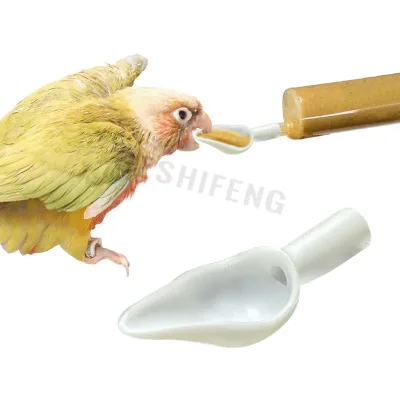


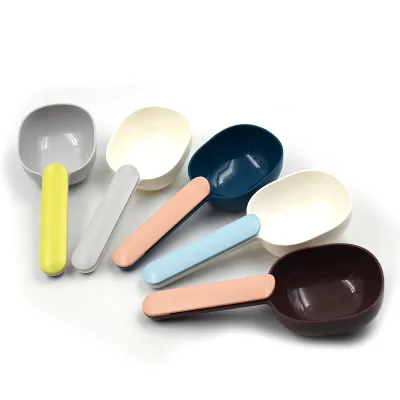
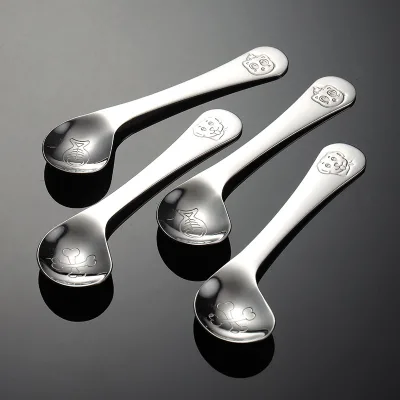
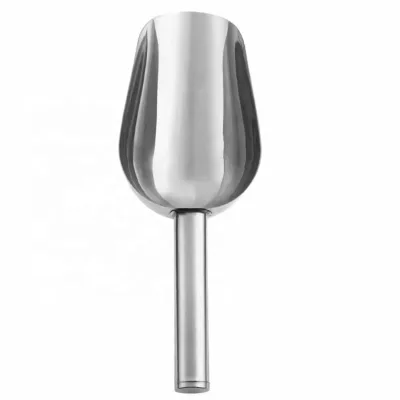



Comprehensive Sourcing Guide
Pet Feeding Spoon Supplier Concentration and Factory Types
The available data indicates a significant concentration of manufacturing activity in Guangdong, China, where specific product listings for silicone and plastic feeding spoons originate. This region hosts both manufacturers and trading companies capable of producing items like the Baboney brand silicone spoons and the Dancing Paws electronic measuring spoons. Buyers observing these results should note that the primary product categories often extend beyond simple spoons to include collars, harnesses, and various pet toys, suggesting these facilities operate as multi-category pet supply hubs rather than specialized single-product factories. The presence of a trading company based in Zhejiang, China, further illustrates the mixed supplier landscape where some entities focus on sourcing and distribution while others manage direct production lines.
When evaluating the factory type, buyers must distinguish between entities that list themselves as manufacturers and those operating as trading companies. The evidence shows that some suppliers offer private labeling and customization, which is a capability often associated with direct manufacturing control over molds and material sourcing. However, the presence of trading companies in the results suggests that buyers may also encounter intermediaries who aggregate products from various factories. It is critical to verify the actual production capability of a supplier before committing to large orders, as the distinction between a factory and a trading company directly impacts lead times, quality control access, and the ability to implement custom design changes for specific Pet Feeding Spoon models.
How to Verify Pet Feeding Spoon Suppliers
Verification processes should begin by examining the specific certifications listed on product pages, as some suppliers explicitly display FDA, ISO, and BRC certifications for their pet feeding products. These credentials are particularly relevant for items intended for direct food contact, such as the PP material measuring cups and silicone spoons found in the current results. Buyers should not assume all suppliers possess these standards; instead, they must request current certification documents to confirm compliance with international safety requirements. The presence of a BV verification badge on a trading company profile serves as an additional layer of trust, indicating that the entity has undergone third-party business verification, though this does not automatically guarantee product quality without further inspection.
Response time and delivery speed are also critical verification metrics that reflect a supplier's operational efficiency and reliability. The data shows response times varying significantly, with some suppliers responding within three hours while others take over eighteen hours to reply to inquiries. A rapid response often correlates with a more active sales team and better communication channels, which is essential for resolving issues regarding material specifications or custom branding requests. Buyers should also check the stated lead times, noting that some suppliers offer delivery windows as short as two to four days for specific items, while others indicate a thirty-day production cycle. These discrepancies highlight the need to confirm current capacity and production schedules before finalizing any purchase agreement.
What to Compare Across Pet Feeding Spoon Suppliers
Comparing suppliers requires a detailed analysis of minimum order quantities (MOQ) and pricing structures, which vary widely across the available product listings. For instance, silicone cat feeding spoons may have an MOQ of 160 pieces with unit prices ranging from 0.54 to 0.62 dollars, whereas electronic measuring spoons with LCD displays might carry a higher MOQ and a price point between 2.68 and 2.95 dollars. Buyers must calculate the total landed cost by factoring in these unit prices alongside shipping and potential customs duties, as the base price alone does not reflect the true cost of procurement. Additionally, the packing quantity, such as 160 pieces per carton, influences shipping efficiency and storage requirements, making it a vital comparison point for logistics planning.
Beyond pricing and volume, the material composition and functional features of the products must be compared to ensure they meet specific market demands. The results show a mix of materials including silicone, PP plastic, and electronic components powered by batteries, each offering different durability and safety profiles. Some products are designed specifically for cats, while others are applicable to both dogs and cats, requiring buyers to match the product attributes to their target customer base. Features like heat resistance up to 100°C or eco-friendly certifications add value but may come at a premium. Buyers should create a comparison matrix that weighs these technical specifications against the supplier's response time and lead time to identify the most suitable partner for their specific product line requirements.
Common Pet Feeding Spoon Sourcing Risks
One significant risk involves the inconsistency in product specifications and material quality across different suppliers, particularly when dealing with items that come into direct contact with pet food. While some listings specify high-quality silicone or PP materials with clear heat resistance ratings, others may lack detailed material disclosures or offer vague descriptions of the product features. This ambiguity can lead to receiving goods that do not meet safety standards or durability expectations, potentially resulting in product recalls or customer dissatisfaction. Buyers must mitigate this risk by requesting physical samples and conducting independent material testing before placing bulk orders, ensuring that the actual product matches the advertised specifications regarding weight, size, and chemical composition.
Another critical risk is the variability in lead times and the potential for supply chain disruptions, which can delay market entry and inventory planning. The observed lead times range from a few days to thirty days, indicating that production capacity and scheduling vary significantly between suppliers. A supplier promising a short lead time might struggle to fulfill large orders during peak seasons, while a supplier with a longer lead time might offer more stable production schedules. Furthermore, the reliance on specific ports like Huang Pu in Guangzhou for dispatch can introduce logistical bottlenecks if shipping routes are congested or if customs procedures change. Buyers should build buffer time into their order planning and maintain communication with suppliers to monitor production progress and anticipate any potential delays.
Pet Feeding Spoon Regional Sourcing and Logistics
The primary sourcing hub identified in the data is Guangdong, China, which serves as a central location for manufacturers producing a wide array of pet feeding spoons and related accessories. This region benefits from established supply chains and logistics infrastructure, facilitating the efficient movement of goods from factories to ports like Huang Pu in Guangzhou. Buyers sourcing from this area can expect streamlined shipping processes and access to a diverse range of suppliers offering both silicone and plastic products. However, the presence of a trading company in Zhejiang, China, suggests that alternative sourcing regions exist, though they may require different logistical strategies and potentially longer transit times depending on the specific port of dispatch.
Logistics planning must account for the specific packaging dimensions and weight of the products to optimize shipping costs and storage efficiency. The data indicates that cartons for feeding spoons can vary in size, with some measuring 52 by 34 by 41 centimeters and weighing up to 10 kilograms, while others have different single package dimensions. These variations impact the number of units that can be loaded into a shipping container, directly affecting the cost per unit for international buyers. Buyers should work closely with their suppliers to determine the most cost-effective shipping method, whether by sea or air, and ensure that the packaging is robust enough to prevent damage during transit. Understanding the regional logistics capabilities of the supplier is essential for maintaining a reliable supply chain and minimizing unexpected shipping expenses.
Pet Feeding Spoon Commercial Terms and Order Planning
Commercial terms such as payment methods and delivery schedules are fundamental to securing a successful transaction with a Pet Feeding Spoon supplier. The available data shows that suppliers accept various payment options including T/T, L/C, Western Union, and MoneyGram, each carrying different levels of risk and convenience for the buyer. Buyers should carefully evaluate these terms to ensure they align with their financial policies and risk tolerance, particularly when dealing with new suppliers or large order volumes. Additionally, the delivery time, which can range from two to four days for some items to thirty days for others, must be factored into the overall order planning to ensure timely inventory replenishment and market availability.
Order planning should also consider the customization options and supply ability of the supplier to ensure long-term scalability. Some suppliers offer customization services for branding and design, which is crucial for buyers looking to establish a unique product identity in the market. The supply ability, such as 300,000 pieces per month for certain pet food shovels, indicates the maximum production capacity and helps buyers assess whether the supplier can meet their volume requirements. Buyers must communicate their forecasted demand clearly to the supplier and negotiate terms that allow for flexibility in case of unexpected changes in order volume. Establishing a clear understanding of these commercial terms and planning for potential fluctuations is key to building a sustainable and profitable sourcing relationship.
FAQs
What is the typical lead time for pet feeding spoons?
Lead times vary by supplier, with some offering delivery in 5 days while others require up to 30 days. Buyers should verify specific timelines based on order volume and customization needs before confirming production schedules.
What are the minimum order quantities for these products?
Minimum order quantities often start at 160 pieces per carton for standard items. Some suppliers may have different thresholds, so buyers must check individual product listings to confirm the exact MOQ required for their purchase.
Which materials are commonly used for pet feeding spoons?
Common materials include silicone and polypropylene, with some options rated heat resistant up to 100 degrees Celsius. Buyers should review product specifications to ensure the material meets safety standards for their specific pet feeding requirements.
What is the price range for pet feeding spoons?
Prices typically range from 0.49 to 2.95 USD per unit depending on material and features. Electronic models with LCD displays command higher prices compared to basic silicone or plastic spoons without additional technological components.
Where are these pet feeding spoons manufactured?
Most products originate from Guangdong, China, with some suppliers located in Zhejiang. Buyers should verify the specific place of origin listed on each product page to understand shipping logistics and potential import duties involved.
Do suppliers offer customization for pet feeding spoons?
Customization is available for certain models, allowing for specific branding or design changes. Buyers need to confirm if private labeling or custom packaging is supported by the specific manufacturer before placing a large order.
What certifications do these pet feeding products hold?
Some products carry FDA, ISO, and BRC certifications to ensure safety and quality compliance. Buyers should request proof of these certifications from the supplier to verify that the materials meet international food safety standards.