Pilates Slant Board Suppliers and Manufacturers
Source 27 verified suppliers for Pilates Slant Board equipment. Compare response times, lead times, certifications, and pricing to find the right partner. Review product specifications and request quotes directly from manufacturers and trading companies; review the available evidence before requesting comparable quotations from suitable candidates.
Suppliers List

Dezhou Eagle Fitness Equipment Co., Ltd.
- Verified by SGS
- Trading Company
- China Shandong
- Lead time15 days
- Avg. response≤ 5h
Main productsFitness Equipment, Gym Equipment, Commercial Treadmill, Spinning Bike, Air Bike Rowing Machine, Hammer Strength, Hydraulic Circuit Training Equipment, Pilates Equipment, Crossfit Equipment, Fitness Accessory
Main marketsAfrica,Europe,Australia


Pilates Reformer Spring Wall Unit Spring Board Pilates Springboard for Wall Units
$180.00 - $390.00
MOQ: 1 Pieces

TIANJIN SWOCH TECHNOLOGY CO., LTD.
- Verified by SGS
- Trading Company,Manufacturer/Factory,Other
- China Tianjin
- Lead time15 days
- Avg. response≤ 2h
Main productsPilates Reformer, Dumbbell Weight Plates, Yoga Ball Yoga Ring Yoga Belt, Gym Fitness Equipment, Pilates Equipment, Pilates Chair, Ladder Barrel, Spine Corrector
Main marketsSouth America,Eastern Europe,Mid East,North America,Southeast Asia,Eastern Asia,Oceania,Western Europe,Africa


Grade Spring Board Pilates Board Wall Mounted for Yoga Fitness Pilates Board
$200.00 - $260.00
MOQ: 1 Pieces


Shandong Powerbody Machinery Technology Co., LTD.
- Verified by TUVRHEINLAND
- Manufacturer/Factory
- China Shandong
- Lead time23 days
- Avg. response≤ 3h
Main productsPilates Reformer, Pilates Chair, Pilates Cadillac, Yoga Equipment, Pilates Equipment, Pilates Machine, Pilates Spin Corrector, Pilates Cadillac Bed
Main marketsSouth America,Eastern Europe,Mid East,North America,Southeast Asia,Eastern Asia,Oceania,Western Europe,Africa
- Trading Company
- Hong Kong S.A.R.
- Lead time0 days
- Avg. response≤ 4h
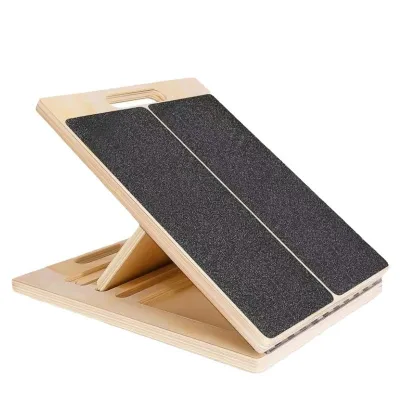
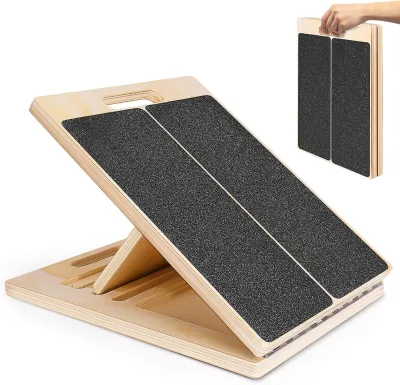
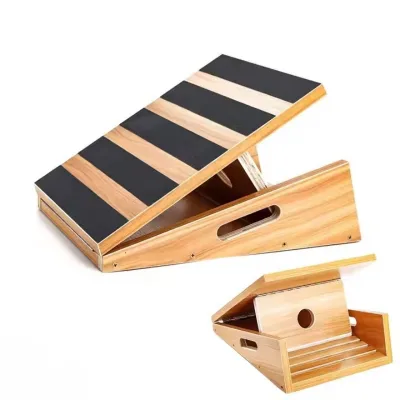
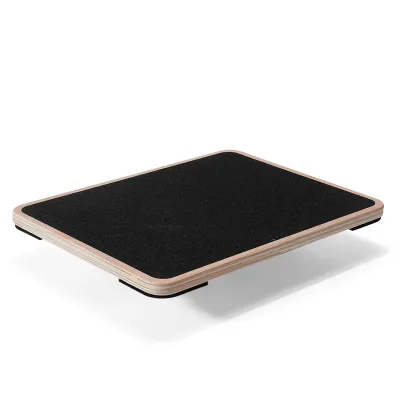
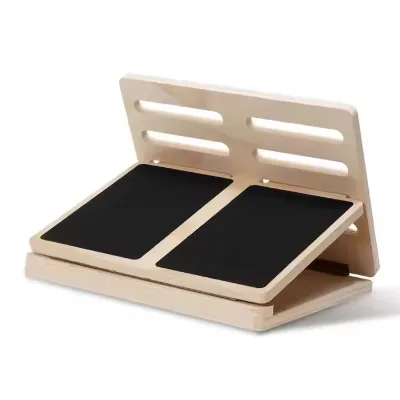
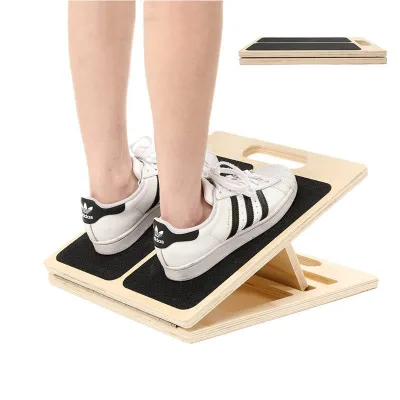
Adjustable Portable Stretching Wooden Slant Board Custom Pilates Physical Therapy Slant Board
$6.14 - $7.45
MOQ: 50 pieces
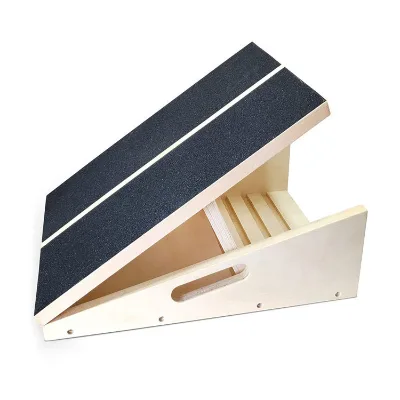
$7.50 - $11.50
MOQ: 1 pieces

Nantong Splendid Sporting Co., Ltd.
- Verified by BV
- Trading Company,Manufacturer/Factory
- China Jiangsu
- Lead time45 days
- Avg. response≤ 6h
Main productsGym Bench, Power Rack, Functional Machine, Dumbbell, Kettlebell, Barbell, Foam Roller, Yoga Mat, Resistance Band, Slam Ball
Main marketsSouth America,Eastern Europe,Mid East,North America,Southeast Asia,Eastern Asia,Oceania,Western Europe,Africa


Professional Wooden Slant Board Adjustable Incline Board and Calf Stretcher
$14.00 - $15.00
MOQ: 50 Pieces

Dezhou Canxu Import & Export Co., Ltd.
- Verified by BV
- Trading Company,Manufacturer/Factory
- China Shandong
- Lead time15 days
- Avg. response≤ 6h
Main productsFitness Equipment, Cardio Machines, Plate Load Machine, Plate Loaded Machine, Fitness Accessories
Main marketsSouth America,Eastern Europe,Mid East,North America,Southeast Asia,Eastern Asia,Oceania,Western Europe,Africa
Nantong Duolite Sports Products Co., Ltd.
- Trading Company
- Jiangsu, China
- Lead time30 days
- Avg. response≤ 11h
Main productsFitness products,Plastic products,Sewing products,Home gym,Outdoor sports
Main marketsNorth America(70.0%), Eastern Europe(10.0%), Western Europe(5.0%), Africa(5.0%), Southeast Asia(5.0%), South America(5.0%)
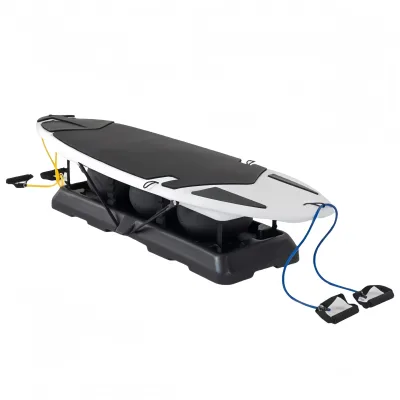
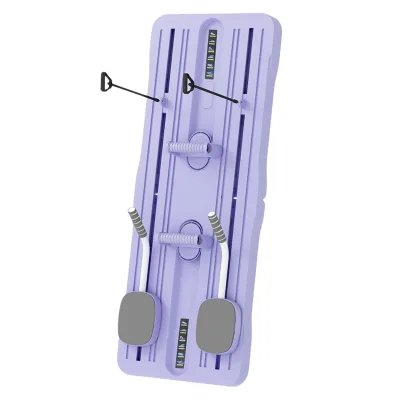
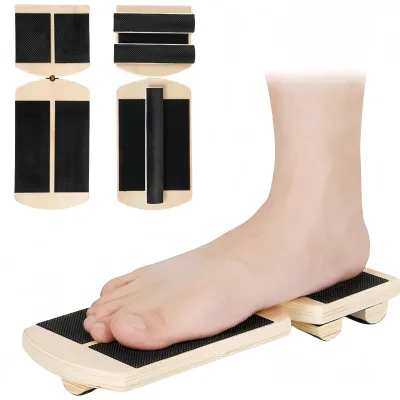
Duolite Pilates Surfing Board Durable Balance Board for Body Exercise for Pilates Studio
$120.00 - $150.00
MOQ: 50
Jianlemei (suzhou) Sports Goods Co., Ltd.
- Manufacturer
- Jiangsu, China
- Lead time0 days
- Avg. response≤ 11h
Main productsResistance band,Pull up,Strength training,Pilates Rod,Yoga products
Main marketsEastern Europe(20.0%), South America(20.0%), North America(20.0%), Domestic Market(10.0%), South Asia(10.0%), Northern Europe(10.0%), Central America(10.0%), Western Europe(10.0%), Mid East(10.0%), Southeast Asia(10.0%)
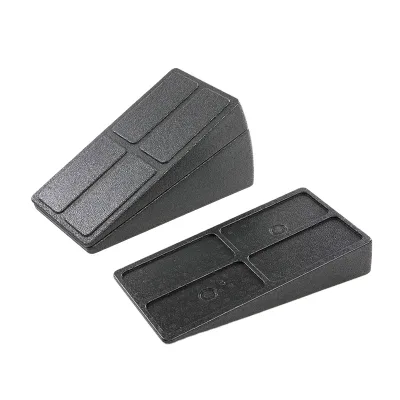
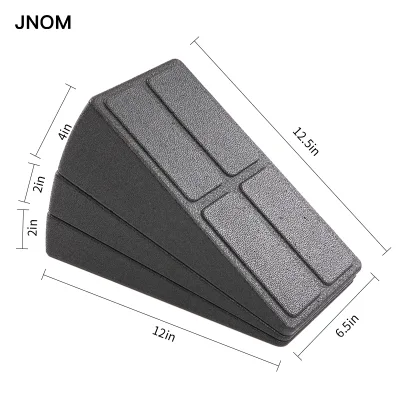
Custom Yoga Slant Board Stretcher Muscle Exercise Release Standing Inclined Pedal Slant Board
$3.49 - $3.55
MOQ: 2 pieces

Shandong Hammer Fitness Equipment Co., Ltd.
- Verified by SGS
- Trading Company
- China Shandong
- Lead time23 days
- Avg. response≤ 3h
Main productsPilates Reformer, Multifunctional Trainer, Hack Squat, Cardio Equipment, Strength Equipment, Fitness Equipment Accessories, Functional Trainer Cable Machine, Hip Thrust Machine, Stair Climbing Machine
Main marketsSouth America,Southeast Asia/ Mideast,East Asia(Japan/ South Korea),Australia,North America

Pilates Yoga Fitness Equipment Space Saving Safe Pilates Orbit Roller Balance Board
$66.00 - $75.00
MOQ: 1 Pieces

High Elasticity Pilates Reformer Board Roller Balance Board for Pilates Training
$66.00 - $75.00
MOQ: 1 Pieces

High Resilience Pilates Skateboard Roller Balance Board for Yoga & Pilates
$66.00 - $75.00
MOQ: 1 Pieces


Commercial Grade Durable Pilates Equipment Roller Balance Board for Professional Training
$66.00 - $75.00
MOQ: 1 Pieces

Multifunctional Pilate Board Roller Balance Board for Body Stability Training
$66.00 - $75.00
MOQ: 1 Pieces
- Trading Company
- Lead time旺季: "1 - 200":15,"201 - 1000":30,"> 1000":"To be negotiated", 淡季: "1 - 200":15,"201 - 1000":30,"> 1000":"To be negotiated"
- Avg. response≤ 9h
Main productsKettlebell,Dumbbell,Barbell,Weight Plates,Yoga Products
SHANDONG AOCHUANG FITNESS EQUIPMENT CO., LTD
- Verified by TüVRheinland
- Manufacturer, Trading Company
- Lead time25 days
- Avg. response≤ 5h
Main productsPilates Reformers, Pilates Accessories, Adjustble Dumbbell, Adjustable Benches, Pin Load Machine
Main marketsDomestic Market(45%), North America(5%), Eastern Europe(5%)
- Trading Company
- Jiangsu, China
- Lead time15 days
- Avg. response≤ 1h
Main productsSutuspension Trainer/Ballet Strap/Resistance Bands/Booty Belt/Hip Cicle/Speed Che/Trampoline/Weight-lifting Belt/AB Roller/Yoga Ball,Suspension Trainer,Yoga Blanket,Massage ball,Wateproof dry bag
Main marketsNorth America(52.0%), Western Europe(20.0%), Northern Europe(10.0%), Oceania(5.0%), South America(5.0%), Mid East(5.0%), Domestic Market(3.0%)
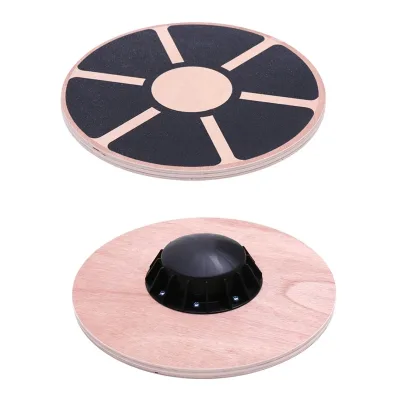
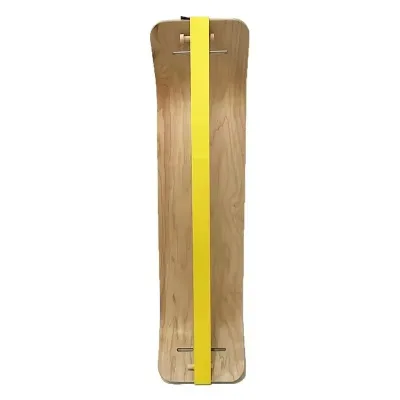
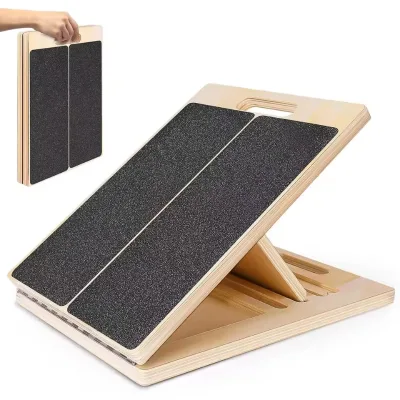
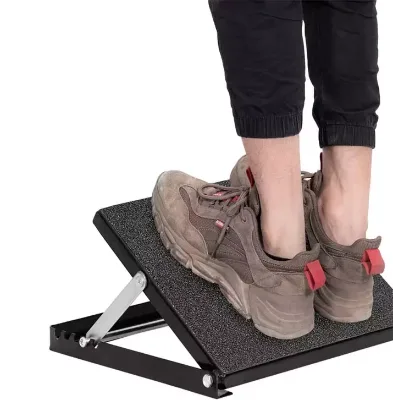
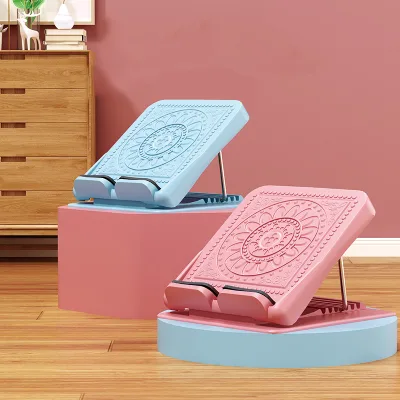
Non-Slip Steel Calf Portable Slant Board for Calf Stretching for Fitness Planking Sports
$13.21 - $16.68
MOQ: 50 Minimum
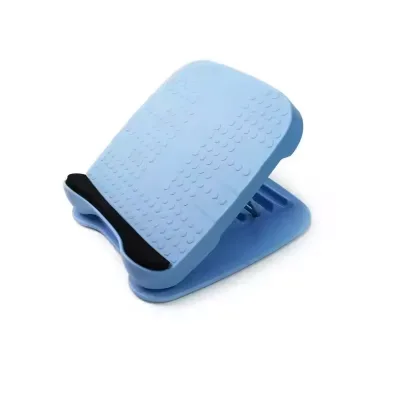
Adjustable Stretch Stand Foot Steps Versatile Strong Ankle Slant Board for Offices Home Traveling
$3.98 - $5.48
MOQ: 20 pieces
Cao County Lianchuang Wood Craft Packaging Co., Ltd.
- Verified by SGS Group
- Manufacturer, Trading Company
- Lead time30 days
- Avg. response≤ 2h
Main productsWooden Pallets, Wooden Cutting Boards, Wooden Jars, Kitchen Storage Rack, Wooden Crafts
Main marketsDomestic Market(100%)

Beijing Cheer Fitness Equipment Co., Ltd.
- Verified by SGS
- Combined
- China Beijing
- Lead time15 days
- Avg. response≤ 2h
Main productsPilates Reformer, Pilates Equipment, Pilates Machine, Pilates Cadillac, Pilates Reformer with Tower, Ladder Barrel, Wunda Chair, Spine Corrector
Main marketsSoutheast Asia/ Mideast,Europe
- Manufacturer, Trading Company
- Guangdong, China
- Lead time15 days
- Avg. response≤ 3h
Main productsPickleball Paddle,Yoga and Pilates equipment,Golf clubs and bags,Bicycle,Outdoor camping products
Main marketsNorth America(50.0%), Eastern Europe(20.0%), Southern Europe(5.0%), Central America(5.0%), Western Europe(5.0%), South America(5.0%), Northern Europe(4.0%), South Asia(1.0%), Oceania(1.0%), Mid East(1.0%), Africa(1.0%), Southeast Asia(1.0%), Eastern Asia(1.0%)
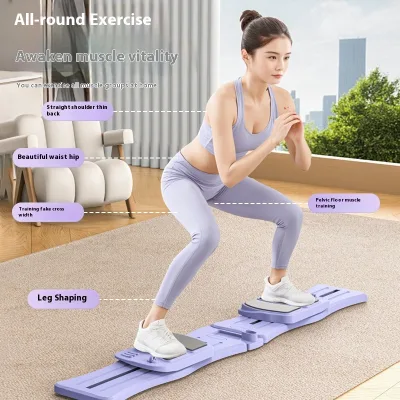
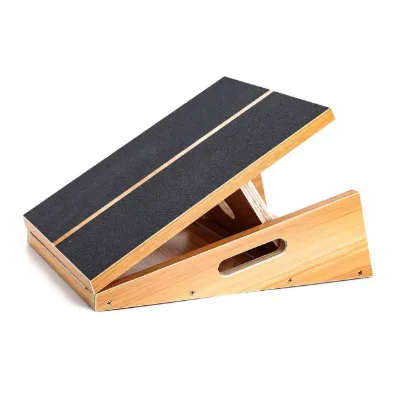
$5.35 - $6.00
MOQ: 5 pieces
$12.57 - $14.62
MOQ: 2 Minimum

- Verified by TUVRHEINLAND
- Trading Company
- China Anhui
- Lead time30 days
- Avg. response≤ 6h
Main productsDumbbells, Kettlebells, Barbells, Weight Plates, Crossfit Gym, Home Gym, Power Rack, Aerobic Step, Yoga Mat, Foam Roller
Main marketsEurope,Australia,North America


Foldable Wooden Slant Board for Ankle Rehabilitation Compact Storage Fitness Exercise Training
$5.80 - $6.50
MOQ: 50 Pieces

Shanghai Ritmark Sports Co., Ltd.
- Verified by BV
- Trading Company,Manufacturer/Factory
- China Shanghai
- Lead time23 days
- Avg. response≤ 4h
Main productsPVC Boat Fender, Fitness Ball, Fitness Sandbag, Waist Belt, Massage Tools, Acupressure Mat, Buoys, Dock Bumper, Yoga Items, Fitness Products
Main marketsSouth America,Eastern Europe,Mid East,North America,Southeast Asia,Eastern Asia,Oceania,Western Europe,Africa

Shanghai Keta Sports Goods Co., Ltd
- Verified by CTI
- Manufacturer/Factory
- China Shanghai
- Lead time23 days
- Avg. response≤ 3h
Main productsPilates Reformer, Pilates Chair, Yoga Ball, Yoga Mat, Yoga Roller, Hip Band, Resistance Band, Pull up Band
Main marketsSouth America,Eastern Europe,North America,Oceania,Western Europe
Shandong Highwind Fitness Equipment Co., Ltd.
- Verified by SGS Group
- Manufacturer, Trading Company
- Lead time15 days
- Avg. response≤ 2h
Main productsPilates reformer, Pilates reformer with tower, Pilates reformer foldable, Pilates reformer cadillac, Pilates reformer board
Main marketsConfidential(40%), Confidential(15%), Confidential(10%)

Nantong Get-Fit Sports Co., Ltd.
- Verified by TUVRHEINLAND
- Combined
- China Jiangsu
- Lead time30 days
- Avg. response≤ 6h
Main productsDumbbell, Weight Plate, Barbell, Power Rack, Weightlifting Bar, Yoga Pilates, Kettlebell, Gym Equipment, Fitness Equipment, Outdoor Exercise
Main marketsSouth America,Southeast Asia/ Mideast,East Asia(Japan/ South Korea),Europe,Australia,North America

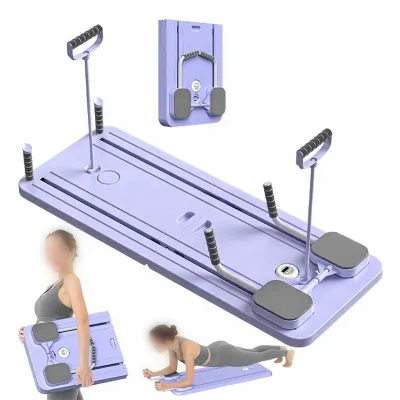
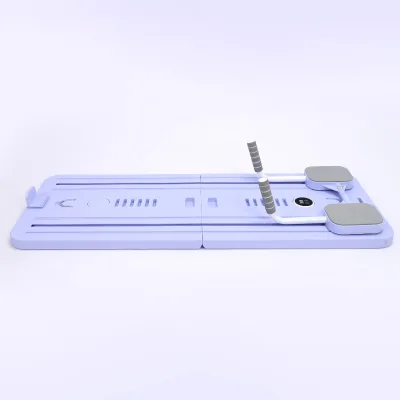
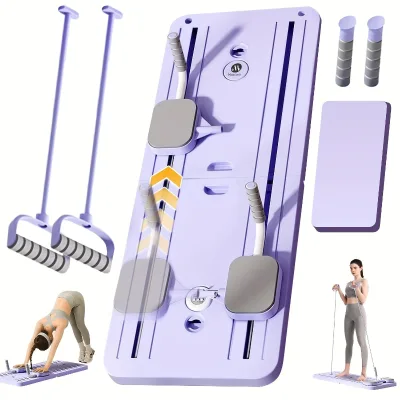
Foldable Pilates Core Trainer Board Plank Abdominal Workout Body Shaping Exercise Equipment
$195.00 - $207.00
MOQ: 1 pieces

Calf Slant Board Multi-Functional Leg Stretcher Board for Foot Stretching Relaxation
$4.00 - $4.60
MOQ: 100 pieces

Wholesale Custom Logo Slant Board Non-Slip Balance Board for Incline Calf
$5.30 - $5.80
MOQ: 500 Pieces

Adjustable Incline Slant Board - Customized Anti-Slip Wooden Stretching Board for Calf
$5.55 - $5.85
MOQ: 100 pieces


Yongkang Chochi Fitness Co., Ltd.
- Verified by BV
- Manufacturer/Factory
- China Zhejiang
- Lead time15 days
- Avg. response≤ 9h
Main productsGym Fitness Equipment, Treadmill, Exercise Bike, Helmet, Scooter, Skateboard, Roller Skateshoes, Camping Chair, Camping Trolley
Main marketsSouth America,Eastern Europe,Mid East,North America,Southeast Asia,Eastern Asia,Oceania,Western Europe,Africa

New Multi-Purpose Foldable Pilates Reformer Board Push-up Board for Home
$14.90 - $18.80
MOQ: 100 Pieces


Professional Wooden Stretch Board Exercise Adjustable Incline Calf Slant Board
$14.65 - $16.50
MOQ: 100 Pieces

Sport Fitness Wooden Adjustable Angle Incline Wooden Slant Balance Board
$16.50 - $17.00
MOQ: 100 Pieces


Professional Wooden Balance Board Calf Ankle Stretch Adjustable Incline Slant Fitness Board
$14.65 - $16.50
MOQ: 100 Pieces
Rizhao Fitness Sport Co., Ltd.
- Verified by SGS Group
- Trading Company
- Lead time30 days
- Avg. response≤ 2h
Main productsPilates Equipment, Yoga Accessories, Pilates Accessories, Barbell Bumper Plates, Speed Agility Training
Main marketsNorth America(50%), Western Europe(20%), Oceania(10%)
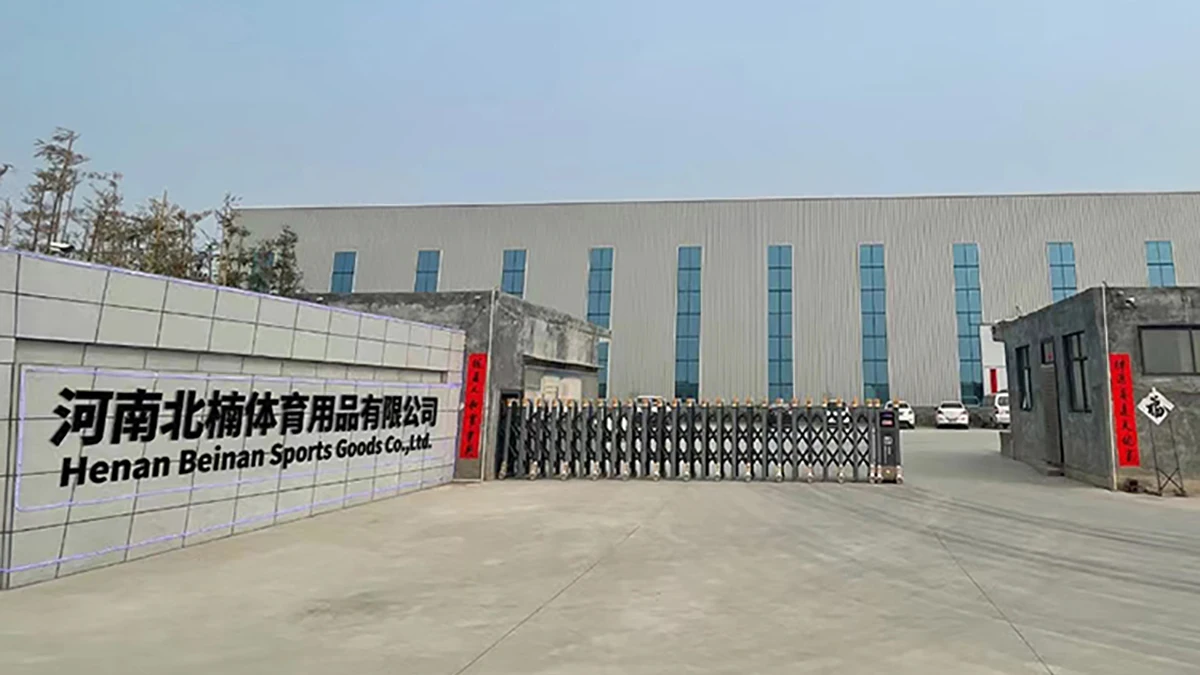
Henan Beinan Sports Goods Co., Ltd.
- Manufacturer, Trading Company
- Henan, China
- Lead time5 days
- Avg. response≤ 1h
Main productsYoga Product,Pilates products,resistance band,Massage Products,jump rope
Main marketsNorth America(22.0%), Eastern Europe(20.0%), South America(20.0%), Southeast Asia(15.0%), Southern Europe(5.0%), Northern Europe(5.0%), Western Europe(5.0%), Oceania(2.0%), Domestic Market(1.0%), South Asia(1.0%), Mid East(1.0%), Eastern Asia(1.0%), Central America(1.0%), Africa(1.0%)

- Verified by BV
- Trading Company
- China Anhui
- Lead time30 days
- Avg. response≤ 11h
Main productsDumbbell, Cast Iron Plate, Chrome Bar, Fitness Equipment, Traing Set
Main marketsSouth America,Africa,Southeast Asia/ Mideast,East Asia(Japan/ South Korea),Europe,Australia,North America
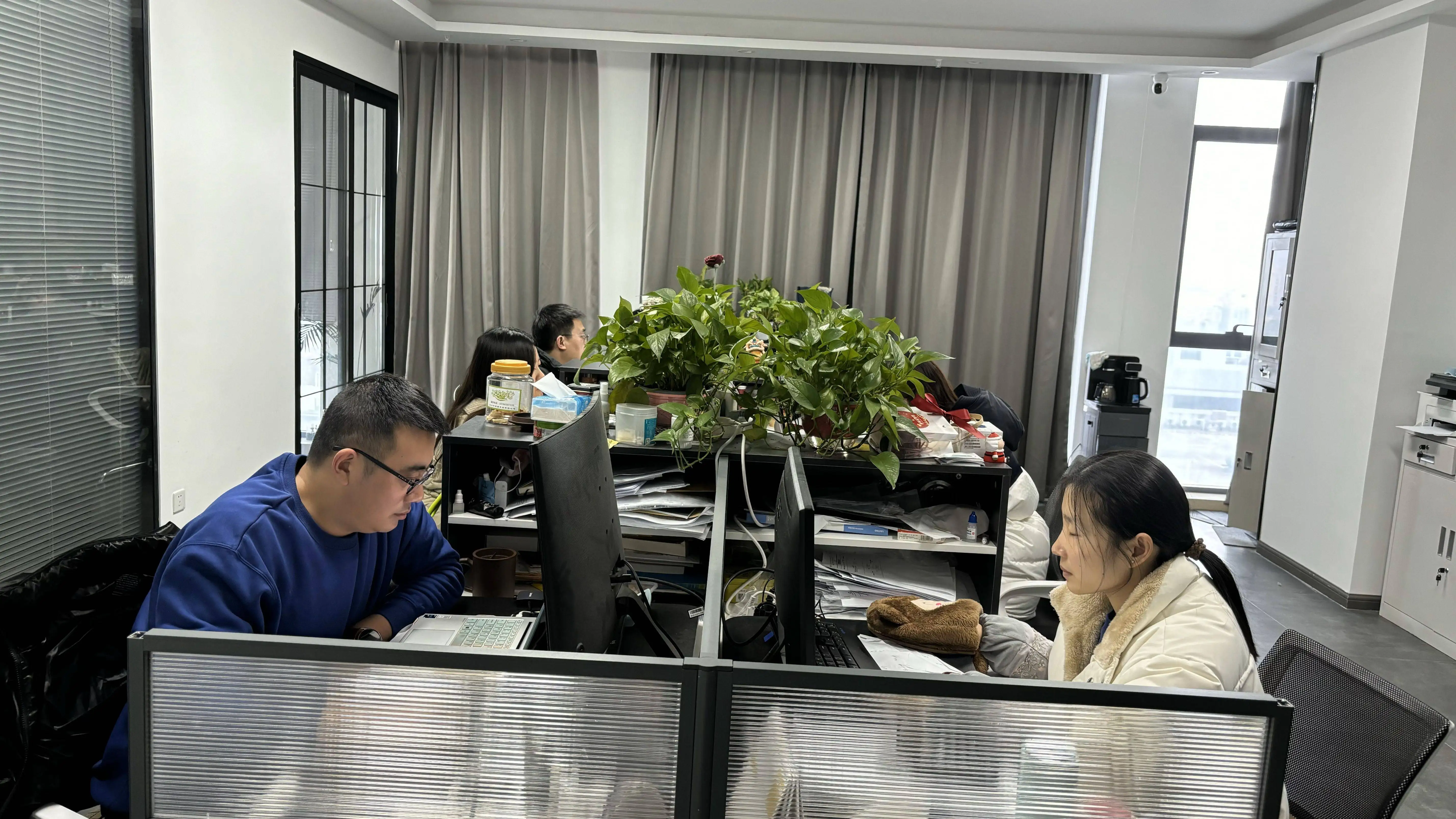
Nantong Rising Sports Technology Co., Ltd.
- Trading Company
- Jiangsu, China
- Lead time30 days
- Avg. response≤ 2h
Main productsrope,rack,dumbbell,palte,bar
Main marketsSouthern Europe(20.0%), Central America(20.0%), North America(20.0%), South Asia(10.0%), Eastern Asia(10.0%), Northern Europe(10.0%), Eastern Europe(10.0%)
Nantong Get Power Fitness Equipment Co., Ltd.
- Verified by TüVRheinland
- Trading Company
- Lead time30 days
- Avg. response≤ 2h
Main productsDumbbell, Barbell, Weight Plate, Power Rack, Bench
Main marketsNorthern Europe(40%), North America(20%), Southeast Asia(20%)

Xingtai Dalaran Sports Products Factory
- Combined
- China Hebei
- Lead time23 days
- Avg. response≤ 3h
Main productsGraphite Gasket; Airbag Cover
Main marketsSouth America,Southeast Asia/ Mideast,North America








Comprehensive Sourcing Guide
Pilates Slant Board Supplier Concentration and Factory Types
Current data indicates a concentration of suppliers in China, specifically within the Shandong and Tianjin regions, where manufacturers and trading companies operate in the fitness equipment sector. These locations host entities offering a diverse range of products including Pilates reformers, wall units, and balance boards, suggesting a specialized cluster for this equipment type. Some suppliers in these areas are identified as trading companies, while others operate as manufacturers or factories with their own brands and OEM/ODM capabilities. This mix allows buyers to access both direct factory pricing and the broader catalog of a trading firm, though the specific factory type varies by vendor.
When evaluating the supplier base, it is crucial to distinguish between trading companies and actual manufacturers, as this impacts production control and customization options. The observed results show that some entities list themselves as manufacturers with ISO 9001 certification, while others are purely trading entities without such system certifications. Buyers should verify the company type directly, as a trading company may source from multiple factories, potentially complicating quality control and lead time consistency. Understanding whether a supplier is a factory or a middleman is essential for negotiating terms and ensuring the product meets specific design requirements for Pilates slant boards.
How to Verify Pilates Slant Board Suppliers
Verification of supplier credibility relies heavily on third-party audit reports and specific certification data provided in the product listings. Some suppliers in the current results have been verified by agencies such as SGS or TÜV Rheinland, which adds a layer of confidence regarding their business legitimacy and operational stability. However, not all suppliers display these verification badges, and some may lack system certifications like ISO 9001 entirely. Buyers must actively check for these specific verification marks rather than assuming all listed vendors have undergone rigorous external audits, as the absence of a badge does not necessarily indicate a problem but requires further due diligence.
Beyond verification badges, buyers should scrutinize the product attributes and certifications listed for individual items to ensure compliance with safety standards. For instance, specific Pilates equipment models in the data show certifications such as CE, ISO, and RoHS, which are critical for market entry in many regions. It is important to confirm that these certifications apply to the specific model being ordered, as product attributes can vary even within the same supplier's catalog. Buyers should request valid certification documents for the exact product model to avoid receiving goods that do not meet regulatory requirements, ensuring that the supplier's claims are backed by tangible, verifiable evidence.
What to Compare Across Pilates Slant Board Suppliers
Comparing suppliers requires a detailed analysis of operational metrics such as lead times, minimum order quantities, and response speeds to determine the best fit for the project. The data shows significant variation in lead times, with some suppliers offering a 15-day turnaround while others require up to 23 days for production. Similarly, response times differ, ranging from approximately 1.58 hours to over 4.5 hours, which can impact the speed of negotiation and order processing. Buyers should prioritize suppliers with faster response times and shorter lead times if their project timeline is tight, while also considering the trade-off between speed and potential cost savings from slower, larger-volume producers.
Minimum order quantities and pricing structures are equally critical factors when comparing potential partners for Pilates Slant Board procurement. The observed results indicate that some suppliers have a minimum order quantity of just one piece, making them suitable for small-scale testing or boutique orders, while others may have different thresholds. Price ranges also vary widely, with some products listed between $180 and $390, and others between $450 and $500, depending on the complexity and features of the equipment. Buyers must align their budget and volume requirements with these specific supplier constraints, ensuring that the selected partner can accommodate their order size without incurring prohibitive costs or minimums that exceed their needs.
Common Pilates Slant Board Sourcing Risks
One significant risk in sourcing Pilates slant boards involves the discrepancy between claimed certifications and actual product compliance, particularly when system certifications are listed as unavailable. Some suppliers in the current results show no system certification, which may indicate a lack of formal quality management processes or adherence to international standards. This absence increases the risk of receiving products that fail to meet safety regulations or quality expectations, especially for commercial gym equipment that undergoes heavy daily use. Buyers must be vigilant in requesting proof of product-specific certifications like CE or RoHS to mitigate the risk of non-compliance and potential liability issues in their target markets.
Another risk stems from the variability in production capabilities and customization options among different supplier types. While some manufacturers offer OEM and ODM services with customizable logos and specifications, others may have limited flexibility in altering product designs or materials. The data shows that customization is available for many items, but the extent of this customization and the associated costs can vary significantly between a trading company and a factory. Buyers should clearly define their customization needs early in the process and verify that the supplier has the technical capacity to execute these changes without compromising the structural integrity or safety of the Pilates equipment.
Pilates Slant Board Regional Sourcing and Logistics
Sourcing from the identified regions in China, such as Shandong and Tianjin, offers access to a mature supply chain for fitness equipment, but buyers must account for regional logistics nuances. These locations are established hubs for manufacturing and trading, which can streamline the initial production phase, yet the distance to international ports may affect shipping costs and transit times. Buyers should verify the specific port of loading for each supplier, as this influences the overall logistics strategy and potential delays. Understanding the geographic location of the factory helps in estimating the total landed cost, including inland transportation fees to the port and any regional tariffs that might apply to the specific export zone.
Logistics planning also requires careful attention to packaging standards, which vary by supplier and product type. The observed data indicates that some Pilates equipment is packed in plywood boxes, while others use wooden boxes or standard cartons, each with different protection levels and weight profiles. For heavy items like slant boards, the choice of packaging directly impacts shipping costs and the risk of damage during transit. Buyers should confirm the packaging specifications for their specific order to ensure that the goods are protected adequately, and they should factor in the weight and dimensions of the packed units when calculating freight charges and warehouse storage requirements at their destination.
Pilates Slant Board Commercial Terms and Order Planning
Commercial terms for Pilates Slant Board orders often include specific production times and delivery schedules that must be integrated into the overall project timeline. The data reveals production times ranging from 10 working days to 23 days, depending on the supplier and the complexity of the order. Buyers should plan their inventory replenishment and marketing launches around these lead times to avoid stockouts or delays in product availability. It is essential to confirm the exact production time for the specific model being ordered, as this can fluctuate based on raw material availability and the supplier's current workload, requiring a buffer in the project schedule.
Order planning must also consider the financial terms and payment structures associated with different suppliers, including any escrow services or trade assurance options. While the current data does not explicitly detail payment terms for every vendor, the presence of verification badges like SGS or TÜV Rheinland often correlates with the availability of secure payment channels. Buyers should prioritize suppliers who offer escrow or trade assurance to protect their capital until the goods are shipped and verified. Additionally, understanding the minimum order quantity and unit price structure is vital for budgeting, ensuring that the total cost aligns with the financial constraints of the procurement plan while maintaining the desired profit margins.
FAQs
What is the typical lead time for Pilates Slant Board orders?
Lead times vary by supplier, with observed ranges from 10 to 23 working days. Some manufacturers offer faster production within 10 days, while others may require up to 23 days depending on order volume and customization needs. Buyers should confirm specific timelines before placing orders.
What is the minimum order quantity for Pilates Slant Boards?
Many suppliers accept a minimum order quantity of just one piece for Pilates Slant Boards. This low threshold allows buyers to test products without committing to large volumes. However, specific MOQs may vary by manufacturer, so verifying individual supplier requirements is essential before purchasing.
Are Pilates Slant Boards available with CE and ISO certifications?
Yes, several Pilates Slant Board models carry CE, ISO, and RoHS certifications. These certifications indicate compliance with safety and quality standards for fitness equipment. Buyers should verify specific product listings to ensure the certification matches their regional requirements or gym safety protocols before finalizing a purchase.
What is the price range for commercial Pilates Slant Boards?
Prices for Pilates Slant Boards typically range from 60 to 500 US dollars per unit. Lower-cost options often include basic models, while higher prices reflect commercial-grade features or specialized designs. Buyers should compare specific product attributes and supplier capabilities to determine the best value for their budget.
Can Pilates Slant Boards be customized with logos or colors?
Customization is available for many Pilates Slant Board models, including logo printing and color selection. Suppliers often offer OEM and ODM services to meet specific branding needs. Buyers should confirm customization options and any associated costs with the supplier prior to placing an order to ensure requirements are met.
Where are Pilates Slant Board manufacturers primarily located?
Manufacturers of Pilates Slant Boards are primarily located in China, specifically in regions like Shandong and Tianjin. These areas host both trading companies and factories specializing in fitness equipment. Buyers should verify the exact location of their chosen supplier to assess shipping logistics and potential import duties.
How quickly do suppliers typically respond to inquiries?
Supplier response times vary, with observed averages ranging from 1.58 to 4.57 hours. Faster response times often indicate more active sales teams or automated systems. Buyers seeking urgent quotes should prioritize suppliers with shorter response times to ensure timely communication and faster order processing.