Phone Repair Solder Paste Dispenser Suppliers and Manufacturers
Compare 21 verified suppliers offering Phone Repair Solder Paste Dispenser machines with CE and RoHS certifications. Review lead times, warranty terms, and voltage specifications before requesting quotes for customized dispensing solutions; review the available evidence before requesting comparable quotations from suitable candidates.
Suppliers List
Shenzhen Jiutu Technology Co., Limited
- Verified by TüVRheinland
- Manufacturer, Trading Company
- Lead time5 days
Main productsLED Display, Oca Vacuum Laminator, Film Laminating Machine, Bubble Remover Machine, Phone Polishing Machine
Main marketsNorth America(30%), Western Europe(20%), Mid East(15%)
Shenzhen Chengxiang Technology Co., Ltd.
- Verified by Intertek
- Trading Company
- Lead time0 days
Main productsSoldering Stations, Spot Welders, Screen Removal Separator, SMT Machine, Heat-transfer Machine
Main marketsSouthern Europe(20%), Eastern Europe(18%), North America(15%)

Termway (Beijing) Precision Technology Co., Ltd.
- Combined
- China Beijing
- Lead time30 days
- Avg. response≤ 24h
Main productsPCB Assembly, Pick&Place Machine, Reflow Oven/Wave Machine, Screen Printer, Dispenser, BGA Station, Chip Checking Microscope, PCB Plate Making Machine, Exposure Machine, Etching Machine
Main marketsEast Asia(Japan/ South Korea),Europe,North America

3 Level Protection Function Low Noisy Solder Paste Mixer Dispenser Machine Solder Paste Mixer
$1300.00 - $1600.00
Moq: 1


Shenzhen Fengjiahe Technology Co., Ltd.
- Trading Company, Agent, Distributor/Wholesaler
- Guangdong, China
- Lead time5 days
- Avg. response≤ 3h
Main productsPhone Repair Programmer,Laser Machine,LCD Separator Machine,Phone Films Cutting Machine,Microscope
Main marketsWestern Europe(25.0%), North America(20.0%), South America(20.0%), Mid East(5.0%), Oceania(5.0%), South Asia(2.0%), Southern Europe(2.0%), Northern Europe(2.0%), Central America(2.0%), Eastern Europe(2.0%), Eastern Asia(2.0%), Africa(2.0%), Southeast Asia(2.0%)
Shenzhen Hodaxin International Trade Co., Ltd.
- Manufacturer, Trading Company
- Guangdong, China
- Lead time0 days
- Avg. response≤ 3h
Main productsPhone Polishing machine,Laser Back Glass Remove Machine,Phone Screen Polishing Machine,Bubble Remove Machine,OCA Laminating Machine
Main marketsNorth America(50.0%), Western Europe(10.0%), Mid East(10.0%), Eastern Europe(10.0%), Northern Europe(10.0%), Southern Europe(5.0%), South America(5.0%)

Guangdong ZhongShi Metals Co., Ltd
- Verified by BV
- Combined
- China Guangdong
- Lead time15 days
- Avg. response≤ 5h
Main productsSolder Paste, Solder Wire, Solder Bar, Lead-Free Solder Paste, Solder Ball, Lead-Free Solder Wire, Red Glue, BGA Solder Ball
Main marketsDomestic
- Trading Company
- Guangdong, China
- Lead time0 days
- Avg. response≤ 7h
Main productsmobile phone refurbishing machine,mobile phone spare parts,laptop parts,glue dispenser,laser machine
Main marketsWestern Europe(50.0%), North America(50.0%)
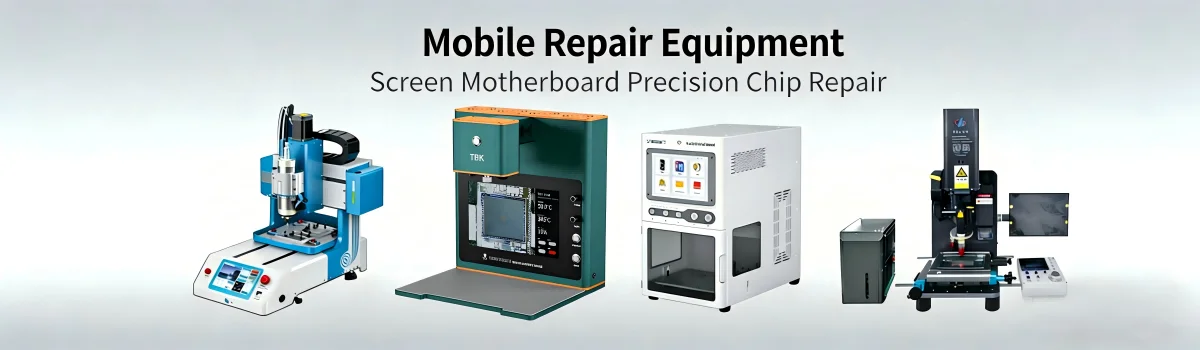
Shenzhen Born Eparts Co., Ltd.
- Manufacturer, Trading Company
- Guangdong, China
- Lead time5 days
- Avg. response≤ 3h
Main productsRefurbishing Machines & Materials,Repair Tools & Parts,Consumer Electronics,phone accessories wholesale,cables and chargers factory
Main marketsCentral America(15.0%), Western Europe(15.0%), Southern Europe(10.0%), Northern Europe(10.0%), Oceania(10.0%), South Asia(5.0%), Africa(5.0%), Southeast Asia(5.0%), South America(5.0%), North America(5.0%), Eastern Asia(5.0%), Mid East(5.0%), Eastern Europe(5.0%)
Huizhou Adp Optical Communications Co., Ltd.
- Verified by TüVRheinland
- Manufacturer, Trading Company
- Lead time20 days
- Avg. response≤ 2h
Main productsNetwork Cable, Fiber Optic Cable, Security Cable, Electrical Cable, Cable Raw Material
Main marketsSoutheast Asia(32%), South America(11%), Western Europe(7%)
Shenzhen Jiulingsheng Technology Co., Ltd.
- Trading Company
- Guangdong, China
- Lead time0 days
- Avg. response≤ 4h
Main productsScrewdriver,Scraper,Suction Cup,Screwdriver Set,Tweezers
Main marketsSouth America(100.0%), Africa(100.0%), Domestic Market(50.0%), South Asia(20.0%), North America(10.0%), Mid East(4.0%), Southern Europe(2.0%), Eastern Europe(2.0%), Northern Europe(2.0%), Central America(2.0%), Western Europe(2.0%), Eastern Asia(2.0%), Oceania(2.0%), Southeast Asia(2.0%)
Shenzhen Zhuoxiujiang Technology Co., Ltd.
- Trading Company, Agent, Distributor/Wholesaler
- Guangdong, China
- Lead time7 days
- Avg. response≤ 3h
Main productsPhone Repair Programmer,LCD refurbishment tool,microscope,Laser machine,Soldering Station
Main marketsWestern Europe(20.0%), North America(20.0%), Africa(12.0%), Northern Europe(10.0%), South America(9.0%), Southern Europe(5.0%), Central America(5.0%), Domestic Market(5.0%), Oceania(5.0%), Southeast Asia(3.0%), Eastern Europe(2.0%), Eastern Asia(2.0%), Mid East(1.0%), South Asia(1.0%)

Hebei Fiza Technology Co., Ltd.
- Verified by BV
- Trading Company
- China Hebei
- Lead time15 days
- Avg. response≤ 12h
Main productsLead Oxide Lead Sufate, Barium and Strontium Salt, Chlorine Dioxide, Flux and Crucible Cupel, Sodium Percarbonate, Potassium Mono Persulfate, Ammonium Polyphosphate, Soap, Detergent
Main marketsOthers(foreignTradeCapacity.exportBusinessCapacityMarketOther)

Juhuaxin (Foshan) Technology Co., Ltd.
- Trading Company
- China Guangdong
- Lead time15 days
- Avg. response≤ 5h
Main productsSpeaker
Main marketsSouth America,Europe,North America

Xiamen Aibeisen Electronic Co., Ltd.
- Verified by TUVRHEINLAND
- Combined
- China Fujian
- Lead time15 days
- Avg. response≤ 1h
Main productsThermal Pad, Thermal Paste, Adhesive, Conformal Coating, Epoxy Glue
Main marketsSouth America,Europe,North America

Shenzhen Shengdian Electronic Equipment Co., Ltd.
- Combined
- China Guangdong
- Lead time15 days
- Avg. response≤ 6h
Main productsSMT Machine, Reflow Soldering Oven, Ng /Okfully Automatic Loading Machine., Conveyor, Pick and Place Machine, Wave Soldering, Solder Paste Printing Machine, SMT Loader/ Unloader, Semi-Automatic Printing Press, Shuttle
Main marketsSouth America,Africa,Southeast Asia/ Mideast,East Asia(Japan/ South Korea),Domestic,Europe,Australia,North America

Automatic SMT Solder Paste Reheating Machine Soldering Paste Heater Equipment
$360.00 - $460.00
Moq: 1


DONG GUAN CITY YOSHIDA WELDING MATERIALS CO.,LTD
- Manufacturer
- China Guangdong
- Lead time15 days
- Avg. response≤ 6h
Main productsSolder Paste, Tin Wire, Tin, Red Glue, Preformed Solder Strip, Tin Ball, Brazing Paste, Welding Tools
Main marketsDomestic

Better Technology Group Limited
- Verified by CTI
- Manufacturer/Factory
- China Fujian
- Lead time23 days
- Avg. response≤ 2h
Main productsTurnkey Solution for Battery Manufacturing, Battery Production Equipment, Automatic Battery Assembly Line, Lead Acid Battery, Lithium Battery, Portable Power Station, Solar Home Energy Storage Battery, Lithium Battery Designing and Manufacturing
Main marketsSouth America,Eastern Europe,Mid East,North America,Southeast Asia,Eastern Asia,Oceania,Western Europe,Africa
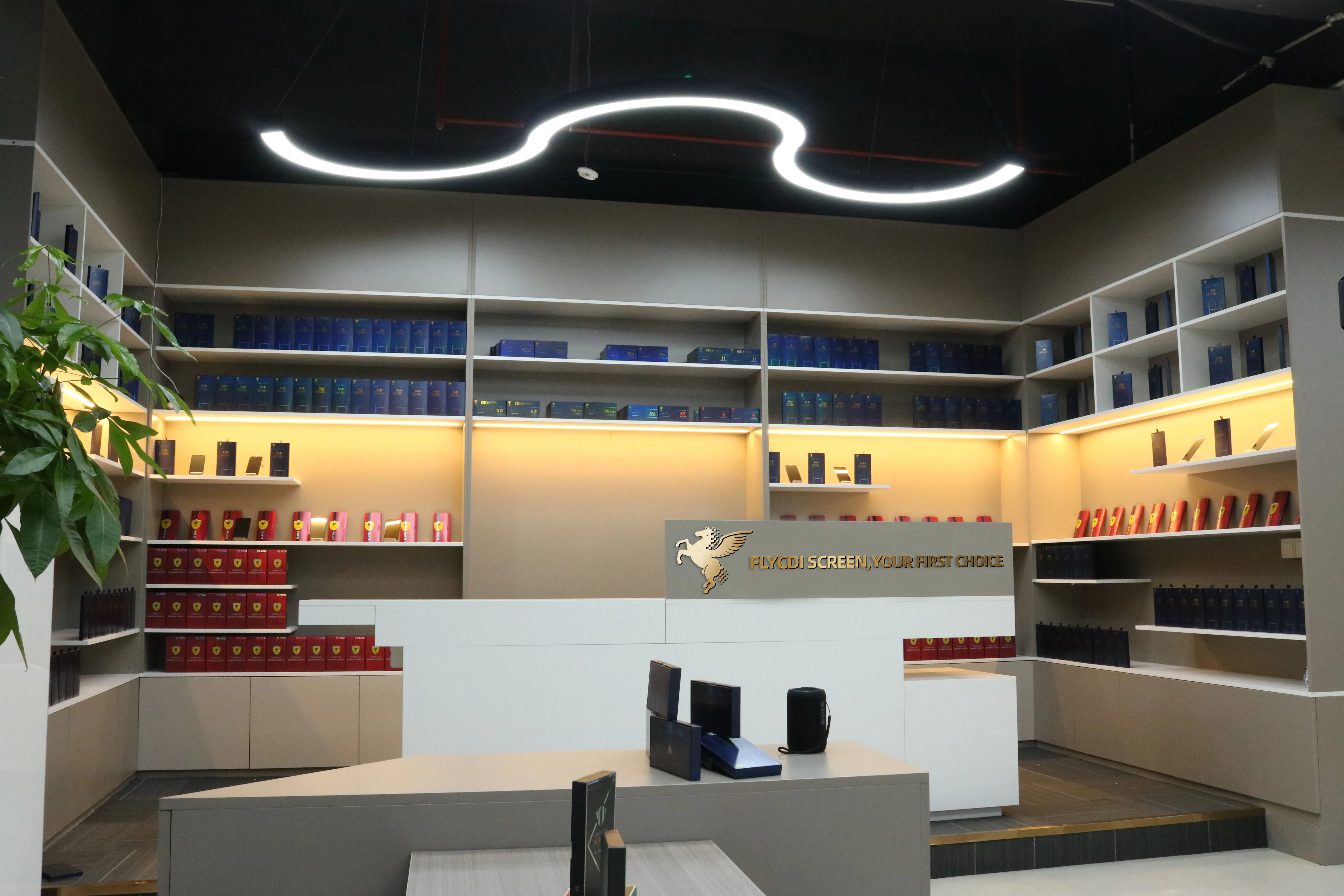
- Manufacturer, Trading Company
- Guangdong, China
- Lead time7 days
- Avg. response≤ 5h
Main productsMobile Phone Screen, Mobile Phone Battery, Mobile Phone Accessories, Mobile Phone Charger, Repair Tools
Main marketsDomestic Market(50.0%), Southeast Asia(25.0%), Oceania(10.0%), North America(5.0%), South America(5.0%), Africa(5.0%)

Foshan Xi Feng Tin Products Co., Ltd.
- Verified by TUVRHEINLAND
- Combined
- China Guangdong
- Lead time30 days
- Avg. response≤ 4h
Main productsSolder Wire, Solder Bar, Solder Paste, Solder, Lead Free Solder Wire, Tin Lead Solder Paste, Lead Free Solder Paste, Tin Solder Wire, Tin Lead Solder Wire, Solder Ingot
Main marketsSouth America,Africa,Others(foreignTradeCapacity.exportBusinessCapacityMarketOther),Domestic,Europe,Australia,North America

RoHS Compliant Rosin Reflow Soldering Pb Free Solder Paste for SMD Components Sn99cu0.7
$30.00 - $80.00
Moq: 30

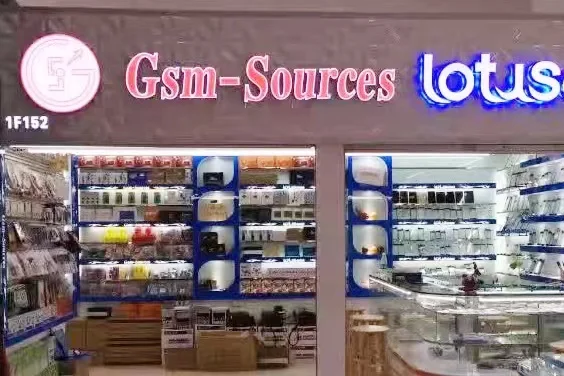
Guangzhou Liwan District Huiyuan Communication Equipment Firm
- Manufacturer, Distributor/Wholesaler
- Guangdong, China
- Lead time10 days
- Avg. response≤ 4h
Main productsUFS/EMMC Programmer,Mobile Phone Repair Tools & Equipments
Main marketsAfrica(20.0%), Eastern Europe(20.0%), South America(20.0%), North America(20.0%), Southeast Asia(12.0%), Domestic Market(8.0%)

Guangzhou Qiyan Technology Limited
- Trading Company
- Guangdong, China
- Lead time5 days
- Avg. response≤ 5h
Main productsRechargeable battery,power bank,power station
Main marketsSouth America(20.0%), Eastern Europe(15.0%), North America(10.0%), Domestic Market(5.0%), South Asia(5.0%), Southern Europe(5.0%), Northern Europe(5.0%), Central America(5.0%), Western Europe(5.0%), Eastern Asia(5.0%), Mid East(5.0%), Oceania(5.0%), Africa(5.0%), Southeast Asia(5.0%)
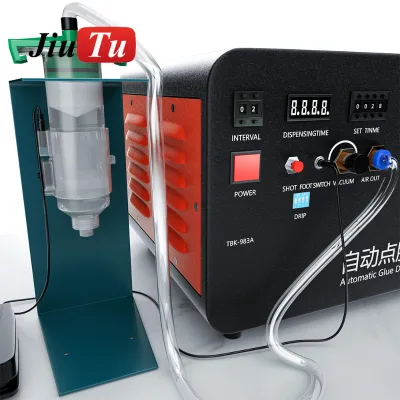
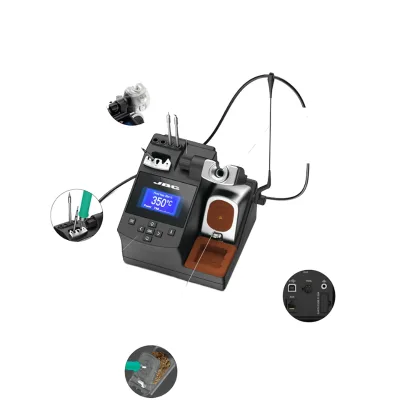


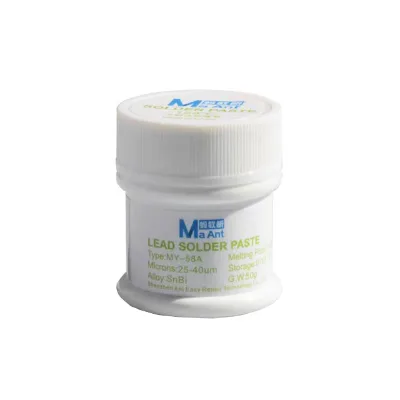
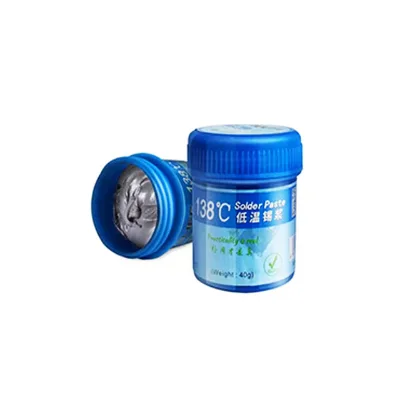

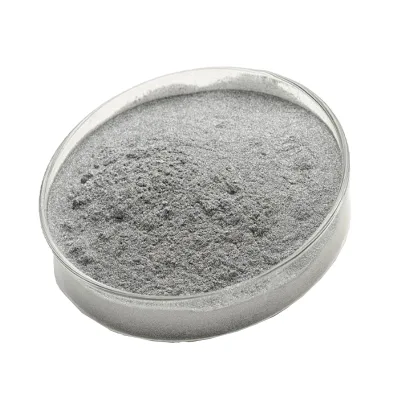
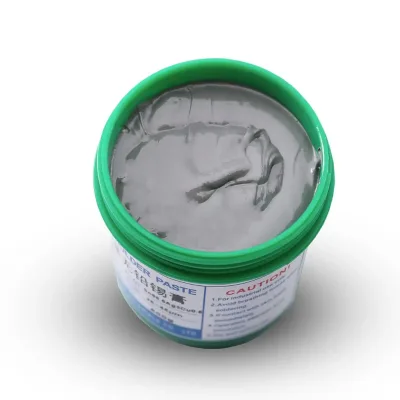
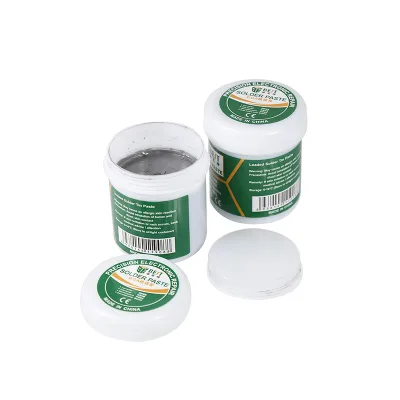
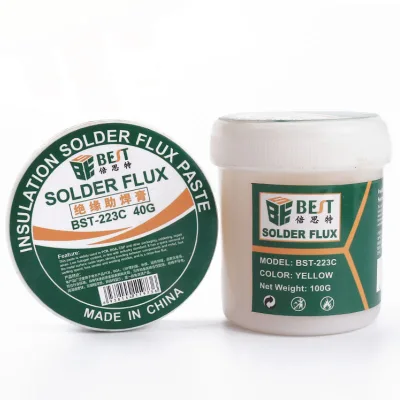



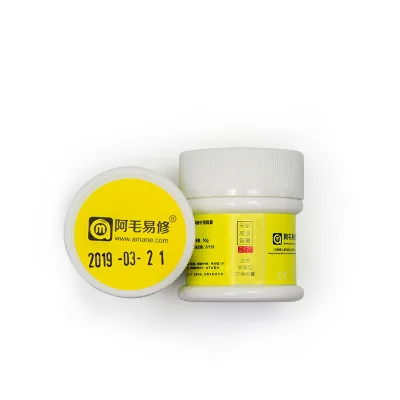
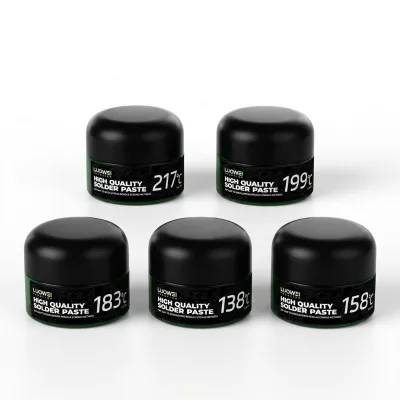
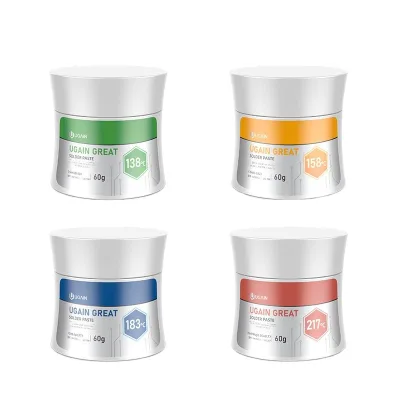
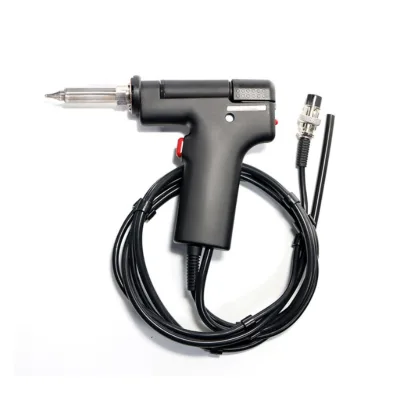
Comprehensive Sourcing Guide
Phone Repair Solder Paste Dispenser Supplier Concentration and Factory Types
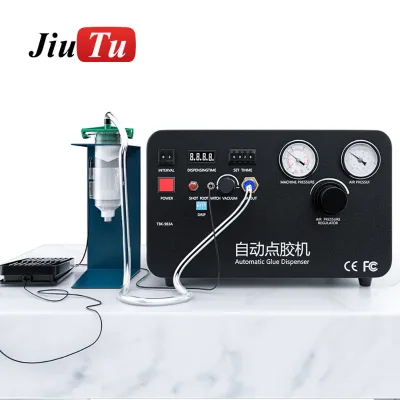
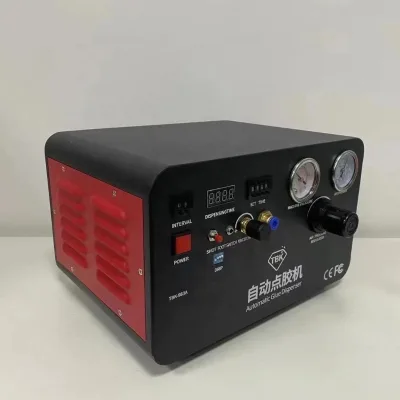
Suppliers selling phone repair solder paste dispensers cluster strongly in Guangdong, China, which appears as the declared place of origin across multiple dispensing machine listings in this category. That concentration makes sense given the province's role in the broader electronics repair equipment ecosystem: several of the main product lines offered by these suppliers include LED displays, OCA vacuum laminators, bubble remover machines, soldering stations, spot welders, screen separators, and SMT machines. A buyer searching for a dispenser is therefore likely to encounter companies whose catalogs span the whole phone repair bench, not just fluid dispensing. When no location is displayed for a given supplier, treat origin as an open question to confirm during inquiry rather than assuming a cluster.
The supplier base mixes two company types that show up in this category: manufacturers and trading companies. One supplier label combines both roles, which is common for firms that assemble machines locally while reselling complementary tooling. Company type matters for dispensers because customization requests—different nozzle setups, dispensing volumes, or controller logic—are more reliably handled by a firm with research and development capability. Some listings advertise sample processing, graphic processing, and customized-on-demand capacity, while others explicitly state limited or no such capability. Verification status also varies: some suppliers carry third-party verified badges from bodies such as TÜV Rheinland or Intertek, which signals that basic business credentials were checked, but it is not a substitute for your own technical due diligence.
How to Verify Phone Repair Solder Paste Dispenser Suppliers
Verification for this category should combine platform-level checks with category-specific technical evidence. Start with what is displayed: several suppliers in this space show system certifications such as CE, and in one case CE plus RoHS, and some hold third-party verification badges from recognized inspection bodies like TÜV Rheinland or Intertek. Confirm the certificate number and scope directly with the issuer where possible, because a badge on a profile page is only a starting point. For the machines themselves, request the machinery test report—multiple listings state that one is provided—and ask for the video outgoing-inspection record, which at least one dispenser listing also includes. These documents let you compare claimed performance against actual units before committing to volume.
Beyond documents, verify capability through behavior. Ask each candidate supplier to run a dispensing demo at your target minimum volume; listed dispensing minimums on machines in this category reach down to 0.01ml, which matters for precision solder paste work on phone boards. Check whether the supplier's R&D capacity label—sample processing, graphic processing, customized on demand—matches how they respond to a practical customization request, because some suppliers in this category honestly flag limited or no customization capacity. Confirm the warranty terms in writing: one-year warranties appear on multiple dispenser listings, and one listing separately offers a one-year warranty on core components. Finally, if a supplier claims manufacturer status, ask for production photos, a live factory video call, and the brand names they actually produce under; brand names visible in listings, such as JiuTu and TBK, can be cross-checked against the supplier's own claims.
What to Compare Across Phone Repair Solder Paste Dispenser Suppliers
Build a comparison sheet with the dimensions actually visible on supplier profiles and listings. Lead time is a primary differentiator: one supplier in this category displays a five-day lead time, while another shows none, so you must ask the second to state production and dispatch timelines in writing rather than assume parity. MOQ varies sharply as well; at least one compact dispenser listing here shows an MOQ of one unit, which lets repair shops buy a sample machine before scaling. Price ranges on displayed dispensing products span roughly from the mid-thirties of dollars for compact controller-style units to over a thousand dollars for larger 220V epoxy and solder paste dispensing machines, so normalize quotes against machine class, not just price.
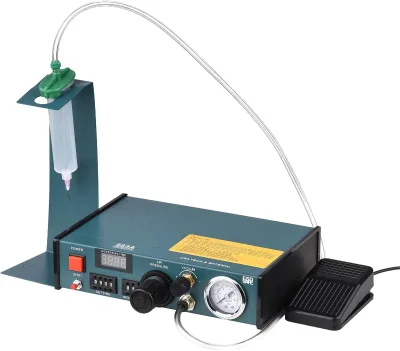
Compare machine specifications side by side: input voltage (110V/220V or AC 200–240V on different models), dispensing minimum (0.01ml on several listings), output pressure (1–80psi on one model), weight, footprint, and included features such as a built-in air compressor or 360-degree rotation. Then compare the commercial layer: company type (manufacturer versus trading company), verification badge, system certification, response speed to inquiries, and establishment year where the profile shows it. Main product lines are another useful signal—a supplier whose catalog is mostly soldering stations and spot welders may be a reseller for dispensers, while one listing LED displays, laminators, and polishing machines likely serves the full repair bench. Record which attributes a supplier does not display; a missing lead time or MOQ is information, and it tells you what to demand in the first inquiry.
Common Phone Repair Solder Paste Dispenser Sourcing Risks
The most frequent risk in this category is specification mismatch. Listings in this space carry inconsistent power fields—several show "Power (W): other" instead of a number—so buyers who assume a wattage from the model description may receive a machine with different power characteristics. Voltage mismatches are a close second: units listed at 110V/220V, AC 220–240V, or AC 200–240V will not all run safely on the same mains supply, and a wrong-voltage machine arriving in a 110V market is an expensive mistake. Similarly, some listings omit gross weight or show conflicting weight figures (one model shows 15kg in one field and 20.0kg single gross weight in another), which can inflate freight quotes after the order is placed.
Warranty and support risks follow. A one-year warranty appears on most dispenser listings here, but the enforceability of a remote warranty depends on parts availability and the supplier's willingness to ship consumables like nozzles and seals; test that commitment before ordering. Trading-company suppliers reselling branded machines (for example, branded 983A-style units) may not control firmware updates, repair, or spare parts. There is also condition risk: at least one listing markets used-condition dispensers alongside new ones, so confirm condition explicitly. Finally, a supplier's customization claims can outrun its actual R&D capacity—some profiles honestly list "no" or "customized on demand" only—so a buyer who needs modified dispensing volumes or fixtures should demand a functional sample, not a promise.
Phone Repair Solder Paste Dispenser Regional Sourcing and Logistics
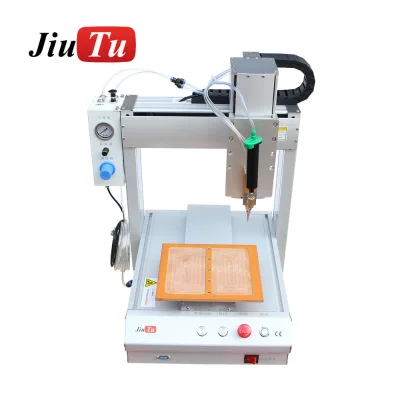
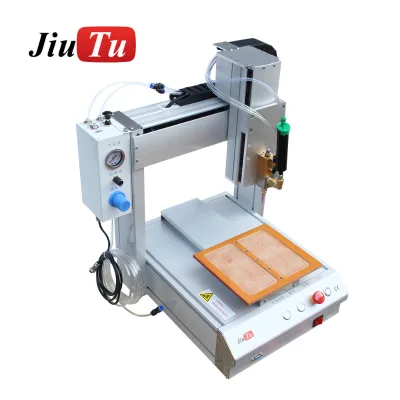
Guangdong, China is the declared place of origin on multiple dispensing machines in this category, which concentrates both sourcing and shipping decisions in one region. Proximity to major South China export infrastructure generally supports the short lead times some suppliers advertise—one displays five days—though lead time applies to production and dispatch, not ocean transit, so budget international freight separately. Machine weight and footprint drive logistics cost more than unit price: compact controller-style units here weigh around 3.5kg to 15kg with single-package sizes near 27×22×14cm or 29×22×17.5cm, while larger benchtop dispensing machines reach 50–55kg gross with packaging around 57×57×78cm. That difference pushes heavier machines toward sea or consolidated air freight.
Packaging and pre-shipment checks belong in your logistics plan. At least one listing offers customized packing, and one shows video outgoing-inspection provided; ask both of every supplier, because dispensers contain precision valves and tubing that suffer from rough handling. Confirm the shipping configuration: some machines ship with a built-in air compressor, which changes declared contents and may affect customs classification, while compressor-less units need a separate air source on arrival. Verify voltage compatibility with your destination grid before finalizing the order, since listings span 110V, 220V, and AC 200–240V variants. When a supplier's location is not displayed, ask for the dispatch address directly, because regional origin affects freight quotes, warranty logistics, and how quickly a service engineer or replacement part can reach you after delivery.
Phone Repair Solder Paste Dispenser Commercial Terms and Order Planning
Order planning for this category should exploit the low entry barrier visible in listings. With at least one dispenser showing an MOQ of one and unit prices spanning roughly $33 to $1,350 depending on machine class, a sensible plan is to buy a compact entry unit first, validate dispensing quality against your solder paste and nozzle requirements, then scale to higher-precision or higher-throughput models from the same supplier. Confirm payment protection with the marketplace's escrow or secure-payment option before transferring funds, and treat the displayed price range as a starting point—quotes move with configuration, quantity, and accessories such as spare syringes and nozzles, which are consumables worth ordering in the initial shipment.
Negotiate written terms on the points listings leave vague. Where lead time is not displayed, require a firm production-plus-dispatch date in the order; where it is displayed at five days, confirm it still applies to your configuration. Put the one-year warranty, the machinery test report, and the video outgoing-inspection commitment into the contract or order terms, since multiple listings already advertise these so holding suppliers to them is reasonable. Clarify packaging (standard versus customized packing), the exact shipping method, and who bears freight risk for a 55kg benchtop machine versus a 15kg controller. Finally, plan spares: nozzles, syringes, and seals wear fastest, and a supplier whose main products include the full repair bench may bundle consumables more cheaply than a one-time order placed months after the machine arrives.
FAQs
What is the price range for automatic glue dispensers?
Automatic glue dispensers typically range from $33 to $1,350 depending on specifications. Basic models start around $33, while advanced units with HD displays and 3-axis control can cost up to $1,350. Prices vary based on voltage, weight, and included features like built-in compressors or digital controllers.
What certifications do these machines have?
Most automatic glue dispensers listed carry CE certification, ensuring compliance with European safety standards. Some suppliers also provide RoHS certification for environmental safety. Additionally, machinery test reports and video outgoing inspections are provided to verify operational quality and reliability before shipment to international buyers.
What is the lead time for these products?
Lead times for automatic glue dispensers vary by supplier. Some manufacturers offer a lead time of just 5 days for production and delivery. Others may list zero days, indicating immediate availability or drop-shipping capabilities. Buyers should confirm specific timelines with suppliers to ensure timely project completion.
What is the minimum order quantity (MOQ)?
The minimum order quantity for automatic glue dispensers is often as low as one unit. This allows buyers to purchase single items for testing or small-scale operations. Many suppliers support sample processing and customized orders, making it easy to start with minimal inventory investment.
What voltage options are available?
Automatic glue dispensers are available in multiple voltage configurations to suit different regions. Common options include 110V, 220V, and AC 200V-240V. Some models are plug-powered for convenience. Buyers should select the voltage that matches their local power supply to ensure safe and efficient operation.
What warranty is provided for these machines?
Most automatic glue dispensers come with a 1-year warranty covering the entire unit and core components. This warranty ensures protection against manufacturing defects and operational failures. Buyers should review the specific warranty terms with suppliers to understand coverage details and claim procedures for long-term peace of mind.