Phone Repair Clamp Suppliers and Manufacturers in China
Explore 22 verified suppliers offering Phone Repair Clamp tools with varying response times, lead times, and certifications. Compare dimensions, materials, and pricing to find the right fit for your mobile device maintenance needs. Contact suppliers directly to request quotes; review the available evidence before requesting comparable quotations from suitable candidates.
Suppliers List

Weihai Haoyu Metal Products Co., Ltd
- Verified by SGS
- Combined
- China Shandong
- Lead time30 days
- Avg. response≤ 1h
Main productsRepair Clamps, Coupling, Pipe Clamp, Pipe Repair Clamp, Compression Coupling, Leak Clamp, Stainless Repair Clamps, Stainless Coupling, Pipe Coupling, Stainless Pipe Clamp
Main marketsDomestic
Shenzhen Fengjiahe Technology Co., Ltd.
- Trading Company, Agent, Distributor/Wholesaler
- Guangdong, China
- Lead time5 days
- Avg. response≤ 3h
Main productsPhone Repair Programmer,Laser Machine,LCD Separator Machine,Phone Films Cutting Machine,Microscope
Main marketsWestern Europe(25.00%), North America(20.00%), South America(20.00%), Mid East(5.00%), Oceania(5.00%), South Asia(2.00%), Southern Europe(2.00%), Northern Europe(2.00%), Central America(2.00%), Eastern Europe(2.00%), Eastern Asia(2.00%), Africa(2.00%), Southeast Asia(2.00%)

Aqua Fitting Pipe Tech (Beijing) Co., Ltd.
- Trading Company,Manufacturer/Factory
- China Beijing
- Lead time45 days
- Avg. response≤ 1h
Main productsFlange Adaptor, Gate Valve, Quick Adaptor, Dismantling Joint, Tapping Saddle, Restraint Coupling for PE Pipe, Rubber Expansion Joint, Universal Coupling, Universal Flange Adapter, Ductile Iron Fitting
Main marketsSouth America,Eastern Europe,Mid East,Southeast Asia,Western Europe,Africa

Rizhao Fenghua Scaffoldings Co., Ltd.
- Verified by BV
- Combined
- China Shandong
- Lead time45 days
- Avg. response≤ 14h
Main productsScaffolding, Scaffold, Forging, Formwork, Scaffold Couplers, Swivel Coupler, Frame System, Hand Tools, Scaffold Plank
Main marketsSouth America,East Asia(Japan/ South Korea),Europe,North America

MOQ: 1000 Pieces

MOQ: 1000 Pieces

MOQ: 1000 Pieces

MOQ: 1000 Pieces

MOQ: 1000 Pieces

MOQ: 1000 Pieces
Guangzhou Liwan District Huiyuan Communication Equipment Firm
- Manufacturer, Distributor/Wholesaler
- Guangdong, China
- Lead time10 days
- Avg. response≤ 4h
Main productsUFS/EMMC Programmer,Mobile Phone Repair Tools & Equipments
Main marketsAfrica(20.00%), Eastern Europe(20.00%), South America(20.00%), North America(20.00%), Southeast Asia(12.00%), Domestic Market(8.00%)
Shenzhen Hodaxin International Trade Co., Ltd.
- Manufacturer, Trading Company
- Guangdong, China
- Lead time0 days
- Avg. response≤ 3h
Main productsPhone Polishing machine,Laser Back Glass Remove Machine,Phone Screen Polishing Machine,Bubble Remove Machine,OCA Laminating Machine
Main marketsNorth America(50.00%), Western Europe(10.00%), Mid East(10.00%), Eastern Europe(10.00%), Northern Europe(10.00%), Southern Europe(5.00%), South America(5.00%)
Shenzhen Guste Technology Co., Ltd.
- Verified by TüVRheinland
- Trading Company
- Lead time0 days
- Avg. response≤ 2h
Main productsSoldering Tools, Glue Dispenser, Static Removal Equipment, Electric Tools, Electric Heating Equipment
Main marketsSoutheast Asia(30%), North America(15%), Africa(10%)
Shenzhen Jialan International Trading Co., Ltd.
- Manufacturer, Trading Company, Distributor/Wholesaler
- Guangdong, China
- Lead time5 days
- Avg. response≤ 7h
Main productsLcd Repair Machine,Vacuum Lamination Machine,Mobile Phone Refurbishment Equipment,Display Screen LCD,Back Glass Laser Machine
Main marketsCentral America(25.00%), Northern Europe(15.00%), Western Europe(15.00%), Mid East(10.00%), Southern Europe(10.00%), Eastern Europe(10.00%), South America(5.00%), South Asia(2.00%), Africa(2.00%), Southeast Asia(2.00%), North America(2.00%), Eastern Asia(2.00%)
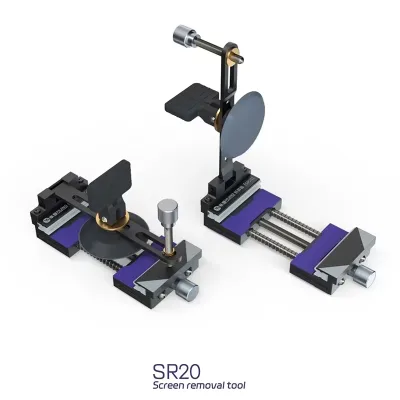
$11.50 - $12.50
MOQ: 1 cartons
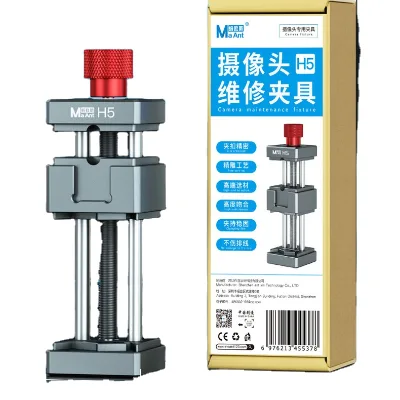

Wuhan Unique Mechanical & Electrical Equipment Co., Ltd.
- Verified by BV
- Trading Company
- China Hubei
- Lead time15 days
- Avg. response≤ 9h
Main productsTelecom Equipment, Telecommunication Equipment, DC Power Supply, Telecom Power Supply, Telecom Rectifier, Rectifier Module, UPS System, AGM Battery, Fiber Optic Equipment, Fiber Optic Materials
Main marketsAfrica,Southeast Asia/ Mideast,North America

ANQING GREAT WALL PIPELINE CO., LTD.
- Verified by TUVRHEINLAND
- Trading Company
- China Anhui
- Lead time15 days
- Avg. response≤ 4h
Main productsHot Tapping Machine, Line Stop Machine, Sandwich Valve, Universal Coupling, Repair Clamps, Stainless Steel Grooved Coupling, Pipe Cutting Machine, Split Tee, Hot Tapping Fitting, Line Stop Fitting
Main marketsSouth America,Africa,Southeast Asia/ Mideast,Europe,Australia,North America

Shenzhen City Yixin Technology Co., Ltd.
- Manufacturer, Agent, Distributor/Wholesaler
- Guangdong, China
- Lead time5 days
- Avg. response≤ 3h
Main productsCellphone Repair,Tablet fix,Cellphone Accessories Retail,Cellphone accessories wholesale,Phone refurbish
Main marketsNorth America(55.00%), Western Europe(25.00%), Eastern Europe(5.00%), South America(2.50%), Northern Europe(2.50%), Southern Europe(2.50%), Southeast Asia(1.75%), Oceania(1.50%), Domestic Market(1.50%), Eastern Asia(1.00%), Mid East(1.00%), Africa(0.25%), South Asia(0.25%), Central America(0.25%)

Shenzhen Hyperion Lighting Co., Ltd.
- Manufacturer, Trading Company, Distributor/Wholesaler
- Guangdong, China
- Lead time3 days
- Avg. response≤ 2h
Main productsparts for phone,repair tools for phone,phone mainboard,IC CHIP,computer parts
Main marketsWestern Europe(51.20%), North America(24.70%), Northern Europe(9.40%), Mid East(4.60%), Eastern Europe(3.50%), South America(2.90%), Central America(1.60%), South Asia(1.30%), Eastern Asia(0.50%), Africa(0.30%)
Shenzhen Zhuoxiujiang Technology Co., Ltd.
- Trading Company, Agent, Distributor/Wholesaler
- Guangdong, China
- Lead time7 days
- Avg. response≤ 3h
Main productsPhone Repair Programmer,LCD refurbishment tool,microscope,Laser machine,Soldering Station
Main marketsWestern Europe(20.00%), North America(20.00%), Africa(12.00%), Northern Europe(10.00%), South America(9.00%), Southern Europe(5.00%), Central America(5.00%), Domestic Market(5.00%), Oceania(5.00%), Southeast Asia(3.00%), Eastern Europe(2.00%), Eastern Asia(2.00%), Mid East(1.00%), South Asia(1.00%)

Guangzhou Xinchuang Lianrui International Trading Co., Ltd.
- Verified by BV
- Trading Company
- China Guangdong
- Lead time15 days
- Avg. response≤ 1h
Main productsDtl Cu-Al Terminal with Round Head, DTG Copper Terminal, Two-Split Spacer, Ny Hydraulic Tension Clamp, Jgh Cable Fixing Clamp
Main marketsSoutheast Asia/ Mideast

Zhongshan Yunteng Photographic Equipment Co., Ltd.
- Verified by SGS
- Combined
- China Guangdong
- Lead time45 days
- Avg. response≤ 3h
Main productsTripod, Stand, Selfi, Stick, Camera Accessory, Phone Accessory, Monopod, Light Stand, Mobile Holder, Panhead
Main marketsEast Asia(Japan/ South Korea),Europe
Guangzhou Yunchly Electronic Commerce Co., Ltd
- Manufacturer, Trading Company
- Guangdong, China
- Lead time20 days
- Avg. response≤ 1h
Main productsManual screwdriver,Electric screwdriver,Mobile phone repair tools,Computer repair tools,Watch repair tools
Main marketsDomestic Market(30.00%), North America(18.00%), Western Europe(15.00%), Eastern Europe(14.00%), Northern Europe(8.00%), Southern Europe(7.00%), Mid East(4.00%), South America(3.00%), Africa(1.00%)
Shenzhen Huimin Tong Accessories Co., Ltd.
- Trading Company
- Guangdong, China
- Lead time10 days
- Avg. response≤ 2h
Main productsMobile Phone Repair Tools,Computer Repair Tools
Main marketsDomestic Market(60.00%), Southeast Asia(15.00%), South Asia(10.00%), South America(5.00%), Mid East(5.00%), Western Europe(3.00%), North America(2.00%)

Zhejiang Pulus Electric Power Technology Co., Ltd.
- Verified by CTI
- Trading Company
- China Zhejiang
- Lead time23 days
- Avg. response≤ 4h
Main marketsSoutheast Asia/ Mideast,Domestic,Australia

Shandong All Well Import And Export Co., Ltd.
- Verified by BV
- Trading Company
- China Hebei
- Lead time23 days
- Avg. response≤ 2h
Main productsPreformed Guy Grip, ADSS Accessories, Cable Fitting, ADSS Guy Grip, ADSS Tension Set, ADSS Suspension Clamp
Main marketsAfrica,Southeast Asia/ Mideast,Domestic,Europe,North America

Electric Powertek Company Ltd.
- Verified by TUVRHEINLAND
- Trading Company
- China Tianjin
- Lead time15 days
- Avg. response≤ 1h
Main productsExothermic Welding, Earth Rod, Ese Lightning Rod, Earth Inspection Pit, Copper Clad Stranded Steel Wire, Copper Bonded Earth Rod, Welding Powder, Grounding Enhancement Material
Main marketsSouth America,Africa,Others(foreignTradeCapacity.exportBusinessCapacityMarketOther),Domestic

Laizhou Huiding Hardware Co., Ltd.
- Verified by BV
- Combined
- China Shandong
- Lead time30 days
- Avg. response≤ 4h
Main productsToggle Latch, Toggle Clamp, Industrial Handle, Coners Fittings, Lock Fittingss, Metal Stamping, Spring Latch, Industrial Hinges, Machinery Parts, Truck Latch
Main marketsSoutheast Asia/ Mideast,Domestic,Europe,North America

Ningbo Midtrail Auto Parts Co., Ltd.
- Manufacturer/Factory
- China Zhejiang
- Lead time75 days
- Avg. response≤ 7h
Main productsTrailer Connectors, Trailer Plug, Triailer Socket, Trailer Cables, Trailer Lighting, Booster Cables, Jumper Clamps, Breakaway Kits
Main marketsSouth America,Eastern Europe,Mid East,North America,Southeast Asia,Eastern Asia,Oceania,Western Europe,Africa










Comprehensive Sourcing Guide
Phone Repair Clamp Supplier Concentration and Factory Types
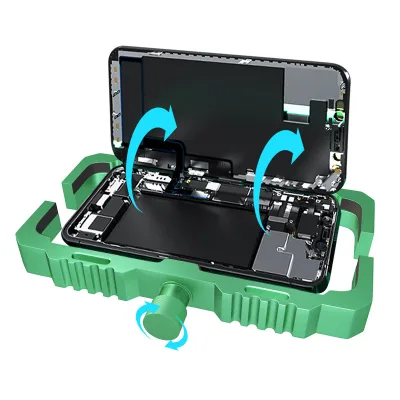
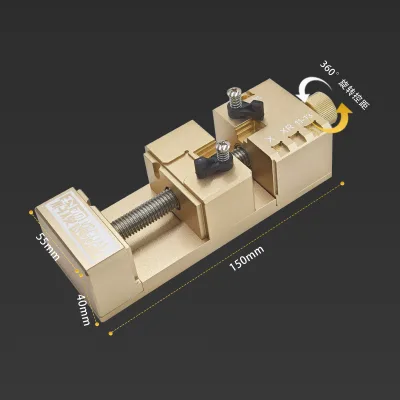
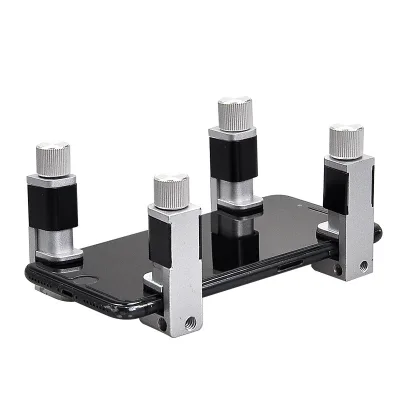
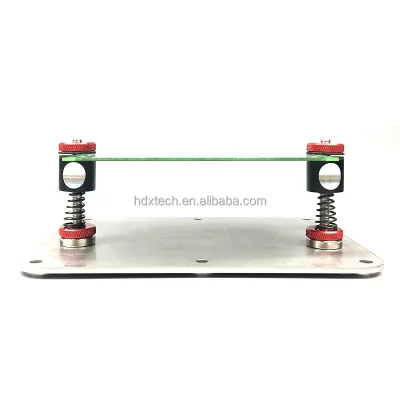
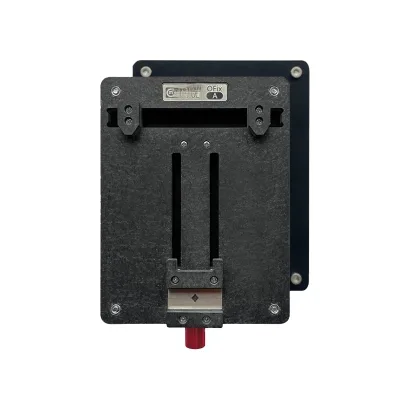
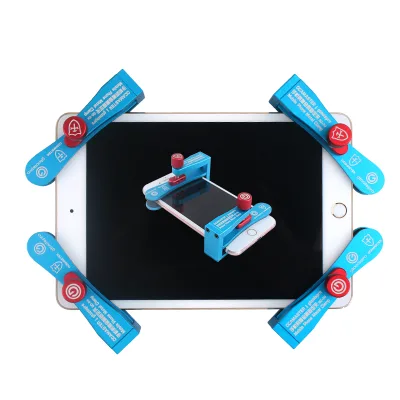
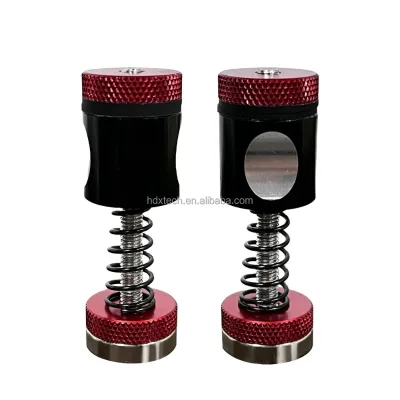
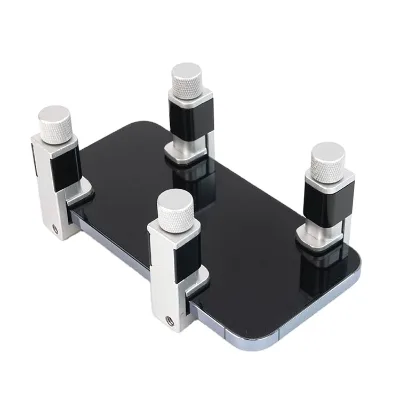
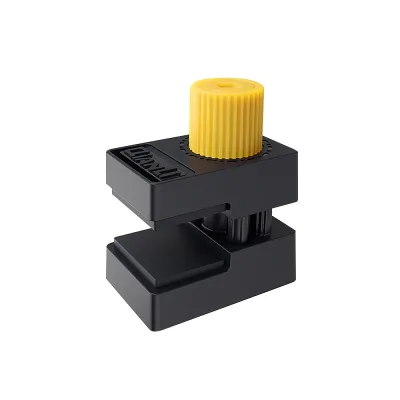
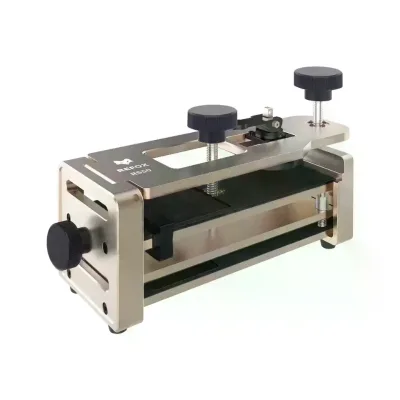
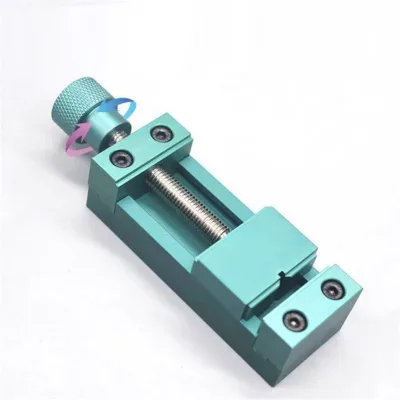
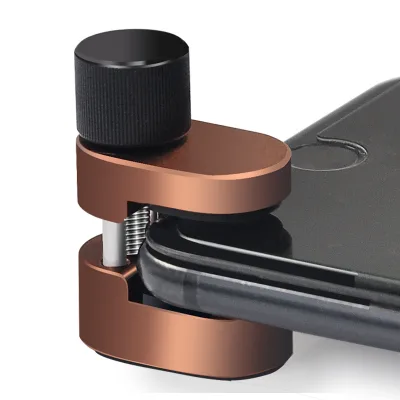
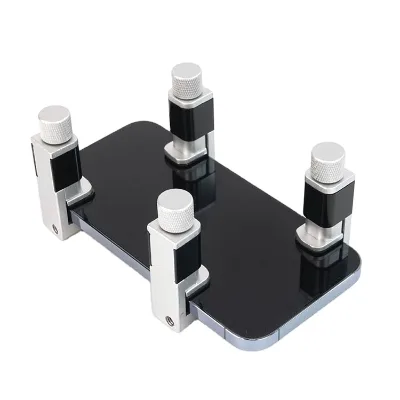
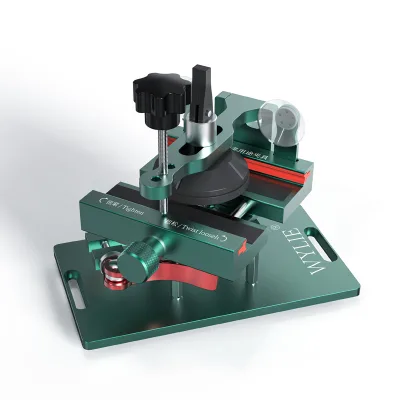
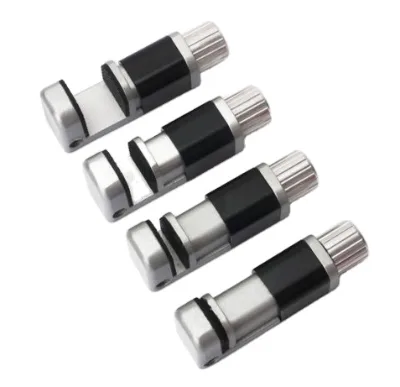
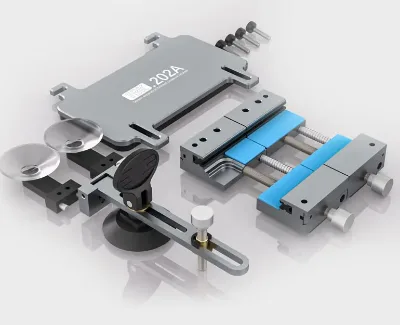
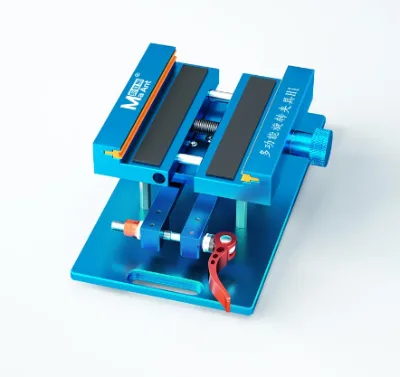
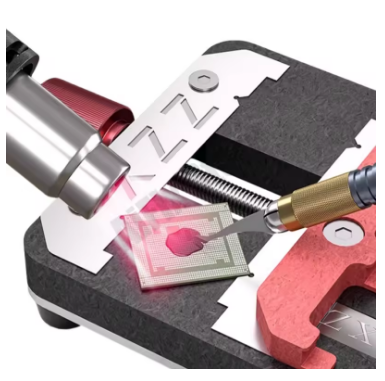
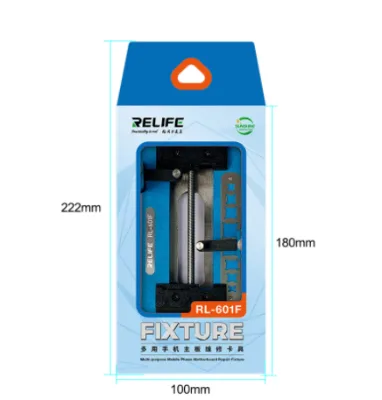
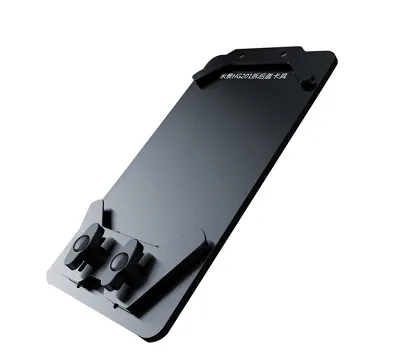
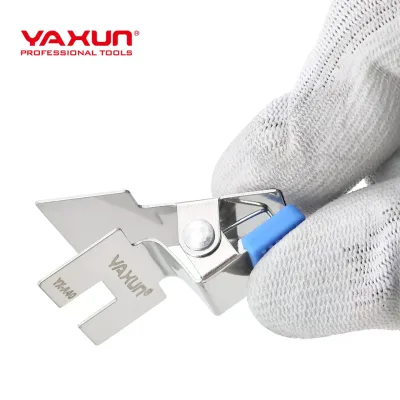
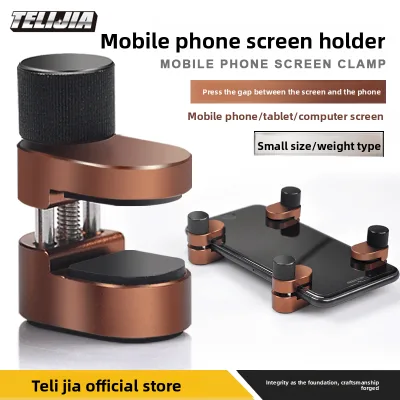
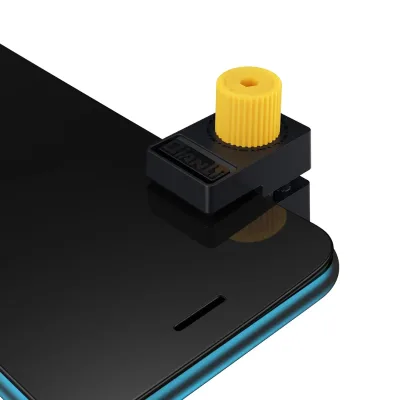
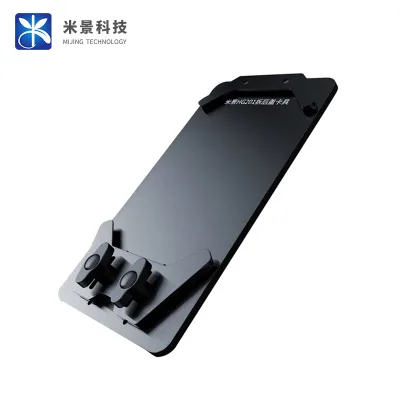
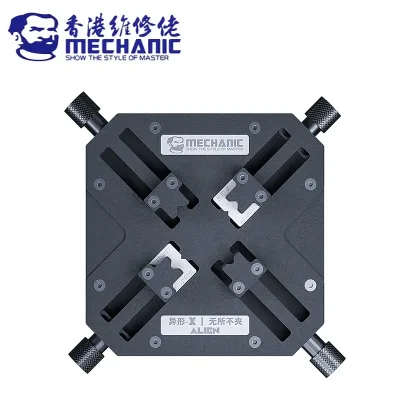
The current supplier landscape for phone repair clamps reveals a distinct concentration of manufacturing and trading entities within specific Chinese provinces, primarily Guangdong. This regional clustering is significant because it indicates a mature ecosystem dedicated to consumer electronics maintenance tools. Suppliers located in Guangdong often operate as trading companies, agents, or wholesalers, which suggests a high volume of inventory turnover and access to diverse product lines rather than direct factory production for every item. This structure allows buyers to source a wide array of specialized clamping fixtures, from universal LCD screen repair clamps to specific back cover opening tools, from a single geographic hub. The presence of these trading entities implies that while the physical goods may originate from various workshops, the commercial interface is streamlined through centralized distribution points. Buyers should recognize that this concentration facilitates easier logistics coordination and potentially faster shipping times due to established export infrastructure in the region. However, it also means that the actual manufacturing capability might be distributed across multiple smaller facilities rather than one large integrated plant. Understanding this dynamic helps in assessing whether a supplier is a direct manufacturer or a middleman, which impacts pricing structures and communication efficiency. The density of suppliers in this area also suggests competitive pricing and rapid innovation in tool design, as manufacturers closely monitor market trends for mobile device repair. This environment supports the availability of niche products like anti-slip base soft clamps or multi-function rotatable screen stands, catering to the evolving needs of repair technicians.
In contrast to the specialized electronics repair sector, other categories of repair clamps, such as those for industrial pipelines, are often sourced from different regions like Shandong, indicating a bifurcation in the market. For phone repair clamps specifically, the supplier types are predominantly focused on trading and distribution, which affects how buyers should approach verification and negotiation. These suppliers often list main products that include phone repair programmers, laser machines, and LCD separators, positioning the clamps as part of a broader toolkit offering. This bundling capability can be advantageous for buyers looking to equip a repair shop comprehensively. The company type being a trading company or agent often correlates with faster response times and more flexible order quantities, as these entities prioritize customer service and inventory management over production scheduling. Buyers should leverage this by requesting detailed catalogs that showcase the full range of available tools, ensuring that the supplier can meet all their equipment needs. The trading model also implies that quality control might be managed through third-party inspections or strict supplier vetting processes rather than internal factory audits. This distinction is crucial for buyers who prioritize consistency and reliability in their supply chain. By understanding the factory types, buyers can better anticipate the level of direct involvement they will have in the manufacturing process and adjust their quality assurance strategies accordingly. The focus on trading companies in this niche highlights the importance of selecting partners with strong logistical networks and proven track records in handling delicate electronic repair tools.
How to Verify Phone Repair Clamp Suppliers
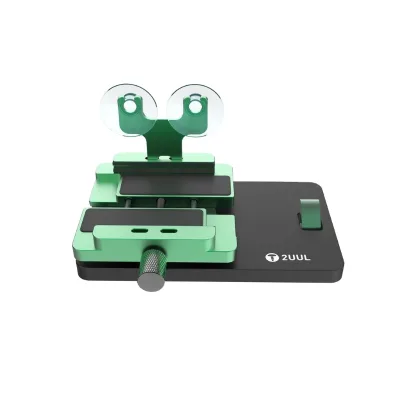
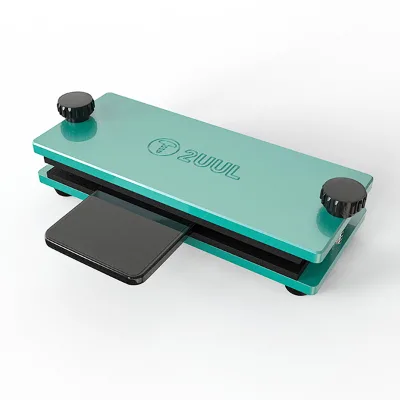
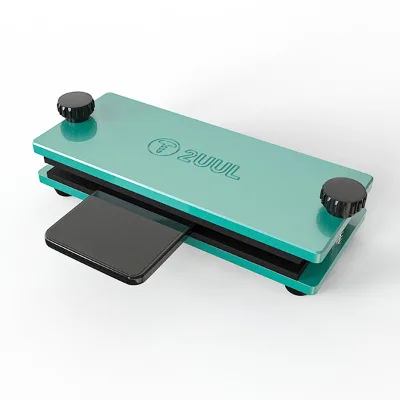
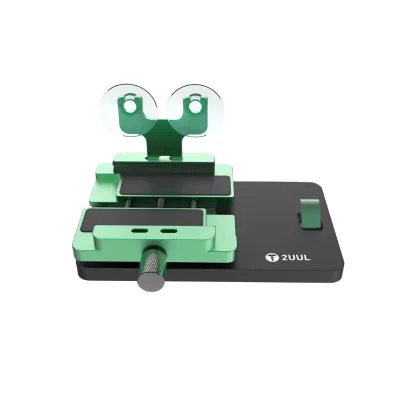
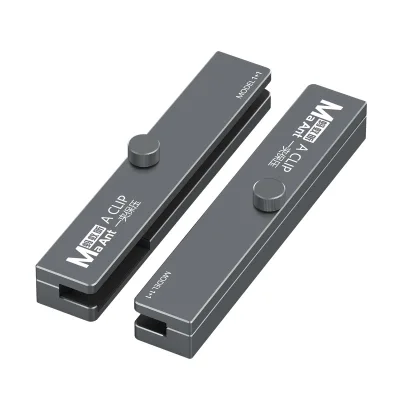
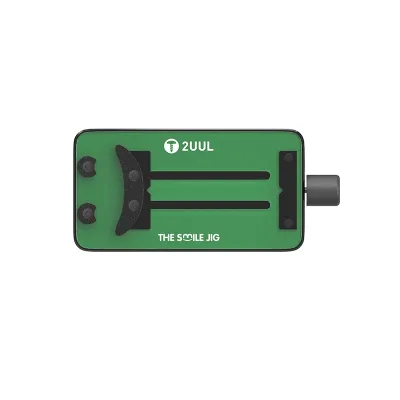
Verifying the authenticity and reliability of Phone Repair Clamp suppliers requires a multi-layered approach that goes beyond simple profile reviews. Buyers should prioritize suppliers who display third-party verification badges, such as SGS, which serves as an external validation of the company’s operational legitimacy. This verification is a critical first step in establishing trust, as it confirms that the business entity exists and has undergone some level of scrutiny by an independent agency. In addition to verification badges, buyers must carefully examine the product evidence provided, including detailed specifications, material compositions, and application notes. For instance, checking if a clamp is made of metal, alloy steel, or plastic and verifying its intended use for mobile phones or tablets helps ensure the product matches the buyer’s technical requirements. Buyers should also look for specific model numbers, such as 2UUL DA03 Lite or BH05, which indicate a standardized product line rather than generic, unbranded items. These model identifiers allow for easier cross-referencing and quality comparison across different suppliers. Furthermore, examining the warranty terms, such as a one-year warranty on certain clamps, provides insight into the supplier’s confidence in their product durability. Buyers should request clear documentation regarding these warranties and understand the claims process before committing to large orders. The presence of detailed product attributes, such as voltage requirements or single package sizes, also signals a professional supplier who understands the technical nuances of their inventory.
Beyond product details, buyers should assess the supplier’s responsiveness and communication efficiency as key indicators of reliability. A quick response time, such as under one day, suggests a dedicated customer service team that is likely to handle post-sale issues effectively. Buyers should initiate contact with potential suppliers to gauge the quality of their support, asking specific questions about customization options, OEM availability, and shipping methods. Suppliers that offer customization and OEM services demonstrate flexibility and a willingness to tailor products to specific brand or operational needs. Additionally, buyers should verify the supplier’s main product focus to ensure they are specialists in phone repair tools rather than generalists with limited expertise. A supplier whose main products include phone repair programmers and LCD separators is more likely to have a deeper understanding of the repair clamp market than a general hardware trader. Buyers should also check for any certifications, such as ISO9001:2015, although these are more common in industrial pipe repair suppliers, their presence in electronics tool suppliers would further enhance credibility. It is essential to cross-reference the supplier’s claims with independent reviews or industry forums to validate their reputation. By combining verification badges, product evidence, response times, and main product analysis, buyers can build a comprehensive profile of each supplier’s reliability. This thorough verification process minimizes the risk of engaging with fraudulent or low-quality providers, ensuring a smoother sourcing experience for phone repair clamps.
What to Compare Across Phone Repair Clamp Suppliers
When evaluating multiple suppliers for phone repair clamps, buyers must systematically compare key operational metrics to identify the most suitable partner for their specific needs. One of the primary dimensions for comparison is the lead time, which directly impacts inventory management and order fulfillment speed. Suppliers may offer varying lead times, ranging from a few days to several weeks, depending on their stock levels and production capacity. Buyers should prioritize suppliers with shorter lead times if they require rapid restocking or are fulfilling urgent customer orders. Additionally, the minimum order quantity (MOQ) is a critical factor, especially for small to medium-sized repair shops. Some suppliers may have low MOQs, allowing for flexible purchasing, while others might require larger bulk orders to achieve competitive pricing. Buyers should align their purchasing volume with the supplier’s MOQ requirements to avoid excess inventory or stockouts. Another important aspect to compare is the price range, which can vary significantly based on material quality, brand, and customization options. For example, basic plastic clamps may be priced lower than metal alloy clamps with advanced features like rotatable stands or anti-slip bases. Buyers should request detailed quotes that break down costs by unit, packaging, and shipping to ensure transparency. Comparing these price points helps in budgeting and identifying suppliers that offer the best value for money.
Beyond operational metrics, buyers should also compare the customization and OEM capabilities offered by different suppliers. Suppliers that provide customization options allow buyers to brand the clamps with their own logos or specifications, which is valuable for building a unique brand identity. The availability of OEM services indicates that the supplier can produce custom designs or modify existing products to meet specific technical requirements. Buyers should inquire about the minimum requirements for customization, such as order volume or design file specifications, to determine if it is feasible for their business. Additionally, the range of main products offered by each supplier should be compared to assess their breadth of inventory. A supplier that offers a comprehensive range of phone repair tools, including clamps, programmers, and separators, may provide better convenience and potential bundle discounts. Buyers should also consider the supplier’s location, as this affects shipping costs and delivery times. Suppliers located in Guangdong, China, may offer faster shipping to international markets due to established logistics networks. Finally, buyers should compare the warranty terms and after-sales support provided by each supplier. A longer warranty period and responsive customer service can mitigate risks associated with product defects. By systematically comparing these dimensions, buyers can make informed decisions that balance cost, quality, and service efficiency. This comparative analysis ensures that the selected supplier aligns with the buyer’s operational goals and customer expectations.
Common Phone Repair Clamp Sourcing Risks
Sourcing phone repair clamps from international suppliers, particularly those in China, introduces several risks that buyers must proactively manage to ensure a successful procurement process. One significant risk is the potential for quality inconsistency, especially when dealing with trading companies that may source products from multiple manufacturers. Without direct oversight of the production process, buyers may receive clamps that do not meet the specified material standards, such as receiving plastic clamps instead of the requested metal or alloy steel versions. This discrepancy can lead to product failures in the field, damaging the buyer’s reputation and resulting in costly returns or replacements. Another risk is the misrepresentation of product specifications, where suppliers may list incorrect model numbers, dimensions, or application details. For instance, a clamp advertised for mobile phones might not fit newer device models, rendering it useless for the buyer’s inventory. Buyers must carefully verify all product attributes, including single package sizes, gross weights, and recommended uses, to ensure accuracy. Additionally, there is a risk of delayed shipments due to logistical bottlenecks or supplier capacity issues. Suppliers with longer lead times may fail to meet urgent delivery deadlines, disrupting the buyer’s business operations. Buyers should establish clear communication channels and request regular updates on order status to mitigate this risk.
Intellectual property and branding risks are also prevalent in the Phone Repair Clamp market, particularly when dealing with OEM or customized products. Suppliers may inadvertently or intentionally produce counterfeit versions of branded clamps, leading to legal issues and brand dilution for the buyer. Buyers must ensure that their intellectual property rights are protected through clear contracts and non-disclosure agreements. Furthermore, there is a risk of currency fluctuation and payment security issues when transacting with international suppliers. Buyers should use secure payment methods, such as escrow services, to protect their funds until the goods are received and verified. Another risk is the lack of after-sales support, where suppliers may be unresponsive to warranty claims or technical inquiries. Buyers should assess the supplier’s customer service responsiveness and warranty terms before committing to large orders. Additionally, regulatory compliance risks exist, as suppliers may not adhere to international safety or environmental standards. Buyers should verify that the products meet relevant certifications and standards for their target markets. By identifying and addressing these risks through thorough due diligence, clear contracts, and secure payment practices, buyers can minimize potential losses and ensure a reliable supply of phone repair clamps. Proactive risk management is essential for maintaining business continuity and customer satisfaction in the competitive repair tool market.
Phone Repair Clamp Regional Sourcing and Logistics
The regional sourcing of phone repair clamps is heavily influenced by the geographic concentration of suppliers in China, particularly in Guangdong province. This region serves as a major hub for consumer electronics manufacturing and repair tools, offering buyers access to a dense network of suppliers specializing in mobile device maintenance equipment. Sourcing from Guangdong provides logistical advantages, including proximity to major ports and established shipping routes, which can reduce transit times and costs. Buyers should consider the impact of regional logistics infrastructure on their supply chain efficiency, as suppliers in this area are likely to have experience in handling international shipments and customs clearance. Additionally, the concentration of suppliers in Guangdong fosters competition, which can lead to more favorable pricing and faster innovation in product design. Buyers can leverage this competitive environment to negotiate better terms and access a wider variety of products. However, buyers must also be aware of potential regional risks, such as local labor shortages or regulatory changes, which could disrupt production and shipping. To mitigate these risks, buyers should diversify their supplier base and maintain open communication with logistics
FAQs
What materials are used for pipe repair clamps?
Stainless steel is the primary material used for pipe repair clamps. Some products also incorporate NBR and Neoprene for sealing. These materials ensure durability in oil, chemical, and water supply applications. The standard sizes range from 30 to 200mm for various pipe diameters.
What is the minimum order quantity for repair clamps?
The minimum order quantity for repair clamps is typically 10 units. This applies to standard pipe repair fixtures and emergency leak repair clamps. Buyers should verify specific MOQs for custom orders or specialized mobile phone repair tools, as requirements may vary by product type.
How long does it take to receive repair clamp orders?
Lead times for repair clamps generally range from 5 to 30 days depending on the product. Mobile phone repair tools often ship within 5 days, while industrial pipe clamps may take up to 30 days. Response times for supplier inquiries are usually under one day for quick communication.
Are mobile phone repair clamps available with warranties?
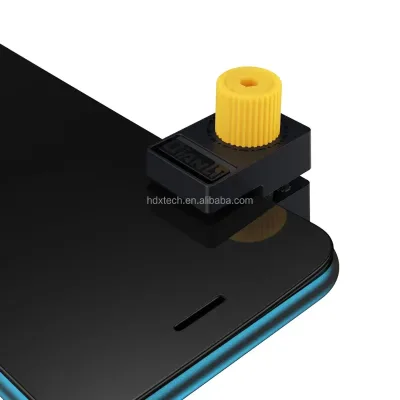
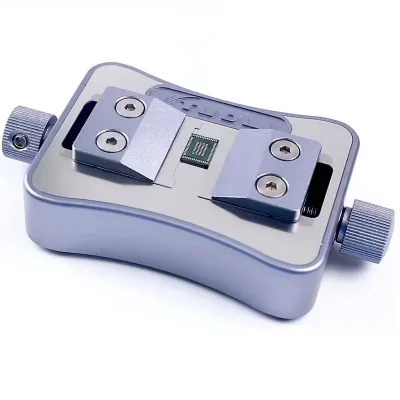
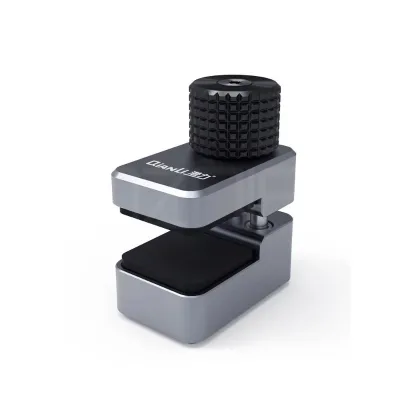
Yes, mobile phone repair clamps often come with a one-year warranty. Products like the 2UUL DA03 Lite and BH05 models include this coverage. These tools are designed for screen glass replacement and back cover maintenance, ensuring reliability for professional repair technicians.
What certifications do pipe repair clamp suppliers hold?
Suppliers of pipe repair clamps often hold ISO9001:2015 system certification. Many are verified by SGS to ensure quality standards. These certifications confirm that the manufacturing processes meet international requirements for safety and reliability in industrial applications like mining and gas pipelines.
Can repair clamps be customized for specific needs?
Customization is available for many repair clamp products. Suppliers offer OEM services and can adjust models for specific applications. Custom options include different materials and packaging, such as wooden frame packaging, to meet unique project requirements for industrial or mobile repair scenarios.
Where are Phone Repair Clamp tools manufactured?
Phone Repair Clamp tools are primarily manufactured in Guangdong, China. These products include screen fix clamps and bonding tools for mobile devices. The origin ensures access to specialized electronics repair equipment with competitive pricing and fast shipping times for global buyers.