Portable Zinc Alloy Herb Grinder Suppliers and Manufacturers
Compare 13 verified suppliers offering Portable Zinc Alloy Herb Grinder options with varying lead times, response speeds, and customization capabilities. Review product specifications like material and size, then request samples to verify quality before placing orders; review the available evidence before requesting comparable quotations from suitable candidates.
Suppliers List

Cangnan Shengju Smoking Factory
- Verified by SGS
- Combined
- China Zhejiang
- Lead time23 days
- Avg. response≤ 12h
Main productsCigarette Roling Paper, Olling Trays, Grinder, Cigar Cutter, Metal Pipes, Water Pipe, Asthrays, Cigarette Rolling Machine, Metal Smoking Pipe, Lighter
Main marketsDomestic

Anhui Good Growing Technology Co., Ltd.
- Verified by SGS
- Trading Company
- China Anhui
- Lead time30 days
- Avg. response≤ 2h
Main productsPre Roll Tube, Child Proof Box, Child Resistant Jar, Mylar Bag, Smell Proof Bag, Flower Oil Bottle, Rolling Tray, Herb Grinder, Smoking Set, Ashtray and Other Products
Main marketsSouth America,Southeast Asia/ Mideast,Europe,North America

Premium Portable Aluminum Zinc Alloy Grinder Smoking Accessory Custom Design Herb Grinder
$0.88 - $1.39
MOQ: 500 Pieces

Custom Premium Colorful Portable Smoking Grinder Aluminium Zinc Alloy Dry Herb Grinder
$0.88 - $1.39
MOQ: 500 Pieces


Factory Wholesale Multi Colors Dry Herb Grinder Zinc Alloy Smoking Accessories Grinder
$0.88 - $1.39
MOQ: 500 Pieces

Hot Selling 4 Layers Zinc Alloy Dry Herb Grinder Smoking Aluminum Grinder
$0.88 - $1.39
MOQ: 500 Pieces

Wholesale Factory Price Premium Aluminum Zinc Alloy 4-Layer Herb Grinder for Smoking
$0.88 - $1.39
MOQ: 500 Pieces

Shenzhen Lovisle Technology Co., Ltd.
- Verified by TUVRHEINLAND
- Trading Company,Manufacturer/Factory,Group Corporation
- China Guangdong
- Lead time38 days
- Avg. response≤ 6h
Main productsTorch Gas Lighter, Cigarette Lighter, Cigarettes Cases, USB Lighter, Herb Grinder, Water Hookah Shisha, Rolling Machine, Smoking Accessories, Electronic Cigarettes Lighters
Main marketsSouth America,Eastern Europe,Mid East,North America,Southeast Asia,Eastern Asia,Oceania,Western Europe,Africa

Factory Portable Spice Grinder Herb Zinc Alloy Tobacco Cigarette Grinders
$1.80 - $2.20
MOQ: 10 Pieces

Herb Grinder Spices Grinder with Storage Metal Grinder Manual Portable Travel Crusher
$4.50 - $5.50
MOQ: 200 Pieces

Portable Aluminum Alloy New Shape Herb Grinder Tobacco Grinder Custom Logo Printing
$3.50 - $4.50
MOQ: 200 Pieces

Hangzhou Radiant Glass Import & Export Co., Ltd.
- Verified by SGS
- Trading Company
- China Zhejiang
- Lead time23 days
- Avg. response≤ 4h
Main productsGlass Water Pipe, Glass Pipe, Oil Burner Pipe/Bowl, Silicone Pipe, Quartz Banger, Downstem, Glass Bowl, Glass Accessories, Ash Catcher, Glass Smoking Pipe
Main marketsSouth America,North America


63 mm 4 Layers Metal Herb Grinder Cake Colorful Tobacco Zinc Alloy Grinder
$2.00 - $2.20
MOQ: 10 Pieces

140mm Mixed Colors 4 Layers Bear Zinc Alloy Herb Grinder Metal Smoking Grinders
$2.50 - $2.70
MOQ: 25 Pieces

Shenzhen Jiayuanmei Packaging Co., Ltd
- Verified by TUVRHEINLAND
- Trading Company
- China Guangdong
- Lead time15 days
- Avg. response≤ 1h
Main productsGrinder Accessories, Pipe Accessories, Cone Accessories, Iron Tray Accessories, Ashtray Accessories, Grinder Set Accessories, Bag Accessories, Paper Accessories, Strorage Box Accessories, Cone Plastic Tube Accessories
Main marketsDomestic


Personalized Zinc Alloy Durable Mini Herb Grinder with Custom Logo for Enhanced Branding
$0.35 - $0.50
MOQ: 500 Pieces


Anhui Avantis Packaging Technology Co., Ltd.
- Verified by CTI
- Trading Company
- China Anhui
- Lead time23 days
- Avg. response≤ 5h
Main productsGlass Bottle, Glass Container, Rolling Tray, Mylar Bag, Rolling Cone Tube, Plastic Joint Tubes, Glass Tube, Hinged Cap Vials, Child-Resistant Packaging, Sitz Bath
Main marketsSouth America,Africa,Southeast Asia/ Mideast,Europe,Australia,North America

Wholesale 40mm Portable Metal Zinc Alloy Tobacco Grinder Manual Herb Smoking Grinder
$1.60
MOQ: 1000 Pieces


Shenzhen City Meibaoman Technology Co., Ltd.
- Verified by BV
- Trading Company,Manufacturer/Factory
- China Guangdong
- Lead time15 days
- Avg. response≤ 4h
Main productsGlass Oil Burner Pipe, Glass Chillum, Snuff Wallet Box, Glass Sweet Puff Pipe
Main marketsSouth America,Eastern Europe,Mid East,North America,Southeast Asia,Eastern Asia,Oceania,Western Europe,Africa

Foshan Benbi Technology Co., Ltd.
- Trading Company
- Guangdong, China
- Lead time15 days
- Avg. response≤ 1h
Main productsHerb Grinders,Rolling Trays,Ashtrays,Lighters,Hookahs
Main marketsNorth America(60.00%), Eastern Europe(10.00%), Western Europe(10.00%), Domestic Market(5.00%), Southeast Asia(2.00%), South America(2.00%), Eastern Asia(2.00%), South Asia(2.00%), Africa(2.00%), Southern Europe(1.00%), Northern Europe(1.00%), Mid East(1.00%), Oceania(1.00%), Central America(1.00%)

- Trading Company
- China Shanghai
- Lead time0 days
- Avg. response≤ 2h
Main productsRolling Paper, Rolling Tray, Grinder, Cone, Filter, Smoke Accessories

Shenzhen Conghui Precision Hardware Co., Ltd.
- Verified by TUVRHEINLAND
- Trading Company,Manufacturer/Factory
- China Guangdong
- Lead time75 days
- Avg. response≤ 4h
Main productsFasteners, CNC Parts, Hex Bolts, Squre Nuts, Stamping Parts, Wrench, Furniture Insert Nut, Flat Washers, Self Tapping Screws, Security Screws
Main marketsSouth America,Eastern Europe,Mid East,North America,Southeast Asia,Oceania,Africa

Yiwu Jiju Import & Export Co., Ltd.
- Verified by BV
- Trading Company,Manufacturer/Factory
- China Zhejiang
- Lead time23 days
- Avg. response≤ 25h
Main productsHerb Grinder, Rolling Tary, Smoking Pipe, Jar, Smoking Accessories, Glass Water Pipe, Wireless Speaker, Charger, Data Cable, Earphone
Main marketsSouth America,Eastern Europe,Mid East,North America,Southeast Asia,Eastern Asia,Oceania,Western Europe,Africa

- Verified by SGS
- Combined
- China Jiangsu
- Lead time23 days
- Avg. response≤ 4h
Main productsGlass Smoking Pipe
Main marketsSouth America,Domestic,Europe,Australia,North America


Hot Seller Zinc Alloy Herb Grinder Gold Four-Layer Grinder Manual Metal Tobacco Grinder
$1.10 - $1.50
MOQ: 50 Pieces

Four Layers Custom Logo Herb Grinder Aluminium Alloy Grinder with Handles
$4.25 - $4.55
MOQ: 100 Pieces

GUANGZHOU RICHER IMPORT AND EXPORT TRADE CO.,LTD.
- Verified by SGS
- Trading Company,Manufacturer/Factory
- China Guangdong
- Lead time45 days
- Avg. response≤ 5h
Main productsWhite Cigarette Rolling Paper, Machine Glazed Paper, Typewriter Paper, Mf Bleached Acid Free Tissue Paper, Food Packing Paper, Kraft Paper, Carbonless Base Paper
Main marketsSouth America,Eastern Europe,Mid East,North America,Southeast Asia,Eastern Asia,Oceania,Western Europe,Africa

Custom Grinder Zinc Alloy Grinder 4 Part Herb Grinders Herbal Smoking Accessories 60mm
$0.28 - $0.38
MOQ: 100 Pieces

Customized Zinc Alloy Herb Grinder OEM Metal Wholesale Herbal Gridner for Smoking Accessories
$3.50 - $5.50
MOQ: 500 Pieces


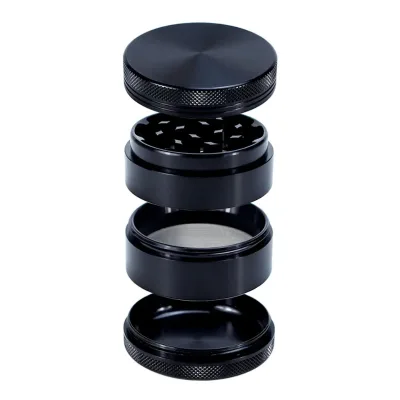
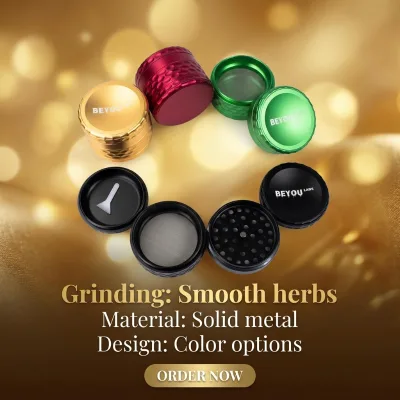
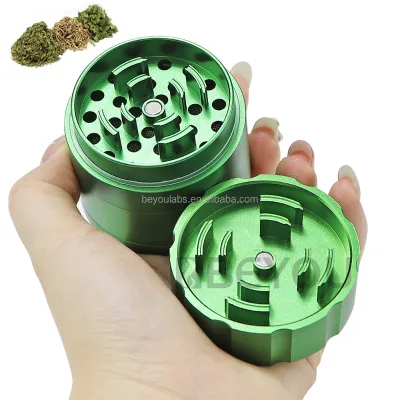


Comprehensive Sourcing Guide
Portable Zinc Alloy Herb Grinder Supplier Concentration and Factory Types
The current supplier landscape for portable zinc alloy herb grinders shows a distinct concentration in China, specifically within the Zhejiang province. This region hosts a mix of combined company types that offer both manufacturing and trading capabilities. These entities often list diverse product portfolios including cigarette rolling papers, ashtrays, and various metal smoking pipes alongside the core herb grinder items. The presence of combined suppliers suggests a flexible operational model where some facilities may handle direct production while others manage distribution networks. Buyers should note that the primary manufacturing hubs are not explicitly detailed beyond the provincial level, so identifying specific industrial clusters requires direct inquiry into the supplier's factory address.
Factory types vary significantly among the available options, ranging from combined entities to pure trading companies. Some suppliers explicitly state their capacity for both OEM and ODM services, indicating they can customize designs and manage production runs. Others may focus primarily on trading, sourcing from various factories to fulfill orders. The main products listed often include a broad array of smoking accessories, which implies that a single supplier might not specialize exclusively in grinders but rather offers them as part of a larger catalog. When evaluating potential partners, it is crucial to distinguish between a manufacturer with direct control over the zinc alloy casting process and a trading company that aggregates products from multiple sources. This distinction impacts quality control and the ability to implement specific design changes for your brand.
How to Verify Portable Zinc Alloy Herb Grinder Suppliers
Verification of suppliers in this category relies heavily on third-party validation and specific response metrics. Several suppliers in the current results have undergone verification by SGS, which serves as a concrete indicator of their operational legitimacy. However, not all suppliers display this specific credential, so buyers must actively check for verification badges or request proof of such audits before proceeding. The response time is another critical metric, with some suppliers showing a response time of approximately 11.22 hours while others respond much faster, such as 1.57 hours. A faster response time often correlates with better communication channels and a more active sales team, which is essential for resolving technical queries regarding zinc alloy specifications.
Beyond verification badges and speed, buyers should scrutinize the detailed product attributes provided in the listings. For instance, specific product evidence confirms materials like zinc alloy and aluminum, along with customization availability. Some listings explicitly mention "OEM/ODM: Accepted" and detail printing methods such as silk printing, UV printing, and labelling. These details serve as evidence of the supplier's capability to handle custom orders. Buyers should verify if the supplier can provide samples, as one listing explicitly offers "Free Herb Grinder Samples." It is also important to confirm the origin of the products, as all observed data points to China as the place of origin. Ensuring that the supplier can provide consistent product evidence matching the advertised specifications is a key step in the verification process.
What to Compare Across Portable Zinc Alloy Herb Grinder Suppliers
When comparing suppliers, the minimum order quantity (MOQ) presents a significant variable that affects procurement strategy. The observed data shows a wide range, with some suppliers requiring an MOQ of just 50 units, while others demand 2,500 pieces or even 450 units depending on the specific model and customization level. This variance means that buyers with smaller budget constraints or those testing a new market must carefully select suppliers with lower entry thresholds. Additionally, the price per unit fluctuates based on material and design complexity, ranging from as low as $0.10 for basic models to over $11 for premium, precision-engineered options. Buyers must align their budget with the specific product tier they intend to source, as the price difference is substantial.
Lead times and response capabilities are equally critical factors in the comparison process. The current results indicate lead times ranging from 23 days to 30 days, which can impact inventory planning and time-to-market. A supplier with a 23-day lead time offers a faster turnaround than one requiring 30 days, potentially reducing storage costs and improving cash flow. Furthermore, the company type influences the comparison; combined companies may offer more integrated solutions, whereas trading companies might provide a broader selection of accessories like rolling trays and ashtrays. Buyers should also compare the specific product attributes, such as size dimensions (e.g., 4035mm vs. 6525mm) and material grades, to ensure the supplier's output matches the intended application. These comparative metrics help in selecting a partner that aligns with both operational capacity and financial goals.
Common Portable Zinc Alloy Herb Grinder Sourcing Risks
One of the primary risks in sourcing portable zinc alloy herb grinders involves the inconsistency of product specifications and material quality. While some listings explicitly state "Metal" or "Zinc Alloy," others may use generic terms like "Alloy" without specifying the exact composition. This ambiguity can lead to receiving products that do not meet the durability or weight expectations required for a premium brand. Additionally, the customization options, while advertised as available, may vary in execution. Some suppliers offer silk printing and UV printing, but the quality of these finishes can differ significantly between factories. Without a standardized quality assurance protocol, buyers risk receiving batches with inconsistent logo placement or surface finishes that could damage brand reputation.
Another significant risk relates to the supply chain stability and the potential for hidden costs. The observed lead times of 23 to 30 days suggest a production cycle that may be susceptible to delays, especially if the supplier is managing multiple product lines like cigarette rolling papers and ashtrays. If a supplier is a trading company rather than a direct manufacturer, they may face communication gaps with the actual factory, leading to delays or errors in order fulfillment. Furthermore, the lack of specific system certifications for some suppliers means that compliance with international safety or environmental standards is not guaranteed. Buyers must be prepared to conduct their own due diligence to ensure that the zinc alloy used is safe for contact with herbs and that the manufacturing process adheres to necessary environmental regulations.
Portable Zinc Alloy Herb Grinder Regional Sourcing and Logistics
The regional sourcing data indicates a strong concentration of suppliers in China, with specific mentions of Zhejiang and Anhui provinces. Zhejiang appears to be a hub for combined suppliers offering a wide range of smoking accessories, while Anhui hosts trading companies specializing in pre-roll tubes and child-proof packaging alongside grinders. This geographic clustering suggests that logistics from these regions are well-established, but buyers should verify the specific port of loading for each supplier to optimize shipping costs. Since all observed products originate from China, international shipping will be a standard requirement, and buyers should factor in transit times and customs duties when planning their supply chain. The proximity of these manufacturing hubs to major shipping ports can influence the overall cost and speed of delivery.
Logistics planning must also account for the varying packaging standards observed in the supplier results. Some products are packed in cartons, while others use display boxes or specific configurations like 12 pieces per box. These packaging differences affect the volume and weight of the shipment, which in turn impacts freight costs. Buyers should confirm the exact packing dimensions and weight with the supplier before finalizing the order to ensure accurate freight calculations. Additionally, the lead times of 23 to 30 days mean that inventory planning must be done well in advance to avoid stockouts. For buyers sourcing from multiple regions within China, consolidating shipments from a single supplier or coordinating with a freight forwarder can help streamline the logistics process and reduce handling fees.
Portable Zinc Alloy Herb Grinder Commercial Terms and Order Planning
Commercial terms for portable zinc alloy herb grinders vary significantly based on the supplier's capacity and the order volume. The observed data shows that some suppliers accept OEM and ODM services, which often involves specific payment terms and deposit requirements. Buyers should clarify the payment structure, such as whether a deposit is required before production begins and when the balance is due. The minimum order quantities, ranging from 50 to 2,500 units, directly influence the unit price and the total investment required. For smaller orders, the per-unit cost may be higher, while larger orders typically benefit from economies of scale. It is essential to negotiate terms that align with the buyer's cash flow and inventory turnover rates.
Order planning must also consider the customization lead times and the specific product models available. Suppliers offer various models with different sizes, such as 30mm, 40mm, 55mm, and 63mm, each with its own production timeline. Buyers should plan their orders to accommodate the longest lead time observed, which is 30 days, to ensure timely delivery. Additionally, the availability of free samples from some suppliers can be a valuable tool for quality verification before placing a large order. Buyers should request samples to test the grinding mechanism and the finish of the zinc alloy. By carefully planning the order timeline and verifying samples, buyers can mitigate risks and ensure that the final product meets their quality standards and market expectations.
FAQs
What is the typical lead time for portable zinc alloy herb grinders?
The typical lead time for these grinders is 23 days based on current supplier data. Some suppliers offer a 30-day lead time for specific orders. Buyers should confirm exact timelines with the supplier before placing an order to ensure timely delivery.
What are the minimum order quantities for zinc alloy grinders?
Minimum order quantities vary significantly by product type. Some metal grinders require a minimum of 50 units, while others need 450 or 500 units. Plastic options may start at 120 or 2500 units. Always check the specific product listing for the exact MOQ.
Are customization options available for portable zinc alloy grinders?
Yes, customization is available for many portable zinc alloy grinders. Suppliers accept custom logos, patterns, and specific sizes. Options include silk printing, UV printing, and labeling. Buyers can request custom designs to match their brand requirements directly with the manufacturer.
What materials are used for portable herb grinders in these listings?
Portable herb grinders are primarily made from zinc alloy, aluminum, and metal. Some listings also feature plastic or unbleached bleached materials. The zinc alloy and aluminum options are popular for their durability and eco-friendly properties in daily use applications.
Where are the suppliers of these grinders located?
Suppliers are located in China, specifically in Zhejiang and Anhui provinces. These regions host combined companies and trading companies offering these products. Buyers can expect products to originate from these Chinese manufacturing hubs when sourcing portable zinc alloy grinders.
What is the price range for portable zinc alloy herb grinders?
Prices range from 0.10 to 11.80 per unit depending on the model and material. Basic metal grinders start around 0.10, while premium options cost up to 11.80. Plastic grinders typically fall between 0.80 and 6.50. The final price depends on customization and order volume.
How quickly do suppliers respond to inquiries about these grinders?
Response times vary among suppliers, with some responding in 1.57 hours and others taking 11.22 hours. Faster response times are often associated with trading companies. Buyers should expect a response within a day for most inquiries regarding portable zinc alloy grinders.
Do suppliers offer OEM or ODM services for these grinders?
Yes, many suppliers offer both OEM and ODM services for portable zinc alloy grinders. Some accept custom molds and logo printing methods like top printing. Buyers can request specific manufacturing services to create unique products tailored to their market needs.