Posture Correction Back Body Stick Suppliers and Manufacturers
Browse 34 suppliers of Posture Correction Back Body Stick products and compare grounded details such as location, response time, lead time, supplier type, verification, and product specifications including materials, sizes, customization, and certifications. Shortlist candidates and request quotes to confirm MOQ and pricing before ordering.
Suppliers List

Handan Wuxin Medical Devices Co., Ltd.
- Verified by TUVRHEINLAND
- Trading Company
- China Fujian
- Lead time15 days
- Avg. response≤ 2h
Main productsKnee Brace, Back Brace, Neck Brace, Waist Trainer, Body Shaper, Sportswear, Posture Corrector, Sexy Lingerie, Orthopedic Products, Gym Equipment
Main marketsEurope

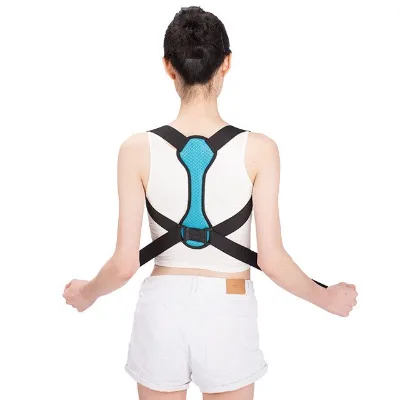
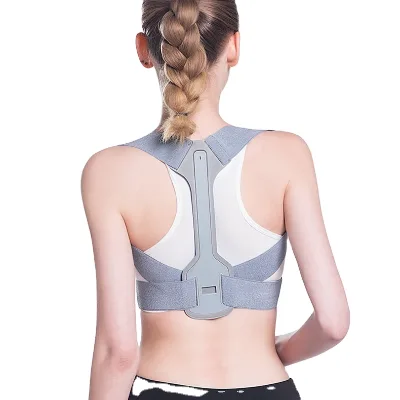
Back Posture Brace Adjustable Back Correction Shoulder Hunchback Posture Corrector
$3.99 - $4.99
MOQ: 50 Pieces

Factory Price Healthy Body Fitness Adjustable Back Support Belt Sitting Posture Corrector
$2.90 - $3.80
MOQ: 100 Pieces

Posture Corrector Band Belt Upper Back Correction Support Hunched Posture Correctiong Brace
$3.90 - $5.20
MOQ: 100 Pieces

Adjustable Comfortable Posture Corrector Back Support to Correct Posture
$2.20 - $2.70
MOQ: 100 Pieces


XIAMEN DORRELLA HEALTH TECHNOLOGY CO.,LTD
- Verified by SGS
- Trading Company,Manufacturer/Factory,Group Corporation
- China Fujian
- Lead time23 days
- Avg. response≤ 7h
Main productsOrthotic Brace, Ankle Brace, Arm Brace, Back Brace, Cervical Collar, Finger Splint, Hip Abduction Braces, Hand and Wrist Brace, Post-Op Shoes, Orthopedic Waiking Boot
Main marketsSouth America,Eastern Europe,Mid East,North America,Southeast Asia,Eastern Asia,Oceania,Western Europe,Africa

Back Corrector Posture Good Quality Private Label Humpback Posture Corrector
$3.90 - $4.90
MOQ: 50 Sets


Leather Back Brace Support Posture Corrector Lumbar Posture Corrector with Strap
$5.30 - $6.10
MOQ: 10 Sets

Adjustable Posture Corrector Back Corrector Back Shoulder Support Posture Corrector Back Brace
$1.90 - $2.50
MOQ: 10 Sets

Hot Sale Back Posture Corrector for Unisex Back Posture Shoulder Support Brace
$3.80 - $4.50
MOQ: 10 Sets


Fuqing Shengde Intelligent Manufacturing Technology Co., Ltd.
- Verified by BV
- Trading Company
- China Fujian
- Lead time23 days
- Avg. response≤ 6h
Main productsYoga Mat, Exercise Mat, Yoga Block, Gym Mat, Yoga Wheel, Foam Roller, Yoga Strap, Yoga Ball, Resistance Band
Main marketsDomestic

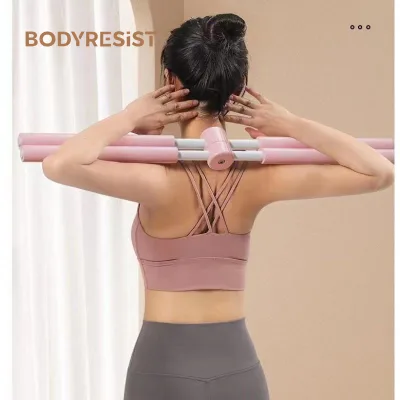
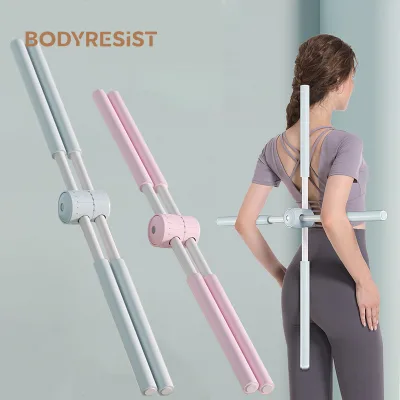
New Custom Logo Adult Body Adjustable Steel Stainless Yoga Opening Back Stick
$2.90 - $3.90
MOQ: 2 Pieces


Shandong Paramount Import & Export Co., Ltd.
- Verified by BV
- Combined
- China Shandong
- Lead time15 days
- Avg. response≤ 6h
Main productsSporting Goods, Weightlifting Gear, Weightlifting Belt, Lifting Straps, Wrist Wraps, Knee Sleeves
Main marketsSouth America,East Asia(Japan/ South Korea),Europe,Australia,North America

Female Handheld Quality Self Yoga Massage Body Stick Roller Back Muscle Massage Roller Stick
$1.80 - $2.10
MOQ: 200 Pieces


Female Hand Quality Plastics Yoga Massage Stick Foam Roller Muscle Fit Body Massage Roller Stick
$2.40 - $2.70
MOQ: 200 Pieces

Nantong Gympro Sports Co., Ltd.
- Verified by CTI
- Trading Company
- China Jiangsu
- Lead time23 days
- Avg. response≤ 2h
Main productsTraining Gear, Free Weight, Fitness Equipment, Yoga&Pilate, Exercise Accessories, Professional Training, Boxing
Main marketsSouth America,Africa,Southeast Asia/ Mideast,East Asia(Japan/ South Korea),Europe,Australia,North America


Gympro High Quality Colorful Massage Stick Leg Muscle Relaxation Fitness Massage Roller Stick
$1.37 - $1.52
MOQ: 300 Pieces

Massage Roller Muscle Roller Stick for Leg Neck Hand Arm Muscle Relax Yoga Massage
$1.92 - $2.12
MOQ: 300 Pieces
Shenzhen Yilairuika Medical Technology Co., Ltd.
- Verified by TUVRHEINLAND
- Combined
- China Guangdong
- Lead time15 days
- Avg. response≤ 3h
Main productsWomen Compression Faja, Post Surgery Shapewear, Men Shapewear
Main marketsAfrica,North America


$2.98 - $4.18
MOQ: 3 pieces

WuYi Chaoyuan Sports Equipment Co., Ltd.
- Verified by Intertek
- Manufacturer, Trading Company
- Lead time25 days
Main productsPilates Reformer, Sissy Squat Maching, Roman Chair, Pilates Accessories, Dumbbell Rack
Main marketsNorth America(50%), Western Europe(40%), Oceania(10%)
Shijiazhuang Aofeite Imp & Exp Co., Ltd.
- Manufacturer, Trading Company
- Lead time旺季: "1 - 100":31,"> 100":"To be negotiated", 淡季: "1 - 100":31,"> 100":"To be negotiated"
Main productsKnee Brace, Lumbar Support Belt
Shijiazhuang Aofeite Imp & Exp Co., Ltd.
- Manufacturer, Trading Company
- Lead time旺季: "1 - 100":7,"> 100":"To be negotiated", 淡季: "1 - 100":7,"> 100":"To be negotiated"
Main productsKnee Brace, Lumbar Support Belt
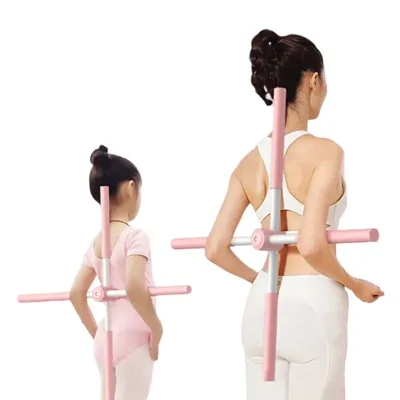

$5.81 - $6.88
MOQ: 100 pieces
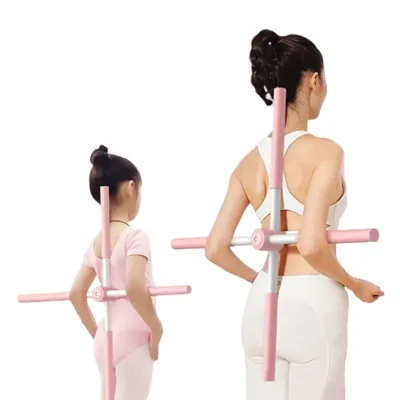

Customize logo Shoulder Straightener Full Back Support Upper Lower Back Back Brace Posture Corrector
$2.00 - $2.50
MOQ: 10 pieces
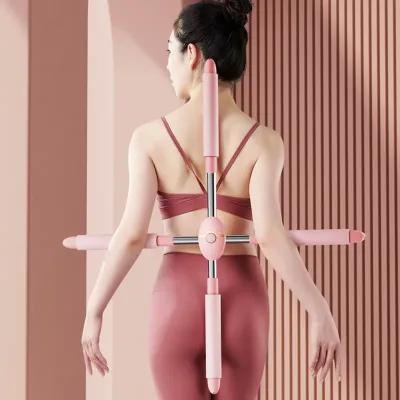
Wujiang Hailihong Textile Co., Ltd.
- Verified by CTI
- Combined
- China Jiangsu
- Lead time15 days
- Avg. response≤ 7h
Main productsKnitted Textiles, Chemical Fibers, Home Textiles, Clothing and Accessories, Swim Trunks, T-Shirt, Hawaiian Shirt, Beach Pants, Bikini, Hoodie
Main marketsAfrica,Southeast Asia/ Mideast,East Asia(Japan/ South Korea),Domestic,Europe,Australia,North America

High Quality Adjustable Back Brace Posture Corrector Back Brace Posture Corrector
$1.80 - $3.00
MOQ: 10 Pieces

Adjustable Back Brace Straightener Posture Corrector for Women and Men Posture
$4.00 - $6.50
MOQ: 10 Pieces


Hefei Johold Outdoor Products Co., Ltd.
- Trading Company
- Anhui, China
- Lead time15 days
- Avg. response≤ 2h
Main productsSurvival Kits,Flashlight,Emergency Whistle,Camping Tent,Tactical backpack
Main marketsNorth America(30.00%), Western Europe(20.00%), Northern Europe(15.00%), Eastern Europe(15.00%), Southeast Asia(5.00%), South America(5.00%), Eastern Asia(5.00%), Africa(5.00%)
Nantong Get Power Fitness Equipment Co., Ltd.
- Verified by TüVRheinland
- Trading Company
- Lead time30 days
Main productsDumbbell, Barbell, Weight Plate, Power Rack, Bench
Main marketsNorthern Europe(40%), North America(20%), Southeast Asia(20%)

Shenzhen Villsun Sports Technology Co., Ltd
- Verified by SGS
- Trading Company
- China Guangdong
- Lead time23 days
- Avg. response≤ 3h
Main productsFitness Equipment, Yoga Mats, Resistance Bands, Yoga Ball, Shin Guards, Knee Pads, Elbow Pads, Strength Fitness Equipment, Hand Grip, Yoga Wear
Main marketsSouth America,Southeast Asia/ Mideast,Europe,Australia,North America

Nantong Enerize Sporting Goods Co., Ltd.
- Trading Company,Manufacturer/Factory
- China Jiangsu
- Lead time0 days
- Avg. response≤ 14h
Main productsBarbells, Weight Plates, Bumper Plate, Dumbbell, Adjustable Bench, Rig and Rack, Power Rack, Kettlebell, Crossfit, Jump Ropes
Main marketsSouth America,Eastern Europe,Mid East,North America,Africa

Ningbo Qize Industry and Trade Co., Ltd
- Verified by BV
- Trading Company
- China Zhejiang
- Lead time30 days
- Avg. response≤ 3h
Main productsPdlc Smart Film, Filter Materials, Silicone Molds, Pet Products, Medical Supplies
Main marketsEurope
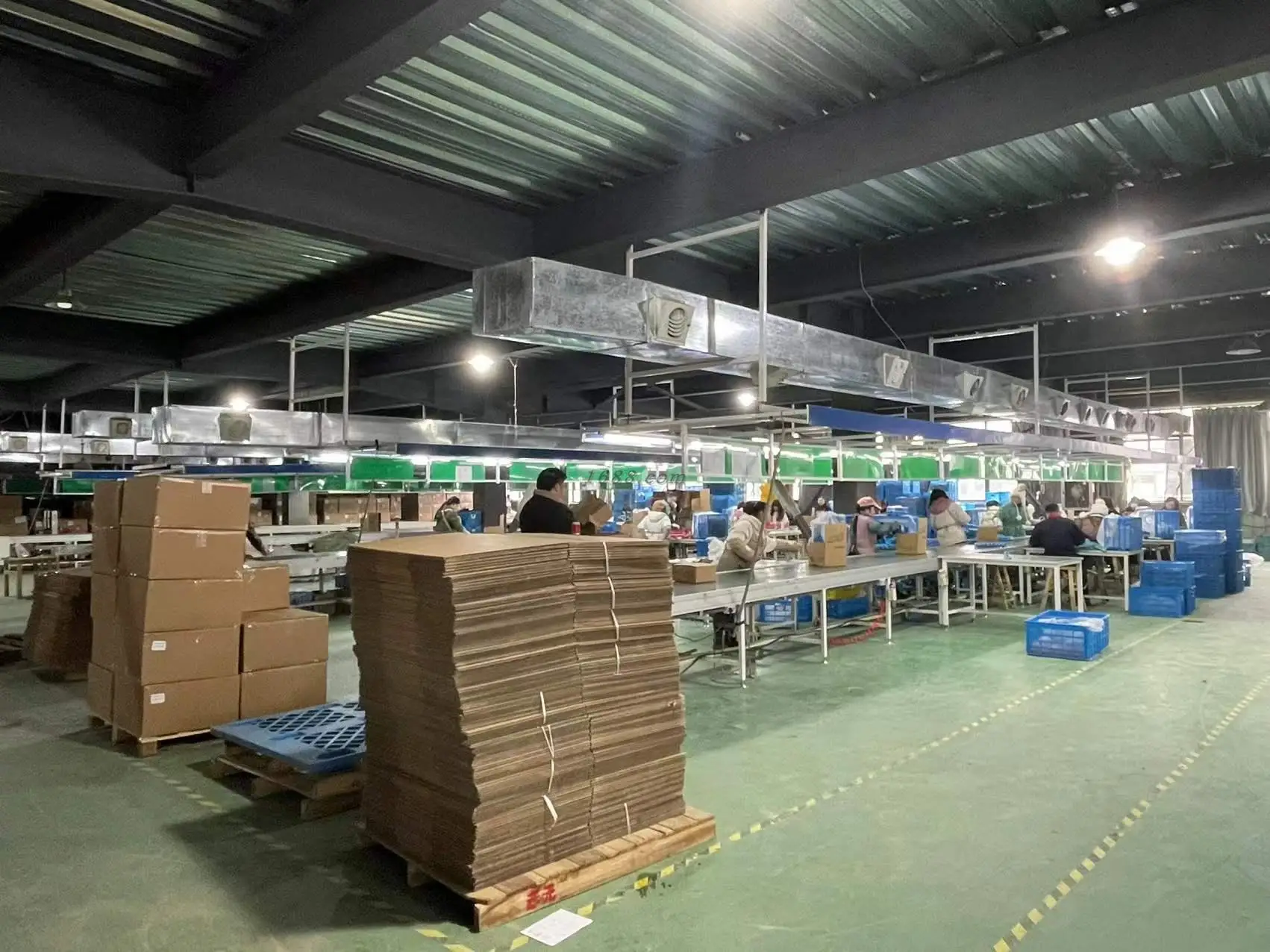
Hangzhou Conway Import & Export Co., Ltd.
- Trading Company
- Zhejiang Province, China
- Lead time25 days
- Avg. response≤ 2h
Main productsMini exercise bike,Pull up bar,Yoga mat,Resistance band,Power twister
Main marketsNorth America(35.00%), Eastern Asia(25.00%), Western Europe(25.00%), Southeast Asia(10.00%), Domestic Market(5.00%)

HEFEI MERRYBODY SPORTS CO., LTD.
- Verified by TUVRHEINLAND
- Trading Company
- China Anhui
- Lead time30 days
- Avg. response≤ 8h
Main productsDumbbell, Gym Ball, Exercise Mat, Boules Set, Bench, Foam Roller, Barbell, Pilate Ring, Pilate Products
Main marketsSouth America,Southeast Asia/ Mideast,East Asia(Japan/ South Korea),Europe,Australia,North America

PUYANG SELFAIDING INDUSTRIAL CO., LTD.
- Verified by SGS
- Manufacturer
- China Henan
- Lead time15 days
- Avg. response≤ 2h
Main productsAdult Bib, Pet Pad, Underpad, Baby Bib, Protective Panties, Washable Sanitary Pad, Compression Stockings, Patient Care Clothing, Pet Nest, Pet Toy
Shijiazhuang Aofeite Imp & Exp Co., Ltd.
- Manufacturer, Trading Company
- Lead time旺季: "1 - 100":7,"> 100":"To be negotiated", 淡季: "1 - 100":7,"> 100":"To be negotiated"
Main productsKnee Brace, Lumbar Support Belt

Sport Adjustable Yoga Body Stick Back Stretcher Open Shoulder Standing Posture Corrector
$3.91 - $4.91
MOQ: 300 pieces

$3.91 - $4.91
MOQ: 300 pieces

Shanghai Emprise Health Technology Co., Ltd
- Verified by TUVRHEINLAND
- Manufacturer/Factory
- China Shanghai
- Lead time45 days
- Avg. response≤ 3h
Main productsFitness Equipment, Gym Equipment, Sport Equipment, Commercial Gym Equipment, Commercial Treadmill, Commercial Elliptical Bike
Main marketsEastern Europe,Mid East,North America,Southeast Asia,Eastern Asia,Oceania,Western Europe

Nantong Splendid Sporting Co., Ltd.
- Verified by BV
- Trading Company,Manufacturer/Factory
- China Jiangsu
- Lead time45 days
- Avg. response≤ 7h
Main productsGym Bench, Power Rack, Functional Machine, Dumbbell, Kettlebell, Barbell, Foam Roller, Yoga Mat, Resistance Band, Slam Ball
Main marketsSouth America,Eastern Europe,Mid East,North America,Southeast Asia,Eastern Asia,Oceania,Western Europe,Africa

Massage Stick Roller Leg Muscle Release Body Building Massage Roller Massager Stick for Sore Muscles
$1.60 - $1.80
MOQ: 300 Pieces

Back Brace Corrector De Postur Adjustable Back Support Body Adjustable Posture Corrector
$2.00 - $2.10
MOQ: 500 Pieces

Hengshui Jingkang Medical Device Co., Ltd.
- Manufacturer, Trading Company
- Hebei, China
- Lead time5 days
- Avg. response≤ 5h
Main productsmaternity support,lumbar support,tourmaline magnetic,crutch,arm sling
Main marketsNorth America(40.00%), South America(20.00%), Eastern Europe(15.00%), Domestic Market(5.00%)

Hangzhou Kebo Orthopedic Rehabilitation Equipment Co.,Ltd
- Verified by SGS
- Combined
- China Zhejiang
- Lead time30 days
- Avg. response≤ 7h
Main productsSpine Orthosis, Orthosis Accessories, Upper Limb Orthosis, Lower Limbs Orthosis
Main marketsSoutheast Asia/ Mideast,Europe
Yangzhou Weller Sports Goods Co., Ltd
- Verified by SGS
- Trading Company,Manufacturer/Factory
- China Jiangsu
- Lead time23 days
- Avg. response≤ 10h
Main productsKnee Brace, Posture Corrector, Sports Protection, Shin Guards, Knee Pad, Knee Support, Waist Trainer, Elbow Brace, Orthopedic Products, Kinesiology Tape
Main marketsSouth America,Eastern Europe,Mid East,North America,Southeast Asia,Eastern Asia,Oceania,Western Europe,Africa

Posture Corrector Improve Posture Lumbar Support Shoulder Lower Upper Back Pain Relief
$4.90 - $5.20
MOQ: 500 Pieces

Lumbar Support Posture Corrector for Improved Posture Back Support and Posture Trainer
$4.90 - $5.20
MOQ: 500 Pieces
Wuhan Fdm Eco Fitness Product Co., Ltd.
- Verified by TüVRheinland
- Manufacturer, Trading Company
- Lead time15 days
Main productsYoga Mat, Foam Roller, Yoga Wheel, Yoga Blocks, Resistance Band
Main marketsNorth America(25%), Northern Europe(23%), South America(15%)
Shijiazhuang Aofeite Imp & Exp Co., Ltd.
- Verified by SGS Group
- Manufacturer, Trading Company
- Lead time15 days
Main productsBack support belt, Lumbar Support Belt, Knee pads, Ankle brace, Wrist guard
Main marketsNorth America(25%), Western Europe(20%), Eastern Europe(13%)

High Quality Smart Posture Corrector Backbone Fix Posture Smart Posture Correction Device
$2.62 - $3.09
MOQ: 100 pieces


Foshan Nanhai Aimi Clothing Co., Ltd.
- Manufacturer, Trading Company
- Guangdong, China
- Lead time0 days
- Avg. response≤ 2h
Main productsShapewear,Waist Trainer Belt,Waist Trainer Vest,Casual Wear,Sport Wear
Main marketsNorth America(40.00%), Africa(10.00%), Southeast Asia(10.00%), Eastern Europe(10.00%), South America(10.00%), Western Europe(8.00%), Mid East(5.00%), Southern Europe(2.00%), Northern Europe(2.00%), Central America(2.00%), Eastern Asia(1.00%)
Yangzhou Bases Sports Goods Co., Ltd.
- Verified by SGS Group
- Manufacturer, Trading Company
- Lead time20 days
Main productsKnee Support; Elbow Support, Wrist Support, Waist Support, Ankle Support, Beach Shoes
Main marketsSouth America(45%), South Asia(35%), Domestic Market(15%)

Shanghai Ritmark Sports Co., Ltd.
- Verified by BV
- Trading Company,Manufacturer/Factory
- China Shanghai
- Lead time23 days
- Avg. response≤ 4h
Main productsPVC Boat Fender, Fitness Ball, Fitness Sandbag, Waist Belt, Massage Tools, Acupressure Mat, Buoys, Dock Bumper, Yoga Items, Fitness Products
Main marketsSouth America,Eastern Europe,Mid East,North America,Southeast Asia,Eastern Asia,Oceania,Western Europe,Africa
Athspo Technology (Shenzhen) Co., Ltd.
- Manufacturer, Trading Company
- Fujian, China
- Lead time60 days
- Avg. response≤ 3h
Main productsStrength Training Equipment, Cardio Equipment, Smart Exercise and Fitness Equipment, Yoga and Pilates, Boxing and Ball Sports Equipment
Main marketsDomestic Market(30.00%), Western Europe(30.00%), North America(15.00%), South America(10.00%), Eastern Europe(10.00%), South Asia(5.00%)
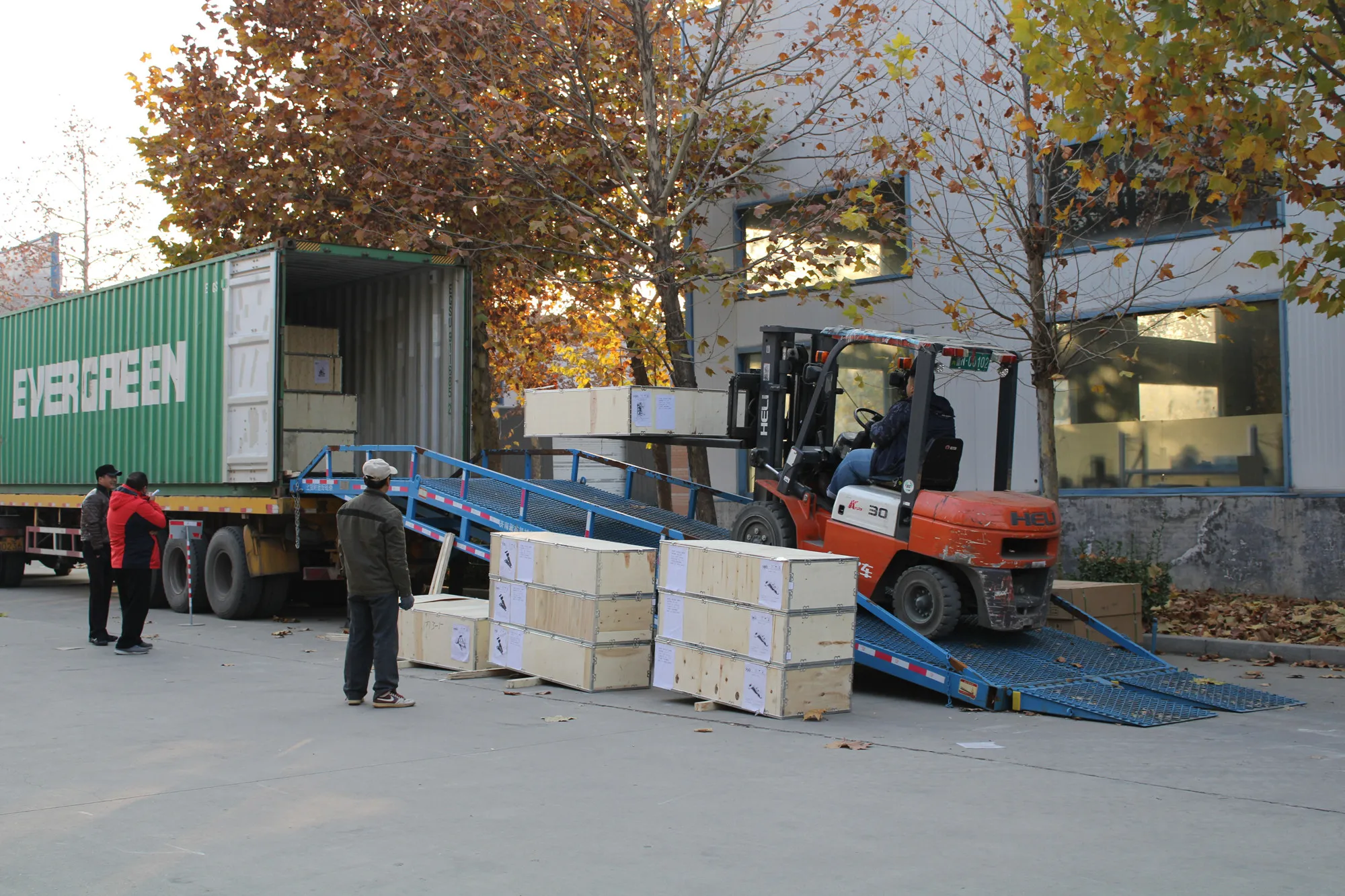
Dezhou Decheng Bona Sports Equipment Store
- Trading Company
- Shandong, China
- Lead time20 days
- Avg. response≤ 3h
Main productsCommercial Fitness Equipment,Cardio equipment,Personal training tools,Strength equipment,Plate Loaded
Main marketsDomestic Market(20.00%), Southern Europe(20.00%), Northern Europe(15.00%), Eastern Asia(10.00%), Eastern Europe(5.00%), South Asia(5.00%), North America(5.00%), Southeast Asia(5.00%), Central America(5.00%), Western Europe(5.00%), Africa(5.00%)
Hengshui Hongzhu Medical Technology Co., Ltd.
- Manufacturer, Trading Company
- Hebei, China
- Lead time10 days
- Avg. response≤ 2h
Main productsMedical Apparatus And Instruments,power wheelchair,Wheelchair,walking aid,Fitness accessories
Main marketsWestern Europe(50.00%), South America(50.00%)

Hebei Denovo Medical Device Co., Ltd.
- Verified by BV
- Trading Company,Manufacturer/Factory
- China Hebei
- Lead time23 days
- Avg. response≤ 4h
Main productsBack Support, Knee Support, Posture Corrector, Foot Night Splint, Arm Slings, Hernia Belts, Cervical Collars, Abduction Orthosis
Main marketsSouth America,Eastern Europe,Mid East,North America,Southeast Asia,Eastern Asia,Oceania,Western Europe,Africa
Danyang Zhenxing Latex Products Co., Ltd.
- Verified by SGS Group
- Manufacturer, Trading Company
- Lead time20 days
Main productsLatex Products (Latex Resistance Bands, Latex Tubes, Latex Bladder, Latex Bulb, Latex Hip Bands, Latex Resistance Tube, Yoga Bands)
Main marketsNorth America(40%), Eastern Asia(10%), Western Europe(10%)


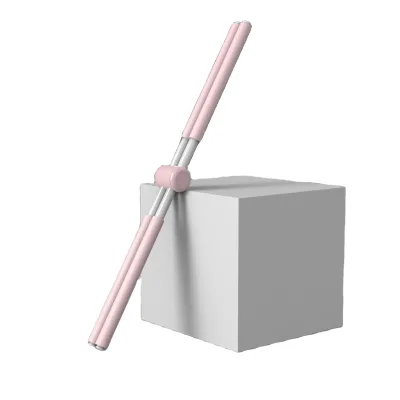


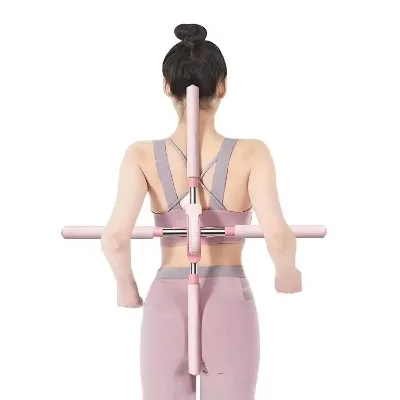




Comprehensive Sourcing Guide
Posture Correction Back Body Stick Supplier Concentration and Factory Types
When sourcing Posture Correction Back Body Stick products, buyers should first map the industrial landscape to understand where production capacity is concentrated. High-confidence data indicates that significant manufacturing and trading activity occurs in Fujian, China. This region often clusters textile and orthopedic accessory manufacturers, making it a logical starting point for identifying potential partners. However, buyers must not assume that all suppliers in this area operate with identical capabilities. Some entities are pure trading companies that aggregate products from various factories, while others are integrated manufacturers with in-house production lines. Distinguishing between these two types is critical because trading companies may offer broader product ranges and lower minimum order quantities, whereas factories typically provide better cost control and stricter quality oversight.
Understanding the supplier type also helps in assessing customization potential. For Posture Correction Back Body Stick items, which often require specific material blends like polyester and cotton or neoprene, direct factory access can facilitate deeper technical discussions regarding fabric density and elastic recovery. Trading companies, on the other hand, might be more flexible for small-batch testing or mixed-container orders. Buyers should request detailed organizational charts or factory visit reports to verify the actual production setup. If a supplier claims to be a manufacturer, ask for proof of ownership of machinery and raw material storage facilities. This initial classification prevents misalignment in expectations regarding lead times and quality control protocols, ensuring that the chosen partner aligns with the specific operational needs of the buyer’s supply chain.
How to Verify Posture Correction Back Body Stick Suppliers
Verification is the cornerstone of risk mitigation when dealing with Posture Correction Back Body Stick suppliers. Buyers should prioritize third-party verification badges, such as those provided by TUV Rheinland or SGS, which indicate that the supplier’s business license, production capacity, and quality systems have been audited by independent entities. These certifications do not guarantee product perfection but confirm that the supplier operates within a regulated framework. Additionally, check for system certifications like ISO 14001 or BSCI, which reflect environmental and social compliance. While these are not product-specific, they signal a company’s commitment to sustainable and ethical practices, which is increasingly important for brands targeting regulated markets. Always cross-reference these claims with the original issuing bodies to ensure the certificates are current and valid.
Beyond digital badges, conduct physical or virtual factory audits to validate production capabilities. For Posture Correction Back Body Stick products, inspect the quality control stations where stitching, elastic tension, and material integrity are tested. Request recent test reports for materials, specifically checking for skin safety and durability standards. If the supplier offers OEM or ODM services, verify their R&D capacity by reviewing past design portfolios and patent filings. Ask for references from existing clients who have ordered similar orthopedic or sports safety products. This multi-layered verification approach reduces the likelihood of encountering fraudulent suppliers or those with inconsistent quality control. Remember that verification is an ongoing process; re-audit suppliers annually or after significant changes in their business structure to maintain supply chain integrity.
What to Compare Across Posture Correction Back Body Stick Suppliers
When comparing suppliers for Posture Correction Back Body Stick items, focus on key operational metrics that directly impact cost and efficiency. Lead time is a critical factor; observed data shows variations ranging from 15 to 23 days. Shorter lead times may indicate higher production capacity or closer proximity to raw material sources, but they can also signal rushed quality checks. Buyers should balance speed with reliability by asking for historical on-time delivery rates. Minimum Order Quantity (MOQ) is another vital comparison point, with observed ranges from 50 to 100 units. Lower MOQs are beneficial for initial testing or niche market entries, while higher MOQs often unlock better unit prices. Evaluate whether the supplier’s MOQ aligns with your inventory turnover rates and storage capabilities.
Response time and communication efficiency also differentiate suppliers. A response time of under two hours suggests a dedicated sales team and operational readiness, whereas longer delays may indicate high workload or poor management. Compare the breadth of main products offered; suppliers specializing in orthopedic braces and posture correctors may have deeper expertise in material science and ergonomic design compared to general apparel manufacturers. Check for customization options, such as logo printing and size adjustments, which are essential for branded products. Finally, review the supplier’s location relative to your logistics hubs. Proximity to major ports can reduce shipping costs and transit times. By systematically comparing these dimensions, buyers can identify suppliers that offer the best balance of cost, quality, and service for their specific Posture Correction Back Body Stick requirements.
Common Posture Correction Back Body Stick Sourcing Risks
Sourcing Posture Correction Back Body Stick products carries specific risks related to material quality and regulatory compliance. One major risk is the use of substandard materials, such as non-breathable fabrics or weak elastic bands, which can lead to product failure and customer complaints. Buyers must insist on material certifications and conduct incoming quality inspections to verify that polyester, cotton, or neoprene meets specified standards. Another risk is inconsistent sizing and fit, which can result in high return rates. Ensure that the supplier provides detailed size charts and allows for sample approval before mass production. For Posture Correction Back Body Stick items, fit is crucial for effectiveness, so any deviation in dimensions can compromise the product’s functional value.
Regulatory risks also pose significant challenges, particularly when exporting to markets with strict health and safety standards. Suppliers may lack necessary certifications like CE or FDA, leading to customs seizures or legal liabilities. Verify that all products comply with local regulations regarding medical devices or sports safety equipment. Additionally, intellectual property risks exist if the supplier uses patented designs or logos without authorization. Conduct thorough due diligence to ensure that the product designs are original or properly licensed. Supply chain disruptions, such as raw material shortages or labor strikes, can also delay deliveries. Mitigate these risks by maintaining relationships with multiple suppliers and keeping safety stock. By proactively addressing these risks, buyers can protect their brand reputation and ensure a stable supply of Posture Correction Back Body Stick products.
Posture Correction Back Body Stick Regional Sourcing and Logistics
Regional sourcing decisions for Posture Correction Back Body Stick products significantly impact logistics costs and delivery times. Fujian, China, is a notable cluster for this category, offering proximity to major shipping ports and a well-established supply chain for textile and orthopedic accessories. Sourcing from this region can reduce inland transportation costs and simplify customs clearance processes. However, buyers should consider the total landed cost, including shipping, insurance, and duties, when evaluating regional options. If sourcing from other regions, assess the availability of specialized packaging materials and the efficiency of local logistics providers. For Posture Correction Back Body Stick items, which are often lightweight but bulky, optimizing packaging dimensions can reduce shipping volume and costs.
Logistics planning should also account for seasonal demand fluctuations and potential port congestion. Establish clear communication channels with suppliers and freight forwarders to monitor shipment progress and address any delays promptly. Consider using consolidated shipping for smaller orders to reduce per-unit costs, or air freight for urgent replenishments. Additionally, evaluate the supplier’s ability to handle export documentation and compliance requirements. A reliable supplier should provide accurate commercial invoices, packing lists, and certificates of origin. By aligning regional sourcing with efficient logistics strategies, buyers can ensure timely delivery of Posture Correction Back Body Stick products while maintaining cost control. Regularly review logistics performance metrics to identify areas for improvement and optimize the supply chain further.
Posture Correction Back Body Stick Commercial Terms and Order Planning
Negotiating commercial terms for Posture Correction Back Body Stick orders requires careful attention to payment structures and contract details. Common payment terms include Letter of Credit (LC) and Telegraphic Transfer (TT), each with distinct risk profiles. LCs provide security for both buyer and seller but involve higher bank fees and longer processing times. TT is faster and cheaper but carries more risk for the buyer if the supplier fails to deliver. Buyers should negotiate a split payment structure, such as 30% deposit and 70% upon shipment, to balance risk and cash flow. Clearly define the Incoterms, such as FOB or CIF, to specify who bears the risk and cost of transportation and insurance. For Posture Correction Back Body Stick products, ensure that the contract includes detailed specifications for materials, dimensions, and packaging to avoid disputes.
Order planning should align with production cycles and market demand. Place orders well in advance of peak seasons to account for longer lead times and potential production bottlenecks. Establish a clear quality acceptance process, including pre-shipment inspections and final random checks, to ensure that the products meet agreed standards. Include penalty clauses for late deliveries or quality defects to incentivize supplier compliance. Additionally, negotiate terms for sample development and approval, ensuring that samples are representative of the final product. By structuring commercial terms and order planning with precision, buyers can mitigate risks and build a sustainable partnership with Posture Correction Back Body Stick suppliers. Regularly review and update contracts to reflect changes in market conditions and regulatory requirements.
FAQs
What is the typical lead time for posture corrector orders?
The typical lead time for these orders is 15 days. Some suppliers offer a 23-day window for more complex manufacturing runs. Buyers should confirm the exact schedule with the supplier before placing the order to ensure timely delivery.
What certifications are available for back posture braces?
Common certifications include CE, FDA, and ISO standards. Some products also carry QHSE or BSCI system certifications. Buyers should verify specific certification requirements with the supplier to ensure compliance with local regulations and quality standards.
What is the minimum order quantity for posture correctors?
The minimum order quantity varies by supplier, typically ranging from 50 to 100 pieces. Some suppliers may require higher volumes for custom branding. Buyers should check the specific MOQ with the supplier to plan their inventory effectively.
What materials are used in adjustable back posture correctors?
Materials often include polyester, cotton, and neoprene blends. Some designs incorporate magnets for therapeutic benefits. Buyers should review the material specifications provided by the supplier to ensure comfort and durability meet their specific product requirements.
What is the price range for wholesale posture correctors?
Prices typically range from $2.20 to $5.20 per unit. The cost depends on materials, customization, and order volume. Buyers should request a detailed quote from the supplier to understand the final pricing based on their specific requirements.
Can suppliers provide custom branding for posture correctors?
Yes, customization is available for logos and packaging. Suppliers offer options for custom sizes and colors. Buyers should discuss their branding needs with the supplier to ensure the final product meets their marketing and quality expectations.