Portable White Facial Skin Analyzer Suppliers and Manufacturers
Find 29 verified sources for the Portable White Facial Skin Analyzer with options for home or commercial use. Compare response times, lead times, certifications, and pricing to select a suitable partner. Review product specifications and contact suppliers directly to proceed.
Updated
Suppliers List
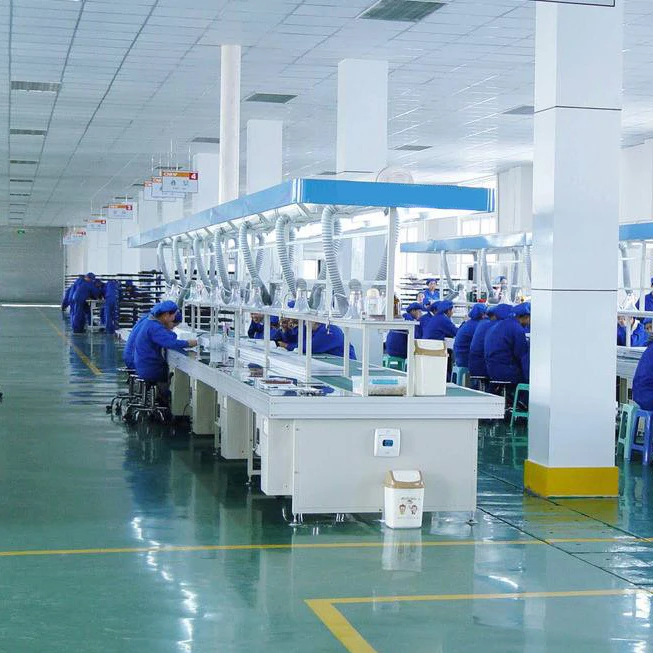
Shanghai Smart Industrial Co., Ltd.
- Trading Company
- Shanghai, China
- Lead time3 days
- Avg. response≤ 2h
Main productsDerma pen,Derma roller,PDT,Slimming machine,Co2 fractional laser machine
Main marketsWestern Europe(20.00%), North America(20.00%), Eastern Europe(15.00%), Southern Europe(10.00%), Mid East(10.00%), Southeast Asia(10.00%), South America(5.00%), Africa(5.00%), Domestic Market(1.00%), South Asia(1.00%), Oceania(1.00%), Northern Europe(1.00%), Central America(1.00%)
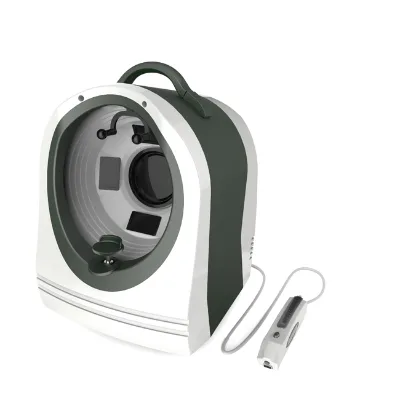
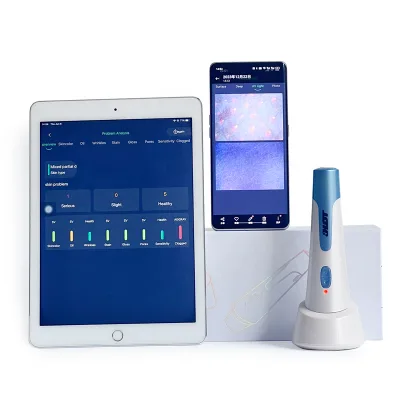
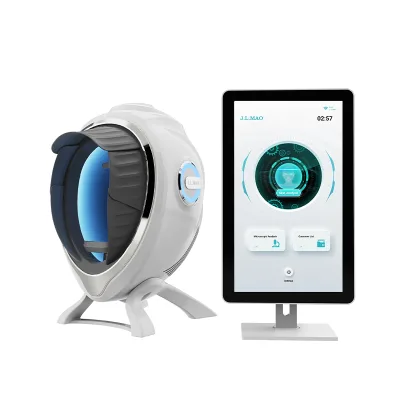
Portable Facial Skin Analyzer Machine
$850.00 - $900.00
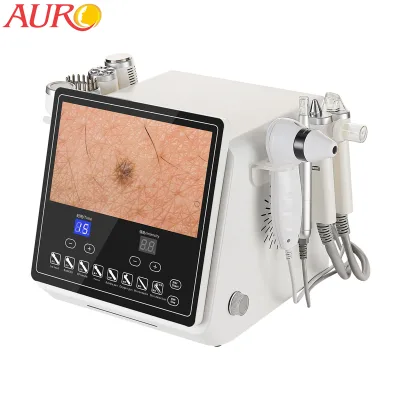
Guangzhou Auro Beauty Equipment Co., Ltd.
- Verified by SGS Group
- Manufacturer, Trading Company
- Lead time5 days
- Avg. response≤ 5h
Main productsFacial Machines, Body Massage Machine, Hifu Machine, Slimming Machine
Main marketsNorth America(15%), Western Europe(15%), Eastern Europe(13%)

- Verified by BV
- Combined
- China Guangdong
- Lead time15 days
- Avg. response≤ 7h
Main productsUltrasound Machine, X-ray Machine, Blood Analyzer, ECG, Radiation Protection
Main marketsSouth America,Africa,Southeast Asia/ Mideast,East Asia(Japan/ South Korea),Europe,Australia,North America


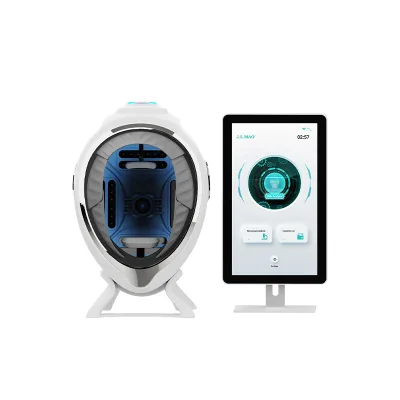
Intelligent Skin Analyzer Real-Time Online Skin Analysis with Diagnosis Report
$1375.00 - $1560.00
MOQ: 1 Pieces

GUANGZHOU KONMISON TECHNOLOGY CO., LIMITED
- Verified by BV
- Trading Company
- China Guangdong
- Lead time30 days
- Avg. response≤ 8h
Main productsBeauty Machine, Beauty Equipment, Slimming Machine, Cavitation Weight Loss Beauty Machine, Skin Care Machine, RF Skin Lifting Rejuvenation Machine, IPL Hair Removal Machine, Laser Hair Removal Machine, LED Facial Mask Beauty Device
Main marketsEurope,Australia


2022 Professional Skin Analyzer Skin Analysis Machine 3D Skin Analysis Facial
$678.50 - $748.50
MOQ: 1 Pieces

Guangzhou Zhongke Medical Cosmetic Instrument Co., Ltd.
- Verified by BV
- Combined
- China Guangdong
- Lead time15 days
- Avg. response≤ 1h
Main productsEMS Chair, EMS Body Sculpting Machine, Laser Machine, Hifu Machine, Hair Removal Machine, Skin Analysis Machine, Fat Freezing Machine, Tattoo Machine, Pelvic Floor Chair, Medical Beauty Equipment
Main marketsSouth America,Africa,Southeast Asia/ Mideast,East Asia(Japan/ South Korea),Europe,North America

Beauty Equipment 3D Facial Analyzer Portable Skin Analyzer Facial Skin Analysis Machine
$920.00 - $1050.00
MOQ: 1 packs

Skin Care 3D Face Analysis Machine Scanner Facial Scanner Skin Analyzer
$1400.00 - $1650.00
MOQ: 1 packs

Advanced 3D Facial Skin Analysis Machine Smart Skin Diagnostics Analyzer for Beauty Clinics
$1150.00 - $1450.00
MOQ: 1 packs
Gorgeous Beauty Equipment Manufacture
- Verified by SGS Group
- Trading Company
- Lead time3 days
- Avg. response≤ 2h
Main productsCryolipolysis, Hair Removal Machine, Muscle Stimulation Machine
Main marketsNorth America(48%), Western Europe(20%), Eastern Europe(10%)
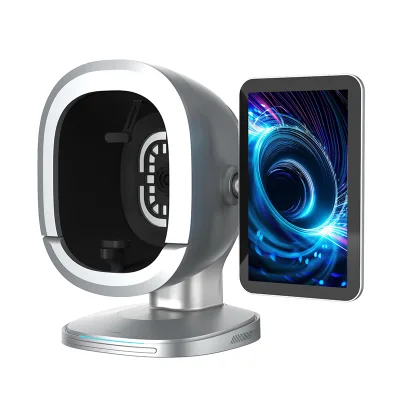
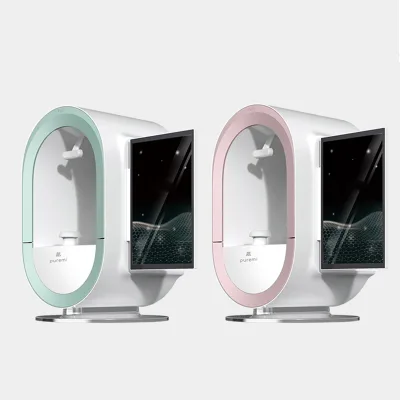
$1437.4044 - $1541.1765
MOQ: 1 pieces
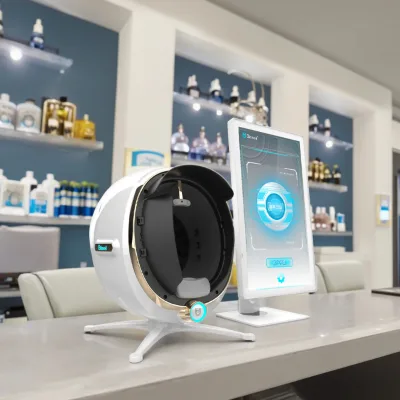

Shenzhen Fitconn Technology Co., Ltd.
- Verified by SGS
- Trading Company,Manufacturer/Factory
- China Guangdong
- Lead time23 days
- Avg. response≤ 11h
Main productsCompressor Nebulizer, Mesh Nebulizer, Anti Decubitus Air Mattress, Blood Pressure Monitor, Pulse Oximeter, Fetal Doppler, Themometer, DC Compressor Nebulizer, Glucose Meter, Mini Masager
Main marketsSouth America,Eastern Europe,Mid East,Eastern Asia,Oceania,Western Europe

Beijing Sleeper Beauty Technology Co., Ltd.
- Verified by SGS
- Trading Company
- China Beijing
- Lead time15 days
- Avg. response≤ 3h
Main productsDiode Laser Hair Removal Machine, Hydra Skin Clean Machine, Hifu Machine, ND YAG Laser Machine, CO2 Fractional Laser Machine, EMS Slimming Machine, Cryolipolisys Machine, IPL Opt Machine, Picosecond Laser, Skin Zimmer Cooling Machine
Main marketsNorth America


Portable 3D Facial Skin Analyzer Feature Scanner Analyzer Skin Diagnostic Machine
$1085.00 - $1199.00
MOQ: 1 Set

Professional Salon Use Digital Skin Analyzer Automatic Portable Screen Facial Skin Analyzer Machine
$1300.00 - $1500.00
MOQ: 1 Set

$850.00 - $950.00
MOQ: 1 Set


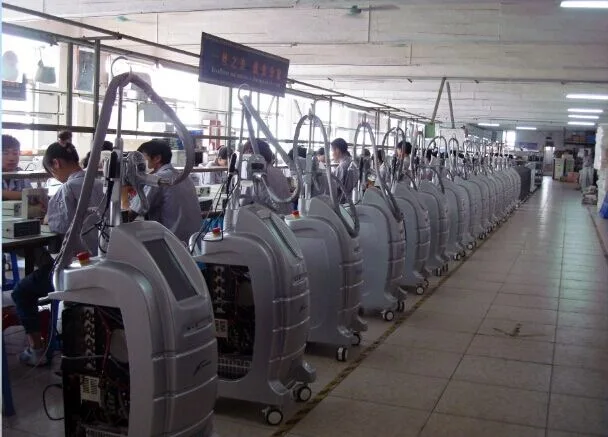
Handan Fushui Technology Co Ltd
- Trading Company
- Hebei, China
- Lead time6 days
- Avg. response≤ 2h
Main productsSlimming Machine, 980nm Diode Laser, Derma Roller, Derma Pen, Mesotherapy Gun
Main marketsNorth America(25.00%), Eastern Asia(12.00%), South America(12.00%), South Asia(10.00%), Eastern Europe(9.00%), Southeast Asia(8.00%), Mid East(7.00%), Western Europe(5.00%), Oceania(3.00%), Central America(3.00%), Northern Europe(3.00%), Southern Europe(2.00%), Africa(1.00%)
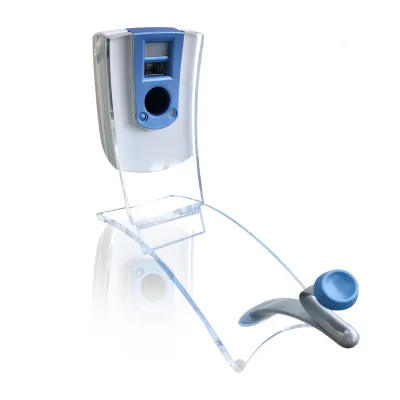
Commercial Portable Mini Skin Scanner Facial Analyzer 3d Skin Analyzer Reveal
$800.00 - $1200.00
MOQ: 1 Minimum
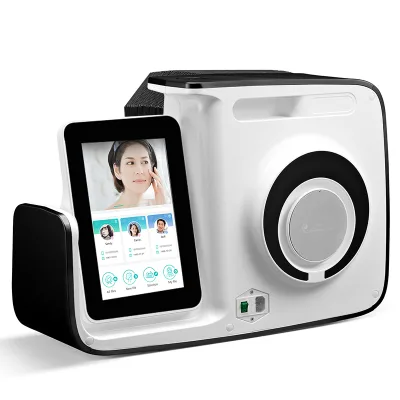
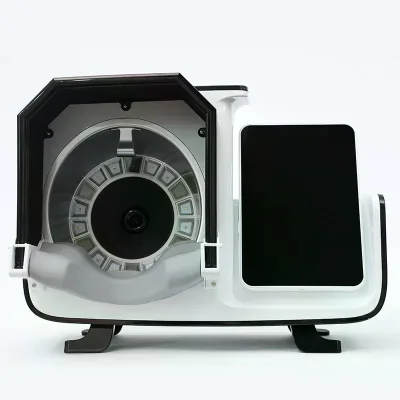
Hot Selling 3d Digital Observer Facial Wrinkle Skin Analyzer Machine Beauty Equipment
$617.3239 - $715.0675
MOQ: 1 units

Shaanxi Jixiya Technology Co., Ltd.
- Manufacturer, Trading Company
- Shannxi, China
- Lead time15 days
- Avg. response≤ 2h
Main productsoffice chair,Dining chair,bar chair,Rocking chair,living room chair
Main marketsOceania(9.00%), Central America(9.00%), Southeast Asia(9.00%), Western Europe(9.00%), South America(9.00%), Southern Europe(9.00%), North America(8.00%), South Asia(6.00%), Africa(6.00%), Eastern Europe(6.00%), Mid East(6.00%), Domestic Market(5.00%), Eastern Asia(5.00%), Northern Europe(4.00%)

Guangzhou T&B Beauty Equipment Co., Ltd.
- Verified by BV
- Trading Company
- China Guangdong
- Lead time15 days
- Avg. response≤ 3h
Main productsTecar RF Physio Machine, Magneto Emtt Physio Machine, Shockwave Pain Relief Machine, Pressotherapy Slim Massage Machine, Hifu Face Lifting Machine, Fat Remove Machine, Endospheres Slim Machine, Trusculpt Flex ID Machine, RF Slim Machine
Main marketsSouth America,Southeast Asia/ Mideast,East Asia(Japan/ South Korea),Europe,Australia,North America


$500.00 - $1000.00
MOQ: 1 pieces


- Verified by SGS
- Trading Company,Manufacturer/Factory
- China Guangdong
- Lead time23 days
- Avg. response≤ 3h
Main productsBeauty Devices, Skin Care Instrument, LED Face Masks, Makeup Tools, Beauty Instrument (OEM/ODM), OEM / ODM Electronics, Beauty Device, Home Air Care Appliances, Furniture, Electric Bakhoor Burners
Main marketsSouth America,Eastern Europe,Mid East,North America,Southeast Asia,Eastern Asia,Oceania,Western Europe,Africa

Guangzhou Newbelle Technology Co., Ltd.
- Verified by BV
- Trading Company
- China Guangdong
- Lead time15 days
- Avg. response≤ 2h
Main productsShockwave Therapy, Hydro Facial Machine, Pressotherapy Machine, Cryotherapy Machine, Cryoskin Machine, Microcurrent RF Machine
Main marketsSouth America,Africa,Southeast Asia/ Mideast,Europe

Portable Computer Facial Reveal Imager Photo Skin Analysis Skin Diagnose Machine
$699.00 - $1199.00
MOQ: 1 Pieces

Ai Technology Face Scanner and Skin Analyzer Skin Image Face Scanner Analyzer
$1099.00 - $1599.00
MOQ: 1 Pieces
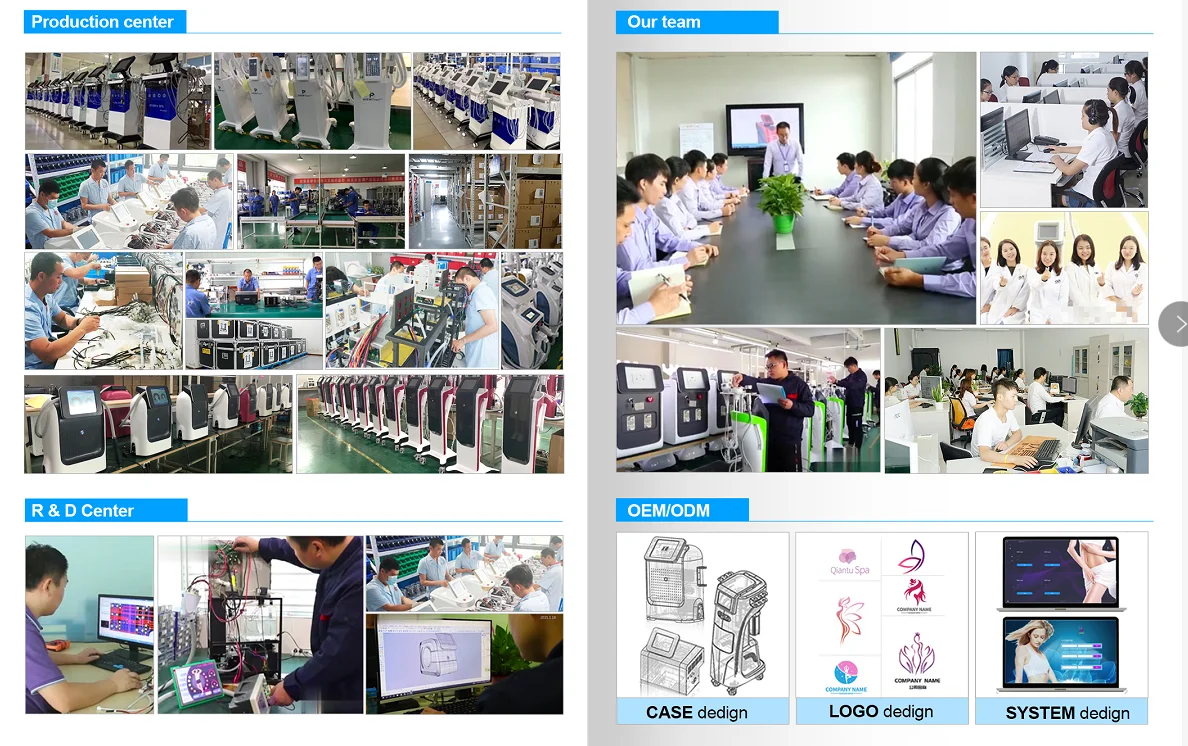
Guangzhou Fejoll Electronic Technology Co., Ltd.
- Manufacturer
- Guangdong, China
- Lead time3 days
- Avg. response≤ 2h
Main productsred light therapy,tattoo removal machine,ems sculpting machine,hydrafacial machine,Laser Hair Removal
Main marketsNorth America(25.00%), Eastern Europe(15.00%), Southern Europe(10.00%), Mid East(10.00%), Oceania(10.00%), Western Europe(10.00%), South America(10.00%), Eastern Asia(5.00%), Domestic Market(5.00%), Southeast Asia(5.00%), Northern Europe(2.00%)
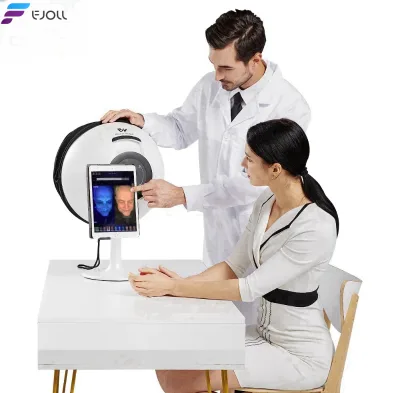
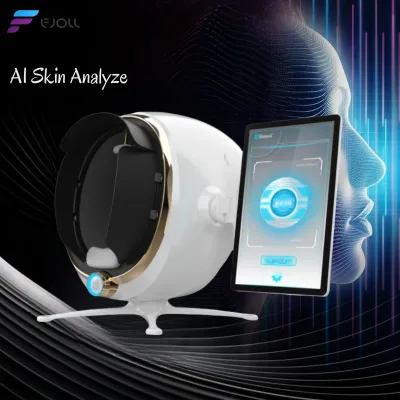
Hot Selling Dermatology Skin Analyzer Portable Home Use Face Analysis Machine
$899.00 - $1199.00
MOQ: 1 pieces

Nanjing Long Medical Technology Co., Ltd.
- Verified by TUVRHEINLAND
- Trading Company
- China Jiangsu
- Lead time15 days
- Avg. response≤ 3h
Main productsUltrasound Equipment, Laboratory Machine, Medical X-ray Machine, Operation Room Equipment, Dental Equipment, Autoclave Sterilizer, Disposable Material, Veterinary Equipment, Ophthalmic Equipment, Gynaecology & Neonatal Equipment
Main marketsAfrica,Others(foreignTradeCapacity.exportBusinessCapacityMarketOther),Southeast Asia/ Mideast,Europe,North America


Dermoscope 3D Skin Analyzer Facial Machine Skin Analysing Scanner Facial Skin Analyzer
$1163.00 - $1515.00
MOQ: 1 set


Hebei Tuosite Import & Export Trade Co., Ltd.
- Verified by CTI
- Trading Company
- China Hebei
- Lead time15 days
- Avg. response≤ 4h
Main productsBeauty Equipment, Medical Equipment, Skin Care Equipment, Diode Laser Equipment, Hair Removal Equipment, Muscle Building Equipment, Cryolipolysis Equipment, Cavitation Vacuum Equipment, Roller Infrared Massage Cellulite Equipment
Main marketsEurope


High Quality Facial Skin Analyzer Machine for Face Analysis Problem Detection
$900.00 - $1400.00
MOQ: 1 Pieces

$1450.00 - $1650.00
MOQ: 1 Pieces


New Facial Skin Analyzer 3D Detection System for Beauty Salon CE Certified
$1499.00 - $1799.00
MOQ: 1 Pieces
Guangdong Yiyunfu Technology Co., Ltd.
- Manufacturer, Trading Company
- Guangdong, China
- Lead time15 days
- Avg. response≤ 2h
Main productsAimyskin Skin Analyzer, 3 in 1 Oxygen Beauty Machine, CO2 Bubble Oxygen Jet Machine
Main marketsSoutheast Asia(30.00%), North America(20.00%), Northern Europe(15.00%), Eastern Europe(15.00%), Mid East(10.00%), Western Europe(5.00%), Southern Europe(5.00%)
Guangzhou Jinzuo Biotechnology Co., Ltd.
- Verified by SGS Group
- Manufacturer, Trading Company
- Lead time0 days
- Avg. response≤ 2h
Main productshair growth serum, grey hair treatment serum, hairline airbrush Ink , pink cream, skin cream
Main marketsNorth America(35%), Northern Europe(25%), Western Europe(15%)
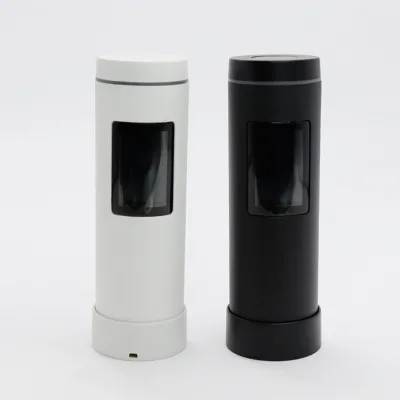
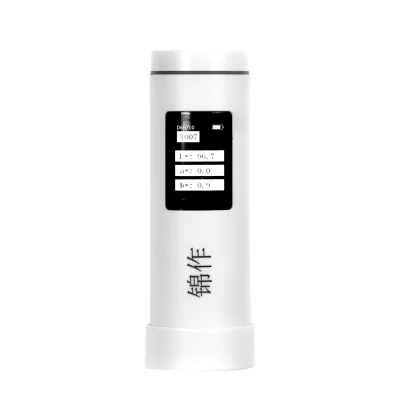
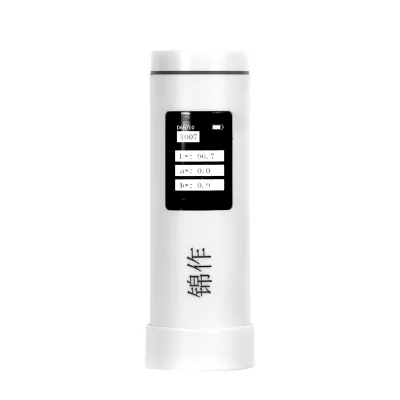
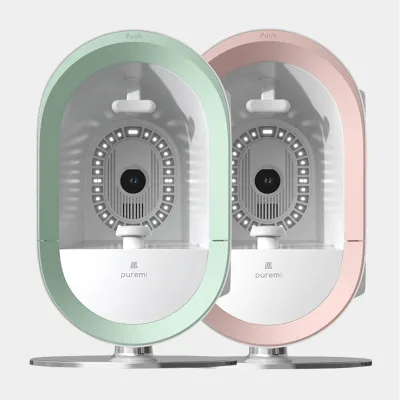
Brand AI Skin Color Analyzer Machine Portable Skin Analysis Machine for Skin Color
$92.2811 - $138.4216
MOQ: 1 pieces
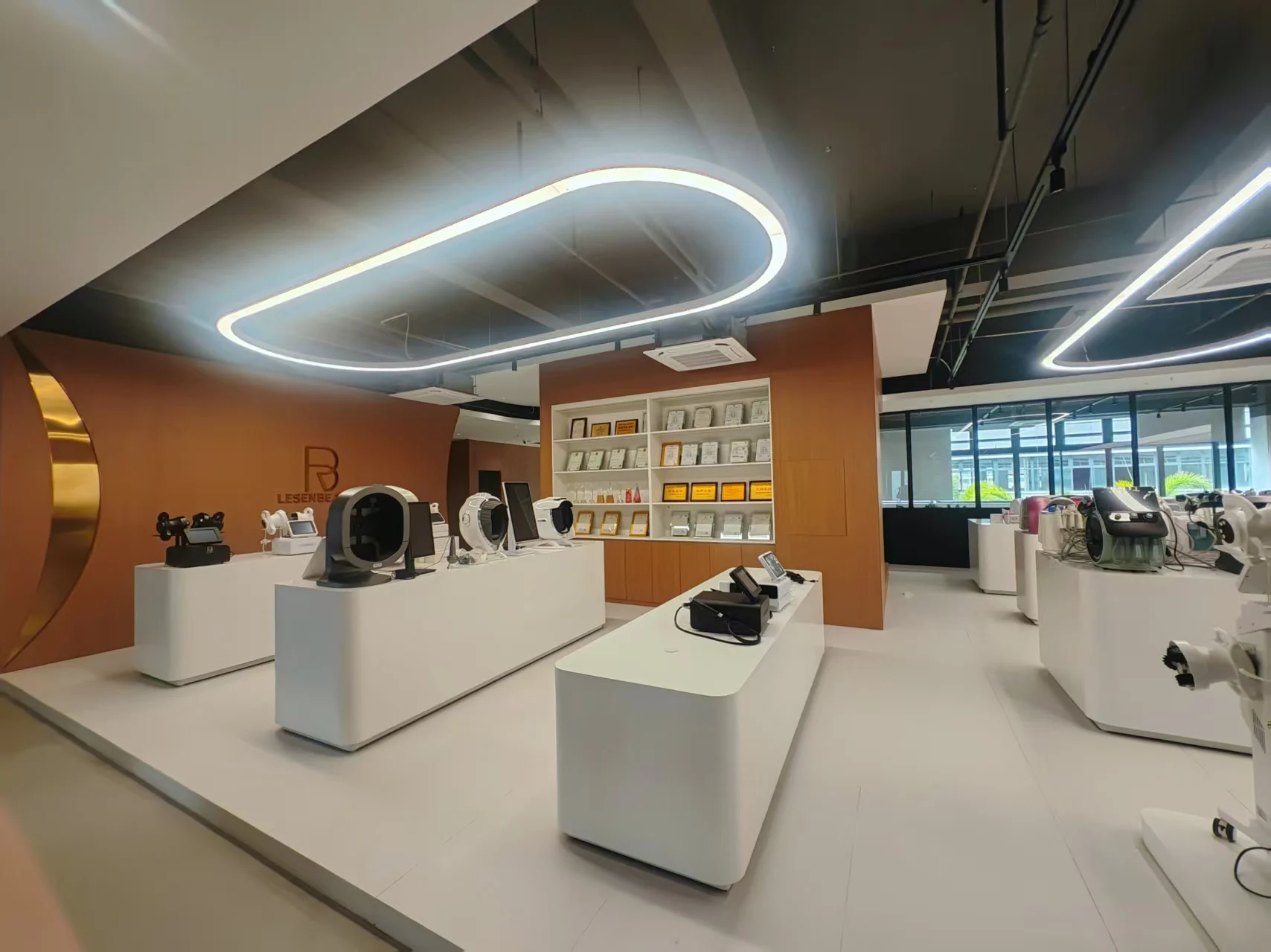
Guangzhou Lesen Xinpin Electronics Co., Ltd.
- Manufacturer, Trading Company, Distributor/Wholesaler
- guangdong, China
- Lead time10 days
- Avg. response≤ 2h
Main productsBeauty Equipment,Gua Sha Massager,Skin Scrubber,Facial Machine,Beauty Personal Care
Main marketsNorth America(15.00%), Mid East(10.00%), Oceania(10.00%), Eastern Asia(10.00%), Southeast Asia(10.00%), Eastern Europe(10.00%), South America(10.00%), South Asia(5.00%), Southern Europe(5.00%), Central America(5.00%), Western Europe(5.00%), Africa(5.00%)
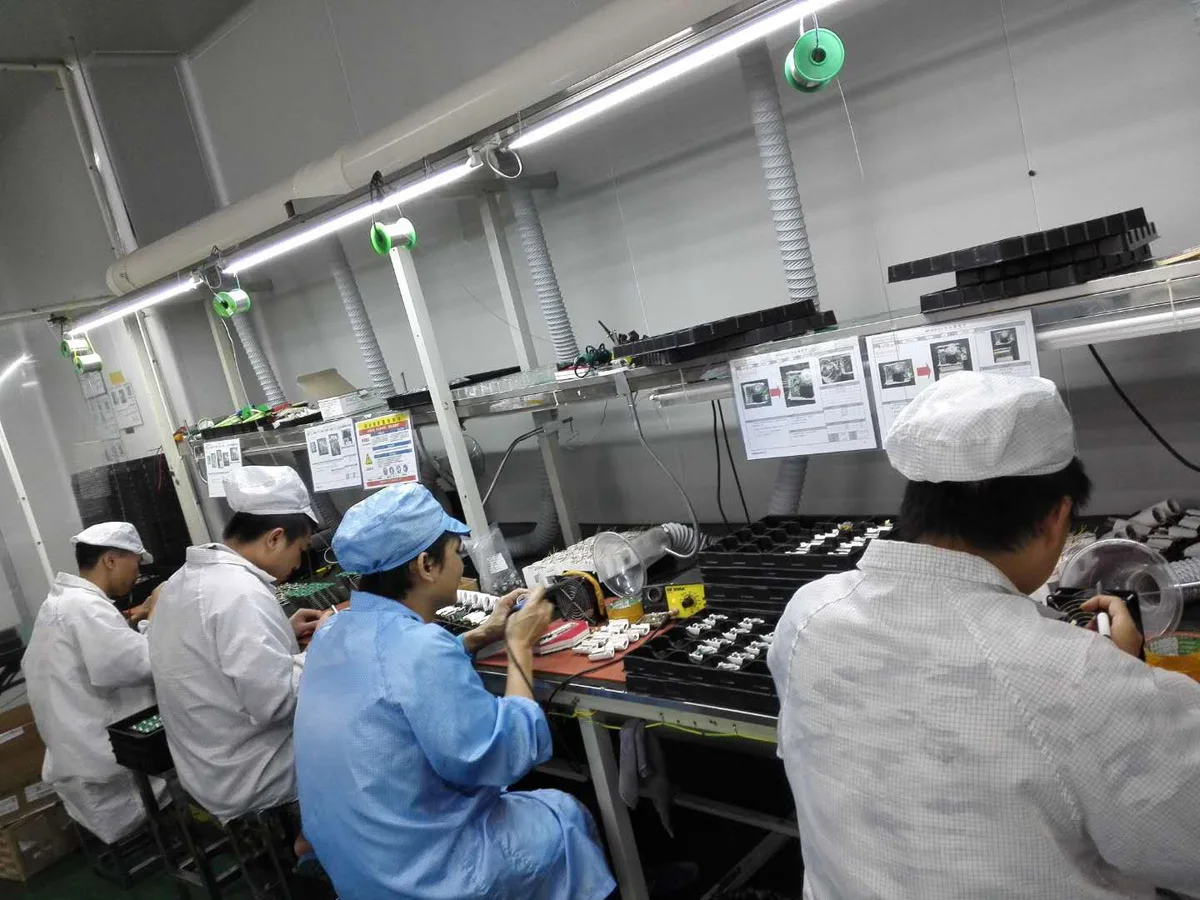
Shenzhen Hot Electronic Technology Co., Ltd.
- Manufacturer, Distributor/Wholesaler
- Guangdong, China
- Lead time7 days
- Avg. response≤ 2h
Main productsscalp analyzer,skin analyzer,usb microsocope,wifi microscope,Beauty detector
Main marketsNorth America(20.00%), Eastern Europe(14.00%), Western Europe(13.00%), South America(13.00%), Northern Europe(10.00%), Mid East(8.00%), Southern Europe(8.00%), Central America(6.00%), Oceania(2.00%), Africa(2.00%), Eastern Asia(2.00%), Southeast Asia(2.00%)
$45.0851 - $55.3306
MOQ: 1 pieces
$45.0851 - $55.3306
MOQ: 1 pieces

Foshan City DaiNi Electronic Technology Co., Ltd.
- Verified by SGS
- Combined
- China Guangdong
- Lead time15 days
- Avg. response≤ 9h
Main productsBeauty Machine, Beauty Equipment, Dermabrasion Machine, Breast &Butt Enlargement, Oxygen Machine, Haire &Tattoo Removal, Skin Care, Slimming Machine, PDT & LED, Hifu
Main marketsSoutheast Asia/ Mideast

Beijing HYE Technology Co., Ltd.
- Trading Company,Manufacturer/Factory,Other
- China Beijing
- Lead time0 days
- Avg. response≤ 6h
Main productsHair Removal, Diode Laser, Slimming Machine, Teeth Whitening, Derma Roller, Skin Care Products, LED Face Mask, Skin Analyzer, Hifu, Lipo Laser

2019 Professional Facial Skin Scanner Portable Skin Analyzer with High Quality
$999.00 - $1499.00
MOQ: 1 Pieces


$1399.00 - $1899.00
MOQ: 1 Pieces

$1399.00 - $1899.00
MOQ: 1 Pieces

HEBEI KEYLASER SCI-TECH CO., LTD.
- Verified by CTI
- Manufacturer/Factory
- China Beijing
- Lead time15 days
- Avg. response≤ 3h
Main productsIPL, Diode Laser Hair Removal, ND YAG Laser, Hifu, CO2 Fractional Laser, Picosecond Laser, Body Slimming, Cryolipolysis Fat Freezing, 980nm Diode Laser, Emscuplt Muscle Building
Main marketsSouth America,Eastern Europe,Mid East,North America,Southeast Asia,Eastern Asia,Oceania,Western Europe,Africa

Skin Analyzer Machine Facial Test Facial Analysis 3D Skin Analysis Machine
$999.00 - $1299.00
MOQ: 1 Pieces

Guangzhou Cosnext Technology Co., Ltd.
- Manufacturer, Trading Company
- Guangdong, China
- Lead time7 days
- Avg. response≤ 4h
Main productsskin analyzer,mesogun,dermashine pro,hair analyzer,scalp analyzer
Main marketsNorth America(41.00%), Western Europe(32.00%), Mid East(11.00%), Eastern Europe(8.00%), Eastern Asia(5.00%), South Asia(2.00%), South America(1.00%)
$88.00 - $98.00
MOQ: 1 sets

Changsha GOMECY Electronics Limited
- Verified by SGS
- Manufacturer/Factory,Group Corporation
- China Beijing
- Lead time15 days
- Avg. response≤ 7h
Main productsPhysiotherapy & Rehabilitation, Diode Laser Hair Removal, Laser & Light-Based Treatments, 980nm &1470nm Diode Laser, Body Sculpting & Slimming, Pmst & Tecar & Shockwave Physical Therapy, CO2 Fractional Laser Beauty Machine, Salon & SPA Essentials, Facial & Body Treatment, Multi-Functional Salon Systems
Main marketsSouth America,Mid East,North America,Southeast Asia,Eastern Asia,Oceania,Western Europe,Africa

High Quality Skin Scanner Analyzer Face Scan Mirror Digital Facial Skin Analysis
$1180.00 - $1980.00
MOQ: 1 Pieces

Scanner Facial Skin Analyzer Smart Skin Detector Skin Scanner Analyzer
$1180.00 - $1880.00
MOQ: 1 Pieces

Global Multi Skin Tone Ai Facial Analyzer for All Ethnicities and Races
$800.00 - $1400.00
MOQ: 1 Pieces

Beijing ADSS Development Co., Ltd.
- Verified by TUVRHEINLAND
- Combined
- China Beijing
- Lead time15 days
- Avg. response≤ 6h
Main productsHifu, Laser Vaginal Tightening, Digital Syringe Injector, 808nm Diode Laser Hair Remvoal, Fractional RF & Thermal RF, Vacuum Shape, 20MHz RF Thermal, Cryolipolysis Slimming Machine, Cavitation Slimming Machine, Fractional CO2 Laser
Main marketsSouth America,East Asia(Japan/ South Korea),Europe,Australia,North America


Best Quality Portable Skin Analyzer Mirror Beauty Machine Facial Skin Testing Analysis
$1000.00 - $10000.00
MOQ: 1 Pieces

Facial Imaging Analysis Skincare System Medical Grade 3D Skin Analyzer
$1000.00 - $10000.00
MOQ: 1 Pieces


Guangzhou Yingcai Beauty Instrument Co., Ltd.
- Verified by SGS
- Combined
- China Guangdong
- Lead time15 days
- Avg. response≤ 3h
Main productsHifu Machine, Hair Removal Machine, Pico Laser Machine, PDT Machine, Franctional Laser Machine, Electrolysis Hair Removal, Hydra Dermabrasion Facial Machine, Cavitation Machine, Cryolipolysis Machine
Main marketsSouth America,Africa,Southeast Asia/ Mideast,East Asia(Japan/ South Korea),Europe,Australia,North America

Wholesale Facial Skin Analyzer 3D Face Scanner for Skin Wrinkle Pigmentation Analysis
$820.00 - $925.00
MOQ: 1 Pieces


Popular 3D Skin Problems Analysis/ Pigmentation Analysis Skin Wrinkle Analysis Machine
$820.00 - $925.00
MOQ: 1 Pieces

High Quality Intelligent Facial Analysis Machine Acne/ Pigmentation/Skin Analysis Machine.
$820.00 - $925.00
MOQ: 1 Pieces

- Verified by SGS
- Trading Company
- China Zhejiang
- Lead time15 days
- Avg. response≤ 12h
Main productsFan, Heater Fan, Air Fryer, Toaster, Rice Cooker, Vacuum Cleaner, Coffee Machine, Hairdressing Appliance, Electric Toothbrush, Steam Iron
Main marketsEurope,Australia


Quality Guaranteed Adjustable Mini Facial Skin Analyser Moisture Tester
$4.80 - $5.30
MOQ: 1000 Pieces

Smart Digital Skin Analyzer Device Portable Water Oil Tester Home Use Beauty Instrument
$3.57 - $4.29
MOQ: 2 Pieces

Guangzhou Konzi Beauty Device Co., Ltd.
- Verified by SGS Group
- Trading Company
- Lead time3 days
- Avg. response≤ 6h
Main productsHome Use Massage Machine, Home Use Face Beauty Machine
Main marketsMid East(30%), North America(10%), Eastern Europe(10%)








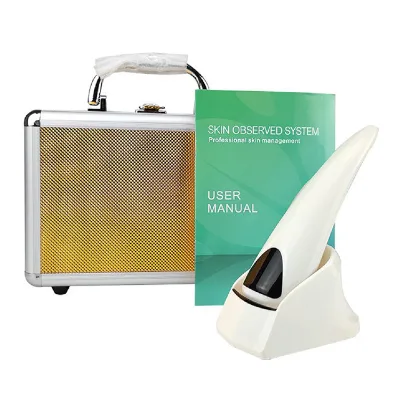
Comprehensive Sourcing Guide
Portable White Facial Skin Analyzer Supplier Concentration and Factory Types
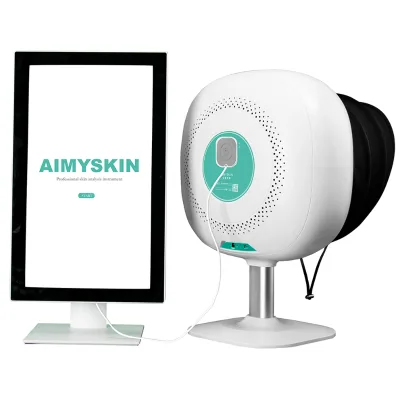
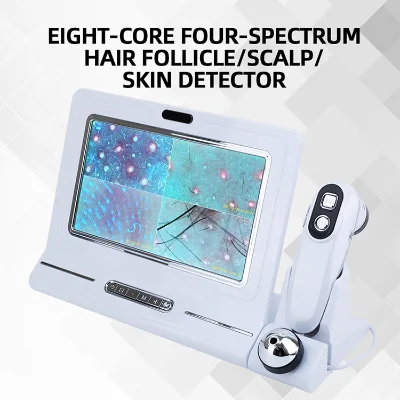
The current supplier landscape for portable white facial skin analyzers reveals a distinct concentration of manufacturing and trading entities within specific Chinese industrial hubs. Evidence indicates that suppliers are located in Shanghai, China, and Guangdong, China, which are recognized centers for beauty equipment production. These regions host a mix of company types, including pure trading companies, manufacturers, and combined entities that offer both production and sales services. For instance, one observed supplier in Shanghai is identified as a trading company, while another in Guangdong operates as a combined entity capable of ODM and OEM services. This diversity in business models means buyers must carefully distinguish between factories that control production quality and trading companies that may offer broader product ranges but less direct oversight of the manufacturing process. The presence of manufacturers in these clusters suggests that buyers can potentially access more customized solutions, such as light customization or sample processing, directly from the source. However, trading companies may provide faster access to standardized models like the Smartbeauty M8000 or the Auro Au-968, which are already configured for immediate shipment. Understanding this geographic and structural distribution is the first step in narrowing down the supplier pool to those who align with your specific operational needs, whether you prioritize direct factory engagement or the flexibility of a trading partner.
When evaluating the concentration of these suppliers, it is crucial to recognize that not all entities in these regions operate with the same level of transparency or capability. The data shows that some suppliers are verified by third-party inspection groups such as SGS Group and BV, which adds a layer of credibility to their operational claims. However, verification status alone does not guarantee the quality of the Portable White Facial Skin Analyzer or the reliability of the supply chain. Buyers should look for suppliers that explicitly state their main products include skin analyzers, as this indicates a focused expertise rather than a generalist approach. For example, some suppliers list derma pens and PDT machines as main products, while others specialize in facial machines and body massage equipment. This specialization can influence the depth of technical support and the availability of spare parts. Additionally, the presence of RD capacity for graphic processing or customized on-demand services suggests that some manufacturers are equipped to handle unique branding requirements. Buyers should use this information to filter suppliers based on their specific need for customization versus off-the-shelf availability, ensuring that the chosen supplier’s location and business type match the strategic goals of the procurement project.
How to Verify Portable White Facial Skin Analyzer Suppliers
Verifying the legitimacy and capability of suppliers requires a multi-layered approach that goes beyond simple profile reviews. The first step is to check for third-party verification badges, such as those from SGS Group or BV, which indicate that an independent audit has been conducted on the supplier’s business operations. However, buyers must also scrutinize the specific certifications listed for the products themselves, as these are critical for market entry in different regions. For example, some portable white facial skin analyzers are listed with CE certification, which is essential for selling in European markets, while others may lack explicit certification details. Buyers should request copies of these certificates and verify their validity with the issuing body. Additionally, the warranty terms provided by the supplier, such as a one-year warranty, should be clearly documented in the contract. It is also important to verify the after-sales service provisions, which may include free spare parts, video technical support, and online support. These services are crucial for maintaining the functionality of the skin analyzer over time, especially if the device is used in a commercial setting like a beauty salon. By cross-referencing these verification details with the supplier’s stated capabilities, buyers can build a more accurate picture of their reliability and technical competence.
Beyond certifications and warranties, buyers should assess the supplier’s responsiveness and communication efficiency, as these factors often correlate with overall service quality. The response time metric provides a quantitative measure of how quickly a supplier engages with inquiries, with some suppliers showing response times as low as two hours, while others may take up to six hours or more. A faster response time can indicate a more dedicated sales team and a higher likelihood of resolving issues promptly. Furthermore, buyers should inquire about the supplier’s production capacity and lead times, which can vary significantly depending on the complexity of the order. For instance, some suppliers may have a lead time of three days for standard models, while others might require fifteen days for customized orders. It is also advisable to ask for references or case studies from previous clients, particularly those who have purchased similar portable white facial skin analyzers. This due diligence helps to uncover any potential red flags, such as inconsistent product quality or poor customer service, before committing to a large order. By combining verification of credentials with an assessment of operational efficiency, buyers can mitigate risks and select a supplier that is both trustworthy and capable of meeting their delivery expectations.
What to Compare Across Portable White Facial Skin Analyzer Suppliers
When comparing suppliers, buyers should focus on key operational metrics such as price, lead time, and minimum order quantity (MOQ) to determine the best value proposition. The price range for portable white facial skin analyzers can vary significantly, with some models starting at around $280 and others reaching up to $900, depending on features and build quality. For example, the Auro Au-968 is listed with a price range of $280 to $288, while the Smartbeauty M8000 is priced between $850 and $900. These price differences often reflect variations in functionality, such as the number of analysis features or the quality of the display screen. Buyers should also consider the lead time, which can range from three days to fifteen days, depending on the supplier’s current workload and the complexity of the order. A shorter lead time may be crucial for businesses that need to restock quickly or respond to sudden market demand. Additionally, the MOQ is an important factor, with some suppliers offering an MOQ of just one unit, which is ideal for small businesses or those testing the market. By comparing these metrics across multiple suppliers, buyers can identify the most cost-effective and efficient option for their specific needs. It is also important to consider the total cost of ownership, including shipping, taxes, and potential maintenance costs, to ensure a comprehensive comparison.
In addition to price and logistics, buyers should evaluate the technical specifications and customization options offered by each supplier. The Portable White Facial Skin Analyzer may come with various features, such as skin wrinkle analysis, pigmentation analysis, acne analysis, and moisture detection. Some models are designed for both home and commercial use, while others are specialized for salon environments. Buyers should also consider the target areas the device can analyze, such as the face, eyes, lips, and neck. The availability of customization options, such as logo printing or software localization, can be a significant differentiator for brands looking to establish a unique market presence. For instance, some suppliers offer RD capacity for graphic processing or customized on-demand services, which can be valuable for creating a branded product line. Additionally, the warranty and after-sales support provided by the supplier should be compared, as these factors can impact the long-term usability of the device. By carefully analyzing these technical and commercial details, buyers can make an informed decision that aligns with their business strategy and customer expectations. This thorough comparison ensures that the selected supplier not only meets the immediate requirements but also supports the brand’s growth and reputation in the beauty equipment market.
Common Portable White Facial Skin Analyzer Sourcing Risks
One of the primary risks in sourcing portable white facial skin analyzers is the potential discrepancy between the advertised specifications and the actual product received. Buyers may encounter issues where the device lacks certain features, such as the ability to analyze pigmentation or detect skin moisture, which were prominently highlighted in the product description. This can lead to customer dissatisfaction and potential returns, especially if the device is marketed as a comprehensive diagnostic tool. Another risk is the variability in build quality, which can affect the durability and accuracy of the skin analyzer. For example, some models may have a plastic casing that feels less robust than expected, or the display screen may not be as responsive as advertised. These quality inconsistencies can be mitigated by requesting samples before placing a bulk order, allowing buyers to physically inspect the product and verify its functionality. Additionally, buyers should be cautious of suppliers who do not provide clear warranty terms or after-sales support, as this can leave them without recourse if the device fails prematurely. It is also important to verify the certification status of the product, as selling uncertified devices in regulated markets can result in legal penalties and reputational damage. By proactively addressing these quality and compliance risks, buyers can protect their business from costly setbacks and ensure customer satisfaction.
Another significant risk is the potential for supply chain disruptions, which can delay delivery and impact business operations. Lead times can vary widely, with some suppliers taking up to fifteen days to fulfill an order, while others may deliver in as little as three days. Buyers should be aware of these variations and plan their inventory accordingly to avoid stockouts. Additionally, the reliability of the supplier’s logistics partners can affect the condition of the product upon arrival, with some devices potentially being damaged during transit. Buyers should ensure that the supplier uses appropriate packaging and shipping methods to protect the device. Furthermore, there is a risk of communication breakdowns, especially if the supplier has a slow response time or lacks proficiency in the buyer’s language. This can lead to misunderstandings regarding order details, customization requirements, or payment terms. To mitigate this risk, buyers should establish clear communication channels and confirm all details in writing. It is also advisable to use secure payment methods, such as escrow services, to protect financial transactions until the goods are received and verified. By anticipating and addressing these logistical and communication risks, buyers can create a more resilient sourcing strategy that minimizes disruptions and ensures a smooth procurement process.
Portable White Facial Skin Analyzer Regional Sourcing and Logistics
Sourcing portable white facial skin analyzers from China offers access to a mature manufacturing ecosystem, but it also requires careful attention to regional logistics and shipping considerations. Suppliers are primarily located in Shanghai and Guangdong, two major industrial hubs with well-developed infrastructure for exporting beauty equipment. Shanghai is known for its proximity to major ports and international airports, which can facilitate faster shipping times to global markets. Guangdong, on the other hand, is a hub for electronics and medical device manufacturing, offering a wide range of suppliers with varying capabilities. Buyers should consider the specific location of the supplier when evaluating shipping costs and transit times, as these factors can impact the overall cost of the product. For instance, shipping from Guangdong to North America may have different rates and durations compared to shipping from Shanghai to Europe. Additionally, buyers should be aware of the packaging dimensions and weight of the product, as these affect shipping costs. For example, some portable skin analyzers have a single package size of 46x46x55 cm and a gross weight of 23 kg, while others may be larger or heavier. Understanding these logistical details allows buyers to calculate the total landed cost accurately and choose the most efficient shipping method. It is also important to consider the supplier’s experience with international shipping, as they should be able to handle customs documentation and compliance requirements for the destination market.
When planning logistics, buyers should also evaluate the supplier’s ability to handle different plug types and voltage requirements, as these vary by region. The Portable White Facial Skin Analyzer may come with various plug types, including US, AU, CN, UK, and EU plugs, to accommodate different electrical standards. Buyers should ensure that the supplier provides the correct plug type for their target market to avoid the need for adapters or voltage converters. Additionally, the device’s voltage range, such as 110V/220V
FAQs
What is the price range for portable facial skin analyzers?
Portable facial skin analyzers typically range from $280 to $900 per unit. Prices vary based on features such as screen size, analysis capabilities, and included accessories. Buyers should check specific product listings for exact pricing tiers and bulk order discounts available from suppliers.
What certifications do these machines usually have?
Most portable skin analyzers carry CE certification for compliance with European safety standards. Some models may also include other regional certifications depending on the manufacturer. Buyers should verify specific certification documents provided by the supplier to ensure regulatory compliance for their target market.
What after-sales support is typically provided?
Suppliers commonly offer online support, video technical assistance, and free spare parts for one year. These services help resolve operational issues quickly. Buyers should confirm the specific warranty terms and support availability directly with the supplier before finalizing their purchase agreement.
What is the typical lead time for orders?
Lead times generally range from 3 to 15 days depending on the supplier and order volume. Faster turnaround times are often available for smaller quantities or stock items. Buyers should confirm the exact production schedule with the supplier to align with their business needs.
Where are these machines typically manufactured?
These devices are primarily manufactured in Shanghai and Guangdong, China. These regions are known for their advanced beauty equipment production capabilities. Buyers can verify the specific place of origin listed in the product details to ensure quality and logistical efficiency for their shipments.
What analysis features do these devices offer?
Devices typically analyze skin wrinkles, pigmentation, acne, and moisture levels. Some models also detect sebum and pore conditions. Buyers should review the specific feature list for each model to ensure it meets their diagnostic requirements and client expectations for comprehensive skin analysis.