Premium Leather Journal with Magnet Closure Suppliers
Compare 20 suppliers for Premium Leather Journal with Magnet Closure based on location, certifications, and lead times. Review product specifications like paper type and binding to find the right fit for your business needs; review the available evidence before requesting comparable quotations from suitable candidates.
Suppliers List

GuangDong HaiFeng Printing Company Limited
- Verified by SGS
- Combined
- China Guangdong
- Lead time15 days
- Avg. response≤ 1h
Main marketsSoutheast Asia/ Mideast,Domestic

- Verified by SGS
- Trading Company
- China Shaanxi
- Lead time15 days
- Avg. response≤ 3h
Main productsBusiness Gift Set, Corporate Gift Set, Promotion Gift Set, Notebook Gift Set, Weeding Gift Set for Guests, Birthday Gift Set, Gift Sets, Custom Gift Set, Notebook with Pen, Gifts
Main marketsAfrica,Southeast Asia/ Mideast,Europe,Australia,North America

Exquisite A5 PU Leather Business Journal Three-Fold Diary Notebook with Magnetic Closure
$1.39 - $1.61
MOQ: 100 Pieces

Premium A5/B5 PU Leather Journal Magnetic Closure Thick Pages Hardcover Diary Notebook
$1.49 - $1.69
MOQ: 100 Pieces

Luxury A5 PU Leather Journal Custom Business Diary Notebook with Magnetic Buckle
$1.65 - $1.86
MOQ: 100 Pieces

TAIZHOU RONGYI IMPORT AND EXPORT CO., LTD.
- Trading Company
- China Zhejiang
- Lead time15 days
- Avg. response≤ 2h
Main productsNotebook, Diary, Organiser, Certificate Folder, Journal, Greeting Card, Notepad, Sticky Notes
Main marketsSouth America,Southeast Asia/ Mideast,East Asia(Japan/ South Korea),Europe,North America

A5 Custom Leather Notebook with Card Slot Magnetic Closure Personalized Business Journal
$0.88 - $1.09
MOQ: 300 Pieces

Premium A5 PU Leather Journal with Elastic Closure Customized Logo Notebook
$1.05 - $1.48
MOQ: 300 Pieces


A5 Leather Hardcover Notebook with Elastic Closure Strap Custom Design Journal
$0.88 - $1.08
MOQ: 100 Pieces

2026 Custom Logo A5 Vintage PU Leather Journal Metal Buckle Closure Notebook
$1.05 - $1.48
MOQ: 300 Pieces

$1.15 - $1.38
MOQ: 100 Pieces

Ningbo Gusta Stationery Co., Ltd.
- Verified by BV
- Trading Company
- China Zhejiang
- Lead time30 days
- Avg. response≤ 6h
Main productsPencil Case, Stationery Set, Bag, Toys, Office Supplies, Arts & Crafts, Housewares, Silicone Product, School Bag, Travel Bag
Main marketsEast Asia(Japan/ South Korea),Europe,North America

A5 PU Leather Journal Custom Logo Hardcover Notebook Magnetic Closure Wholesale
$0.50 - $1.49
MOQ: 100 Pieces

A5 PU Leather Magnetic Notebook Custom Logo Business Travel Gift Journal
$0.55 - $0.86
MOQ: 1000 Pieces


PU Leather Journal Planner Notebook with Pen Custom Logo Wholesale Supplier
$0.30 - $0.59
MOQ: 1000 Sets

PU Leather Journal Gift Set Magnetic A5 Notebook with Box and Pen OEM Custom
$2.10 - $2.60
MOQ: 200 Pieces


- Verified by BV
- Trading Company,Manufacturer/Factory
- China Shanghai
- Lead time23 days
- Avg. response≤ 1h
Main productsBook Printing, Book, Children's Book, Paper Bag, Gift Boxes, Puzzle, Board Game, Tabletop Game, Playing Card
Main marketsSouth America,Eastern Europe,Mid East,North America,Southeast Asia,Eastern Asia,Oceania,Western Europe,Africa

Shenzhen Longyin Printing Packing Co., Ltd.
- Verified by SGS
- Trading Company
- China Guangdong
- Lead time15 days
- Avg. response≤ 2h
Main marketsSouth America,Africa,Southeast Asia/ Mideast,East Asia(Japan/ South Korea),Domestic,Europe,Australia,North America


Custom Printing Logo Diary A5 Size Agenda Planner Journal Hard Cover Notebook
$0.58 - $3.65
MOQ: 50 pieces

Shenzhen Osea Technology Co., Ltd.
- Verified by BV
- Trading Company
- China Guangdong
- Lead time15 days
- Avg. response≤ 13h
Main productsPromotional Gift, Office & Bussiness Gifts, Craft, Home Garden, Sport Products, Customized Gifts
Main marketsSouth America,Eastern Europe,Mid East,North America,Southeast Asia,Eastern Asia,Oceania,Western Europe,Africa

Customized Cover Magnetic Journals Notebook Black A5 Hardcover PU Journal Leather Journal
$1.84 - $2.50
MOQ: 100 Pieces

Custom Logo Leather Journal A5 PU Spiral Planner Diary Hardcover Agenda Notebook
$1.13 - $1.90
MOQ: 100 Pieces

Guangzhou Zhongtian Paper Product Co., Ltd.
- Verified by TUVRHEINLAND
- Trading Company,Manufacturer/Factory,Group Corporation
- China Guangdong
- Lead time38 days
- Avg. response≤ 5h
Main productsBible, Book, Children Book, Paper Box, Jigsaw Puzzle, Notebook Printing, Board Game, Calendar, Paper Bags, Seed Paper Cards
Main marketsSouth America,Eastern Europe,Mid East,North America,Southeast Asia,Oceania,Western Europe,Africa


Custom Logo High Quality Custom Personalized Notepad Journal Hardcover PU Leather Notebook
$1.28 - $1.99
MOQ: 1000 Pieces

Yiwu Qian You Stationery Co., Ltd.
- Manufacturer, Trading Company
- Zhejiang, China
- Lead time20 days
- Avg. response≤ 3h
Main productsnotebook,Gift items,PU notebook,Gift set,Name card Holder
Main marketsSouth Asia(10.00%), Southern Europe(10.00%), Oceania(10.00%), Northern Europe(10.00%), North America(9.00%), Southeast Asia(8.00%), Eastern Europe(8.00%), South America(8.00%), Eastern Asia(5.00%), Mid East(5.00%), Africa(5.00%), Central America(5.00%), Western Europe(5.00%), Domestic Market(2.00%)

Shenzhen Lionstar Technology Co., Ltd.
- Combined
- China Guangdong
- Lead time15 days
- Avg. response≤ 3h
Main productsFace Mask, KN95, 3ply Disposable Face Mask, Protective Face Cover, FFP2 KN95 Ce FDA Face Mask, Protective Goggle, Face Shield, Gloves, Gowns, Thermometer
Main marketsSouth America,Southeast Asia/ Mideast,East Asia(Japan/ South Korea),Europe,Australia,North America


Hardcover Elastic Closure PU Leather Notebook Agenda Journal for Office& School
$1.99 - $6.00
MOQ: 500 Pieces

Xiamen Le Young Imp. & Exp. Co., Ltd
- Verified by BV
- Trading Company,Manufacturer/Factory
- China Fujian
- Lead time23 days
- Avg. response≤ 3h
Main productsLeather Folder, Trave Wallet, Leather Notebook, Leather Compendium, Leather Portfolio, Leather Diary, Leather Journal, Hotel Supply, Leather Card Holder, Leather Wallet
Main marketsSouth America,Eastern Europe,Mid East,North America,Southeast Asia,Eastern Asia,Oceania,Western Europe,Africa

Custom Journals PU Leather Diary A6 Planner Cover Refillable Ring Notebook Binder
$2.36 - $3.98
MOQ: 300 Pieces

Business Planner Journal Organizer A5 Refillable PU Leather Notebook with Magnetic Buckle
$2.15 - $3.05
MOQ: 200 Pieces
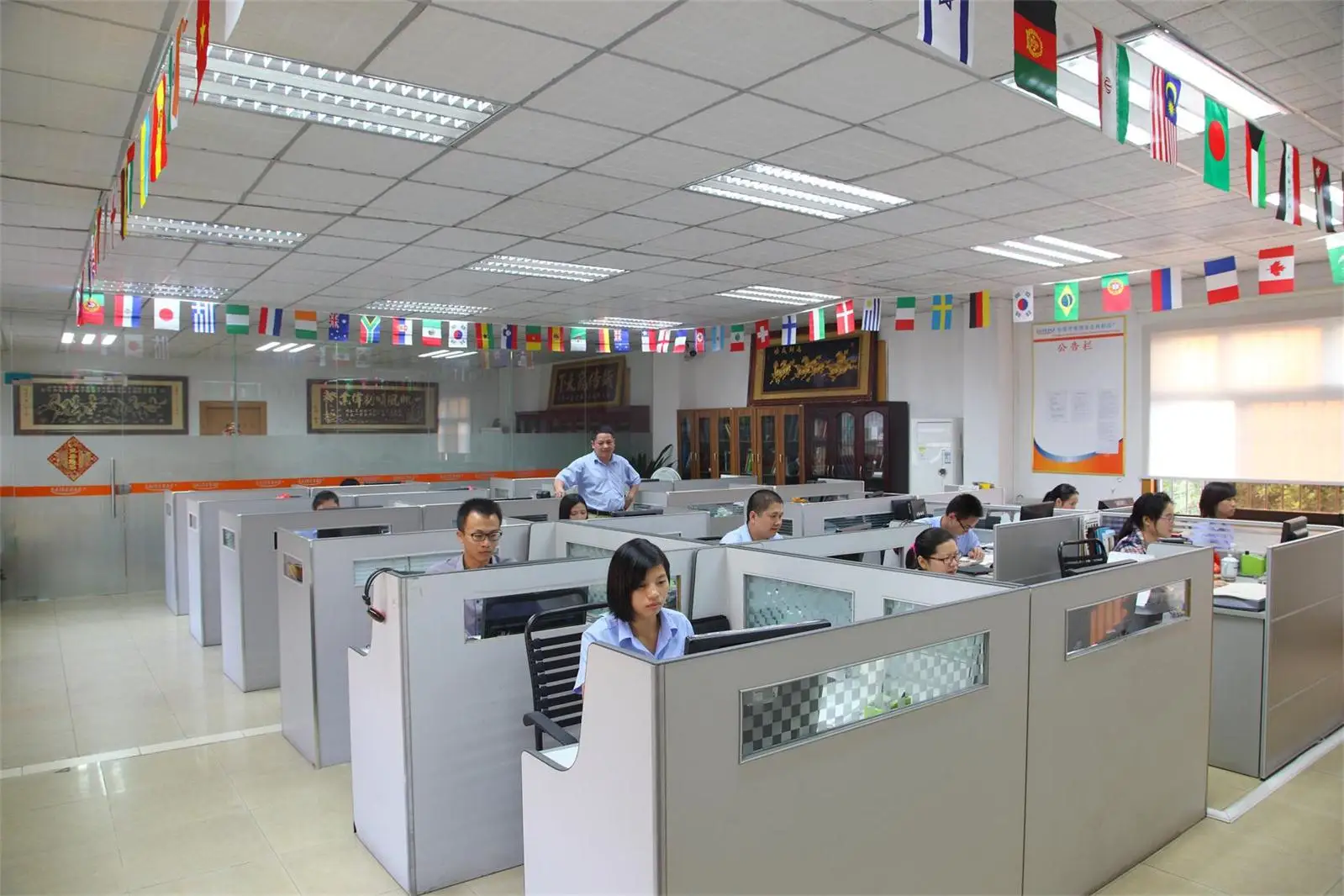
Dongguan Qishi Saidebao Leather Goods Produce Factory
- Manufacturer, Trading Company
- Guangdong, China
- Lead time15 days
- Avg. response≤ 5h
Main productsnotebook,portfolio,passport holder,card holder,certificate holder
Main marketsSouthern Europe(12.00%), Central America(10.00%), North America(10.00%), Western Europe(8.00%), Northern Europe(8.00%), Eastern Europe(7.00%), South Asia(7.00%), South America(7.00%), Mid East(6.00%), Africa(6.00%), Eastern Asia(5.00%), Domestic Market(5.00%), Southeast Asia(5.00%), Oceania(4.00%)

Hefei Colorfly Stationery Co., Ltd.
- Verified by SGS
- Combined
- China Anhui
- Lead time30 days
- Avg. response≤ 8h
Main productsExercise Book, Notebook, Spiral Notebook, Composition Book, Copy Book, Soft Cover Notebook, Stationery Set, Drawing Book, PP Exercise Book, Counter Book
Main marketsAfrica,Southeast Asia/ Mideast

Taizhou EEGO Industry & Trade Co., Ltd.
- Verified by TUVRHEINLAND
- Trading Company
- China Zhejiang
- Lead time15 days
- Avg. response≤ 2h
Main productsNotebook, Stationery, Paper Gift, File Folders, Books Printing, Planner, Agenda, Journal, Spiral Notebook, Memo Pads
Main marketsSouth America,Africa,Southeast Asia/ Mideast,East Asia(Japan/ South Korea),Europe,Australia,North America

Custom Logo 6 Ring-Binder Journal Planner Leather Refillable Notebook with Magnetic Closure
$2.15 - $2.95
MOQ: 500 PCS


Jinjiang Jiayi Supply Chain Management Co., Ltd.
- Verified by BV
- Trading Company
- China Fujian
- Lead time30 days
- Avg. response≤ 1h
Main productsGift, Shoe, Garment, Machine
Main marketsDomestic

PIN INTERNATIONAL (NINGBO) LTD.
- Verified by TUVRHEINLAND
- Manufacturer/Factory
- China Zhejiang
- Lead time90 days
- Avg. response≤ 3h
Main productsWooden Toys Kids Toys Educational Toys, Arts and Crafts, Stem Toys, DIY Products, Subscription Box for Kids
Main marketsSouth America,Eastern Europe,North America,Eastern Asia,Western Europe

Mini Notebook Leather Diary Journal Vintage Handmade Notebook Planner Journal
$0.90 - $1.17
MOQ: 500 Pieces


Shenzhen Flying Supply Chain Co., Ltd.
- Verified by SGS
- Trading Company
- China Guangdong
- Lead time15 days
- Avg. response≤ 5h
Main productsPacking Bag, Gift Bag, Folding Bag, Laptop Bag, Carton, Toy Puzzle, Stationery, Label, Hot Melt Paper, 3D Printing Consumables
Main marketsNorth America

$1.69 - $2.19
MOQ: 10 Pieces


$7.22 - $50.01
MOQ: 500 Pieces

Wenzhou Yanhe Technology Co., Ltd.
- Verified by BV
- Combined
- China Zhejiang
- Lead time30 days
- Avg. response≤ 7h
Main productsNotebook
Main marketsSouth America,Africa,Southeast Asia/ Mideast,East Asia(Japan/ South Korea),Europe,Australia,North America


Customizable Leather Journal with Elegant Ribbon and Writing Accessories
$0.50 - $3.00
MOQ: 300 pieces


HonorHope (Zhengzhou) Technology Industrial Co., Ltd.
- Verified by CTI
- Manufacturer/Factory,Group Corporation
- China Henan
- Lead time0 days
- Avg. response≤ 14h
Main productsPacking Box and Bag, Gift and Craft Production, Office Supplier, Greeting Cards and Envelopes, Business Envelopes and Paper, Notebook and Pad, Hangtag and Label, Calenders, Printing Books and Catalogs, Custom Shopping Bag

Qingdao Chenghaoda Science and Technology Co., Ltd.
- Verified by BV
- Manufacturer/Factory
- China Shandong
- Lead time23 days
- Avg. response≤ 16h
Main productsRFID Card, NFC Card, Pcv Card, RFID Wristbands, RFID Sticker/Tag
Main marketsSouth America,Eastern Europe,Mid East,North America,Southeast Asia,Eastern Asia,Oceania,Western Europe,Africa


Comprehensive Sourcing Guide
Premium Leather Journal with Magnet Closure Supplier Concentration and Factory Types
When sourcing premium leather journals with magnetic closures, understanding the distribution of manufacturing capabilities is critical for efficient procurement. The current supplier landscape reveals a mix of combined entities and trading companies, each offering distinct advantages for different order scales and customization needs. Combined suppliers often integrate raw material processing with final assembly, which can streamline communication and reduce lead times for complex designs involving embossing or specialized binding. In contrast, trading companies may aggregate products from multiple factories, providing broader design options but potentially introducing variability in quality control. Buyers should identify whether a supplier operates as a manufacturer or a trader by reviewing their company type labels and main product lists. For instance, suppliers listing notebooks, diaries, and organizers as main products are likely specialized in stationery, whereas those with broader gift set offerings might be generalists. This distinction helps buyers predict the level of technical support available for specific features like magnetic hardware integration or custom paper types.
The geographic concentration of these suppliers also influences logistics and communication efficiency. Current data indicates suppliers located in Guangdong, Shaanxi, and Zhejiang provinces in China. These regions are known for different industrial strengths, though specific cluster advantages should be verified through direct inquiry. Guangdong is often associated with comprehensive manufacturing ecosystems, while Zhejiang is known for small commodity production, including stationery. Shaanxi suppliers might offer different cost structures or specialized materials. Buyers should not assume that location alone guarantees quality or speed; instead, they should use location as one factor among many. By mapping supplier locations against their own logistics requirements, buyers can anticipate shipping costs and transit times. Additionally, checking if a supplier is verified by third-party agencies like SGS can provide an initial layer of trust, especially when dealing with new partners. This verification status, combined with the supplier's type and location, forms the foundation for a robust sourcing strategy.
How to Verify Premium Leather Journal with Magnet Closure Suppliers
Verifying suppliers for premium leather journals requires a multi-layered approach that goes beyond basic profile information. Start by examining the supplier's verification status, such as SGS verification, which indicates that a third-party agency has assessed their operational capabilities. While this is a positive signal, it is not a guarantee of product quality. Buyers should request detailed factory audits or video tours to confirm the presence of specific machinery required for leather processing, such as embossing presses, magnetic hardware installers, and binding machines. For suppliers claiming ISO9001:2015 or ISO14001:2015 certifications, ask for the certificate numbers and validity dates to ensure they are current and relevant to the specific product line. These certifications demonstrate a commitment to quality management and environmental responsibility, which is particularly important for leather goods that may involve chemical treatments.
Beyond certifications, assess the supplier's responsiveness and communication skills. A response time of 0.70 hours suggests high efficiency, while 2.40 hours might indicate a larger team or different operational hours. Test the supplier by asking technical questions about the magnetic closure mechanism, such as the strength of the magnets and the durability of the leather coating. Request samples to evaluate the tactile feel of the leather, the precision of the embossing, and the smoothness of the magnetic closure. Check if the supplier can provide detailed specifications for the paper type, such as duplex board or offset paper, and the printing methods, like offset printing or localized UV. By combining third-party verification, technical inquiries, and physical sample evaluation, buyers can build a comprehensive picture of the supplier's capabilities and reliability. This thorough verification process helps mitigate the risk of receiving substandard products and ensures that the supplier can meet the specific requirements of premium journal production.
What to Compare Across Premium Leather Journal with Magnet Closure Suppliers
When comparing suppliers for premium leather journals with magnetic closures, focus on key operational metrics that directly impact cost and delivery. Lead time is a critical factor, with observed values ranging from 15 days for some suppliers. This variation can significantly affect your production schedule, especially if you are planning for seasonal peaks or promotional events. Compare the lead times of different suppliers to determine which can meet your deadline without compromising quality. Additionally, examine the Minimum Order Quantity (MOQ), which varies from 100 to 500 units depending on the supplier and product complexity. A lower MOQ is beneficial for testing new designs or small-batch production, while a higher MOQ might offer better unit prices for large orders. Align the MOQ with your inventory strategy to avoid overstocking or stockouts.
Response speed and customization capabilities are also essential comparison points. Suppliers with a response time of 0.70 hours are likely to provide faster feedback on design changes and order updates, which is crucial for iterative design processes. Look for suppliers that offer full content customization, including personalized logos, custom paper quality, and specific post-processing techniques like heat transfer embossing or relief. Compare the range of customization options available, such as different binding types (sewing thread, loose leaf) and cover finishes (film lamination, customized). By evaluating these dimensions, buyers can identify suppliers that not only meet the technical requirements but also align with their operational needs. This comparative analysis helps in selecting a partner that offers the best balance of cost, speed, and flexibility for your specific journal production goals.
Common Premium Leather Journal with Magnet Closure Sourcing Risks
Sourcing premium leather journals with magnetic closures involves several risks that buyers must proactively manage. One significant risk is quality inconsistency, particularly in the leather material and magnetic hardware. Leather can vary in texture, color, and durability, and magnetic closures may weaken over time if not properly installed. To mitigate this, request detailed quality control reports and inspect samples thoroughly before placing large orders. Another risk is communication breakdown, especially when dealing with suppliers in different time zones or with limited English proficiency. Clear, detailed specifications and regular check-ins can help prevent misunderstandings about design requirements or production timelines. Additionally, supply chain disruptions, such as delays in raw material sourcing or logistics issues, can impact delivery times. Diversifying your supplier base and maintaining buffer stock can help reduce the impact of these disruptions.
Intellectual property protection is another critical risk, especially for custom designs with unique embossing patterns or logos. Ensure that your supplier signs a non-disclosure agreement and has robust internal controls to prevent design leakage. Verify that the supplier has the necessary certifications and standards to protect your intellectual property. Furthermore, financial risks, such as payment disputes or currency fluctuations, can affect the overall cost of sourcing. Use secure payment methods, such as escrow services, and consider hedging currency risks if applicable. By identifying and addressing these risks early, buyers can build a more resilient sourcing strategy that minimizes potential losses and ensures a smooth production process. Regularly reviewing supplier performance and maintaining open communication channels are key to managing these risks effectively.
Premium Leather Journal with Magnet Closure Regional Sourcing and Logistics
Regional sourcing for premium leather journals with magnetic closures requires careful consideration of logistics and supply chain dynamics. Suppliers located in Guangdong, Shaanxi, and Zhejiang offer different logistical advantages and challenges. Guangdong, being a major manufacturing hub, often has better infrastructure for international shipping, which can reduce transit times and costs. However, higher demand in this region might lead to longer lead times during peak seasons. Shaanxi suppliers might offer lower production costs but could face longer transit times to major ports. Zhejiang, known for its small commodity production, might provide efficient handling of smaller orders but may have limited capacity for large-scale production. Buyers should evaluate the total landed cost, including shipping, customs duties, and insurance, when selecting a regional supplier.
Logistics planning should also account for the specific requirements of leather goods, such as humidity control and packaging to prevent damage during transit. Ensure that the supplier uses appropriate packaging materials, such as plastic bags, shrink wrap, and standard cartons, to protect the journals from moisture and physical impact. Coordinate with the supplier on shipping methods, such as sea freight for large orders or air freight for urgent needs. By understanding the regional logistics landscape and aligning it with your supply chain strategy, buyers can optimize delivery times and reduce costs. Additionally, consider the environmental impact of your sourcing decisions, as some regions may have stricter environmental regulations that affect production processes. This holistic approach to regional sourcing ensures that you not only meet your production goals but also align with your sustainability objectives.
Premium Leather Journal with Magnet Closure Commercial Terms and Order Planning
Negotiating commercial terms for premium leather journals with magnetic closures requires a clear understanding of pricing structures and payment terms. Observed price ranges vary from $1.00 to $10.00 per unit, depending on the level of customization, material quality, and order size. Buyers should request detailed quotations that break down costs for materials, labor, and overheads to ensure transparency. Compare the unit prices of different suppliers to identify the best value for money, keeping in mind that the lowest price may not always reflect the best quality. Consider the impact of currency fluctuations on the total cost and negotiate fixed exchange rates or hedging options if possible. Additionally, clarify the terms of payment, such as advance payments, milestone payments, or credit terms, to align with your cash flow management.
Order planning should be aligned with your production schedule and inventory levels. Determine the optimal order quantity based on your sales forecasts and storage capacity, balancing the benefits of bulk discounts with the risks of overstocking. Establish clear delivery milestones and penalties for late deliveries to ensure accountability. Communicate your quality standards and acceptance criteria to the supplier to avoid disputes over product quality. By carefully negotiating commercial terms and planning orders strategically, buyers can build a sustainable and profitable sourcing relationship. Regularly review the performance of your suppliers and adjust your order planning as needed to adapt to market changes and evolving business needs. This proactive approach ensures that you maintain a competitive edge in the premium journal market.
FAQs
What is the typical lead time for premium leather journals?
The observed lead time for these premium leather journals is 15 days. This duration covers production and preparation for shipment. Buyers should confirm this timeline with the supplier to ensure it aligns with their specific project deadlines and shipping requirements.
What is the minimum order quantity for custom journals?
Minimum order quantities vary by supplier, with observed values ranging from 100 to 500 units. Some listings specify 300 pieces for specific models. Buyers should verify the exact MOQ for their desired customization level and product specifications before placing an order.
What certifications do these suppliers hold?
Some suppliers hold ISO9001:2015 and ISO14001:2015 certificates, indicating quality and environmental management standards. Others may have different certifications or none listed. Buyers should request current certification documents to verify compliance with their specific quality and safety requirements.
What customization options are available for these journals?
Suppliers offer full content customization, including custom printing, embossing, and logo application. Options include offset printing, film lamination, and various post-processing techniques like UV or heat transfer. Buyers can specify paper quality, cover finish, and binding types to match their brand identity.
What is the average response time from suppliers?
Response times vary significantly, with observed averages ranging from 0.70 to 2.40 hours. Faster response times may indicate more responsive customer service. Buyers should consider this metric when evaluating suppliers for urgent projects or those requiring frequent communication during the production process.
What are the common price ranges for these journals?
Prices typically range from $0.88 to $10.00 per unit, depending on specifications and order volume. Premium features like magnetic closures and high-quality leather may increase the cost. Buyers should request detailed quotes based on their specific requirements to understand the final pricing structure.
What materials are used in these premium journals?
Common materials include PU leather for covers and duplex or offset paper for pages. Some journals use soft cover designs while others feature hardcover options. Buyers can request samples to assess the quality and feel of the materials before committing to a large order.