Pressurized Fluid Density Scale Suppliers and Manufacturers
Explore 22 verified options for Pressurized Fluid Density Scale from factories in China. Compare locations, response times, certifications, and product specifications to find the right partner. Contact suppliers directly to request quotes; review the available evidence before requesting comparable quotations from suitable candidates.
Suppliers List

Qingdao Haitongda Special Instrument Co., Ltd.
- Manufacturer/Factory
- China Shandong
- Lead time0 days
- Avg. response≤ 5h
Main productsDrilling Fluid Analysis Instrumrnts, Cement Testing Equipment, 6-Speed Viscometer, Filter Press, Mixer, Consistometer
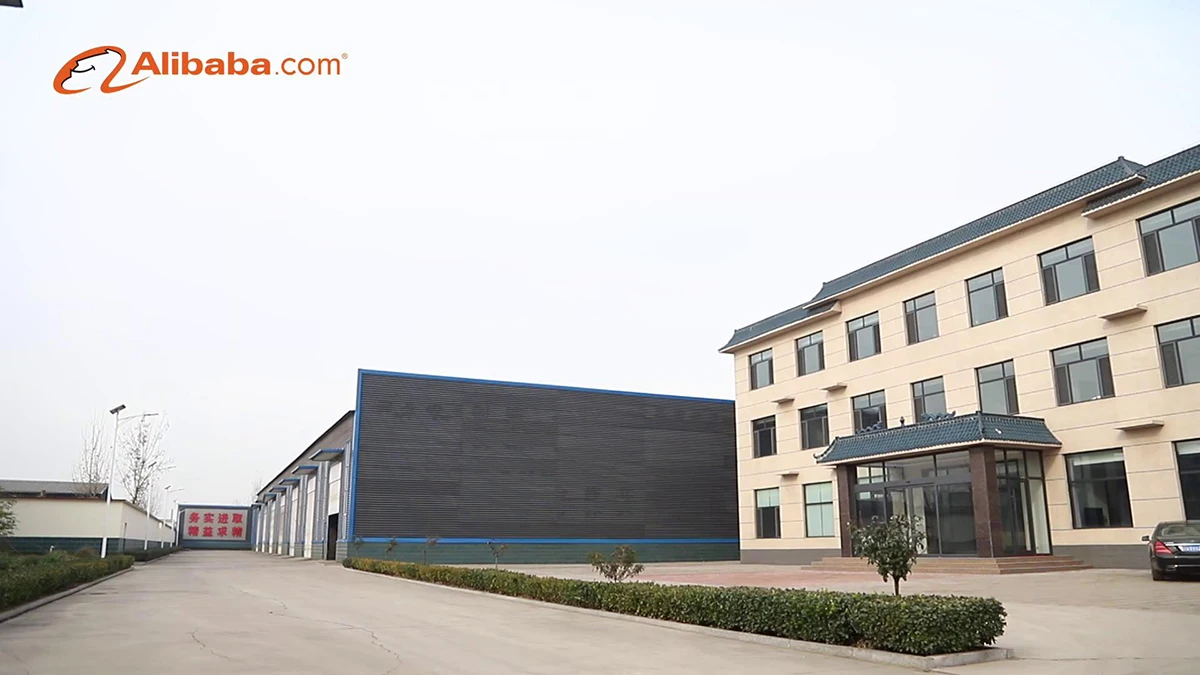
Cangzhou Eternal Test Equipment Co., Ltd.
- Trading Company
- Hebei, China
- Lead time8 days
- Avg. response≤ 3h
Main productsSoil testing equipment,Concrete testing equipment,Asphalt & Bitumen testing equipment,Aggregates Rock testing equipment,Non-destructive testing equipments
Main marketsSoutheast Asia(50.0%), North America(20.0%), South America(10.0%), Eastern Europe(10.0%), Africa(10.0%)
Xi'an Zealchon Electronic Technology Co., Ltd.
- Verified by CTI
- Trading Company,Manufacturer/Factory
- China Shaanxi
- Lead time15 days
- Avg. response≤ 4h
Main productsTesting Machine, Xrf Gold Testing Machine, Bitumen Testing Machine, Asphalt Testing Machine, Soil Lab Testing Machine, Geotechnical Testing Equipment, Civil Engieering Testing Equipment, Driling Fuilds Testing Equipment, Retroreflectometer Road Marking, Static Penetration Test
Main marketsSouth America,Eastern Europe,Mid East,North America,Southeast Asia,Eastern Asia,Oceania,Western Europe,Africa

Laboratory Densitometer Liquid Pressurized Mud Balance Scale for Drilling Fluid
$500.00 - $550.00
Moq: 1


Hangzhou Civit Instrument Equipment Co., Ltd.
- Trading Company
- China Zhejiang
- Lead time15 days
- Avg. response≤ 8h
Main productsSoil Aggregate Rock Testing Equipment, Cement Mortar Testing Equipment, Concrete Testing Equipment, Asphalt Testing Equipment, Scientific Lab Equipment, Survey Instrument
Main marketsSouth America,Africa,Southeast Asia/ Mideast

Hunan Gonoava Instrument Co Ltd
- Verified by TUVRHEINLAND
- Trading Company
- China Hunan
- Lead time15 days
- Avg. response≤ 6h
Main productsThermal Gravimetric Analyzer, Differential Scanning Calorimeter, Helium Mass Spectrometer, Xrf Portable Analyzer, Fluorescence Spectrometer, RoHS Environmental Analyzer, Contact Angle Testers, Universal Tensile Compression Testing Machine, Climatic Test Chambers, Plastic Testing Machine
Main marketsSoutheast Asia/ Mideast,East Asia(Japan/ South Korea),North America

Natural packing density meter Chemical Powder Bulk Density Tester Density Scale
$650.00 - $1500.00
Moq: 1

Liquid Densitometer Hand Densitometer Portable Liquid Density Measuring Instrument
$1000.00 - $3000.00
Moq: 1

WANT Balance Instrument Co., Ltd.
- Verified by TUVRHEINLAND
- Combined
- China Jiangsu
- Lead time15 days
- Avg. response≤ 9h
Main productsElectronic Balance, Electronic Scale, Moisture Analyzer, Viscometer, pH Meter, Weighing Scale, Precision Balance, Analytical Balance, Industry Scale, Commercial Scale
Main marketsEast Asia(Japan/ South Korea),Domestic,Europe,North America
Hangzhou Civit Instrument Equipment Co., Ltd.
- Verified by SGS Group
- Trading Company
- Lead time7 days
- Avg. response≤ 6h
Main productsUniversal Testing Machine, Compression Testing Machine, Soil CBR Tester, Asphalt Marshall Stability Tester, Lab Testing Sieve
Main marketsSoutheast Asia(40%), Eastern Europe(30%), Africa(20%)

Dandong Hmktest Instrument Co., Ltd.
- Verified by SGS
- Manufacturer/Factory
- China Liaoning
- Lead time15 days
- Avg. response≤ 18h
Main productsAir Jet Sieve, Laser Particle Size Analyzer, Tap Density Tester, Fisher Sub Sieve Sizer, Bulk Density Tester, Hall Flowmeter, Angle of Repose Tester
Main marketsSouth America,Eastern Europe,Mid East,North America,Southeast Asia,Eastern Asia,Oceania,Western Europe,Africa

Jiangsu Wallong-Hsin Machinery Engineering Corporation Ltd.
- Combined
- China Jiangsu
- Lead time45 days
- Avg. response≤ 12h
Main productsUniversal Testing Machine, Test Equipment, Rolling Elements, Transmission Parts, Harvesting Machine, Planting Machine, Agricultural Hub, Pneumatic Actuator, Bearing, Saddle Valve Pairs
Main marketsSouth America,Africa,Southeast Asia/ Mideast,East Asia(Japan/ South Korea),Domestic,Europe,Australia,North America

Chongqing TOP Oil Purifier Co., Ltd.
- Verified by TUVRHEINLAND
- Combined
- China Chongqing
- Lead time15 days
- Avg. response≤ 10h
Main productsOil Purifier, Oil Purification, Oil Filtration, Oil Recycling, Oil Treatment, Oil Regeneration, Oil Restoration, Oil Filtering, Waste Oil Disposal, Reclaimation
Main marketsSouth America,Africa,Southeast Asia/ Mideast,East Asia(Japan/ South Korea),Domestic,Europe,Australia,North America


Portable Hand Held Fluid Density Meter with Mini Size
Contact supplier

Guangdong Guangce Instrument Technology Co., Ltd.
- Verified by BV
- Combined
- China Guangdong
- Lead time23 days
- Avg. response≤ 2h
Main productsTesting Equipment
Main marketsSouth America,Southeast Asia/ Mideast,Europe,North America

Changsha Suny Electronic Technology Limited
- Verified by SGS
- Combined
- China Hunan
- Lead time15 days
- Avg. response≤ 7h
Main productsPCB Making Machine, Laboratory Instrument, Copper Plating Machine, Through Hole Machine, Etching Machine, Dry Film Laminator
Main marketsSouth America,Africa,Southeast Asia/ Mideast,East Asia(Japan/ South Korea),Domestic,Europe,Australia,North America


High-Precision Multi-Function Solid Liquid Density Tester Liquid Density Meter
$1000.00 - $2000.00
Moq: 1

QINGDAO WEIGHT WORTH AUTOMATION EQUIPMENT CO., LTD.
- Verified by SGS
- Combined
- China Shandong
- Lead time15 days
- Avg. response≤ 2h
Main productsTruck Weighing Scale, Floor Scale, Weighbridge, Platform Scale, Livestock Scale, Unattended Weighing System, Table Scale, Industrial Electronic Scale, Load Cell, Weighing Indicator
Main marketsAfrica,Southeast Asia/ Mideast,Domestic

TRYTE TECHNOLOGY (H.K.) LIMITED
- Trading Company
- China Hunan
- Lead time0 days
- Avg. response≤ 18h
Main productsLab Equipment, Lab Instrument, Testing Machine, Analyzer Instrument, Coal Testing Instrument, Oil Testing Instrument, Petroleum Testing Instrument, Bomb Calorimeter, Medical Equipment, PCB Board Related Equipment

Wuxi Serve Real Technology Co., Ltd.
- Verified by BV
- Trading Company,Manufacturer/Factory
- China Jiangsu
- Lead time15 days
- Avg. response≤ 2h
Main productsConstruction Material Test Equipment, Physical Property Testing Equipment, Quality Test Instruments, Oil Analysis Instruments, Coal & Coke Instruments, Analytical Instruments, General Lab Equipment, Agricultural Instruments
Main marketsSouth America,Eastern Europe,North America,Southeast Asia,Eastern Asia,Oceania,Western Europe,Africa

GOLDEN TIME TECHNOLOGY DEVELOPMENT LIMITED
- Verified by SGS
- Trading Company
- China Hebei
- Lead time30 days
- Avg. response≤ 3h
Main productsTesting Equipment for Plastic Pipes, Plastometer, Hydrostatic Pressure Testing Equipment, Vicat Softening Temperature, Drop Impact Tester, Differential Scanning Calorimeter, Pendulum Impact Testing Equipment, End Closure, Thermal Tank, Universal Tensile Testing Equipment
Main marketsEurope

Dongguan Lonroy Equipment Co., Ltd
- Verified by SGS
- Trading Company
- China Guangdong
- Lead time15 days
- Avg. response≤ 7h
Main productsMfi Tester, Izod Impact Tester, Charpy Impact Tester, Universal Testing Machine, Temperature Humidity Chamber, UV Weather Tester, Tensile Testing Machine, Taber Abrasion Tester, Hardness Tester, Projector
Main marketsAfrica

Oils Density Analyzer Petroleum Products Density Tester High Accuracy Viscous Liquids Density Meter
$1000.00 - $3000.00
Moq: 1

Powder Densitometer Laboratory Solid Densitometer Colloidal Densitometer Powder Density Analyzer
$1000.00 - $2000.00
Moq: 1

Solid Liquid Densimeter High Precision Multifunctional Density Meter 0.005-300g
$1000.00 - $3000.00
Moq: 1

CHANGSHA LANGSHUO TECHNOLOGY CO LTD
- Verified by TUVRHEINLAND
- Trading Company
- China Hunan
- Lead time15 days
- Avg. response≤ 7h
Main productsUniversal Tensile Testing Machine, Plastic Test Machine, Packaging Test Machine, Ink Proofers, Contact Angle Testers, Paint Coating Test Machine, Viscometer Densimeter Gloss Meter, Surface Roughness Meter Vibration Meter, Video Measuring Machine Profile Projector, Hardness Tester
Main marketsSouth America,Africa,Southeast Asia/ Mideast,Europe,Australia,North America


Touch Screen Electronic Liquid Densitometer Liquid Density Tester Oil Density Gauge
$1000.00 - $3000.00
Moq: 1


Liquid Densito Meter Liquid Density Measuring Machine Liquid Density Meter Instrument
$1000.00 - $3000.00
Moq: 1

Beijing Sincerity Automatic Equipment Co., Ltd.
- Verified by BV
- Combined
- China Beijing
- Lead time15 days
- Avg. response≤ 25h
Main productsCoriolis Mass Flow Meter, Density Meter, Thermal Mass Flow Meter
Main marketsEurope
Anhui Hechuang Intelligent Manufacturing Co. Ltd
- Verified by SGS
- Combined
- China Anhui
- Lead time15 days
- Avg. response≤ 1h
Main productsDifferential Pressure Transmitter, Pressure Transmitter, Temperature Transmitter, Electromagnetic Flowmeter, Magnetic Level Gauge, Bimetallic Thermometer, Differential Pressure Switch, Sensor, Float Level Gauge, Vortex Flowmeter
Main marketsDomestic
Wuxi Chaoda Electronic Technology Co., Ltd.
- Verified by BV
- Manufacturer/Factory
- China Jiangsu
- Lead time15 days
- Avg. response≤ 5h
Main productsOnline Water Quality Analyzer, Pressure Transmitters, Level Transmitter, Flow Meter, Temperature Transmitter, Density Meter, Gas Detector, Switch Sensor, Manometer
Main marketsSouth America,Eastern Europe,Mid East,North America,Southeast Asia,Eastern Asia,Oceania,Western Europe,Africa


Online Pipeline Type Densitometer Density Sensor
Contact supplier


Sulfuric Acid Density Detector Densitometer
Contact supplier


Chongqing Blossom Machinery Equipment Co., Ltd.
- Trading Company
- China Chongqing
- Lead time15 days
- Avg. response≤ 2h
Main productsLaboratory Instruments, Petroleum Products Testers Series, Lube Oil /Grease Testers Series, Insulating Oil Transformer Oil Testers Series, Diesel Fuel Oil Testers Series, Transformer Oil Purifier, Vacuum Lube Oil Purification System, Vacuum Turbine Oil Filtration Machine, Oxgen Bomb Calorimeter
Main marketsSouth America,Africa,Southeast Asia/ Mideast,East Asia(Japan/ South Korea),Europe,Australia,North America


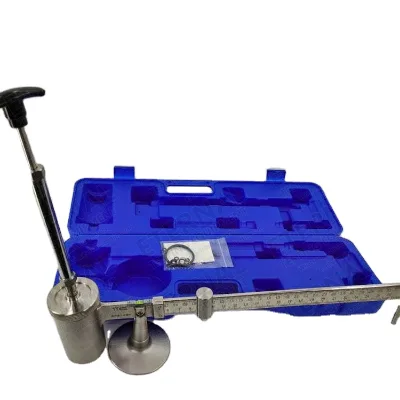
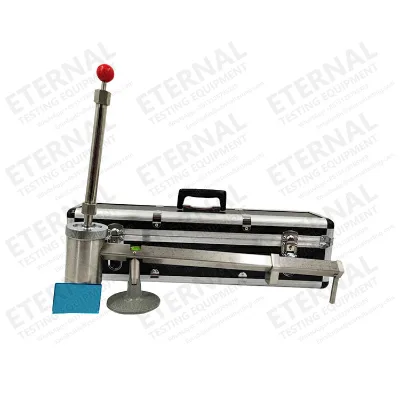


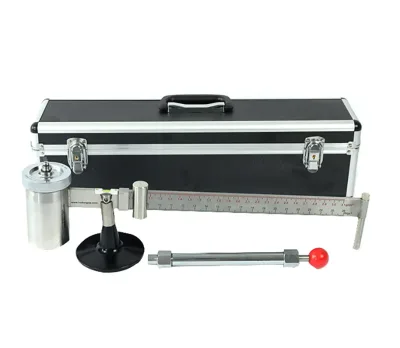


Comprehensive Sourcing Guide
Pressurized Fluid Density Scale Supplier Concentration and Factory Types
The current supplier landscape for pressurized fluid density scales reveals a distinct concentration of manufacturing activity within specific Chinese provinces, with Shandong and Hebei emerging as primary hubs for production. Fact-based observations indicate that manufacturers located in Shandong, China, specialize in drilling fluid analysis instruments and cement testing equipment, often operating as direct factories. These entities typically hold ISO 9001 system certifications, suggesting a standardized approach to quality management within their production lines. In contrast, suppliers based in Hebei, China, frequently operate as trading companies or hybrid entities that combine trading services with factory capabilities. These Hebei-based suppliers often focus on soil, concrete, and asphalt testing equipment, indicating a broader scope of laboratory instruments beyond just drilling fluids.
Understanding the distinction between factory and trading company types is critical for buyers seeking specific product attributes. The data shows that Shandong-based manufacturers offer products like the Digital-display Pressurized Fluid Density Scale with specific customization options and sensor-based data collection principles. These factories often provide detailed product attributes such as wooden case packing and specific model numbers like HTD11870. Conversely, trading companies in Hebei may offer different packaging solutions, such as aluminum plastic boxes, and might carry brands like ETERNAL. Buyers should verify whether a supplier is a direct manufacturer or a trading intermediary by examining their main product lists and company type declarations. This distinction influences the depth of technical support available and the flexibility regarding custom manufacturing requests for specialized density scales.
How to Verify Pressurized Fluid Density Scale Suppliers
Verification of Pressurized Fluid Density Scale suppliers requires a rigorous examination of their declared certifications and operational capabilities rather than relying on general reputation. The available data confirms that some suppliers hold ISO 9001 system certifications, which serves as a baseline indicator of quality management processes. Additionally, specific product listings mention compliance with standards such as BS, EN, and ASTM, which are essential for ensuring the equipment meets international testing requirements. Buyers must cross-reference these claimed certifications with the specific product attributes provided, such as the measuring accuracy of 0.01g/cm3 or the specific measuring range of 0.9-3.1g/cm3. It is imperative to confirm that the certification applies to the specific manufacturing facility producing the density scale, rather than just the trading entity.
Beyond certifications, buyers should assess the supplier's response time and verification status to gauge reliability and communication efficiency. The observed response times for these suppliers vary, with some recording a response time of 3.18 hours and others showing a time of 4.68 hours, while a third group demonstrates a response time of 3 hours. A faster response time often correlates with better customer service and quicker resolution of technical queries regarding the density scale's operation. Furthermore, verification badges such as CTI indicate that a third-party entity has validated the supplier's business license and operational status. Buyers should prioritize suppliers with verified status and documented response times to minimize the risk of communication breakdowns. Always request proof of the specific certifications and verification reports before proceeding with any order to ensure the supplier's claims are substantiated by independent evidence.
What to Compare Across Pressurized Fluid Density Scale Suppliers
When evaluating multiple suppliers for pressurized fluid density scales, buyers must compare key operational metrics including lead times, minimum order quantities, and pricing structures to determine the most suitable partner. The data indicates that lead times can vary significantly, with some suppliers listing a lead time of zero, while others specify eight days or fifteen days. This variance suggests differences in inventory levels, production capacity, or the extent of customization required for the order. Additionally, the minimum order quantity (MOQ) is a critical factor, as some suppliers offer an MOQ of just one unit, allowing for small-scale testing or initial procurement without significant capital commitment. Buyers should align their order volume requirements with the supplier's stated MOQ to avoid unnecessary costs or inventory bottlenecks.
Pricing and product specifications also require careful comparison to ensure value and technical suitability. The observed price ranges for these scales vary from approximately 412 to 6149 units of currency, reflecting differences in features, materials, and brand positioning. Some models are priced lower, such as those around 450 to 712, while high-precision digital models with sensor technology command higher prices. Buyers should compare specific attributes like the cup capacity, which is often 210 cm3, and the material composition, such as stainless steel construction, which affects durability and corrosion resistance. Furthermore, the principle of operation, whether it involves manual measurement or digital sensor processing, impacts the final price and the accuracy of the results. A comprehensive comparison should weigh the cost against the specific technical requirements of the buyer's laboratory or field operations.
Common Pressurized Fluid Density Scale Sourcing Risks
One significant risk in sourcing pressurized fluid density scales is the potential mismatch between the claimed product specifications and the actual delivered equipment. Suppliers may list attributes such as a specific measuring range or accuracy, but without rigorous verification, the delivered unit might not meet these standards. For instance, while some listings claim a measuring accuracy of 0.01g/cm3, others might only guarantee 0.01g, which could be insufficient for high-precision applications. Buyers must ensure that the product evidence provided, such as the specific model number or standard compliance, matches the physical unit received. Relying solely on marketing descriptions without verifying the actual product attributes can lead to operational failures in critical drilling fluid analysis or cement testing scenarios.
Another risk involves the variability in lead times and the potential for supply chain disruptions. The data shows lead times ranging from zero to fifteen days, indicating that some suppliers may not have immediate stock or may be subject to production delays. If a buyer requires urgent delivery, a supplier with a longer lead time could cause project delays. Additionally, the type of supplier, whether a manufacturer or a trading company, can influence the consistency of the supply chain. Trading companies might face delays if their upstream manufacturers experience issues, whereas direct manufacturers might have more control over production schedules. Buyers should mitigate this risk by confirming the current production status and lead time estimates before placing an order, ensuring that the timeline aligns with their project requirements.
Pressurized Fluid Density Scale Regional Sourcing and Logistics
Regional sourcing of pressurized fluid density scales is heavily influenced by the geographic concentration of manufacturers in China, particularly in provinces like Shandong and Hebei. Suppliers in Shandong are noted for their focus on drilling fluid analysis instruments and often provide products with specific packing standards, such as wooden cases, which are suitable for protecting sensitive equipment during transit. In contrast, suppliers in Hebei may offer different packaging solutions, such as aluminum plastic boxes and cartons, which might be more compact or cost-effective for certain shipping scenarios. Understanding these regional differences helps buyers anticipate the logistics requirements and potential shipping costs associated with their orders. The origin of the product, whether from Shandong or Hebei, can also impact the availability of specific models and the customization options offered.
Logistics planning must account for the specific packing standards and dimensions provided by the suppliers to ensure safe and efficient transportation. The data indicates that product dimensions can vary, with some models having an outline dimension of 535110150mm and others measuring 560135160mm. These variations affect the volume of the shipment and the choice of packaging materials. Buyers should verify the packing details, such as whether the product is shipped in a wooden case or a carton, to determine the appropriate shipping method and insurance coverage. Additionally, the origin location influences the customs clearance process and the potential for import duties. By understanding the regional logistics landscape, buyers can better plan their supply chain and minimize the risks associated with international shipping and delivery delays.
Pressurized Fluid Density Scale Commercial Terms and Order Planning
Commercial terms for pressurized fluid density scales often include specific customization options and warranty provisions that buyers must carefully review. The available data shows that customization is available for many models, allowing buyers to tailor the equipment to their specific needs, such as adjusting the cup capacity or modifying the display type. Warranty terms also vary, with some suppliers offering a one-year warranty, which provides a safety net against manufacturing defects. Buyers should clarify the scope of the warranty and the process for claiming it before finalizing an order. Additionally, the selling units, such as single item sales, indicate flexibility in order sizing, which can be beneficial for small laboratories or initial procurement phases.
Order planning should also consider the payment terms and the specific product attributes that define the final cost. The price ranges observed suggest that buyers can find options at various price points, from budget-friendly models to high-precision digital scales. Buyers should plan their orders based on the specific requirements of their testing protocols, ensuring that the selected model meets the necessary accuracy and range specifications. It is also important to verify the standard compliance, such as ISO 9001 or ASTM standards, to ensure the equipment is suitable for their intended applications. By carefully reviewing the commercial terms and aligning them with their operational needs, buyers can optimize their procurement strategy and ensure a successful acquisition of pressurized fluid density scales.
FAQs
What is the price range for pressurized fluid density scales?
Prices for these scales typically range from approximately $412 to $6,149 depending on the model and features. Basic mechanical units often cost between $412 and $712, while advanced digital models with sensor technology can reach higher price points. Buyers should check specific product listings for exact pricing based on customization and quantity.
What is the minimum order quantity for these instruments?
The minimum order quantity is generally one unit, allowing buyers to purchase single samples or small batches. This low MOQ facilitates easy testing of equipment quality before committing to larger industrial orders. Suppliers typically support this flexible purchasing structure to accommodate various laboratory and field testing requirements.
How accurate are pressurized mud density scales?
These instruments typically offer a measurement accuracy of 0.01g/cm3 or 0.01g. The measuring range usually spans from 0.7 to 3.1g/cm3, covering standard drilling fluid densities. High-precision models utilize sensors and CPU processing to ensure reliable results for laboratory and oil field applications.
What certifications do these testing instruments hold?
Manufacturers often hold ISO 9001 system certification, ensuring quality management standards are met. Some products also comply with BS, EN, and ASTM standards for international testing requirements. Buyers should verify specific certification documents provided by suppliers to ensure compliance with their local regulatory and industry standards.
Where are these density scales manufactured?
These instruments are primarily manufactured in China, with production facilities located in regions such as Shandong, Hebei, and Shaanxi. The origin is consistently listed as China for most models. Buyers can select suppliers based on specific regional preferences or logistical advantages associated with these manufacturing hubs.
What is the typical lead time for delivery?
Lead times vary by supplier, with some listing zero days for immediate stock and others indicating up to 15 days for production. Trading companies may have different processing times compared to manufacturers. Buyers should confirm specific delivery schedules with suppliers to align with their project timelines and operational needs.