Precision Brake Disc Grinding Machine Suppliers and Manufacturers
Source 22 verified suppliers for Precision Brake Disc Grinding Machine equipment. Compare grounded dimensions including ISO certification, China locations, and pricing from $2,600 to $320,000. Review specifications and request quotes today; review the available evidence before requesting comparable quotations from suitable candidates.
Suppliers List
Zaozhuang Honest Machinery Equipment Co., Ltd.
- Verified by SGS
- Trading Company
- China Shandong
- Lead time15 days
- Avg. response≤ 7h
Main productsBrake Lathe, Hydraulic Press, Cylinder Boring Machine, Hydraulic Hose, Lifter, Gratings, Paper Machine
Main marketsSouth America,Southeast Asia/ Mideast,East Asia(Japan/ South Korea),North America

Shenzhen Ponda Grinding Technology Co.,Ltd.
- Verified by CTI
- Combined
- China Guangdong
- Lead time15 days
- Avg. response≤ 7h
Main productsLapping Machine, Polishing Machine, Double-Disc Lapping Machine, Double-Disc Polishing Machine, Wafer Thinner, Substrate Thinner, Brush-Polishing Machine, Lathe Machine, Grinding Machine, Thinning Machine
Main marketsSoutheast Asia/ Mideast,East Asia(Japan/ South Korea),Domestic,Europe,Australia,North America

Tengzhou Allway Machinery Co., Ltd
- Trading Company,Manufacturer/Factory
- China Shandong
- Lead time0 days
- Avg. response≤ 9h
Main productsMachine Tools, Lathe Machine, Milling Machine, Drilling Machine, Sawing Machine, CNC Machine

Yantai Lift Equipment Co., Ltd.
- Trading Company,Manufacturer/Factory
- China Shandong
- Lead time23 days
- Avg. response≤ 4h
Main productsCar Lift, Wheel Alignment, Tire Changer, Wheel Balancer, Auto Diagnostic Scanner, Auto Scanner, Car Jack, Garage Equipment, Auto Diagnostic Tool, Spray Booth
Main marketsSouth America,Eastern Europe,Mid East,North America,Southeast Asia,Eastern Asia,Oceania,Western Europe,Africa

Disc Drum Brake Lathe Grinding Machine for Garage/ Brake Disc Drum Lathe
$3548.00 - $3735.00
MOQ: 1 Pieces

High Quality Brake Drum Disc Lathe Brake Disc Brake Drum Cutting Machine
$4862.00 - $5117.00
MOQ: 1 Pieces

High Quality Drum and Disc Brake Cutting Lathe Machine Brake Lathe Machine
$3950.00 - $4065.00
MOQ: 5 Pieces

Brake Lathe Machine/Garage Machine Disc Brake Lathe for Car Repairing
$4044.00 - $4127.00
MOQ: 5 Pieces

Automobile Brake Disc Repair Equipment Brake Drum Lathe Machine Auto Repair Equipment
$1470.00 - $1548.00
MOQ: 1 Pieces


Zaozhuang Dedang Machinery Co., Ltd.
- Trading Company
- China Shandong
- Lead time30 days
- Avg. response≤ 2h
Main productsCNC Machine
Main marketsSouth America,Africa,Southeast Asia/ Mideast,East Asia(Japan/ South Korea),Domestic,Europe,Australia
Hangzhou Qinlai Technology Co., Ltd.
- Trading Company
- Zhejiang, China
- Lead time0 days
- Avg. response≤ 2h
Main productsAC Recovery and Filling Machine, Car Chassis Suspension Abnormal Noise Tester, Automobile Exhaust Analyzer, Car Headlight Tester
Main marketsDomestic Market(100.00%)
Weihai Hanming Automation Technology Co., Ltd.
- Trading Company,Manufacturer/Factory
- China Shandong
- Lead time0 days
- Avg. response≤ 9h
Main productsCNC Milling Machine, CNC Lathe Machine, Laser Cutting Machine, Surface Grinding Machine, Lathe Machine, Milling Machine, Boring Machine, Drilling Machine
Main marketsSouth America,Eastern Europe,Mid East,North America,Southeast Asia,Eastern Asia,Oceania,Western Europe,Africa


Cylindrical Grinding Machine Grinder CNC machine Universal Cylinder Grinding Machine
$500.00 - $100000.00
MOQ: 1 Pieces


China National Machinery & Technology ( Tianjin) Co., Ltd
- Verified by TUVRHEINLAND
- Combined
- China Tianjin
- Lead time15 days
- Avg. response≤ 2h
Main productsWire Cutting Machine, CNC EDM Machine, Automatic Lathe, Small Hole Drilling Machine, EDM Die Sinking Machine
Main marketsEurope
- Verified by TUVRHEINLAND
- Combined
- China Guangdong
- Lead time30 days
- Avg. response≤ 25h
Main productsSurface Grinding Machine, Deep Hole Drilling Machine, Machinery Center, Vertical Machining Centers, Surface Grinder, Horizontal Milling Centers, High Precision Machining Centers, High Precision 5-Axis Vertical Machining Center, Gantry Machining Center, Gantry Grinding Machine
Main marketsDomestic


Estop Automatic Grinder Surface Grinding Machine CNC Precision Surface Grinder
$15800.00 - $27600.00
MOQ: 1 Pieces

Estop Good Price Factory Supply Precision Surface Grinding Machine
$13300.00 - $27000.00
MOQ: 1 Pieces

Estop Grinding Machine Manufacturer Movable Comumn High Precision Surface Grinder
$10500.00 - $27800.00
MOQ: 1 Pieces

Estop Low Price High Precision CNC Surface Grinder Grinding Machine
$11600.00 - $27800.00
MOQ: 1 Pieces


Zhengzhou Timeway Machine Tool Co., Ltd.
- Verified by TUVRHEINLAND
- Trading Company
- China Henan
- Lead time60 days
- Avg. response≤ 10h
Main productsLathe, Milling Machine, Drilling Machine, Grinding Machine, CNC Machines, Shearing Machine, Press Brakes, Rolling Machine, Forklift Truck, Vehicle Machine
Main marketsSouth America,Africa,Southeast Asia/ Mideast,Europe,Australia,North America


MOQ: 1 Pieces

Shanghai Shenji International Co., Ltd.
- Verified by BV
- Trading Company,Manufacturer/Factory
- China Shanghai
- Lead time23 days
- Avg. response≤ 22h
Main productsEngine Rebuilding, Machine Tools, Auto Maintenance, Lathe, Grinder, Metal Forming Machine, Grinding Machine, Honing Machine, Boring Machine, Measuring Instruments
Main marketsSouth America,Eastern Europe,Mid East,North America,Southeast Asia,Eastern Asia,Oceania,Western Europe,Africa
- Trading Company
- Lead time旺季: "1 - 1":45,"> 1":"To be negotiated", 淡季: "1 - 1":45,"> 1":"To be negotiated"
- Avg. response≤ 2h
Main productsPaper Machine, Hot Melt Glue Machine, Glass Machine, Auto Repair Machine, Metal Processing Machine
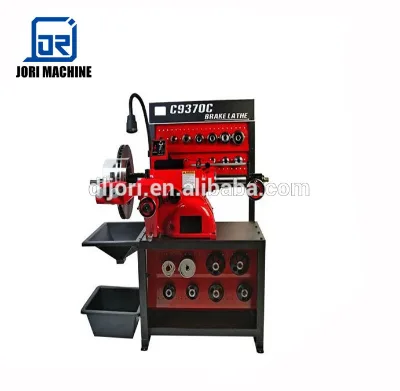
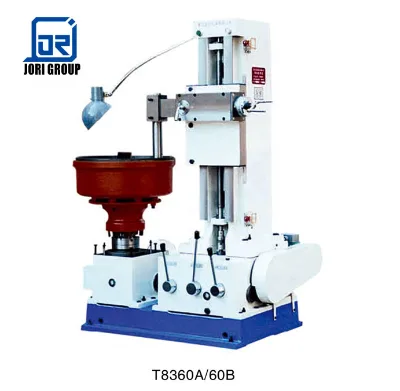
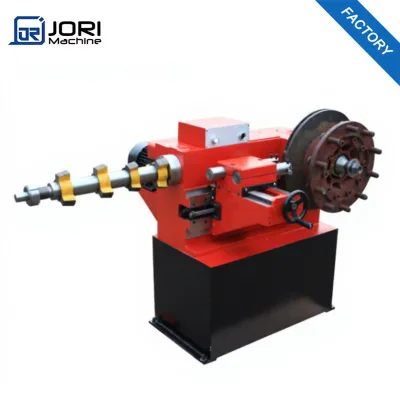
High Grade High Accuracy Portable Car Grinding Drum Brake Disc Machine
$2400.00 - $2900.00
Jiangsu Suzhou Dingxing Drivetrain Technology Co., Ltd.
- Verified by TUVRHEINLAND
- Combined
- China Jiangsu
- Lead time15 days
- Avg. response≤ 2h
Main productsEngine Parts Drivetrain Auto Motive Components, Engines Engine Parts Fuel Pump
Main marketsDomestic

Xian Foreign Trade and Economic Development Corporation
- Trading Company
- China Shaanxi
- Lead time30 days
- Avg. response≤ 22h
Main productsGarage Equipments, Engine Rebuilding Machine, Brake Lathe, Nitrogen Inflator, Tire Changers, Wheel Balancers, Collision Repair Systems, Boring Machine, Grinding Machine, Lathe Machine
Main marketsSouth America,Africa,Southeast Asia/ Mideast,East Asia(Japan/ South Korea),Domestic,Europe,Australia,North America


Brake Drum and Disc Lathe (C9350C)
MOQ: 1 Pieces

on-Car Brake Disc /Drum Cutting Machine
MOQ: 1 Pieces
ZHENGZHOU KAWAY AUTOMATION TECHNOLOGY CO., LTD.
- Combined
- China Henan
- Lead time60 days
- Avg. response≤ 6h
Main productsAbrasives; Abrasives Machine, Automatic Flap Disc Making Machine, Automatic Cutting & Grinding Wheel Machine, Labelling Machine, Packaging Machine, Mop Flap Wheel Making Machine, Flap Wheel Cutting Machine, Abrasive Cloth Belt Slitting Machine, Oven, Abrasive Raw Material
Main marketsSouth America,Africa,Southeast Asia/ Mideast,East Asia(Japan/ South Korea),Domestic,Europe

JIANGXI GEQI GRINDING TECHNOLOGY CO., LTD.
- Combined
- China Jiangxi
- Lead time45 days
- Avg. response≤ 4h
Main productsTool Grinding Machine, PCD/CBN Tool Grinding Machine, Cutting Tools
Main marketsSoutheast Asia/ Mideast,East Asia(Japan/ South Korea),Domestic,North America
Jining Yalong Chemical Equipment Co., Ltd
- Trading Company,Manufacturer/Factory
- China Shandong
- Lead time15 days
- Avg. response≤ 9h
Main productsReactor, Industrial Dryer, Centrifuge, Filter Press, Storage & Packaging Equipment, Mix Tank, Grinder
Main marketsSouth America,Eastern Europe,Mid East,North America,Southeast Asia,Eastern Asia,Oceania,Western Europe,Africa

Shanghai Jianping Dynamic Balancing Machine Manufacturing Co., Ltd.
- Verified by BV
- Combined
- China Shanghai
- Lead time23 days
- Avg. response≤ 8h
Main productsDrive Shaft Balancing Machine, Automotive Balancing Machine, Dynamic Balancing Machine, Turbocharger Balancing Machine, Auto Wheel Balancing Machine, Fan Impeller Balancing Machine, Crankshaft Balancing Machine, Motor Rotors Balancing Machine, Tire Balancing Machine, Brake Drum Balancing Machine
Main marketsSouth America,Africa,Southeast Asia/ Mideast,East Asia(Japan/ South Korea),Domestic,Europe,Australia,North America

Chengdu West Industrial Machinery Co., Ltd.
- Trading Company
- China Sichuan
- Lead time30 days
- Avg. response≤ 7h
Main productsWorkshop Press, Drilling Machine, on-Site Machine, Surface Grinding Machine, Lathe, CNC Lathe, Milling Machine, Saw Machine, Line Boring Machine, Line Bore and Welding Machine
Main marketsSouth America,Africa,Southeast Asia/ Mideast,East Asia(Japan/ South Korea),Domestic,Europe,Australia,North America

iSharp Abrasives Tools Science Institute
- Combined
- China Henan
- Lead time15 days
- Avg. response≤ 16h
Main productsCutting Disc Cutting Disc Making Machine, Abrasive Disc Cutting Wheel Making Machine, Grinding Wheel Grinding Wheel Making Machine, Abrasive Wheel Abrasive Wheel Making Machine, Flap Disc Machine Flap Disc Making Machine, Flap Wheel Machine Flap Wheel Making Machine, Abrasive Belt Skiving Machine, Abrasive Belt Slitting Machine, Abrasive Belt Press Machine, Honing Stone Grinding Stick Dress Stick
Main marketsSouth America,Africa,Southeast Asia/ Mideast,East Asia(Japan/ South Korea),Domestic,Europe,Australia,North America


Full Automatic Cutting Disc Grinding Wheel Making Machine for 150-230mm
$25000.00 - $40000.00
MOQ: 1 Set


Shijiazhuang Corediam Tools Technology Co., Ltd.
- Trading Company,Manufacturer/Factory
- China Hebei
- Lead time23 days
- Avg. response≤ 5h
Main productsDiamond Tools, Diamond Saw Blade, Construction Tools, Grinding Cup Wheel, Diamond Core Drill, Stone Tools, Stone Blade, Granite Cutting Blade, Marble Cutting Blade
Main marketsSouth America,Eastern Europe,Mid East,North America,Southeast Asia,Eastern Asia,Oceania,Western Europe,Africa

Qingdao Haolida Automotive Equipment Manufacturing Co., Ltd.
- Combined
- China Shandong
- Lead time30 days
- Avg. response≤ 8h
Main productsAutomobiletest Bench, Automobile Electric Universal Test Bench, Generator/Alternator Test Bench, Starter Motor Test Bench, Turbocharger Test Bench, Air Braking System Test Bench, Brake Lining Riveting and Grinding Machine, Hydraulic Press, Auto Pit Jack/Lift, Air Compressor Test Bench
Main marketsSouth America,Africa,Southeast Asia/ Mideast,East Asia(Japan/ South Korea),Domestic,Europe,Australia,North America


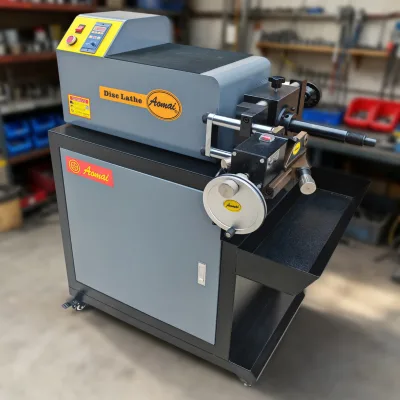
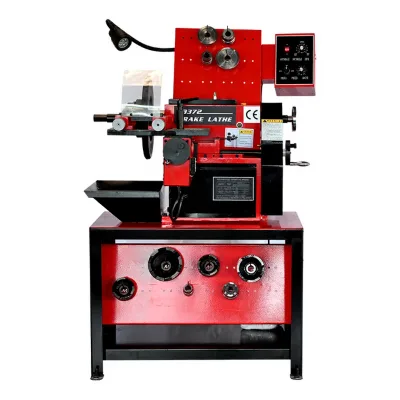
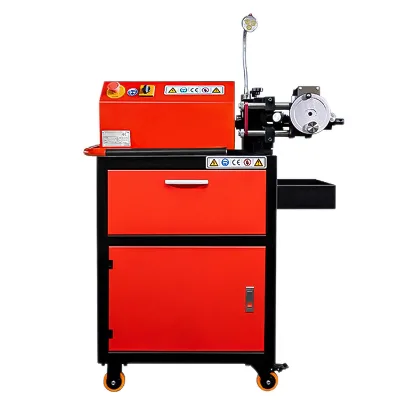
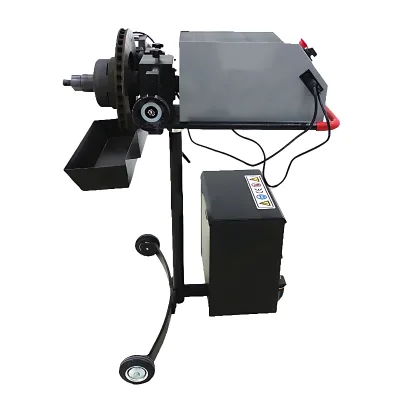


Comprehensive Sourcing Guide
Precision Brake Disc Grinding Machine Supplier Concentration and Factory Types
Current data indicates a concentration of suppliers in China, specifically within the Shandong and Guangdong provinces. Shandong-based entities often list main products including brake lathes, hydraulic presses, and cylinder boring machines, suggesting a regional focus on heavy-duty automotive maintenance equipment. These suppliers frequently operate as trading companies, which may influence their direct manufacturing control versus their role as intermediaries. In contrast, suppliers located in Guangdong appear to specialize in high-precision lapping, polishing, and wafer thinning machinery, indicating a different industrial cluster focused on advanced surface finishing and semiconductor-related tooling.
When assessing factory types, buyers should distinguish between trading companies and combined entities that offer ODM and OEM capabilities. Some suppliers in the results are verified by third-party agencies like SGS or CTI, which adds a layer of credibility to their operational claims. However, the presence of a trading company label does not inherently negate manufacturing capability, but it requires verification of the actual production floor. Buyers must look for evidence of "Combined" company types that explicitly state ownership of brands or direct manufacturing lines, as this often correlates with better control over the Precision Brake Disc Grinding Machine production process and customization options.
How to Verify Precision Brake Disc Grinding Machine Suppliers
Verification of a supplier's legitimacy is critical when sourcing precision brake disc grinding machines, as the market contains various entity types ranging from pure traders to manufacturers. Buyers should prioritize suppliers displaying third-party verification badges such as SGS or CTI, which serve as external validation of the company's business scope and operational history. While the presence of a verification badge is a strong indicator, it should be cross-referenced with the supplier's declared company type. For instance, a trading company with a verification badge may still be a valid partner, but the buyer must understand that the verification confirms the entity's existence rather than its direct factory ownership.
Beyond verification badges, buyers must examine the specific product attributes listed in the supplier's catalog to ensure technical competence. Evidence of high-precision specifications, such as a spindle speed of 1.5kw or a maximum disc diameter of 405mm, suggests the supplier has access to detailed technical data. Furthermore, checking for certifications like ISO on product listings can indicate adherence to quality management standards. Buyers should also look for "Customization: Available" flags, which imply the supplier has the engineering capacity to adapt machines to specific needs. If a supplier lacks these specific technical details or certifications, the buyer should request direct proof of these attributes before proceeding with any engagement.
What to Compare Across Precision Brake Disc Grinding Machine Suppliers
When comparing potential partners, buyers should focus on quantifiable metrics such as lead time, minimum order quantity (MOQ), and response time to gauge operational efficiency. Current data shows lead times of approximately 15 days for certain models, while response times vary, with some suppliers responding within 6 to 7 days. These figures are essential for planning production schedules and inventory management. Additionally, the MOQ is a critical factor; some suppliers offer an MOQ of just one unit, which is advantageous for testing or small-scale procurement, whereas others may have higher thresholds. Buyers must weigh these logistical constraints against their specific volume requirements to determine the most suitable supplier.
Price and product specifications are equally vital comparison points that directly impact the total cost of ownership. The price range for precision brake disc grinding machines can vary significantly, with some models listed around $2,850 and others reaching into the hundreds of thousands for high-end surface grinding equipment. Buyers should compare the price against the technical specifications, such as the maximum disc thickness of 40mm or the precision level of "High Precision." It is also important to compare the power source and motor power, as these affect energy consumption and operational costs. By systematically comparing these data points, buyers can identify suppliers that offer the best balance of cost, speed, and technical capability for their specific application needs.
Common Precision Brake Disc Grinding Machine Sourcing Risks
One significant risk in sourcing precision brake disc grinding machines is the potential mismatch between the supplier's declared capabilities and their actual output. While some suppliers list "High Precision" as a standard attribute, the actual tolerance levels, such as a total thickness variation of less than 3 microns, may vary between batches. Buyers must be cautious of suppliers who claim broad capabilities without providing specific test results or detailed technical sheets. The absence of clear data on surface roughness or spindle speed stability can lead to receiving equipment that fails to meet the rigorous demands of automotive or industrial machining applications.
Another risk involves the reliability of the supply chain and the consistency of the product origin. Although many suppliers list their origin as China, the specific manufacturing location and the quality of the raw materials used can differ. For example, a supplier might list a product as "New" but fail to disclose the condition of the internal components or the quality of the grinding wheels. Additionally, the risk of delayed delivery exists if the supplier's lead time estimates are not backed by a robust production schedule. Buyers should verify the packing standards, such as the use of plywood cases or wood crates, to ensure the machine arrives without damage, as improper packaging can lead to costly repairs or delays in setting up the equipment.
Precision Brake Disc Grinding Machine Regional Sourcing and Logistics
Regional sourcing decisions should be guided by the specific industrial clusters identified in the supplier data, particularly the distinction between Shandong and Guangdong. Suppliers in Shandong often focus on heavy machinery like brake lathes and hydraulic presses, which may offer a more robust build for heavy-duty grinding applications. In contrast, suppliers in Guangdong may specialize in high-precision lapping and polishing machines, potentially offering superior surface finish capabilities for delicate or high-tolerance components. Buyers should align their sourcing strategy with the regional strengths of the suppliers to ensure the equipment matches the intended application, whether it is for general automotive repair or advanced semiconductor wafer processing.
Logistics planning must account for the physical dimensions and weight of the machinery, which can vary significantly between models. For instance, some high-precision grinding machines have external dimensions of 1300x2770x1920mm and weigh up to 5000kg, requiring specialized shipping arrangements. Buyers should verify the packing specifications, such as the use of plywood cases or wood crates, to ensure the equipment is protected during transit. Additionally, the origin of the product, typically listed as China, impacts shipping costs and lead times. Buyers should calculate the total landed cost, including freight and insurance, based on the specific dimensions and weight provided in the product attributes to avoid unexpected expenses upon delivery.
Precision Brake Disc Grinding Machine Commercial Terms and Order Planning
Commercial terms for precision brake disc grinding machines often include specific pricing structures and payment conditions that buyers must carefully review. The price range for these machines can be substantial, with some models listed at $2,850 and others reaching $320,000, depending on the complexity and precision level. Buyers should confirm whether the quoted price includes all necessary components, such as the grinding wheel or specific voltage configurations like 220V/380V. It is also crucial to verify if the price covers the cost of overseas setup and after-sales service, as some suppliers explicitly list these services as part of their offering, which can significantly reduce the total cost of ownership.
Order planning requires a clear understanding of the minimum order quantity and the customization options available. Many suppliers offer an MOQ of one unit, allowing for flexible procurement, but buyers should confirm if customization is available for specific requirements, such as different disc diameters or motor powers. The lead time of approximately 15 days should be factored into the production schedule, and buyers should ensure that the supplier can meet this timeline consistently. Additionally, buyers should verify the certification status, such as ISO, to ensure the machine meets international safety and quality standards. By aligning commercial terms with operational needs, buyers can mitigate risks and ensure a smooth procurement process for their precision brake disc grinding machines.
FAQs
What is the price range for precision brake disc grinding machines?
Prices for precision brake disc grinding machines vary based on specifications. One model is listed at 2850 USD, while another specialized unit costs 2600 USD. High-end industrial surface grinders can range significantly higher, reaching up to 320000 USD for advanced wafer processing capabilities.
What are the minimum order quantities for these grinding machines?
The minimum order quantity for precision brake disc grinding machines is typically one unit. This allows buyers to purchase a single machine for immediate testing or small-scale production needs without being forced to buy in bulk or meet higher volume thresholds.
How long does it take to receive these machines after ordering?
The standard lead time for these machines is 15 days from the date of order confirmation. Buyers should plan their production schedules accordingly, as this duration covers manufacturing, quality checks, and initial packaging before the shipment process begins.
Are these machines available with ISO certification?
Yes, certain precision brake disc grinding machines come with ISO certification. This ensures the equipment meets international quality and safety standards. Buyers looking for certified machinery should verify specific product attributes to confirm the certification status before finalizing their purchase.
Where are these precision grinding machines manufactured?
These machines are manufactured in China, specifically in the Shandong and Guangdong provinces. Suppliers in these regions offer a variety of models, ranging from basic brake disc lathes to high-precision surface grinders used for complex industrial applications.
What is the maximum disc diameter these machines can handle?
The maximum disc diameter capacity varies by model. Some units can process discs up to 405mm, while others handle a range from 130mm to 550mm. Buyers must check specific product attributes to ensure the machine fits their required disc sizes.
Do suppliers offer customization for these grinding machines?
Customization is available for many precision brake disc grinding machines. Buyers can request specific modifications to meet unique production requirements. It is advisable to discuss customization options directly with the supplier to ensure the final product aligns with your operational needs.