Programmable Stepper Motor Controller Suppliers and Manufacturers
Compare 11 verified suppliers offering programmable stepper motor controllers with CE certification and OEM capabilities. Review response times, lead times, and pricing from Beijing and Jiangsu factories before requesting quotes; review the available evidence before requesting comparable quotations from suitable candidates.
Updated
Suppliers List

Beijing Shidai Chaoqun Robot Technology Co., Ltd.
- Verified by BV
- Manufacturer/Factory
- China Beijing
- Lead time15 days
- Avg. response≤ 3h
Main productsIndustrial Robot, Servo Motor, Stepping Motor, Closed Loop Stepper Motor, Brushless Motor, Reducer, Guide Rail Slide, Controller, Accessories, Six-Axis
Main marketsSouth America,Eastern Europe,Mid East,North America,Southeast Asia,Eastern Asia,Oceania,Western Europe
Jiangsu Ju Jie Electomechanical Co., Ltd.
- Manufacturer, Trading Company
- Jiangsu, China
- Lead time15 days
- Avg. response≤ 11h
Main productsGearboxes,Motor,Rear Axle,Controllers
Main marketsSoutheast Asia(45.00%), Eastern Asia(11.00%), South Asia(10.00%), Eastern Europe(8.00%), South America(5.00%), Africa(5.00%), North America(5.00%), Mid East(3.00%), Central America(2.00%), Northern Europe(2.00%), Oceania(1.00%), Domestic Market(1.00%), Southern Europe(1.00%), Western Europe(1.00%)
Shenzhen Coolmay Technology Co., Ltd.
- Manufacturer, Trading Company
- Lead time旺季: "1 - 10":7,"> 10":"To be negotiated", 淡季: "1 - 10":7,"> 10":"To be negotiated"
- Avg. response≤ 2h
Main productsHMI PLC All-in-one, PLC Controller, HMI, Servo, VFD

Fenghua Transmission Technology (Jiangsu) Co., Ltd.
- Verified by BV
- Combined
- China Jiangsu
- Lead time15 days
- Avg. response≤ 4h
Main productsGearbox, Reducer, Motor, Planetary Gearbox, Harmonic Drive Reducer, Robot RV Reducer, 90 Degree Servo Gearbox, Right Angle Gearbox, Stepper Motor, Servo Motor
Main marketsSoutheast Asia/ Mideast,East Asia(Japan/ South Korea),Domestic,Europe,North America

Wuhan Sine Electric Technology Co., Ltd
- Verified by BV
- Combined
- China Guangdong
- Lead time15 days
- Avg. response≤ 10h
Main productsFrequency Inverters, AC Inverters, AC Drive, Converters, Servo, Variable Frequency Inverters, AC Motor Drive, Variable Frequency Drive, Servo Driver, Variable Speed Drive
Main marketsSouth America,Africa


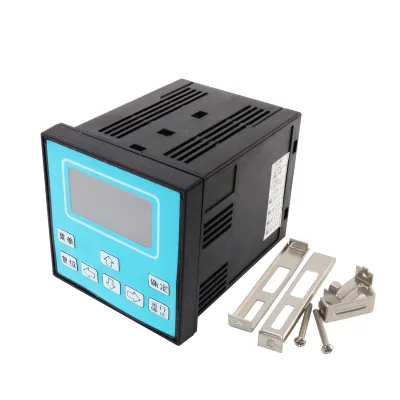
CNC Programmable Controller Stepper Motion Controller Advanced Motion Controller for CNC Router
$299.00 - $3999.00
MOQ: 1 Sets

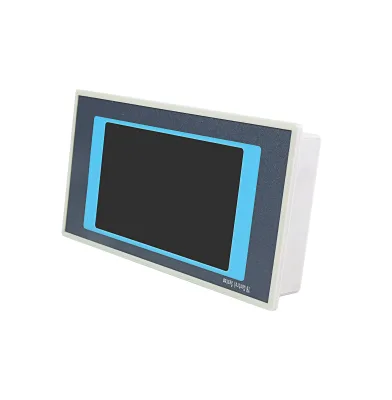
Programmable Controller Servo Stepper Motor Control LCD Display External Motion Controller for CNC
$299.00 - $3999.00
MOQ: 1 Sets


LCD Display Programmable Controller Motor Control Motion Controller for 5 Axis Controller
$299.00 - $3999.00
MOQ: 1 Sets

CNC Programmable Controller Motion Controller Servo Motion Controller for CNC Router
$299.00 - $3999.00
MOQ: 1 Sets
Shenzhen Jiaxinjie Technology Co., Ltd.
- Trading Company, Agent, Distributor/Wholesaler
- Guang Dong, China
- Lead time3 days
- Avg. response≤ 5h
Main productsElectronic products,Electronic module,IC Chip,Capacitance & Resistance,Medical equipment
Main marketsDomestic Market(10.00%), South Asia(10.00%), Southern Europe(10.00%), Eastern Europe(10.00%), South America(10.00%), North America(10.00%), Oceania(5.00%), Africa(5.00%), Southeast Asia(5.00%), Northern Europe(5.00%), Central America(5.00%), Western Europe(5.00%), Eastern Asia(5.00%), Mid East(5.00%)
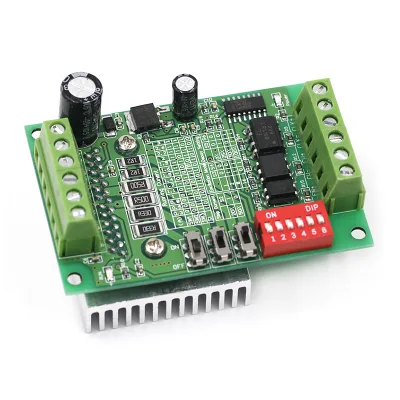
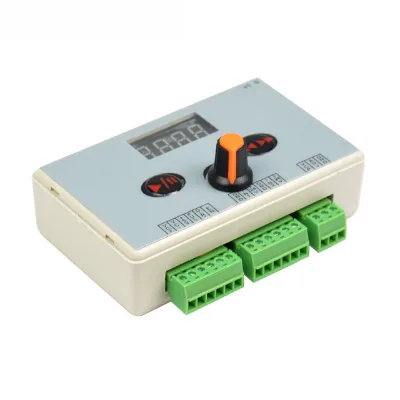
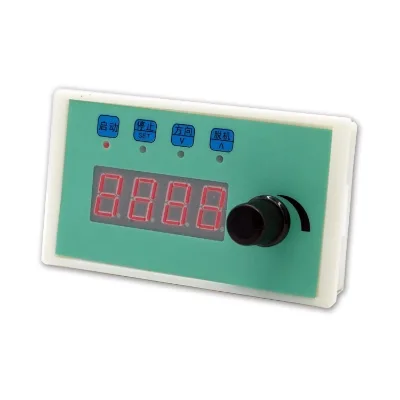
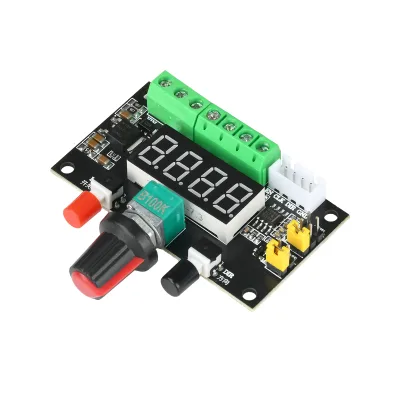
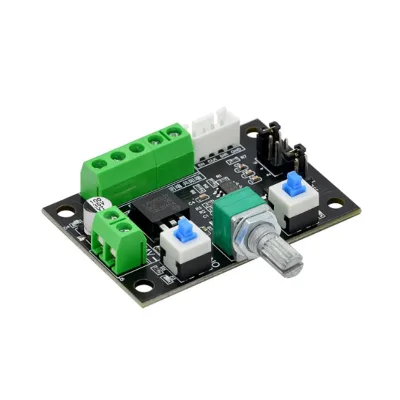
Stepper Motor Controller Pulse Generator CS10-3 Multi-turn Potentiometer Speed Regulation Display
$13.4685 - $15.5404
MOQ: 5 Minimum

Shenzhen K-Easy Electrical Automation Company Limited
- Combined
- China Guangdong
- Lead time15 days
- Avg. response≤ 1h
Main productsFrequency Inverters, Soft Starter, AC Drive, VFD Components
Main marketsDomestic

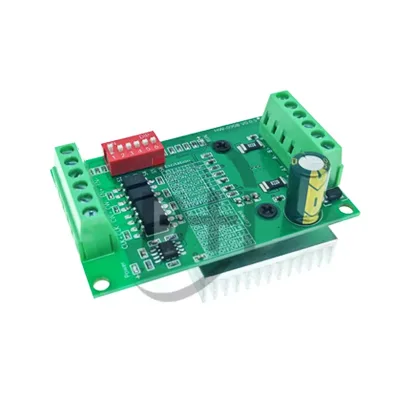
DC Stepper Motor Drive Controller Board Module DV422 Motor Driver Board
$70.00 - $495.00
MOQ: 1 Pieces

Shenzhen Dingtuoda Electromechanics Co., Ltd.
- Manufacturer, Trading Company
- Guangdong, China
- Lead time20 days
- Avg. response≤ 6h
Main productsbrushless DC motor driver,Brushless DC motor,Stepping motor driver,Brushless DC gear motor,Hybrid stepping motor
Main marketsWestern Europe(25.00%), North America(25.00%), Eastern Asia(13.00%), Southeast Asia(10.00%), Southern Europe(6.00%), South America(5.00%), Northern Europe(5.00%), Mid East(5.00%), Africa(4.00%), Eastern Europe(2.00%)
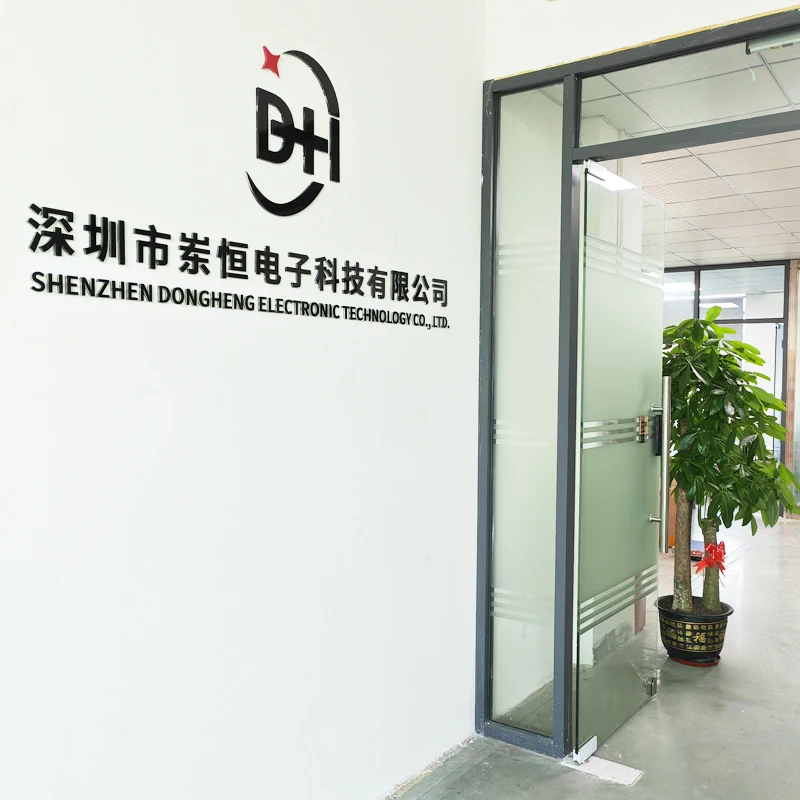
Shenzhen Dongheng Electronic Technology Co., Ltd.
- Trading Company, Distributor/Wholesaler
- Guangdong, China
- Lead time0 days
- Avg. response≤ 2h
Main productsElectronic Components,Cables,Integrated Circuit,Development Boards,3D Printer Parts
Main marketsNorth America(40.00%), Southeast Asia(30.00%), South Asia(10.00%), Central America(10.00%), Mid East(10.00%)
Guangzhou Hanpose 3d Technology Co., Ltd.
- Verified by SGS Group
- Manufacturer, Trading Company
- Lead time7 days
- Avg. response≤ 1h
Main productsStepper Motor
Main marketsNorth America(20%), Eastern Europe(15%), South America(10%)
Changzhou Goot Motor-Tech Co., Ltd.
- Verified by SGS Group
- Manufacturer, Trading Company
- Lead time25 days
- Avg. response≤ 6h
Main productsStepper Motor, Synchronous Motor, Stepping reduction motor
Main marketsWestern Europe(30%), Domestic Market(30%), Northern Europe(10%)




Comprehensive Sourcing Guide
Programmable Stepper Motor Controller Supplier Concentration and Factory Types
The current supplier landscape for programmable stepper motor controllers reveals a distinct geographic concentration in China, with specific manufacturing hubs identified in Beijing and Jiangsu. These regions serve as primary origins for the industrial components and electronic accessories that define this category. Suppliers located in Beijing often present themselves as manufacturers or factories, indicating a direct production capability rather than pure trading. This structural distinction is critical for buyers seeking to understand the supply chain depth, as factory-type entities typically control the assembly of key components like servo motors, stepping motors, and reducers. The presence of these manufacturers in Beijing suggests a localized ecosystem for electronic components and accessories, which may influence production flexibility and technical support availability. Buyers should recognize that while the location is confirmed as China, the specific city provides a layer of context regarding the industrial base supporting these controllers.
In contrast, suppliers based in Jiangsu, China, exhibit a more mixed operational model, identifying as both manufacturers and trading companies. This dual classification implies that some entities in this region may handle direct production while others facilitate the aggregation of goods from various sources. The main products listed for these suppliers include gearboxes, motors, rear axles, and controllers, suggesting a broader mechanical integration capability alongside electronic control systems. This diversity in company type means that buyers must carefully distinguish between pure factories and hybrid entities when evaluating programmable stepper motor controllers. The trading company aspect can offer broader product ranges but may introduce additional layers in the supply chain. Understanding whether a supplier is a pure manufacturer or a hybrid entity helps in assessing the potential for customization, direct technical communication, and price negotiation power.
How to Verify Programmable Stepper Motor Controller Suppliers
Verification of suppliers requires a multi-layered approach that begins with checking for third-party validation badges, such as BV verification, which serves as an initial trust signal for the business entity. This verification status indicates that the supplier has undergone some level of scrutiny regarding their business legitimacy and operational capabilities. However, buyers should not rely solely on this badge but must cross-reference it with other data points provided in the supplier profile. The response time metric is another crucial verification tool, with some suppliers demonstrating rapid engagement capabilities, such as a response time of 2.31 hours, while others may take significantly longer, up to 11 hours. A faster response time often correlates with better customer service infrastructure and more active sales teams, which is vital for resolving technical queries about programmable stepper motor controllers promptly.
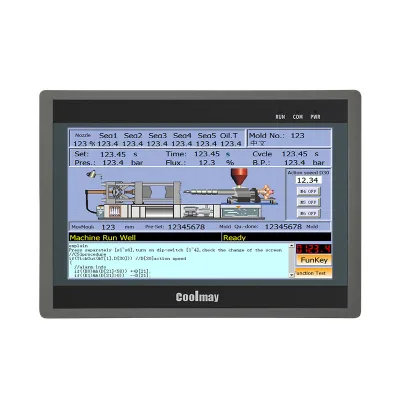
Beyond response metrics, buyers should scrutinize the product evidence provided to ensure alignment with their specific technical requirements. For instance, checking for CE certification on products like the CM40L-40 or the Coolmay EX3G-8100H confirms compliance with certain safety and performance standards, which is essential for international trade. Additionally, verifying the place of origin listed on product specifications, such as Guangdong or Beijing, helps confirm the supplier's stated location and manufacturing base. Buyers should also look for detailed product attributes, such as voltage ranges, maximum current ratings, and driver types, to ensure the supplier has genuine technical knowledge of their inventory. The presence of specific model numbers and detailed specifications indicates a higher level of product transparency and reduces the risk of receiving mismatched or generic components.
What to Compare Across Programmable Stepper Motor Controller Suppliers
When comparing suppliers, lead time is a primary differentiator that impacts production scheduling and inventory management. Some suppliers offer a standard lead time of 15 days, providing a predictable timeline for order fulfillment. Others may have more complex lead time structures, such as those that vary between peak and off-peak seasons, with specific durations for small orders and negotiable terms for larger volumes. This variability requires buyers to plan their procurement cycles carefully, especially if they are dealing with seasonal demand fluctuations. Comparing these lead times across different suppliers helps in identifying those who can meet urgent delivery requirements versus those who offer more stable, albeit potentially longer, production schedules.
Another critical comparison point is the Minimum Order Quantity (MOQ) and pricing structure, which directly affect the cost-efficiency of the procurement. MOQs can range from as low as one unit, allowing for easy sampling and small-scale testing, to ten units or more for bulk purchases. Pricing also varies significantly, with some controllers priced between $78 and $105, while others may be available at lower price points around $22.50 or $59.53. Buyers should compare these prices in the context of the MOQ to determine the true cost per unit for their desired order volume. Additionally, comparing the main products offered by each supplier, such as whether they specialize in stepper motors, servo motors, or broader motor control systems, helps in selecting a partner that aligns with their broader technical needs and potential for future collaboration.
Common Programmable Stepper Motor Controller Sourcing Risks
One significant risk in sourcing programmable stepper motor controllers is the potential mismatch between advertised specifications and actual product performance. Suppliers may list products with attributes like "Automatic Control" or "Linear" mathematical models, but without rigorous testing or detailed technical documentation, buyers cannot be certain of the controller's actual capabilities in their specific application. This risk is compounded by the fact that some products are listed as "Used" or have varying conditions, which may not be suitable for new industrial installations. Buyers must be vigilant in verifying the condition and quality guarantee of the products, such as the one-year warranty offered on certain high-speed stepper motor drivers, to ensure long-term reliability.
Another risk involves the variability in supplier response and support capabilities, which can hinder troubleshooting and technical integration. While some suppliers boast rapid response times, others may have slower engagement, leading to delays in resolving technical issues. This is particularly problematic for programmable controllers, which often require complex configuration and integration with existing systems. The lack of standardized support structures across different suppliers means that buyers may face inconsistent levels of assistance. Additionally, the diversity in company types, from pure manufacturers to trading companies, can lead to communication gaps regarding technical specifications and customization options. Buyers should assess the supplier's ability to provide ongoing technical support and customization services to mitigate these risks.
Programmable Stepper Motor Controller Regional Sourcing and Logistics
Sourcing from China, specifically from regions like Beijing and Jiangsu, offers access to a mature industrial ecosystem for electronic components and motor controllers. The concentration of suppliers in these areas facilitates efficient logistics and supply chain management, as many related components and accessories are produced locally. This geographic clustering can reduce shipping times and costs for buyers, particularly when sourcing multiple related items such as stepper motors, reducers, and controllers. However, buyers must also consider the logistical implications of importing from these regions, including customs clearance, import duties, and potential delays due to global shipping constraints. Understanding the specific location of the supplier helps in estimating transit times and planning inventory levels accordingly.
The regional sourcing strategy also involves evaluating the supplier's ability to handle international shipping and documentation. Suppliers in Beijing and Jiangsu may have varying levels of experience with export procedures, which can impact the smoothness of the transaction. Buyers should verify the supplier's packaging standards, such as the use of polyfoam and cardboard cartons, to ensure that products arrive in good condition. Additionally, the place of origin listed on product specifications, such as Guangdong or Beijing, can provide insights into the local infrastructure and logistics networks available to the supplier. By aligning their sourcing strategy with suppliers in well-established industrial regions, buyers can leverage local efficiencies while managing the complexities of international trade.
Programmable Stepper Motor Controller Commercial Terms and Order Planning
Commercial terms for programmable stepper motor controllers often include specific warranty periods and quality guarantees that protect the buyer's investment. For example, some high-speed stepper motor drivers come with a one-year quality guarantee, providing a safety net against early failures. Buyers should carefully review these warranty terms to understand the scope of coverage and the process for claiming repairs or replacements. Additionally, the customization options available, such as the ability to customize signal inputs or output currents, can add value but may also impact the commercial terms, including pricing and lead times. Understanding the customization capabilities and associated costs helps in planning the budget and timeline for the procurement project.
Order planning should also consider the supply ability and production capacity of the supplier, which can affect the scalability of the procurement. Some suppliers may have a supply ability of 50,000 cases per month, indicating a robust production capacity suitable for large orders. However, buyers must verify if this capacity is consistent and reliable, especially during peak seasons. The lead time variations between small and large orders, as well as between peak and off-peak periods, require careful planning to avoid production bottlenecks. By aligning order volumes with the supplier's capacity and lead time commitments, buyers can ensure a steady supply of programmable stepper motor controllers while minimizing the risk of delays or stockouts.
FAQs
What is the price range for programmable stepper motor controllers?
Programmable stepper motor controllers typically range from $22.50 to $105.00 per unit. Specific models like the ZD-2HE2270MH are priced between $80.00 and $85.00, while the CM40L-40 ranges from $98.00 to $105.00. Prices vary based on features such as resolution and voltage compatibility.
What is the minimum order quantity for these controllers?
The minimum order quantity varies by supplier and product model. Some manufacturers offer an MOQ of just one unit, allowing for easy sampling. Others require a minimum of ten units for specific models like the CM40. Buyers should verify the MOQ directly with the supplier before placing an order.
How long does delivery take for these controllers?
Standard lead times are approximately 15 days for many suppliers. Some manufacturers offer faster turnaround times of seven days for smaller orders during off-peak seasons. For larger quantities exceeding ten units, delivery times may need to be negotiated directly with the supplier to ensure timely fulfillment.
Are these controllers certified and what standards do they meet?
Many programmable stepper motor controllers carry CE certification, ensuring compliance with European safety standards. Products are often verified by third-party agencies like BV. Buyers should check specific product listings for certification details and ensure the controller meets the regulatory requirements for their target market.
What customization options are available for stepper motor controllers?
Customization is widely available, with many suppliers offering OEM and ODM services. Features like resolution adjustment, voltage ranges, and signal isolation can often be tailored. Buyers should confirm customization availability and specifications directly with the manufacturer to ensure the controller meets their precise application requirements.
Where are these controllers manufactured?
These controllers are primarily manufactured in China, with production facilities located in regions such as Beijing, Jiangsu, and Guangdong. Buyers can source products directly from these manufacturing hubs. The origin is often listed in the product attributes, helping buyers assess logistics and supply chain reliability.