Source Waterproof Digital Programmable Brushless Motor for Industrial Car Appliances
Find 30 Waterproof Digital Programmable Brushless Motor options from verified suppliers. Compare specifications including voltage, speed control, and protection levels for industrial, automotive, and appliance applications to ensure the right fit for your specific motion control needs; compare the available evidence and request quotations based on your requirements.
Updated
Key considerations
Products List


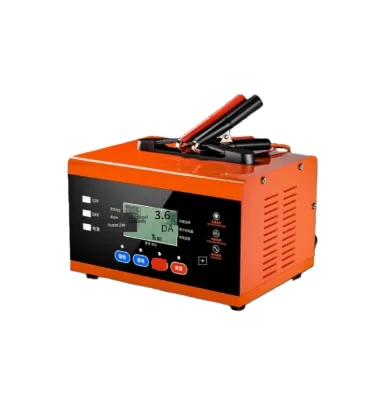
$14.1028 - $30.4526
MOQ: 1 Minimum


$60.00 - $120.00
MOQ: 100 Pieces


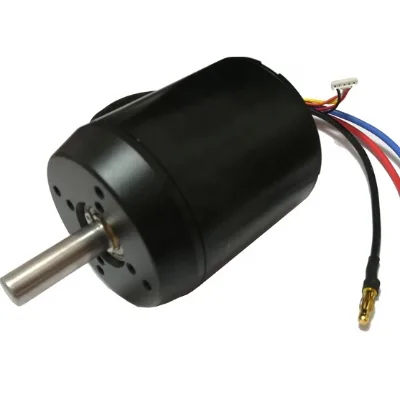
Brushless 40 Watt High Speed Waterproof Motor for Underwater Robot
$53.0646 - $59.1877
MOQ: 100 pieces
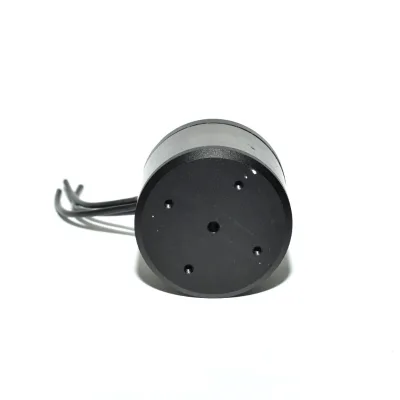
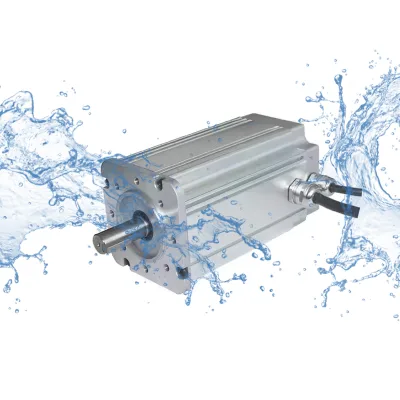


Custom-Made Waterproof Remote-Controlled Water-Propulsion Brushless DC Motor
$416.00 - $454.00
MOQ: 10 Pieces



$6.80 - $8.90
MOQ: 100 Pieces




Comprehensive Sourcing Guide
Waterproof Digital Programmable Brushless Motor Sourcing Guide
Procuring waterproof digital programmable brushless motors requires a disciplined approach to technical verification and supplier qualification. Buyers must navigate a market where specifications vary significantly across different manufacturers and product lines. The core challenge lies in distinguishing between generic components and specialized units that meet precise operational demands. This guide provides a structured framework for evaluating listings, ensuring that technical attributes align with project requirements before committing to purchase orders.
Successful sourcing depends on understanding the interplay between motor design, control electronics, and environmental protection ratings. Digital programming capabilities allow for customized torque and speed profiles, which is critical for applications requiring precise motion control. However, these advanced features must be balanced against physical durability, particularly when the motor operates in wet or humid conditions. Buyers should prioritize suppliers who provide transparent documentation regarding both the electronic control systems and the mechanical sealing technologies used in their products.
Product Scope and Observed Listing Signals
The current market landscape for these motors includes a diverse range of products with varying degrees of specialization. Observed listings indicate a price range from approximately $6.80 to $454, reflecting differences in power output, brand reputation, and feature sets. Minimum order quantities typically span from one unit to one thousand, allowing for both prototype testing and bulk industrial deployment. This wide variance suggests that buyers must carefully assess whether a listing represents a standard off-the-shelf component or a customized solution tailored to specific industrial needs.
Product attributes observed in the market include single-phase stator configurations, variable frequency starting modes, and constant speed operations. Some listings highlight open-type casing protection, while others specify closed types or higher IP ratings such as IP54. Voltage inputs commonly range from 12V to 24V, suitable for low-voltage industrial and automotive applications. Additionally, certain products are marketed with specific power ratings like 200W, 400W, 600W, or 800W, indicating a tiered approach to performance capabilities. Buyers should verify these attributes against their actual load requirements to avoid under-specification or unnecessary over-engineering.
Technical Specifications to Verify
Technical verification must begin with the motor’s structural design and excitation mode. Brushless construction is a key indicator of efficiency and longevity, reducing maintenance needs compared to brushed alternatives. Buyers should confirm the number of poles and operating speed characteristics, as these directly influence torque delivery and responsiveness. Adjustable speed capabilities are often paired with digital control interfaces, allowing for real-time adjustments during operation. It is essential to validate that the digital programming interface supports the specific communication protocols required by the host system, such as PWM or serial data links.
Environmental protection and physical dimensions are equally critical for integration success. The IP protection level must be verified to ensure adequate sealing against water and dust ingress, especially for outdoor or washdown applications. Casing protection types, whether open or closed, dictate the mounting strategy and cooling requirements. Buyers should also examine the package dimensions and gross weight to plan for logistics and storage. Specifications such as 210x160x130 mm or similar compact forms factor are common, but exact measurements must be confirmed to ensure fitment within the designated enclosure or chassis space.
Compliance and Safety Documentation
Compliance documentation serves as the primary evidence of a product’s adherence to international safety and environmental standards. Buyers should request certificates such as CCC, ISO, CE, or RoHS, depending on the target market and application sector. These certifications indicate that the motor has undergone rigorous testing for electrical safety, electromagnetic compatibility, and material restrictions. Without valid certification documents, there is a significant risk of regulatory non-compliance, which can lead to shipment delays, product recalls, or legal liabilities in regulated industries.
In addition to formal certifications, buyers must assess the availability of machinery test reports and warranty terms. Some suppliers may not provide detailed test reports, which can be a red flag for quality assurance. A clear warranty policy is essential for mitigating the risk of early failure, particularly for digital components that may be sensitive to voltage spikes or improper programming. Buyers should also verify the condition of the product, ensuring it is listed as 100% new and comes with appropriate packaging, such as wooden cases or cartons, to prevent transit damage.
Cost Drivers and Commercial Terms
Cost structures for waterproof digital programmable brushless motors are influenced by several key factors, including power output, brand origin, and customization options. Higher wattage variants, such as 800W luxury editions, command premium prices due to increased material costs and advanced control electronics. Brand reputation also plays a significant role, with established names often charging more for perceived reliability and support. Customization availability can further impact pricing, as tailored solutions require additional engineering time and specialized production runs.
Commercial terms must be negotiated with clarity to avoid hidden costs. Buyers should confirm the selling units, whether single items or bulk packs, and the associated packaging costs. Logistics expenses can vary significantly based on the single package size and gross weight, which affect shipping volume and handling fees. It is advisable to request detailed quotations that break down unit prices, tooling fees, and shipping costs. Understanding these commercial dynamics allows buyers to optimize their total cost of ownership and align procurement budgets with project financial constraints.
Supplier Qualification and Quality Control
Supplier qualification is a critical step in ensuring consistent product quality and reliable after-sales support. Buyers should evaluate suppliers based on their production capabilities, quality management systems, and track record in the industry. Verification of core components, such as the motor itself, is essential to ensure that the supplier uses high-grade materials and reputable electronic components. Suppliers who provide outgoing inspection videos or detailed quality control procedures demonstrate a higher level of transparency and commitment to product integrity.
Quality control processes should include rigorous testing of the digital programming features and waterproof seals. Buyers should inquire about the machinery test reports and the availability of sample units for pre-production validation. Establishing a clear communication channel with the supplier is vital for addressing technical queries and resolving any discrepancies during the manufacturing process. Additionally, verifying the supplier’s location and origin, such as China or Japan, can provide insights into the local supply chain dynamics and potential lead times for production and delivery.
Long-Term Procurement Checks
Long-term procurement success depends on establishing robust relationships with suppliers who can support ongoing production needs. Buyers should monitor supplier performance metrics, including on-time delivery rates, defect rates, and responsiveness to technical issues. Regular audits of the supplier’s quality control processes can help identify potential improvements and ensure continued compliance with agreed-upon standards. Maintaining a buffer stock of critical components can also mitigate supply chain disruptions and ensure uninterrupted production schedules.
Furthermore, buyers should stay informed about technological advancements in brushless motor design and digital control systems. Regularly reviewing product specifications and market trends can help identify opportunities for cost savings or performance enhancements. Engaging with suppliers for continuous improvement initiatives can lead to customized solutions that better meet evolving application requirements. By proactively managing supplier relationships and staying abreast of industry developments, buyers can secure a competitive advantage and ensure the long-term reliability of their motor-driven systems.
FAQs
What certifications are available for these motors?
Certifications such as CCC and ISO are available for these motors. The products also meet CE and RoHS standards. These certifications ensure compliance with international safety and environmental regulations. Buyers can verify specific documentation during the sourcing process to confirm that the selected units meet their regional regulatory requirements.
Can the motors be customized for specific applications?
Yes, customization is available for these brushless motors. Buyers can request specific modifications to suit their unique industrial or household appliance needs. The supplier offers tailored solutions to ensure the motor integrates seamlessly with existing systems. This flexibility allows for precise alignment with project specifications and operational requirements.
What is the typical packaging for these units?
The motors are packaged in wooden cases or cartons. Some units are packed in CTN and pallet configurations for bulk shipping. This robust packaging protects the equipment during transit. The gross weight per package is approximately 2kg to 8kg, depending on the specific model and power rating selected by the buyer.
What voltage options are supported by these motors?
These motors support voltage ranges from 12V to 24V. This flexibility allows them to operate in various low-voltage environments. The power ratings include 200W, 400W, 600W, and 800W options. Buyers can select the appropriate voltage and power combination to match their specific device requirements and energy efficiency goals.
Where are these motors manufactured?
These motors are manufactured in China and Japan. Specific models originate from Henan, China, while others are sourced from Japan. The origin affects the supply chain and lead times. Buyers should verify the place of origin to ensure alignment with their sourcing preferences and logistical planning for international procurement.
What is the minimum order quantity for these products?
The minimum order quantity ranges from 1 to 1000 units. This wide range accommodates both small-scale testing and large industrial deployments. Buyers can negotiate specific MOQs based on their volume requirements. The flexibility allows for efficient inventory management and cost-effective procurement for various business sizes and project scales.