Promotional Flying Disc Toy Suppliers and Manufacturers
Source 32 verified suppliers for Promotional Flying Disc Toy products. Compare key dimensions including certifications like EN 71 and ASTM F963, lead times, and MOQs. Review product specifications and request quotes directly from the listed manufacturers and trading companies; review the available evidence before requesting comparable quotations from suitable candidates.
Suppliers List
Shantou Rongheqiang Trade Co. Ltd
- Verified by TüVRheinland
- Trading Company
- Lead time7 days
- Avg. response≤ 1h
Main productsToys
Main marketsNorth America(50%), Western Europe(30%), Southeast Asia(10%)
- Verified by TüVRheinland
- Manufacturer, Trading Company
- Lead time30 days
- Avg. response≤ 7h
Main productsSquishy Toys, Capsule Toys, Promotional Toys, Toy Balls, Educational Toys
Main marketsNorth America(32%), Southern Europe(26%), Western Europe(14%)
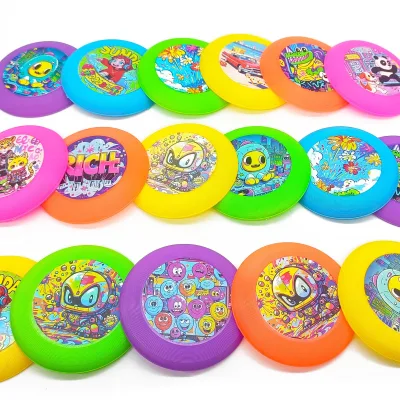
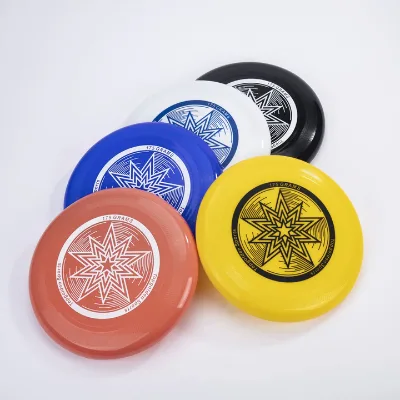
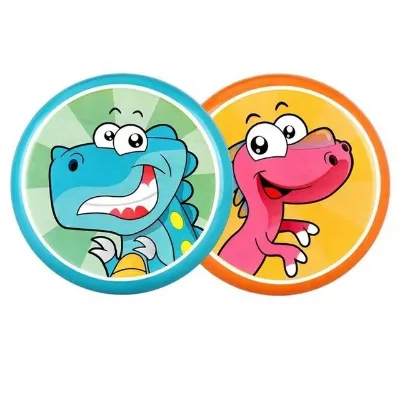
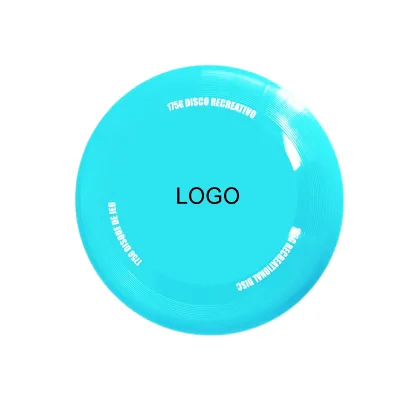
Flying Disc Toys Promotional Gifts Plastic Disc Toy Cartoon Fetch Disc Toys for Kids
$0.09 - $0.13
MOQ: 5000 pieces
Jinjiang Zhengzheng Technology Co., Ltd.
- Trading Company
- China Fujian
- Lead time0 days
- Avg. response≤ 1h
Guangzhou Baolilong Toys Trading Co., Limited
- Trading Company
- Guangdong, China
- Lead time45 days
- Avg. response≤ 8h
Main productspromotion toys,dollar chain shop toys,OEM and ODM,candy toy,capsule toy
Main marketsNorthern Europe(35.00%), Mid East(25.00%), Eastern Europe(25.00%), South Asia(10.00%), South America(5.00%)
Nantong Get Power Fitness Equipment Co., Ltd.
- Verified by TüVRheinland
- Trading Company
- Lead time30 days
- Avg. response≤ 2h
Main productsDumbbell, Barbell, Weight Plate, Power Rack, Bench
Main marketsNorthern Europe(40%), North America(20%), Southeast Asia(20%)
Shenzhen Keeup Gifts Co., Ltd.
- Verified by TüVRheinland
- Trading Company
- Lead time7 days
- Avg. response≤ 2h
Main productsPromotional Gifts, Promotional Keyrings, Promotional Pens, Promotional Bags, Lanyard
Main marketsNorth America(30%), Western Europe(20%), Eastern Europe(10%)
Shantou Chenghai Givelong Toys Gift Factory
- Verified by Intertek
- Manufacturer, Trading Company
- Lead time7 days
- Avg. response≤ 5h
Main productsTable Lamp, Mini Fan, Kitchen Toys, RC Car, Baby Toys
Main marketsDomestic Market(18%), North America(13%), Eastern Europe(12%)

Nanjing Bewe Intl Trading Co., Ltd.
- Verified by BV
- Trading Company
- China Jiangsu
- Lead time38 days
- Avg. response≤ 19h
Main productsPadel, Beach Tennis, Pickleball Paddle, Volleyball, Squash, Badminton, Golf, Tennis, Soccer Ball, Basketball
Main marketsSouth America,Eastern Europe,Mid East,North America,Southeast Asia,Eastern Asia,Oceania,Western Europe,Africa

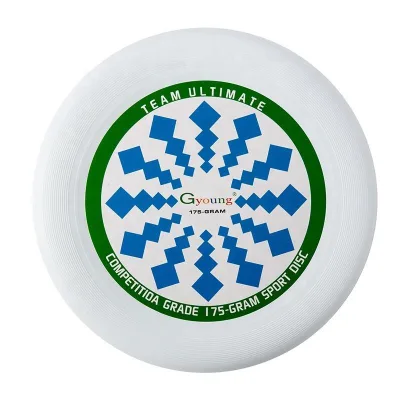
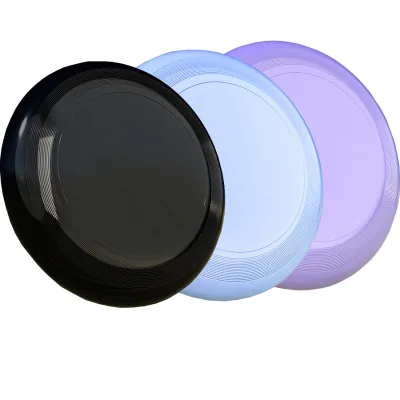
Chinese Manufacturer Cheap Promotional Toy Outdoor Sports Plastic Flying Disc Custom
$0.15 - $1.98
MOQ: 1000 Pieces

Chinese Manufacturer Customized Cheap Promotional Toy Outdoor Sports Plastic Flying Disc Wholesale
$0.15 - $1.98
MOQ: 1000 Pieces

Chinese Manufacturer Customized Cheap Promotional Toy Outdoor Sports Flying Disc Plastic
$0.15 - $1.98
MOQ: 1000 Pieces

Chinese Manufacturer Customized Cheap Promotional Toy Outdoor Sports Plastic Flying Disc for Sale
$0.15 - $1.98
MOQ: 1000 Pieces

$0.15 - $1.98
MOQ: 1000 Pieces

Zhengzhou Yuexiu Industrial Co., Ltd
- Trading Company,Manufacturer/Factory
- China Henan
- Lead time23 days
- Avg. response≤ 4h
Main productsPU Integral Skin Foam, High Resilience PU Foam, Low Resilience PU Foam, Molded PU Foam, Corner Guard, PU Handles, Foam Seat, Foam Insert, PU Suspension Bushing, PU Foam Products
Main marketsSouth America,Eastern Europe,Mid East,North America,Southeast Asia,Eastern Asia,Oceania,Western Europe,Africa
SHANTOU BHX TECHNOLOGY CO., LTD.
- Manufacturer, Trading Company
- Lead time旺季: "1 - 480":31,"> 480":"To be negotiated", 淡季: "1 - 480":31,"> 480":"To be negotiated"
- Avg. response≤ 5h
Main productsGun Toy, Educational Toy, Outdoor Toy, Baby Toy, Remote Control Toy

Shantou Chenghai Xaqi Toys Industrial Co., Limited
- Verified by BV
- Combined
- China Guangdong
- Lead time23 days
- Avg. response≤ 5h
Main productsRemote Control Car, Educational Toy, Sport Toy, Pretend Play Toys, Remote Contro Toy, Baby Toy, Summer Toy, B/O Toy
Main marketsSoutheast Asia/ Mideast,Domestic,Europe


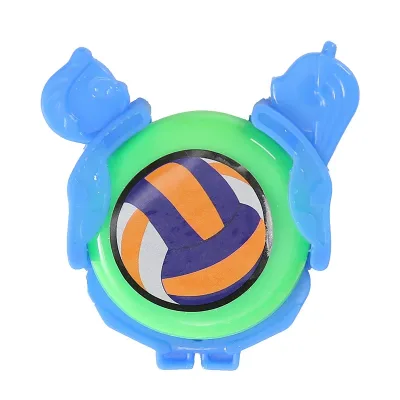
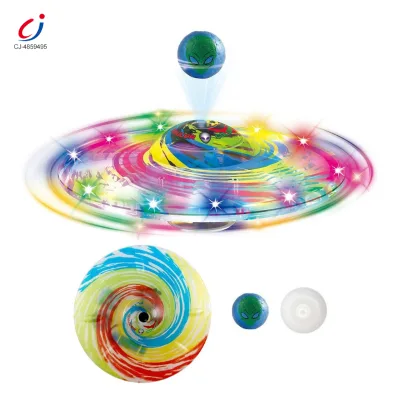
High Quality Spinning Top Toy Flying Saucer Toy Gyro Toy/Funny Top /Toys Game
$0.37 - $1.37
MOQ: 1200 Pieces


Xiamen Neway Rubber & Plastic Products Co., Ltd.
- Verified by BV
- Combined
- China Fujian
- Lead time15 days
- Avg. response≤ 3h
Main productsPlastic Injection Molding, Plastic Parts, Silicone Rubber Parts, Gasket Seals, Rubber Grommet, Mould, O Ring, Extrusion Strip, Metal Parts, Suction Cup
Main marketsSouth America,Africa,Southeast Asia/ Mideast,East Asia(Japan/ South Korea),Europe,Australia,North America

Fuzhou Chongkang Gifts Trade Co., Ltd.
- Verified by SGS
- Manufacturer/Factory
- China Fujian
- Lead time23 days
- Avg. response≤ 6h
Main productsPromotional Gifts, Baseball Cap, Beanies Hat, Gift Bags, Scarf, Microfiber Cleaning Cloth, Keychain, USB Charging Line, Luggage Tag, Mobile Phone Holder
Main marketsSouth America,Eastern Europe,Mid East,North America,Southeast Asia,Eastern Asia,Oceania,Western Europe,Africa

Promotional Gifts Flying Disc Outdoor Game Toys Silicone Flying Discs Frisbeed
$0.34 - $0.55
MOQ: 500 Pieces

Custom Logo Sport Outdoor Training Games Beach Silicone Flying Disc Toys Golf Disc
$0.30 - $0.35
MOQ: 1000 Pieces

Wholesale Children's Outdoor Game Toy Flying Disc Flying Saucer with Custom Logo
$0.18 - $0.50
MOQ: 250 Pieces

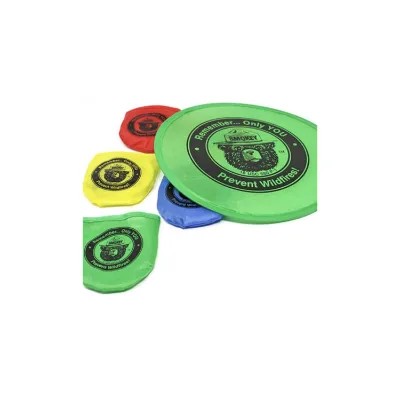
Custom Outdoor Kids Sports Toy Foldable Flyer Folding Handheld Fan Nylon Flying Disc
$0.18 - $0.50
MOQ: 250 Pieces

Custom Logo Printed Glow in The Dark Outdoor Sports Fitness Toy Small Silicone Flying Disc
$0.30 - $0.35
MOQ: 1000 Pieces

Wholesales Children Outdoor Sports Games Portable Custom Logo Flying Disk
$0.18 - $0.50
MOQ: 250 Pieces
Yongkang Xiaotongban Toys Gifts Co., Ltd.
- Verified by SGS Group
- Manufacturer, Trading Company
- Lead time25 days
- Avg. response≤ 4h
Main productsPlastic Toys, Rubber bath Toys, Fidget Toy, Bounce Ball, Animal Craft
Main marketsNorth America(80%), Western Europe(15%), South Asia(2%)

- Verified by BV
- Trading Company,Manufacturer/Factory
- China Zhejiang
- Lead time0 days
- Avg. response≤ 11h
Main productsWooden Game, Toy, Outdoor Game, Gareden Game, Racket, Tent, Soccer Ball, Sports
Everwin Toys Industry Co., Ltd.
- Verified by TUVRHEINLAND
- Trading Company,Manufacturer/Factory
- China Guangdong
- Lead time0 days
- Avg. response≤ 4h
Main productsPlastic Toy, Kids Gift, Toys Jewelry, Toys Gift, Promotion Gift, Kids Toys, Children Toys, Jewelry Sets, Stationery


Promotional Gifts Plastic Toy Kids Toys Boys Gift Toy Vehicle Fire Vehicle
$0.35 - $0.45
MOQ: 444 Pieces

Promotion Gift Kids Toy 3 in 1 Vehicle Toys Engineering Vehicle Plastic Toys
$0.80 - $0.95
MOQ: 120 Sets

Guangzhou Hooyi Trading Co., Ltd.
- Manufacturer, Trading Company
- Guangdong, China
- Lead time30 days
- Avg. response≤ 16h
Main productsPlastic Toys,Plush Toy,Digital Toys,Gifts,Crafts
Main marketsNorth America(25.00%), Eastern Europe(25.00%), South America(20.00%), Western Europe(8.00%), Southeast Asia(8.00%), Africa(5.00%), Oceania(3.00%), Eastern Asia(2.00%), Mid East(2.00%), Northern Europe(2.00%)
Shantou Chengji Toys & Gifts Co., Ltd.
- Verified by TüVRheinland
- Manufacturer, Trading Company
- Guangdong, China
- Lead time5 days
- Avg. response≤ 4h
Main productsPretend Play Toys, Outdoor Toys, Baby Toys, Educational Toys, Gun Toys
Main marketsNorth America(12%), Southeast Asia(12%), Mid East(12%)

Dongguan Julisheng New Material Technology Co., Ltd.
- Verified by BV
- Combined
- China Guangdong
- Lead time30 days
- Avg. response≤ 7h
Main productsPU Foam, PU Corner Guard, Accessories PU Armrest, PU Self-Skinning, PU High Rebound, PU Slow Rebound, PU Imitation Wood Hard Foam, PU Foam Rugby, PU Traction Pillow, PU Foam Wheel
Main marketsDomestic
- Trading Company
- Hebei, China
- Lead time35 days
- Avg. response≤ 4h
Main productsSports & Games,Toys,Outdoor &Leisure,Home supplies & Decor,Garden items & Tools
Main marketsNorthern Europe(20.00%), Western Europe(20.00%), North America(20.00%), South America(15.00%), South Asia(5.00%), Southern Europe(5.00%), Eastern Europe(5.00%), Africa(5.00%), Oceania(5.00%)
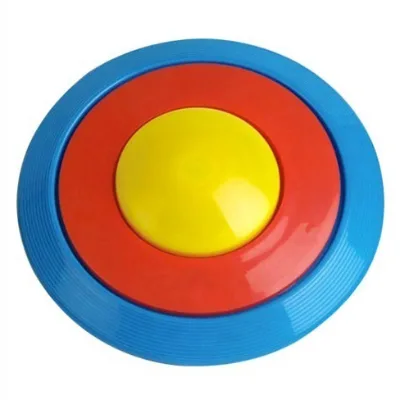
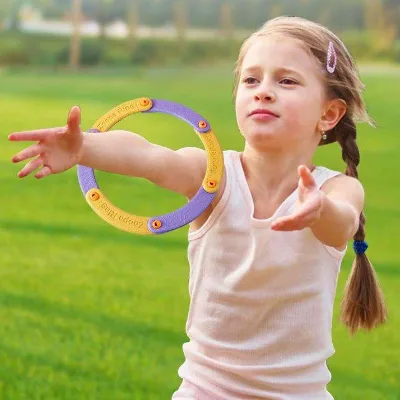
Colorful Ring Hollow Flying Disc Outdoor Sports Toy for Fun Flying & Sports
$5.00 - $6.00
MOQ: 3000 sets
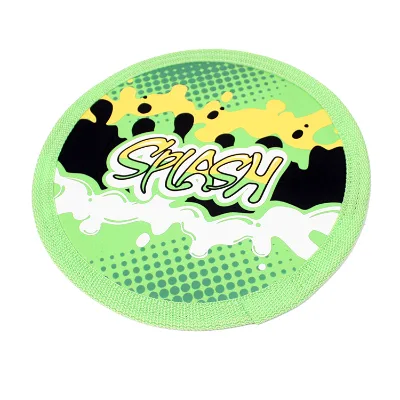
Soft Silicone Flying Disc Toy for Kids Outdoor Lawn Game & Kindergarten Teaching Plastic Disk Flyer
$2.04 - $3.07
MOQ: 200 pieces
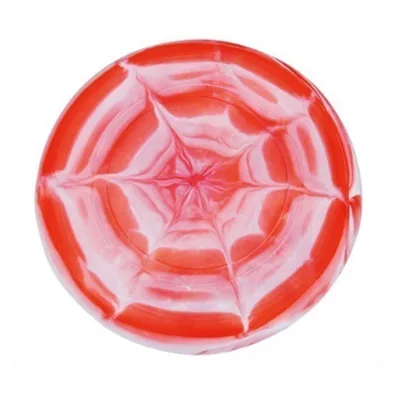
European and American Pet Flying Disc Plastic for Frisbeed to Promote Children's Play
$3.50 - $8.00
MOQ: 200 bags

- Verified by BV
- Trading Company
- China Guangdong
- Lead time15 days
- Avg. response≤ 4h
Main productsPlastic Toys, Baby Toys, Educational Toys, Plush Toys, Pretend Play Toys, RC Toys, Doll Toys, Bubble Toys, DIY Toys, B/O Toys
Main marketsSouth America,Southeast Asia/ Mideast,East Asia(Japan/ South Korea),Europe,Australia,North America

$0.31 - $0.32
MOQ: 1440 Pieces

Shantou Chenghai Hua Nuo Intelligent Technology Co., Ltd.
- Verified by SGS Group
- Manufacturer, Trading Company
- Lead time20 days
- Avg. response≤ 4h
Main productsKid Makeup Toy, Educational Toy, Water Gun, RC Toy-RC Car, Bubble Toys
Main marketsNorth America(40%), Eastern Europe(20%), South America(10%)
- Verified by TüVRheinland
- Trading Company
- Lead time35 days
- Avg. response≤ 6h
Main productsEducational Toys, Gun Toys, Outdoor Toys, Car Toys
Main marketsWestern Europe(20%), North America(10%), South America(10%)
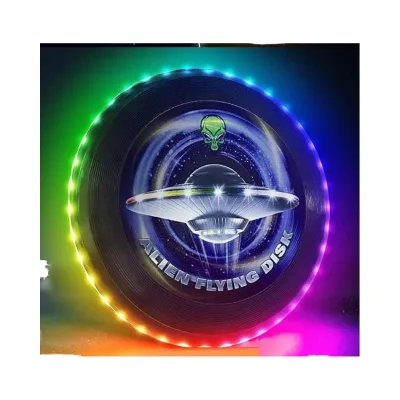
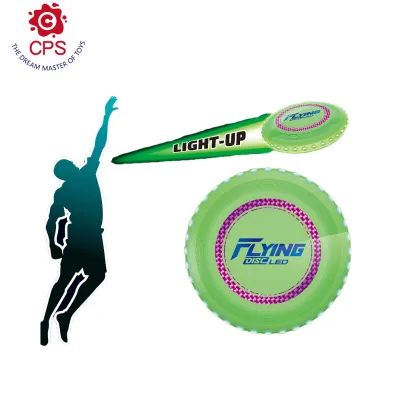
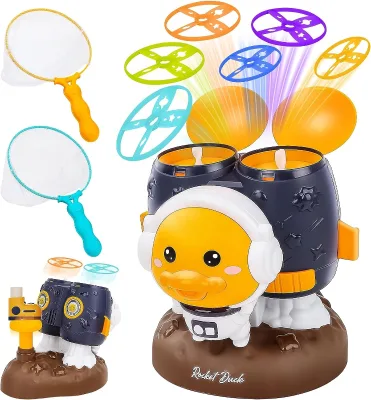
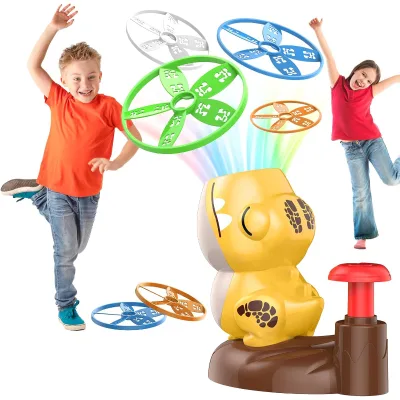
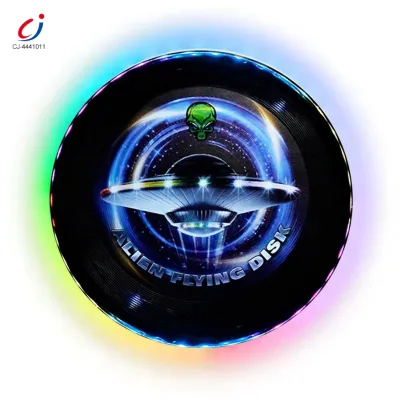
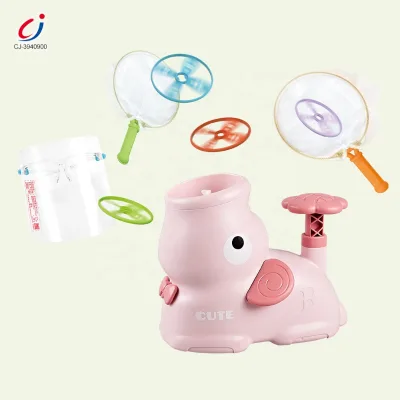
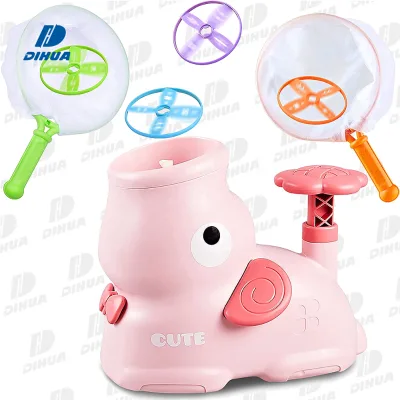
Wholesale Light-up Flying Disc Launcher Toy Toss Game Outdoor Sport Toy for Kids
$3.56 - $3.90
MOQ: 144 boxes
- Verified by CTI
- Trading Company
- China Guangdong
- Lead time23 days
- Avg. response≤ 7h
Main marketsSouth America,Africa,Southeast Asia/ Mideast,East Asia(Japan/ South Korea),Domestic,Europe,Australia,North America

Summer Sport Toys Launcher Soft Plastic Saucer Game Flying Disc outdoor Toy for Kids
$5.28 - $5.75
MOQ: 120 pieces


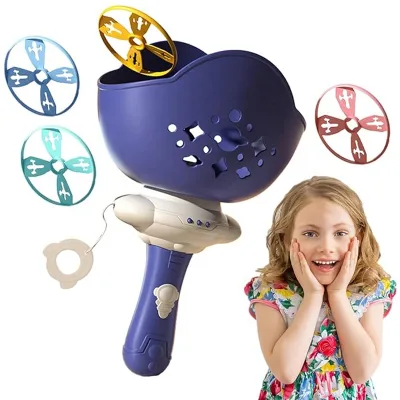
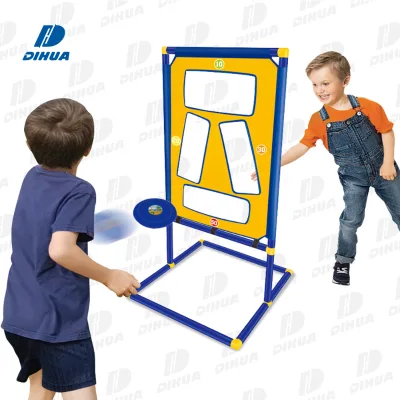
Kids Outdoor Sport Pedal Launcher Soft Plastic Saucer Game Flying Disc Toys
$4.48 - $4.87
MOQ: 100 pieces
Ningbo Hooleesh International Trading Co., Ltd.
- Trading Company
- Zhejiang, China
- Lead time25 days
- Avg. response≤ 7h
Main productsOutdoor Toss Game, Desktop Game, Wooden Handicraft, Party Supplies
Main marketsNorth America(60.00%), Western Europe(20.00%), Eastern Europe(10.00%), Southern Europe(5.00%), Northern Europe(5.00%)

TAIZHOU HARSOUL IMP. & EXP. CO., LTD.
- Trading Company
- China Zhejiang
- Lead time30 days
- Avg. response≤ 15h
Main productsPromotion Gifts, Promotional Bag, Promotional Jewelry, Promotional Toys, Promotional Stationery, Promotional Plastic Goods
Main marketsOthers(foreignTradeCapacity.exportBusinessCapacityMarketOther),Europe,North America


Kids Safety Flying Disc Toy Custom Neoprene Nylon Fabric Mini Flying Dis
$1.00 - $2.00
MOQ: 1000 Pieces
Shantou P&C Plastic Products Co., Ltd.
- Verified by TüVRheinland
- Manufacturer, Trading Company
- Lead time30 days
- Avg. response≤ 21h
Main productsBubble Toy, Water Gun, Sport Toy, Beach Toy, Wooden Toy
Main marketsWestern Europe(20%), Eastern Europe(17%), North America(15%)

Hengjun Plastic Toys Manufactory
- Verified by CTI
- Manufacturer/Factory
- China Guangdong
- Lead time15 days
- Avg. response≤ 24h
Main productsEducational Toys, RC Toys, Bo Toys, Candy Toys, Die Cast Toys, Baby Toys, Summer Toys, Promotion Toys & Gifts, Pretend Play Toys, Outdoor & Sport Toys
Main marketsSouth America,Eastern Europe,Mid East,North America,Southeast Asia,Eastern Asia,Oceania,Western Europe

$0.79 - $0.86
MOQ: 1000 Pieces


Monica Technology (Shenzhen) Co., Ltd.
- Verified by SGS
- Trading Company
- China Guangdong
- Lead time30 days
- Avg. response≤ 22h
Main productsPet Product, Pet Water Dispenser, Sports Repair Products, Beauty Equipment, Pet Daily Necessities, Tens Products, Outdoor Sports Products, Phototherapy Beauty Products, Work out Repair Products, Phototherapy Sports Rehabilitation Products
Main marketsEast Asia(Japan/ South Korea)
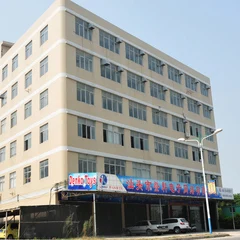
Shantou Denko Toys Co., Limited
- Manufacturer, Trading Company
- Guangdong, China
- Lead time30 days
- Avg. response≤ 13h
Main productsEducational Toys,Baby Toys,R/C Toys,Sport Toys,Plastic Toys
Main marketsWestern Europe(18.00%), Mid East(15.00%), South America(14.00%), Southeast Asia(13.00%), South Asia(11.00%), Domestic Market(8.00%), Oceania(8.00%), Eastern Asia(5.00%), North America(5.00%), Africa(3.00%)

Guangdong Chuanghui Foodstuffs Co., Ltd.
- Verified by BV
- Combined
- China Guangdong
- Lead time30 days
- Avg. response≤ 5h
Main productsCandy, Toy Candy, Lollipop, Soft Candy, Bubble Gum, Jelly, Cc Stick, Pressed Candy, Popping Candy, Chocolate
Main marketsSouth America,Southeast Asia/ Mideast,Domestic,Europe

- Verified by TUVRHEINLAND
- Trading Company,Manufacturer/Factory
- China Jiangsu
- Lead time23 days
- Avg. response≤ 4h
Main productsMedal, Coin, Lapel Pin, PVC Patch, Embroidery Patch, Keychain, Button Badge, Silicone Wristband, Lanyards, Gift
Main marketsSouth America,Eastern Europe,Mid East,North America,Oceania,Western Europe


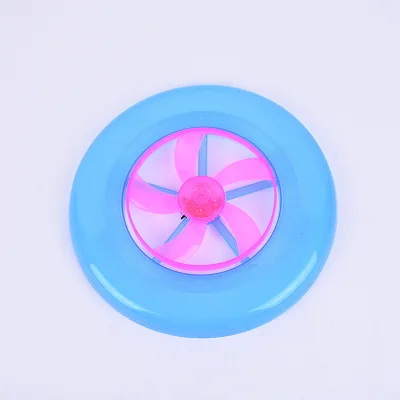
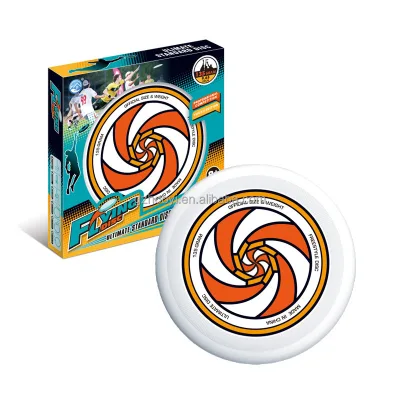
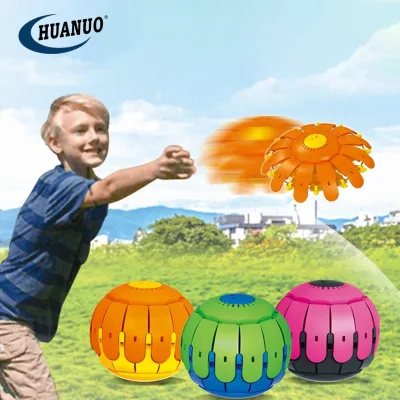
Flying Disc for Kids Adults Flying Ring Beach Backyard Sports Play Soft Discs
$1.00 - $1.20
MOQ: 100 Pieces















Comprehensive Sourcing Guide
Promotional Flying Disc Toy Supplier Concentration and Factory Types
When sourcing a Promotional Flying Disc Toy, the first structural question is whether you are dealing with a manufacturer or a trading company, because the supplier results in this category include both types. Manufacturer-plus-trading-company entities typically list core product ranges covering squishy toys, capsule toys, promotional toys, toy balls, and educational toys, which signals a broader molding and assembly operation that can absorb a flying disc as a line item. Pure trading companies often present a tighter toy portfolio but may outsource production, so their quoted lead times and pricing include a middle layer you should account for during negotiation.
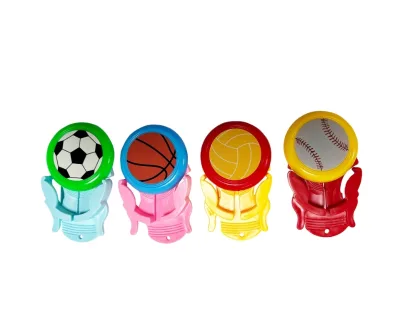
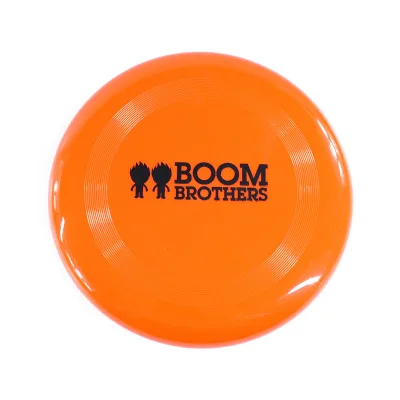
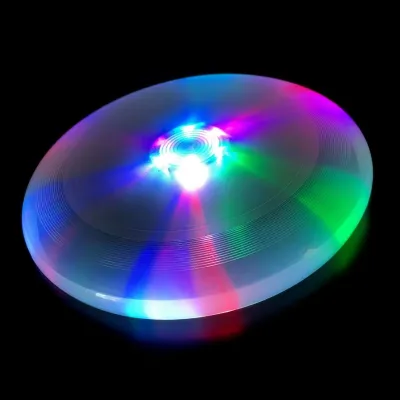
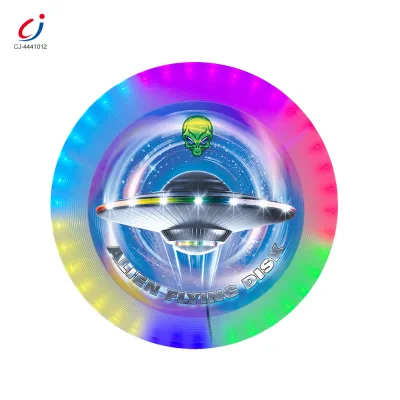
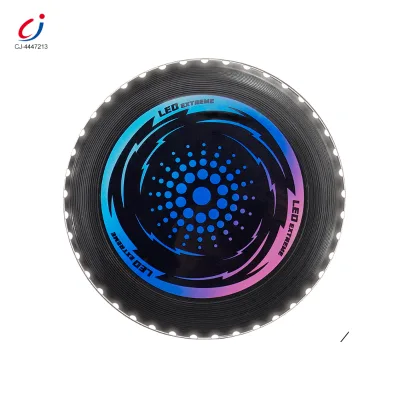
Geographic concentration is visible in the available records: some flying disc listings originate in Guangdong, China, while others are attributed to Zhejiang, China (Mainland), and a further supplier is located in Fujian. These provinces are known toy-producing regions in the supplied data, so filtering by origin can narrow your shortlist quickly. Product evidence also shows two distinct sub-formats worth separating at the shortlist stage: full-size promotional flying discs, such as an LED flashing model listed with a 576-piece MOQ, and small 2.5-inch capsule-sized discs sold in multiples of 5,000 pieces for vending and giveaway use. Identifying which format matches your campaign before contacting suppliers prevents wasted quotations, because MOQ structures, packing methods, and pricing bands differ substantially between the two sub-categories.
How to Verify Promotional Flying Disc Toy Suppliers
Verification should start with third-party credentials rather than self-declared claims. In the current supplier results, at least one supplier carries TüV Rheinland verification, which is an independent audit mark rather than a self-published badge; treat suppliers lacking any displayed third-party verification as requiring deeper document checks. Certification claims in this category include EN 71, ASTM F963, CPSIA, CE, UKCA, CPC, GCC, REACH, RoHS, BS EN71, and EN IEC 62115, but you should confirm each certificate's scope covers flying disc toys specifically and matches your destination market, because a CE certificate alone does not satisfy United States consumer product requirements.
Beyond paperwork, use the supplier's own product evidence as a consistency test. Listings that state a place of origin of Guangdong, China with a model number, declared materials such as plastic PP or ABS, and detailed carton dimensions demonstrate a disciplined data practice; vague listings with missing material declarations are a flag. Ask each candidate to provide a physical sample before committing, and check whether the sample's age grading is plausible for your market — one listed flying disc spans age ranges from 0 to 24 months through 14 years and up, which you should challenge as a marketing claim rather than a tested rating. Finally, cross-check the supplier's declared company type against factory audit evidence, since trading companies in this category legitimately exist but should be identified as such before you negotiate production terms.
What to Compare Across Promotional Flying Disc Toy Suppliers
Build a comparison table using the attributes actually displayed on supplier profiles, while remembering that not every supplier shows every field. Useful dimensions from this category include lead time, where observed values range from as fast as 7 days on some listings to around 30 days on others, and response time, where one supplier reports replies within roughly an hour while another takes up to 7 days to respond. For a time-sensitive promotional campaign with a fixed event date, response speed and quoted lead time together determine whether a supplier is realistic at all.
Compare commercial parameters next. MOQs in the supplied results vary widely: a full-size LED flying disc is listed at 576 pieces, folding polyester discs sell in multiples of 1,000 items, and capsule-sized discs carry a 5,000-piece MOQ. Unit pricing follows scale, from under ten cents for capsule discs up to around seventy cents for larger electronic models. Main products and company type matter as well — a supplier whose core lines are capsule and promotional toys will treat your flying disc order differently from a general toy trading company. Also weigh location (Guangdong, Zhejiang, or Fujian in the supplied data), any displayed establishment year, escrow or trade-assurance availability, customization support such as OEM/ODM flags, and value-added capabilities like sample processing and graphic processing, which determine whether logo printing and packaging customization are handled in-house or outsourced.
Common Promotional Flying Disc Toy Sourcing Risks
The most frequent risk in this category is certification mismatch. Suppliers display broad certificate lists — EN 71, CPSIA, ASTM F963, RoHS among them — but a certificate attached to a supplier profile does not prove that the specific flying disc SKU, its printed logo inks, or its LED electronics module were tested. One listed product is an electronic toy with an LED module, which brings additional electrical safety standards into scope; verify that any EN IEC 62115 claim actually covers the electronics, not just the plastic body.
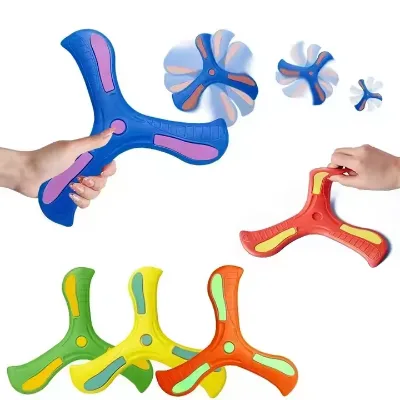
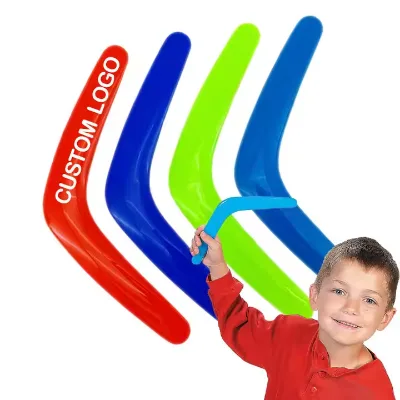
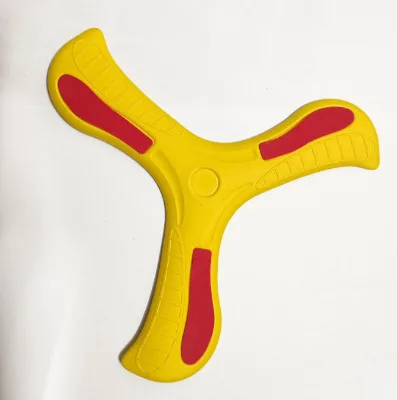
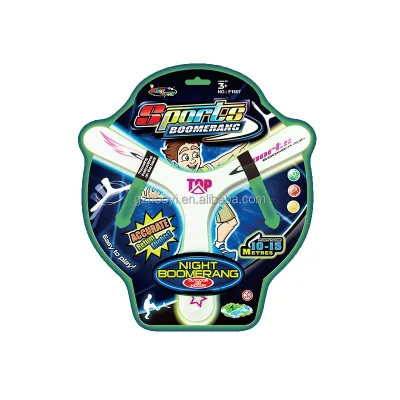
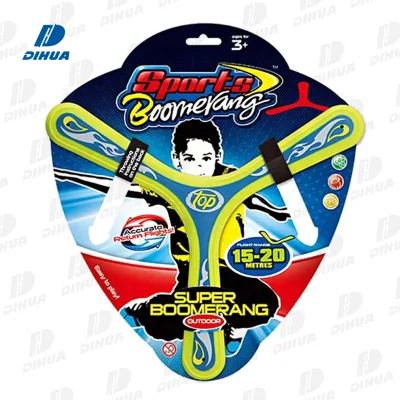
Second, watch for inconsistent product data within a single listing. One flying disc record declares the main material as plastic PP while also stating ABS as the plastic type, and a boomerang-style disc lists a unit price band from $0.30 to $20.00 — an unusually wide spread that usually reflects an unconfigured quotation template rather than a real price. Treat wide price ranges and contradictory material fields as prompts for written clarification, not as usable data. Third, age-grading overreach is common: listings covering infants through 14 years and up rarely match independent testing reality for small parts. Fourth, packing discrepancies create landed-cost surprises — some discs ship in OPP bags at roughly one kilogram gross per unit while capsule versions weigh a few grams, so freight math changes drastically between formats. Finally, confirm customization feasibility early; some listings explicitly support OEM/ODM and full-color logo printing, while others are stock designs, and assuming printing is possible leads to delays.
Promotional Flying Disc Toy Regional Sourcing and Logistics
The supplied supplier data points to three Chinese provinces: Guangdong, Zhejiang, and Fujian. Guangdong appears on flying disc listings with declared origins and detailed model numbers, Zhejiang is attributed to the capsule-toy suppliers whose core products include capsule toys and promotional toys, and one verified supplier is listed in Fujian. Rather than assuming these provinces are interchangeable, match the sub-format to the region: capsule-sized flying discs align naturally with Zhejiang's capsule-toy ecosystem, while larger electronic and LED disc models appear among Guangdong listings. Ask suppliers directly which of these regions their production actually occurs in, since a supplier's registered location and its factory address can differ.
Logistics planning should be driven by the packing data visible in listings. Full-size electronic discs are quoted with carton dimensions around 71.5 by 49 by 68 centimeters and 192 units per carton, meaning a container fills quickly relative to capsule discs packed 5,000 per carton at a few grams each. Folding polyester discs compress further and ship in smaller batch packages, which favors air freight for urgent campaigns. Observed lead times of 7 to 30 days define your planning envelope, but confirm whether that clock starts at deposit, at sample approval, or at artwork confirmation, because logo printing on a flying disc adds an approval cycle. For event-driven promotions, build a buffer beyond the quoted lead time and clarify the port of loading from each province before comparing freight quotes across suppliers.
Promotional Flying Disc Toy Commercial Terms and Order Planning
Order planning should begin with MOQ alignment. The supplied listings show three practical tiers: 576 pieces for a full-size LED flying disc, multiples of 1,000 items for folding polyester discs, and 5,000 pieces for capsule-format discs. If your campaign quantity sits below a supplier's threshold, ask whether a higher unit price bridges the gap or whether the MOQ is fixed by raw material and tooling economics — capsule molds and printed packaging often lock in the 5,000-piece floor, while simple plastic discs are more flexible. Request written quotations spanning the displayed price bands, since one listing quotes $0.15 flat while another spans roughly $0.63 to $0.70 and a third ranges from under ten cents to eight cents depending on configuration.
Payment and protection terms deserve explicit confirmation. One listing records T/T or Western Union as payment terms; prefer escrow or platform-protected payment where available, and never wire a deposit to an unverified account before receiving at least a Golden Sample and, ideally, a production sample. Plan milestones around the observed lead-time spread of 7 to 30 days: allocate time for sample processing and graphic processing — capabilities some suppliers list explicitly — then artwork approval, mass production, and inspection. Negotiate defect allowances in writing, specify packaging (OPP bag versus printed box) as a priced line item, and confirm whether unit weight of roughly one kilogram for electronic models affects your freight budget. Finally, schedule reorders early; promotional campaigns recur, and a supplier who remembers your tooling and artwork files saves weeks on the second run.
Word count check: approximately 1,410 words across six sections of roughly 225–235 words each, within the required 1,350–1,450 range.
FAQs
What is the typical MOQ for promotional flying disc toys?
MOQs vary widely by product type on this page. Smaller LED or full-size flying disc models list MOQs around 576 pieces, while capsule-style flying disc toys start at 5,000 pieces. Confirm the exact MOQ for your chosen model and whether mixed-color orders count toward one minimum.
How much do promotional flying disc toys cost per unit?
Listed prices range from roughly $0.03 for small capsule flying discs to under $0.70 for larger LED flashing models. Final pricing depends on order quantity, printing, and packaging. Request a quotation that includes logo printing, freight, and any mold or setup charges before comparing suppliers.
Can suppliers print my logo on flying disc toys?
Yes, logo printing is supported on the flying disc products shown, with options including full-color printing on plastic disc models. Customized requirements such as OEM packing and custom standards are also listed. Ask for a printed sample or photo proof to check logo quality before mass production begins.
What lead time should I expect for promotional flying disc orders?
Lead times on this page range from about 7 days to 30 days depending on the supplier and order complexity. Express timelines usually apply to stock models without customization. Confirm production time, sample time, and shipping separately, since customized printing and packaging typically add several days to the schedule.
Which safety certifications apply to flying disc toys?
Suppliers on this page list certifications including EN 71, ASTM F963, CPSIA, CE, CPC, UKCA, RoHS, REACH, BS EN71, EN IEC 62115, and GCC. Required certificates depend on your destination market and whether the toy contains electronics. Verify that certificates are current, match the exact model, and cover the age range you target.
Do flying disc suppliers offer samples before bulk production?
Sample support is listed among supplier capabilities, including sample processing and customized sample requests. Sample cost and speed vary by supplier, with some responding within one hour and others within a week. Always test sample quality, LED function, and print accuracy before committing to a bulk order.
What materials are commonly used for these flying disc toys?
The listed products use plastic PP for disc bodies, ABS plastic for some electronic models, and polyester for folding fabric designs. Material choice affects durability, weight, and price. Ask which material suits your use case, and request material test reports when selling into regulated children's toy markets.
Are these suppliers manufacturers or trading companies?
The page includes both trading companies and combined manufacturer-trading companies. Manufacturer-trading companies may offer better customization and pricing control, while traders offer wider product variety. A TÜV Rheinland verification badge appears on one supplier, but you should independently verify company type, business license, and factory status.