Silicone Neonatal Nasal Mask with Headgear Suppliers and Manufacturers
Source 14 verified suppliers for Silicone Neonatal Nasal Mask with Headgear. Compare dimensions including ISO 13485 certification, Zhejiang and Fujian origins, and response times. Review pricing and MOQs to identify suitable partners for your procurement needs; review the available evidence before requesting comparable quotations from suitable candidates.
Suppliers List

Ningbo Hanyue Medical Technology Co.,Ltd
- Verified by SGS
- Combined
- China Zhejiang
- Lead time15 days
- Avg. response≤ 2h
Main productsanesthesia, respiratory, and emergency care products
Main marketsSoutheast Asia/ Mideast
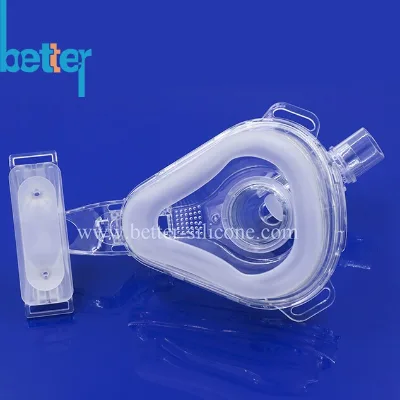
Xiamen Better Silicone Rubber Co., Ltd.
- Verified by SGS Group
- Manufacturer, Trading Company
- Lead time15 days
- Avg. response≤ 7h
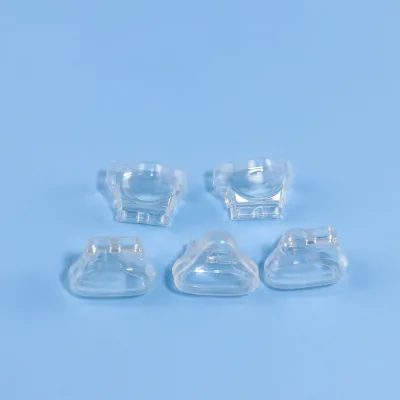
Main productsCustom Silicone Parts, Rubber Gaskets, Silicone Keypad, Silicone Valve, Silicone Mask Cushion
Main marketsNorth America(25%), Eastern Europe(25%), Northern Europe(20%)

ThinkEhoo Medical Technology (HangZhou) Co., Ltd.
- Verified by TUVRHEINLAND
- Combined
- China Zhejiang
- Lead time15 days
- Avg. response≤ 4h
Main productsRespiratory Filter, Hmef, Bvf, Hme, Anesthesia Respiratory Circuit, Endotracheal Intubation, Corrugated Tube, Telescopic Tube, CPAP Mask, Oxygen Mask
Main marketsOthers(foreignTradeCapacity.exportBusinessCapacityMarketOther)

Nanchang Yili Medical Instrument Co., Ltd.
- Verified by BV
- Trading Company,Manufacturer/Factory
- China Jiangxi
- Lead time45 days
- Avg. response≤ 9h
Main productsFoley Catheter, Laryngeal Mask, Suction Catheter, Closed Suction Catheter, Endotracheal Tube, Insulin Pen Needle, Medical Teaching Model, Male External Catheter, Oxygen Mask, Suture Practice Kit
Main marketsSouth America,Eastern Europe,Mid East,North America,Southeast Asia,Eastern Asia,Oceania,Western Europe,Africa


CPAP/Bipap Compatible Silicone Nasal Pillows Mask with Headgear - Enhanced Sleep Quality
$10.00 - $18.00
Moq: 50

Silicone CPAP Nasal Pillows Mask with Headgear & Bipap Compatibility for Sleep Apnea
$10.00 - $18.00
Moq: 50


Hangzhou Trifanz Medical Device Co., Ltd.
- Trading Company,Manufacturer/Factory,Group Corporation
- China Zhejiang
- Lead time15 days
- Avg. response≤ 4h
Main productsClosed Suction System, Endotracheal Tubes, Laryngeal Mask Airway, Anesthesia Breathing Circuit, Breathing Filter, Nasopharyngeal Airway, Oxygen Mask, Double Lumen Endobrochial Tube, CPAP Mask, Foley Catheter
Main marketsSouth America,Eastern Europe,Mid East,North America,Southeast Asia,Eastern Asia,Oceania,Western Europe,Africa

Xiamen Vida Healthcare Products Co., Ltd.
- Trading Company,Manufacturer/Factory,Group Corporation
- China Fujian
- Lead time38 days
- Avg. response≤ 5h
Main productsMedical Injection Mould, Disposable Infusion Sets, Disposable Syringe Pre-Filled Flush Syringe, I. V. Catheter I. V. Cannula, Disposable Blood Collection Tube & Needles, Angiography Syringes CT Syringes MRI Syringes, Anesthesia Needles Spinal and Epidural Kit, Silicone Nasal Cannula Oxygen Tubing & Mask, Anesthesia Mask CPAP Mask CPR Mask, Silicone Nasal Prongs
Main marketsSouth America,Eastern Europe,Mid East,North America,Southeast Asia,Eastern Asia,Oceania,Western Europe,Africa

HUNAN VENTMED MEDICAL TECHNOLOGY CO., LTD.
- Manufacturer/Factory
- China Hunan
- Lead time23 days
- Avg. response≤ 5h
Main productsCPAP, Sleep Monitor, Bipap, Polysomnogram, Bpap, Sleep Study, Auto CPAP, CPAP Machine
Main marketsSouth America,Eastern Europe,Mid East,North America,Southeast Asia,Eastern Asia,Oceania,Western Europe,Africa

Xiamen Flying Silicone Rubber Co., Ltd.
- Verified by TUVRHEINLAND
- Trading Company,Manufacturer/Factory
- China Fujian
- Lead time23 days
- Avg. response≤ 11h
Main productsSilicone Rubber Auto Parts, Silicone Rubber Keypad, Silicone Rubber Gasket, Silicone Rubber O-Ring, Silicone Rubber Valve, Silicone Rubber Kitchenware, Plastic Injection Parts, Silicone Rubber Gifts, Silicone Medical Accessories, LSR Baby Care
Main marketsSouth America,Eastern Europe,North America,Southeast Asia,Western Europe

Xiamen Tianzuo Medical Co., Ltd
- Verified by BV
- Combined
- China Fujian
- Lead time15 days
- Avg. response≤ 8h
Main productsInfrared Thermometer, Digital Thermometer, Safety Goggle, Face Shield, Nebulizer, First Aid Kit, Pulse Oximeter, Blood Pressure Monitor, Manual Resuscitator, Anesthesia Mask
Main marketsEurope


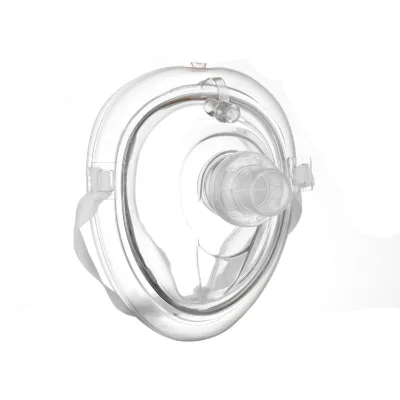
Reusable Medical Silicone Anesthesia Mask Factory Neonate New Born Baby Size 0#
$0.96 - $2.02
Moq: 500

Xiamen Compower Medical Tech. Co., Ltd.
- Manufacturer, Trading Company
- Fujian, China
- Lead time3 days
- Avg. response≤ 2h
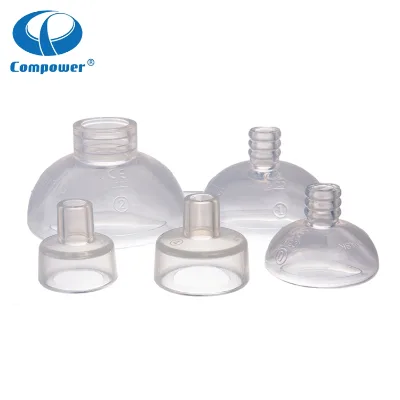
Main productsManual Resuscitators,Anesthesia Masks,CPR Mask,CPAP Mask,Oxygen Mask
Main marketsDomestic Market(50.0%), North America(25.0%), Southern Europe(5.0%), Western Europe(5.0%), Mid East(3.0%), South America(3.0%), Africa(3.0%), Central America(2.0%), Oceania(1.0%), South Asia(1.0%), Southeast Asia(1.0%), Eastern Europe(1.0%)

Ningbo Yuxin Medical Equipment Co.,Ltd.
- Verified by CTI
- Combined
- China Zhejiang
- Lead time15 days
- Avg. response≤ 6h
Main productsLaryngeal Mask, Endobronchial Tube, Endotracheal Tube, Hmef, Bacteria Filter, Breathing Circuit, Oxygen, Nebulizer, Catheter Mount, Closed Suction Tube
Main marketsDomestic

Zhongshan Centurial Medical Technology Co., Ltd.
- Verified by BV
- Combined
- China Guangdong
- Lead time15 days
- Avg. response≤ 11h
Main productsFoley Catheter Cannula, Endotracheal Tube, Oxygen Mask, Non-Rebreathing Mask, Nebulizer Mask, Yankauer Suction, Nasal Cannula, Laryngeal Mask, Urine Bag, Aneasthesia Mask
Main marketsAfrica,Others(foreignTradeCapacity.exportBusinessCapacityMarketOther),Southeast Asia/ Mideast,Europe,North America
Qingdao UniCore Medical Technologies Co., Ltd
- Verified by SGS
- Trading Company
- China Shandong
- Lead time15 days
- Avg. response≤ 14h
Main productsRapid Test Cassette, Pipette, Centrifuge, Slide Glass, Beaker, High Pressure Syringe, Sphygmometer, Biopsy Needles, Disposable Spinal Needle, Bone Marrow Aspiration Needle
Main marketsSoutheast Asia/ Mideast

Ningbo Luke Medical Devices Co., Ltd.
- Verified by TUVRHEINLAND
- Combined
- China Zhejiang
- Lead time23 days
- Avg. response≤ 8h
Main productsMedical Disposable, Laryngeal Mask Airway, Wound Drains, Medical Tubes, Animal Medical Series
Main marketsSouth America,Africa,Southeast Asia/ Mideast,East Asia(Japan/ South Korea),Europe,North America






Comprehensive Sourcing Guide
Silicone Neonatal Nasal Mask with Headgear Supplier Concentration and Factory Types
The available data indicates that suppliers for silicone neonatal nasal masks with headgear are concentrated in specific regions of China, with Zhejiang and Fujian provinces appearing as primary origins for these medical devices. Some listings explicitly state Zhejiang, China, while others identify Fujian, China, as the place of origin for similar silicone respiratory products. This geographic clustering suggests that buyers should prioritize sourcing from these established manufacturing hubs where the supply chain for medical-grade silicone and respiratory equipment is mature. When evaluating potential partners, it is essential to verify the specific factory location listed in their product attributes, as the origin directly influences logistics costs and the availability of specialized raw materials.
Regarding company structures, the market presents a mix of combined entities that function as both manufacturers and trading companies. Some suppliers list their type as "Combined," while others are identified specifically as "Manufacturer, Trading Company." This distinction is critical because a combined entity may offer broader product ranges, such as anesthesia and emergency care products, whereas a pure manufacturer might focus more deeply on specific silicone processing capabilities like molding and cutting. Buyers must examine the "main_products" field to confirm if the supplier specializes in respiratory filters, CPAP masks, or custom silicone parts, ensuring their core competency aligns with the specific needs of neonatal respiratory care.
How to Verify Silicone Neonatal Nasal Mask with Headgear Suppliers
Verification of supplier credibility relies heavily on third-party audit reports and specific certification standards. The observed data shows that some suppliers hold SGS verification, while others are verified by SGS Group or TÜV Rheinland. These external validations provide a baseline of trust regarding the supplier's operational integrity and product quality. When assessing a potential partner, buyers should request current verification certificates and cross-reference them with the supplier's profile to ensure the audit covers the specific manufacturing lines for neonatal masks. Relying solely on self-declared claims without third-party backing introduces unnecessary risk into the procurement process.
In addition to general verification, specific system certifications are vital for medical device suppliers. The data indicates that some manufacturers hold ISO 9001 and ISO 13485 certifications, which are standard for quality management and medical device production respectively. Other suppliers may list "Others" under system certification, which requires further investigation to determine if they meet international medical standards. Buyers should explicitly ask for proof of these certifications and verify that the scope of the certification includes the production of Class II medical instruments, as many of the listed products fall under this classification. Confirming these credentials ensures the supplier adheres to rigorous quality control protocols necessary for neonatal equipment.
What to Compare Across Silicone Neonatal Nasal Mask with Headgear Suppliers
When comparing suppliers, response time is a key metric for assessing communication efficiency and potential order management speed. The observed response times vary significantly, with some suppliers showing a response time of 1.83, while others report 7 or 3.71. A lower response time generally indicates a more active sales team capable of addressing technical queries or customization requests quickly. Buyers should prioritize suppliers with faster response metrics, especially when dealing with urgent orders or complex specifications for neonatal masks. However, response time should be weighed against the depth of technical knowledge provided in the initial reply to ensure quality communication.
Another critical comparison point is the Minimum Order Quantity (MOQ) and lead time requirements. The data reveals a wide range of MOQs, from as low as 10 units to as high as 1000 units, with lead times varying around 15 days for some products. Suppliers with lower MOQs may be more suitable for startups or testing phases, while those with higher MOQs might offer better economies of scale for large hospital contracts. Buyers must also consider the customization availability, as some listings explicitly state that customization is available, which is crucial for branding or specific medical requirements. Comparing these commercial terms helps in selecting a partner that aligns with the buyer's volume needs and budget constraints.
Common Silicone Neonatal Nasal Mask with Headgear Sourcing Risks
One significant risk involves the inconsistency in product specifications and safety standards across different listings. While some products are classified as Class II instruments, others list "Safety Standard: None" or lack specific sterilization details. This discrepancy can lead to compliance issues if the buyer assumes all listed masks meet the same regulatory requirements for neonatal use. Buyers must carefully review the product attributes for instrument classification and sterilization methods, such as Ethylene Oxide Sterilization, to ensure the product meets the specific medical standards required in their target market. Relying on general product descriptions without verifying specific safety attributes can result in receiving non-compliant goods.
Another risk is the variation in material composition and processing services that may not be immediately apparent. Some suppliers list materials as "Silicone" or "Mask+Strap+Hose," while others specify processing services like "Moulding, Cutting." There is also a risk regarding the origin of the raw materials, as some products originate from Zhejiang while others come from Fujian, potentially affecting material consistency. Buyers should request detailed material safety data sheets and confirm that the silicone used is medical-grade and suitable for direct contact with neonatal skin. Failing to verify these material specifics can lead to adverse reactions or product failures in clinical settings.
Silicone Neonatal Nasal Mask with Headgear Regional Sourcing and Logistics
The geographic origin of the products directly impacts logistics planning and shipping costs. With suppliers located in Zhejiang and Fujian, China, buyers must account for the specific port locations and shipping routes associated with these regions. Zhejiang is a major manufacturing hub with access to major ports like Ningbo, while Fujian has its own port infrastructure. Understanding the specific origin allows buyers to estimate transit times more accurately and negotiate better freight rates. Buyers should verify the exact "prod_origin" listed for each product, as this information is crucial for calculating landed costs and planning inventory replenishment schedules.
Logistics also involve considerations for packaging and weight, which affect shipping efficiency. The data shows varying single gross weights, ranging from 0.170 Kg to 1.0 Kg, and different packing methods such as "Carton" or "PE Bag." These factors influence the number of units that can be shipped per container and the overall shipping cost per unit. Buyers should calculate the total volume and weight based on the specific packaging details provided by the supplier to optimize container utilization. Additionally, the "Single package size" dimensions, such as 28X16X20 cm, are essential for warehouse planning and storage capacity assessment upon arrival.
Silicone Neonatal Nasal Mask with Headgear Commercial Terms and Order Planning
Pricing structures for silicone neonatal masks vary significantly based on order volume and customization requirements. The observed price ranges span from approximately 0.90 to 12.00 per unit, with some products listed at 8.50 to 10.00 and others at 6.74 to 10.72. These fluctuations often correlate with the MOQ and the level of customization offered. Buyers should analyze the price per unit at their target order volume to determine the most cost-effective supplier. It is important to note that lower prices may come with higher MOQs or limited customization options, so the total cost of ownership must be evaluated rather than just the unit price.
Order planning must also account for the production capacity and lead times to ensure timely delivery. Some suppliers offer ODM and OEM capabilities, while others focus on sample processing and graphic processing. The lead time of 15 days observed in some listings provides a baseline for production scheduling, but buyers should confirm if this applies to customized orders. Additionally, the availability of "Customization" and "Logo Printing" services should be integrated into the order timeline, as these processes may extend the lead time. Buyers should establish a clear production schedule that includes buffer time for quality checks and potential delays to maintain supply chain reliability.
FAQs
What is the price range for silicone neonatal nasal masks?
Prices for these masks typically range from $0.90 to $12.00 per unit depending on the specific model and customization options. Basic infant nasal masks start around $0.90, while more complex CPAP systems with headgear can cost up to $12.00. Buyers should verify exact pricing based on order volume and specific product attributes.
What is the minimum order quantity for these masks?
Minimum order quantities vary significantly by supplier and product type. Some suppliers require a minimum of 10 units for specific infant masks, while others set the MOQ at 200 or even 1000 units for different silicone headgear or mask designs. Buyers must check the specific product listing to confirm the applicable MOQ for their order.
How long does production take for these masks?
Standard lead times for manufacturing these masks are approximately 15 days. This timeframe applies to general production runs for silicone respiratory products. Buyers should confirm specific delivery schedules with suppliers, as lead times may vary based on order size, customization requirements, and current production capacity at the manufacturing facility.
Are these masks certified for medical use?
Many suppliers hold ISO 9001 and ISO 13485 certifications, indicating compliance with medical device quality management standards. Some products are classified as Class II medical instruments. Verification services like SGS or TÜV Rheinland may also be involved. Buyers should request specific certification documents to ensure the masks meet their regional regulatory requirements.
Where are these masks manufactured?
These masks are primarily manufactured in China, with specific production hubs in Zhejiang and Fujian provinces. Suppliers in these regions specialize in silicone respiratory products, including neonatal and adult CPAP masks. Buyers can filter search results by these locations to find suppliers with established manufacturing capabilities and supply chain infrastructure for medical silicone goods.
Can I customize the logo or design?
Customization is available for many silicone mask products, including logo printing and specific design modifications. Suppliers offer ODM and OEM services to accommodate brand requirements. Buyers should confirm customization options, such as color, size, and packaging, directly with the supplier to ensure the final product meets their specific branding and functional needs.