Multifunction Floor Scraper Suppliers and Manufacturers
Source 23 verified suppliers for Multifunction Floor Scraper tools and industrial equipment. Compare grounded dimensions including location, lead time, MOQ, response time, and certifications. Review product specs and request quotes to streamline your procurement process; review the available evidence before requesting comparable quotations from suitable candidates.
Suppliers List

Guangzhou Newmade Cleaning Products Co., Ltd
- Verified by TUVRHEINLAND
- Combined
- China Guangdong
- Lead time15 days
- Avg. response≤ 6h
Main productsVacuum Cleaner, Wringer Trolley, Janitor Cart, Warning Sign, Gabage Can, Floor Dryer, Window Squeegee, Dust Mop, Paper Dispenser, Floor Squeegee
Main marketsSouth America,Domestic,Australia,North America
Shanghai Jiansong Industry and Trade Co., Ltd
- Verified by TUVRHEINLAND
- Combined
- China Shanghai
- Lead time15 days
- Avg. response≤ 16h
Main productsConcrete Floor Grinder, Floor Polisher, Floor Burnisher, Floor Scrubber, Industrial Foor Vacuum Cleaner, Diamond Pads, Resin Pads, Metal Pads, Wet Vacuum Cleaner
Main marketsAfrica,Southeast Asia/ Mideast,East Asia(Japan/ South Korea),Europe,North America
Ace Industrial(Ningbo) Co., Ltd.
- Verified by SGS Group
- Manufacturer, Trading Company
- Lead time60 days
- Avg. response≤ 21h
Main productsTile installation Tools, Drywall Tools, Masonry Tools, Construction Tools, Protection Products
Main marketsNorth America(45%), Western Europe(23%), Oceania(10%)
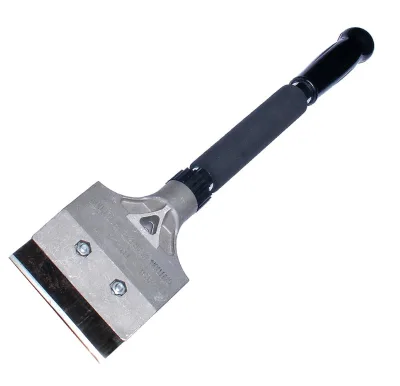
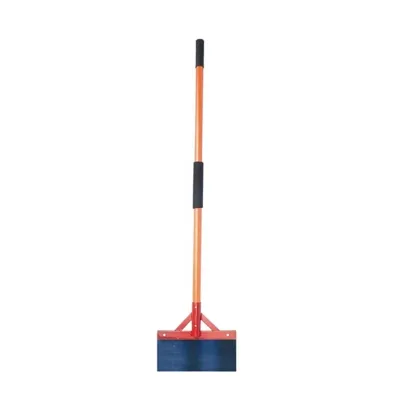
$8.00
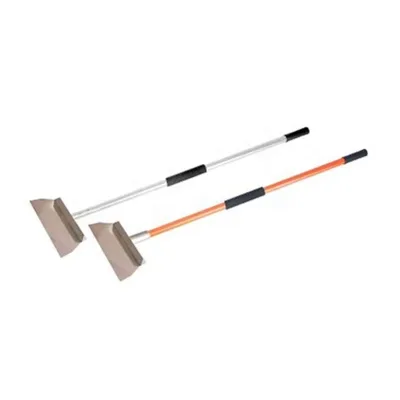
8" Rigid Stainless Steel Floor Scrapers
$7.50 - $9.00

Ningbo Peaceport Imp. & Exp. Co., Ltd.
- Trading Company,Manufacturer/Factory
- China Zhejiang
- Lead time45 days
- Avg. response≤ 20h
Main productsWater Through Car Brush, Mop, Window Squeegee, Snow Brush, Push Broom, Telescopic Pole, Car Brush, Dustpan, Broom, Floor Squeegee
Main marketsSouth America,Eastern Europe,North America,Southeast Asia,Eastern Asia,Oceania,Western Europe,Africa


Scraper Floor Scraper Wall Scraper Window Scraper Stainless Steel Scraper Floor Cleaner
$1.00 - $2.00
MOQ: 2000 Pieces

Scraper Floor Scraper Wall Scraper Window Scraper Stainless Steel Scraper Floor Cleaner
$1.00 - $2.00
MOQ: 2000 Pieces

Scrapers Floor Scraper Wall Scraper Window Scraper Stainless Steel Scraper Floor Cleaner
$1.00 - $2.00
MOQ: 2000 Pieces

Scraper Floor Scraper Wall Scraper Window Scrapers Stainless Steel Scraper Floor Cleaner
$1.00 - $2.00
MOQ: 2000 Pieces

Scraper Floor Scrapers Wall Scraper Window Scraper Stainless Steel Scraper Floor Cleaner
$1.00 - $2.00
MOQ: 2000 Pieces

- Verified by BV
- Trading Company
- China Hunan
- Lead time23 days
- Avg. response≤ 7h
Main productsPaint Roller, Putty Knife, Caulking Gun, Paint Brush, Trowel, Bricklaying Trowel, Scraper, Float Trowel, Paint Mixer, Wallpaper Roller
Main marketsSouth America,Southeast Asia/ Mideast,Europe
- Verified by SGS Group
- Manufacturer, Trading Company
- Lead time60 days
- Avg. response≤ 1h
Main productsPutty knife, Taping knife, Trowel, Paint scraper , Saw
Main marketsSouthern Europe(52%), North America(20%), Western Europe(7%)
- Verified by SGS
- Trading Company,Manufacturer/Factory
- China Zhejiang
- Lead time0 days
- Avg. response≤ 9h
Main productsTools, Car Equipments, Rubber Material, Auto Parts, Slipper, Construction Hand Tool, Garden Tools, Hardware Tools, Food Packing Material
Main marketsSouth America,Eastern Europe,Mid East,North America,Southeast Asia,Eastern Asia,Oceania,Western Europe,Africa

OEM Multifunctional Construction Tools Stainless Steel Floor Scraper Putty Knife
$1.20 - $2.00
MOQ: 1000 Pieces

2. Multi Function Stainless Steel Scraper with TPR Handle Multi Purpose Scraper
$3.10 - $8.20
MOQ: 100 Pieces

Multifunctional Stainless Steel Scraper Floor Finish Putty Knife with 4 Screwdrivers
$1.20 - $2.00
MOQ: 1000 Pieces

Shenzhen Jiulingsheng Technology Co., Ltd.
- Trading Company
- Guangdong, China
- Lead time0 days
- Avg. response≤ 4h
Main productsScrewdriver,Scraper,Suction Cup,Screwdriver Set,Tweezers
Main marketsSouth America(100.00%), Africa(100.00%), Domestic Market(50.00%), South Asia(20.00%), North America(10.00%), Mid East(4.00%), Southern Europe(2.00%), Eastern Europe(2.00%), Northern Europe(2.00%), Central America(2.00%), Western Europe(2.00%), Eastern Asia(2.00%), Oceania(2.00%), Southeast Asia(2.00%)
Hunan Pengda Electromechanical Equipment Manufacturing Co., Ltd.
- Manufacturer
- Hunan, China
- Lead time0 days
- Avg. response≤ 1h
Main productsWrench,Pliers,drill,Screwdriver,tape measure
Main marketsSouthern Europe(30.00%), Western Europe(15.00%), Northern Europe(15.00%), Eastern Europe(15.00%), Mid East(10.00%), Central America(10.00%), North America(5.00%)

- Manufacturer
- China Zhejiang
- Lead time30 days
- Avg. response≤ 24h
Main productsWorkbench, Work Table, Hand Truck, Trolley, Saw Horse, Scaffold, Storage Shelf, Miter Saw Stand, Saw Stand, Scaffolding
Main marketsSouth America,Africa,Southeast Asia/ Mideast,East Asia(Japan/ South Korea),Europe,Australia,North America

Shandong Roadway Construction Machinery Manufacturing Co., Ltd.
- Verified by TUVRHEINLAND
- Combined
- China Shandong
- Lead time15 days
- Avg. response≤ 6h
Main productsRoad Roller, Concrete Laser Screed, Ride on Power Trowel, Road Cutting Machine, Light Tower, Plate Compactor, Road Curb Paver, Concrete Scabbler, Concrete Truss Screed, Shot Blasting Machine
Main marketsAustralia


Heavy-Duty Stripper Hydraulic Concrete Scraper for Quick Floor Cleanup
$8865.00 - $10835.00
MOQ: 1 Pieces


1.2ton Stripper Heavy-Duty Concrete Floor Scraper Rwxc31 for Efficient Removal
$8865.00 - $10835.00
MOQ: 1 Unit

TANGSHAN MIRACLE IMPORT AND EXPORT CO., LTD.
- Verified by SGS
- Combined
- China Hebei
- Lead time15 days
- Avg. response≤ 13h
Main productsShovel, Hoe, Pickaxe, Machete, Fork, Rake, Farming Tools, Garden Tools
Main marketsOthers(foreignTradeCapacity.exportBusinessCapacityMarketOther)
- Trading Company
- China Zhejiang
- Lead time30 days
- Avg. response≤ 25h
Main productsAutomotive Tools Metal and Plastic Products
Main marketsSouth America,Southeast Asia/ Mideast,East Asia(Japan/ South Korea),Europe,Australia,North America

- Verified by TUVRHEINLAND
- Trading Company
- China Jiangsu
- Lead time30 days
- Avg. response≤ 15h
Main productsHole Saws, HSS Drill Bits, Diamond Saw Blades, SDS Hammer Drill Bits, Cobalt Drill Bits, Drill Bit Set
Main marketsEurope,North America

Suzhou Swallow Company Limited
- Trading Company
- China Jiangsu
- Lead time30 days
- Avg. response≤ 11h
Main productsVacuum Cleaner, Dustbin, Garbage Bin, Janitor Cart, Garbage Bag, Hotel Equipments, Clean Towel, Mop Wringer Bucket, Clean Mop, Airport Trolley
Main marketsEurope,North America
Chengdu Xinhongxin Technology Co., Ltd.
- Trading Company
- Sichuan, China
- Lead time0 days
- Avg. response≤ 6h
Main productsTools & Hardware,metal powder
Main marketsWestern Europe(20.00%), Eastern Asia(20.00%), Southeast Asia(10.00%), South Asia(10.00%), Southern Europe(9.00%), Eastern Europe(7.00%), South America(5.00%), North America(5.00%), Mid East(5.00%), Oceania(3.00%), Africa(2.00%), Central America(2.00%), Domestic Market(1.00%), Northern Europe(1.00%)
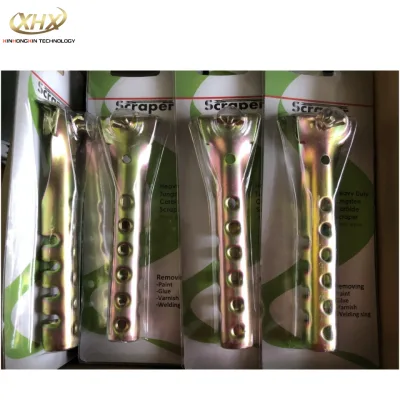
$1.30 - $1.80
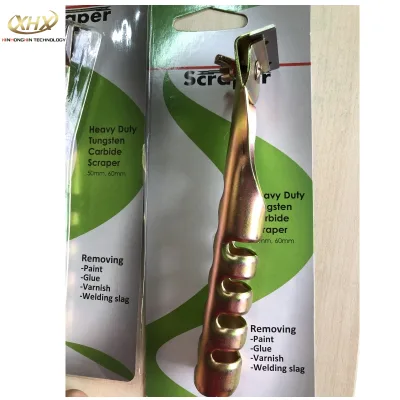
$1.30 - $1.80

Zhangzhou Builder Hardware Co., Ltd.
- Verified by TUVRHEINLAND
- Combined
- China Fujian
- Lead time60 days
- Avg. response≤ 5h
Main productsConstruction Tools, Building Tools, Concrete Tools, Flooring, Trowel, Hardware, Magnesium, Placer, Float, Scraper
Main marketsSouth America,North America
Chengdu Shugong Machinery Manufacturing Co., Ltd.
- Manufacturer
- Sichuan, China
- Lead time7 days
- Avg. response≤ 1h
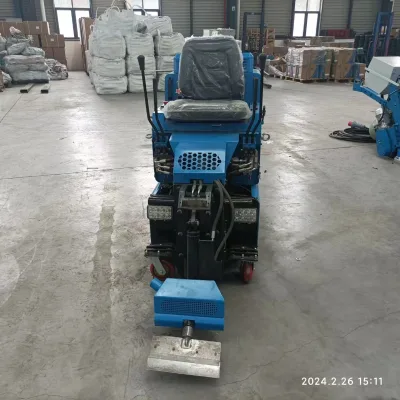
Main productsroad/floor/concrete/steel shot blasting machine,road/floor/concrete/steel shot blaster,road/floor/concrete/steel shot peening machine,shot blasting machine parts/impeller,multifunctional floor stripper
Main marketsSoutheast Asia(30.00%), South Asia(30.00%), North America(30.00%), Mid East(5.00%), Central America(5.00%)
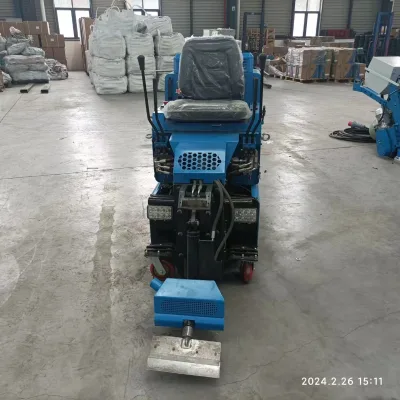
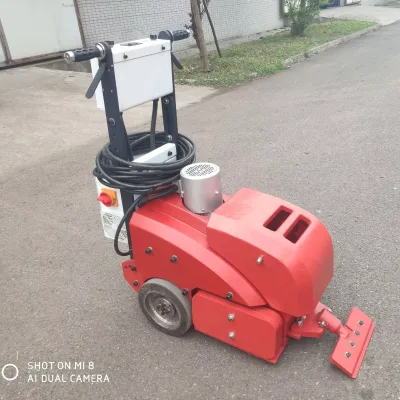
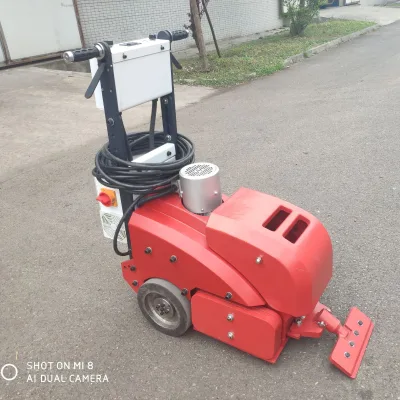
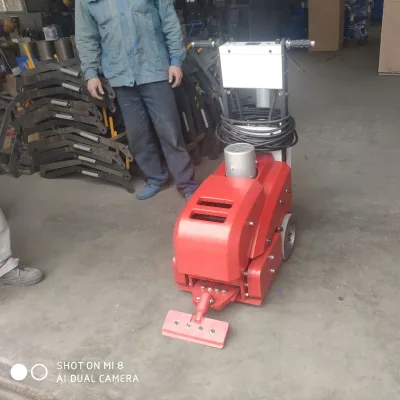
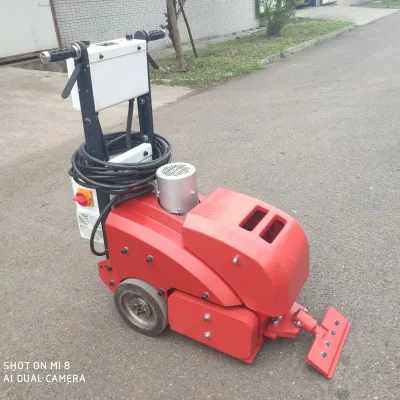
CE/ISO Approved Customized 110v/220v Vinyl Tiles Self Propelled Floor Scraper
$1027.63 - $3288.41
MOQ: 1 Minimum
Anhui Tanjie Environmental Protection Technology Co., Ltd
- Verified by BV
- Combined
- China Anhui
- Lead time15 days
- Avg. response≤ 4h
Main productsFloor Scrubber, Sweeping Machine, Industrial VAC
Main marketsAfrica,Southeast Asia/ Mideast,Europe

Shandong Best Import and Export Co., Ltd.
- Verified by SGS
- Trading Company
- China Shandong
- Lead time30 days
- Avg. response≤ 7h
Main productsPlastering Trowel, Hammer, Axe, Carpenter Pencil, Wrecking Bar, Bricklaying Trowel, Solar Panel, Other Hardware Tools
Main marketsSouth America,Africa,Southeast Asia/ Mideast,East Asia(Japan/ South Korea),Domestic,Europe,North America

Shandong Yuntai Machinery Co., Ltd.
- Verified by BV
- Combined
- China Shandong
- Lead time30 days
- Avg. response≤ 19h
Main productsDisc Plough, Disc Harrow, Disc Blade, Trailer, Cultivator, Agricultural Spare Parts, Plough Disc, Harrow Disc, Tractor Trailer, Ox Plough
Main marketsSouth America,Africa,Southeast Asia/ Mideast,Europe,Australia,North America

MOQ: 3 Pieces

MOQ: 3 Sets

BROADSIGN NEW MATERIALS (SUZHOU) CO., LTD.
- Verified by TUVRHEINLAND
- Trading Company,Manufacturer/Factory
- China Jiangsu
- Lead time30 days
- Avg. response≤ 4h
Main productsColor Vinyl, Sign Making Vinyl, Chrome Mirror Vinyl, Digital Print Self Adhesive Vinyl, Cold Laminated Film, One Way Vision, Transfer Film, PVC Vinyl, PVC Film, Sticker Vinyl
Main marketsSouth America,Eastern Europe,Mid East,North America,Southeast Asia,Western Europe,Africa

- Verified by BV
- Trading Company
- China Jiangsu
- Lead time30 days
- Avg. response≤ 14h
Main productsPaint Brush, Paint Roller, Roller Brush, Paint Set, Brush, Roller, Scraper, Artist Brush, Extension Pole, Paint Tools
Main marketsSouth America,Africa,Others(foreignTradeCapacity.exportBusinessCapacityMarketOther),Southeast Asia/ Mideast,Europe,North America

MOQ: 3000 Pieces

MOQ: 3000 Pieces

MOQ: 2400 Pieces


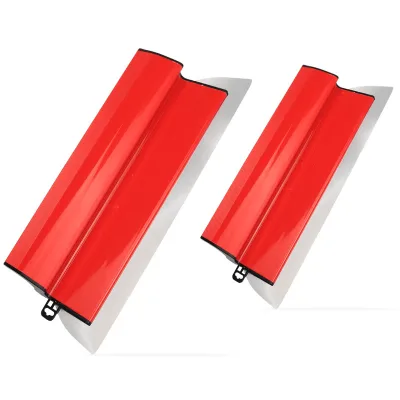
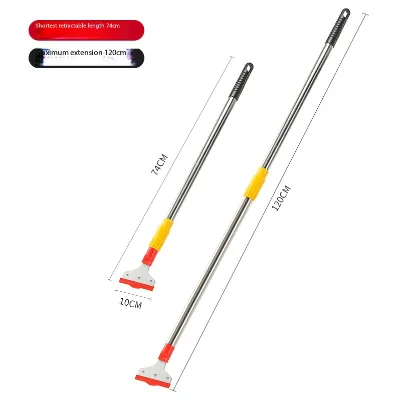
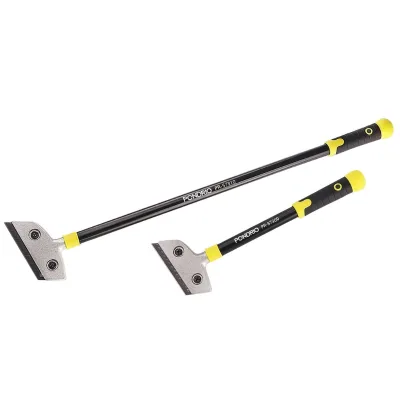
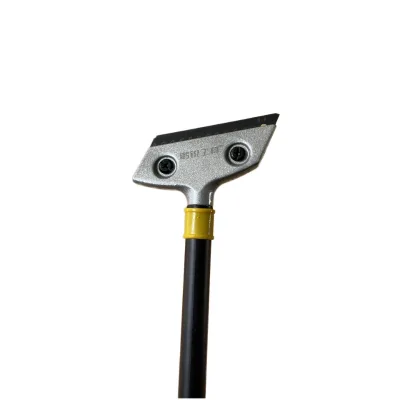


Comprehensive Sourcing Guide
Multifunction Floor Scraper Supplier Concentration and Factory Types
Buyers sourcing multifunction floor scrapers will encounter two broad factory types on B2B platforms: hand-tool manufacturers producing manual scrapers for cleaning and floor preparation, and machinery producers offering hydraulic or powered floor scraper machines for stripping coatings, adhesives and abrasion layers from concrete, marble, epoxy, tile and wood flooring. The supplier results in this category reflect that split. One listed supplier groups its main products around cleaning tools such as vacuum cleaners, wringer trolleys, janitor carts and window squeegees, positioning manual scrapers as part of a wider janitorial line. Another lists concrete floor grinders, floor polishers, floor scrubbers and industrial vacuum cleaners, with scraper machines fitting an industrial surface-preparation portfolio. A third focuses on tile installation, drywall, masonry and construction tools.
Regarding geography, the supplied facts show one Guangdong-based cleaning-tool supplier with origins recorded in Guangdong, and one Shanghai-based machinery supplier with products origin-listed in Shanghai. Where no verified location is shown for a supplier, do not assume one; instead, ask each candidate for the factory address and cross-check it against invoices, shipping documents and a video audit. To identify additional clusters on your own, filter search results by province, compare how many verified suppliers in each region list scrapers as a main product, and weight regions with both manufacturer and trading company types, since that mix usually signals an established production base.
How to Verify Multifunction Floor Scraper Suppliers
Verification starts with the platform labels, but you should understand what each one actually attests. In the current results, one supplier shows a TÜV Rheinland verification, another an SGS Group verification, while several show no system certification at all, with one explicitly recorded as NIL for system certification. That combination is a useful reminder: a third-party site verification and an ISO-style management-system certificate are different things, and neither substitutes for the other. Before relying on any certification, ask the supplier for the certificate number, the certifying body and the scope, then validate the number directly with the issuing body rather than accepting a scanned document.
Beyond paperwork, verify the supplier type and capability claims. The results show company types such as "Combined" and "Manufacturer, Trading Company," which affects who actually controls production, tooling and quality. For manual scrapers, request samples and check the stated attributes yourself: one listed floor scraper specifies a stainless steel blade, plastic handle, carton packing and a Guangdong origin, while a heavy-duty version states a blue steel blade with 48-52 HRC hardness. For scraper machines, the listed model data includes a 200 kg weight, 2 HP motor, 280 mm blade, dual voltage options and CE and ISO9001 markings; ask which body issued those certificates and whether they cover the exact model. Confirm the factory address, review response behavior and request references from buyers in your market.
What to Compare Across Multifunction Floor Scraper Suppliers
Build a comparison sheet from the attributes suppliers actually display, and mark anything missing as "verify" rather than assuming a value. Useful dimensions include lead time, MOQ, response speed, location, main products, company type and verification status. In the current results, response times range widely, from under six hours for one cleaning-tool supplier to around fifteen and twenty-one hours for others, and lead times of fifteen days and sixty days appear for different suppliers. Those gaps are large enough to affect project scheduling, so record them per supplier and confirm they apply to your specific model and order size, not just the profile average.
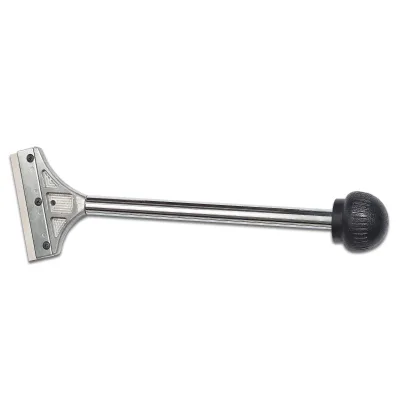
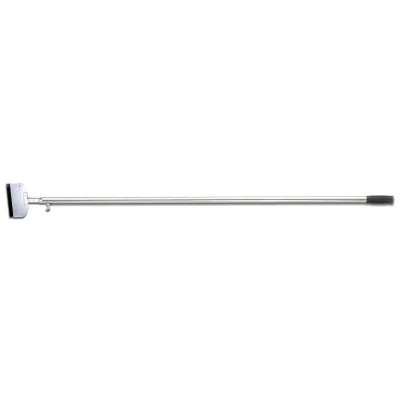
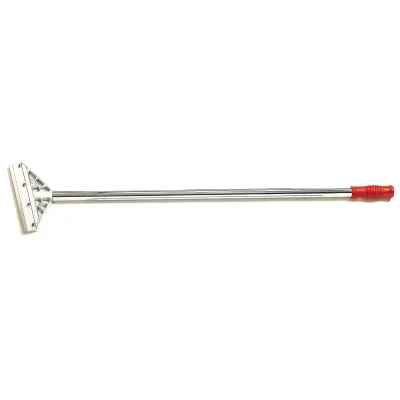
Product-level comparisons matter as much as company-level ones. For manual scrapers, compare blade material, handle material, available colors, customization options, packing, origin and price ranges; the current listings show floor scrapers priced between roughly 0.88 and 1.20 with a 200-piece MOQ, a window scraper between 0.48 and 0.55, and a stainless steel glass scraper between 1.10 and 1.40 with a 500-piece MOQ, while the hydraulic machine is listed at 4,500 with an MOQ of one. For machinery, compare motor power, blade size, speed range, weight, voltage compatibility and packing method. Also compare stated customization capacity, since the results include ODM, OEM and own-brand capability for one supplier and sample-processing plus on-demand customization for another.
Common Multifunction Floor Scraper Sourcing Risks
The most common risk is conflating product categories. A "Multifunction Floor Scraper" search returns both pocket-priced hand tools and multi-thousand-dollar hydraulic machines, and buyers sometimes request quotes from suppliers whose production does not match their needs. A janitorial hand-tool maker is unlikely to build a 200 kg hydraulic stripper, and a machinery factory may not accept small hand-tool orders. Match the supplier's main-product list to your item before investing time in samples. A related risk is overreading verification labels: an inspection-company badge on a profile does not confirm product certifications, and the explicit "NIL" system certification recorded for one listed supplier shows why you must ask.
Other risks concentrate in specification and logistics details. Blade hardness, steel grade and cutter-head material are frequently quoted but rarely evidenced; a listed carbide-alloy cutter head for glass and tiles with a 1-4 mm cutting thickness should be validated with a sample and, for volume orders, an inspection report. Machinery buyers face voltage, plug and wood-case export packing questions, and the dual 110V-60Hz and 220V-50Hz options in the data must be confirmed against your market. Warranty claims also need scrutiny; one listed product advertises a three-year warranty, but the terms, coverage and spare-parts support behind it are not shown. Finally, response-time figures are averages, not guarantees, so test responsiveness with a real technical question before committing.
Multifunction Floor Scraper Regional Sourcing and Logistics
The verified facts place two sourcing points in China: Guangdong for cleaning-tool scrapers, with product origin recorded as Guangdong, and Shanghai for scraper machinery, with the machine origin recorded as Shanghai. Guangdong is a practical source when you are buying manual scrapers alongside a broader janitorial program, since the listed supplier's main products span vacuum cleaners, wringer trolleys, squeegees, mops and waste bins, allowing consolidated shipments. Shanghai suits heavy machinery purchases, where the local industrial base supports grinders, polishers and scrubbers, though note that the observed response time for the machinery supplier was substantially longer, which affects how quickly technical questions get resolved during production.
For logistics planning, product class drives the freight mode. Manual scrapers pack in cartons and are light enough to consolidate with other cleaning tools, so sea freight of full or mixed containers is normal, and air freight is feasible only for urgent samples. Hydraulic machines near 200 kg ship in wooden cases, and the listed packaging dimensions should be confirmed early because they determine container utilization, forklift needs and destination port charges. Ask each supplier whether the quoted price includes export packing, inland transport to port and loading. Where a supplier displays no location, request the factory address and nearest port before comparing freight costs, since a province-level origin difference can change delivered cost noticeably on heavy items.
Multifunction Floor Scraper Commercial Terms and Order Planning
Order planning should follow the product tier. For manual scrapers, the displayed MOQs of 200 and 500 pieces set a low entry bar, so a sensible plan is a first order at or slightly above MOQ across two suppliers, funded by sample and inspection costs, then consolidation with the better performer. For machinery, the MOQ of one unit means the evaluation burden shifts to pre-order diligence: factory video audits, a factory acceptance test, spare-parts lists and agreed commissioning support. Confirm whether customization is genuinely available; the listed scrapers show customization as available, and one supplier lists ODM, OEM and own-brand capability, so define branding, packaging and color requirements in writing before pricing is finalized.
On commercial terms, lock down payment structure, lead time and warranty in the contract, and record the promised production window against the displayed lead-time figures, which ranged from fifteen to sixty days among listed suppliers, then add buffer for customization and inspection. Consider using platform escrow or a letter of credit for the first machine order, and split payment milestones for hand-tool orders so the balance follows passed inspection. Specify inspection criteria tied to the published attributes, such as blade hardness, steel grade, color range and packing, and agree on remedies for failures. Finally, confirm packing, marking and documentation requirements, since wood-case machinery and cartoned tools carry different export documentation needs.
FAQs
What is the price range for manual floor scrapers?
Manual floor scrapers typically range from $0.48 to $1.40 per unit. Prices vary based on blade material, such as stainless steel or carbide alloy, and handle construction. Minimum order quantities usually start at 200 pieces, making them cost-effective for bulk procurement of cleaning tools.
What is the lead time for manufacturing floor scrapers?
Manufacturing lead times for floor scrapers generally span 15 to 60 days. Suppliers in Guangdong often provide faster turnaround times compared to those in Shanghai or Zhejiang. Buyers should confirm specific production schedules with the supplier to ensure timely delivery for their inventory needs.
Are floor scrapers available with customization options?
Yes, many suppliers offer customization for floor scrapers, including OEM and ODM services. Buyers can select specific colors like gray, blue, or red, and request custom branding. Customization is widely available for both manual hand tools and heavy-duty industrial models to meet specific operational requirements.
What certifications do industrial floor scrapers have?
Industrial hydraulic floor scrapers often carry CE and ISO9001 certifications. These machines are designed for heavy-duty concrete and epoxy removal. Buyers should verify certification status directly with the supplier, as manual hand tools may not always display formal system certifications in product listings.
What is the minimum order quantity for floor scrapers?
Minimum order quantities vary significantly by product type. Manual plastic scrapers often require a minimum of 200 to 500 units. In contrast, heavy-duty industrial hydraulic floor scrapers may have a minimum order quantity of just one unit, allowing for single-machine procurement for testing or small projects.
Where are floor scraper suppliers located in China?
Floor scraper suppliers are primarily located in Guangdong and Shanghai. Guangdong manufacturers often specialize in manual cleaning tools and hand scrapers. Shanghai-based suppliers frequently focus on heavy-duty industrial equipment like hydraulic floor scrapers. Buyers can filter results by these specific regions to find relevant manufacturers.
How quickly do suppliers respond to inquiries?
Supplier response times vary, with some responding within 5.66 hours and others taking up to 21 hours. Faster response times are often associated with suppliers in Guangdong. Buyers should prioritize suppliers with quicker response rates to ensure efficient communication regarding product specifications and order details.