Quiet Cleanroom Plastic Cable Carrier Suppliers and Manufacturers
Compare 12 suppliers of Quiet Cleanroom Plastic Cable Carrier products across verified status, location, response time, lead time, customization options, certifications and pricing. Review the grounded product details on this page, then contact shortlisted manufacturers to request samples and quotations.
Suppliers List

Kwlid (Jiangsu) Intelligent Equipment Manufacturing Co., Ltd.
- Verified by SGS
- Manufacturer
- China Jiangsu
- Lead time15 days
- Avg. response≤ 3h
Main productsCable Drag Chain, Bellows Cover, Chip Conveyor, Oil Mist Collector, Cantilever Control Box
Main marketsSouth America,Africa,Southeast Asia/ Mideast,Europe,Australia,North America


Durable Plastic Cable Carrier for Reliable Energy Chain Performance Today
$4.00 - $13.00
MOQ: 1 Meters

Versatile Flexible Cable Carrier for Effective CNC Cable Management Tasks
$5.00 - $20.00
MOQ: 1 Meters

Hebei Ruiao Machine Tool Accessories Producing Co., Ltd.
- Verified by SGS
- Combined
- China Hebei
- Lead time15 days
- Avg. response≤ 5h
Main productsCable Chain, Slideway Cover, Oil Mist Collector, Chip Conveyor and Chain, Cantilever Control Box
Main marketsOthers(foreignTradeCapacity.exportBusinessCapacityMarketOther),Southeast Asia/ Mideast,Europe,Australia,North America

SHENZHOU CITY SANSHI RUBBER CO., LTD.
- Verified by BV
- Combined
- China Hebei
- Lead time15 days
- Avg. response≤ 5h
Main productsRubber Part, Oil Seal, Rubber Gasket, Rubber Sealing, Operation of Machinery Parts, Handle, Knob, Handwheel, Nylon Gaskets, PTFE Gasket
Main marketsSouth America,Africa,Southeast Asia/ Mideast,East Asia(Japan/ South Korea),Domestic,Europe,Australia,North America
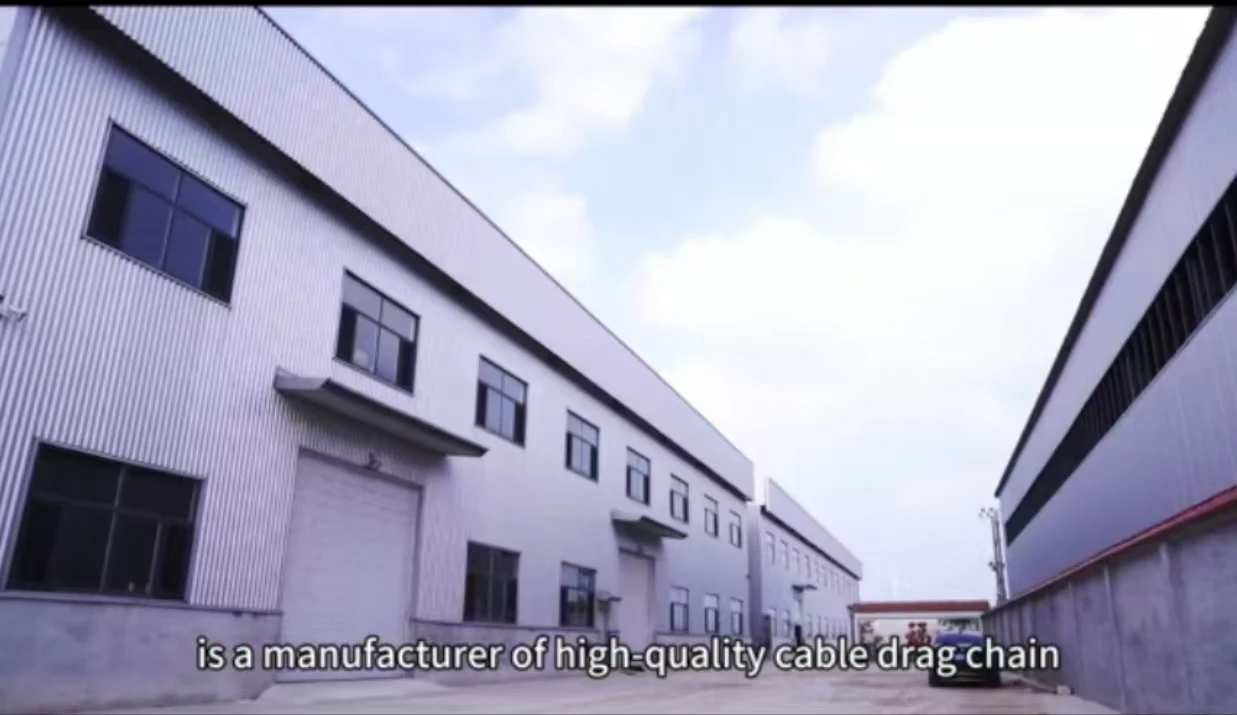
Cangzhou Dongling Machinery Manufacturing Co., Ltd.
- Manufacturer, Trading Company
- Hebei, China
- Lead time7 days
- Avg. response≤ 2h
Main productsDrag chain,bellows cover,chip removal machine,sheet metal part,conveyor machine
Main marketsEastern Europe(30.00%), Southeast Asia(30.00%), North America(20.00%), South America(20.00%)
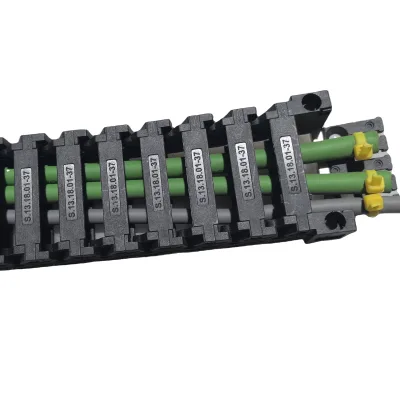


$7.50 - $15.00
MOQ: 10 meters

Hebei Tonex Rubber And Plastic Co., Ltd.
- Verified by TUVRHEINLAND
- Trading Company
- China Hebei
- Lead time15 days
- Avg. response≤ 2h
Main productsDrag Chain, Bellow Cover, Chip Conveyor
Main marketsSouth America,Africa,Southeast Asia/ Mideast,Europe,Australia,North America


Plastic Cable Track Anti Noise Enclosed Cable Drag Chain Semi-Closed Cable Carrier for CNC Machine
$6.50 - $18.50
MOQ: 1 Meters


Plastic Cable Track Anti Noise Cable Drag Chain Semi-Closed Cable Carrier for CNC Machine
$6.50 - $18.50
MOQ: 1 Meters

Cangzhou Jinao Trading Co., Ltd.
- Verified by SGS Group
- Trading Company
- Lead time7 days
Main productsPlastic Cable Drag Chain, Steel Cable Drag Chain, Telescopic Bellow Cover, Flexible Plastic Bellow Cover, Roll Up Cover
Main marketsNorth America(20%), Southeast Asia(20%), Eastern Europe(15%)
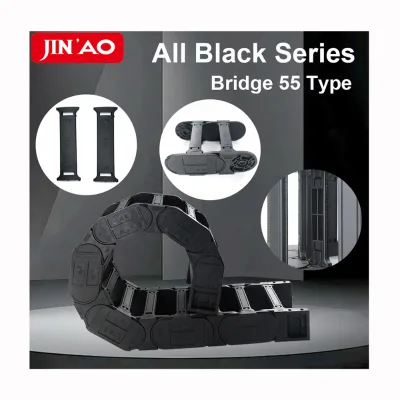
HQ Cable Drag Chain Plastic Cable Carrier for Vehicle Transporters and Washing Systems
$30.00 - $33.00
MOQ: 10

Heavy-Duty Full Black Plastic Cable Carrier for Material Handling Equipment
$31.00 - $37.20
MOQ: 10 meters


TZ Series Plastic High FlexIbility Energy Drag Chain Cable Track Cable Hose Carriers
$5.20 - $5.99
MOQ: 100 meters

High-Speed Motion Cable Carriers Plastic Towline for Material Handling Equipment
$35.97 - $40.08
MOQ: 10 meters

Hebei Baisite Machinery Accessories Co., Ltd.
- Verified by TUVRHEINLAND
- Combined
- China Hebei
- Lead time15 days
- Avg. response≤ 9h
Main productsHandle, Handwheels, Knobs, Oil Seal, Support Feet, Rubble
Main marketsSoutheast Asia/ Mideast,East Asia(Japan/ South Korea),Europe,Australia,North America

Qingyun Weijie CNC Machine Tool Accessories Manufacturing Co., Ltd.
- Combined
- China Shandong
- Lead time15 days
- Avg. response≤ 2h
Main productsCable Chain
Main marketsSoutheast Asia/ Mideast,Domestic


Plastic Semi Openable Black Low Noise Cable Chain/Drag Chain/Cable Wire Carrier
$50.00
MOQ: 100 Meters


FOSHAN GRACE MACHINERY CO., LTD.
- Manufacturer/Factory
- China Guangdong
- Lead time15 days
- Avg. response≤ 16h
Main productsHandwheel, handle, Knob, Cable Carrier, Position Indicator, Handwheel with Gravity Indicator, Levelling Feet, Universal Join, Adjustable Coolant Hose, Magnetic Grid Digital Display
Main marketsSouth America,Eastern Europe,Mid East,North America,Southeast Asia,Eastern Asia,Oceania,Western Europe,Africa
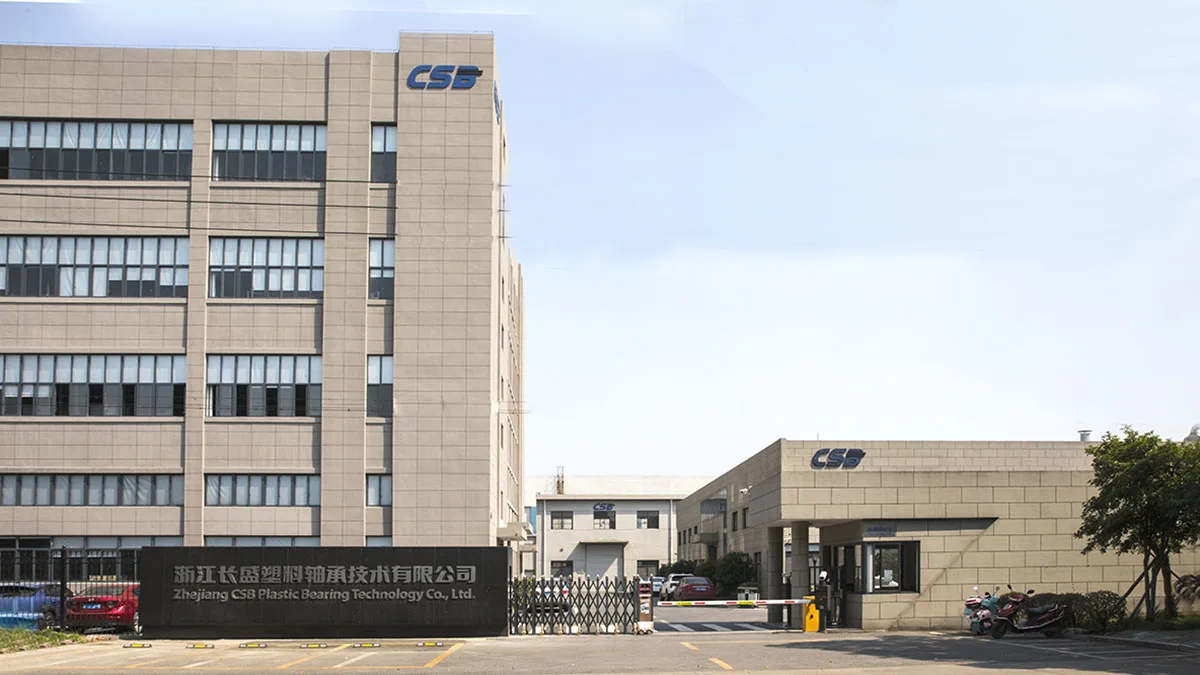
Zhejiang CSB Plastic Bearing Technology Co., Ltd.
- Manufacturer, Trading Company
- Zhejiang, China
- Lead time15 days
- Avg. response≤ 7h
Main productsPlastic Bearing,Linear Guides,Cable Chain,Linear Bearing,Flexible Cable
Main marketsDomestic Market(83.00%), Western Europe(8.00%), Southern Europe(4.00%), North America(3.00%), Southeast Asia(1.00%), South Asia(1.00%)

Chongqing Tianbao Conductor Busbar Electrical Co., Ltd.
- Trading Company
- China Chongqing
- Lead time15 days
- Avg. response≤ 5h
Main productsConductor Bar System, Busbar Trunking System, Lighting Busduct, Cable Trolley Festoon System, Seamless Conductor Rail, Copperhead Conductor System, Flat Cable, Cable Tray, Drag Chain, Copper Busbar
Main marketsSouth America,Africa,Southeast Asia/ Mideast,East Asia(Japan/ South Korea),Domestic,Europe,Australia,North America

Shandong Zhongde Machine Tool Accessories Producing Co., Ltd.
- Verified by SGS
- Combined
- China Shandong
- Lead time15 days
- Avg. response≤ 9h
Main productsChip Conveyor, Drag Chain, Work Light, Guard Bellows Cover, Support Arms System
Main marketsSoutheast Asia/ Mideast,Europe,North America




Comprehensive Sourcing Guide
Quiet Cleanroom Plastic Cable Carrier Supplier Concentration and Factory Types
When sourcing quiet cleanroom plastic cable carriers, buyers should first map the geographic distribution of manufacturers to understand supply chain proximity. High-confidence data indicates that production clusters exist in specific Chinese provinces, such as Jiangsu and Hebei, which are known for industrial machinery accessories. These regions often house factories specializing in machine tool equipment, including drag chains and protective covers. Identifying these clusters helps buyers assess logistics costs and potential for on-site audits. However, not all suppliers in these regions may specialize in cleanroom-grade materials, so buyers must verify if the factory’s primary focus aligns with high-purity environments.
Factory types vary significantly between pure manufacturers and combined entities that also handle trading. A manufacturer typically owns the injection molding lines and quality control labs, offering deeper customization for specific cleanroom requirements. In contrast, combined suppliers may aggregate products from multiple factories, which can simplify ordering but may reduce direct control over material sourcing. Buyers should request factory visit reports or video tours to confirm the actual production capabilities. Understanding whether a supplier is a direct producer or a trader is crucial for negotiating technical specifications, as direct manufacturers can often adjust polymer blends for lower outgassing or higher flame retardancy, which are critical for cleanroom applications.
How to Verify Quiet Cleanroom Plastic Cable Carrier Suppliers
Verification begins with checking third-party audit reports from recognized inspection agencies. Suppliers may display verification badges from firms like SGS or BV, which indicate that their business license, production capacity, and quality systems have been independently reviewed. Buyers should request the full audit report rather than relying solely on the badge, as the report details specific findings regarding equipment maintenance and staff training. For cleanroom applications, verify if the supplier has specific certifications for material purity, such as ISO 9001 for quality management, though specific cleanroom certifications may vary. Always cross-reference the certification numbers with the issuing body’s database to ensure validity and current status.
Beyond formal audits, conduct technical verification by requesting sample tests for specific cleanroom parameters. Ask for data sheets that detail the material’s outgassing rates, particle emission levels, and flame retardancy classes, such as Hb or higher. Verify the supplier’s ability to provide traceability for raw materials, ensuring that the nylon or plastic used is free from contaminants that could compromise cleanroom integrity. Check the supplier’s response time and communication efficiency, as quick, detailed responses to technical queries often correlate with better post-sale support. If the supplier cannot provide specific test data for cleanroom performance, treat this as a significant red flag and request additional testing or consider alternative suppliers who can demonstrate compliance with your specific environmental standards.
What to Compare Across Quiet Cleanroom Plastic Cable Carrier Suppliers
When comparing suppliers, focus on lead times and minimum order quantities (MOQ) to align with your production schedule. Some suppliers may offer low MOQs, such as one unit, which is ideal for prototyping or small-batch cleanroom installations, while others may require larger quantities for standard production. Lead times can vary significantly, with some suppliers quoting fifteen days for standard items, but custom cleanroom-grade carriers may take longer due to specialized material sourcing. Compare these metrics against your project timeline to identify suppliers who can meet critical deadlines. Additionally, assess the supplier’s response speed, as faster communication often indicates a more agile supply chain capable of handling urgent changes or technical clarifications during the design phase.
Evaluate the range of main products offered by each supplier to determine their specialization. Suppliers focusing primarily on cable drag chains and machine tool accessories may have deeper expertise in the mechanical aspects of cable management, such as bend radius and structural integrity. Others may offer a broader range of industrial components, which could be beneficial if you need integrated solutions but might dilute their focus on cleanroom-specific requirements. Compare the available certifications, such as CE or RoHS, to ensure baseline compliance, but remember that these do not guarantee cleanroom suitability. Look for suppliers who can provide detailed technical specifications, including temperature ranges, max speed, and service life, to make an informed decision based on performance data rather than just price or brand reputation.
Common Quiet Cleanroom Plastic Cable Carrier Sourcing Risks
One major risk is material contamination, where standard industrial plastics may release volatile organic compounds or particles that violate cleanroom standards. Buyers must ensure that the supplier uses virgin, high-purity materials rather than recycled content, which can introduce impurities. Verify the supplier’s material sourcing process and request certificates of analysis for each batch. Another risk is inadequate flame retardancy, as cleanrooms often have strict fire safety regulations. While some suppliers list Hb flame retardancy, this may not be sufficient for all applications. Confirm the specific flame retardancy class required by your facility and ensure the supplier can provide test reports proving compliance. Failure to verify these details can lead to costly rework or safety violations.
Supply chain disruptions are another common risk, particularly for specialized cleanroom components. If a supplier relies on a single source for raw materials, any disruption can delay your project. Assess the supplier’s inventory management practices and their ability to maintain safety stock for critical components. Additionally, communication gaps can lead to misaligned expectations regarding customization. Ensure that all technical specifications, including dimensions, color, and structural type, are clearly documented and agreed upon before production begins. Regularly monitor the supplier’s performance metrics, such as on-time delivery rates and defect rates, to identify potential issues early. Establishing a clear quality agreement with penalties for non-compliance can also mitigate these risks and ensure accountability throughout the sourcing process.
Quiet Cleanroom Plastic Cable Carrier Regional Sourcing and Logistics
Regional sourcing impacts logistics costs and delivery times, so buyers should consider the geographic location of the supplier relative to their facility. Suppliers located in China, such as in Jiangsu or Hebei, may offer competitive pricing but longer shipping times compared to local suppliers. Calculate the total landed cost, including freight, insurance, and customs duties, to determine the most economical option. For urgent projects, consider suppliers with regional warehouses or faster shipping options, even if the unit price is slightly higher. Assess the supplier’s packaging capabilities to ensure that the cable carriers are protected during transit, as damage can compromise the cleanroom integrity of the product.
Logistics planning should also account for the specific requirements of cleanroom components, such as the need for clean packaging and handling. Ensure that the supplier can provide products in sealed, dust-free packaging to prevent contamination during storage and installation. Coordinate with the supplier on delivery schedules to align with your cleanroom construction or maintenance windows, as delays can disrupt the entire project timeline. Consider using a freight forwarder with experience in handling sensitive industrial equipment to ensure smooth customs clearance and timely delivery. By carefully planning logistics and choosing a supplier with reliable shipping practices, buyers can minimize the risk of delays and ensure that the cable carriers arrive in optimal condition for installation.
Quiet Cleanroom Plastic Cable Carrier Commercial Terms and Order Planning
Negotiating commercial terms requires a clear understanding of payment structures and warranty conditions. Many suppliers offer escrow services or milestone-based payments, which can protect buyers by releasing funds only after specific conditions are met, such as successful sample approval or final inspection. Agree on the payment terms that best fit your cash flow and risk tolerance, ensuring that the contract clearly outlines the responsibilities of both parties. Additionally, discuss warranty terms, including the duration and scope of coverage for defects in materials or workmanship. A robust warranty can provide peace of mind and reduce the financial impact of any issues that arise after installation.
Order planning should include detailed specifications and a clear timeline for production and delivery. Break down the order into phases, such as prototyping, pilot production, and full-scale manufacturing, to allow for adjustments based on feedback. Establish a communication protocol with the supplier for regular updates on production progress and any potential issues. Include provisions for change orders in the contract, as cleanroom projects often require modifications to accommodate evolving design needs. By carefully planning the order and negotiating favorable commercial terms, buyers can ensure a smooth procurement process and build a long-term relationship with a reliable supplier who understands the unique demands of cleanroom environments.
FAQs
What is the minimum order quantity for plastic cable carriers?
The minimum order quantity for these plastic cable carriers is one unit. This low threshold allows buyers to test specific configurations or small batch requirements without committing to large inventory. It supports flexible procurement strategies for both prototyping and initial production runs.
What is the typical lead time for these cable carriers?
The standard lead time for these cable carriers is 15 days. This duration covers manufacturing and preparation for shipment. Buyers should account for this timeline when planning production schedules to ensure timely delivery of machine tool accessories.
What certifications do these cable carriers hold?
These cable carriers hold CE certification, indicating compliance with European health, safety, and environmental protection standards. Some listings also reference RoHS compliance. Buyers should verify specific certification documents for their required market regulations before finalizing orders.
What is the maximum operating speed for these carriers?
The maximum operating speed for these plastic cable carriers is 5 meters per second. This specification ensures reliable cable protection during high-speed machine tool movements. It is suitable for CNC applications requiring efficient and durable wire management solutions.
What temperature range do these cable carriers support?
These cable carriers support a temperature range from -40°C to 130°C. This wide range allows them to function effectively in various industrial environments. It ensures durability and performance stability under both cold and hot operating conditions.
What materials are used in these cable carriers?
These cable carriers are made from reinforced nylon PA66. This material provides high strength and durability for industrial applications. It offers excellent resistance to wear and tear, ensuring long service life for cable protection in machine tools.
What is the service life of these cable carriers?
The service life of these cable carriers is rated at 5 million cycles. This high cycle count indicates robust construction suitable for demanding industrial environments. It helps reduce maintenance frequency and replacement costs over the operational lifespan of the equipment.
What is the average response time from suppliers?
The average response time from suppliers is approximately 2.68 hours. This quick turnaround allows buyers to receive prompt answers to technical queries and order confirmations. It facilitates efficient communication and faster decision-making during the sourcing process.