Racing Motorcycle Exhaust Suppliers and Manufacturers
Explore 30 verified options for Racing Motorcycle Exhaust from Guangdong, China. Compare response times, lead times, minimum order quantities, and material specifications like stainless steel or carbon fiber. Contact suppliers directly to request custom service details; review the available evidence before requesting comparable quotations from suitable candidates.
Suppliers List

Guangzhou Bahobali Motorcycle Parts Co., Ltd.
- Manufacturer, Trading Company
- Guangdong, China
- Lead time0 days
- Avg. response≤ 3h
Main productsmotorcycle exhaust,motorcycle muffler,motorcycle full system exhaust pipe,motorcycle parts,motorcycle accessories
Main marketsEastern Europe(20.00%), Southern Europe(20.00%), Northern Europe(20.00%), Eastern Asia(10.00%), Southeast Asia(10.00%), Western Europe(5.00%), Central America(5.00%), Oceania(3.00%), Domestic Market(2.00%), Mid East(1.00%), South Asia(1.00%), South America(1.00%), North America(1.00%), Africa(1.00%)
Guangzhou Jiepu Commercial Co., Ltd.
- Trading Company
- guangdong, China
- Lead time15 days
- Avg. response≤ 7h
Main productsMotorcycle Mirror, Motorcycle Exhaust, Motorcycle Handlebar, Motorcycle Grips, Motorcycle Accessories
Main marketsNorth America(30.00%), Africa(18.00%), Eastern Asia(15.00%), Southeast Asia(12.00%), South America(10.00%), Oceania(6.00%), Western Europe(5.00%), Mid East(4.00%)
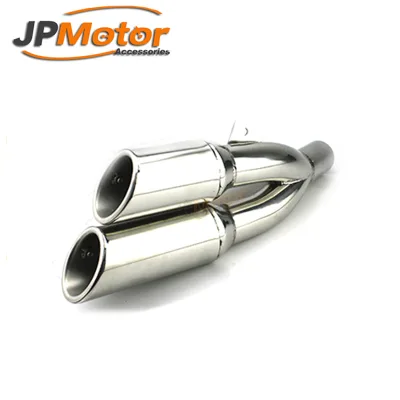
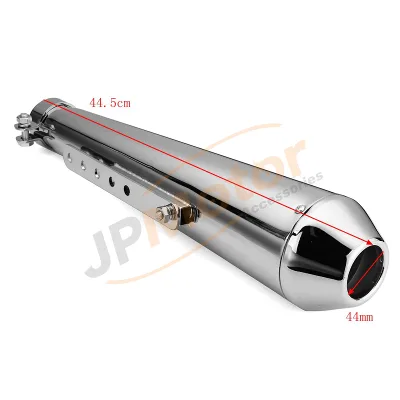
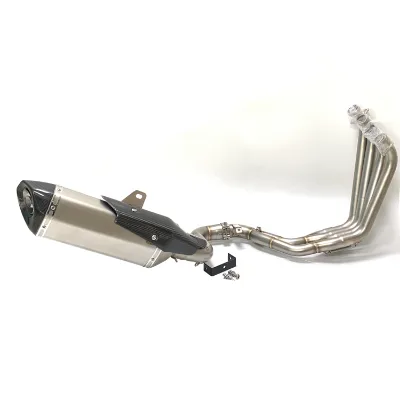
High Performance Racing Exhaust Double Take Stainless Steel Motorcycle Titanium Exhaust
$23.80 - $28.00
MOQ: 24 pieces
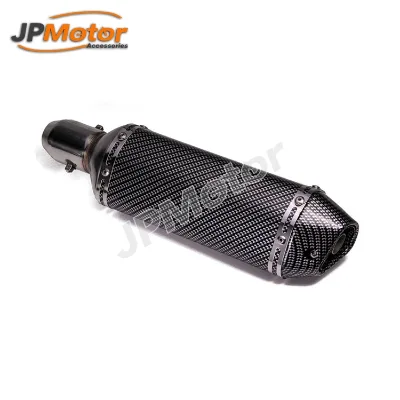
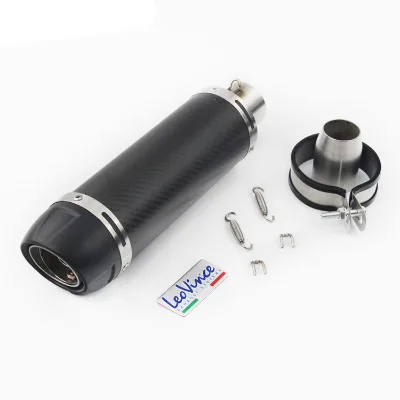
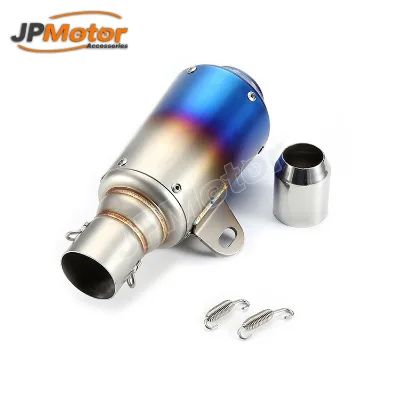
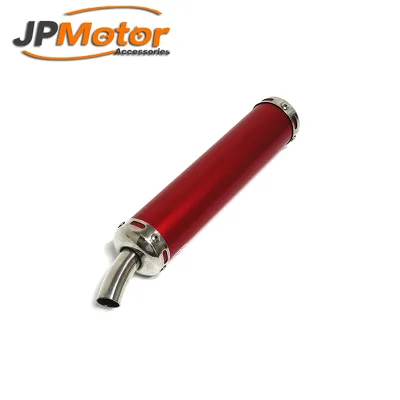
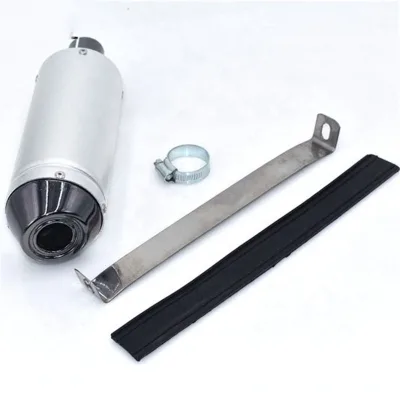
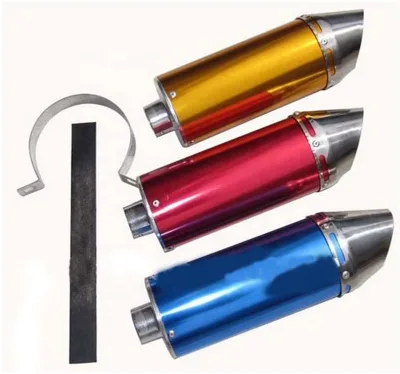
Aluminum Motorcycle Exhaust Muffler Pipes Pit Bike Motorcycle Refit Parts Body Systems
$9.20 - $11.24
MOQ: 2 pieces

Ningbo Jalyn International Trading Co., Ltd.
- Trading Company,Manufacturer/Factory
- China Zhejiang
- Lead time30 days
- Avg. response≤ 21h
Main productsMotorcycle Parts, Motorcycle Accessories, Aftermarket Motorcycle Parts, ATV Parts, Bicycle Parts, Motorcycle Plastic Parts, Motorcycle Mirror, Motorcycle Handle Grips, Motorcycle Engine, Bicycle Accessories
Main marketsSouth America,Eastern Europe,North America,Eastern Asia,Oceania,Western Europe,Africa
Chongqing Hanfan Technology Co., Ltd.
- Trading Company
- Chongqing, China
- Lead time7 days
- Avg. response≤ 7h
Main productsMotorcycle parts,Electric Motorcycle,Motorcycle Motor,Electronic motorcycle Motor,Hub Motor
Main marketsWestern Europe(20.00%), North America(20.00%), Northern Europe(10.00%), Southern Europe(10.00%), Eastern Europe(10.00%), South America(5.00%), South Asia(5.00%), Central America(5.00%), Southeast Asia(5.00%), Eastern Asia(3.00%), Mid East(3.00%), Africa(2.00%), Oceania(2.00%)
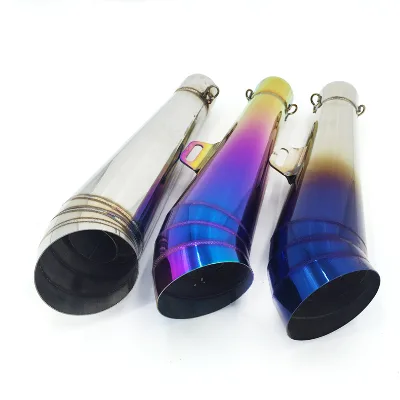
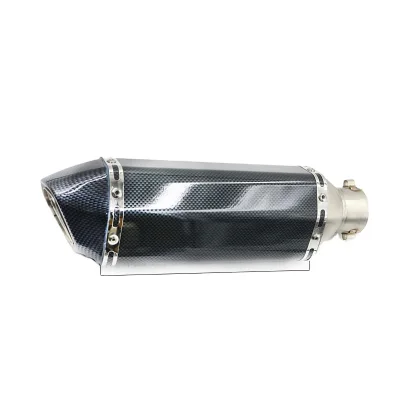
Wholesale Modified Road Racing Competition Universal Exhaust Pipe Motorcycle Pipes Exhaust
$12.12 - $18.49
MOQ: 200 pieces
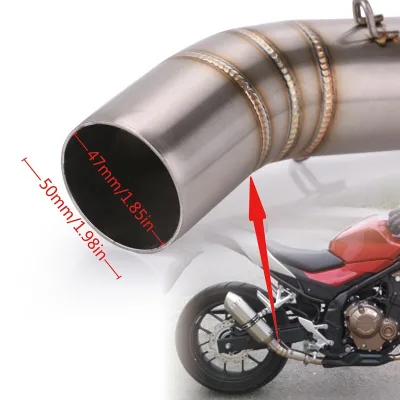
$16.00 - $25.00
MOQ: 100 Minimum
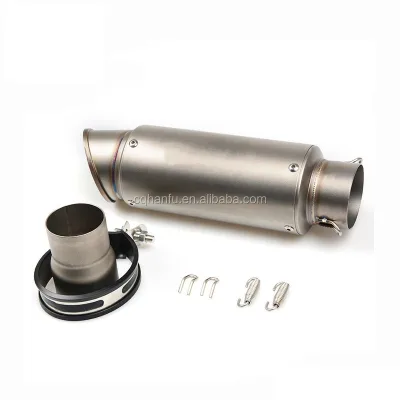
Motorcycle Exhaust Modify Motocross Exhaust Muffler for FZ6 CBR250 CB600 MT07 ATV Dirt Pit Bike
$13.00 - $15.00
MOQ: 100 units

Dezhou Fujiya Auto Parts Technology Co., Ltd.
- Verified by BV
- Combined
- China Shandong
- Lead time30 days
- Avg. response≤ 11h
Main productsSilenciador De Escape, Muffler, Catalytic Converter, Exhaust Pipe, Tubo De Escape, Tailpipe, Exhaust Muffler
Main marketsSouth America,Africa,Southeast Asia/ Mideast,East Asia(Japan/ South Korea),Domestic,Australia,North America


Motorcycle Exhaust Pipe and Other Engine Parts Exhaust Catalytic Converter
$20.00 - $180.00
MOQ: 50 Pieces

Motorcycle Exhaust Pipe and Exhaust Pipe Muffler Stainless Steel Catalytic Converter
$20.00 - $180.00
MOQ: 50 Pieces

Motorcycle Exhaust Pipe and High Performance Exhaust Pipe High Flow Catalytic Converter
$20.00 - $180.00
MOQ: 50 Pieces

Motorcycle Exhaust Pipe and Factory Wholesale Catalytic Converter for Car
$20.00 - $180.00
MOQ: 50 Pieces

Motorcycle Exhaust Pipe and Factory Wholesale Exhaust Muffler Universal Catalytic Converter
$20.00 - $180.00
MOQ: 50 Pieces

Anhui Jagrow Auto Parts Co., Ltd.
- Verified by TUVRHEINLAND
- Trading Company,Manufacturer/Factory
- China Anhui
- Lead time45 days
- Avg. response≤ 4h
Main productsPerformance Parts, Exhaust System, Air Intake System, Cooling System, Carbon Fiber Parts, Exhaust Downpipe, Exhaust Manifold, Exhaust Catback, Oil Cooler, Turbo Intercooler
Main marketsSouth America,Eastern Europe,Mid East,North America,Southeast Asia,Eastern Asia,Oceania,Western Europe,Africa

Motorcycle Exhaust Cutout for Ducati Monster 821 1200 1200s 14-20 Used Motorcycle Exhaust
$575.00 - $625.00
MOQ: 1 Pieces



Guangzhou Baiyun District Songzhou Jinshuanglong Motorcycle Parts Store
- Manufacturer, Trading Company, Distributor/Wholesaler
- Guangdong, China
- Lead time29 days
- Avg. response≤ 3h
Main productsmotorcycle engine,Complete motorcycle,Lamps,carburetor,other motorcycle spare parts
Main marketsMid East(35.00%), Africa(33.00%), Domestic Market(10.00%), Southeast Asia(4.00%), South America(3.00%), Eastern Europe(2.00%), South Asia(2.00%), Western Europe(2.00%), Eastern Asia(2.00%), North America(2.00%), Oceania(2.00%), Northern Europe(1.00%), Central America(1.00%), Southern Europe(1.00%)

Qingdao Mingxin Industries Co., Ltd.
- Verified by TUVRHEINLAND
- Manufacturer/Factory
- China Shandong
- Lead time30 days
- Avg. response≤ 4h
Main productsExhaust Flexible Pipe, Performance Exhaust Muffler, Catalytic Converters, Exhaust Tail/Tip Pipes, Exhaust Mainflod, Brake Tube for Automobiles, Aluminized Steel Pipe, Mandrel Bends Pipes, Exhaust Assembly Parts, Motorcycle Muffler and Pipe
Main marketsSouth America,Eastern Europe,Mid East,North America,Southeast Asia,Eastern Asia,Western Europe


Motorcycle Modified Exhaust Muffler for 50-200cc Motorcycle Exhaust System
$10.00 - $50.00
MOQ: 15 pcs


Mx Exhaust Cbr 250cc Exhaust Motorcycle Exhaust Muffler Universal Escapes PARA Moto
$18.86 - $19.86
MOQ: 25 pcs

NINGGUO BST THERMAL PRODUCTS CO., LTD.
- Verified by SGS
- Combined
- China Anhui
- Lead time15 days
- Avg. response≤ 3h
Main productsFire Sleeve, Heat Shield, Exhaust Wrap, Turbo Blanket, Heat Barrier, Hose Protection Sleeve, Aluminum Corrugated Tube, Fiberglass Sleeve, Exhaust Pipe Insulation Blanket, Heat Protection Tube
Main marketsSouth America,Africa,Southeast Asia/ Mideast,East Asia(Japan/ South Korea),Europe,Australia,North America
Guangzhou Dongmu International Trade Co., Ltd.
- Verified by Intertek
- Trading Company
- Lead time20 days
- Avg. response≤ 7h
Main productsMotorcycle Handlebar, Motorcycle Exhaust Pipe, Motorcycle Rearview Mirror, Motorcycle Windscreen, Motorcycle Light
Main marketsWestern Europe(35%), South America(25%), North America(15%)

Guangzhou Tengsu Motorcycle Parts Co., Ltd.
- Trading Company
- Guangdong, China
- Lead time20 days
- Avg. response≤ 3h
Main productsmotorcycle exhausts,motorcycle exhaust system,motorcycle exhaust pipe,exhaust pipes motorcycle,51mm motorcycle exhaust
Main marketsSouth Asia(10.00%), Northern Europe(10.00%), Western Europe(10.00%), Eastern Asia(10.00%), Mid East(10.00%), Africa(10.00%), Southeast Asia(10.00%), Eastern Europe(10.00%), South America(10.00%), North America(10.00%)
Ningbo Tower Machinery Co., Ltd
- Verified by TUVRHEINLAND
- Manufacturer/Factory
- China Zhejiang
- Lead time30 days
- Avg. response≤ 7h
Main productsSheet Metal Fabrication, CNC Machining Parts, Laser Cutting Parts, Tube Bending Parts, Welding Parts, Stamping Parts, Bus Seat, Trailer Jack, Electric Winch, Wheel Spacer
Main marketsSouth America,Eastern Europe,Mid East,North America,Southeast Asia,Eastern Asia,Oceania,Western Europe,Africa
Guangzhou Jingzhizhou Auto Accessories Co., Ltd.
- Trading Company
- Lead time旺季: "1 - 10":25,"> 10":"To be negotiated", 淡季: "1 - 10":25,"> 10":"To be negotiated"
- Avg. response≤ 6h
Main productsExhaust Tips, Exhaust Mufflers, Exhaust Catalytic Converter, Exhaust Parts
Huangshan Benma Group Co., Ltd.
- Verified by TüVRheinland
- Manufacturer, Trading Company
- Lead time15 days
- Avg. response≤ 7h
Main productsMotorcycle Brake Pad, Motorcycle Clutch Shoes, Motorcycle Clutch Assembly, Motorcycle Clutch Disc
Main marketsDomestic Market(68%), South America(12%), Africa(5%)
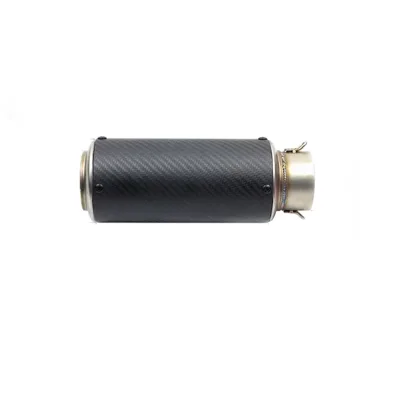
Universal Motorcycle Exhaust Escape Modified Exhaust Muffle Fit for Most Motorcycle
$11.99 - $15.00
MOQ: 30 pieces

TTP Power Development Co., Ltd.
- Verified by SGS
- Trading Company
- China Guangdong
- Lead time30 days
- Avg. response≤ 9h
Main productsMotorcycle Parts, Motorcycle Accessory, Motorcycle Engine Parts, Motorcycle Body Parts, Motorcycle Electrical Parts, Pockit Bike, ATV, Scooter, Motorcycle Cylinder, Crankshaft
Main marketsEurope,North America

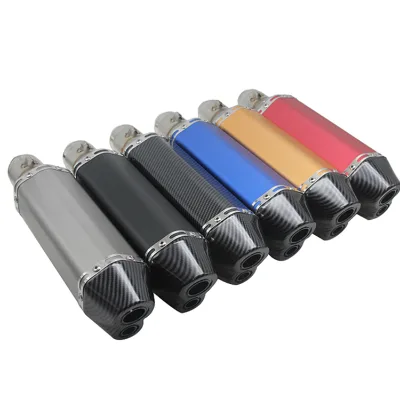
Multi Colors Motorcycle Spare Parts Modified Motorcycle Muffler Exhaust Pipe
$10.00 - $20.00
MOQ: 200 Sets

Motorcycle Spare Parts C100 Motorcycle Muffler, Exhaust Pipe with Good Quality
$10.00 - $20.00
MOQ: 100 Pieces

Purple High Quality Motorcycle Accessories Motorcycle Muffler Exhuat Pipe
$10.00 - $20.00
MOQ: 200 Sets

Yog Auto Mobile Parts Co., Ltd.
- Verified by BV
- Trading Company,Manufacturer/Factory
- China Guangdong
- Lead time30 days
- Avg. response≤ 21h
Main productsMotorcycle Accessory, Motorcycle Chain, Motorcycle Engine Parts, Motorcycle Camshaft, Motorcycle Sprocket, Motorcycle Brake, Motorcycle Horn, Motorcycle Piston and Ring, Motorcycle C. D. I
Main marketsSouth America,Eastern Europe,Mid East,Southeast Asia,Eastern Asia,Oceania,Africa

Ningbo Suijin Machinery Technology Co., Ltd.
- Verified by CTI
- Combined
- China Zhejiang
- Lead time30 days
- Avg. response≤ 5h
Main productsInvestment Casting Parts, Precision Casting Parts, Machining Parts, Auto Parts, Industry Parts, Building Parts, Marine Hardware, Valve/Pump Parts
Main marketsSoutheast Asia/ Mideast,Europe

Motorcycle Accessories Universal Motorcycle Modified Exhaust Pipe Muffler Exhaust System
$0.15 - $0.30
MOQ: 1000 Pieces


Yiwu Xueyan Outdoor Products Co., Ltd.
- Trading Company
- Zhejiang, China
- Lead time15 days
- Avg. response≤ 16h
Main productsBike light,Bike wheel light,Handlight,Pinch light,Lamps
Main marketsNorth America(50.00%), Eastern Europe(26.00%), Western Europe(10.00%), South America(10.00%), Southern Europe(3.00%)

Fujian Bluesky Pipe Manufacturing Co., Ltd.
- Verified by BV
- Combined
- China Fujian
- Lead time30 days
- Avg. response≤ 1h
Main productsSeamless Steel Pipe/Tube, Carbon Seamless Steel Pipe/Tube, Precision Seamless Steel Pipe/Tube, Seamless Pipe/Tube, Alloy Steel Pipe/Tube
Main marketsDomestic

Wuxi TECFREE International Trade Co., Ltd.
- Trading Company,Manufacturer/Factory
- China Jiangsu
- Lead time23 days
- Avg. response≤ 5h
Main productsHeat Exchanger, Radiator, Charge Air Cooler, Oil Cooler, Intercooler, Heat Exchange Fin, Heat Exchange Core, Forklift Radiator, Industrial Muffler
Main marketsNorth America,Southeast Asia,Western Europe

Exhaust Motorcycle Parts Universal Catalytic Converter with Ceramic Catalyst
$1.00 - $100.00
MOQ: 5 Pieces

Motorcycle Parts Exhaust Catalyst / Catalyst Converter Universal Catalytic Converter
$1.00 - $100.00
MOQ: 5 Pieces


Shenzhen Gold Cost Technology Co., Ltd.
- Manufacturer
- Guangdong, China
- Lead time5 days
- Avg. response≤ 3h
Main productshelmet visor,helmet lens,visor lens,visor,lens
Main marketsNorth America(22.00%), Southeast Asia(12.00%), Western Europe(9.00%), Northern Europe(8.00%), Eastern Europe(8.00%), South America(7.00%), South Asia(6.00%), Southern Europe(5.00%), Central America(5.00%), Oceania(5.00%), Domestic Market(5.00%), Mid East(3.00%), Africa(3.00%), Eastern Asia(2.00%)

Shandong Ningjin Hongye Auto Parts Co., Ltd.
- Manufacturer/Factory
- China Shandong
- Lead time105 days
- Avg. response≤ 23h
Main productsExhaust Muffler, Catalytic Converter, Universal Catalytic Converter Box, Universal Muffler Box, Car Muffler, Flexible Pipe, Flange, Stainless Steel Pipe, Car Parts, Auto Parts
Main marketsSouth America,Eastern Europe,Mid East,North America,Southeast Asia,Eastern Asia,Oceania,Western Europe,Africa
Guangzhou Lanxinwang Technology Co., Ltd.
- Verified by TUVRHEINLAND
- Trading Company
- China Guangdong
- Lead time45 days
- Avg. response≤ 5h
Main productsCustomized Metal Fittings, Tube Bending Services, Laser Cutting Services, Machining, Casting Services, Carport, Platform Ladder, Gas Stove
Main marketsSouth America,Africa,Southeast Asia/ Mideast,East Asia(Japan/ South Korea),Europe,Australia,North America

Custom Stainless Steel Exhaust Pipe Motorcycle Middle Pipe Tube Exhaust Connector Muffler
$7.60 - $19.80
MOQ: 25 Pieces


GUANGZHOU RICH TECHNOLOGY CO.LTD
- Verified by SGS
- Combined
- China Guangdong
- Lead time23 days
- Avg. response≤ 19h
Main productsMotorcycle Parts, Motorcycle Accessory, Motorcycle Engine Parts, Motorcycle Ignition System, Motorcycle Brake System, Motorcycle Frame and Body Systems, Motorcycle Lighting Systems, Motorcycle Steering Systems, Motorcycle Clutch Components
Main marketsEurope

Foshan Jindacheng Import & Export Co., Ltd.
- Verified by BV
- Trading Company
- China Guangdong
- Lead time23 days
- Avg. response≤ 6h
Main productsMotorcycle Spare Parts, Electric Vehicle Accessories, Bicycle Spare Parts, Motorcycle Engine Parts, Cg Motorcycle Parts, Gn Motorcycle Parts, Electric Scooter Parts, Motorcycle Chain Sprocket, Motorcycle Cylinder Kit, Motorcycle Accessories
Main marketsSouth America,Mid East,Southeast Asia,Africa

$5.00 - $10.00
MOQ: 100 Pieces

High Quality Universal Modified Parts Motorcycle Muffler Exhaust Pipe Modified
$10.00 - $20.00
MOQ: 100 Pieces
Guangzhou Yulian Electronics Co., Ltd.
- Manufacturer, Trading Company
- Guangdong, China
- Lead time15 days
- Avg. response≤ 6h
Main productsmotorcycle phone charging bracket,motorcycle meter,motorcycle audio,motorcycle alarm system,motorcycle usb charger
Main marketsSouth America(30.00%), Domestic Market(10.00%), Northern Europe(10.00%), Eastern Asia(10.00%), Mid East(10.00%), Southeast Asia(10.00%), Eastern Europe(10.00%), North America(10.00%)

- Verified by TUVRHEINLAND
- Trading Company,Manufacturer/Factory
- China Shandong
- Lead time30 days
- Avg. response≤ 1h
Main productsCNC Machining, Machining Parts, Brass Forging Parts, Aluminum Forging Parts, Precision Parts, Forging and Machining Parts, Die Casting Parts, CNC Machining Parts, Turn Parts
Main marketsEastern Europe,Mid East,North America,Oceania,Western Europe

WUXI XISHAN HUANYU METAL HOSE CO., LTD.
- Combined
- China Jiangsu
- Lead time0 days
- Avg. response≤ 15h
Main productsExhaust Flexible Pipe, Flexible Coupling, Flex Connector, Flexible Pipe, Flexible Tube, Bellows, Muffler Pipe, Flexible Exhaust Pipe, Interlock, Bending Pipe with Flex

Jinhua Aolaidi Sports Equipment Co., Ltd.
- Trading Company
- Zhejiang, China
- Lead time15 days
- Avg. response≤ 7h
Main productsDirt Bike Parts,ATV Parts,MIni Moto Parts,Electric Bike Parts,Motorcycle Spare Parts
Main marketsNorthern Europe(50.00%), North America(20.00%), Eastern Europe(10.00%), Western Europe(10.00%), Eastern Asia(10.00%)
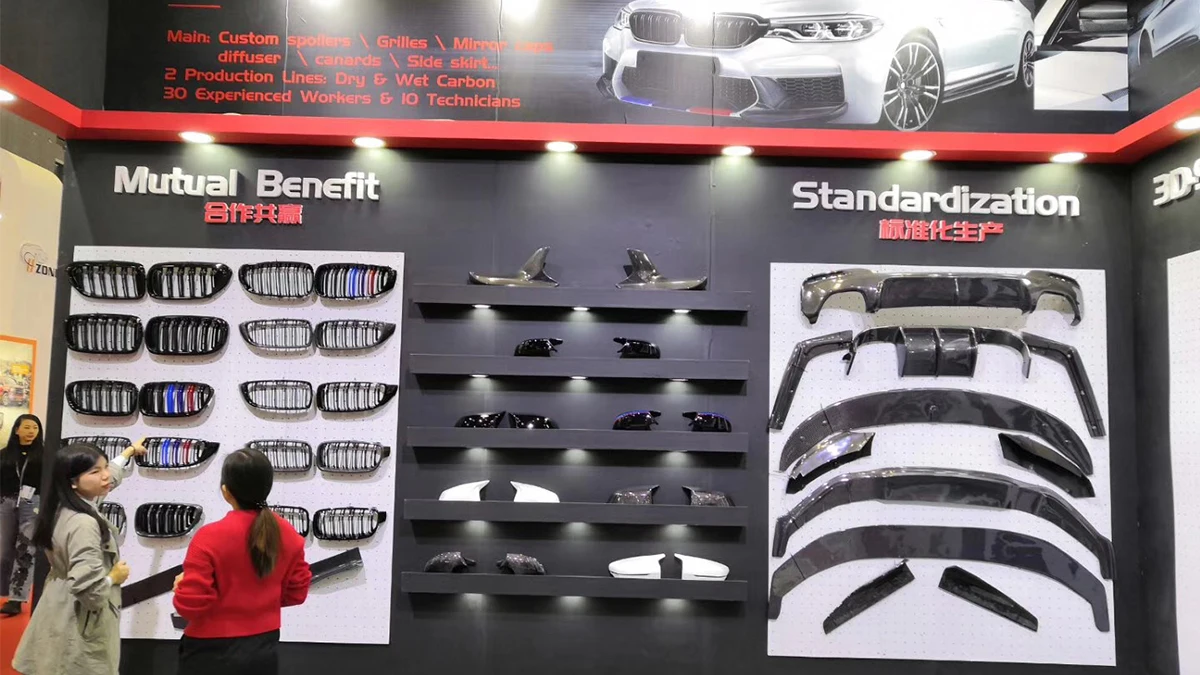
Jinhua Carmon New Material Tech Co., Ltd.
- Manufacturer, Trading Company
- Zhejiang, China
- Lead time15 days
- Avg. response≤ 4h
Main productsMuffler Tip, Car hubcap, Roof Rack, Car Interior Decoration Parts, Car Exterior Decoration Parts
Main marketsWestern Europe(40.00%), North America(30.00%), Southeast Asia(20.00%), South America(10.00%)
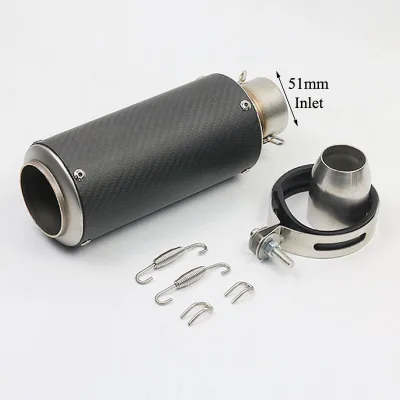
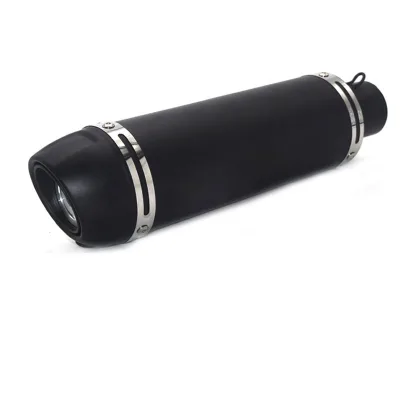


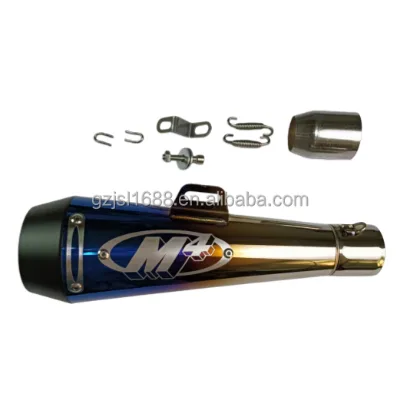
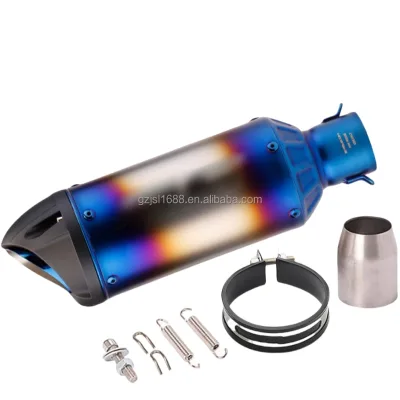


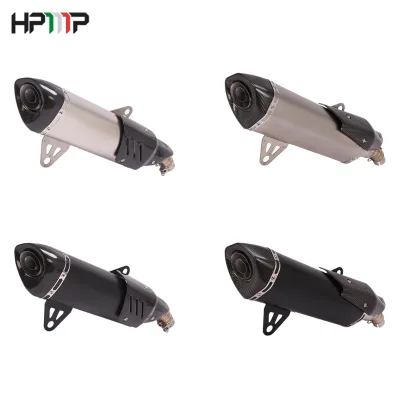
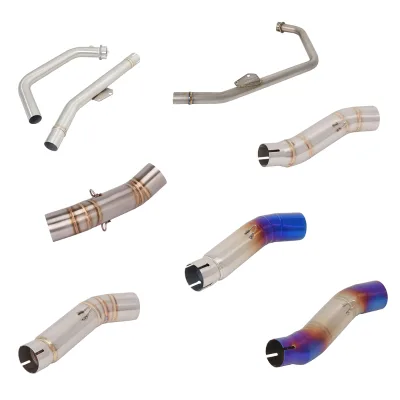
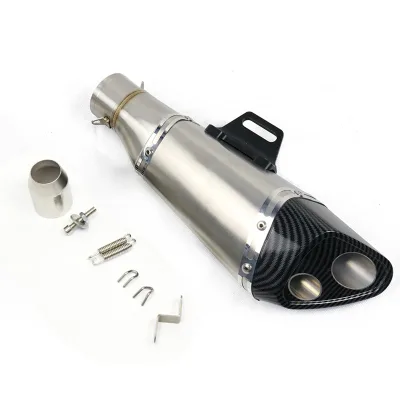
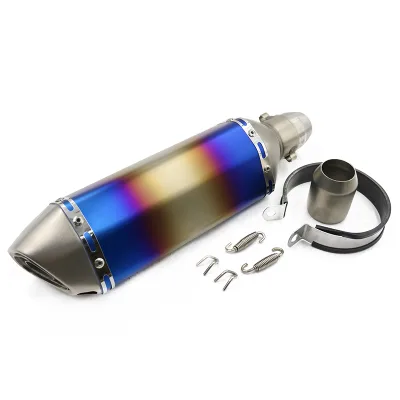
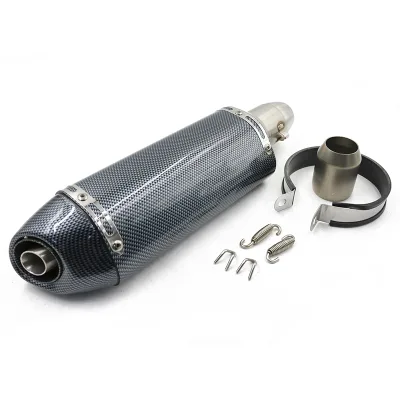
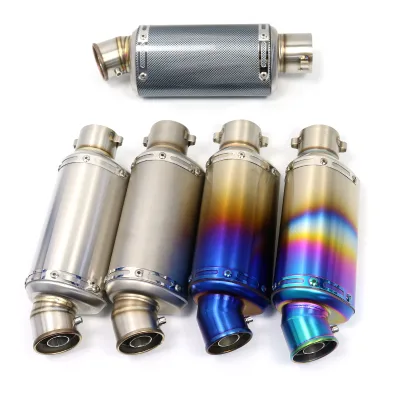
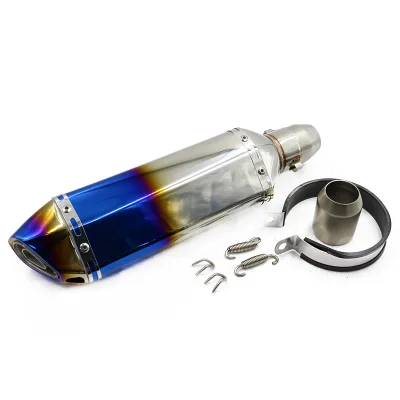
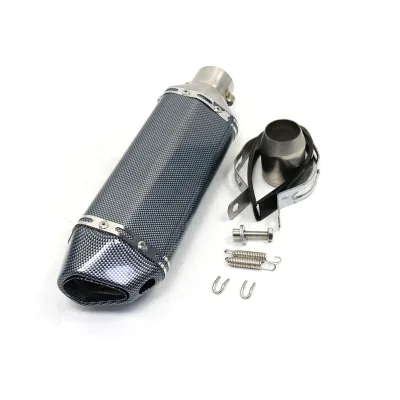


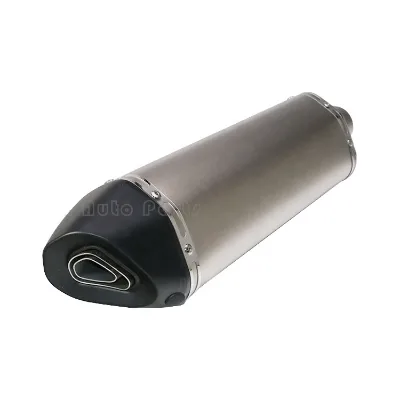
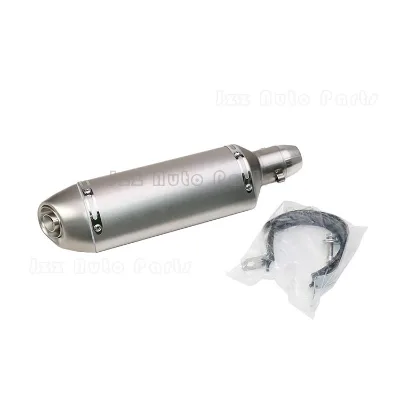


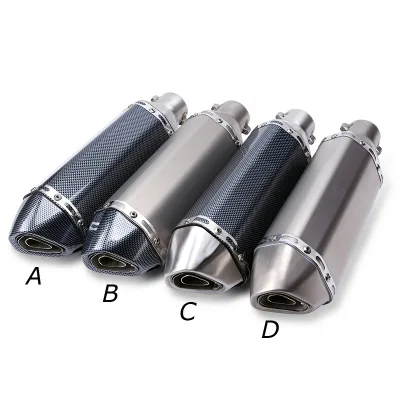
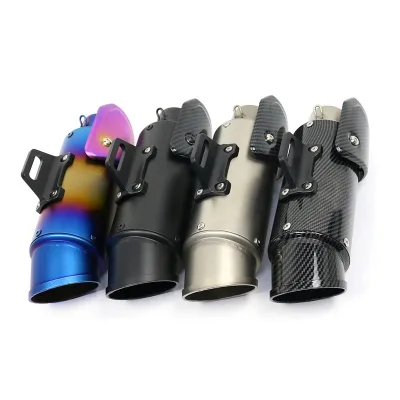


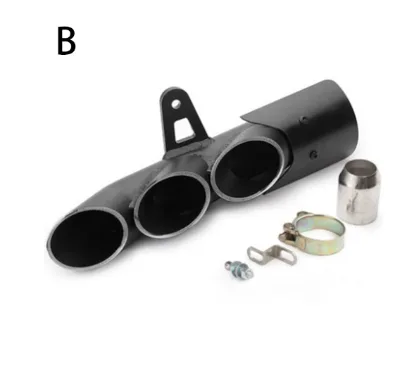
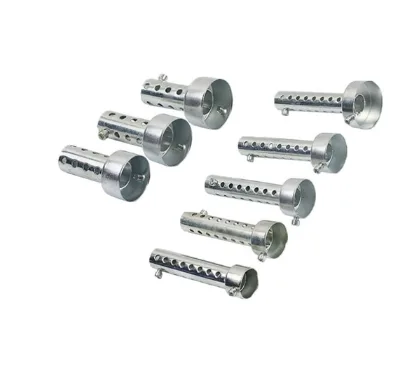
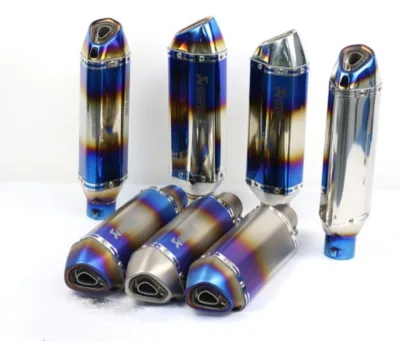




Comprehensive Sourcing Guide
Racing Motorcycle Exhaust Supplier Concentration and Factory Types
The available data indicates a significant concentration of manufacturers and trading companies operating within Guangdong, China, specifically for Racing Motorcycle Exhaust components. This region serves as a primary hub for producing stainless steel and carbon fiber mufflers, with product attributes consistently listing Guangdong as the place of origin. Buyers observing this pattern should recognize that a high volume of suppliers in this cluster specialize in universal fitment pipes, slip-on systems, and full exhaust setups for motorcycles under 1000cc. The presence of both manufacturer and trading company types suggests a layered supply chain where some entities handle direct fabrication while others manage distribution and customization services.
When evaluating the factory types, it is crucial to distinguish between entities that produce the exhaust systems and those that facilitate trade. Some suppliers in the results list themselves as manufacturers, implying direct control over the production of items like titanium and stainless steel mufflers, while others operate as trading companies focusing on a broader range of motorcycle parts. Buyers must verify the actual production capability of a supplier rather than assuming all listed entities are factories. The distinction impacts quality control and customization options, as manufacturers may offer more flexibility for OEM services compared to trading companies that aggregate products from various sources.
How to Verify Racing Motorcycle Exhaust Suppliers
Verification begins with scrutinizing the response time and communication efficiency provided in supplier profiles, as these metrics often reflect operational readiness. The observed data shows response times varying between three and seven days, which serves as a preliminary indicator of how quickly a supplier can address technical inquiries regarding fitment or material specifications. A supplier with a longer response time might indicate a larger volume of inquiries or less dedicated support staff, potentially delaying critical decisions during the sourcing process. Buyers should prioritize suppliers who demonstrate rapid engagement, as this often correlates with better project management and faster resolution of production issues.
Beyond communication speed, buyers must validate the specific product attributes and certifications claimed by the supplier. The results highlight detailed specifications such as material composition, inlet diameter, and fitment ranges for various motorcycle models, which serve as tangible evidence of product knowledge. However, buyers should not assume these attributes apply to every item without confirmation. It is essential to request physical samples or detailed test reports to verify claims about materials like carbon fiber or titanium, ensuring they meet the required durability standards for racing applications. Cross-referencing the listed main products with the specific exhaust models offered helps confirm that the supplier specializes in the intended category rather than offering a generic inventory.
What to Compare Across Racing Motorcycle Exhaust Suppliers
Comparing suppliers requires a systematic analysis of key operational dimensions such as minimum order quantity, lead time, and pricing structures. The data reveals a wide range in minimum order quantities, with some suppliers offering as few as one piece for universal exhaust pipes, while others require orders of twelve or twenty-four units for specific racing models. This variance allows buyers to select partners that align with their inventory strategy, whether they are testing the market with small batches or preparing for large-scale distribution. Lead times also vary significantly, with some suppliers indicating immediate availability while others suggest a fifteen-day production window, necessitating careful planning to avoid stockouts.
Pricing and shipping options form another critical comparison point for evaluating supplier competitiveness. The observed price ranges for racing motorcycle exhausts span from approximately twelve dollars to nearly forty dollars per unit, depending on the material and complexity of the design. Buyers should compare these figures against the specified shipping methods, which include sea transport, air express, and various courier services like DHL or FedEx. A lower unit price might be offset by higher shipping costs or longer transit times, so a total landed cost analysis is necessary. Additionally, comparing the warranty terms and after-sales support provided by different suppliers can reveal hidden value that justifies a slightly higher initial investment.
Common Racing Motorcycle Exhaust Sourcing Risks
One significant risk in sourcing racing motorcycle exhausts involves the discrepancy between advertised fitment and actual compatibility with specific motorcycle models. The product data frequently lists "universal" fitment for pipes under 1000cc, yet the inlet diameters and mounting points can vary subtly between brands like Yamaha, Suzuki, and Honda. Relying solely on the "universal" label without verifying the exact dimensions against the target vehicle can lead to installation failures or the need for costly modifications. Buyers must insist on precise technical drawings or fitment guides that confirm the exhaust will integrate seamlessly with their specific motorcycle chassis and engine configuration.
Another substantial risk relates to the consistency of material quality and the authenticity of claims regarding premium materials like titanium or carbon fiber. While product attributes list these materials, the actual quality can vary between batches or suppliers, potentially affecting the performance and longevity of the exhaust system under high-racing conditions. There is a risk that a supplier might advertise high-grade materials but deliver lower-quality alternatives that do not meet the necessary thermal or structural standards. To mitigate this, buyers should establish clear quality assurance protocols, including third-party testing or strict inspection criteria, to ensure the materials used match the specifications promised in the product listing.
Racing Motorcycle Exhaust Regional Sourcing and Logistics
The concentration of suppliers in Guangdong, China, presents specific logistical considerations for international buyers regarding shipping and transit times. The available data indicates that most products originate from this region, utilizing shipping methods such as sea transport, air transport, and air express to reach global markets. Buyers must account for the distance and potential customs delays when planning their inventory replenishment cycles, as sea freight offers cost savings but longer lead times compared to air express options. Understanding the specific shipping capabilities of each supplier is vital, as some may offer expedited courier services like DHL or FedEx for urgent orders, while others rely on standard maritime routes.
Logistics planning also involves evaluating the packaging and handling standards provided by the supplier to ensure the exhaust systems arrive without damage. The product attributes mention specific packing details, such as twelve pieces per carton, and single package dimensions that affect freight costs and storage requirements. Buyers should verify that the packaging is robust enough to protect the exhaust components, which are often made of delicate materials like carbon fiber or thin-walled stainless steel, during transit. Additionally, understanding the supplier's experience with international shipping regulations and documentation can prevent delays at customs, ensuring a smooth flow of goods from the factory in Guangdong to the final destination.
Racing Motorcycle Exhaust Commercial Terms and Order Planning
Commercial terms for racing motorcycle exhausts often include specific conditions regarding payment, customization, and order volume that buyers must negotiate carefully. The data shows that some suppliers offer OEM custom services, allowing for branding or design modifications, while others operate on a standard product basis. Buyers should clarify the terms for custom orders, including any additional costs or minimum order quantities required for personalized production runs. Understanding the payment structure and whether escrow services are available can provide financial security, ensuring that funds are only released once the goods meet the agreed-upon quality and delivery standards.
Order planning must align with the supplier's lead times and production capacity to maintain a steady supply chain. With lead times ranging from immediate availability to fifteen days, buyers need to forecast their demand accurately to avoid production bottlenecks or inventory shortages. For suppliers with longer lead times, establishing a buffer stock or scheduling orders well in advance is essential to meet market demand. Furthermore, buyers should consider the scalability of the supplier, ensuring they can handle increased order volumes as the business grows. Clear communication regarding production schedules and delivery milestones helps manage expectations and ensures that the Racing Motorcycle Exhaust supply remains consistent and reliable.
FAQs
What is the minimum order quantity for racing motorcycle exhausts?
The minimum order quantity varies by supplier and product type. Some manufacturers offer a low MOQ of just 1 piece for universal exhaust pipes, while others require bulk orders such as 12 or 24 units. Buyers should check specific product listings to confirm the exact MOQ before placing an order.
What materials are used for motorcycle exhaust mufflers?
Racing motorcycle exhausts are commonly manufactured from stainless steel, carbon fiber, or titanium. Stainless steel offers durability and corrosion resistance, while carbon fiber and titanium provide lightweight performance for high-speed racing. Some products combine these materials to balance strength, weight, and aesthetic appeal for various motorcycle models.
Where are these motorcycle exhaust suppliers located?
The majority of the listed suppliers are located in Guangdong, China. This region is a major manufacturing hub for vehicle parts and accessories. Buyers sourcing from this location can typically access a wide variety of exhaust systems, including universal fitments and specialized racing components for different engine sizes.
What is the typical response time for suppliers?
Supplier response times generally range from 3 to 7 hours. Faster response times, such as 3 hours, indicate highly active trading companies or manufacturers ready to engage quickly. Buyers should expect prompt communication when inquiring about pricing, customization, or shipping details for Racing Motorcycle Exhaust products.
What is the price range for universal motorcycle exhausts?
Prices for universal motorcycle exhausts typically range from $12 to $38 per unit. Lower-priced items around $12 to $20 often feature stainless steel construction, while premium options with carbon fiber or titanium finishes may cost between $23 and $38. Prices vary based on material quality, size, and brand specifications.
What shipping methods are available for exhaust orders?
Common shipping methods include sea transport, air transport, and air express services. For urgent orders, suppliers often offer courier services like DHL, FedEx, UPS, TNT, and EMS. Buyers should select the appropriate shipping method based on their timeline and budget, as express services are faster but more expensive than sea freight.