Quran Learning Educational Toy Suppliers and Manufacturers
Discover 19 verified suppliers offering Quran Learning Educational Toy options with diverse certifications like EN 71 and ASTM F963. Compare response times, lead times, and customization capabilities to select the right partner for your needs; review the available evidence before requesting comparable quotations from suitable candidates.
Suppliers List
Foshan Eletree Technology Co., Ltd.
- Verified by SGS Group
- Trading Company
- Lead time7 days
- Avg. response≤ 5h
Main productsTalking Flash Card, Sound Book, Learning Machine, Early Learning Book
Main marketsNorth America(30%), Southeast Asia(10%), Africa(10%)
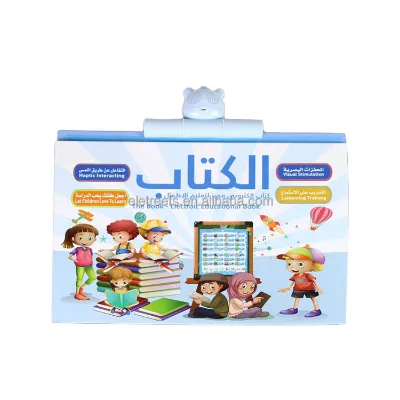
Nepali Alphabet Poster Learn to Read Quran Arabic Educational Toys for Kids Learning in Arabic
$6.96 - $7.58
MOQ: 120 pieces
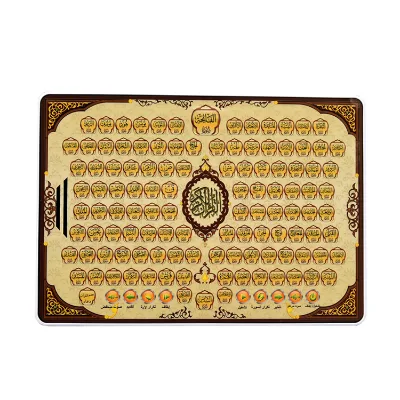
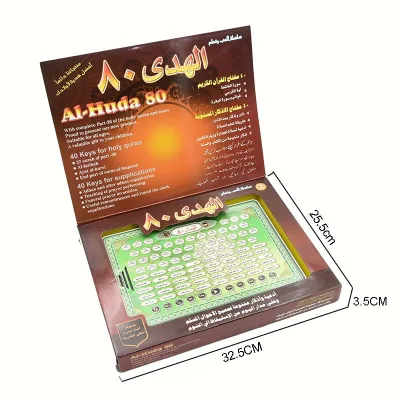
Eid Ramadan Gift 118 Surah Dua Full Quran Al Huda Learning Machine Islamic Toys for Kids All Age
$7.68 - $8.88
MOQ: 144 pieces
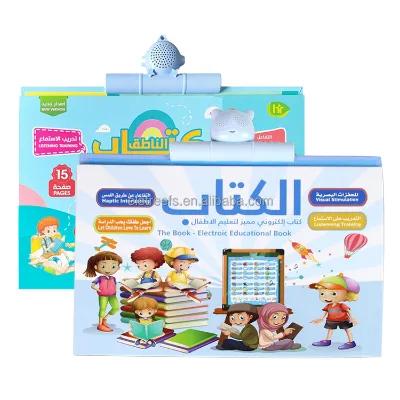
Children Ramadan Audio Quran and Sunnah Arabic Alphabet Poster With Cartoon Animals
$6.90 - $7.53
MOQ: 120 pieces
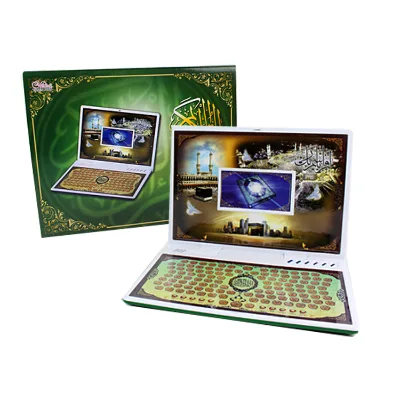
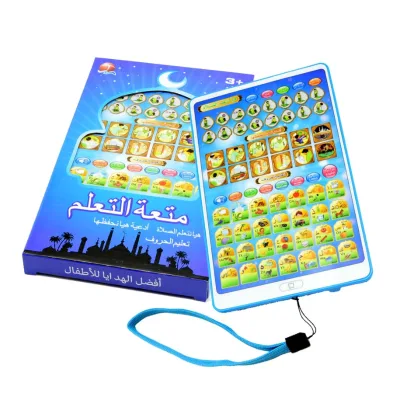
Muslim Friendly Toys Electronic Educational Alif Baa Taa Taar an Full Al Quran Kareem Islamic Laptop
$9.32 - $9.58
MOQ: 300 pieces
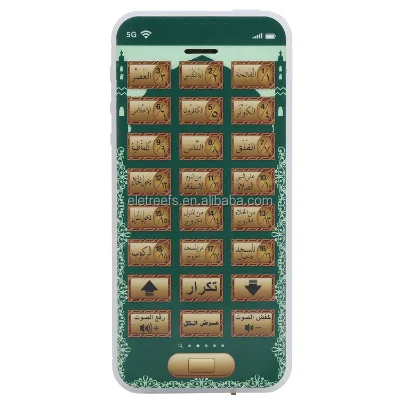
$2.40 - $2.70
MOQ: 216 pieces
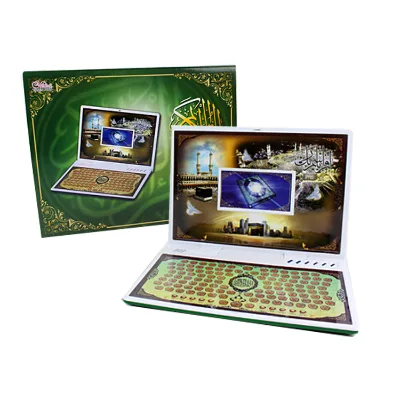
Guangzhou Eletree Electronic Company Ltd.
- Verified by TüVRheinland
- Trading Company
- Lead time2 days
- Avg. response≤ 6h
Main productsPortable Radio, Memory Card, Quran Speaker, Waterproof Speaker, E-Book
Main marketsNorth America(25%), South America(10%), Eastern Europe(10%)
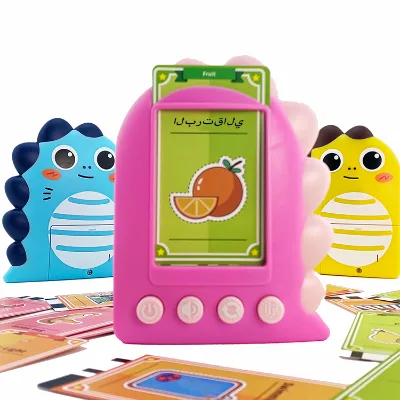
Children Boys Eid Muslim Doll Learning Tablet Educational Toy Islamic Toys for Baby
$3.59 - $4.92
MOQ: 100 pieces
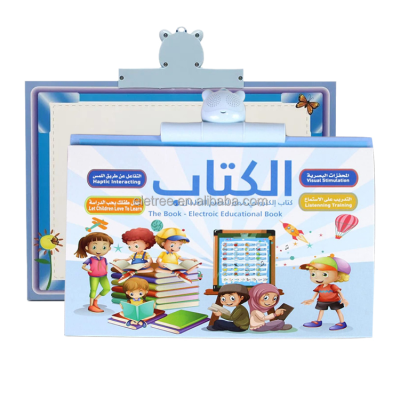
Nepali Alphabet Poster Learn to Read Quran Arabic Educational Toys for Kids Learning in Arabic
$7.22 - $7.36
MOQ: 5000 pieces
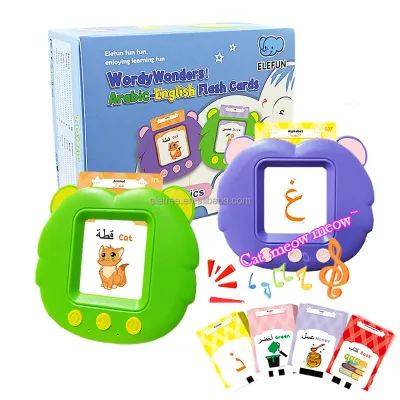
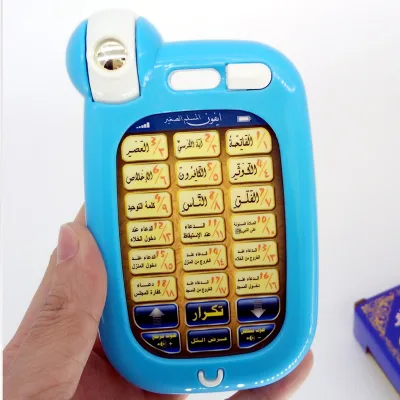
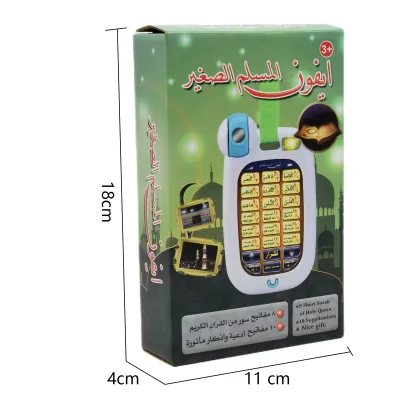
Touch Screen Islamic AL-huda 18 Section Quran Arabic Learning Toys for Muslim Kids
$1.41 - $1.61
MOQ: 144 pieces
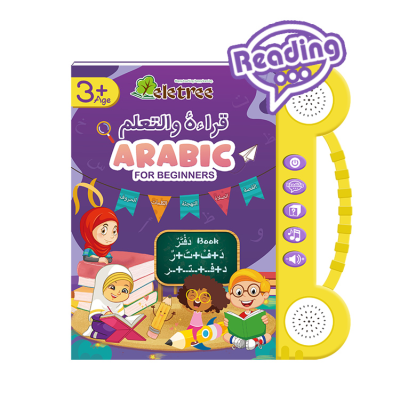
$4.67 - $5.14
MOQ: 3000 pieces
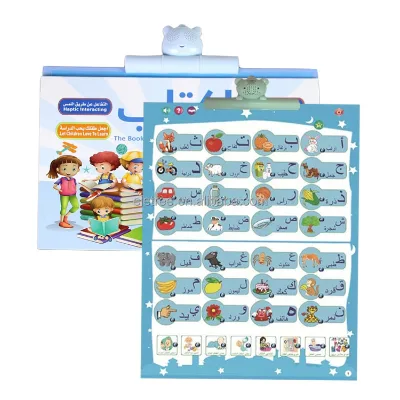
Kids Animal Educational Toys Alphabet Sound Wall Chart Poster Recording in Arabic Education
$7.22 - $7.36
MOQ: 5000 pieces
Jinming Toys & Crafts Imp. & Exp. Co., Ltd.
- Trading Company
- Guangdong, China
- Lead time15 days
- Avg. response≤ 7h
Main productsEducational Toys,Learning Machine,Musical Instrument,Pretend Play & Preschool,R/C Toy
Main marketsSoutheast Asia(25.00%), North America(22.00%), South America(18.00%), Mid East(8.00%), Western Europe(8.00%), Eastern Asia(8.00%), Eastern Europe(6.00%), Africa(5.00%)

Shantou Chenghai Xaqi Toys Industrial Co., Limited
- Verified by BV
- Combined
- China Guangdong
- Lead time23 days
- Avg. response≤ 4h
Main productsRemote Control Car, Educational Toy, Sport Toy, Pretend Play Toys, Remote Contro Toy, Baby Toy, Summer Toy, B/O Toy
Main marketsSoutheast Asia/ Mideast,Domestic,Europe


Educational Learning Toys Creative Toy Wooden Toy Building Blocks Toys for Kid
$4.23 - $5.23
MOQ: 200 Pieces

Shantou Zhiwei Electronic Technology Co., Ltd.
- Combined
- China Guangdong
- Lead time15 days
- Avg. response≤ 8h
Main productsElectronic Prayer Mat
Main marketsOthers(foreignTradeCapacity.exportBusinessCapacityMarketOther),Europe

Interactive Arabic Alphabet Learning Machine for Muslim Kids Educational Toy Learning Pad for Kids
$11.70 - $12.46
MOQ: 100 Pieces

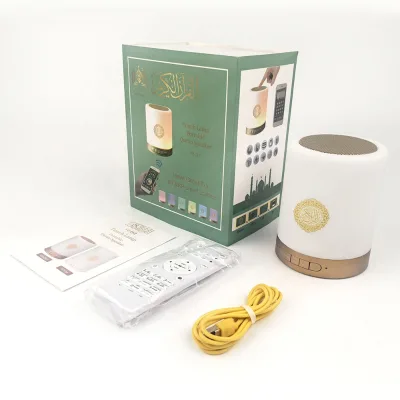
New Designs Muslim Quran Speaker Electronic Educational Toys Ramadan LED Arabic Style Player
$2.95 - $3.20
MOQ: 200 Pieces

Holy Quran Castle Speaker for Kids Islamic Educational Learning Toy with Quran Recitation for Gifts
$3.51 - $3.69
MOQ: 500 Pieces


Ningbo Shone Med-Tech Co., Ltd.
- Verified by SGS
- Trading Company,Manufacturer/Factory,Group Corporation
- China Zhejiang
- Lead time23 days
- Avg. response≤ 4h
Main productsWooden Games, Wooden Toys, Bingo Games, Wooden Sport Items, Wooden Box
Main marketsSouth America,Eastern Europe,Mid East,North America,Southeast Asia,Eastern Asia,Oceania,Western Europe,Africa
Foshan Goodwell Technology Co., Ltd.
- Manufacturer, Trading Company, Buying Office, Distributor/Wholesaler
- Guangdong, China
- Lead time7 days
- Avg. response≤ 2h
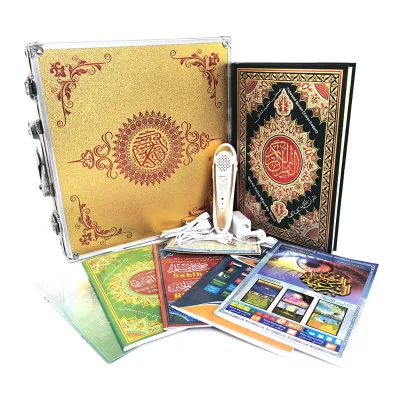
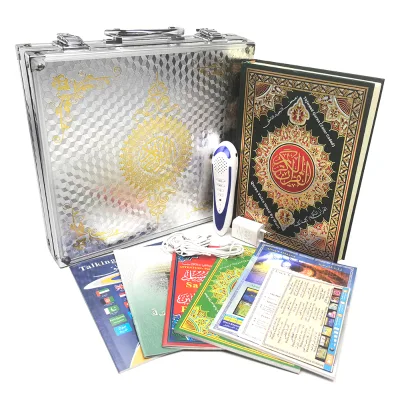
Main productsQURAN SPEAKERS,Reading Pen,Memory cards,Islamic Digital Products,Pray Mat
Main marketsNorth America(40.00%), Southeast Asia(20.00%), Northern Europe(10.00%), Western Europe(10.00%), South America(10.00%), Eastern Europe(10.00%)
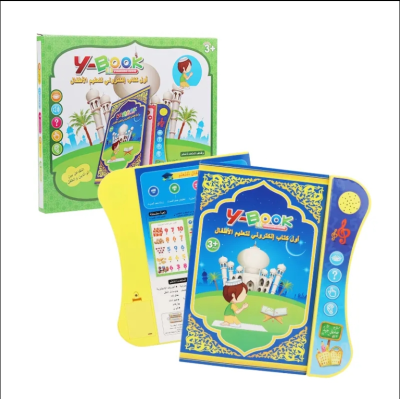
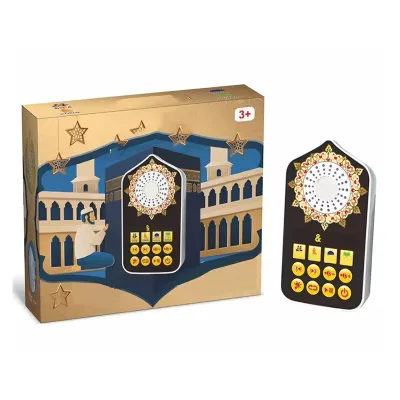
$4.09 - $4.29
MOQ: 30 pieces

Shenzhen Lionstar Technology Co., Ltd.
- Verified by SGS
- Combined
- China Guangdong
- Lead time15 days
- Avg. response≤ 4h
Main productsFace Mask, KN95, 3ply Disposable Face Mask, Protective Face Cover, FFP2 KN95 CE FDA Face Mask, Protective Goggle, Face Shield, Gloves, Gowns, Thermometer
Main marketsSouth America,Southeast Asia/ Mideast,East Asia(Japan/ South Korea),Europe,Australia,North America


Children's Worship Interactive Electronic Educational Blanket Prayer Blanket
$16.50 - $50.00
MOQ: 1 Pieces


Cross-Border New Arabic Bye Blanket Children's Awen Early Education Smart Toys Electronic Prayer Mat
$23.50 - $29.00
MOQ: 5 Pieces

- Verified by CTI
- Trading Company
- China Anhui
- Lead time23 days
- Avg. response≤ 1h
Main productsFurniture, Home Furniture
Main marketsSoutheast Asia/ Mideast
Fuzhou Hausger Trading Co., Ltd.
- Verified by TüVRheinland
- Trading Company
- FUJIAN, China
- Lead time15 days
- Avg. response≤ 3h
Main productsHandbag & Bread bag,Shipping box & Pizza box,Carton & Scratching board,Printing & Design,Flash cards
Main marketsNorth America(50%), Western Europe(50%)
Shenzhen Xing Chen Technology Trading Co., Ltd.
- Trading Company
- Lead time旺季: "1 - 10":7,"> 10":"To be negotiated", 淡季: "1 - 10":7,"> 10":"To be negotiated"
- Avg. response≤ 6h
Main productsQuran Reader Pen, Azan Clock, Prayer Mat, Finger Counter, Muslim Hijab
Nanjing Cool March International Trade Co., Ltd.
- Trading Company
- Jiangsu, China
- Lead time25 days
- Avg. response≤ 3h
Main productsToys,Home&Garden,Crafts&Gifts,Sports and Entertainment,Personal care and home cleaning
Main marketsNorth America(38.00%), Western Europe(25.00%), Northern Europe(5.00%), Eastern Asia(5.00%), Southern Europe(5.00%), Oceania(5.00%), Southeast Asia(5.00%), Eastern Europe(5.00%), South Asia(3.00%), Central America(2.00%), South America(2.00%)

Anhui Beauty Culture Development Co., Ltd.
- Verified by BV
- Combined
- China Anhui
- Lead time15 days
- Avg. response≤ 10h
Main productsGift Packing Box, Paper Bag, Stationery Printings, Packaging Box, Children Book, Board Games, Book Printing, Magazing Printing, Calendar Printing, Envelope Printing
Main marketsSoutheast Asia/ Mideast,Domestic,Europe,North America
Shantou Globalwin Intelligent Technology Co., Ltd.
- Trading Company
- Guangdong, China
- Lead time15 days
- Avg. response≤ 18h
Main productsDrone,RC Car,toys,robot toys,Educational Toy
Main marketsDomestic Market(35.00%), North America(30.00%), Western Europe(10.00%), South America(8.00%), Eastern Europe(6.00%), Mid East(5.00%), Africa(2.00%), Northern Europe(2.00%), Oceania(2.00%)
- Trading Company
- Hong Kong S.A.R.
- Lead time15 days
- Avg. response≤ 2h
Main productsQuran Pen Reader,Quran Speaker,Azan Clock,Zikr Ring Tasbih,Educational Prayer Mat
Main marketsMid East(36.00%), North America(17.00%), Africa(7.00%), South Asia(5.00%), Eastern Europe(5.00%), Southern Europe(5.00%), Southeast Asia(5.00%), Northern Europe(5.00%), Western Europe(5.00%), Eastern Asia(5.00%), Oceania(5.00%)

GUANGZHOU KEMOLI INTERNATIONAL TRADING CO., LIMITED
- Verified by TUVRHEINLAND
- Trading Company
- China Guangdong
- Lead time15 days
- Avg. response≤ 3h
Main productsBuilding Brick, Building Block, Minifigure, Action Figure, Building Block Set, Building Block Figure Keychain, Educational Toy, Block Toy Set, Mini Block Figure, Children Toy
Main marketsNorth America

Muslim Architecture Blue Mosque Block Bricks Educational Building Block Toy Set (5251)
$21.99 - $23.83
MOQ: 5 Pieces

Mosque Kaaba Assemble Building Block Set Children Educational Plastic Toy Set (4226)
$7.45 - $8.07
MOQ: 8 Pieces

Aqsa Mosque Assembly Bricks Children Educational Plastic Building Block Toy Set (5255)
$16.12 - $17.46
MOQ: 5 Pieces

Prophet's Mosque Assemble Plastic Building Block Set Children Educational Toy (4228)
$9.19 - $9.95
MOQ: 8 Pieces

Great Mosque of Mecca Educational Assemble Building Block Plastic Toy Set (6220)
$35.44 - $38.40
MOQ: 3 Pieces
Huizhou Danchen Industrial Co., Ltd.
- Trading Company
- Guangdong, China
- Lead time405 days
- Avg. response≤ 6h
Main productsSwimming Ring,Baby Water Mat,Waterproof Phone Pounch,Inflatable Swimming Pool,Inflatable Drink Holder
Main marketsWestern Europe(30.00%), North America(25.00%), Southeast Asia(20.00%), Eastern Europe(15.00%), Northern Europe(5.00%), Oceania(5.00%)

PIN INTERNATIONAL (NINGBO) LTD.
- Verified by TUVRHEINLAND
- Manufacturer/Factory
- China Zhejiang
- Lead time90 days
- Avg. response≤ 4h
Main productsWooden Toys Kids Toys Educational Toys, Arts and Crafts, Stem Toys, DIY Products, Subscription Box for Kids
Main marketsSouth America,Eastern Europe,North America,Eastern Asia,Western Europe


Wooden Toy Educational Learning Toys Four in Row Montessori Toy Color Recognition
$5.74 - $7.13
MOQ: 500 Pieces

Tung Wing Electronics (Shenzhen) Co., Ltd.
- Trading Company
- China Guangdong
- Lead time45 days
- Avg. response≤ 22h
Main productsSound Module, Flashing Module, Recording Module, Greeting Cards, Keychain, Photo Frame, Optical Fiber Bags, Flashing Badge, Promotional Gift, Sound Pad
Main marketsSouth America,Southeast Asia/ Mideast,East Asia(Japan/ South Korea),Europe,Australia,North America






Comprehensive Sourcing Guide
Quran Learning Educational Toy Supplier Concentration and Factory Types
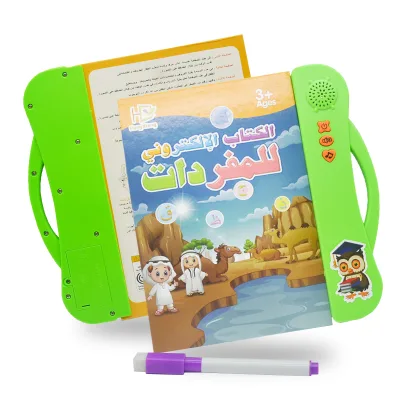
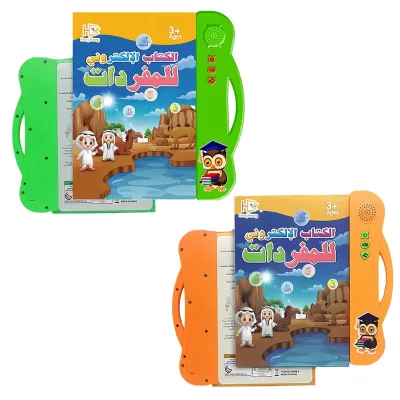
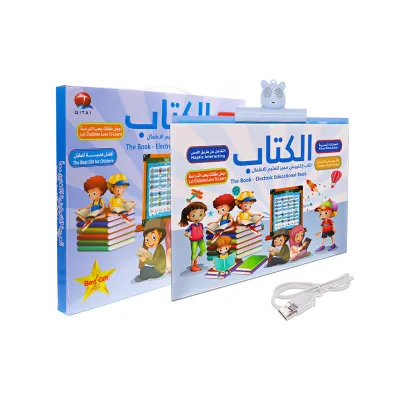
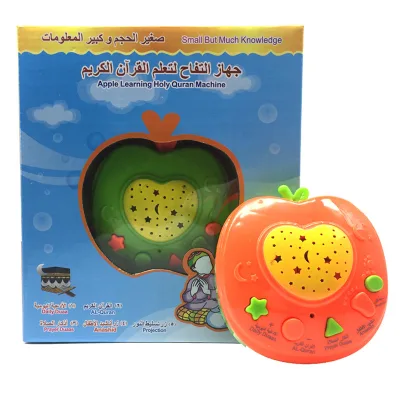
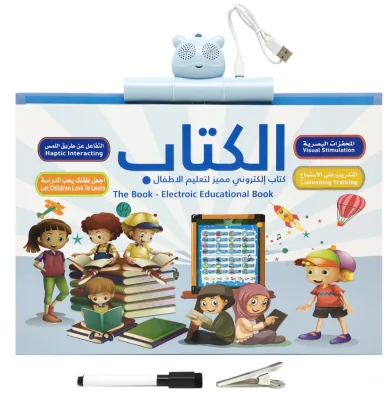
The current supplier landscape for Quran learning educational toys reveals a distinct concentration of trading companies rather than direct manufacturing factories. Available data indicates that the primary entity type observed is a Trading Company, which suggests these intermediaries aggregate products from various manufacturers to offer a diverse catalog. This structure is common in the educational toy sector, where suppliers often source from multiple factories to provide items like talking flash cards, sound books, and learning machines under a unified brand. Buyers should expect that the physical production of these items, such as the ABS plastic components found in talking posters or the electronic circuits in learning machines, occurs in specialized facilities that the trading company then manages.
When evaluating the manufacturing base, it is critical to note that specific factory locations are not explicitly confirmed in the current results, though product attributes frequently list Guangdong, China as the place of origin. This region is a known hub for electronics and plastic molding, but without a verified factory address, buyers cannot assume a specific industrial cluster. Instead of relying on assumed locations, purchasers should request detailed factory audits or third-party verification reports to confirm where the actual assembly and production take place. Understanding that the supplier acts as a trading entity helps in setting expectations for communication flows, as the buyer will be dealing with a sales team rather than production engineers directly.
How to Verify Quran Learning Educational Toy Suppliers
Verification of suppliers in this category requires a rigorous check of third-party credentials and system certifications to ensure product safety and compliance. The current data shows that suppliers hold extensive certifications including EN 71, BS EN71, EN IEC 62115, and RoHS, which are essential for toys sold in international markets. Additionally, specific verification bodies like SGS Group and TüVRheinland are listed as verification partners, indicating that these suppliers have undergone external audits. Buyers must confirm that these certifications are current and specifically cover the product models they intend to purchase, as standards like CPSIA and ASTM F963 are mandatory for the US market, while UKCA applies to the United Kingdom.
Beyond certifications, the verification status of the supplier itself is a key indicator of reliability. The presence of verification badges from major groups suggests a baseline level of trust, but buyers should not assume this covers all aspects of the business. It is necessary to cross-reference the listed verification with the specific product evidence provided, such as the model numbers and material specifications. For instance, if a product claims to be made of ABS plastic, the supplier should be able to provide material safety data sheets that align with the stated certifications. Buyers should also inquire about the scope of the verification to ensure it covers the entire supply chain, including raw material sourcing and final assembly processes, rather than just a snapshot of the company's financial standing.
What to Compare Across Quran Learning Educational Toy Suppliers
When comparing potential partners, buyers should focus on operational metrics such as lead times, minimum order quantities, and response speeds to determine fit for their specific needs. The data indicates a response time of 5 days for some suppliers and 6 days for others, while lead times vary significantly, with some showing 7 days and others as low as 2 days. These variations can drastically impact inventory planning and market launch schedules. Additionally, minimum order quantities (MOQ) differ across product lines, ranging from 120 units for certain talking posters to 300 units for specific learning machines. Buyers must align these thresholds with their budget and storage capacity to avoid overstocking or facing prohibitive entry costs.
Another critical comparison point is the range of customization capabilities and the breadth of the product portfolio. Some suppliers offer light customization, sample processing, and graphic processing, allowing for tailored branding on items like the ELETREE brand learning machines. Others may have more limited capabilities, focusing only on standard models. Buyers should also compare the main products offered, as some suppliers specialize in items like portable radios and waterproof speakers alongside educational toys, while others focus exclusively on Islamic learning tools. Evaluating the specific product attributes, such as battery types (AAA vs. rechargeable) and language support (English, Spanish, Arabic), ensures the selected supplier can meet the functional requirements of the target demographic without requiring extensive modifications.
Common Quran Learning Educational Toy Sourcing Risks
One significant risk in sourcing these toys involves the potential mismatch between product specifications and safety standards, particularly regarding electronic components and battery usage. The product evidence shows a mix of battery types, including 3*AAA batteries and rechargeable options, which must comply with strict regulations like IEC 62321 and FCC. If a supplier fails to provide up-to-date test reports for these specific components, the product could be rejected at customs or face recalls in the destination market. Buyers must verify that the listed certifications, such as EN 71 and CPC, explicitly cover the electronic features of the toy, as general toy safety standards may not fully address the risks associated with lithium batteries or electronic circuits.
Another risk is the reliability of the supply chain regarding lead times and the ability to fulfill orders during peak seasons. While some data points suggest a lead time of 2 days, others indicate 7 days, and these figures may fluctuate based on order volume or raw material availability. Without a confirmed production schedule, buyers risk delays that could miss critical sales windows, such as Ramadan or Eid. Furthermore, the reliance on trading companies can introduce communication gaps regarding quality control. If a defect is found in a batch of talking posters or learning machines, the trading company may not have direct oversight of the factory floor, potentially slowing down the resolution process. Buyers should establish clear quality assurance protocols and request pre-shipment inspections to mitigate these risks.
Quran Learning Educational Toy Regional Sourcing and Logistics
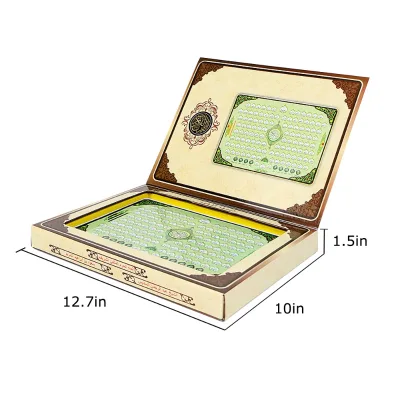
Logistics planning for these toys must account for the specific packaging dimensions and weight to optimize shipping costs and ensure safe transit. Product attributes indicate single package sizes such as 20X10X5 cm and single gross weights of 0.600 kg for certain models, which are crucial for calculating freight charges and container utilization. Since the place of origin is frequently listed as Guangdong, China, buyers should be aware of the shipping routes from this major port region to their destination markets. Understanding the distance and transit time from this hub helps in estimating delivery schedules and managing inventory levels effectively. Buyers should also consider the impact of packaging on the product's integrity, especially for electronic toys that may be sensitive to shock or moisture during transit.
Regional sourcing also involves navigating customs regulations and import duties specific to the destination country. The presence of certifications like CE, UKCA, and CPC suggests that the products are designed to meet various international standards, but buyers must verify that these documents are valid for their specific import region. For example, a product certified for the European market may require additional testing for the North American market. Buyers should work with freight forwarders who have experience in handling educational toys to ensure that all necessary documentation, including commercial invoices and certificates of origin, is prepared correctly. This proactive approach prevents delays at customs and ensures that the goods can be cleared and distributed to retailers or end consumers without interruption.
Quran Learning Educational Toy Commercial Terms and Order Planning
Commercial terms for these orders must be carefully negotiated to align with the varying MOQs and pricing structures observed in the market. Prices for similar items range from approximately $2.40 to $9.58, depending on the complexity of the product, such as the inclusion of full Quran content or interactive features. Buyers should request detailed price breakdowns to understand the cost drivers, such as the type of battery, the complexity of the electronic circuitry, or the customization of the packaging. It is also essential to clarify payment terms, including the use of escrow services, to protect against non-delivery or quality issues. Understanding the price range helps in budgeting for the entire order, including shipping and duties, to ensure a profitable margin.
Order planning should also consider the customization capabilities and the timeline for sample processing. Suppliers offering graphic processing and customized on-demand services can help buyers create unique products that stand out in the market. However, these customizations often require additional time for sample approval and production setup. Buyers should plan their order timeline to accommodate these steps, ensuring that samples are reviewed and approved well before the production run begins. Additionally, buyers should verify the supplier's capacity to handle large orders, as some suppliers may have limits on their production output. By aligning the order size with the supplier's capacity and lead times, buyers can ensure a smooth production process and timely delivery to meet market demand.
FAQs
What certifications do these educational toys have?
The suppliers hold EN 71, BS EN71, EN IEC 62115, EMC, RoHS, FCC, CPSIA, ASTM F963, CE, CPC, UKCA, and Declaration of Conformity. These certifications ensure the toys meet international safety and quality standards for children. Buyers should verify specific test reports for their target market to confirm compliance with local regulations before placing large orders.
What is the typical lead time for orders?
Lead times vary between two and seven days depending on the supplier and order volume. Some suppliers offer rapid turnaround for standard items, while others may require additional time for customized requests. Buyers should confirm the exact delivery schedule with the supplier before finalizing payment to ensure timely arrival for seasonal events like Ramadan or Eid.
What are the minimum order quantities for these toys?
Minimum order quantities range from 120 to 300 units based on the specific product model. For example, talking posters may require 120 units, while learning machines might need 144 or 300 units. Buyers should check the MOQ for each item to determine the best fit for their budget and inventory needs.
What is the price range for Quran learning tablets?
Prices for these educational toys typically range from approximately 2.40 to 9.58 USD per unit. The cost depends on features such as battery type, content volume, and packaging. Buyers can find options for various budgets, with rechargeable models often priced higher than battery-operated ones. Always request a detailed quote for accurate pricing.
Do suppliers offer customization services?
Yes, suppliers provide light customization, sample processing, graphic processing, and customized on-demand services. Buyers can request specific designs, logos, or content modifications. OEM and ODM services are acceptable for many products. Contact the supplier directly to discuss customization options and any additional costs associated with personalized orders.
How quickly do suppliers respond to inquiries?
Response times are typically five to six hours for most suppliers. This ensures that buyers receive timely answers to their questions regarding product details, pricing, and shipping. Quick response times help streamline the sourcing process and allow for efficient communication throughout the order fulfillment stage.