Natural Portable Cooling Oil Stick Suppliers and Manufacturers
Source 10 verified suppliers for Natural Portable Cooling Oil Stick products. Compare key dimensions including location, lead time, MOQ, and certifications to find the right partner. Review detailed product specifications and pricing to streamline your procurement process; review the available evidence before requesting comparable quotations from suitable candidates.
Suppliers List

Shandong Vianor Pharma Co., Ltd.
- Verified by BV
- Combined
- China Shandong
- Lead time30 days
- Avg. response≤ 3h
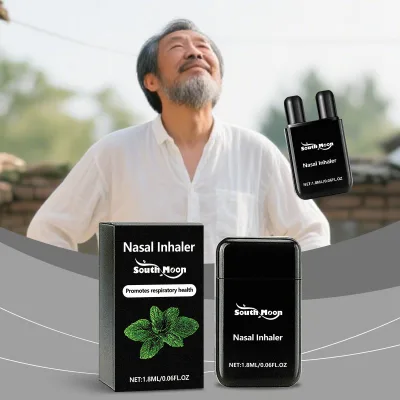
Main productsNasal Inhaler Vaporub Stick Aromatherapy Refesh, Pet Care Shampoo Paw Balm Oral Care, Personal Care Household Toothpaste Mouth Wash, Cosmetic Factory Body Care Lotion Hair, Sport Care Pain Relief Muscle Care Spray, Healthy Care Natural Essential Oil Embrocation, Aromatic Stick Medicated Essential Oil Vapo Pad, Healthy Nutrition and Dietary Supplements, Daily Beauty Care Skin Care Body Oil Lube Oil, Patches Pain Relief Blister Plaster Bandage
Main marketsSoutheast Asia/ Mideast,North America

Shenzhen Eboat Times Technology Co., Ltd.
- Verified by TUVRHEINLAND
- Trading Company,Manufacturer/Factory
- China Guangdong
- Lead time15 days
- Avg. response≤ 6h
Main productsCustom Packaging, Vape Box, Oil Filling Machine, Custom Box Packaging, Vape Packaging
Main marketsSouth America,Eastern Europe,North America,Southeast Asia,Oceania,Western Europe


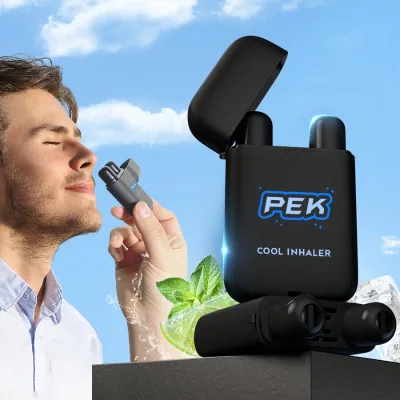
Factory Wholesale Energy Diffuser Natural Essential Oil Inhaler Stick for OEM
$1.75 - $2.35
MOQ: 2000 Pieces
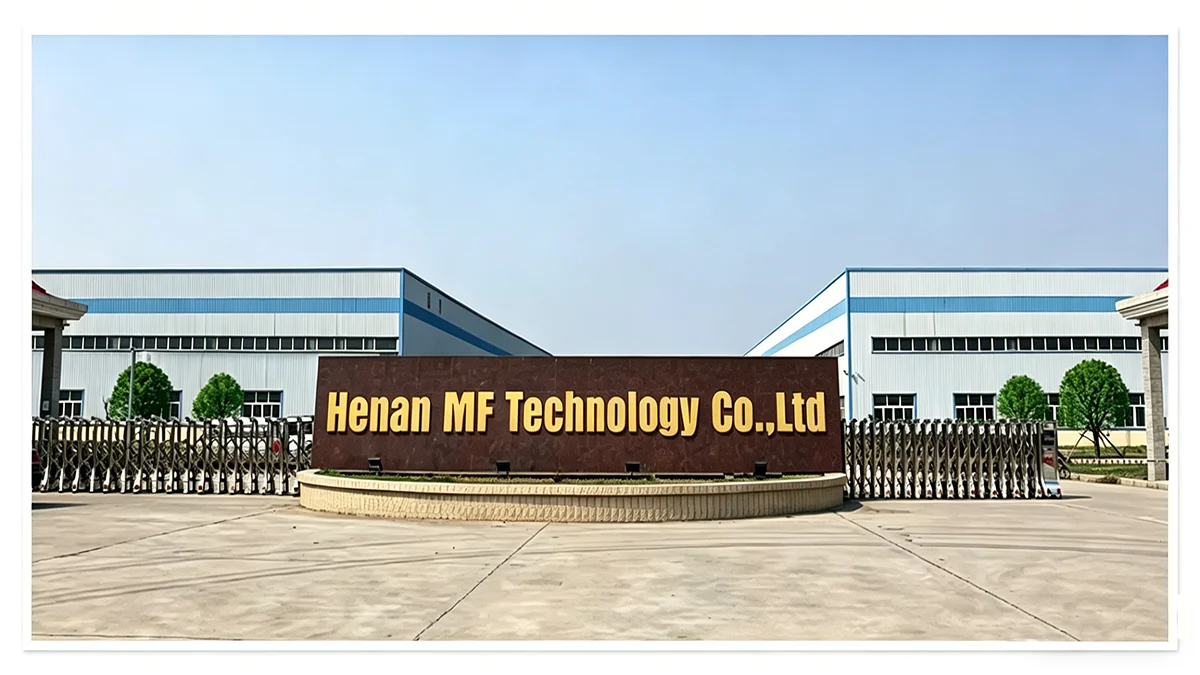
- Trading Company
- Henan, China
- Lead time15 days
- Avg. response≤ 3h
Main productsSlimming Patch,Pain Relief Patches,Detox Foot Patches,Smoke Patches,Ear Candles
Main marketsNorth America(30.00%), Domestic Market(10.00%), Africa(10.00%), Oceania(10.00%), Western Europe(6.00%), Southeast Asia(5.00%), South Asia(5.00%), Central America(5.00%), Eastern Europe(5.00%), Eastern Asia(5.00%), South America(5.00%), Southern Europe(2.00%), Northern Europe(2.00%)
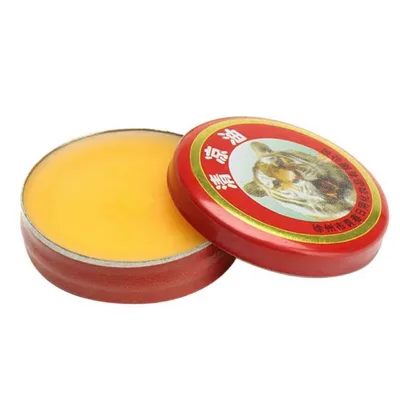
Travel Size Cooling Oil Stick Portable for Headache Relief and Motion Sickness Instant Effect
$0.05 - $0.07
MOQ: 500 boxes
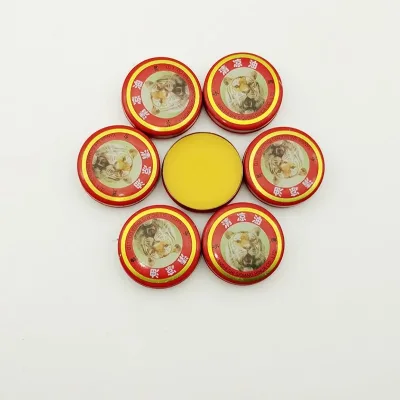
Peppermint Essential Oil Cooling Stick 100% Natural Formula for Headache and Motion Sickness
$0.05 - $0.07
MOQ: 500 boxes
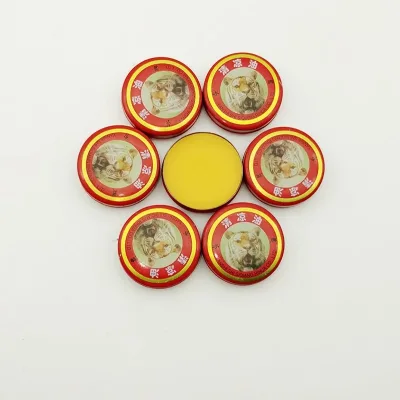
Instant Cooling Relief Stick for Headache and Itchy Skin Natural Menthol Formula for Quick Refresh
$0.05 - $0.07
MOQ: 500 boxes

Sichuan Kangmei Xinrui Health Management Co., Ltd.
- Trading Company
- Sichuan, China
- Lead time0 days
- Avg. response≤ 1h
Main productstoothbrush,Wet wipes,electric toothbrush,teeth whitening strips,Hand cream
Main marketsEastern Asia(20.00%), Oceania(9.00%), Western Europe(8.00%), South America(8.00%), Central America(6.00%), North America(4.00%)

Changzhou Kent Plastic Packaging Co., Ltd.
- Verified by BV
- Combined
- China Jiangsu
- Lead time23 days
- Avg. response≤ 5h
Main productsBubble Mailer, PE Packaging, PE Film, Paper Packaging, Vci Packaging, Thermal Insulated Packaging, PP Film, Pet Film, PVC Film, Air Column Bag/Film
Main marketsDomestic

Shanghai Dasen Industry Co., Ltd.
- Combined
- China Shanghai
- Lead time0 days
- Avg. response≤ 11h
Main productsChiller, Water Chiller, Industrial Chiller, Air Cooled Chiller, Water Cooled Chiller, Screw Chiler, Chiller Machine, Air Conditioning System, Water Pump, Cooling Tower

Fuzhou Green Mechanical and Electrical Technology Co., Ltd.
- Verified by BV
- Combined
- China Fujian
- Lead time15 days
- Avg. response≤ 19h
Main productsAir Cooler, Evaporative Air Cooler, Portable Air Cooler, Desert Air Cooler, Water Evaporative Air Cooler, Swamp Cooler, Climatizadores Evaporativos
Main marketsSouth America,Southeast Asia/ Mideast,Europe,Australia,North America

Dongguan Shengguang Industrial Equipment Co., Ltd.
- Manufacturer
- China Guangdong
- Lead time23 days
- Avg. response≤ 10h
Main productsChiller, Air Cooled Chiller, Water Chiller, Refrigerant Air Dryer, Compressed Air Precise Filter, Heat Exchanger for Control Box, Oil Chiller, Air Dryer, Refrigeration Air Dryer, Water Cooled Chiller
Main marketsSouth America,Southeast Asia/ Mideast,North America

Qidong Dajing Lubrication Equipment Co., Ltd.
- Combined
- China Jiangsu
- Lead time30 days
- Avg. response≤ 7h
Main productsElectric Lubricating Pump, Hand Lubricated Pump, Refueling Pump, Distributor, Oil Lubrication System, Grease Lubrication System, Intelligent Lubrication System, Lubricating System Accessories
Main marketsSoutheast Asia/ Mideast,Domestic,Europe

Shanghai Touch Industrial Development Co., Ltd.
- Verified by TUVRHEINLAND
- Combined
- China Shanghai
- Lead time15 days
- Avg. response≤ 4h
Main productsInstant Hot Pack, Hot Cold Pack, Gel Eye Mask, Gel Ice Pack, Gel Bottle Cooler, Instant Ice Pack, Hand Warmer, Heat Pack, Cooling Scarf, Gel Beads
Main marketsSouth America,Others(foreignTradeCapacity.exportBusinessCapacityMarketOther),Southeast Asia/ Mideast,East Asia(Japan/ South Korea),Domestic,Europe,Australia,North America




Comprehensive Sourcing Guide
Natural Portable Cooling Oil Stick Supplier Concentration and Factory Types
Current data indicates that suppliers for natural portable cooling oil sticks are concentrated in specific Chinese provinces, with Shandong and Guangdong emerging as primary manufacturing hubs. Factories in Shandong often focus on combined production models that handle both personal care and health care equipment, while Guangdong-based entities frequently operate as trading companies or manufacturers specializing in custom packaging and electronic diffuser components. These regional clusters suggest a supply chain where raw material sourcing, such as herbal menthol and essential oils, is integrated with final assembly and packaging capabilities. Buyers should verify if a supplier's stated location aligns with their specific product requirements, as the geographic origin often dictates the type of certification and production capacity available.
The supplier landscape includes a mix of combined companies, trading firms, and direct manufacturers, each offering distinct advantages for different procurement strategies. Some entities provide full ODM and OEM services with their own brands, allowing for deep customization of product formulas and packaging designs. Others function primarily as trading companies, aggregating products from various factories to offer a broader range of items like slimming patches or vape packaging alongside cooling oil sticks. When evaluating concentration, buyers must distinguish between a factory that owns the production line and a trading company that facilitates the transaction, as this distinction impacts quality control, communication speed, and the ability to implement custom specifications for the cooling oil stick.
How to Verify Natural Portable Cooling Oil Stick Suppliers
Verification of suppliers requires a rigorous check of their business credentials and product-specific certifications to ensure compliance with international standards. Current results show that some suppliers hold BV verification status, while others possess TUVRHEINLAND certification, indicating third-party validation of their business operations. For the product itself, buyers should look for specific certifications such as GMPC, ISO, MSDS, COA, and CE, which are listed in product attributes for various cooling oil stick models. These documents confirm that the manufacturing process adheres to quality management systems and that the ingredients, such as herbal menthol, meet safety requirements for external use.
Beyond general business verification, buyers must scrutinize the specific product attributes provided in the supplier's catalog to confirm authenticity and capability. Evidence suggests that suppliers offer customization options for product names, colors, and packaging, but the availability of these features must be confirmed through direct inquiry. The presence of certifications like ISO and CE on the product level is critical, as it validates the safety of the essential oil formulations. Buyers should request copies of these certificates and cross-reference them with the supplier's claimed capabilities, ensuring that the stated origin, such as China or specific provinces, matches the documentation provided for the specific batch of natural portable cooling oil sticks being sourced.
What to Compare Across Natural Portable Cooling Oil Stick Suppliers
When comparing suppliers, key dimensions include lead time, minimum order quantity (MOQ), and response speed, which vary significantly across the market. Data indicates lead times ranging from 15 days to 30 days, with some suppliers offering faster turnaround times for standard orders while others require longer periods for customized production. MOQs also differ, with some suppliers requiring orders as low as 2,000 units, while others set thresholds at 5,000 or even 10,000 units. Response times, measured in hours, can range from approximately 2.3 hours to over 5 hours, influencing the efficiency of communication during the negotiation and sampling phases.
Price and capacity for customization are equally critical factors in the comparison process. Unit prices for natural portable cooling oil sticks can vary, with some listings showing prices around $0.90 per unit and others ranging from $0.10 to $0.21 depending on the specific formulation and packaging. Suppliers with ODM and OEM capabilities offer greater flexibility in branding and formula development, which is essential for buyers seeking unique market positioning. Buyers should create a comparison matrix that weighs these variables against their specific project needs, ensuring that the selected supplier can meet both the volume requirements and the timeline constraints without compromising on the quality of the herbal ingredients or the final product performance.
Common Natural Portable Cooling Oil Stick Sourcing Risks
One significant risk in sourcing natural portable cooling oil sticks is the potential mismatch between claimed certifications and actual product compliance. While some suppliers list certifications like GMPC, ISO, and CE, the absence of these marks on specific product batches or the lack of verifiable documentation can lead to regulatory issues in the destination market. Buyers must be cautious of suppliers who claim broad certification coverage without providing specific test reports for the exact product model, as this can result in customs delays or product recalls. The complexity of herbal formulations adds another layer of risk, as ingredient variations can affect the efficacy and safety of the cooling oil stick.
Another risk involves the reliability of supply chain logistics and the consistency of production quality across different batches. Suppliers with longer lead times or those operating as trading companies may face challenges in maintaining consistent quality control, especially when dealing with custom orders that require specific packaging or branding. The variability in response times, ranging from a few hours to several days, can also delay critical decision-making and sampling processes. Buyers should mitigate these risks by establishing clear communication protocols, requesting pre-shipment samples, and verifying the supplier's ability to maintain consistent production standards over time, ensuring that the natural portable cooling oil sticks meet the expected quality benchmarks.
Natural Portable Cooling Oil Stick Regional Sourcing and Logistics
Regional sourcing strategies should focus on the specific advantages offered by different manufacturing hubs, such as Shandong and Guangdong, which are identified as key production areas. Suppliers in these regions often have established infrastructure for handling the complex logistics of exporting herbal products, including proper packaging to prevent leakage and ensure product integrity during transit. The proximity of raw material sources, such as essential oil farms and herbal processing facilities, to these manufacturing clusters can reduce lead times and improve the freshness of the ingredients used in the cooling oil sticks. Buyers should consider the logistical implications of sourcing from these regions, including shipping costs and delivery times, when planning their procurement strategy.
Logistics planning must also account for the specific packaging requirements of natural portable cooling oil sticks, which often involve small, portable containers that require careful handling. Suppliers in Guangdong, for instance, may offer specialized packaging solutions like carton boxes designed for efficient stacking and protection during shipping. The choice of logistics partner and shipping method can significantly impact the overall cost and delivery timeline, making it essential for buyers to coordinate closely with their suppliers to optimize these processes. By understanding the regional strengths and logistical capabilities of different suppliers, buyers can streamline their supply chain and ensure that the natural portable cooling oil sticks arrive on time and in perfect condition.
Natural Portable Cooling Oil Stick Commercial Terms and Order Planning
Commercial terms for natural portable cooling oil sticks often include specific conditions regarding payment, customization, and delivery, which must be clearly defined before placing an order. Suppliers may offer flexible payment terms based on the order volume and the level of customization required, with some accepting standard trade terms while others may require deposits for custom production runs. Buyers should negotiate these terms carefully to ensure they align with their cash flow and risk management strategies, particularly when dealing with large MOQs or complex customization requests. The clarity of these terms is crucial for avoiding disputes and ensuring a smooth transaction process.
Order planning for natural portable cooling oil sticks requires a detailed understanding of the supplier's production capacity and lead times to ensure timely delivery. Buyers should plan their orders well in advance, accounting for the time required for sampling, customization, and production, which can range from 15 to 30 days depending on the supplier. It is also important to consider the potential for delays due to external factors such as raw material shortages or logistical challenges. By developing a robust order plan that includes buffer time for unexpected delays and clear communication channels with the supplier, buyers can effectively manage their inventory and meet market demand for natural portable cooling oil sticks.
FAQs
What is the price range for natural portable cooling oil sticks?
Prices for these sticks typically range from $0.105 to $2.35 per unit depending on the specific product type and customization requirements. Basic herbal cooling oil sticks are available at lower price points, while electric diffuser sticks or premium essential oil roll-ons command higher costs. Buyers should expect variations based on volume and packaging specifications.
What are the minimum order quantities for these products?
Minimum order quantities vary significantly by product type. Pain relief sticks generally require a minimum order of 5,000 units. Essential oil roll-ons often have a higher threshold of 10,000 units. Portable electric diffuser sticks typically start at 2,000 units. Buyers should verify specific MOQs with suppliers as these figures are subject to change based on customization needs.
How long does production take for these items?
Lead times for manufacturing these items generally range from 15 to 30 days. Suppliers in Guangdong may offer faster turnaround times around 15 days, while those in Shandong might require up to 30 days. Buyers should confirm exact production schedules with their chosen supplier to ensure timely delivery for their specific order volume and customization requirements.
What certifications are available for pain relief sticks?
Certifications for pain relief sticks often include GMPC, ISO, MSDS, and COA. Some medicinal oil products may also carry CE certification. Buyers should request specific certification documents from suppliers to verify compliance with their target market regulations. These certifications ensure the products meet safety and quality standards for external use and herbal ingredients.
Can these products be customized for private labeling?
Yes, customization is widely available for these products. Suppliers offer OEM and ODM services, allowing for custom logos, colors, packaging, and even product formulations. Buyers can request customized sizes, scents, and packaging designs to match their brand identity. It is important to discuss customization details and additional costs directly with the supplier before placing an order.
Where are these suppliers located?
Suppliers for these products are primarily located in China, specifically in provinces like Shandong, Guangdong, and Henan. Guangdong suppliers often focus on electronic diffusers and packaging, while Shandong and Henan suppliers may specialize in herbal sticks and patches. Buyers can filter suppliers by location to find manufacturers closer to their shipping ports or preferred regions.