Rabbit Pet Clothes Suppliers and Manufacturers - 23 Factories
Compare 23 verified Rabbit Pet Clothes suppliers offering customization, MOQs from 1 to 10 pieces, and lead times of 2 to 7 days. Review product materials like fleece and cotton, along with response times and shipping ports before requesting quotes.
Updated
Suppliers List
Shenzhen Heyri Technology Co., Ltd.
- Verified by SGS Group
- Manufacturer, Trading Company
- Lead time7 days
- Avg. response≤ 2h
Main productsPet Leading Products, Pet Collars, Pet Leashes, Pet Harness, Pet Training Bags
Main marketsNorth America(25%), Oceania(15%), Western Europe(13%)

- Verified by SGS
- Trading Company
- China Zhejiang
- Lead time15 days
- Avg. response≤ 15h
Main productsPet Harness, Pet Collar, Pet Leash, Pet Feeder, Pet Carries, Pet Toy, Pet Bed, Pet Grooming, Pet Accessories
Main marketsEurope,Australia


Spring and Autumn Pet Cat Clothing Cute Funny Funny Clothing Funny Cat and Dog Clothes
$2.91 - $3.17
MOQ: 1000 Pieces

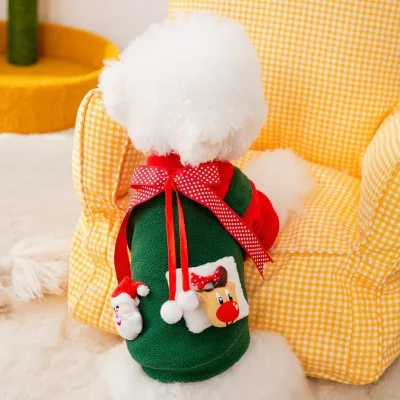
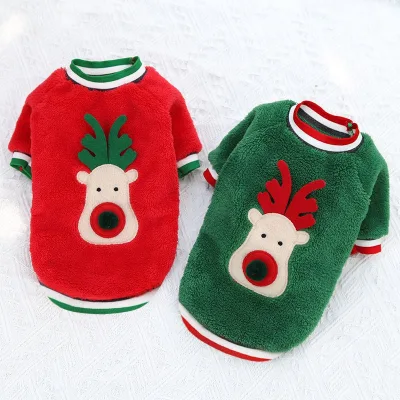
Dog Clothes Costume Christmas Pet Dog Clothing Winter Hoodie Coat Pet Dress
$1.78 - $1.83
MOQ: 500 Pieces


- Verified by TUVRHEINLAND
- Trading Company
- China Jiangsu
- Lead time15 days
- Avg. response≤ 7h
Main productsPet Products, Pet Clothes, Pet Supply, Dog Collars&Leashes, Dog Harness, Dog Carriers, Dog Beds, Dog Bowls, Dog Scissors, Dog Toys
Main marketsSouth America
Dongguan Huawang Ornament Manufactory
- Manufacturer, Trading Company
- Guangdong, China
- Lead time7 days
- Avg. response≤ 6h
Main productsPet clothes,DIY slide charms,pet collars & leashes,necklaces,fashion jewelry
Main marketsWestern Europe(20.00%), Eastern Europe(20.00%), South America(20.00%), North America(20.00%), Northern Europe(10.00%), Domestic Market(2.00%), South Asia(2.00%), Mid East(2.00%), Central America(2.00%), Africa(2.00%)

Rizhao Spring Trading Co., Ltd.
- Verified by CTI
- Manufacturer/Factory
- China Shandong
- Lead time15 days
- Avg. response≤ 3h
Main productsWalnut, Pet House, Peanut, Cat Litter, Pet Products, Pet Food, Cat Food, Pet Treats, Dog Food, Pet Toys
Main marketsMid East,North America,Western Europe

- Verified by TUVRHEINLAND
- Trading Company
- China Zhejiang
- Lead time0 days
- Avg. response≤ 11h
Main productsCat Litter Box, Pet Feeder, Pet Toy, Pet Cloth, Pet Bed, Pet Carrier, Storage Bucket, Plastic Storage, Storage Rack, Lunch Box

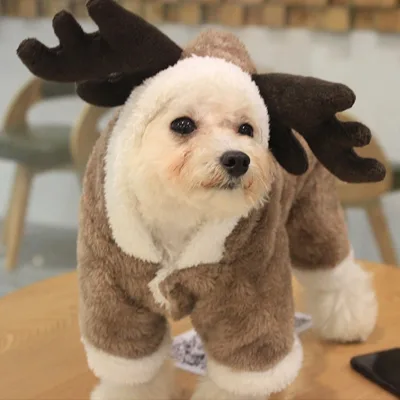
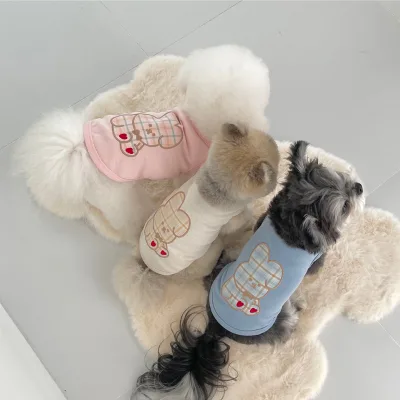
Hot Sale Cute Bear Rabbit Dog Clothes Soft Warm Comfortable Breathable Pet Clothes
$1.83 - $2.39
MOQ: 100 Pieces


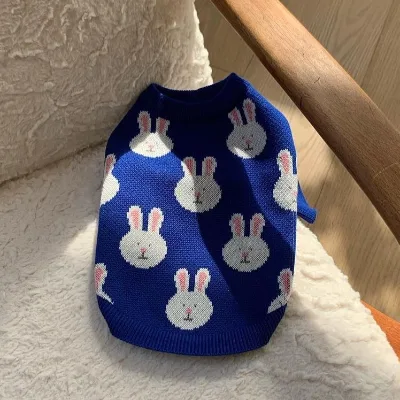
Pet Fleece Bunny Costume Dog Winter Clothes Warm Dog Clothes Small Pet Clothes
$2.16 - $2.73
MOQ: 100 Pieces

Hot Sale Bear Pattern Rabbit Couple Clothes Dog Clothes Soft Warm Comfortable Breathable Pet Clothes
$2.23 - $2.43
MOQ: 100 Pieces

Lovely Design Cute Bear Rabbit Dog Clothes Soft Warm Comfortable Breathable Pet Clothes
$1.47 - $1.67
MOQ: 100 Pieces

Henan Kangdar Pet Products Co.ltd
- Verified by Intertek
- Manufacturer, Trading Company
- Lead time5 days
- Avg. response≤ 4h
Main productsPet hoodie, Dog treadmill, Dog bite tug toy, Dog trainer bite-proof suit, Birdcage
Main marketsNorth America(52%), Eastern Europe(15%), Domestic Market(13%)
Ningbo City Beijila Pets Products Co., Ltd.
- Verified by SGS Group
- Trading Company
- Lead time15 days
- Avg. response≤ 4h
Main productsPet Cleaning & Grooming Brush, Pet Dog & Cat Toy, Pet Collars & Leashes, Pet Feeder, Pet Apparel & Accessories
Main marketsNorth America(40%), Eastern Europe(8%), Oceania(8%)
Dongyang Hanhanle Pet Products Co., Ltd.
- Manufacturer, Trading Company
- Zhejiang, China
- Lead time25 days
- Avg. response≤ 6h
Main productspet products
Main marketsDomestic Market(65.00%), North America(8.00%), Southern Europe(7.00%), Southeast Asia(6.00%), Western Europe(4.00%), South America(3.00%), Eastern Asia(3.00%), Central America(2.00%), Oceania(2.00%)

Hangzhou Tianyuan Pet Products Co., Ltd.
- Verified by TUVRHEINLAND
- Combined
- China Zhejiang
- Lead time30 days
- Avg. response≤ 14h
Main productsPet Beds, Cat Trees, Pet Products, Pet Accessories, Pet Supplies, Pet Collar, Pet Toy, Pet Brush, Pet Bowl, Pet Clothes
Main marketsEurope,North America
Hangzhou Hellomoon Trading Co., Ltd.
- Verified by Intertek
- Trading Company
- Lead time5 days
- Avg. response≤ 5h
Main productsPet Clothes, Pet Toys, Pet Feeders, Pet Leads, Pet Beds
Main marketsNorth America(39%), Eastern Europe(13%), Oceania(11%)
Xi'an Canal Fashion Bio-Tech Co., Ltd.
- Verified by Intertek
- Trading Company
- Lead time5 days
- Avg. response≤ 4h
Main productsPet Clothes, Pet Toys, Pet Collars & Leashes, Pet Ornaments, Pet Food

- Verified by TUVRHEINLAND
- Trading Company
- China Zhejiang
- Lead time15 days
- Avg. response≤ 12h
Main productsWooden Toy, Outdoor Product, Kitchen Item, Personal Care Tool, Painting Set, Disk Rack, Yoga, Garden
Main marketsSouth America,Europe,North America
Guangzhou Babyhouse Pet Supplies Company Limited
- Manufacturer, Trading Company
- Guangdong, China
- Lead time5 days
- Avg. response≤ 3h
Main productsCollars,Harnesses,Leashes,Dog Muzzles,Toys
Main marketsNorth America(50.00%), Western Europe(10.00%), Southeast Asia(10.00%), Eastern Europe(10.00%), South America(10.00%), Northern Europe(5.00%), Central America(5.00%)

- Verified by BV
- Trading Company
- China Zhejiang
- Lead time30 days
- Avg. response≤ 14h
Main marketsSouth America,Africa,Southeast Asia/ Mideast,East Asia(Japan/ South Korea),Europe,Australia,North America
Anhui Orange Animal Husbandry Co., Ltd.
- Verified by SGS Group
- Manufacturer, Trading Company
- Lead time0 days
- Avg. response≤ 2h
Main productsPet Cages and Accessories, Small Animal Chew Toys, Pet Accessories, Collar and Leash for Pets, Pet Cleaning and Beauty Products
Main marketsDomestic Market(60%), North America(12%), South America(12%)

Haining Free Import & Export Co., Ltd.
- Trading Company
- zhejiang, China
- Lead time3 days
- Avg. response≤ 6h
Main productsPet Toys,Pet Clothing,Pet Harness,Pet Slow Feed Bowl
Main marketsNorth America(50.00%), Domestic Market(5.00%), South Asia(5.00%), Southern Europe(5.00%), Northern Europe(5.00%), Western Europe(5.00%), Eastern Asia(5.00%), Oceania(5.00%), Southeast Asia(5.00%), Eastern Europe(5.00%), South America(5.00%)
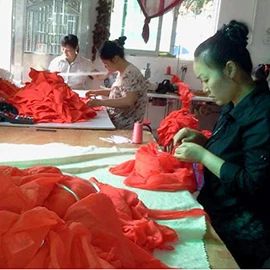
Hunan Coolgle Pet Products Co., Ltd.
- Trading Company
- Hunan, China
- Lead time7 days
- Avg. response≤ 9h
Main productsPet Clothes,Pet Collar & Leash,Pet Bed & Cushion,Pet Bag & Carrier,Pet Toys & Accessories
Main marketsEastern Europe(20.00%), South America(15.00%), North America(10.00%), Central America(10.00%), Southern Europe(5.00%), Northern Europe(5.00%), Western Europe(5.00%), Mid East(5.00%), Southeast Asia(2.00%), Oceania(2.00%), Africa(2.00%), South Asia(1.00%)

Aiersheng (hubei) International Trade Co., Ltd.
- Trading Company
- Hubei, China
- Lead time25 days
- Avg. response≤ 1h
Main productsPet toys,Pet cleaning products,Pet clothes,Pet collar,Pet backpack
Main marketsWestern Europe(15.00%), Northern Europe(15.00%), Southeast Asia(15.00%), Eastern Europe(15.00%), South America(15.00%), North America(15.00%), Mid East(10.00%)
Shanghai Holley International Trading Co., Ltd.
- Trading Company
- Shanghai, China
- Lead time10 days
- Avg. response≤ 6h
Main productsPet Products
Main marketsWestern Europe(40.00%), North America(25.00%), South America(15.00%), Southeast Asia(10.00%), Mid East(10.00%)

Dongguan Petisland Pet Product Co., Ltd.
- Verified by CTI
- Manufacturer/Factory
- China Guangdong
- Lead time23 days
- Avg. response≤ 1h
Main productsDog Collar, Dog Leash, Dog Harness, Dog Clothes, Dog Toy, Dog House, Dog Bed, Dog Product
Main marketsSouth America,Eastern Europe,Mid East,North America,Southeast Asia,Eastern Asia,Oceania,Western Europe,Africa

Ningbo V. K. Industry and Trading Co., Ltd.
- Verified by BV
- Trading Company
- China Zhejiang
- Lead time30 days
- Avg. response≤ 7h
Main productsIce Bath Tub, Cosmetic Glass Bottle, Hydroponics Grow Box, Baby Bottle, Inflatable Tent, Cream Jar, Reed Diffuser Bottle, Jewish Products, Mezuzah Case
Main marketsSouth America,Europe,Australia,North America

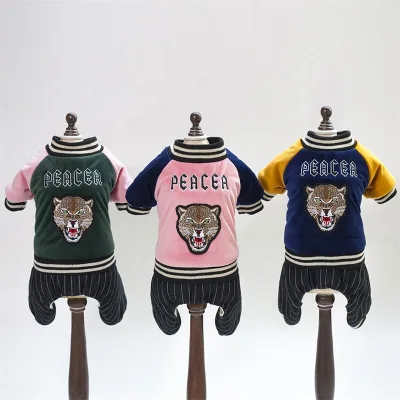
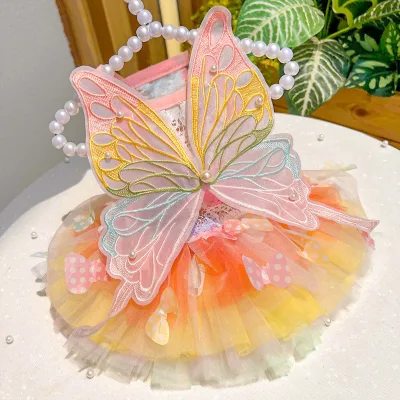
Fashion Custom Embroidered Pet Clothing Yorkshire Pet Dog Cat Dress Clothing
$3.49 - $5.99
MOQ: 100 Pieces


Shenzhen Sweetpet Pet Product Co., Ltd.
- Trading Company,Manufacturer/Factory
- China Guangdong
- Lead time23 days
- Avg. response≤ 3h
Main productsDog Collar, Dog Leash, Dog Harness, Dog Clothes, Dog Bed, Pet Supply, Pet Accessory, Pet Toys, Pet Bowl, Cat Toys
Main marketsSouth America,Eastern Europe,North America,Oceania,Western Europe

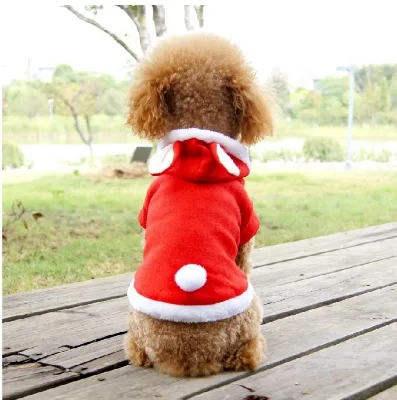
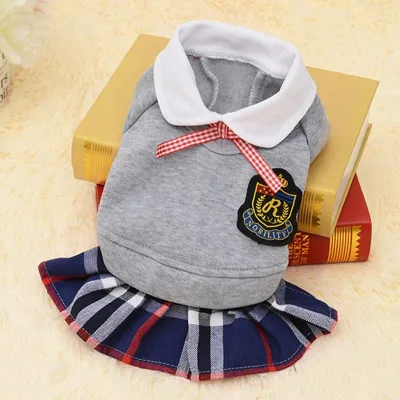
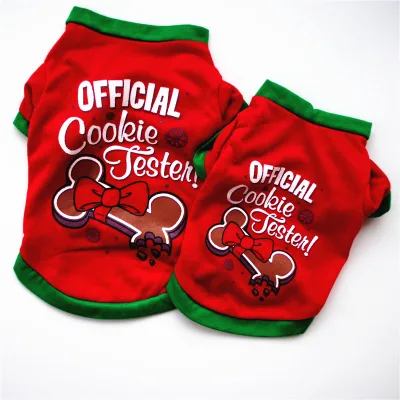
Pet Dog Christmas Clothes Costume, Dog Clothes for Small Medium Dogs and Cats
$1.00 - $3.00
MOQ: 20 Pieces



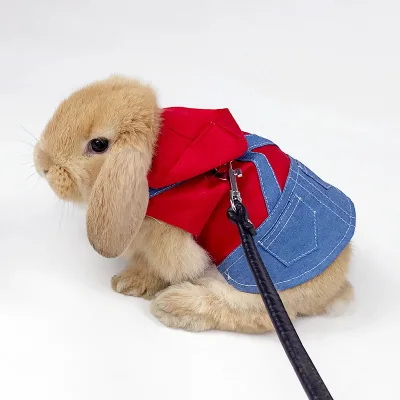

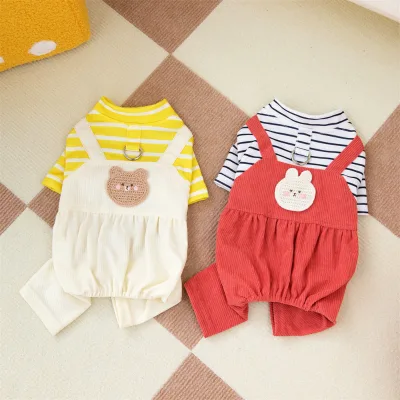
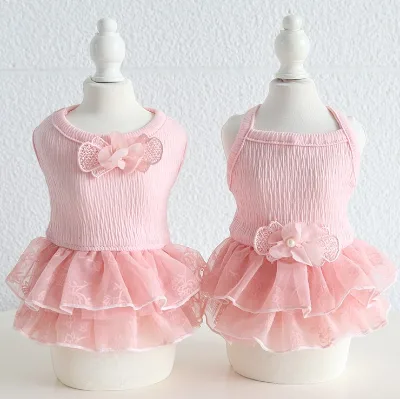
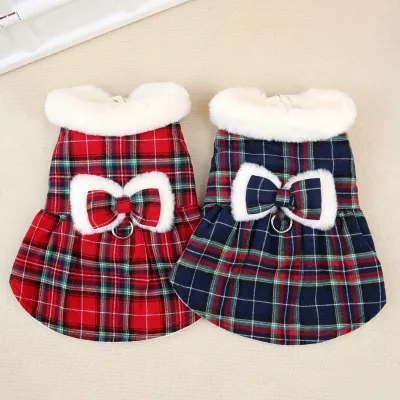
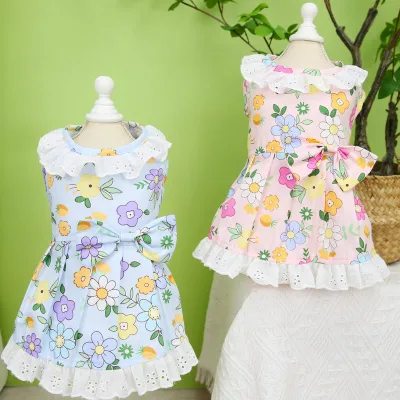


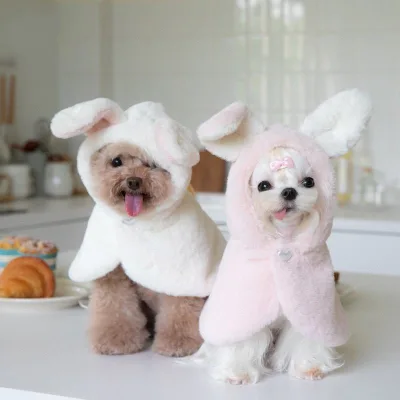
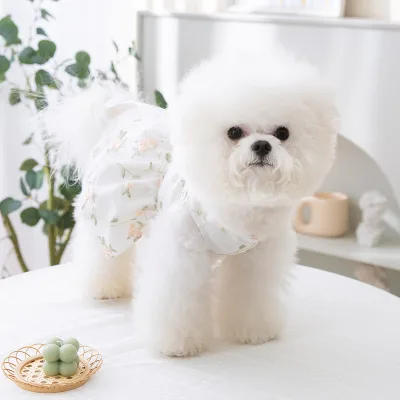
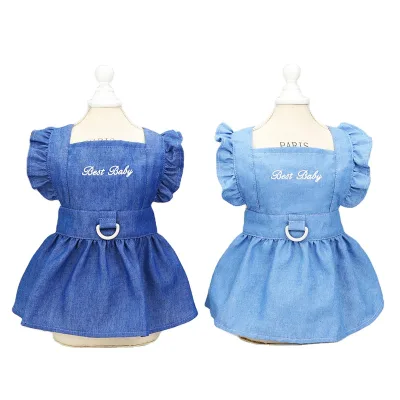
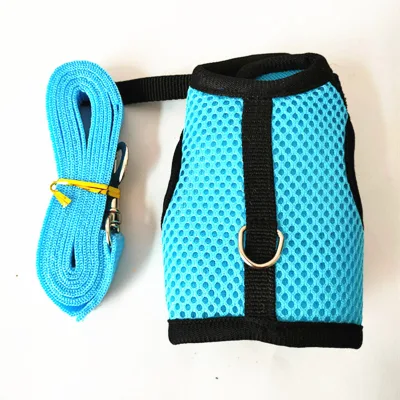
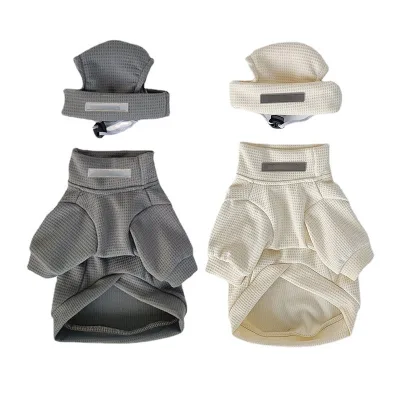
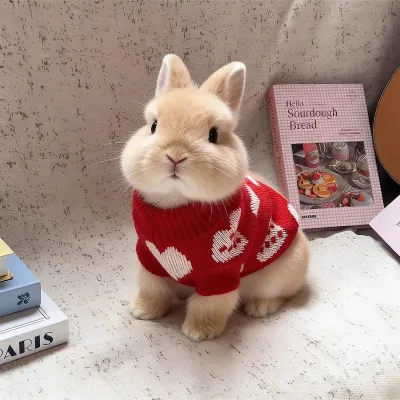
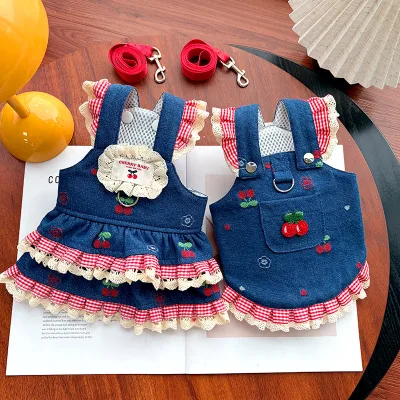
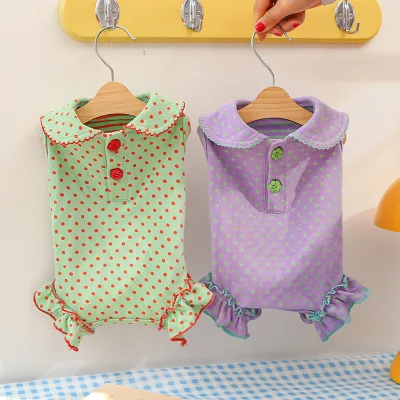
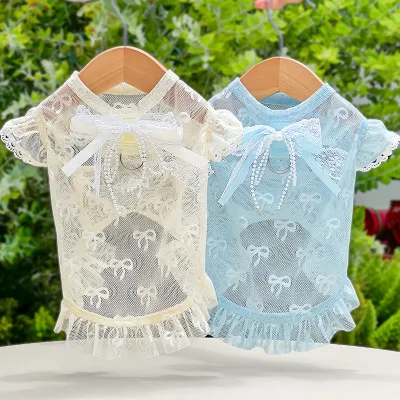
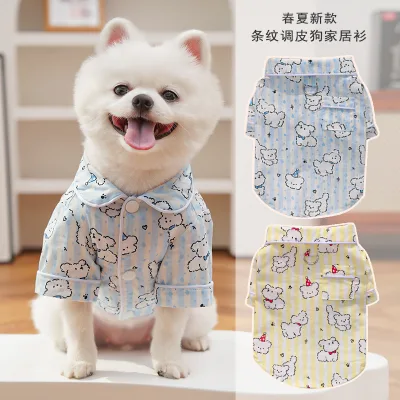
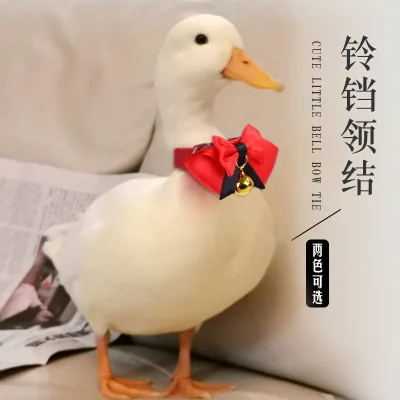


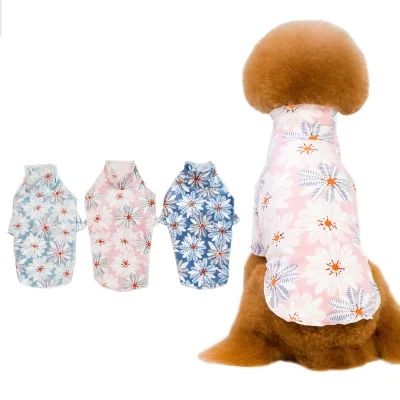
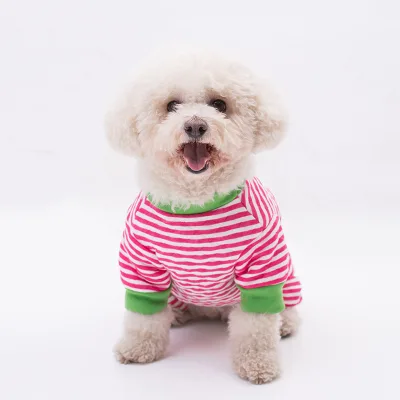
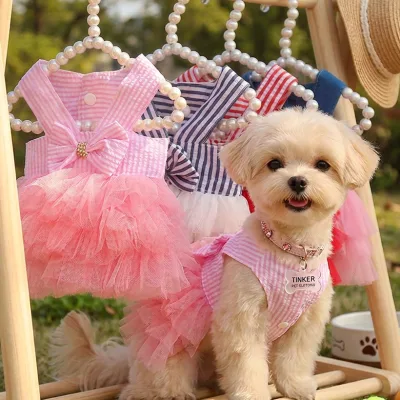
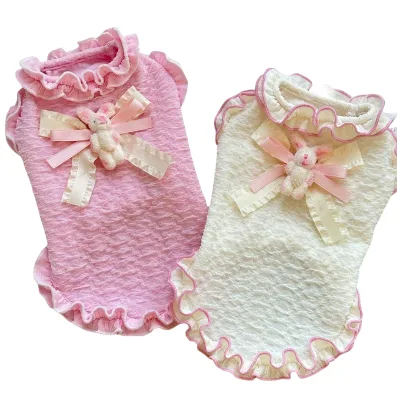
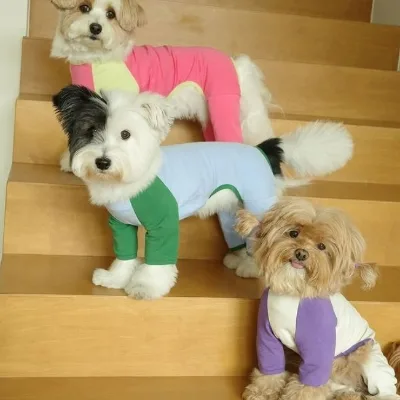
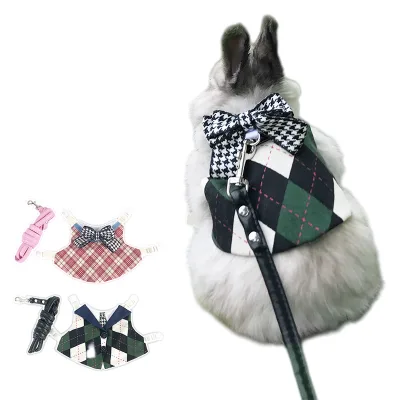
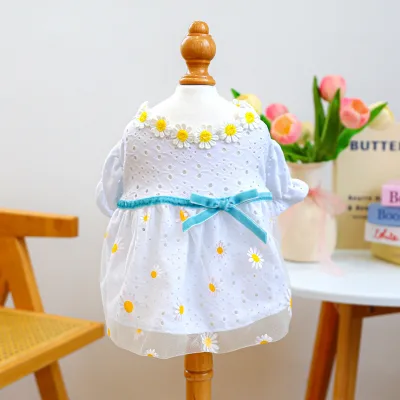
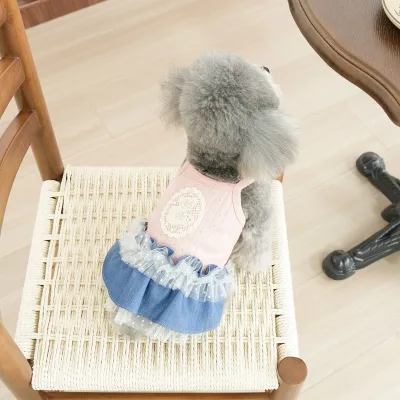
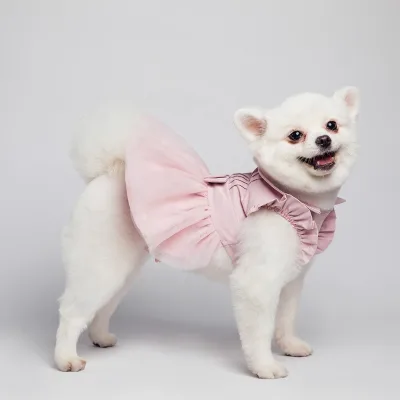


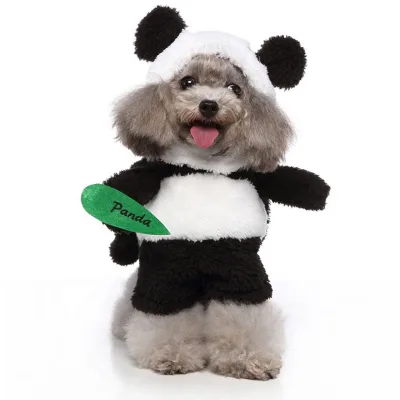
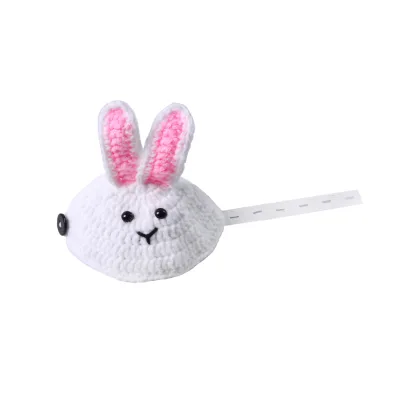


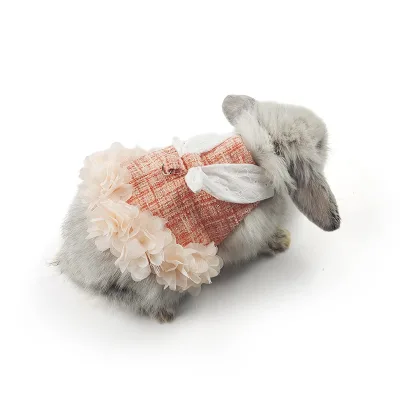
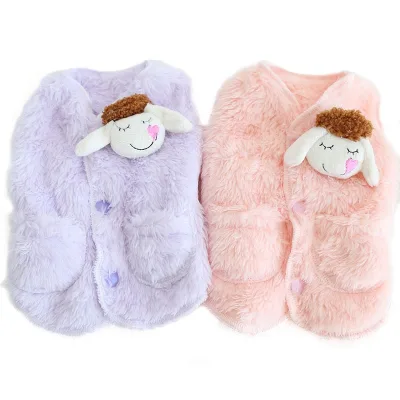
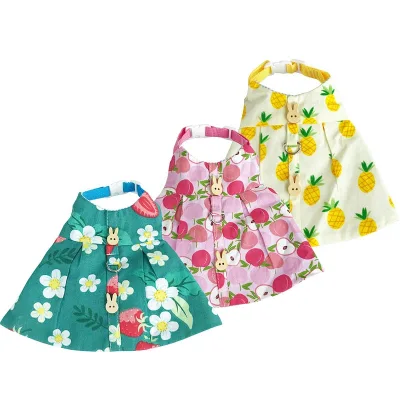
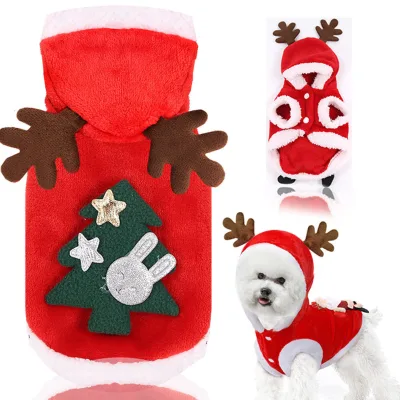
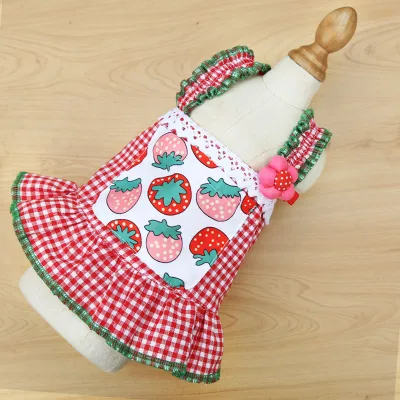
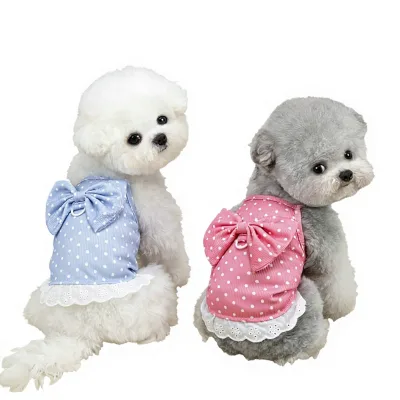
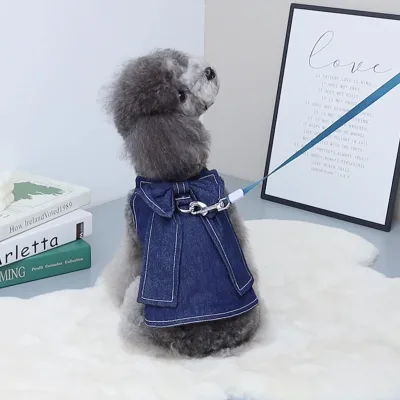
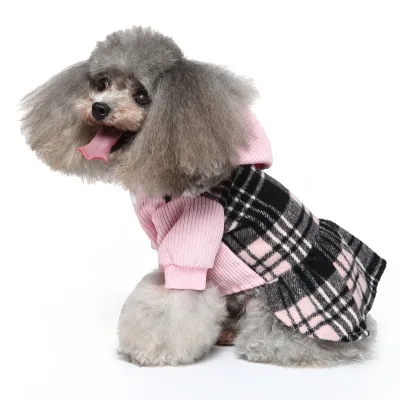
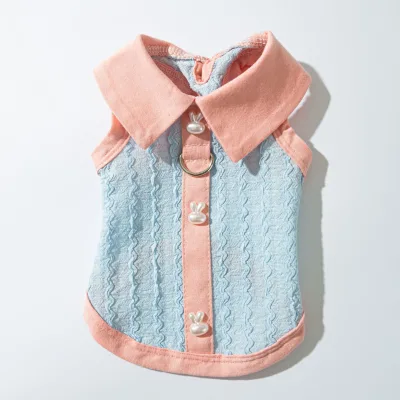


Comprehensive Sourcing Guide
Rabbit Pet Clothes Supplier Concentration and Factory Types
The current supplier landscape for Rabbit Pet Clothes reveals a mix of manufacturers and trading companies, with a verified count of twenty-three active entities. These suppliers primarily operate as manufacturers capable of light customization, sample processing, and graphic processing, while others function as trading companies facilitating broader product ranges. The main product focus across these entities includes pet collars, leashes, harnesses, training bags, and specialized apparel, indicating a strong capacity for producing diverse pet accessories alongside the core rabbit clothing items. This dual structure allows buyers to access both direct factory pricing and the logistical flexibility of trading firms, though the specific balance varies by vendor.
Geographic concentration is a critical factor in this sector, with observed product origins pointing to Guangdong, China, as a primary manufacturing hub. This region is known for its established textile infrastructure and ability to support rapid production cycles for pet apparel. When evaluating potential partners, buyers should verify if the supplier's facility is located within this cluster to ensure access to specialized materials like fleece and cotton, which are frequently cited in product attributes. If a supplier does not explicitly state their location, it is essential to request proof of origin before proceeding, as the supply chain efficiency and material quality often correlate directly with the supplier's proximity to these established industrial zones.
How to Verify Rabbit Pet Clothes Suppliers
Verification is a critical step when sourcing Rabbit Pet Clothes, as the market includes both direct manufacturers and intermediaries. A key indicator of reliability is the presence of third-party verification, such as the SGS Group certification observed in the current results. Buyers should prioritize suppliers who display such credentials, as they provide an independent assessment of the company's operational standards and product quality. It is important to note that not every supplier will have this specific verification visible, so the absence of a badge does not automatically disqualify a vendor, but its presence significantly reduces risk.
Beyond external certifications, buyers must scrutinize the supplier's response time and communication capabilities. The data indicates that some suppliers offer a response time of two units, which suggests a high level of engagement and readiness to address inquiries promptly. A fast response time often correlates with better project management and a willingness to accommodate custom requests, such as private labeling or specific design adjustments. When contacting potential partners, buyers should test this responsiveness by asking detailed questions about their customization capabilities and sample processing times to gauge their actual operational efficiency before committing to an order.
What to Compare Across Rabbit Pet Clothes Suppliers
When comparing suppliers, the minimum order quantity (MOQ) is a primary differentiator that impacts budget and inventory planning. The observed data shows a wide range, with some suppliers offering an MOQ of just one piece, while others require ten pieces or more. This variation allows buyers to select partners that align with their specific volume needs, whether they are testing a new design with a single unit or preparing for a larger seasonal launch. It is crucial to verify the exact MOQ for each specific product style, as requirements can differ between standard items and custom designs, and buyers should not assume a uniform policy across a supplier's entire catalog.
Lead times and production capacity are equally vital metrics for comparison. While some suppliers indicate a lead time of seven days, others specify delivery windows of five to seven days after payment, and some mention a range of two to five days for specific items. These differences reflect varying levels of production readiness and supply chain stability. Buyers should also compare the customization capabilities, noting that many suppliers offer light customization, customized on-demand services, and graphic processing. Understanding these capacity limits helps in planning realistic timelines for product launches and ensures that the chosen supplier can meet the specific production demands of the Rabbit Pet Clothes line.
Common Rabbit Pet Clothes Sourcing Risks
One significant risk in sourcing Rabbit Pet Clothes involves the inconsistency of product specifications and material quality. While many products are described as being made from fleece or cotton, the specific quality of these materials can vary between suppliers. For instance, some items are marketed as eco-friendly, while others focus on features like being warm for cold weather. Without a standardized quality control process, buyers may receive goods that do not match the expected durability or comfort levels. It is essential to request physical samples to verify material composition and construction quality before placing bulk orders, ensuring that the final product meets the intended standards for pet safety and comfort.
Another risk relates to the reliability of delivery timelines and the potential for delays in production. Although some suppliers advertise short lead times, external factors such as raw material shortages or logistical bottlenecks can impact these estimates. The observed delivery times range from three to seven days, but these figures often apply to stock products rather than custom orders. Buyers should be cautious of suppliers who promise extremely short turnaround times without providing a clear production schedule. Verifying the supplier's track record for on-time delivery and understanding their contingency plans for delays can mitigate the risk of missing critical market windows or facing inventory shortages.
Rabbit Pet Clothes Regional Sourcing and Logistics
Logistics planning is heavily influenced by the geographic location of the manufacturing base, with Guangdong, China, emerging as a dominant region for pet apparel production. Suppliers in this area typically utilize major ports like Shenzhen for shipping, which facilitates efficient export to global markets. The proximity to these ports often results in streamlined documentation and faster transit times for finished goods. Buyers should confirm the specific port of shipment for each supplier, as this detail affects shipping costs and delivery schedules. Understanding the logistics network of the supplier's region helps in estimating total landed costs and planning the distribution strategy for the Rabbit Pet Clothes.
Packaging and handling standards also vary by region and supplier, impacting the condition of goods upon arrival. Product attributes indicate that items are often packed in OPP bags, with some suppliers offering custom packing options for private label orders. The single package size and gross weight data provided for various items help in calculating shipping volumes and freight costs accurately. Buyers should inquire about the packaging details for their specific order to ensure that the products are protected during transit and meet any destination-specific labeling requirements. Proper packaging not only prevents damage but also enhances the unboxing experience for the end consumer, adding value to the final product.
Rabbit Pet Clothes Commercial Terms and Order Planning
Commercial terms, particularly payment methods and pricing structures, are fundamental to successful order planning in the Rabbit Pet Clothes sector. The observed data suggests that payment is commonly made via T/T, a standard method for international trade that offers security for both parties. Pricing varies significantly based on product features, with ranges observed from approximately two to four dollars per unit depending on the design and material. Buyers should negotiate clear pricing tiers based on order volume, as the MOQ and unit price often have an inverse relationship. Understanding these financial terms early in the process helps in budgeting accurately and avoiding unexpected costs that could erode profit margins.
Order planning must also account for the customization and branding options available from suppliers. Many vendors offer OEM and ODM services, allowing for private labeling and custom designs, which is crucial for building a unique brand identity. The availability of sample processing and graphic processing capabilities enables buyers to validate designs before mass production. However, these custom services often come with specific lead times and minimum order requirements that differ from standard stock items. Buyers should integrate these customization timelines into their overall production schedule, ensuring that there is sufficient time for sample approval, production, and shipping to meet market launch dates without compromising quality or delivery commitments.
FAQs
What is the minimum order quantity for Rabbit Pet Clothes?
The minimum order quantity varies by supplier and product style. Some listings accept a single piece for sample testing, while others require ten pieces for standard orders. Buyers should check the specific product page to confirm the exact MOQ before placing a bulk purchase to ensure it aligns with their inventory needs.
How long does delivery take for these pet garments?
Delivery times typically range from three to seven days after payment confirmation for stock items. Some suppliers offer faster turnaround times of two to five days for specific styles. Buyers should verify the exact lead time with the supplier, as custom orders or private label requests may require additional processing time beyond the standard window.
Are these pet clothes made from eco-friendly materials?
Many available options are marketed as eco-friendly, utilizing materials like fleece and cotton. These fabrics are chosen for their softness and comfort for small animals. Buyers should review the specific product attributes to confirm the material composition and any eco-certifications, as not all listings explicitly state environmental compliance in their descriptions.
Can I get custom branding on these rabbit outfits?
Custom branding and private labeling are available from many manufacturers. Suppliers offer OEM and ODM services to add your logo or design to the garments. Buyers should contact the supplier directly to discuss customization options, including minimum order quantities for branded items and any additional costs associated with private label production.
What sizes are available for small pet clothing?
Standard sizes typically include XS, S, M, L, and XL to fit small to medium-sized pets. Some listings also offer XXL for larger breeds. Buyers should consult the specific size chart provided by the supplier to ensure a proper fit, as sizing can vary slightly between different manufacturers and product styles.
Where are these pet clothes manufactured?
Most of the listed products are manufactured in Guangdong, China. This region is known for its strong textile and garment manufacturing capabilities. Buyers can verify the place of origin on each product listing to confirm the manufacturing location and assess any potential shipping or logistical implications for their specific region.