Rainforest Glass Reptile Tank Suppliers and Manufacturers
Explore 21 verified suppliers offering Rainforest Glass Reptile Tank options with varying lead times, certifications, and response speeds. Compare dimensions, materials, and MOQs to find the right fit for your needs. Contact suppliers directly to request samples or custom quotes.
Updated
Suppliers List
Bests Industrial And Trading Co., Ltd.
- Verified by TüVRheinland
- Trading Company
- Lead time10 days
- Avg. response≤ 1h
Main productsAquarium Supplies, Pet Supplies, Aquaculture Supplies, Reptile Accessories
Main marketsNorth America(20%), South America(15%), Western Europe(15%)

TIANJIN MCLANZOO PET ARTICLES CO., LTD
- Verified by CTI
- Combined
- China Tianjin
- Lead time30 days
- Avg. response≤ 15h
Main productsReptile, Pet, Terrarium, Bulb, Water Dish, Feeding Dish, Cave, Substrates, Ceramic Heater, Heat Cable
Main marketsAustralia

Bests Industrial and Trading Co., Ltd
- Verified by TUVRHEINLAND
- Trading Company,Manufacturer/Factory
- China Anhui
- Lead time0 days
- Avg. response≤ 3h
Main productsAquarium Supplies, Reptile Supplies, Aquaculture Supplies, Pet Supplies, Aquarium Filter, Aquarium Light, Aquarium Soil, Aquarium Pump, Reptile Light, Bio Filter Media
Main marketsSouth America,Eastern Europe,Mid East,North America,Southeast Asia,Eastern Asia,Oceania,Western Europe,Africa


Reptile Glass Terrarium Tank with Screen Ventilation Reptile Terrarium
$23.00 - $27.00
MOQ: 100 Pieces


Reptile Tank Glass Reptile Snake Display Case Large Enclosure Terrarium
$7.00 - $23.00
MOQ: 100 Pieces
Weifang Xuelong Trading Co., Ltd.
- Trading Company
- Shandong, China
- Lead time7 days
- Avg. response≤ 5h
Main productsAquarium landscape decoration,driftwood,Aquarium equipment and equipment,aquarium,Aquarium rocks and sand
Main marketsNorth America(20.00%), Domestic Market(10.00%), South Asia(10.00%), Southern Europe(10.00%), Northern Europe(10.00%), Central America(10.00%), Western Europe(10.00%), Eastern Asia(10.00%), Mid East(10.00%), Oceania(10.00%), Africa(10.00%), Southeast Asia(10.00%), Eastern Europe(10.00%), South America(10.00%)

Hebei Rital Metal Products Co., Ltd.
- Verified by BV
- Trading Company,Manufacturer/Factory
- China Hebei
- Lead time23 days
- Avg. response≤ 2h
Main productsMouse Breeding Cages, Mouse Trap, Live Animal Trap, Laboratory Animla Cage, Reptile Cage, Reptile Rack, Snake Tubs, Fan Guard, BBQ Rack, Range Hood Filter
Main marketsSouth America,Eastern Europe,Mid East,North America,Southeast Asia,Eastern Asia,Oceania,Western Europe,Africa

$48.00 - $55.00
MOQ: 5 layers

Custom Reptile Breeding Box Reptile Enclosure Show Display Cages Terrarium Glass Tank
$60.00 - $85.00
MOQ: 10 Pieces

Glass Reptile Enclosure Stackable Tank Reptile Habitat Landscaping Terrarium
$60.00 - $85.00
MOQ: 10 Pieces

Tropical Animals Habitat Tank Glass Reptile Enclosure Pet Breeding Box Terrarium
$60.00 - $85.00
MOQ: 10 Pieces

$60.00 - $85.00
MOQ: 10 Pieces


Chongqing Duoduoduo Technology Co., Ltd.
- Manufacturer, Trading Company
- Chongqing, China
- Lead time0 days
- Avg. response≤ 1h
Main productsHose Clamps,Pipe clips,Cable clamps,Pet products
Main marketsNorth America(18.00%), Northern Europe(12.00%), Western Europe(12.00%), Oceania(10.00%), Domestic Market(10.00%), South America(10.00%), Eastern Asia(6.00%), Eastern Europe(5.00%), Mid East(4.00%), Southeast Asia(4.00%), Southern Europe(3.00%), Africa(2.00%), South Asia(2.00%), Central America(2.00%)
Changzhou Jinxu Special Lighting Technology Co., Ltd.
- Manufacturer, Trading Company
- Jiangsu, China
- Lead time0 days
- Avg. response≤ 3h
Main productsUVB Energy Saving & Fluorescent, UVB Mercury Lamp, Incandescent Bulbs, Reptile Ceramic Heat Lamp
Main marketsNorth America(36.00%), Domestic Market(30.00%), Western Europe(10.00%), Southern Europe(5.00%), Southeast Asia(5.00%), Eastern Asia(2.00%), South America(2.00%), Northern Europe(2.00%), Africa(2.00%), Eastern Europe(2.00%), South Asia(1.00%), Oceania(1.00%), Central America(1.00%), Mid East(1.00%)
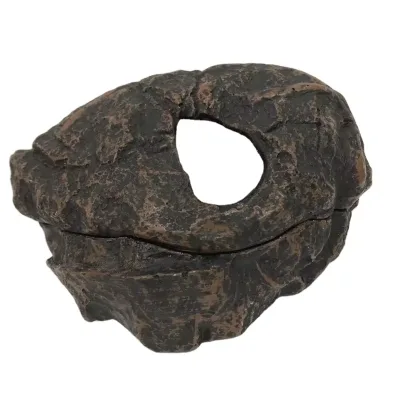
High Quality Reptile Cave Stone tank for Wholesales
MOQ: 60 Minimum
- Trading Company
- Henan, China
- Lead time15 days
- Avg. response≤ 2h
Main productsCat strips,Cat Can Food,Canned dog,Pet training supplies,Pet toys
Main marketsSoutheast Asia(30.00%), North America(20.00%), South America(10.00%), Mid East(5.00%)

Shandong Longyuan Home Furnishing Co., Ltd.
- Manufacturer, Trading Company
- Shandong, China
- Lead time15 days
- Avg. response≤ 2h
Main productsPet supplies,Pigeon supplies,Bird supplies,Other pet products,Reptile supplies
Main marketsDomestic Market(60.00%), North America(15.00%), Southeast Asia(10.00%), Mid East(5.00%), Oceania(4.00%), South America(2.00%), Western Europe(2.00%), Eastern Asia(1.00%), Africa(1.00%)
Dongguan Geshifeng Metal Products Co., Ltd.
- Manufacturer, Trading Company
- Lead time旺季: "1 - 1000":7,"1001 - 2000":15,"> 2000":"To be negotiated", 淡季: "1 - 1000":7,"1001 - 2000":15,"> 2000":"To be negotiated"
- Avg. response≤ 3h
Main productsPet Feeder and Drinker, Pet Cleaning Grooming Products, Pet Cage and House, Pet Leashes and Collars, Pet Toy
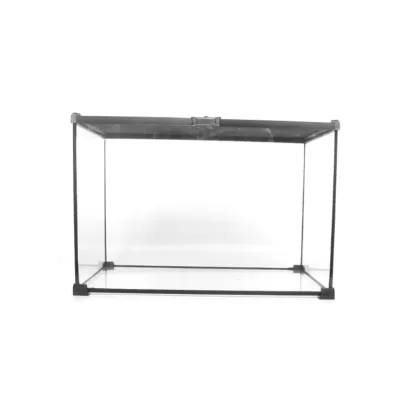
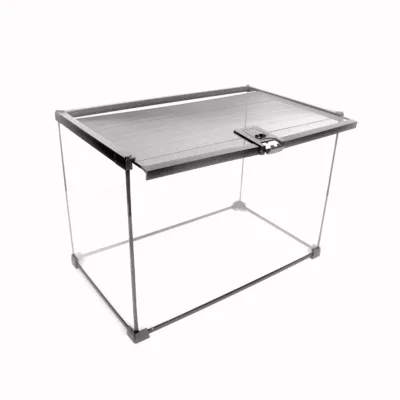
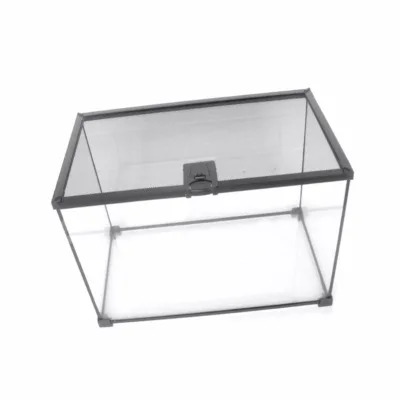
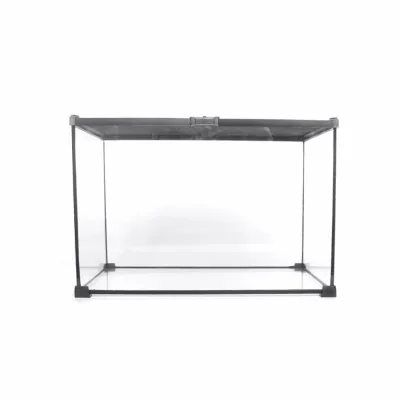
Mini Black Reptile Habitat Bearded Dragon Tank Reptile Enclosures Leopard Gecko Habitat
$8.10 - $28.30
MOQ: 1 Minimum

Tianjin Mclanzoo Pet Articles Co., Ltd.
- Manufacturer
- Tianjin, China
- Lead time30 days
- Avg. response≤ 8h
Main productsReptile product,reptile terrarium,reptile bamboo cage,coir mat,reptile heating lamp
Main marketsNorth America(25.00%), Southern Europe(15.00%), Northern Europe(15.00%), Western Europe(15.00%), Eastern Europe(15.00%), South America(15.00%)
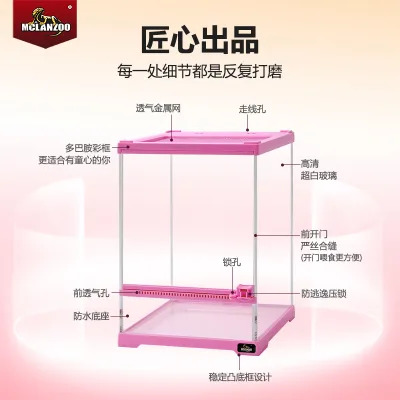
$12.99 - $19.99
MOQ: 1 Minimum

Rizhao Spring Trading Co., Ltd.
- Verified by CTI
- Manufacturer/Factory
- China Shandong
- Lead time15 days
- Avg. response≤ 4h
Main productsWalnut, Pet House, Peanut, Cat Litter, Pet Products, Pet Food, Cat Food, Pet Treats, Dog Food, Pet Toys
Main marketsMid East,North America,Western Europe

Lizard Snake Ultra Clear Glass Reptile Box Rainforest Tank Escape Proof Enclosure
$4.83 - $16.69
MOQ: 100 Pieces

Shanghai Eswell International Trade Co., Ltd.
- Trading Company
- Shanghai, China
- Lead time0 days
- Avg. response≤ 5h
Main productsPet Supplies,Ceramic Flower Pot,Chilli Product,Food stuff,Kitchen Cabinet
Main marketsNorth America(54.00%), Domestic Market(11.95%), Western Europe(11.59%), Eastern Asia(8.40%), South America(3.43%), Southeast Asia(2.86%), Northern Europe(2.40%), Africa(2.00%), Mid East(0.80%), Southern Europe(0.79%), Central America(0.56%), South Asia(0.55%), Oceania(0.50%), Eastern Europe(0.17%)
Foshan Nanhai Degen Aquarium Lighting Appliance Co., Ltd.
- Manufacturer, Trading Company
- Guandong, China
- Lead time30 days
- Avg. response≤ 11h
Main productsFisn tank series,Aquarium Lamp & Aquarium Diving lamp series,Aquarium Luminaire series,Seawater Lamp series,Aquarium Clip Lamp series
Main marketsEastern Asia(20.00%), Southeast Asia(20.00%), South America(10.00%), North America(10.00%), Western Europe(10.00%), Eastern Europe(10.00%), South Asia(5.00%), Southern Europe(5.00%), Africa(5.00%), Central America(5.00%)
Changzhou Jinxu Special Lighting Technology Co., Ltd.
- Manufacturer, Trading Company
- Lead time旺季: "1 - 5":7,"> 5":"To be negotiated", 淡季: "1 - 5":7,"> 5":"To be negotiated"
- Avg. response≤ 3h
Main productsReptile Product Supplies, Reptile UV Lamps, Pet Supplies
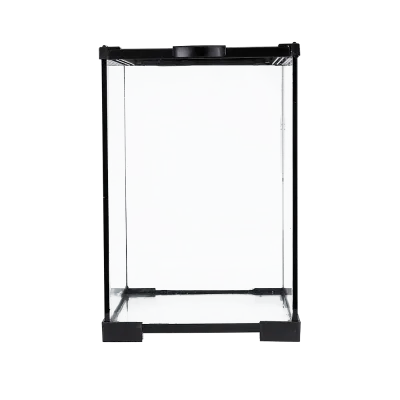
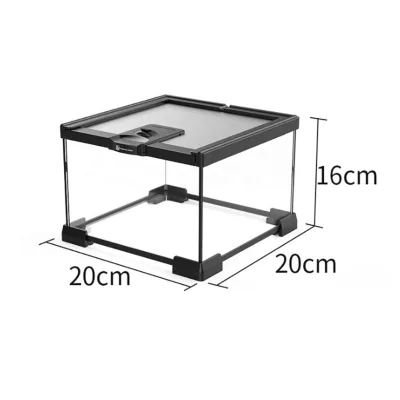
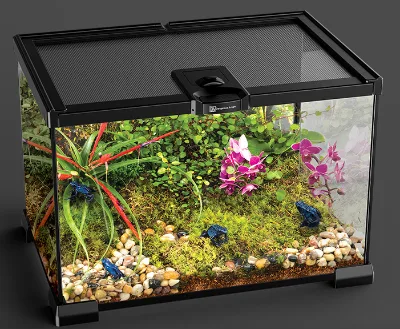
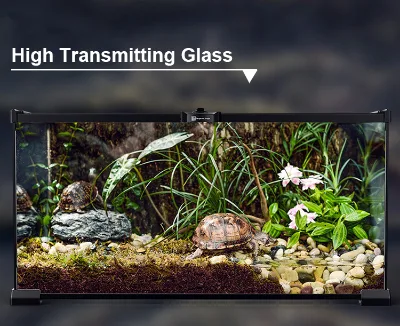
Reptile Glass Tanks for Spider Tortoise Scorpion and Rainforest Pet Products for Your Furry Friends
$12.80 - $26.00
MOQ: 2 Minimum
Dong Guan Etan Pet Supplies Co., Ltd.
- Verified by SGS Group
- Manufacturer, Trading Company
- Lead time45 days
- Avg. response≤ 1h
Main productsReptile Glass Terrarium, Dome Lamp Fixture, Lighting Hood, Heating and Humidifying Equipment, Thermostat and Hygrostat
Main marketsNorth America(28%), Eastern Europe(15%), Southeast Asia(10%)
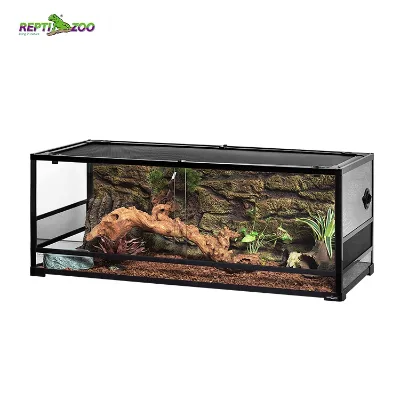
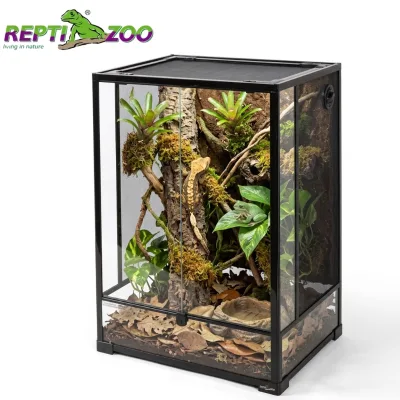
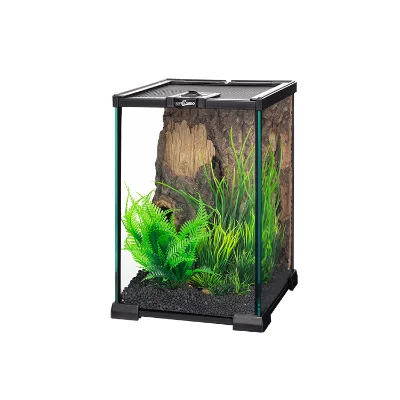
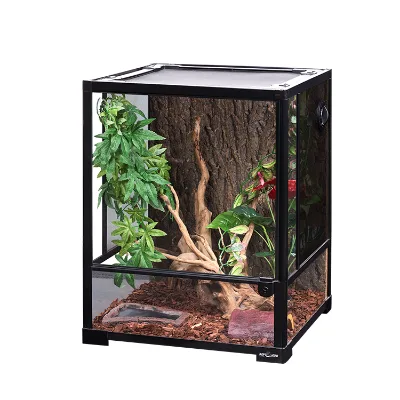
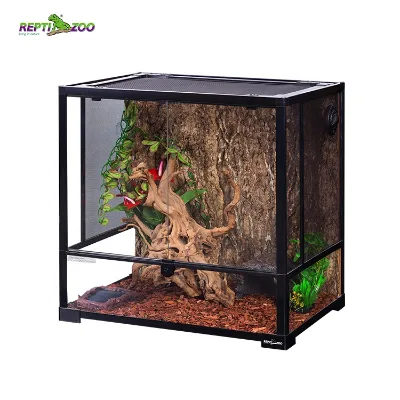
REPTIZOO RK0111N Top Feeding and Ventilation Small Reptile Glass Habitat
$31.73 - $345.43
MOQ: 10 Minimum
Hebei Hanze International Trade Co., Ltd.
- Trading Company
- Lead time旺季: "1 - 200":15,"201 - 1000":30,"> 1000":"To be negotiated", 淡季: "1 - 200":15,"201 - 1000":30,"> 1000":"To be negotiated"
- Avg. response≤ 3h
Main productsreptile enclosure,reptile cage,reptile terrarium,reptile display,acrylic enclosure
- Trading Company
- Liaoning, China
- Lead time15 days
- Avg. response≤ 2h
Main productsPET Cold Drink Cup,Paper Cup,Paper Bag,Bread Bag,Paper Bowl
Main marketsMid East(18.00%), South America(15.00%), Africa(15.00%), North America(10.00%), Eastern Europe(10.00%), Central America(8.00%), Western Europe(5.00%), Southern Europe(5.00%), Northern Europe(5.00%), Southeast Asia(3.00%), South Asia(2.00%), Eastern Asia(2.00%), Oceania(2.00%)
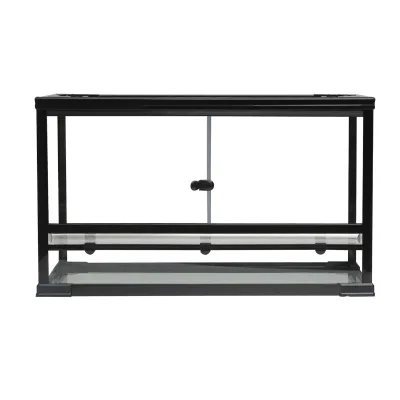
$26.8066 - $134.8171
MOQ: 2 Minimum
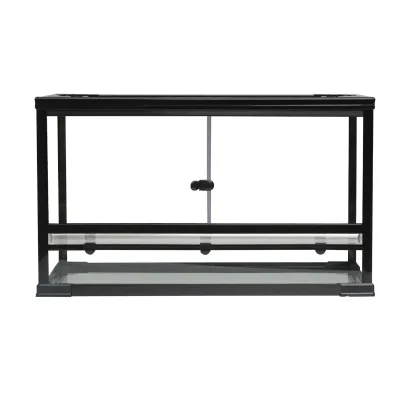
$26.8066 - $134.8171
MOQ: 8 Minimum

Shenzhen Yingyi Best Gifts Co., Ltd.
- Manufacturer/Factory
- China Guangdong
- Lead time15 days
- Avg. response≤ 9h
Main productsAcrylic Display, Acrylic Bird Feeder, Acrylic Photo Frames, Pokemon Acrylic Case, Acrylic Box, Acrylic Shelf, Acrylic Pet Products, Acrylic Dispenser, Acrylic Shoe Box, Acrylic Display Stand
Main marketsEastern Europe,Mid East,North America,Southeast Asia,Eastern Asia,Oceania,Western Europe,Africa


New Custom Acrylic Reptile Terrarium Gecko Lizard Snake Spider Vivarium Cage Tank
$3.00 - $10.00
MOQ: 100 Pieces
Hangzhou Linfeng Technology Co., Ltd.
- Verified by Intertek
- Trading Company
- Lead time20 days
- Avg. response≤ 3h
Main productsDesktop Fish Tank, Power Accessories, Aquarium Air Pump, Aquarium Water Pump, Pond Filter
Main marketsDomestic Market(35%), Southeast Asia(20%), North America(10%)

Xiamen Honkim Innovative Materials Co., Ltd.
- Trading Company
- China Fujian
- Lead time0 days
- Avg. response≤ 1h
Main productsAcrylic Sheets, Other Plastic Sheets, Acrylic Products, Pet Supplies
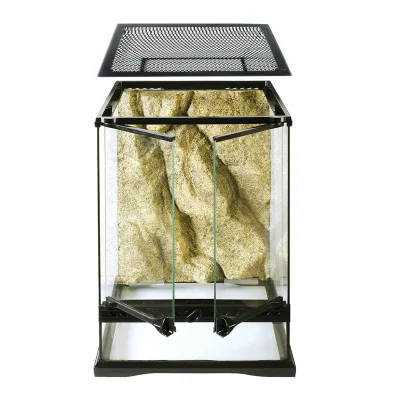
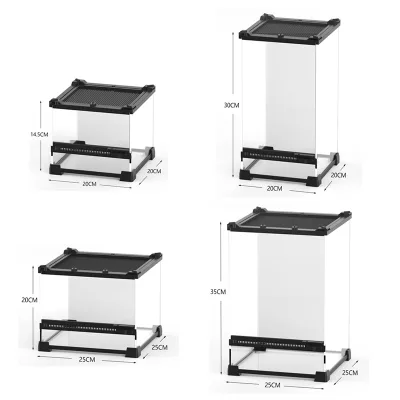
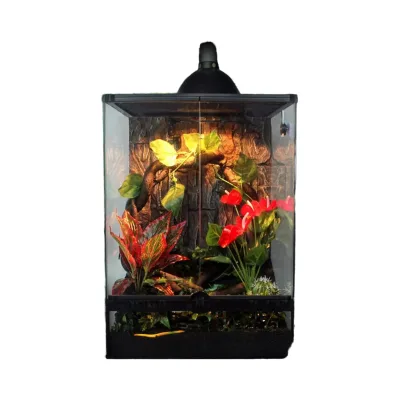
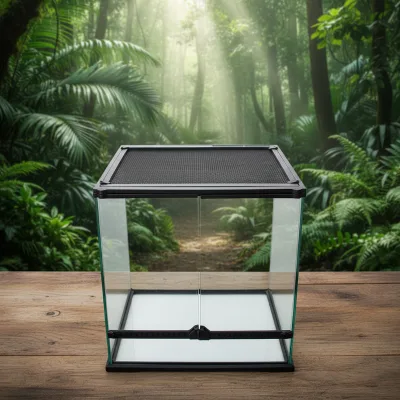
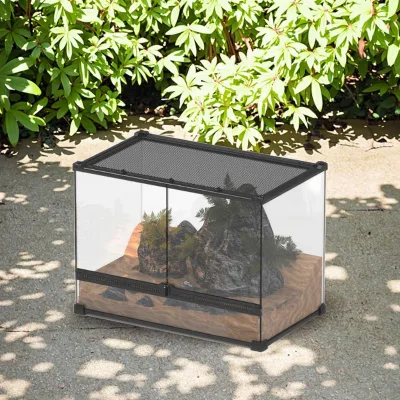


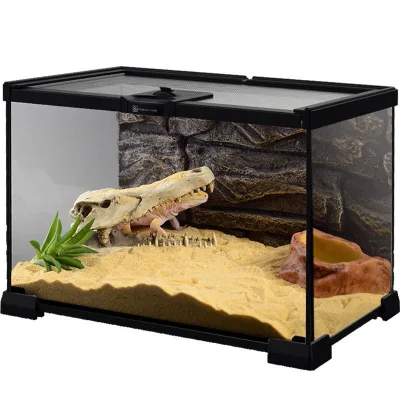
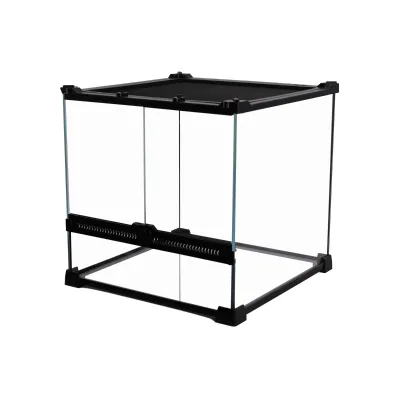
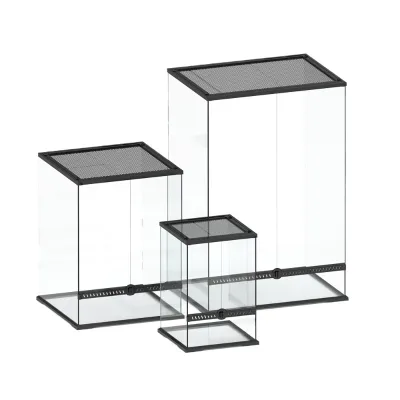
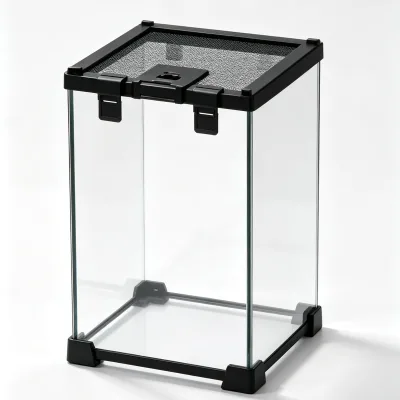
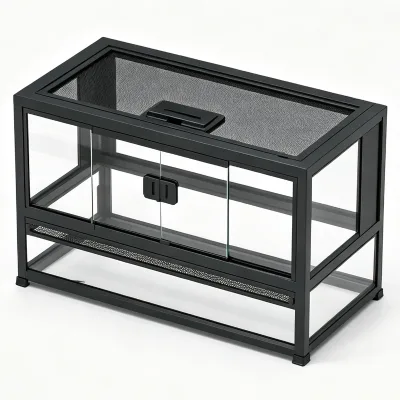
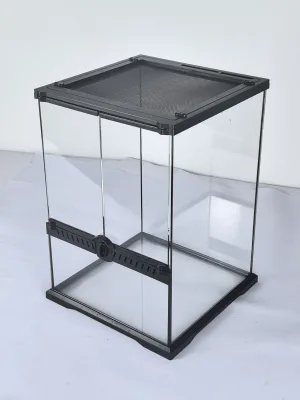
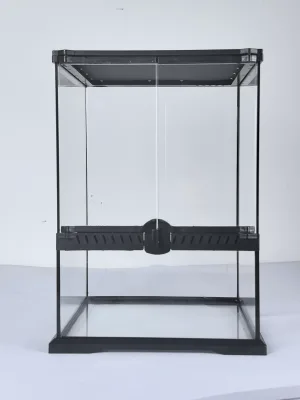


Comprehensive Sourcing Guide
Rainforest Glass Reptile Tank Supplier Concentration and Factory Types
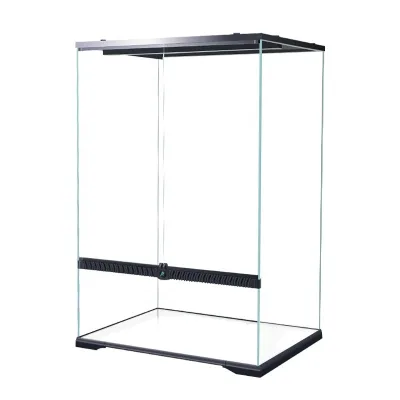
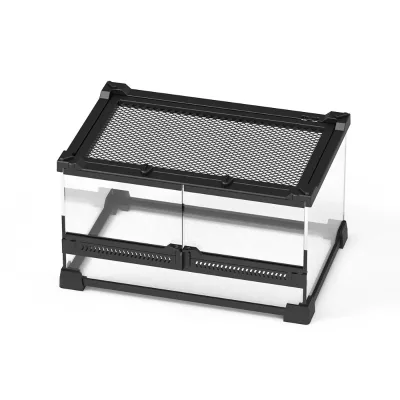
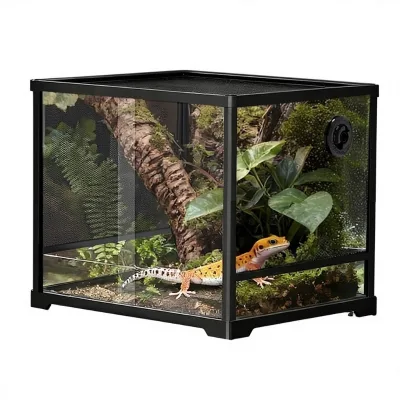
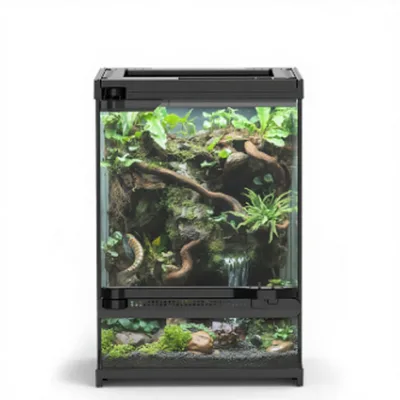
The current supplier landscape for rainforest glass reptile tanks is characterized by a mix of trading companies and combined manufacturing entities, with a notable concentration of operations based in China, specifically within the Tianjin region. Buyers evaluating these suppliers will encounter a primary company type identified as a trading company, which often serves as an intermediary connecting buyers with various manufacturing capabilities. This structure allows for a broader aggregation of products, including aquarium supplies, pet supplies, and specialized aquaculture items, rather than limiting output to a single factory line. The presence of combined company types suggests that some suppliers may possess direct manufacturing capabilities alongside trading functions, offering a hybrid model that can streamline communication and quality control for complex orders. Understanding this distinction is crucial for buyers who need to determine whether they are dealing with a pure reseller or a source with direct factory access, as this impacts pricing flexibility and customization potential.
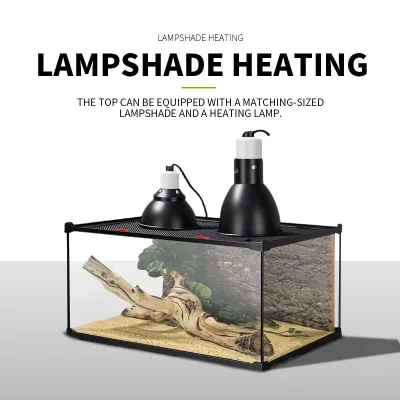
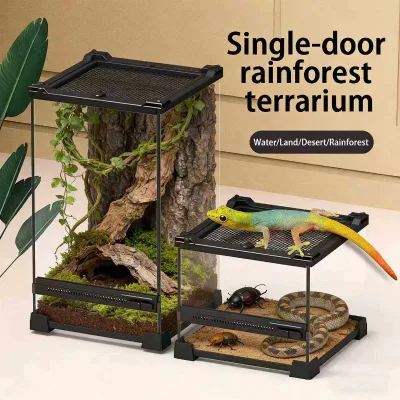
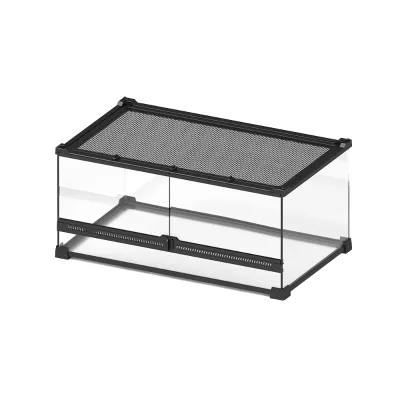
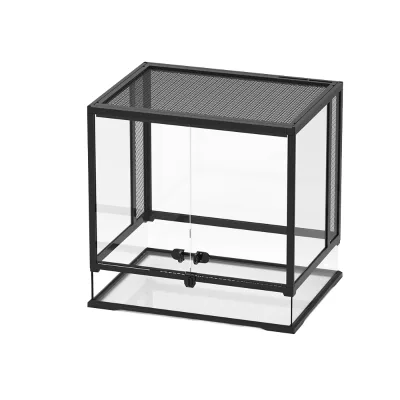
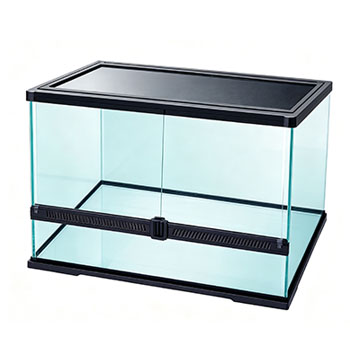
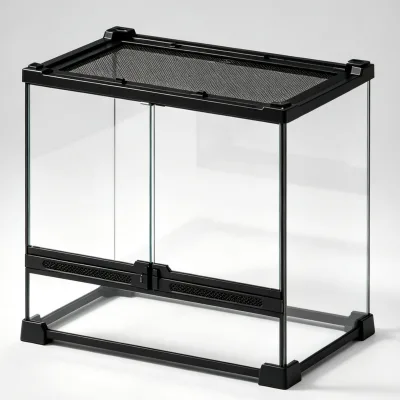
Product evidence indicates a strong focus on reptile-specific enclosures, with main products ranging from rainforest reptile tanks and breeding cages to terrarium frames and glass containers. The diversity in product names, such as "Rainforest Reptile Tank Breeding Cage" and "OEM Wholesale Glass Reptile Enclosure," highlights the specialized nature of these suppliers. Many listings emphasize customization options, including OEM and ODM services, which are critical for buyers seeking branded or uniquely sized enclosures. The materials specified often include glass and plastic frames, with some products featuring aluminum components for durability. This variety in construction materials and designs, from transparent glass boxes to solid pattern enclosures, reflects the adaptability of the supplier base to meet diverse market demands. Buyers should note that while the core product is the rainforest glass tank, the associated product ecosystem includes related accessories like bulbs, water dishes, and substrates, indicating a comprehensive supply chain approach.
How to Verify Rainforest Glass Reptile Tank Suppliers
Verification is a critical step in ensuring the reliability of suppliers offering rainforest glass reptile tanks, as the market includes entities with varying levels of operational transparency and quality assurance. Buyers should prioritize suppliers that have undergone third-party verification processes, as this provides an external validation of their business legitimacy and operational capabilities. In the current results, verification badges from recognized entities such as TüVRheinland and CTI are present, serving as indicators of due diligence performed by independent auditors. These verifications often cover aspects such as factory audits, business license checks, and quality management system reviews. For buyers, the presence of such badges reduces the risk of engaging with fraudulent or non-compliant entities. It is important to understand that verification is not a static guarantee but a snapshot of the supplier’s status at the time of the audit, so buyers should consider the recency and scope of these verifications when making sourcing decisions.
Beyond verification badges, buyers should assess the certifications held by the suppliers and their products, as these reflect adherence to international standards and safety regulations. The available data shows that some suppliers hold a range of system certifications, including EN ISO 14362, EN 16711, MSDS, CSA C22, CE, RoHS, EMC, FCC, and LVD, along with Declarations of Conformity. These certifications are particularly relevant for electronic components or materials that may come into contact with pets or require specific safety standards. For instance, RoHS compliance indicates the restriction of hazardous substances, which is important for the plastic and electronic parts used in terrariums. Buyers should request documentation for these certifications to ensure they are valid and applicable to the specific products being ordered. Additionally, the absence of certifications, indicated as NIL in some cases, should prompt further inquiry into the supplier’s quality control processes and material sourcing practices to mitigate potential risks associated with non-compliant products.
What to Compare Across Rainforest Glass Reptile Tank Suppliers
When evaluating multiple suppliers for rainforest glass reptile tanks, buyers must compare key operational metrics to determine the best fit for their specific business needs. One of the most significant differentiators is the lead time, which varies considerably among suppliers. Some suppliers offer a lead time of just 10 days, which is advantageous for buyers requiring quick turnaround times for restocking or urgent orders. In contrast, other suppliers may have a lead time of 30 days, which could impact inventory planning and cash flow. Buyers should align their order schedules with these lead times to avoid stockouts or excess inventory. Additionally, the minimum order quantity (MOQ) is a critical factor, with some suppliers requiring as few as two units, making them suitable for small businesses or testing new markets, while others may have higher MOQs, such as 50 units, which are better suited for larger volume purchases. Understanding these thresholds helps buyers optimize their procurement strategy based on their sales volume and storage capacity.
Response time is another vital metric that influences the efficiency of the sourcing process. Suppliers with a response time of one day can provide quicker answers to inquiries, negotiate terms faster, and resolve issues promptly, which is essential for maintaining smooth business operations. Conversely, a response time of nearly 15 days can lead to delays in communication, potentially causing missed opportunities or misunderstandings. Buyers should also compare the customization capabilities offered by each supplier, as some provide extensive OEM and ODM services, allowing for tailored product designs, while others may have limited customization options. The range of available sizes and materials, such as glass, plastic, and aluminum, should also be compared to ensure the supplier can meet the specific requirements of the target market. By systematically comparing these operational attributes, buyers can select suppliers that offer the best balance of speed, flexibility, and cost-effectiveness for their Rainforest Glass Reptile Tank sourcing needs.
Common Rainforest Glass Reptile Tank Sourcing Risks
Sourcing rainforest glass reptile tanks from international suppliers introduces several risks that buyers must proactively manage to ensure a successful procurement process. One significant risk is the potential for product quality inconsistencies, particularly when dealing with trading companies that may source from multiple factories. Without direct oversight, buyers may receive products that do not meet the specified standards for durability, transparency, or safety. For instance, the glass used in terrariums must be thick enough to withstand pressure and temperature changes, and any defects can lead to breakage or safety hazards for the pets. Buyers should mitigate this risk by requesting detailed product specifications, material certificates, and samples before placing large orders. Additionally, the complexity of customization, such as specific sizes or branding, can lead to misunderstandings if not clearly communicated. Miscommunication regarding dimensions, closure types, or ventilation features can result in products that are unsuitable for the intended use, leading to returns and financial losses.
Another common risk is the variability in packaging and shipping conditions, which can affect the integrity of glass products during transit. Glass terrariums are fragile and require careful packaging to prevent damage. Some suppliers use carton boxes with pallets, while others may use plastic trays or color boxes. The choice of packaging can impact the cost and safety of shipping, and inadequate packaging can lead to broken goods upon arrival. Buyers should verify the packaging standards and ensure that the supplier uses robust materials to protect the products. Furthermore, the risk of non-compliance with local regulations in the buyer’s country is a concern, especially regarding materials and certifications. Suppliers may claim compliance with standards like CE or RoHS, but without proper documentation, these claims may not hold up in the buyer’s market. Buyers should conduct thorough due diligence to verify certifications and ensure that the products meet all legal requirements, avoiding potential fines or product recalls.
Rainforest Glass Reptile Tank Regional Sourcing and Logistics
The regional concentration of suppliers in China, particularly in Tianjin, offers buyers access to a well-established manufacturing hub for rainforest glass reptile tanks. This location benefits from a mature supply chain infrastructure, including easy access to raw materials like glass and aluminum, as well as skilled labor and logistics networks. Sourcing from this region can provide cost advantages due to economies of scale and efficient production processes. However, buyers must also consider the logistical implications of importing from China, including shipping times, customs clearance, and potential tariffs. The distance between the supplier’s location and the buyer’s destination will impact the overall lead time and shipping costs. Buyers should work with reliable freight forwarders to navigate these complexities and ensure timely delivery. Additionally, the regional focus on pet supplies and aquaculture products suggests a competitive market, which can drive innovation and variety in product offerings, but it also requires buyers to be vigilant in selecting suppliers with strong reputations and reliable track records.
Logistics planning is essential for managing the risks associated with international shipping, especially for fragile items like glass terrariums. Buyers should consider using insurance for high-value shipments and ensure that the supplier provides adequate packaging to withstand transit stresses. The choice of shipping method, whether by sea or air, will depend on the urgency of the order and the volume of goods. Sea freight is generally more cost-effective for large orders but takes longer, while air freight is faster but more expensive. Buyers should also be aware of the documentation requirements for importing pet supplies, which may include specific declarations or inspections. Understanding the regulatory environment in both the exporting and importing countries is crucial to avoid delays or seizures. By carefully planning the logistics and leveraging the advantages of the regional manufacturing cluster, buyers can optimize their supply chain and ensure a smooth flow of rainforest glass reptile tanks to their markets.
Rainforest Glass Reptile Tank Commercial Terms and Order Planning
Commercial terms and order planning are pivotal in securing favorable deals for rainforest glass reptile tanks, as they directly impact the total cost of ownership and operational efficiency. Buyers should negotiate clear payment terms, such as using escrow services to protect their funds until the goods are received and verified. This is particularly important when dealing with new suppliers or large orders, as it provides a layer of security against non-delivery or quality issues. Additionally, buyers should clarify the Incoterms, such as FOB or CIF, to understand who is responsible for shipping costs and risks at each stage of the journey. Understanding these terms helps in accurately calculating the landed cost and avoiding unexpected expenses. Buyers should also consider the flexibility of order modifications, as some suppliers may allow changes to specifications or quantities within a certain timeframe, which can be useful for adapting to market changes or correcting errors.
Order planning should be aligned with the supplier’s production capacity and lead times to ensure timely delivery. Buyers should forecast their demand accurately and place orders well in advance, especially during peak seasons or when dealing with suppliers with longer lead times. Establishing a long-term relationship with a reliable supplier can lead to better pricing, priority production, and improved service. Buyers should also plan for inventory management, considering the storage space and turnover rate of the products. For suppliers offering OEM services, buyers should allocate sufficient time for design approval and sample production before mass production begins. This ensures that the final product meets the desired specifications and quality standards. By carefully managing commercial terms and order planning, buyers can minimize risks, optimize costs, and build a sustainable supply chain for rainforest glass reptile tanks.
FAQs
What sizes are available for rainforest glass reptile tanks?
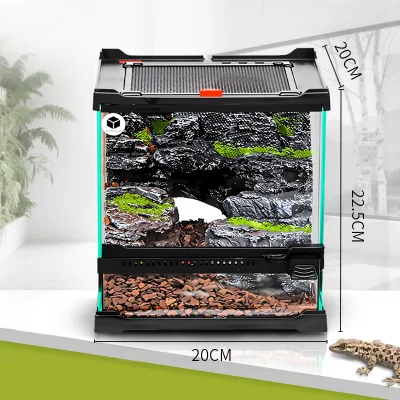
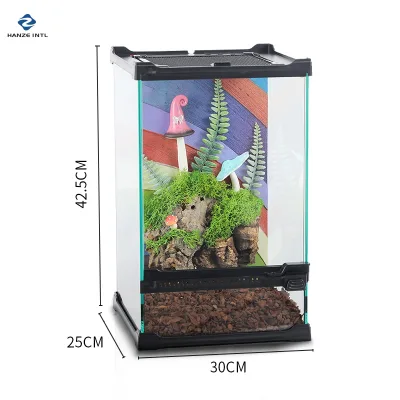
Suppliers offer multiple dimensions including 20x20x16cm, 30x30x30cm, and 50x30x35cm. These sizes accommodate small to medium reptiles. Buyers should verify specific stock availability as some models are listed as in-stock while others require custom processing. Always confirm the exact internal volume matches your pet's requirements before ordering.
What is the minimum order quantity for these tanks?
Minimum order quantities vary significantly by supplier. Some trading companies accept orders as low as two units, while others require a minimum of fifty pieces. This difference often depends on whether the item is a standard stock product or requires custom OEM processing. Check the specific listing details for the exact MOQ.
How long does production take for custom tanks?
Lead times generally range from ten to thirty days depending on the supplier type. Trading companies often have faster turnaround times for standard items, whereas combined suppliers may require more time for OEM or ODM customization. Confirm the specific production schedule with the seller to ensure timely delivery for your business needs.
Are these tanks suitable for amphibians as well as reptiles?
Yes, many listed products are explicitly designed for both reptiles and amphibians. Features like secure snap buttons or push-up closures help prevent escapes. The glass and aluminum materials provide durable enclosures. Ensure the ventilation and humidity retention features match the specific needs of your amphibian species for a healthy habitat.
What certifications do these suppliers hold?
Certifications vary by supplier. Some hold EN ISO 14362, CE, RoHS, and FCC standards, while others may have no listed system certifications. Verification is conducted by entities like TüVRheinland or CTI. Buyers should request current certification documents directly from the supplier to ensure compliance with local safety and quality regulations.
Do suppliers offer OEM and ODM services?
Many suppliers welcome OEM and ODM requests for custom branding and design. Some trading companies offer sample processing and graphic customization. Combined suppliers also provide own brand services. Buyers should discuss specific logo placement and material preferences directly with the supplier to ensure the final product meets their brand requirements.