Source Personalized Metal Buckle Dog Collar for training, walking, and daily wear
Compare 30 listings for Personalized Metal Buckle Dog Collar options featuring nylon and terylene materials. Buyers can evaluate sizes, colors, and customization services from verified Chinese manufacturers offering durable, safe, and easy-to-adjust designs suitable for all seasons; compare the available evidence and request quotations based on your requirements.
Updated
Key considerations
Products List


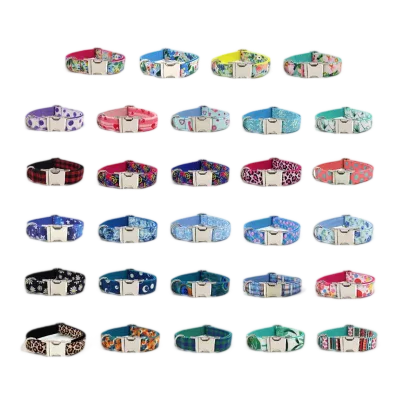
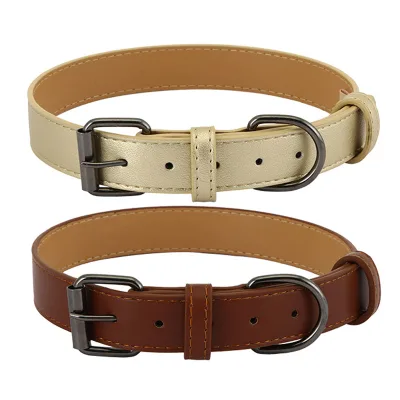
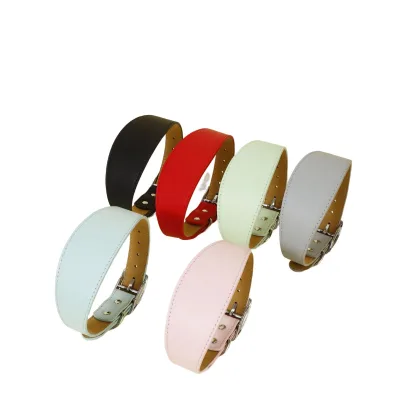
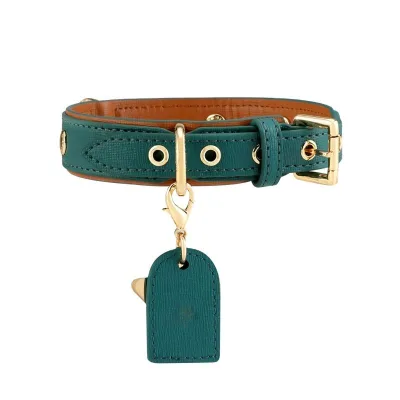


Dog Collar with Custom Logo, Promotional Dog Collar, Promotion Dog Collar
$0.35 - $0.45
MOQ: 1000 Pieces
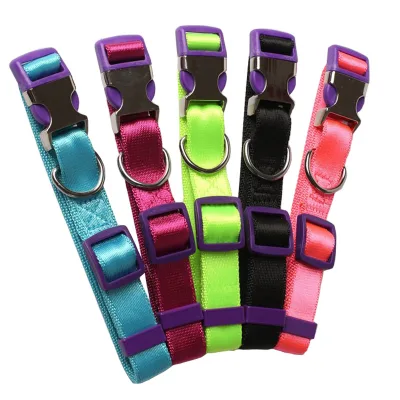
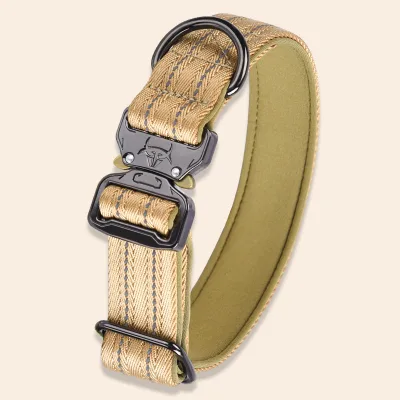
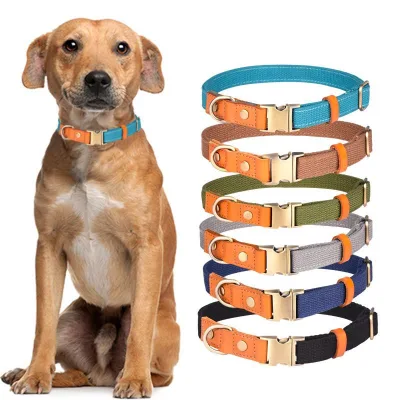
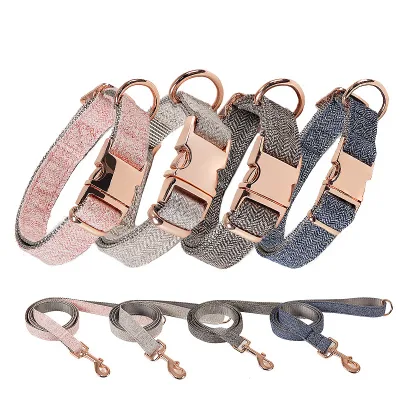


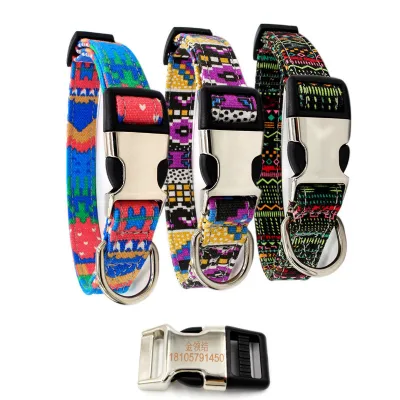
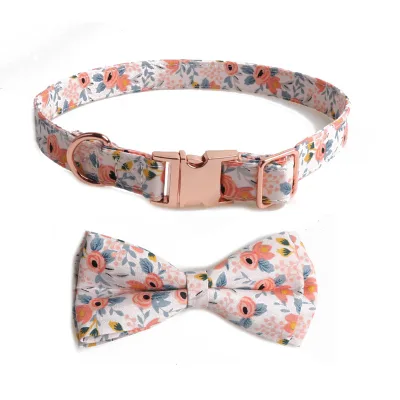
Comprehensive Sourcing Guide
Personalized Metal Buckle Dog Collar Sourcing Guide
Sourcing personalized metal buckle dog collars requires a careful balance between aesthetic customization and functional durability. Buyers must recognize that the term "metal buckle" often coexists with nylon or terylene webbing in observed listings, creating a hybrid product structure. The primary value proposition lies in the ability to add custom logos or text, which appeals to brands seeking unique identity markers. However, procurement teams must verify that the metal components do not compromise the flexibility or comfort of the collar during daily use.
The market signals indicate a wide range of customization options, from color variations to specific buckle styles. Observations show that many suppliers offer OEM and ODM services, allowing for significant brand integration. Buyers should note that while metal buckles are highlighted, the underlying material is frequently nylon or polyester, which affects weight and water resistance. Understanding this material composition is crucial for determining the appropriate use case, whether for casual daily wear or more rugged outdoor activities.
Product Scope and Observed Listing Signals
The observed product scope reveals a diverse array of collar types, including standard buckles, vests, and decorative styles with features like bowknots. Listings frequently mention attributes such as "elegant," "soft comfortable," and "unique design," suggesting a focus on aesthetic appeal alongside functionality. The presence of multiple color options, including red, black, blue, and green, indicates that visual customization is a key driver for buyers. Procurement teams should assess whether the desired metal buckle style aligns with these broader design trends.
Customization is a dominant theme, with many suppliers explicitly stating that personalized logos and designs are available. This suggests that the metal buckle often serves as a canvas for branding or a focal point for decorative elements. Buyers should be aware that some listings describe the product as a "vest" or include handles, which may indicate a broader category of pet accessories rather than just simple collars. Clarifying the exact product type is essential to ensure the metal buckle is integrated correctly into the final design.
Technical Specifications to Verify
Technical verification must begin with the buckle material and its attachment method to the webbing. Buyers should confirm whether the metal buckle is made of zinc alloy, stainless steel, or another alloy, as this impacts corrosion resistance and weight. The width of the collar, often observed at 2.5 cm or 3/4 inch, is a critical dimension that affects both comfort and security. Ensuring that the buckle size matches the webbing width is vital to prevent slippage or structural failure under tension.
Size adjustability is another key technical factor, with listings frequently noting adjustable ranges such as 12-16 inches for small sizes. Buyers must verify the mechanism of adjustment, whether it involves a sliding buckle or a series of holes, to ensure ease of use. Additionally, the presence of reflective strips, often made from 3M reflective nylon webbing, should be confirmed for safety compliance. These reflective elements are crucial for visibility during low-light conditions and add significant value to the product.
Compliance and Safety Documentation
Safety documentation is paramount when sourcing pet accessories, particularly those involving metal components. Buyers must ensure that the metal buckles are free from sharp edges or burrs that could injure the pet. Compliance with international safety standards for pet products, such as those regarding small parts and choking hazards, should be verified. Although specific certification names are not provided in the observed data, buyers should request test reports that confirm the absence of harmful substances like lead or cadmium in the metal and webbing.
Waterproofing and durability are also critical safety and performance aspects. Listings often claim waterproof functionality, which is essential for collars used in wet environments. Buyers should request evidence of water resistance testing, such as immersion tests or spray tests, to validate these claims. Furthermore, the strength of the stitching and the attachment points of the buckle must be tested to ensure they can withstand the pulling force of a dog. This documentation helps mitigate liability risks and ensures product reliability.
Cost Drivers and Commercial Terms
Cost drivers for personalized metal buckle dog collars include the complexity of the customization, the quantity ordered, and the materials used. Custom logos or intricate buckle designs typically incur additional setup fees and higher per-unit costs. Buyers should negotiate tiered pricing structures that reflect volume discounts, as observed MOQs range from 5 to 1000 pieces. Understanding the cost breakdown helps in budgeting for large orders and identifying areas where savings can be achieved without compromising quality.
Commercial terms such as payment methods and lead times are also significant factors. Observed listings mention payment options like Trade Assurance, T/T, and PayPal, which offer varying levels of security for buyers. Lead times can vary based on the customization level and production capacity of the supplier. Buyers should clarify these terms early in the negotiation process to avoid delays and ensure that the supply chain aligns with their inventory needs. Clear communication on these terms helps prevent misunderstandings and ensures a smooth transaction.
Supplier Qualification and Quality Control
Supplier qualification involves assessing the manufacturer's capability to produce high-quality personalized products. Buyers should verify the supplier's experience in OEM and ODM services, as this indicates their ability to handle custom designs. Checking for relevant business licenses and export qualifications is essential to ensure the supplier is legitimate and compliant with international trade regulations. Additionally, reviewing the supplier's production facilities and quality control processes can provide insight into their consistency and reliability.
Quality control measures should include pre-production samples and in-line inspections. Buyers should request samples to evaluate the fit, finish, and functionality of the metal buckle and webbing. In-line inspections during production can help identify defects early, reducing the risk of receiving substandard products. Establishing clear quality standards and acceptance criteria with the supplier is crucial for maintaining product integrity. Regular communication and feedback loops can also help improve the quality of future orders.
Long-Term Procurement Checks
Long-term procurement checks focus on maintaining supplier performance and product consistency over time. Buyers should conduct periodic audits of the supplier's quality control processes and production capabilities. Monitoring key performance indicators such as defect rates, on-time delivery, and responsiveness to issues is essential for evaluating supplier reliability. Establishing a long-term partnership with a trusted supplier can lead to better pricing, priority production, and improved service levels.
Continuous improvement initiatives should be encouraged through regular feedback and collaboration. Buyers should share customer feedback and market trends with the supplier to drive product innovation and enhancement. Staying updated on changes in safety regulations and material standards is also crucial for long-term compliance. By proactively managing these aspects, buyers can ensure that their personalized metal buckle dog collars remain competitive and safe in the market.
FAQs
What materials are used for personalized dog collars?
The collars are primarily made from durable nylon and terylene webbing. These materials ensure longevity and comfort for pets. Some products feature 3M reflective nylon webbing for enhanced safety during low-light conditions. The sturdy construction supports daily wear while maintaining a soft feel against the animal's skin.
Can I customize the logo on these collars?
Yes, customization is available for these products. Suppliers accept customized logos to meet specific branding needs. This service allows businesses to create unique, personalized items for their customers. The customization options support various design requirements, ensuring the final product aligns with your specific aesthetic or corporate identity goals.
What sizes are available for these dog collars?
Sizes include XS, S, M, L, and XL options. Some models are adjustable to fit different neck circumferences. Specific details indicate widths like 3/4 inch for smaller sizes. The adjustable feature ensures a secure and comfortable fit for various dog breeds, accommodating growth or different body types effectively.
What is the minimum order quantity for these items?
The minimum order quantity varies by supplier but typically starts at 100 pieces. Some listings indicate an MOQ of 5 to 1000 units depending on the specific product model. Buyers should verify the exact MOQ with the supplier before placing an order to ensure it meets their procurement volume requirements.
Are these collars suitable for all seasons?
Yes, these collars are designed for all-season use. They feature waterproof functions and durable materials that withstand various weather conditions. The soft and comfortable design ensures pets remain happy in both hot and cold climates. The sturdy construction provides reliable performance throughout the year for active dogs.
What closure types are used for these collars?
The collars utilize buckle and button closure types for secure fastening. The buckle design allows for easy adjustment and quick release. This mechanism ensures the collar stays in place while providing convenience for pet owners. The sturdy hardware contributes to the overall safety and durability of the product during daily use.