Source Rainforest Glass Reptile Tank for Reptiles, Amphibians, and Feeding
Compare 30 Rainforest Glass Reptile Tank options from verified Chinese suppliers. These enclosures feature plastic or glass frames, various sizes, and are suitable for reptiles and amphibians in indoor or outdoor settings; compare the available evidence and request quotations based on your requirements.
Updated
Key considerations
Products List
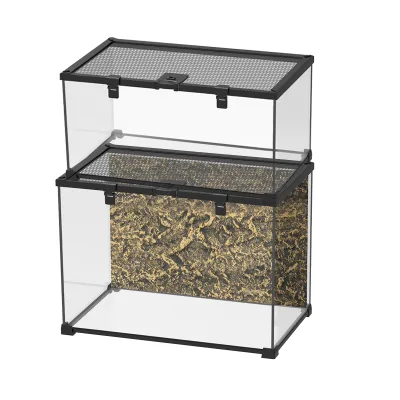
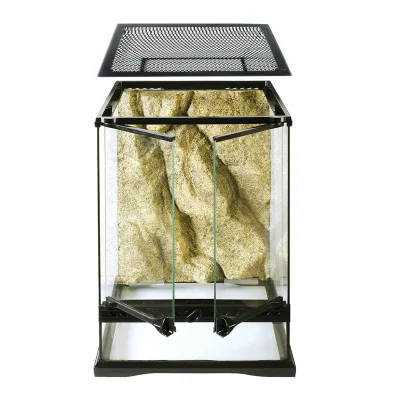
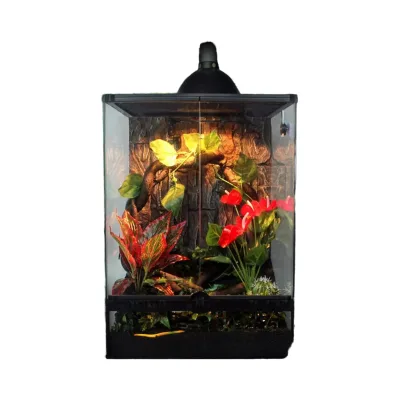
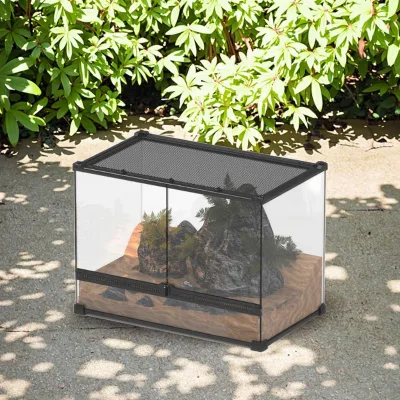
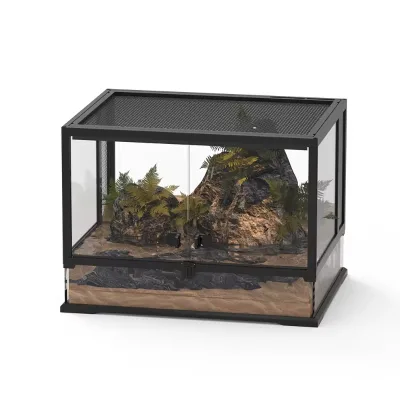
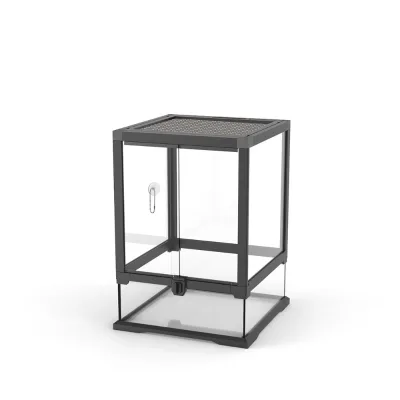


Reptile Glass Terrarium Tank with Screen Ventilation Reptile Terrarium
$23.00 - $27.00
MOQ: 100 Pieces


Reptile Tank Glass Reptile Snake Display Case Large Enclosure Terrarium
$7.00 - $23.00
MOQ: 100 Pieces
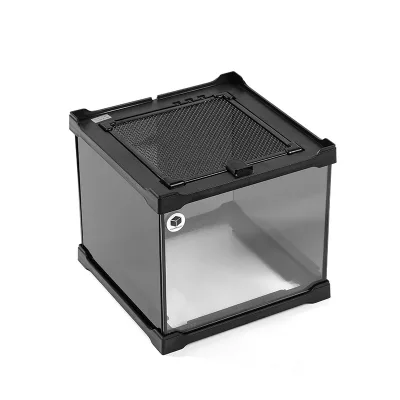
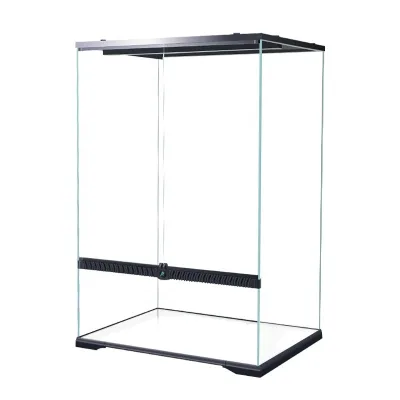
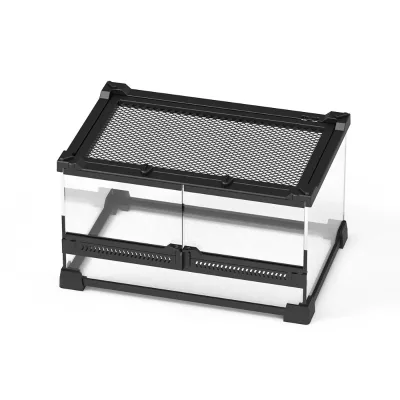
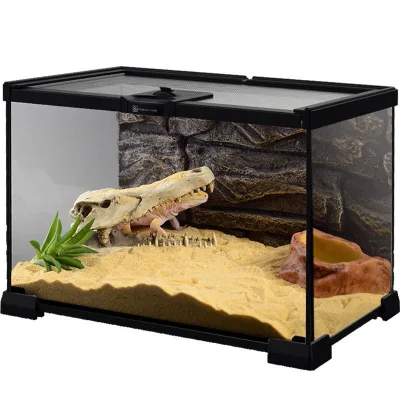
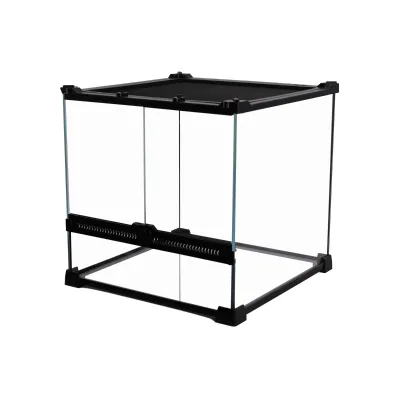
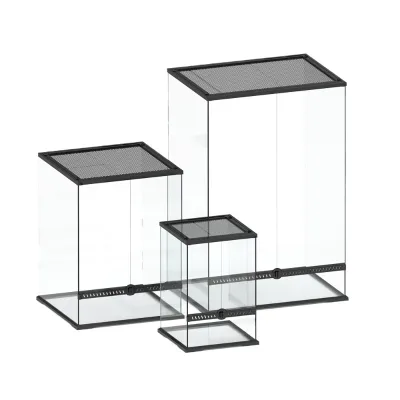
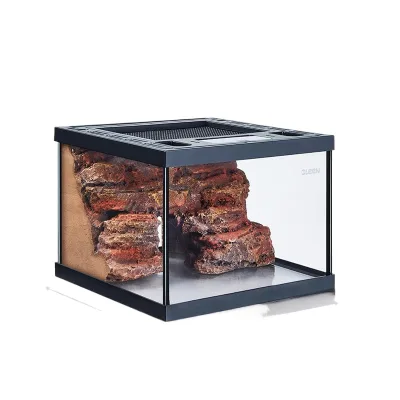
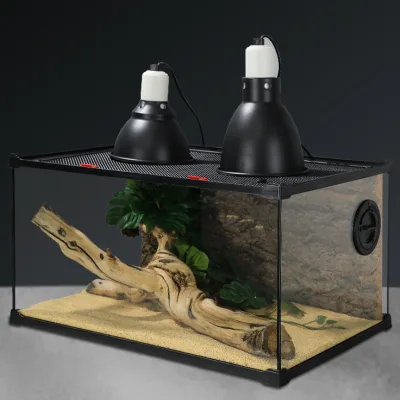
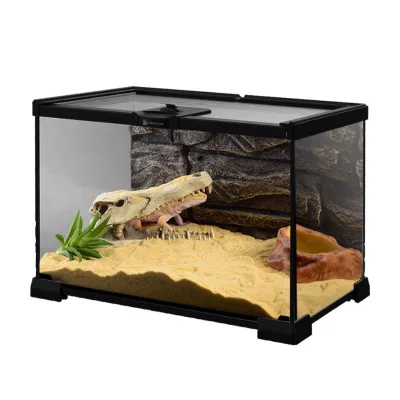

Glass Reptile Enclosure Stackable Tank Reptile Habitat Landscaping Terrarium
$60.00 - $85.00
MOQ: 10 Pieces

Comprehensive Sourcing Guide
Rainforest Glass Reptile Tank Sourcing Guide
Procuring rainforest glass reptile tanks requires a nuanced understanding of material integrity and structural design, as these enclosures serve as critical habitats for sensitive amphibian and reptile species. Buyers must prioritize tanks that offer superior thermal retention and humidity control, which are essential for maintaining the microclimates required by tropical species. The primary material observed in high-quality listings is glass, often paired with durable frames, ensuring that the enclosure can withstand the high moisture levels inherent in rainforest setups without warping or degrading. This material choice directly impacts the longevity of the habitat and the health of the inhabitants, making it a non-negotiable specification for serious procurement.
Beyond the basic material composition, the structural configuration of the tank plays a pivotal role in its functionality and ease of maintenance. Many suppliers offer models with horizontal sliding doors or snap button closures, which facilitate easier access for cleaning and feeding without disturbing the animal. The shape is predominantly rectangular, optimizing space utilization within breeding facilities or retail displays. Buyers should verify that the chosen model supports the specific breed size, ranging from small to larger varieties, ensuring that the internal volume aligns with the spatial needs of the reptiles. This alignment prevents overcrowding and supports natural behavioral patterns, which is crucial for both animal welfare and operational efficiency in large-scale procurement.
Product Scope and Observed Listing Signals
The current market landscape for rainforest glass reptile tanks reveals a diverse range of product attributes that buyers must carefully evaluate to ensure suitability for their specific needs. Listings frequently highlight features such as eco-friendly materials and durable construction, which are critical for long-term use in high-humidity environments. The observed product range includes various sizes, from compact 20x20x16 cm units to expansive 90x45x90 cm enclosures, catering to different species requirements. Additionally, some listings indicate that the product may be supplied as a frame only, without glass, which requires careful verification to avoid purchasing incomplete units. This variability underscores the importance of precise specification matching during the sourcing process.
Commercial signals also indicate a strong emphasis on customization and OEM/ODM capabilities, suggesting that many suppliers are equipped to handle bespoke orders for large retailers or specialized breeders. The presence of customized logo options and flexible packaging details, such as carton boxes or wooden trays, points to a mature supply chain capable of supporting branded retail products. Buyers should note that while some listings mention transparency or specific color options, the core product is often defined by its functional attributes rather than aesthetic variations. Understanding these listing signals helps buyers distinguish between standard off-the-shelf products and those tailored for specific commercial applications, ensuring that the procurement strategy aligns with market demands.
Technical Specifications to Verify
When evaluating technical specifications, buyers must rigorously verify the dimensions and material composition of each tank to ensure compatibility with their operational requirements. The observed size ranges are extensive, including options like 30x30x45 cm, 45x45x60 cm, and 60x45x90 cm, which cater to various breed sizes from small to large. It is crucial to confirm whether the listed dimensions refer to the external frame or the internal usable space, as this distinction impacts the actual capacity of the enclosure. Additionally, buyers should verify the closure type, whether it is a horizontal sliding door or a snap button mechanism, as this affects ease of access and security. These details are fundamental to ensuring that the tank meets the specific spatial and functional needs of the intended reptile species.
Material verification is equally critical, with glass being the primary component for the main body of the tank, often supported by plastic or metal frames. Buyers should confirm the thickness and quality of the glass, as well as the durability of the frame material, to ensure resistance to humidity and temperature fluctuations. Some listings mention a combination of glass and metal, which may offer enhanced structural integrity but requires careful inspection for potential corrosion points. Furthermore, the single package size and gross weight, such as 105x60x32 cm and 28.0 kg for certain models, are essential for logistics planning. Accurate verification of these technical specifications prevents costly errors in shipping, storage, and installation, ensuring a smooth procurement process.
Compliance and Safety Documentation
Compliance and safety documentation are paramount when sourcing reptile tanks, as these enclosures must meet specific standards to ensure the well-being of the animals and the safety of handlers. Buyers should request evidence that the materials used, particularly the glass and frame components, are free from harmful chemicals and toxins that could leach into the high-humidity environment. While specific certification names are not provided in the observed data, buyers must verify that the products comply with relevant international safety standards for pet habitats. This includes checking for any certifications related to material safety, such as BPA-free plastics or tempered glass standards, which are critical for preventing injury and ensuring a non-toxic habitat.
Additionally, buyers should inquire about the testing procedures employed by suppliers to validate the durability and stability of the tanks. Documentation should confirm that the enclosures have undergone stress tests to ensure they can withstand the weight of substrate, decorations, and the animals themselves without collapsing. For commercial buyers, it is also important to verify that the packaging meets international shipping standards to prevent damage during transit. This includes checking for robust carton or wooden tray packaging that protects the glass from breakage. Ensuring that all compliance and safety documentation is in order mitigates legal risks and enhances the credibility of the products in the market, providing peace of mind for both buyers and end-users.
Cost Drivers and Commercial Terms
Cost drivers for rainforest glass reptile tanks are influenced by several factors, including material quality, size, and customization options. Larger tanks with thicker glass and more complex closure mechanisms, such as horizontal sliding doors, typically command higher prices due to increased material and manufacturing costs. Buyers should also consider the impact of customization, such as logo printing or specific packaging requirements, which can add to the overall cost. The observed price range of $2.98 to $85 USD suggests a wide variance, likely reflecting differences in size, material thickness, and order volume. Understanding these cost drivers allows buyers to negotiate more effectively and allocate their budget efficiently across different product lines.
Commercial terms, including MOQ and lead times, are critical components of the procurement strategy. The observed MOQ range of 2 to 100 units indicates flexibility for both small and large buyers, but buyers should confirm the exact terms with each supplier. Lead times can vary based on the complexity of the order and the supplier's production capacity, so it is essential to establish clear timelines for delivery. Additionally, buyers should negotiate payment terms that align with their cash flow needs, such as partial upfront payments or letters of credit for larger orders. Clear communication regarding these commercial terms helps prevent misunderstandings and ensures a smooth transaction process, allowing buyers to plan their inventory and sales strategies with confidence.
Supplier Qualification and Quality Control
Supplier qualification is a critical step in ensuring the reliability and consistency of Rainforest Glass Reptile Tank supplies. Buyers should verify the supplier's production capabilities, including their factory size, equipment, and quality control processes. Suppliers located in regions like Anhui, China, may offer competitive pricing, but buyers must assess their track record for delivering high-quality products. Requesting references or case studies from previous clients can provide insights into the supplier's reliability and customer service. Additionally, buyers should confirm the supplier's ability to handle OEM and ODM orders, as this indicates flexibility and expertise in custom manufacturing. A qualified supplier will have robust systems in place to manage production schedules and maintain consistent product quality.
Quality control measures are essential to minimize defects and ensure that each tank meets the specified standards. Buyers should inquire about the supplier's inspection protocols, including pre-production samples, in-process checks, and final random inspections. It is crucial to verify that the supplier uses standardized packaging methods to protect the glass and frame components during shipping. Buyers may also consider hiring third-party inspection agencies to conduct independent quality audits, especially for large orders. Establishing a clear quality assurance framework with the supplier helps to identify and address potential issues early in the production process, reducing the risk of receiving defective products and ensuring customer satisfaction.
Long-Term Procurement Checks
Long-term procurement checks are necessary to maintain a sustainable and efficient supply chain for rainforest glass reptile tanks. Buyers should regularly review supplier performance metrics, such as on-time delivery rates, product quality consistency, and responsiveness to issues. Establishing a periodic review process allows buyers to identify trends and address any recurring problems before they escalate. Additionally, buyers should monitor market trends and technological advancements in reptile habitat design to ensure that their product offerings remain competitive. This includes staying informed about new materials, closure mechanisms, or sustainability practices that may emerge in the industry. Continuous evaluation helps buyers adapt to changing market conditions and maintain a competitive edge.
Furthermore, buyers should foster strong relationships with their suppliers through open communication and collaborative planning. Regular feedback sessions can help align expectations and improve the overall procurement process. Buyers should also consider diversifying their supplier base to mitigate risks associated with single-source dependencies. This includes identifying alternative suppliers who can provide similar products in case of disruptions. By implementing robust long-term procurement checks, buyers can ensure a stable supply of high-quality rainforest glass reptile tanks, supporting their business growth and customer satisfaction over time. This proactive approach to supply chain management is essential for long-term success in the pet habitat market.
FAQs
What sizes are available for this Rainforest Glass Reptile Tank?
This Rainforest Glass Reptile Tank is offered in multiple sizes, including 30*30*45cm, 45*45*60cm, 60*45*90cm, and 90*45*45cm options. Smaller plastic models come in dimensions such as 20*20*20cm and 30*30*30cm. Buyers should choose a size based on the species being housed, the available indoor or outdoor space, and whether additional accessories will be placed inside the enclosure.
What materials are used to build the tank and its frame?
The tank uses glass as its main body material, with a plastic frame that holds the panels together. Some configurations also include metal components. The tray or pallet can be plastic or wood depending on the model. This combination keeps the structure sturdy while remaining suitable for reptiles and amphibians that need clear visibility and stable humidity inside the enclosure.
How are the tanks closed and accessed for daily feeding?
Access depends on the model. Glass terrariums use a horizontal sliding door closure, which allows keepers to reach in from the side without lifting a lid. Plastic feeding boxes use a snap button closure that keeps small reptiles secure. Both designs support routine feeding, misting, and cleaning while preventing escapes, so buyers should pick the closure type matching their species.
Can the tank be customized with a logo or specific packaging?
Yes, OEM and ODM services are warmly welcomed, and customized logo printing is accepted. The standard packing is a carton or carton box, and single package dimensions such as 105X60X32cm apply to larger models. Buyers planning private-label programs should confirm minimum order quantities, artwork requirements, and packaging details with the supplier before placing a confirmed production order.
Which reptiles and amphibians are these enclosures suitable for?
These enclosures are designed for reptiles and amphibians, functioning as a reptile terrarium cage or feeding box. The glass models suit species needing visibility and stable conditions, while smaller plastic boxes work well for hatchlings, small breeds, or temporary feeding. Because breed size ratings indicate small pets, buyers should verify that adult specimens will fit comfortably in the selected dimensions.
How should I choose between glass and plastic models for my use?
Choose glass models for display terrariums where clear viewing, durability, and a premium feel matter, especially for indoor settings. Choose plastic models for lightweight, portable feeding boxes or breeding setups where lower cost and easier handling are priorities. Both types are marketed as eco-friendly and durable, and all models are rated for all-season use in indoor or outdoor scenarios.