Rainbow Synthetic Glass Pearl Beads Suppliers and Manufacturers
Explore 16 verified suppliers offering Rainbow Synthetic Glass Pearl Beads with options for OEM customization and varied certifications. Buyers can compare lead times, response times, and origin locations like Zhejiang and Wuzhou before requesting samples or quotes; review the available evidence before requesting comparable quotations from suitable candidates.
Suppliers List
Tongshan Dashun Crystal Crafts Co., Ltd.
- Verified by TüVRheinland
- Manufacturer, Trading Company
- Lead time0 days
Main productsPlastic Rhinestone Trimming, Fashion Bracelets, Fashion Necklaces
Main marketsCentral America(23%), North America(22%), South America(15%)

Guangxi Wuzhou Starsgem Co., Limited
- Manufacturer/Factory
- China Guangxi
- Lead time15 days
- Avg. response≤ 22h
Main productsCubic Zirconia, Star Cut, Synthetic Gemstone, Synthetic Ruby, Synthetic Sapphire, Glass Bead, CZ, Zircon, Semi-Precious Stone, Gemstone
Main marketsSouth America,Eastern Europe,Mid East,North America,Southeast Asia,Eastern Asia,Oceania,Western Europe,Africa

Qinyuan Fuda New Material Technology Co., Ltd.
- Verified by TUVRHEINLAND
- Trading Company
- China Shanxi
- Lead time15 days
- Avg. response≤ 1h
Main productsgrinding ball
Main marketsSoutheast Asia/ Mideast,Domestic
Zhangzhou Hongxin Artware Co., Ltd.
- Verified by TüVRheinland
- Manufacturer, Trading Company
- Lead time30 days
Main productsGlass Pearl Beads, Baking Beads, Inside Beads, Jewelry
Main marketsNorth America(60%), Western Europe(15%), South America(5%)
Hebei Bao Du Import and Export Trade Co., Ltd.
- Verified by SGS
- Trading Company
- China Hebei
- Lead time15 days
- Avg. response≤ 5h
Main productsExpanded Clay, Vermiculite, Perlite, Zeolite, Color Flakes, Color Sand, Gravel Stone Pebbles
Main marketsSoutheast Asia/ Mideast,Europe,North America
Dongguan Xingzhao Crystal Jewelry Factory
- Verified by SGS Group
- Trading Company
- Lead time7 days
- Avg. response≤ 4h
Main productsGlass Beads, Glass Seed Beads, Clay Beads, Fashion Jewelry, DIY Accessories
Main marketsCentral America(25%), North America(20%), South America(20%)
Hubei Jingcan Glass Products Co., Ltd.
- Verified by TüVRheinland
- Manufacturer, Trading Company
- Lead time0 days
Main productsGlass Product, Garment Accessories, Jewelry, Jewelry Accessories
Main marketsCentral America(25%), North America(20%), South America(15%)

NINGBO HOBA INTERNATIONAL TRADING CO., LTD.
- Verified by BV
- Trading Company
- China Zhejiang
- Lead time30 days
- Avg. response≤ 6h
Main productsThread, Button, Lace Tape, Zipper, Hot Fix Stone, Crystal, Rope, Jewelry Accessory, Ribbon, Reflecting Material
Main marketsSouth America,Africa,Southeast Asia/ Mideast,East Asia(Japan/ South Korea),Europe,Australia,North America
Pujiang Qiaoqiao Crystal Co., Ltd.
- Verified by Intertek
- Manufacturer, Trading Company
- Lead time5 days
- Avg. response≤ 4h
Main productsRhinestone, Nail Art Decoration, Garment Accessories, Jewelry Accessories, Glass Beads
Main marketsNorth America(65%), Western Europe(11%), South Asia(7%)
Lingshou Chuangwei Mineral Products Processing Factory
- Verified by SGS
- Combined
- China Hebei
- Lead time15 days
- Avg. response≤ 5h
Main productsGlass Beads, Garnet Sand, Washed Stone, Colored Sand, Rock Fragment, Diamond Sand, Brown Corundum, Quartz Sand, Kaolin, Silica
Main marketsAfrica,Southeast Asia/ Mideast,Europe

Beijing Hong Yun Xi International Trade Company Limited
- Verified by SGS
- Trading Company
- China Beijing
- Lead time23 days
- Avg. response≤ 15h
Main productsFRP Tank, FRP Vessel, FRP Pipe, FRP Tower, FRP Clarifier, FRP Wet Electrostatic Precipitator Tube, FRP Environment Protection Equipment, Fiberglass Mat, Fiberglass Roving, Glass Beads
Main marketsOthers(foreignTradeCapacity.exportBusinessCapacityMarketOther),Southeast Asia/ Mideast

Jiangyin Jinhui Arts & Crafts Co., Ltd.
- Combined
- China Jiangsu
- Lead time30 days
- Avg. response≤ 13h
Main productsGlass Bead
Main marketsSoutheast Asia/ Mideast
Yiwu Xiaoya Import And Export Co., Ltd.
- Trading Company
- Zhejiang, China
- Lead time15 days
- Avg. response≤ 5h
Main productsGlass beads,Stone beads,Jewelry accessories,Water sports,Pool & accessory
Main marketsDomestic Market(20.0%), North America(20.0%), South America(12.0%), Mid East(8.0%), Southeast Asia(8.0%), Western Europe(6.0%), Eastern Asia(5.0%), Northern Europe(4.0%), Central America(4.0%), Southern Europe(3.0%), Oceania(3.0%), Eastern Europe(3.0%), Africa(2.0%), South Asia(2.0%)

Wenzhou Olova Industry Co., Ltd.
- Manufacturer/Factory
- China Zhejiang
- Lead time0 days
- Avg. response≤ 17h
Main productsSequin Device, Cording Device, Embroidery Machine, Punching Machine, Pearl Device, Towel Device, Embroidery Device, Sewing Embroidery, Embroidery Equipment, Device

- Verified by BV
- Manufacturer/Factory
- China Fujian
- Lead time15 days
- Avg. response≤ 25h
Main productsWater Bottle, Kitchen Ware, Shoes, Plastic Product, Bag, Toy
Main marketsSouth America,Eastern Europe,Mid East,North America,Southeast Asia,Eastern Asia,Oceania,Western Europe,Africa

Hangzhou Eaglerd Traffic Industry & Trade Co., Ltd.
- Verified by SGS
- Trading Company,Manufacturer/Factory
- China Zhejiang
- Lead time23 days
- Avg. response≤ 4h
Main productsRoad Marking Machine, Guardrail, Traffic Cone, Traffic Light, Road Paint, Traffic Sign, Road Stud, Convex Mirror, Speed Bump, LED Street Light
Main marketsSouth America,Eastern Europe,Mid East,North America,Southeast Asia,Eastern Asia,Oceania,Western Europe,Africa


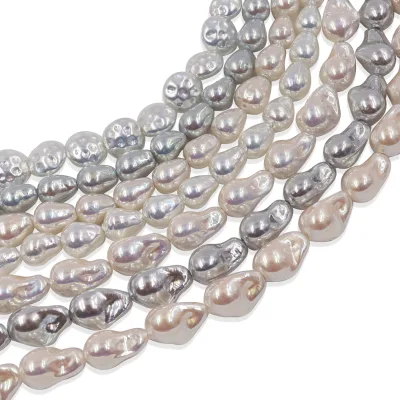
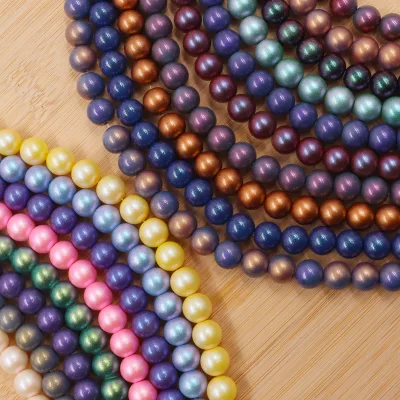
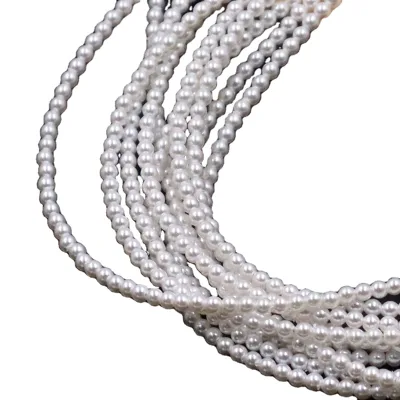
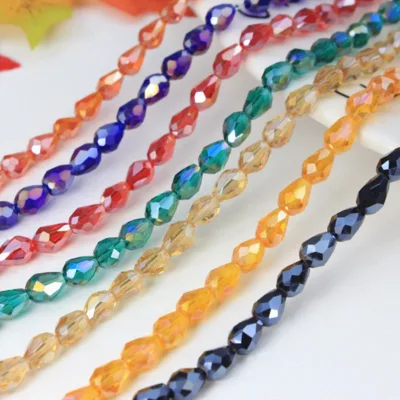





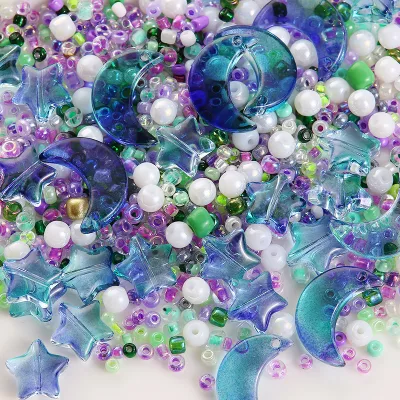
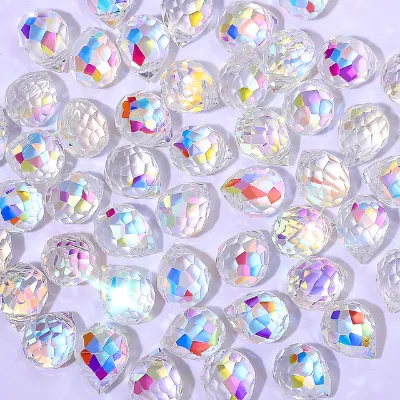
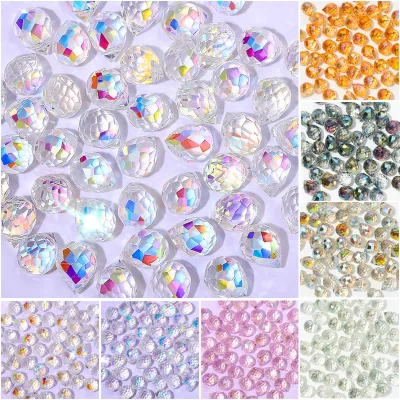


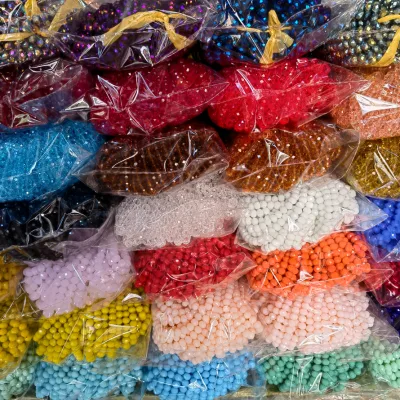


Comprehensive Sourcing Guide
Rainbow Synthetic Glass Pearl Beads Supplier Concentration and Factory Types
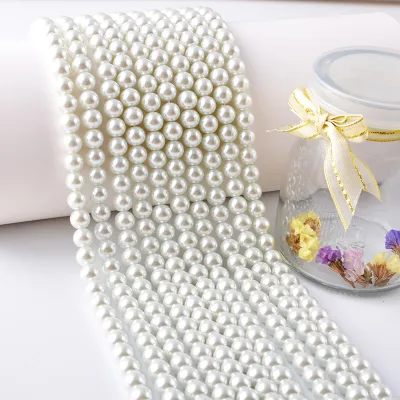
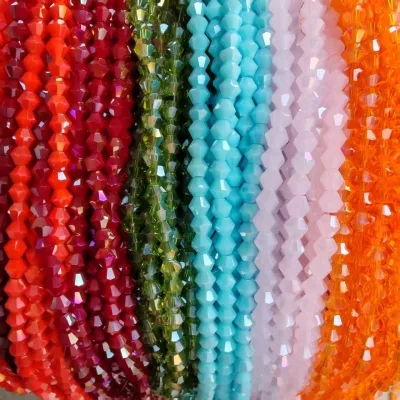
The current supplier landscape for Rainbow Synthetic Glass Pearl Beads includes a mix of manufacturers and trading companies, with specific facility types identified as Manufacturer, Trading Company, and Manufacturer/Factory. These entities often operate within distinct industrial clusters, though explicit location data varies by product listing. Some product attributes indicate origins in Zhejiang, China, while others point to Hubei, China, and Wuzhou, China. When evaluating concentration, buyers should look for suppliers listing these specific provinces as their place of origin to identify regional manufacturing hubs. The presence of multiple company types suggests a supply chain where some entities handle direct production while others manage distribution and logistics.
Factory types influence the range of capabilities available, such as sample processing, graphic processing, and customized on-demand services. Some suppliers explicitly state OEM capacity, which is critical for buyers seeking tailored designs or specific color variations. The main products listed often extend beyond simple beads to include plastic rhinestone trimming, fashion jewelry, and various synthetic gemstones like cubic zirconia and synthetic ruby. This diversification indicates that many factories possess the machinery to handle glass bead production alongside other jewelry components. Buyers should verify if a supplier's primary focus aligns with their specific needs for synthetic glass pearls rather than general jewelry accessories.
How to Verify Rainbow Synthetic Glass Pearl Beads Suppliers
Verification is a critical step when sourcing Rainbow Synthetic Glass Pearl Beads, as not all suppliers provide identical levels of assurance. Some suppliers display verification status through third-party services like TüVRheinland, which serves as a concrete indicator of a factory's operational legitimacy. Buyers should prioritize suppliers with this specific verification badge to reduce the risk of dealing with unverified entities. Additionally, checking for system certifications such as (EC) 1907/2006 can provide insight into the supplier's adherence to chemical safety standards, which is particularly relevant for glass and synthetic materials used in jewelry.
Beyond external verification, buyers must scrutinize the specific product attributes provided in the listing to ensure they match the intended order. For instance, some listings specify a "Brand Name" like DS Crystal or Stars Gem, while others list the material as "Glass Stone" or "Synthetic Glass." It is essential to confirm that the "Place of Origin" matches the expected manufacturing region, such as Zhejiang, Hubei, or Wuzhou, as these locations often correlate with specific production expertise. If a supplier claims a specific origin but the product details are vague or contradictory, this discrepancy should be flagged for further investigation before proceeding with any transaction.
What to Compare Across Rainbow Synthetic Glass Pearl Beads Suppliers
When comparing suppliers, key dimensions include lead time, minimum order quantity (MOQ), and response speed, all of which vary significantly across the market. Lead times can range from immediate availability to approximately 15 days, depending on the supplier's current capacity and order volume. Some suppliers list a lead time of zero, suggesting they may have stock ready for immediate dispatch, while others require a two-week window for production. Buyers should also note the MOQ, which can be as low as 10 items for certain loose beads but may rise to 50 or 100 pieces for specific synthetic gemstone styles.
Response time is another vital metric for assessing supplier reliability, with some entities showing a response time of roughly 21.88 hours. This metric helps buyers gauge how quickly they can expect communication regarding inquiries or order changes. Additionally, comparing the main products offered by each supplier reveals whether they specialize in the specific bead types required. For example, some suppliers focus on glass pearl beads with perfect rounded shapes, while others offer a broader range including cubic zirconia and synthetic sapphires. Buyers should align their selection with suppliers whose core product lines and capacity for customization, such as OEM services, match their specific project requirements.
Common Rainbow Synthetic Glass Pearl Beads Sourcing Risks
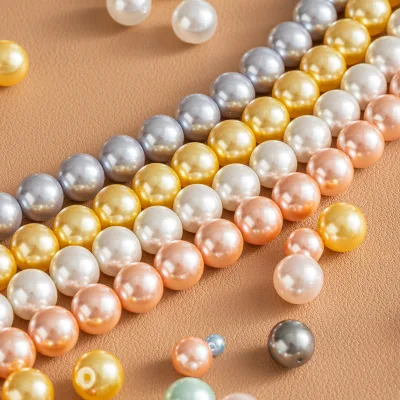
One significant risk in sourcing Rainbow Synthetic Glass Pearl Beads involves the variability in product specifications and quality claims. While some listings explicitly state a quality grade like "AA" or "2A," others provide no quality designation, leaving the buyer to rely on visual inspection or sample testing. The material composition is another area of potential confusion, with terms like "Glass Stone," "Synthetic Glass," and "Crystal" sometimes used interchangeably. Buyers must verify the exact material composition to ensure it meets their design standards, as the visual appearance of synthetic glass can differ from natural stones or higher-grade crystals.
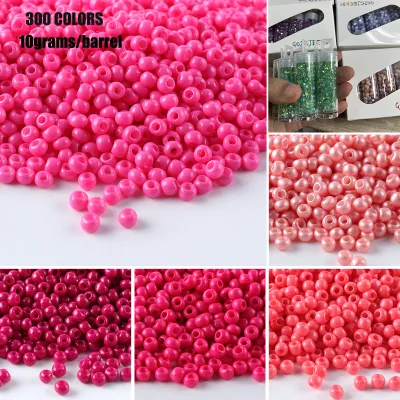
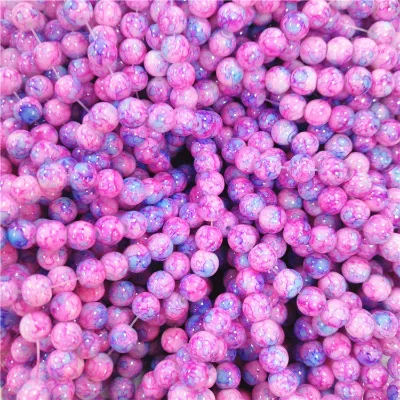
Another risk relates to the consistency of color and shape, particularly for items described as "Multi" shape or having specific color options like "Red" or "Pink." Some product attributes indicate that color details require checking specific options, which can lead to misunderstandings if the buyer does not confirm the exact shade before ordering. Furthermore, the packaging and weight specifications, such as a single gross weight of 0.300 kg or a package size of 6x6x6 cm, must be accurate to avoid shipping discrepancies. If a supplier's packing instructions are vague, such as "According Customer Request," it may lead to inconsistent packaging that affects the final presentation of the jewelry.
Rainbow Synthetic Glass Pearl Beads Regional Sourcing and Logistics
Regional sourcing plays a pivotal role in determining logistics efficiency and cost, with suppliers located in Zhejiang, Hubei, and Guangxi offering distinct advantages. Zhejiang is a known hub for glass bead manufacturing, often providing access to a dense network of suppliers and raw materials. Hubei and Guangxi also appear as specific origins for certain product listings, indicating that buyers can source from multiple regions depending on their logistical preferences. When a supplier lists a specific location, it allows for more accurate estimation of shipping times and potential tariffs, which are critical factors in the overall cost structure.
Logistics planning must account for the specific packaging dimensions and weights provided in the product attributes. For example, a single package size of 10x10x5 cm or a gross weight of 0.52 kg per batch directly impacts freight calculations and container utilization. Buyers should verify if the supplier offers flexible packing options, as some listings indicate "Opp Bag" or "According Customer Request" for packaging. Understanding these logistical details helps in optimizing the supply chain, ensuring that the goods arrive safely and on time. Additionally, knowing the exact origin allows buyers to anticipate any regional shipping delays or customs requirements that might affect the delivery schedule.
Rainbow Synthetic Glass Pearl Beads Commercial Terms and Order Planning
Commercial terms for Rainbow Synthetic Glass Pearl Beads vary widely, with prices ranging from approximately $0.002 to $3.50 per unit depending on the specific product and quantity. Some listings show a fixed price point, while others indicate a range, suggesting that the final cost may depend on the selected color, size, or customization level. Buyers must carefully review the price minimum and maximum to understand the potential cost variance. Additionally, the selling units, such as "Single item" or "Multiple of 10 items," dictate how orders must be structured, which can influence the total order value and inventory management.
Order planning should also consider the customization options available, as many suppliers offer "Available" customization for color, shape, and size. This flexibility allows buyers to tailor the beads to their specific design needs, but it may also extend the lead time or increase the minimum order quantity. For instance, some suppliers require a minimum of 50 pieces for customized orders, while others accept smaller quantities for standard items. Buyers should confirm the specific terms for customization, including any additional costs or timeframes, to ensure that the order aligns with their production schedule and budget constraints.
FAQs
What is the price range for synthetic glass beads?
Prices for these beads typically range from $0.002 to $3.51 per unit. The final cost depends on the specific shape, size, and color options selected. Buyers should check the color options for exact pricing details as variations exist across different product listings and supplier configurations.
What is the minimum order quantity for these beads?
The minimum order quantity varies by supplier, with some requiring as few as 10 pieces while others set the threshold at 50 or 100 pieces. Buyers must verify the specific MOQ for each product listing to ensure it aligns with their initial procurement needs and budget constraints.
Where are these glass beads manufactured?
Manufacturing locations for these beads include Zhejiang, Hubei, and Guangxi in China, with specific origins noted in Wuzhou. Buyers should verify the exact place of origin for each product listing to understand shipping logistics and potential regional quality standards associated with the manufacturing facility.
What certifications do these suppliers hold?
Some suppliers hold the (EC) 1907/2006 system certification and undergo TüVRheinland verification. Buyers should request specific certification documents for each product to ensure compliance with international safety and chemical standards, as not all listings explicitly display these credentials in the initial product details.
How long does production take?
Lead times vary significantly, with some suppliers indicating zero days for samples and others listing fifteen days for standard orders. Buyers should confirm the exact lead time with the supplier before placing an order, as this depends on customization requirements and current production capacity availability.
Can these beads be customized?
Customization is available for many synthetic glass bead products, including shape, size, and color options. Suppliers offer OEM services and graphic processing capabilities. Buyers should contact the supplier directly to discuss specific customization requirements and confirm if additional fees or minimum order quantities apply to custom orders.